You can get gel manicures for years, then suddenly your fingertips itch, swell, or burn after one appointment. That is why an allergic reaction to gel polish feels so confusing. Nothing changed, but your skin is clearly upset.
I have seen this happen to regular gel users who thought they were safe because they never reacted before. Then the skin around the nails turns red, tight, sore, or flaky, and the first question is, “Why now?”
The reason is often a slow buildup. Gel polish can contain acrylates like HEMA, which may trigger the immune system after repeated contact with uncured gel. Once sensitivity starts, even a tiny amount can cause another flare.
Here’s why it happens, what symptoms to notice, and what your next manicure choices may need to look like.
What an Allergic Reaction to Gel Polish Actually Is?
Gel polish contains chemicals called methacrylates. When uncured gel touches the skin, these tiny molecules can pass through the skin barrier and alert the immune system.
For many people, this never becomes a problem. For others, the immune system starts treating those chemicals like a threat. That is when an allergic reaction to gel polish can begin.
This reaction is called allergic contact dermatitis. It is different from simple irritation.
Irritation usually burns or stings where the product touched the skin and often improves once the product is removed. An allergy involves the immune system.
It usually needs repeated exposure, can get worse each time, and may react to even smaller amounts later.
That difference matters. Many people think their nails are just “sensitive” and try a new product or take a short break.
But once the immune system is sensitized, a break usually does not reset the allergy. The reaction can come back with the next exposure.
Why a Sudden Allergic Reaction to Gel Polish Can Appear Out of Nowhere
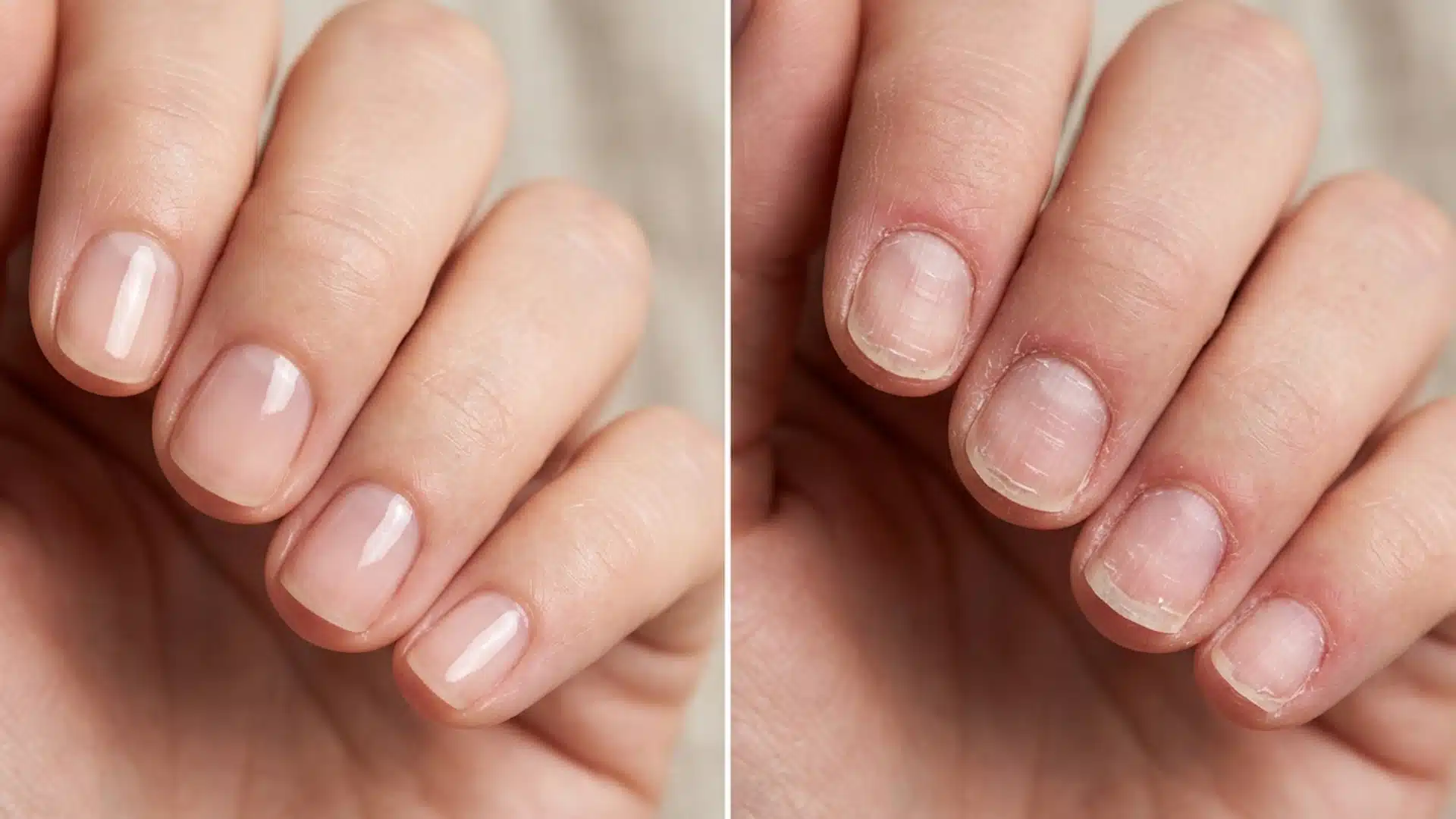
An allergic reaction to gel polish usually does not happen after one manicure. It builds slowly.
Each time uncured gel touches the skin, the immune system “remembers” those chemicals. At some point, it reaches its limit. The next manicure can then trigger itching, redness, swelling, or peeling.
That is why the reaction feels sudden, even when it has been building for a long time.
Research from HEMA patch test results found that 3.9% of women tested positive for HEMA allergy. Reactions appeared in both first-time gel users and long-term clients.
For regular gel users, symptoms showed up after about 34 months on average.
So, you may not be reacting to something new. Your immune system may have finally crossed a threshold.
At-home gel kits can raise the risk too. It is easier to get gel on the cuticles, and weak lamps may leave polish partly uncured.
That means more reactive chemicals can stay on the skin longer.
Irritation vs Allergy vs Infection: How to Tell the Difference
Not every reaction after gel polish is an allergy. Some symptoms come from irritation, rough removal, or even infection. Knowing the difference can help you decide what to do next.
| Problem | Common Signs | When It Happens | What It Usually Means |
|---|---|---|---|
| Irritation | Burning, stinging, dryness, mild redness | Soon after contact with the product or acetone | The skin barrier is irritated, but the immune system may not be allergic |
| Allergy | Itching, swelling, peeling, blisters, rash near nails or face | Often after repeated gel use | The immune system is reacting to acrylates or methacrylates |
| Infection | Pus, heat, severe pain, spreading redness, fever | Can worsen over days | A doctor should check it, especially if the skin is open or painful |
A gel polish allergy often causes itching more than simple burning. Infection usually feels more painful, warm, or swollen and may include pus.
Note: If symptoms are severe, spreading, or not improving, it is safer to get medical advice instead of guessing.
What Ingredients Cause an Allergic Reaction to Gel Polish?
Not every gel polish has the same risk, but many traditional formulas contain acrylates that can trigger an allergic reaction to gel polish.
The Most Common Ones Include:
- HEMA: The biggest trigger. A 2024 Contact Dermatitis review found HEMA was the most common acrylate allergen in nail cosmetics. Its small molecules can pass through the skin barrier easily.
- Di HEMA TMHDC: Often found in builder gels and gel hybrids. It may cause reactions in people already sensitive to HEMA.
- HPMA: Another common acrylate that often appears with HEMA in positive patch test results.
- Ethyl Acrylate: More common in acrylic products, but some gel formulas may still contain it.
The key issue is the uncured gel. These ingredients are most reactive in their liquid state. Once gel is fully cured under a UV or LED lamp, the molecules bond into larger polymers that are less likely to enter the skin.
That means the real problem is usually contact with uncured gel during application, flooding, or removal, not the finished manicure itself.
Common Symptoms of a Gel Nail Allergy
If you think you have an allergic reaction to gel polish, stop using gel products and speak with a dermatologist or allergist. The symptoms below can help you spot possible signs, but they are not a diagnosis.
Skin Symptoms
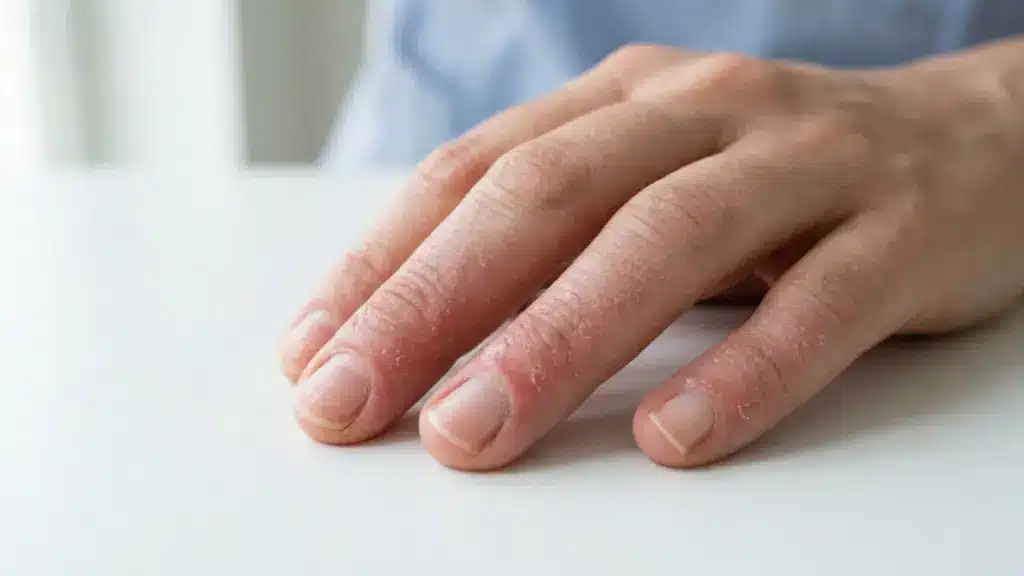
Skin symptoms usually appear on the cuticles, fingertips, or surrounding skin. You may notice:
- Redness
- Itching
- Swelling
- Sore fingertip pads
- Tiny fluid-filled blisters near the nail edges
But the rash does not always stay near your nails.
Uncured acrylates can transfer when you touch your face or rub your eyes. That can cause redness, swelling, or itching on the eyelids, cheeks, lips, or neck.
This is called ectopic contact dermatitis. It can be confusing because the irritation appears far from the nails. If eyelid swelling or facial rashes keep coming back, check whether they started around the same time as your gel manicures.
In rare cases, methacrylate sensitivity may also worsen asthma symptoms in people who already have asthma.
Nail Changes
Nail changes affect the nail plate or nail bed. You may notice:
- Nail lifting from the nail bed
- A white gap under the nail
- Yellow, white, or brown discoloration
- Thin, weak, or brittle nails
- Tenderness under or around the nail
- A loose edge that slowly spreads
A gel polish allergy can affect more than the skin. It can also change how the nail plate and nail bed look or feel.
One of the more common warning signs is onycholysis, in which the nail separates from the nail bed. It may start small, then become more noticeable with repeated gel exposure.
This can be easy to blame on acetone, filing, or removal damage. But if nail changes happen along with itching, redness, swelling, or repeated flare-ups, the allergy itself may be part of the problem.
Why This Matters Beyond Your Nails
A gel nail allergy is not only about itchy skin or lifting nails.
Many people do not learn this until after they are already sensitized: methacrylates are used in more than nail products.
The same compounds, or close chemical relatives, can appear in:
- Dental fillings
- Orthodontic bonding materials
- Bone cement is used in orthopedic procedures
- Glucose sensors
- Some hearing aids
Once your immune system becomes sensitive to acrylates from gel products, it may also react to similar materials in medical or dental settings.
That is why a confirmed gel nail allergy is worth mentioning before treatment, especially to your dentist, dermatologist, or any specialist who may use acrylate-based materials.
This is not a reason to panic. It is simply useful medical information to keep on record, especially if patch testing confirmed the allergy.
What to Do if You Suspect a Gel Polish Reaction
Stop using all gel nail products right away. This includes gel polish, builder gels, and gel-based top coats.
Regular nail polish and press-on nails with adhesive tabs are usually fine to keep using.
Next, see a dermatologist or allergist for patch testing. This test uses small patches with common allergens, including methacrylates. They stay on the skin for 48 hours, then a follow-up appointment checks for reactions.
Patch testing helps confirm which ingredient is causing the reaction. It can also rule out nail psoriasis or a fungal infection, which can look similar to a gel allergy.
The American Academy of Dermatology recommends seeing a board-certified dermatologist if you notice unusual nail changes or ongoing nail problems.
Antihistamines may reduce itching for a short time, but they will not fix the immune reaction or prevent future flare-ups if you keep using the gel.
When to See a Doctor for a Gel Polish Reaction
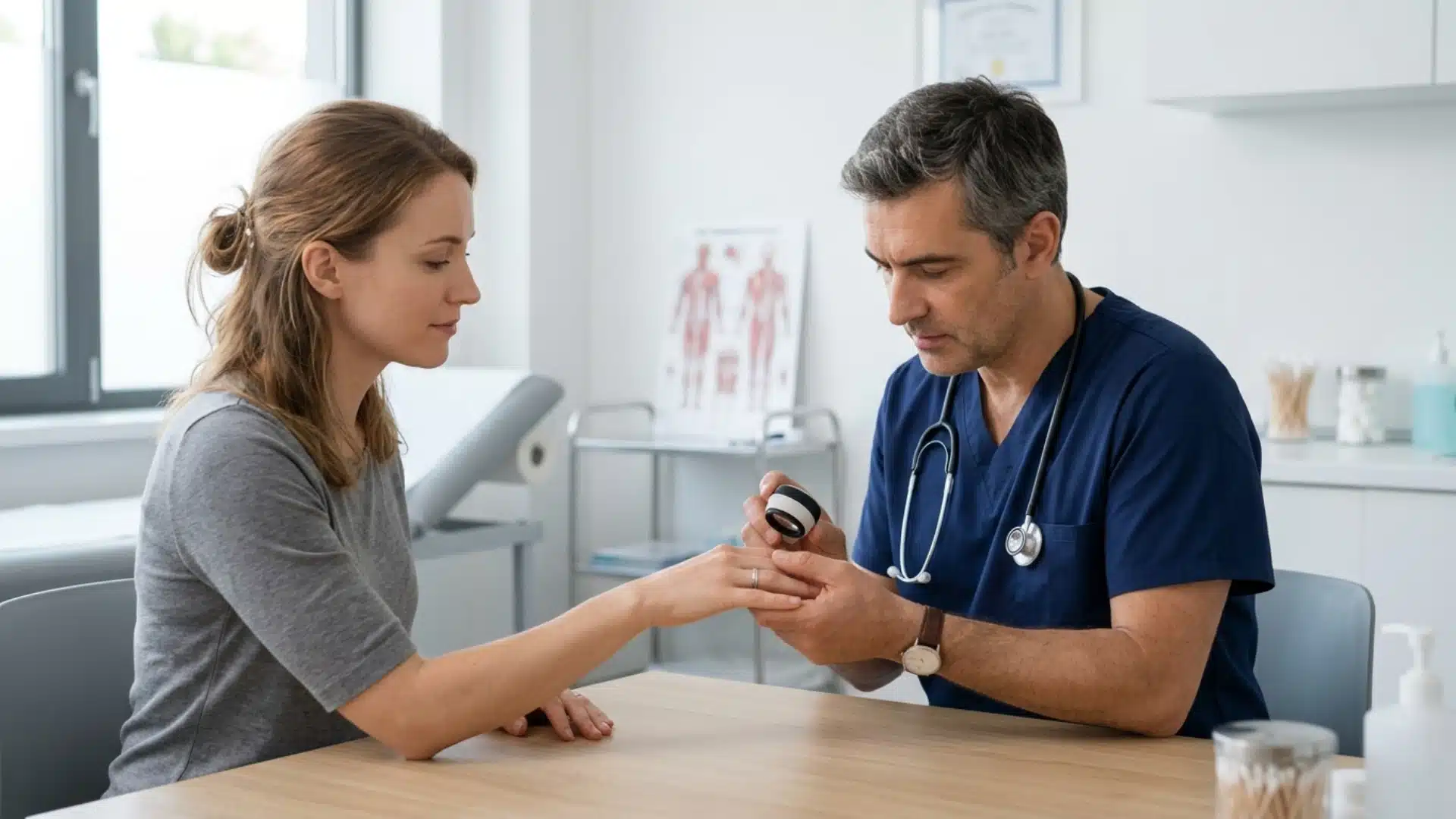
Some gel polish reactions need medical attention. See a dermatologist or doctor if you notice:
- Severe swelling around the nails, eyes, lips, or face
- Pus, warmth, or spreading redness
- Severe pain around the nail
- Fever or signs of infection
- Nail lifting that keeps getting worse
- A rash that spreads beyond the hands
- Symptoms that return every time you use gel polish
- Breathing issues or asthma symptoms after exposure
A dermatologist can check whether the problem is allergic contact dermatitis, infection, nail psoriasis, eczema, or damage from removal. This matters because each one needs different care.
Nail Care Options After an Allergic Reaction to Gel Polish
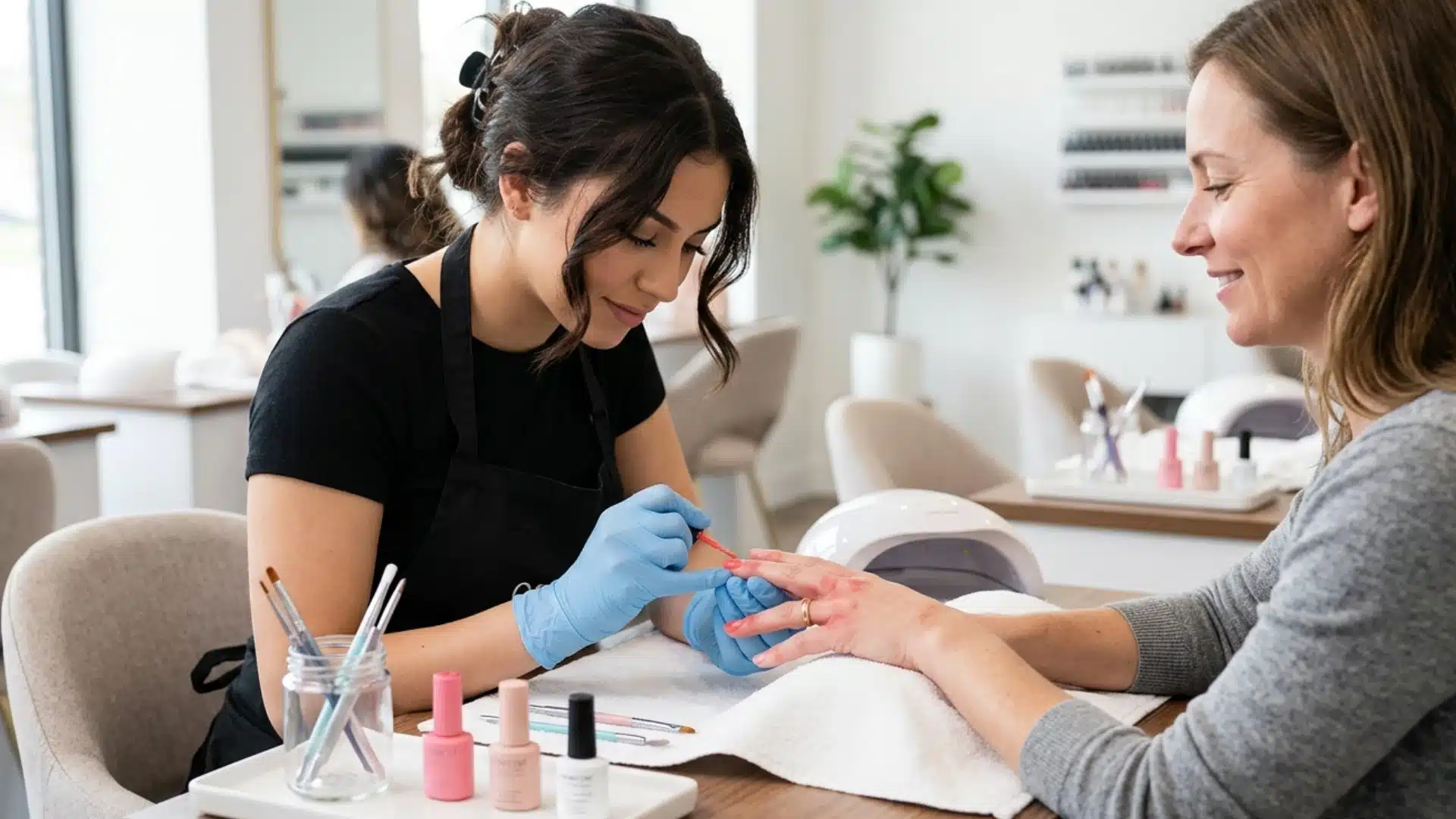
A gel nail allergy does not always mean giving up nail care completely. The best option depends on what your patch test shows.
- HEMA-free gel polishes: Many brands now make formulas without HEMA. These may help people with HEMA sensitivity, though some still contain other acrylates that can cross-react. The AAD also recommends soak-off gel nails over acrylics for sensitive nails.
- Regular nail polish: Traditional nail lacquer does not contain methacrylates. Many 10-free or 13-free formulas also avoid common irritants. Wear time is shorter, but there is no UV curing or acrylate exposure.
- Press on nails with adhesive tabs: Adhesive tabs avoid acrylate-based nail glue entirely. The results are temporary, but they are one of the lower-risk options.
- Semi-cured gel strips: These are partially cured gel sheets applied directly to the nail. Because the gel is already mostly hardened, skin exposure to reactive chemicals is lower than with liquid gel.
Note: Before trying any gel alternative, patch testing matters. Some HEMA-free products still contain other acrylates that can trigger similar reactions.
Conclusion
A sudden allergic reaction to gel polish is usually not truly sudden. In many cases, the immune system has been building sensitivity for months or even years before symptoms finally appear.
The reaction can feel scary, especially when irritation spreads beyond the nails to the eyelids or face. But once you understand what is causing it, the next steps become much easier to handle.
I would start by stopping gel exposure completely and getting a proper patch test done. Knowing the exact ingredient behind the reaction can help you choose safer nail options and avoid future flare-ups.
A gel nail allergy does not always mean giving up nail care forever. It usually means changing the products and methods your skin can safely handle.
If you have gone through this yourself or still have questions about certain symptoms, feel free to share them in the comments. It is more common than most people think.
Frequently Asked Questions
Can You Become Immune to a Gel Nail Allergy Over Time?
No. Once the immune system becomes sensitized to an acrylate allergen, the reaction is usually permanent. In many cases, symptoms worsen with repeated exposure, not improve. Avoiding the triggering ingredient is the safest approach.
Is a Gel Nail Allergy the Same as an Acrylic Nail Allergy?
They are closely related. Gel and acrylic products use similar chemicals called acrylates and methacrylates. Someone allergic to HEMA in gel polish may also react to acrylic nails because of cross-reactivity. Patch testing can help identify which ingredients are causing the problem.
Can Gel Polish Cause an Allergic Reaction if You’ve Never Had One Before?
Yes. Most reactions happen after repeated exposure over time, not after the first manicure. The immune system can slowly develop sensitivity, even in people who have used gel polish for years without issues.
Will Antihistamines Clear up a Gel Polish Reaction?
Antihistamines may reduce itching temporarily, but they will not stop the allergy itself. The main treatment is avoiding the triggering ingredient. Dermatologists may also prescribe topical corticosteroids to calm skin inflammation while the reaction heals.