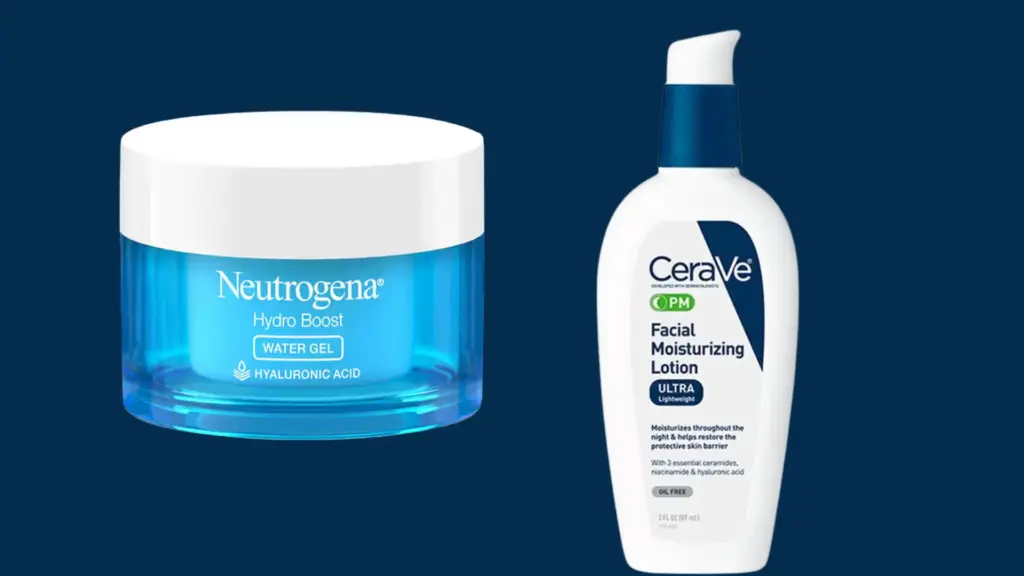
Ever feel like your skin gets oily five minutes after washing your face, but still somehow feels dry? That confusing mix is exactly what makes oily acne-prone skin so hard to manage.
Using the wrong moisturizer can trigger breakouts, while skipping it only makes excess oil worse. The struggle is real, especially when every product claims to be lightweight or non-greasy yet fails to deliver.
The short answer: the best moisturizer for oily acne-prone skin is a lightweight, non-comedogenic, water-based or gel formula with ingredients like niacinamide, hyaluronic acid, or ceramides, used consistently twice daily.
The longer answer is knowing which formula fits your specific situation.
This blog covers the top picks that actually work in real routines, from gel-based drugstore options to dermatologist favorites, each chosen for keeping pores clear, reducing shine, and staying comfortable throughout the day.
What Makes a Moisturizer Suitable for Oily Acne-Prone Skin?
A good moisturizer for oily, acne-prone skin should hydrate without feeling greasy or heavy.
Lightweight gel or water-based formulas usually work best because they absorb quickly and sit comfortably on the skin.
The right ingredients also make a noticeable difference in how the skin looks and feels over time.
- Niacinamide helps control excess oil and calm redness
- Hyaluronic acid and glycerin hydrate without adding shine
- Ceramides support and repair the skin barrier
- Centella asiatica helps soothe irritation and post-acne redness
- Willow bark extract gently supports clearer pores
Avoid thick creams and comedogenic ingredients like coconut oil, lanolin, mineral oil, and isopropyl myristate, as they can clog pores and trigger breakouts.
A suitable moisturizer should feel breathable, reduce excess shine, and keep the skin balanced throughout the day.
How to Choose the Best Moisturizer for Acne-Prone Skin
Finding the best moisturizer for acne-prone skin takes a bit of trial and error. Skin responds differently, so what works for one routine may not suit another.
Start by checking ingredient lists and avoiding anything that feels too heavy or pore-clogging. Patch testing is non-negotiable before committing to a new formula.
I apply a small amount along the jawline or behind the ear for 3 to 5 days before adding it to a full routine. If a client breaks out in that spot, the product is off the list. It sounds slow, but it has saved us from many unnecessary flares over the years.
Pay attention to how skin reacts over time, not just after one use. The weather also plays a role. Lightweight gel formulas feel better in hot, humid conditions, while slightly richer gel-cream textures may work better during colder months.
Choosing the right balance keeps skin hydrated without triggering excess oil or new breakouts.
Best Moisturizer for Oily Acne-Prone Skin
A curated list of the best moisturizers for oily acne-prone skin, each chosen for lightweight texture, skin-friendly ingredients, and real-world usability in active routines.
1. Neutrogena Hydro Boost Water Gel
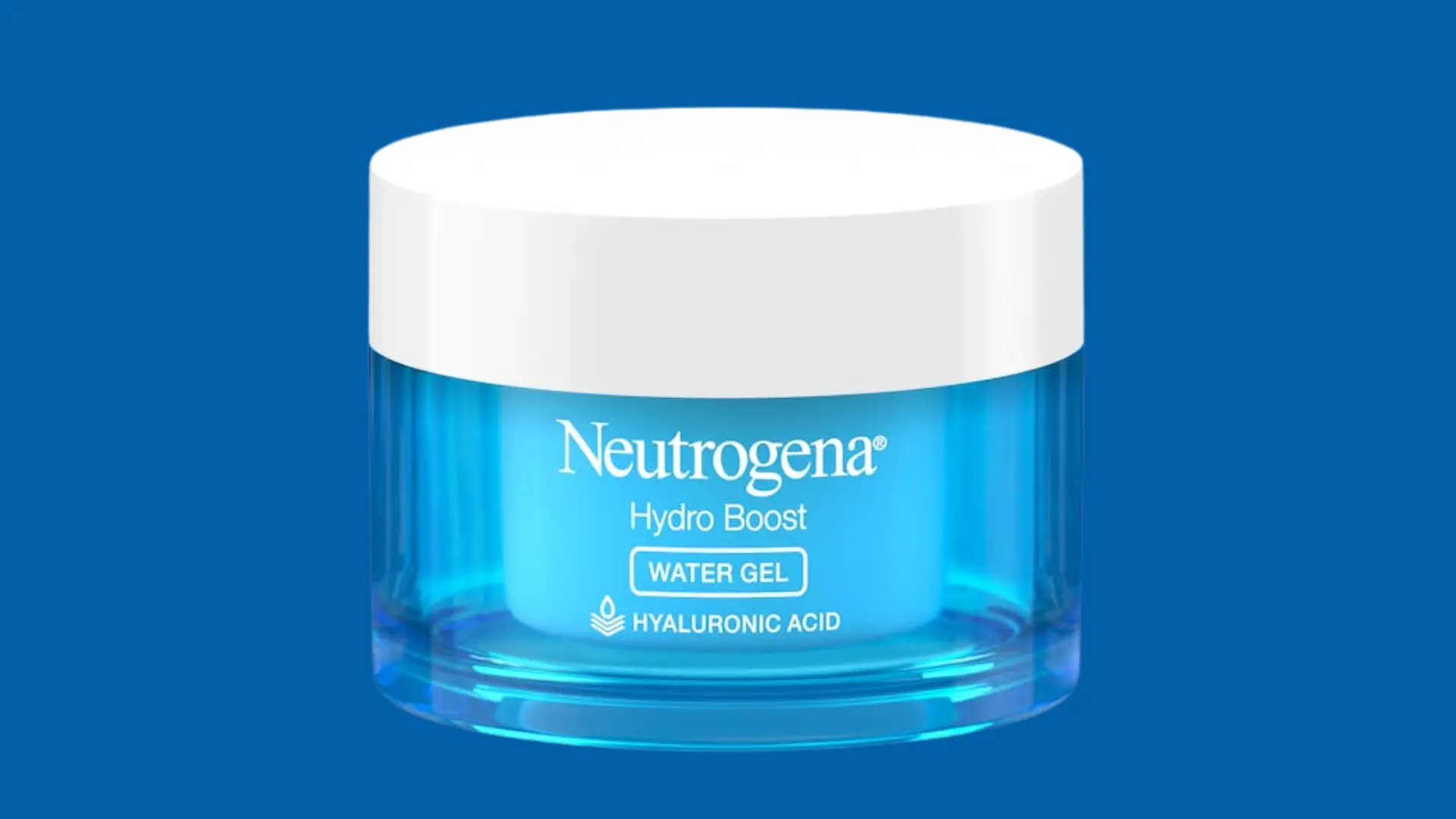
Neutrogena Hydro Boost Water Gel uses hyaluronic acid to deliver hydration without adding oil.
The gel texture absorbs quickly and helps maintain skin moisture balance, reducing excess oil production. It is non-comedogenic, so pores stay clear.
This works well for daily use, especially in humid weather. It also layers smoothly under sunscreen and makeup.
This is one of the first products I recommend to clients who are nervous about adding moisturizer to an already oily routine. The gel-water texture genuinely disappears into the skin, no film, no shine.
I’ve had clients who swore they’d never moisturize come back two weeks later asking why their skin suddenly looked less angry. Consistent hydration reduces the reactive oil cycle. This one makes it easy to start.
The price is about $16.99 for 0.5 oz, depending on the retailer and available discounts.
2. Cetaphil Oil-Free Moisturizing Lotion
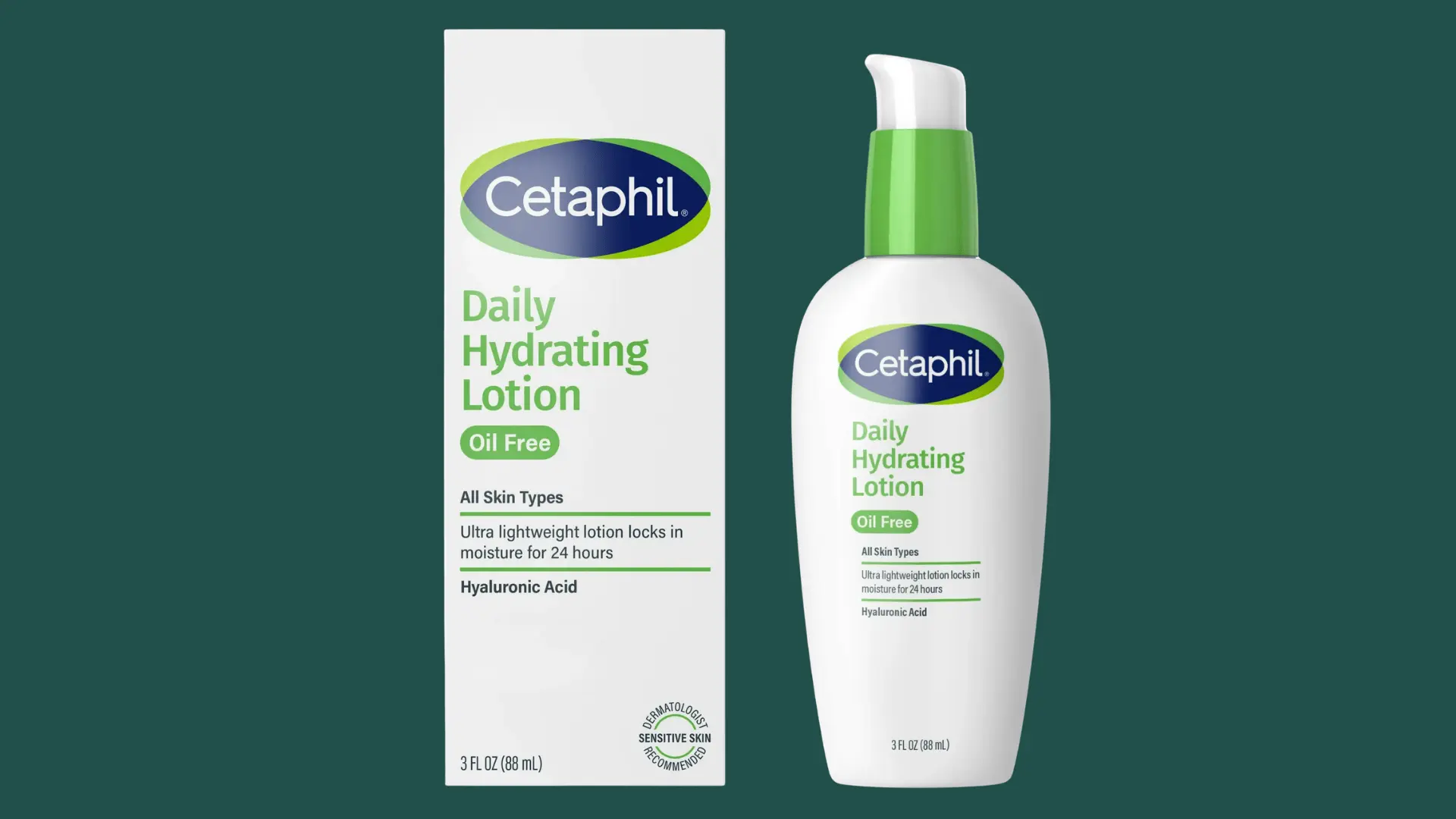
Cetaphil Oil-Free Moisturizing Lotion is designed for sensitive and acne-prone skin.
It contains glycerin and lightweight emollients that hydrate without clogging pores. The formula is non-greasy and fragrance-free, making it suitable for irritated skin.
It helps maintain hydration while keeping breakouts under control. Many people use it as a simple daily moisturizer under sunscreen.
The average price is around $14.47 for 3 fl. oz., making it a budget-friendly option.
3. La Roche-Posay Effaclar Mat
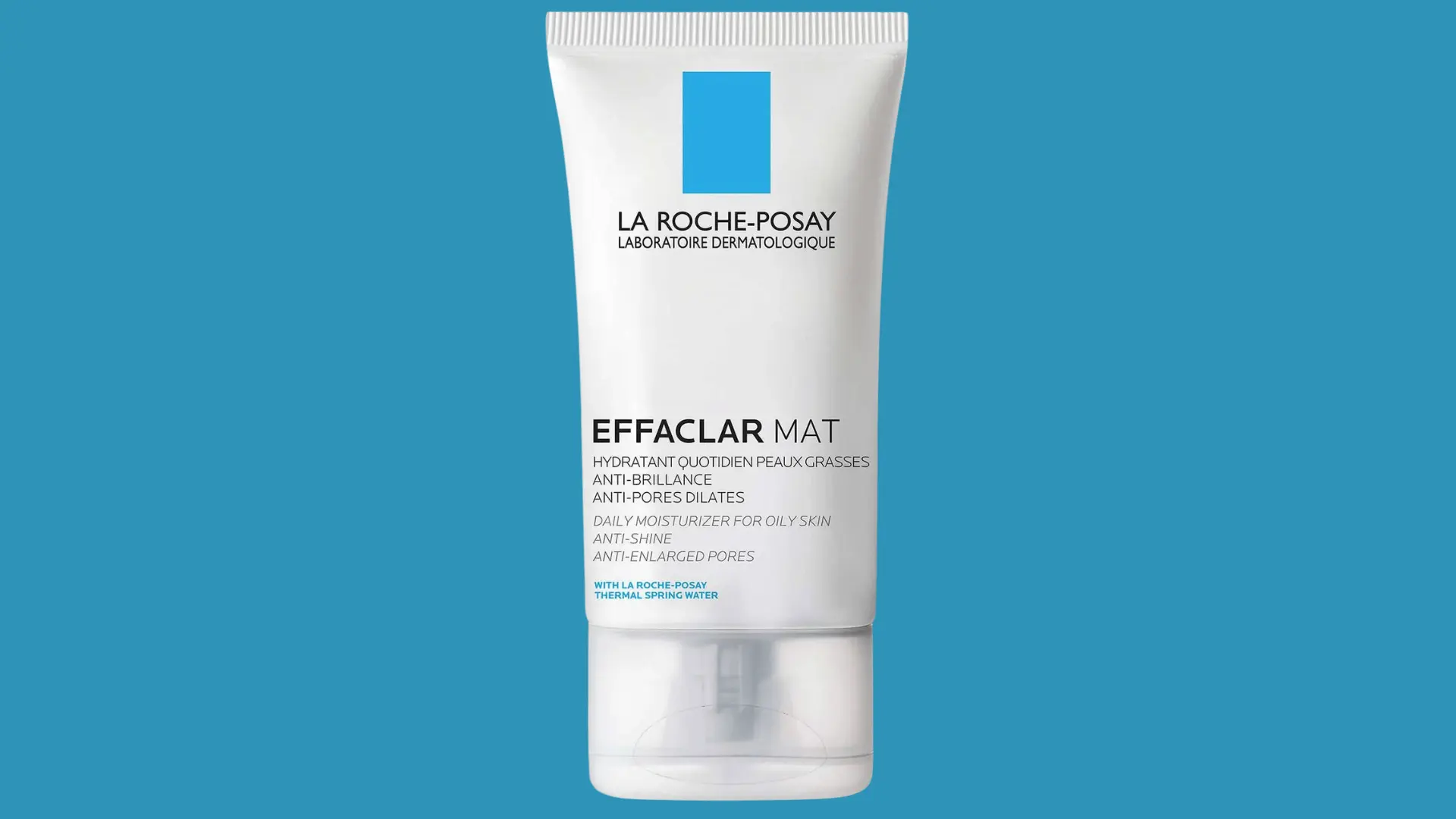
La Roche-Posay Effaclar focuses on oil control and pore refinement. It contains sebulyse technology and micro-exfoliating ingredients that reduce shine and tighten the appearance of pores.
The texture provides a matte finish and helps regulate sebum production over time. Often used as both a moisturizer and a primer.
When clients are on retinoids or using benzoyl peroxide regularly, I almost always bring this one up. It rebuilds what the actives break down. The PM label is marketing. It works fine in a morning routine too, just follow with SPF.
This product is often used as both a moisturizer and primer. The typical price is around $39.99 for 1.35 fl. oz.
4. CeraVe PM Facial Moisturizing Lotion
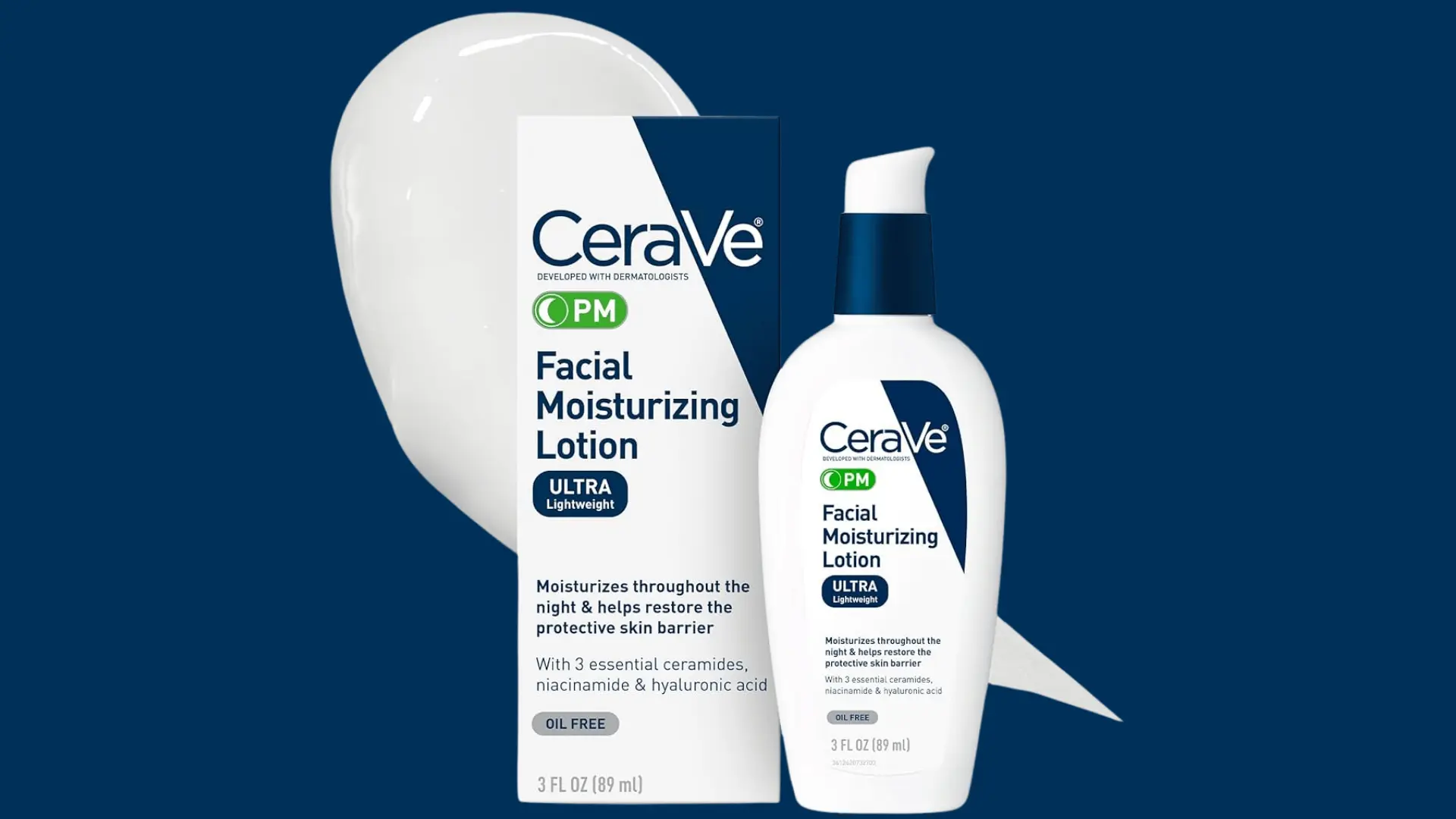
CeraVe PM Facial Moisturizing Lotion combines ceramides, niacinamide, and hyaluronic acid to support the skin barrier while maintaining a light level of hydration.
It helps repair damaged skin and reduces redness associated with acne. The oil-free formula absorbs quickly and does not clog pores.
It is suitable for nighttime use but also works during the day for minimal routines.
Many dermatologists recommend it for acne-prone skin. The average price is about $19.99 for 3 fl. oz.
5. Paula’s Choice Clear Oil-Free Moisturizer
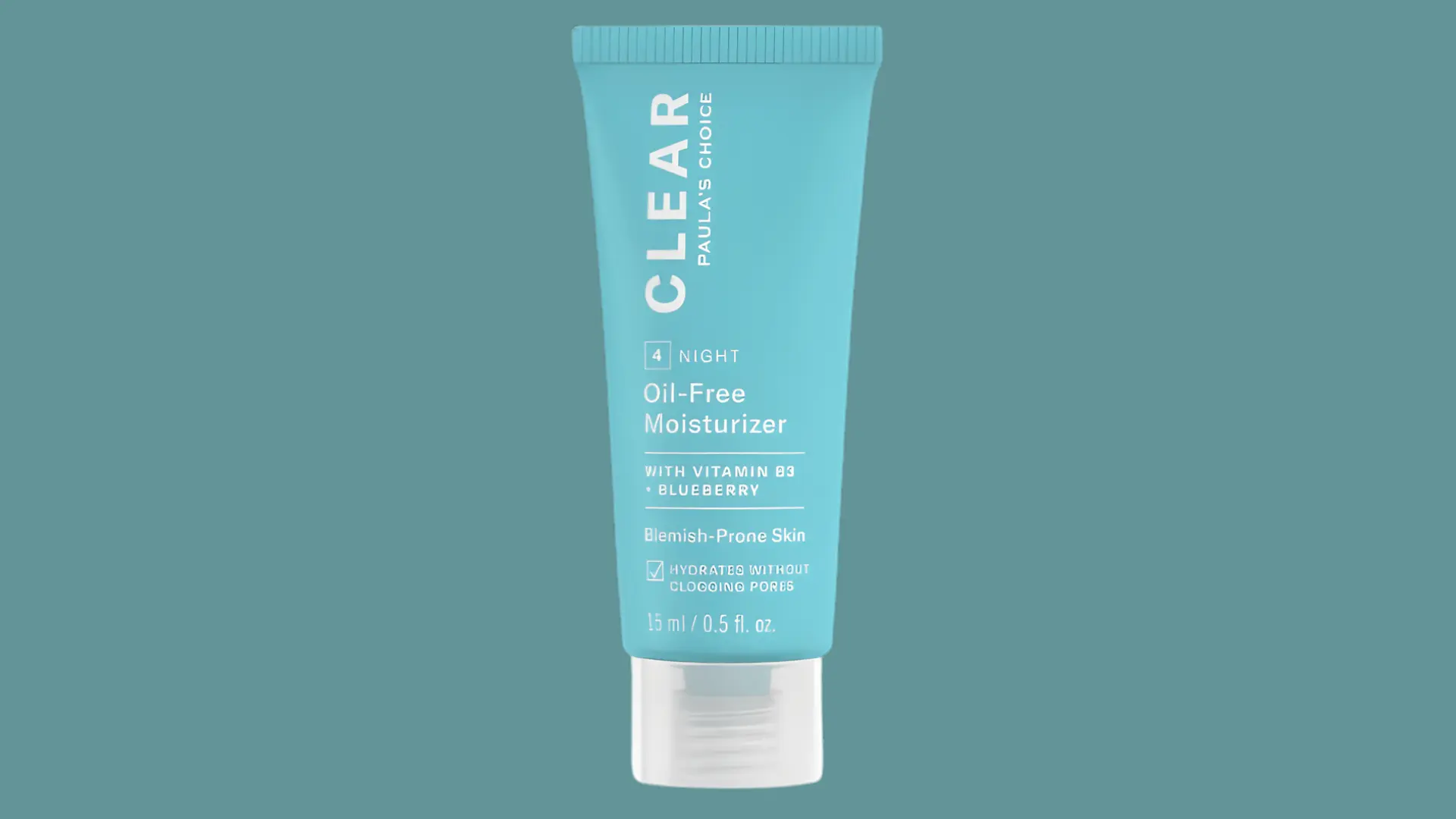
Paula’s Choice Clear Oil-Free Moisturizer is made specifically for acne-prone skin.
It includes niacinamide and soothing plant extracts that calm inflammation and reduce redness. The formula hydrates without heaviness and supports skin recovery during acne treatments.
It is lightweight and noncomedogenic, making it safe for daily use.
Many users notice improved skin balance over time. This product typically costs $39 for 2 oz.
6. Clinique Dramatically Different Hydrating Jelly
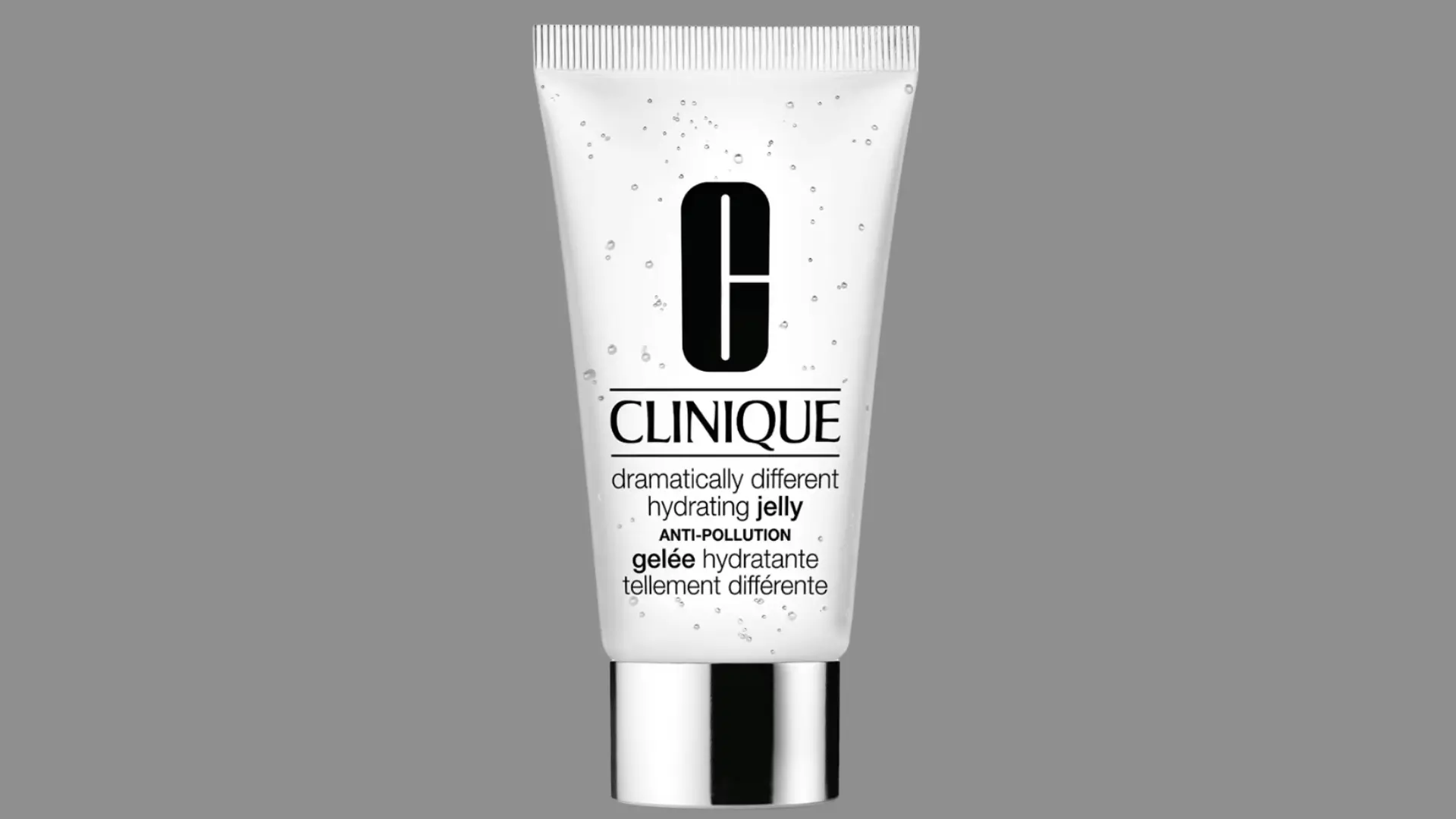
Clinique Dramatically Different Hydrating Jelly offers water-based hydration with a clean, non-sticky feel.
It uses a moisture complex that helps strengthen the skin barrier while keeping the formula oil-free.
The jelly texture spreads easily and absorbs quickly, leaving skin fresh and smooth. It works well under makeup and sunscreen.
Suitable for combination to oily skin types. The usual price is around $17 for 50 ml.
7. The Ordinary Natural Moisturizing Factors
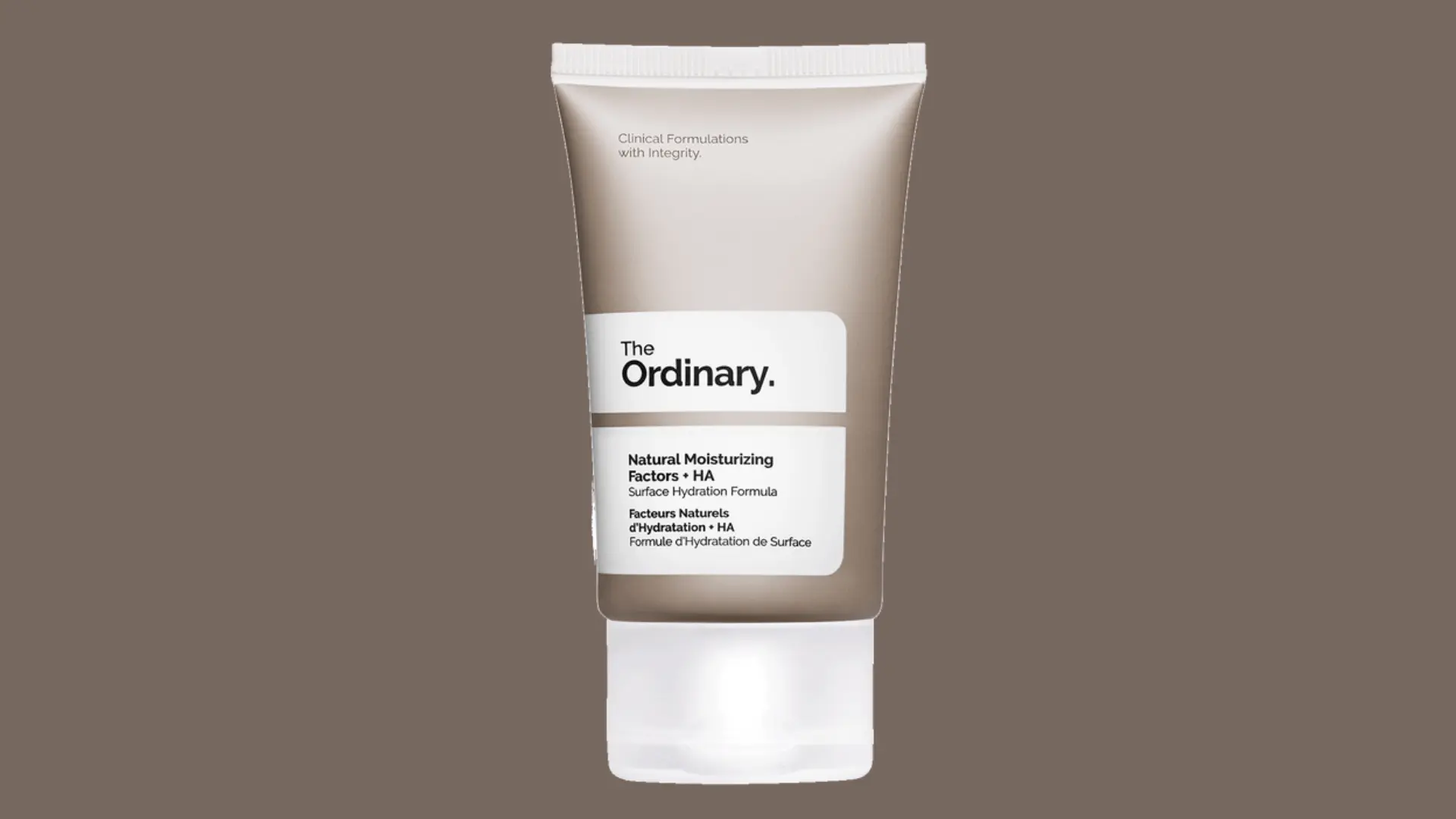
The Ordinary Natural Moisturizing Factors uses amino acids, fatty acids, and urea to mimic the skin’s natural hydration system.
It helps maintain moisture levels without feeling greasy. The texture is slightly creamy but still lightweight enough for oily, acne-prone skin when used sparingly.
It supports overall skin texture and barrier health. Many users prefer it for its simple ingredient list. The price is about $6.70 for 30 ml.
8. Cosrx Oil Free Ultra Moisturizing Lotion
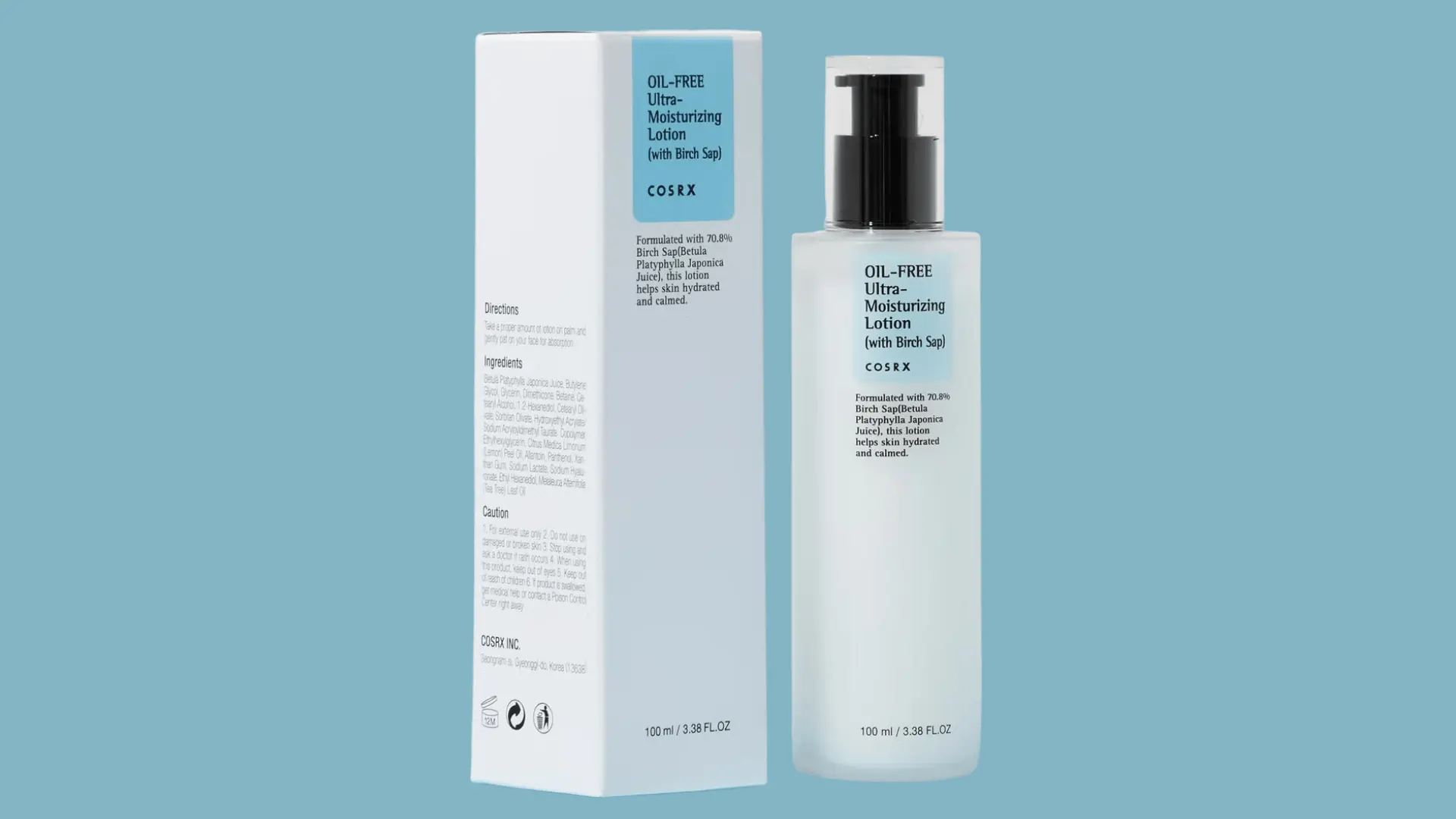
Cosrx Oil Free Ultra Moisturizing Lotion contains birch sap, which helps soothe and hydrate irritated skin.
It is designed for acne-prone skin and works well alongside active treatments like salicylic acid or benzoyl peroxide.
The lightweight lotion absorbs quickly and leaves no heavy finish. It helps maintain hydration without clogging pores.
This product is often used in Korean skincare routines. The typical price is around $25 for 100 ml.
9. Bioderma Sebium Hydra
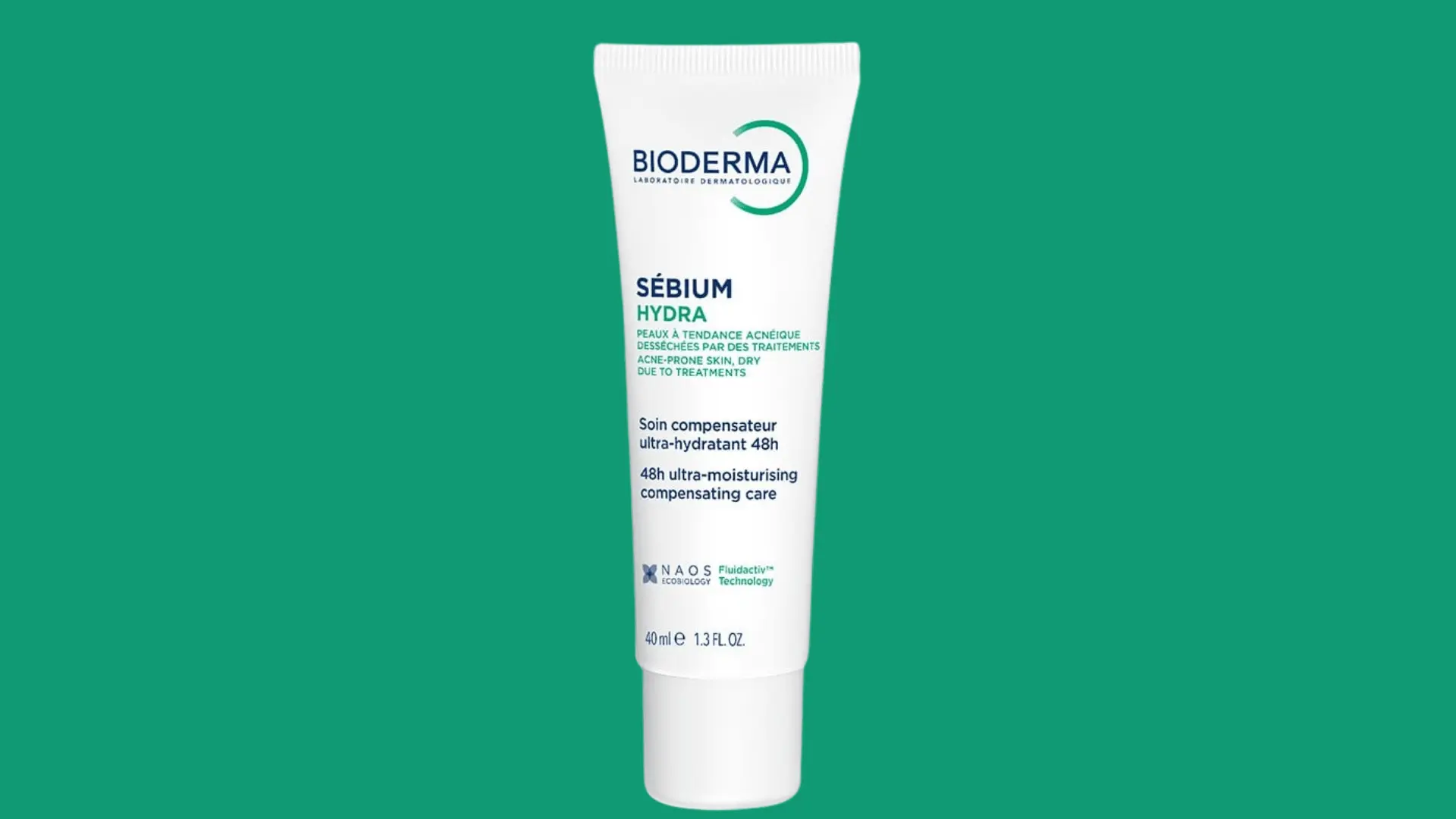
Bioderma Sebium Hydra is made for acne-prone skin undergoing treatments that cause dryness.
It contains glycerin and soothing ingredients that restore moisture while reducing irritation. The formula helps balance skin after using strong actives without triggering breakouts.
It also improves comfort by reducing tightness and flaking. The texture is light and easy to apply daily. The price generally ranges from $25.99 for 40 ml.
Specifically useful for clients on prescription acne medications, isotretinoin, topical antibiotics, or high-strength retinoids, where skin dryness becomes a daily problem.
Bioderma formulates for that specific use case, and this one delivers without feeling like a compromise on the acne side.
Reddit Picks for Oily Acne Skin
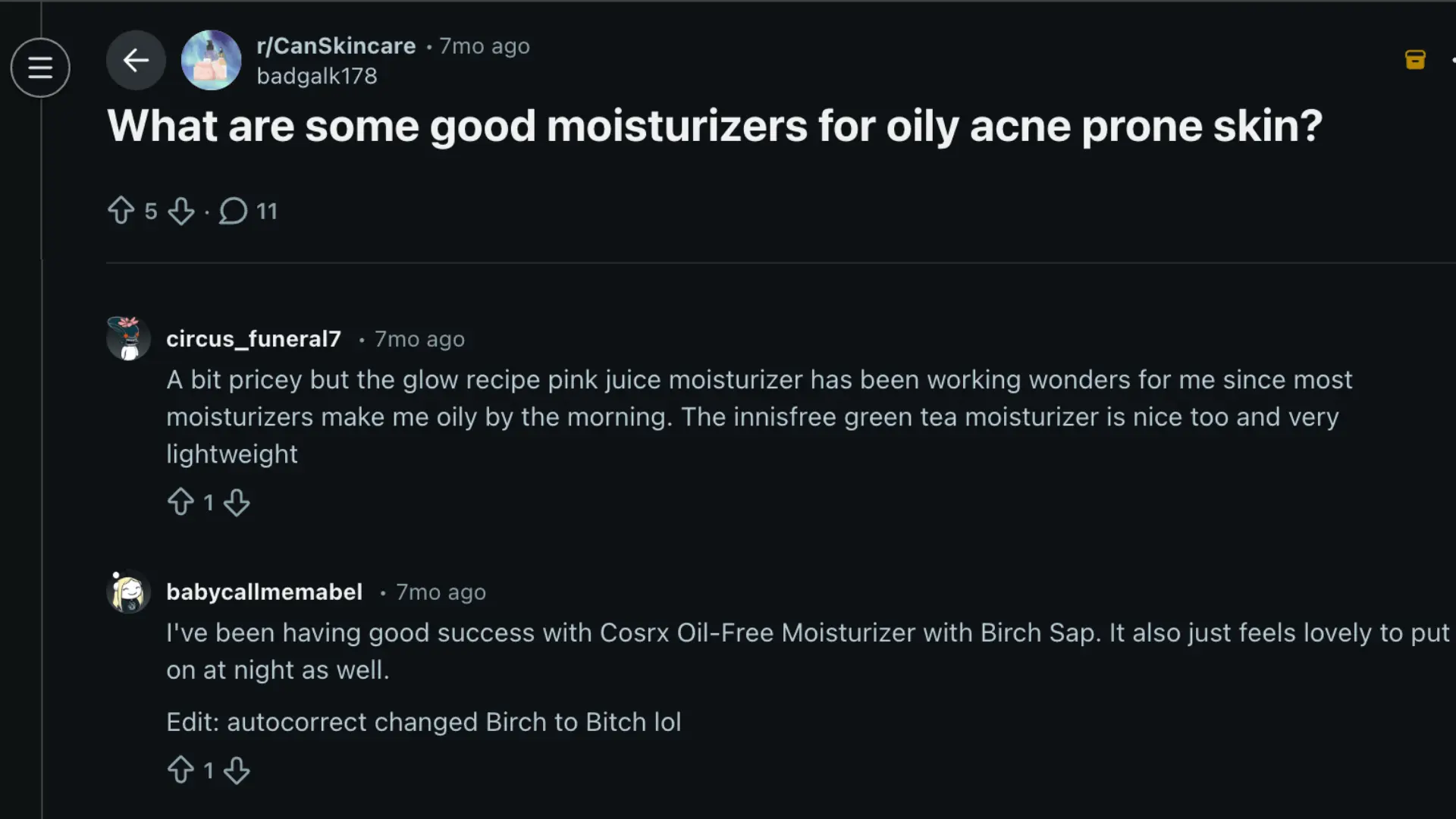
Reddit, in particular, is genuinely useful for cutting through the marketing noise because people share real routines, real failures, and real timelines. A few consistent patterns come up when this topic is discussed.
Gel moisturizers keep coming up in user discussions, with options like Neutrogena Hydro Boost, Cosrx Oil Free Lotion, and La Roche-Posay Effaclar Mat receiving consistent positive feedback.
A key reason is how well they sit on the skin without pilling under sunscreen or causing that midday greasy look.
Interestingly, many people report that using the right moisturizer actually reduced their oiliness rather than increasing it, mainly because dehydrated skin tends to produce more oil.
Fragrance-free formulas are also widely preferred, especially by those with sensitive skin, with Cetaphil and CeraVe often recommended.
Another common observation is seasonal changes, with users switching from gel textures in summer to slightly richer gel-cream formulas in winter.
Common Mistakes to Avoid When Moisturizing Oily Skin
Simple mistakes in your skincare routine can quietly make oily, acne-prone skin worse, so knowing what to avoid is just as important as choosing the right moisturizer.
- Skipping moisturizer entirely: Not moisturizing prompts the skin to produce more sebum to compensate for dehydration, leading to more shine and more breakouts, not less. This is the most common mistake I see in new clients.
- Using thick creams or oil-based formulas: Products with coconut oil, mineral oil, or shea butter can clog pores even if the rest of the formula seems fine. Check the full ingredient list, not just the front label.
- Over-layering products: Applying too many serums, essences, and moisturizers in sequence can overload even resilient skin. For oily, acne-prone skin, a simpler routine is almost always more effective.
- Applying too much product: A pea-sized amount is enough for the face. Using more doesn’t improve hydration for oily skin; it usually contributes to congestion.
- Not patch testing: Starting a new moisturizer on your full face without testing it first is how a minor ingredient incompatibility can turn into a full-blown breakout. Test along the jawline for a few days first.
- Skipping SPF after moisturizing in the morning: If you’re using any acne actives, retinol, AHAs, or BHAs, UV exposure will worsen post-acne marks and slow healing. Moisturizer is step one; sunscreen is non-negotiable after it.
- Shaving too soon after other skin treatments: Using retinoids, chemical exfoliants, or self-tanning products within 24 hours before shaving significantly heightens barrier damage risk. Allow skin time to stabilize between treatments.
Keeping the routine simple with the right moisturizer helps maintain clear and balanced skin.
Moisturizing During Active Acne Treatment
This is one of the most underserved questions in skincare content, and it matters more than most guides acknowledge.
If you are using prescription or over-the-counter acne treatments such as retinoids, benzoyl peroxide, adapalene, or salicylic acid, your moisturizer choice and routine need to be tailored to those actives.
Acne treatments work partly by disrupting the skin’s outer barrier.
That disruption is intentional as it speeds cell turnover and clears pores, but it also makes skin more sensitive, drier, and more reactive. The right moisturizer becomes a buffer.
- Retinoid routine adjustment: If dryness or flaking appears, apply a light layer of moisturizer first, then the retinoid to reduce irritation without weakening results. Recommended options: CeraVe PM and Bioderma Sebium Hydra
- Benzoyl peroxide support: Choose a moisturizer with ceramides to help repair the skin barrier and prevent excessive dryness. Avoid products with added acids since extra exfoliation is unnecessary during treatment
- Salicylic acid daily use care: Stick to a simple, no-fragrance, no-active moisturizer to maintain balance and avoid irritation. Reliable choices: The Ordinary NMF and Cetaphil Oil Free
- Moisturizer consistency rule: Never skip moisturizer on treatment nights, even if skin feels normal. Dryness often appears 12 to 24 hours later, and prevention is far easier than recovery
I always tell clients: the treatment does the work on acne. The moisturizer’s job is to make sure your skin can tolerate the treatment long enough for it to actually work. They are not competing. They are a team.
Conclusion
Finding the best moisturizer for oily, acne-prone skin comes down to understanding what actually suits daily skin needs rather than following trends.
A well-chosen moisturizer should hydrate without heaviness, control excess oil, and support the skin barrier without triggering breakouts. Ingredients like niacinamide, ceramides, hyaluronic acid, and glycerin are your anchors. Look for these first, then narrow by texture.
Lightweight textures and skin-friendly ingredients make a noticeable difference over time. Consistency also plays a big role, as results improve when a routine is followed regularly.
Testing a few options and observing how the skin reacts helps in finding the right match. Everyone’s skin behaves differently, so personal experience matters more than hype.
Got a moisturizer that actually keeps your skin calm and shine-free all day, or still stuck in the trial phase? Drop your go-to pick or skincare struggle in the comments.
Frequently Asked Questions
Should Moisturizer Be Applied on Damp or Dry Skin?
Applying moisturizer on slightly damp skin helps lock in hydration and improves absorption without making skin feel heavy. This matters most when your moisturizer contains hyaluronic acid, as it needs ambient moisture to draw from; otherwise, it can actually pull water from deeper skin layers.
Can Oily Acne-Prone Skin Skip Moisturizer at Night?
Skipping moisturizer at night can lead to dehydration, which may trigger more oil production. A lightweight night moisturizer helps maintain balance. Night is also when skin repair is most active, so this is the most impactful application time, not optional.
How Long Does It Take to See Results from a Moisturizer?
Most people notice changes in hydration within a few days, but improvements in acne and oil control can take a few weeks.
Is Non-Comedogenic on the Label Enough to Trust a Product?
Not entirely. Non-comedogenic labeling isn’t regulated, which means brands can self-apply it without standardized testing. It’s a useful signal, but still check the ingredient list for known comedogenic ingredients like coconut oil, isopropyl myristate, or lanolin, especially if you’re highly breakout-prone. Patch testing remains your most reliable individual test.