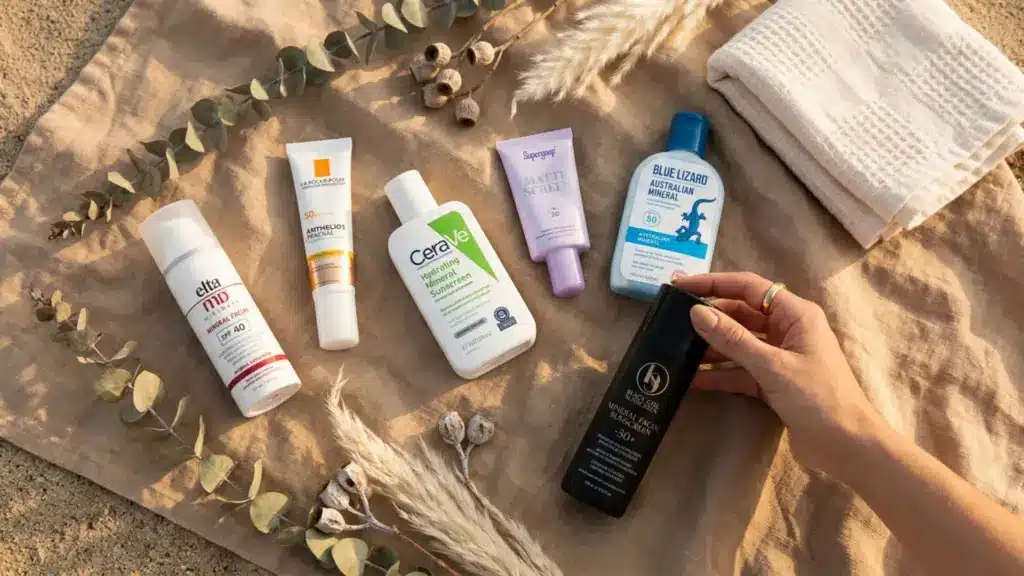
Finding the best mineral sunscreen shouldn’t mean choosing between strong sun protection and a chalky white cast. Today’s formulas are lighter, easier to blend, and designed for a wide range of skin types.
I learned this the hard way after trying a mineral sunscreen that left my face looking noticeably pale no matter how much I blended. Since then, I’ve tested different options and found that modern mineral formulas have come a long way.
Many now offer broad-spectrum SPF protection, comfortable wear, and skin-friendly ingredients without the heavy feel I expected.
In this guide, I’ll share the top mineral sunscreens worth considering, whether you have sensitive, acne-prone, oily, or dry skin.
These picks stand out for their performance, finish, and overall value, making it easier to find one that fits your daily routine.
What to Look for in a Mineral Sunscreen
Before choosing a mineral sunscreen, check these key factors:
- Active Ingredients: Look for zinc oxide and/or titanium dioxide for mineral UV protection.
- SPF 30 or Higher: SPF 30 is suitable for daily wear, while SPF 50 offers extra protection for extended outdoor time.
- Broad-Spectrum Coverage: Protects against both UVA (aging) and UVB (burning) rays.
- Tinted Formula: Helps reduce white cast and blend more evenly across a range of skin tones.
- Non-Comedogenic: Ideal for acne-prone or oily skin since it won’t clog pores.
- Skin Type Match: Choose matte formulas for oily skin and hydrating formulas for dry or sensitive skin.
Best Mineral Sunscreens: Our Top Picks
These mineral sunscreens stand out for their UV protection, skin-friendly formulas, and overall performance across a range of skin types and budgets.
1. EltaMD UV Clear SPF 46
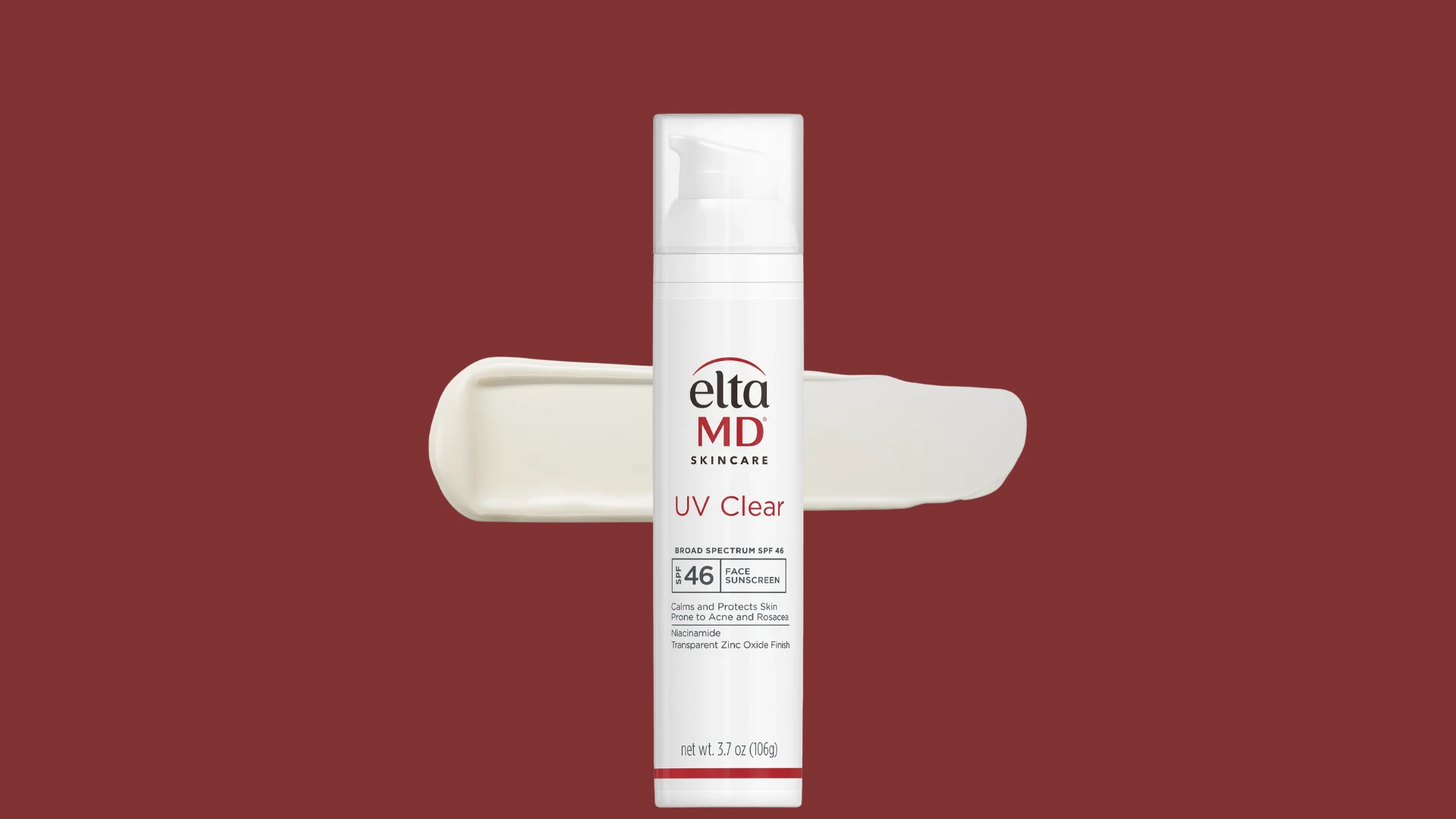
EltaMD is a go-to brand for acne-prone and reactive skin. The lightweight formula layers smoothly under makeup without pilling or feeling greasy.
It’s designed for daily wear and remains comfortable even on sensitive skin. Its strong reputation among dermatologists makes it a popular long-term choice.
- Key Feature: 5% niacinamide helps calm redness.
- Best For: Oily, acne-prone, sensitive skin.
- Highlights: SPF 46, oil-free, tinted or untinted.
2. La Roche-Posay Anthelios Mineral Tinted SPF 50
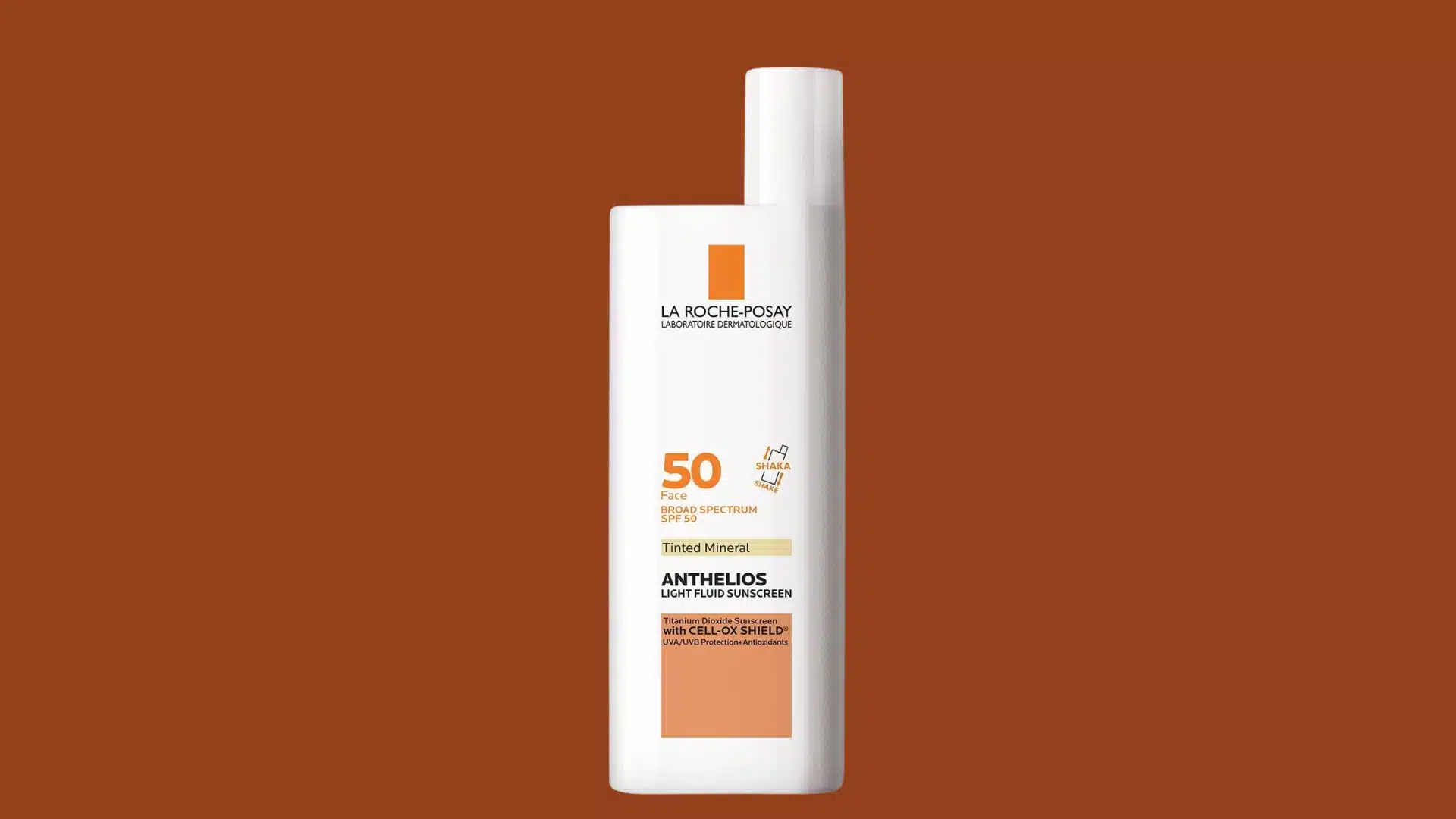
La Roche-Posay offers one of the most wearable tinted mineral sunscreens for everyday use.
It absorbs quickly and leaves behind a comfortable matte finish. The subtle tint helps reduce the appearance of white cast while blending naturally into many skin tones. It’s a reliable option for daily sun protection.
- Key Feature: Antioxidant-rich Cell-Ox Shield Technology.
- Best For: Sensitive skin and daily wear.
- Highlights: SPF 50, tinted, water-resistant.
3. CeraVe Hydrating Mineral Sunscreen SPF 50
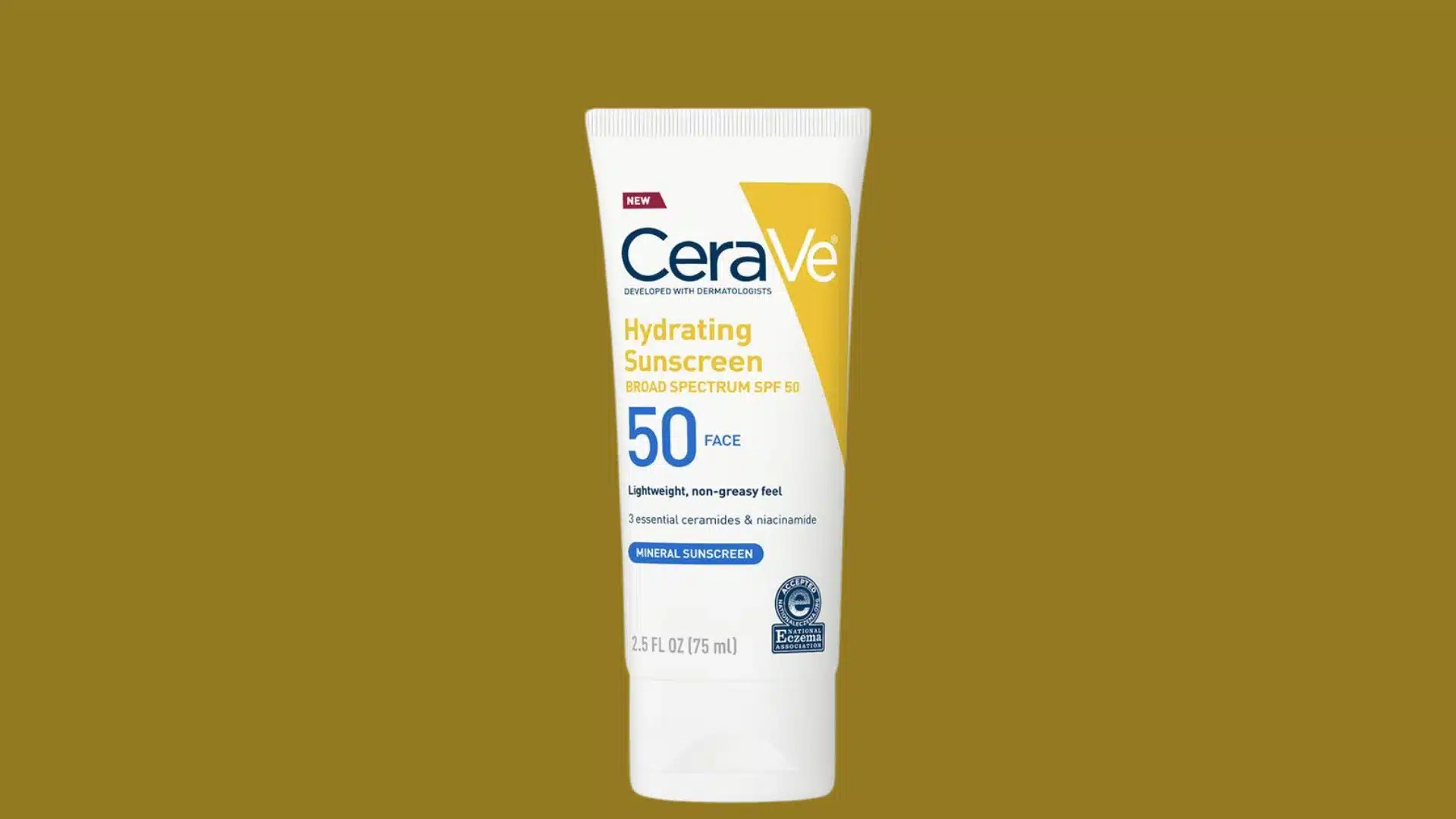
CeraVe combines broad-spectrum sun protection with barrier-supporting skincare ingredients.
Its formula includes ceramides, hyaluronic acid, and niacinamide to support healthy skin. The added hydration makes it especially appealing for dry or compromised skin barriers. It also delivers excellent value for the price.
- Key Feature: Ceramides help support the skin barrier.
- Best For: Dry, normal, eczema-prone skin.
- Highlights: SPF 50, fragrance-free, non-comedogenic.
4. Neutrogena Mineral Ultra Sheer Dry-Touch SPF 30
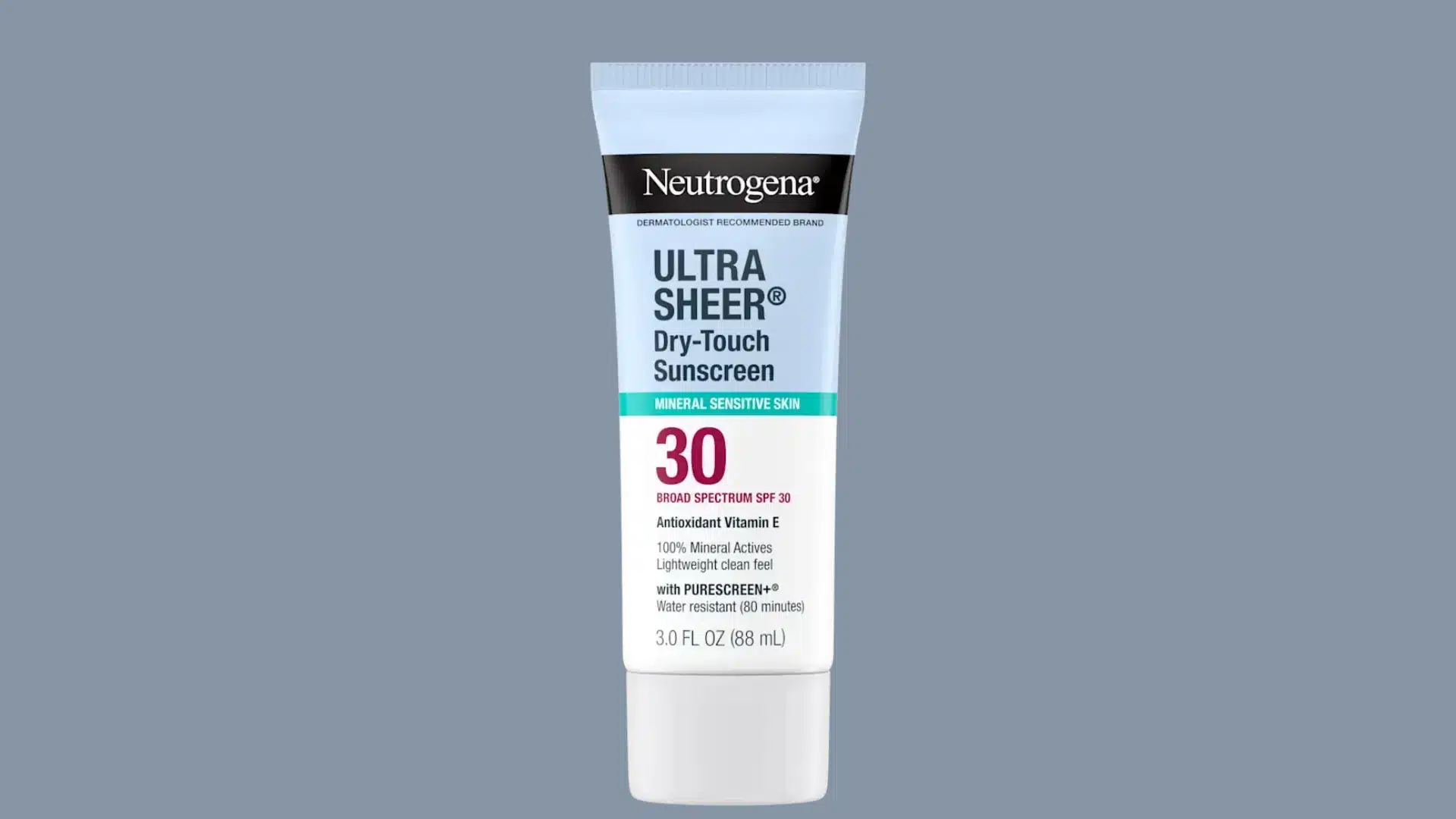
Neutrogena offers a simple, affordable mineral sunscreen that’s easy to find almost anywhere.
The lightweight texture absorbs quickly and doesn’t leave a heavy residue. Its dry-touch finish helps keep excess shine under control throughout the day. It’s a practical choice for everyday use.
- Key Feature: Dry-touch finish controls shine.
- Best For: Normal to combination skin.
- Highlights: SPF 30, oil-free, lightweight.
5. Supergoop! Mineral Mattescreen SPF 40
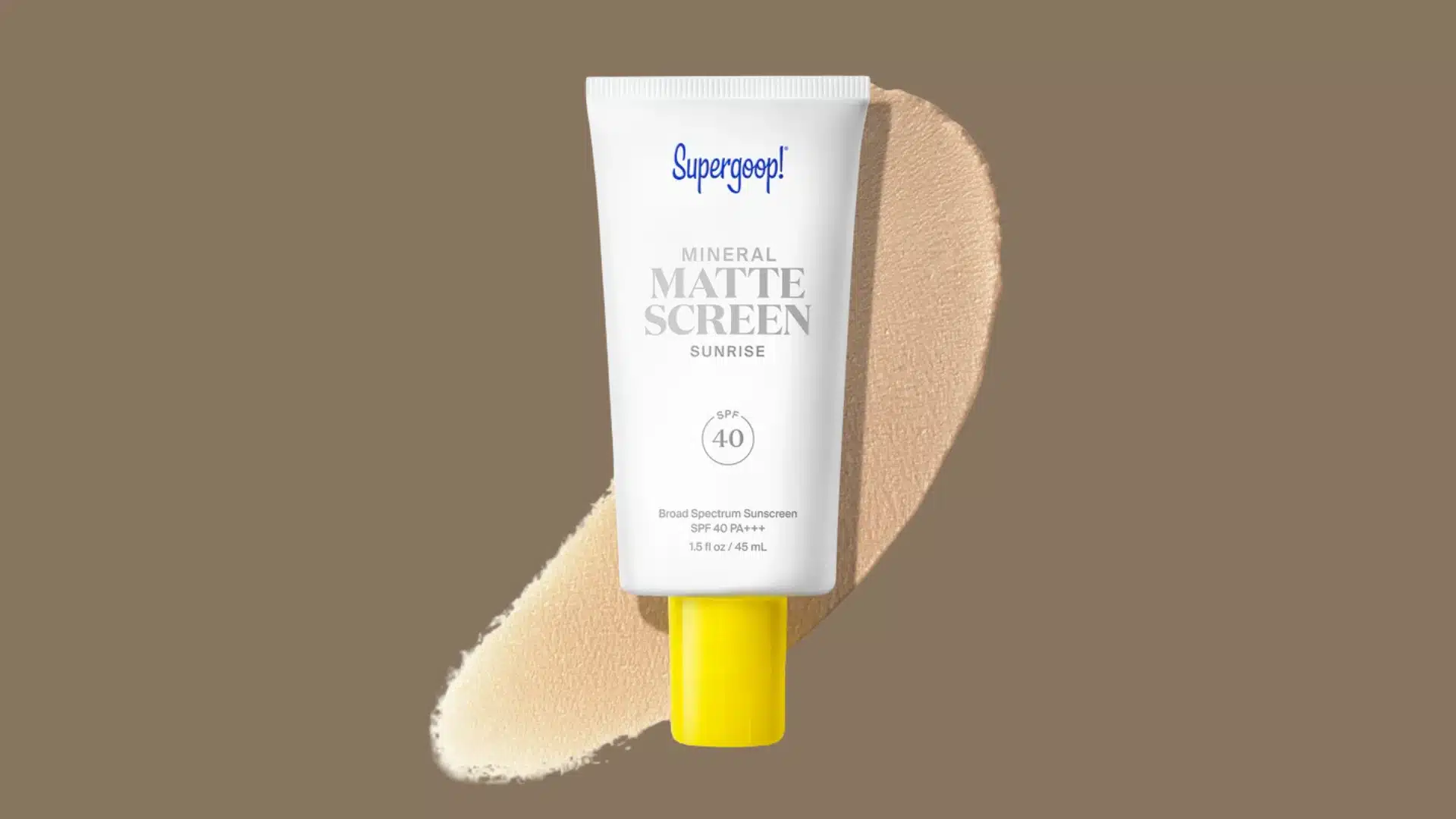
Supergoop! created this formula specifically for those who prefer a matte, shine-free finish.
It helps blur the appearance of pores while keeping skin looking smooth. The tinted formula works well under makeup and can double as a primer. Oily skin types often appreciate its non-greasy feel.
- Key Feature: Blurs pores and texture.
- Best For: Oily and combination skin.
- Highlights: SPF 40, tinted, primer-friendly.
6. ISDIN Eryfotona Actinica SPF 50+
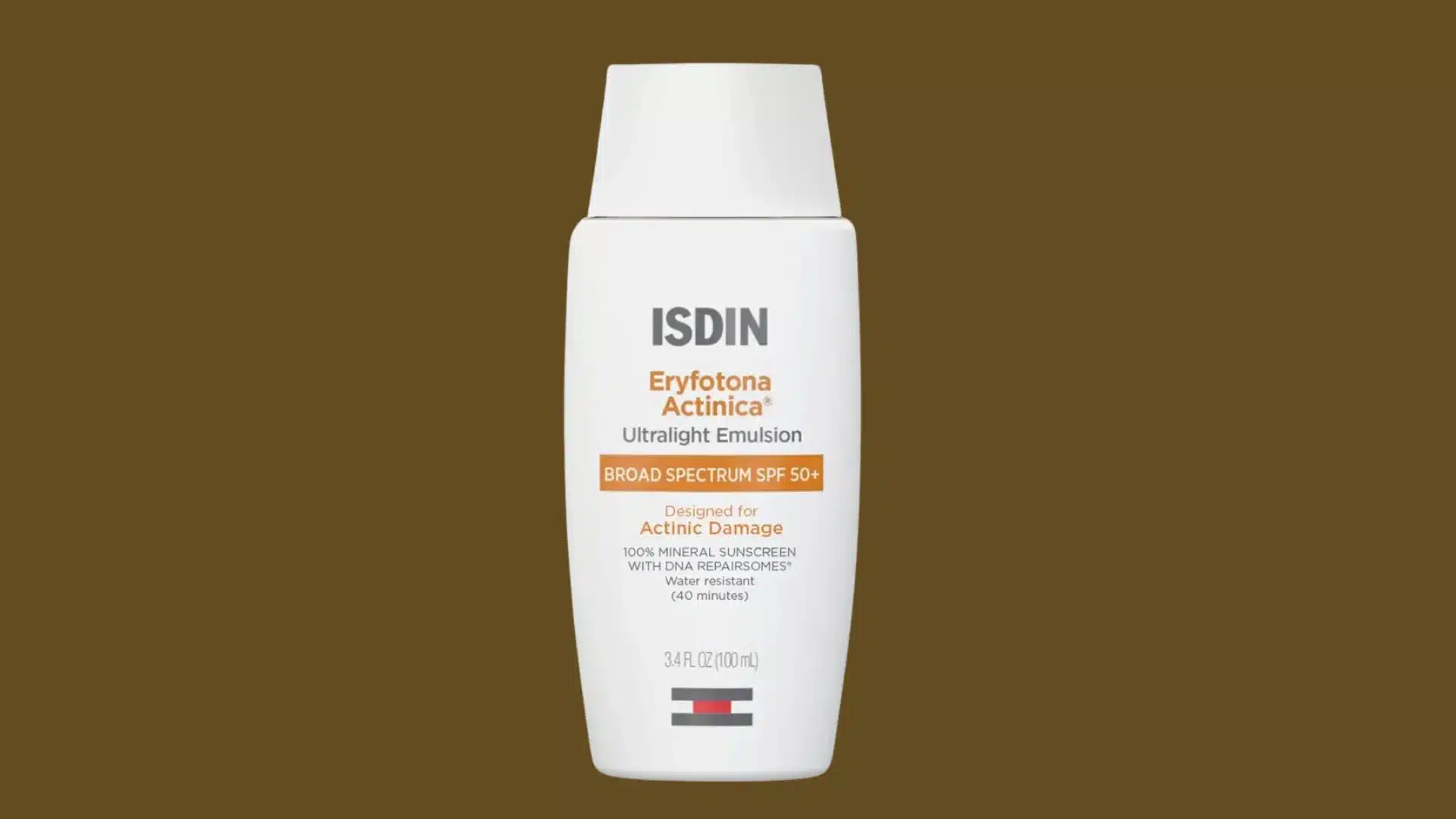
ISDIN stands out for combining high-level sun protection with advanced skin-repair technology.
Its ultra-light texture absorbs quickly and feels almost weightless on the skin. The formula is particularly popular among those concerned about long-term sun exposure. It offers protection without a heavy sunscreen feel.
- Key Feature: DNA Repairsomes repair-focused technology
- Best For: Mature and sun-damaged skin.
- Highlights: SPF 50+, lightweight, water-resistant.
7. Blue Lizard Sensitive Mineral Sunscreen SPF 50
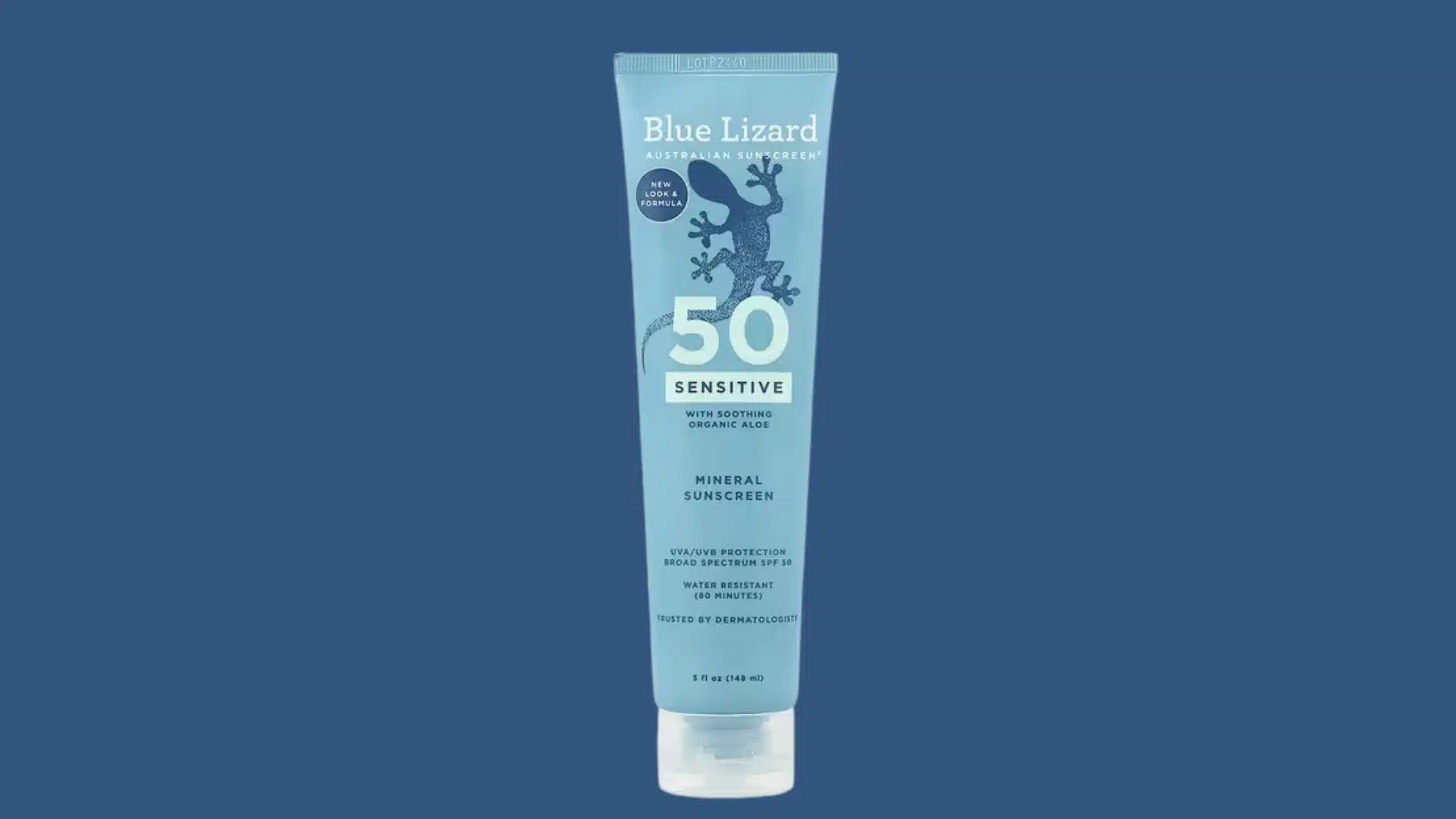
Blue Lizard focuses on simple, effective protection for sensitive skin.
The fragrance-free formula is designed to minimize irritation and works well for both adults and children. Families often choose it for its straightforward ingredient list and dependable protection. It’s a trusted option for sensitive skin needs.
- Key Feature: UV-sensitive color-changing cap.
- Best For: Sensitive skin and families.
- Highlights: SPF 50, reef-safe, fragrance-free.
8. Live Tinted HUEGUARD SPF 50
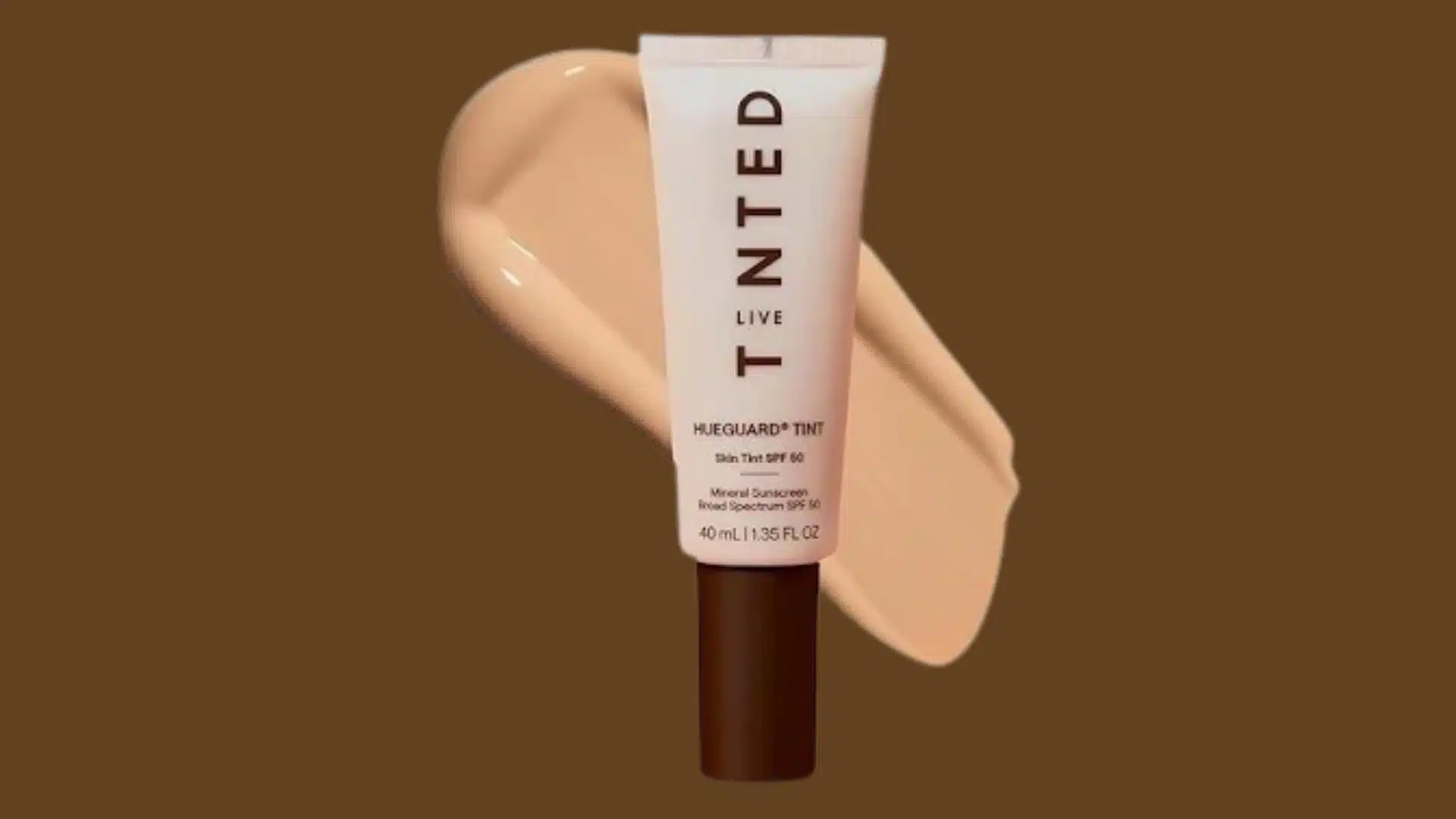
Live Tinted developed this sunscreen with deeper skin tones and everyday convenience in mind.
It combines moisturizer, primer, and sunscreen into a single step. The tinted finish helps prevent the ashy look often associated with mineral formulas. It’s a great option for streamlining a morning routine.
- Key Feature: Iron oxides reduce white cast.
- Best For: Medium to deep skin tones.
- Highlights: SPF 50, broad-spectrum, 3-in-1 formula.
9. Badger Active Mineral Sunscreen SPF 40
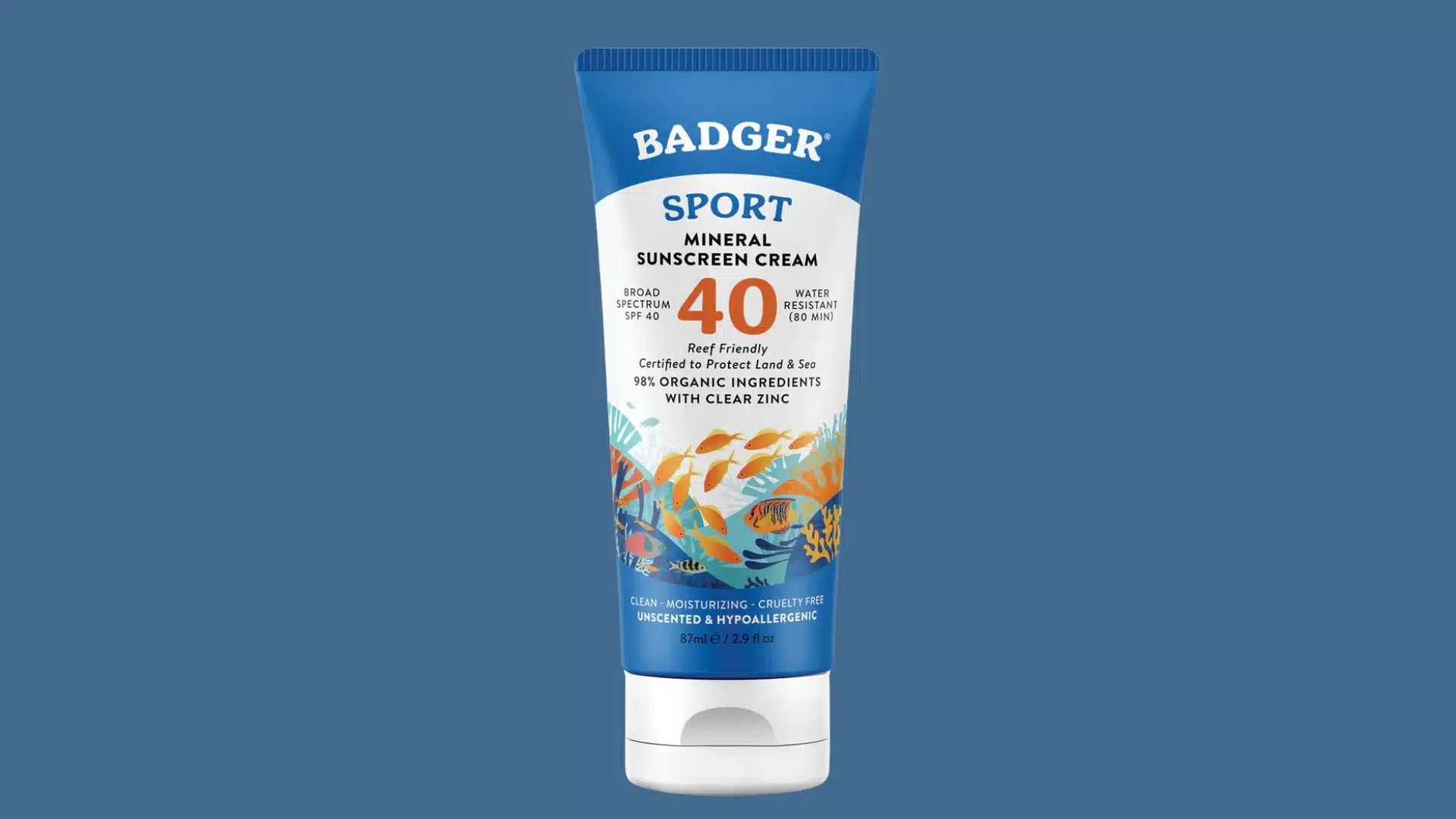
Badger keeps things simple with a short ingredient list and reef-conscious formulation.
The formula relies on non-nano zinc oxide and organic ingredients for protection. It avoids unnecessary additives and chemical filters. Outdoor enthusiasts and clean beauty shoppers often gravitate toward this option.
- Key Feature: Non-nano zinc oxide formula.
- Best For: Sensitive skin and outdoor use.
- Highlights: SPF 40, reef-safe, organic base.
10. SkinCeuticals Physical Fusion UV Defense SPF 50
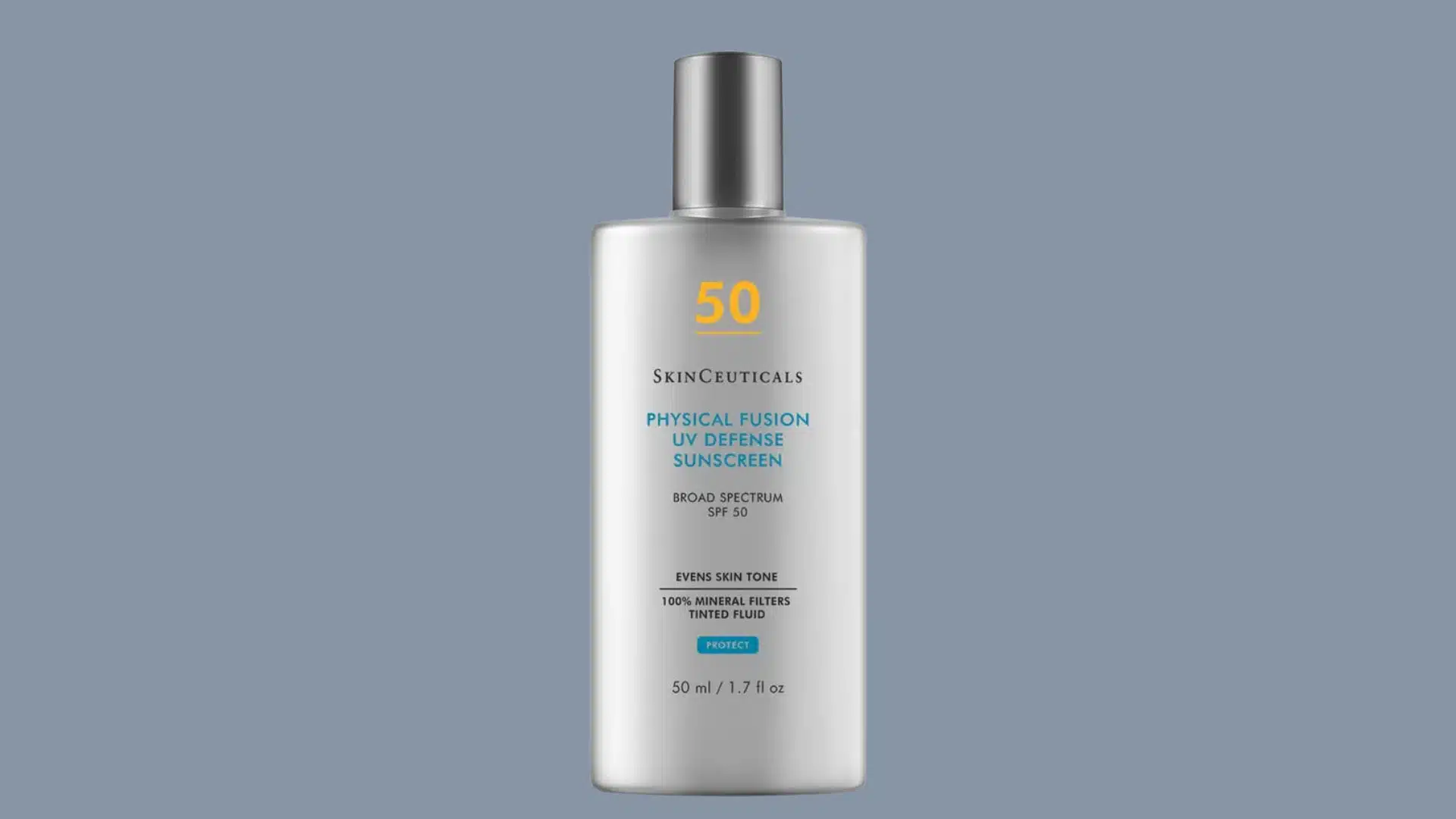
SkinCeuticals offers a premium mineral sunscreen that feels lightweight and elegant on the skin.
Its universal tint blends well across a variety of skin tones without feeling heavy. The formula wears comfortably under makeup and is often recommended after cosmetic procedures. It balances protection with a refined finish.
- Key Feature: Universal tint with antioxidants.
- Best For: Sensitive and post-procedure skin.
- Highlights: SPF 50, oil-free, lightweight.
11. Black Girl Sunscreen Make It Matte SPF 45
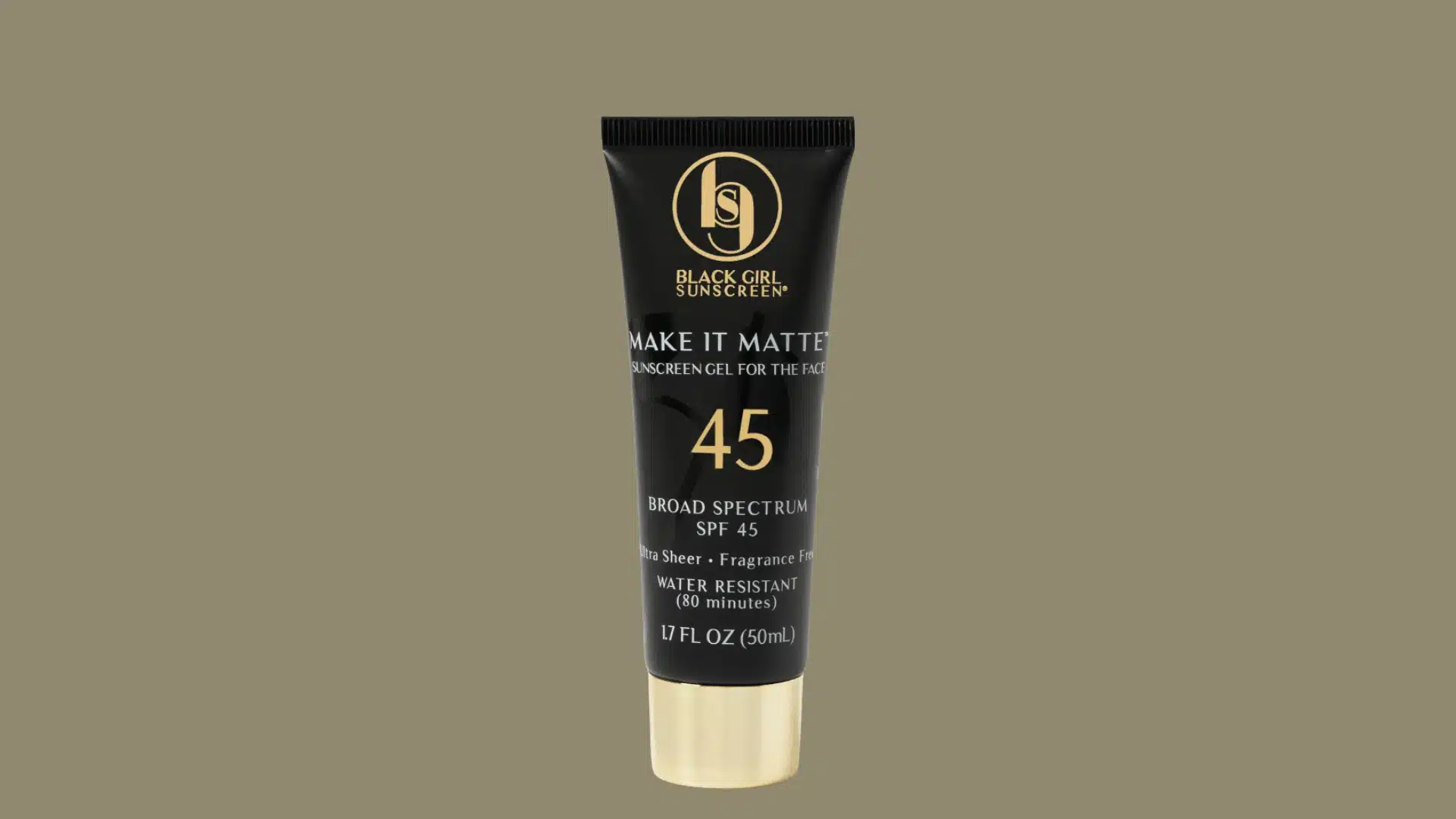
Black Girl Sunscreen is designed to work seamlessly on melanin-rich skin tones.
The tinted matte formula helps control shine while avoiding a grey or chalky finish. Its lightweight texture makes daily application easy and comfortable. It’s also one of the more affordable options in this category.
- Key Feature: Shade-inclusive matte tint.
- Best For: Medium to deep skin tones.
- Highlights: SPF 45, vegan, no white cast.
How to Apply Mineral Sunscreen for Full Protection
Even the best mineral sunscreen won’t deliver full protection if it’s applied incorrectly. Follow these simple guidelines:
- Apply Before Sun Exposure: Mineral sunscreens work immediately, but giving them a few minutes to settle helps ensure more even coverage.
- Use Enough Product: A coin-sized amount for your face is a good rule of thumb. Applying too little can significantly reduce SPF protection.
- Start with Moisturized Skin: Mineral formulas tend to blend better on hydrated skin. If your skin feels dry, apply a gentle face moisturizer first and let it absorb before applying sunscreen.
- Reapply Every 2 Hours: Regular reapplication is essential, especially when outdoors, sweating, or swimming.
- Don’t Forget Easy-to-Miss Areas: Cover your ears, neck, hairline, and the backs of your hands for complete protection.
For a complete guide on layering skincare products correctly, check out this morning skincare routine breakdown.
Mineral vs. Chemical Sunscreen: Does It Matter?
The short answer is: it depends on your skin. Mineral sunscreens (zinc oxide, titanium dioxide) create a physical barrier on the skin’s surface. Chemical sunscreens are absorbed into the skin and convert UV energy into heat.
For sensitive skin, rosacea, acne-prone skin, or anyone who reacts badly to chemical formulas, mineral is often the better call.
It starts working immediately, and because it sits on top rather than absorbing, it’s far less likely to cause irritation.
Chemical sunscreens edge out mineral sunscreens in a few situations, specifically water sports and heavy sweating, where water resistance matters more.
For everyday wear, mineral holds its own. The formulas have improved enough that the old tradeoffs (thick texture, white cast) are mostly avoidable with the right pick.
Conclusion
After trying dozens of sunscreens over the years, I’ve learned that the best mineral sunscreen isn’t necessarily the most expensive or feature-packed.
It’s the one you’ll actually use every day. If a formula feels comfortable, fits your routine, and offers broad-spectrum SPF 30 or higher, you’re already on the right track.
For sensitive or reactive skin, EltaMD UV Clear and La Roche-Posay Anthelios are excellent starting points. If white cast has been a challenge, Live Tinted HUEGUARD and Black Girl Sunscreen Make It Matte are among the strongest options for deeper skin tones.
And if you’re looking for value, CeraVe and Neutrogena prove that effective sun protection doesn’t have to cost a fortune.
What’s your go-to sunscreen right now? Have you found one that you genuinely enjoy wearing every day? Share your favorite in the comments; I’d love to hear what’s working for you.
Frequently Asked Questions
Can I Use Mineral Sunscreen Every Day without It Clogging My Pores?
Yes. Choose a non-comedogenic formula designed for facial use. If you’re acne-prone, oil-free options like EltaMD UV Clear are a good choice.
Is Mineral Sunscreen Safe During Pregnancy?
Generally, yes. Mineral sunscreens containing zinc oxide and titanium dioxide are widely considered the preferred option during pregnancy. For personalized guidance, consult your doctor.
Why Does Mineral Sunscreen Leave a White Cast, and How Do I Minimize it?
White cast happens because mineral UV filters sit on the skin’s surface and reflect light. To reduce it, choose a tinted formula, apply in thin layers, and blend thoroughly.
Do Mineral Sunscreens Expire, and How Can I Tell?
Yes. Most sunscreens last two to three years. Check the expiration date and replace any product that changes color, texture, or smell.