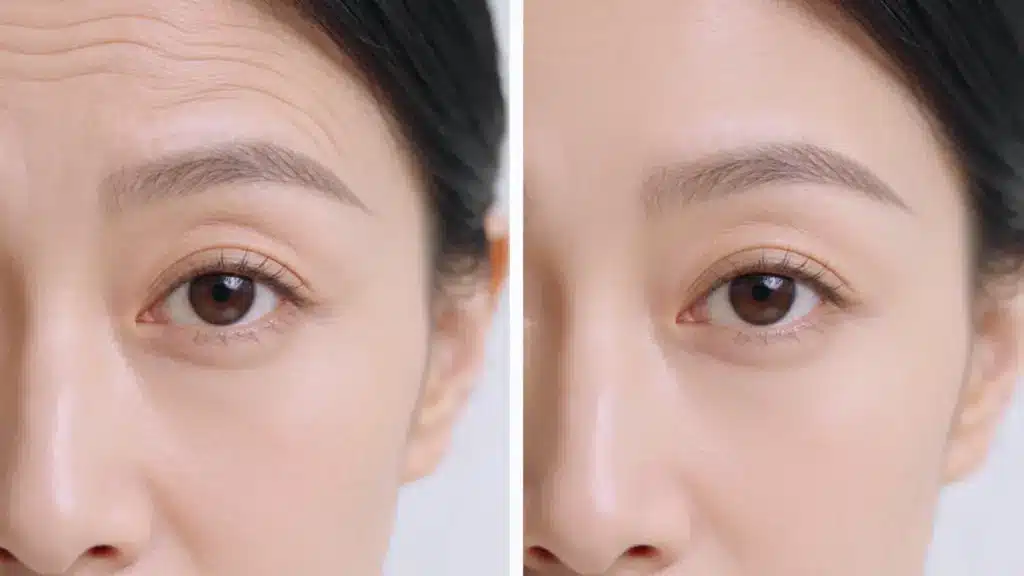
Forehead wrinkles are one of the earliest signs of skin aging. They often start as fine lines that appear when you raise your eyebrows or make facial expressions.
Over time, these lines can become more noticeable and remain visible even when your face is at rest. Factors such as aging, sun exposure, dehydration, stress, and lifestyle habits can all contribute to their development.
While forehead wrinkles are a natural part of aging, there are many ways to reduce their appearance and prevent new lines from forming.
If you’re wondering how to get rid of forehead wrinkles, a combination of prevention, skincare, and professional treatments can help you achieve smoother-looking skin.
What are Forehead Wrinkles?
Forehead wrinkles are lines or creases that form across the forehead as the skin changes with age. They may start as faint lines and become deeper over time.
These wrinkles often appear when the skin loses collagen and elastin. These proteins help keep the skin firm, smooth, and flexible.
As their levels drop, the skin becomes thinner and less able to bounce back. Daily facial movements can also play a role.
Raising the brows, frowning, or squinting can slowly leave marks on the skin. Sun exposure, dry skin, smoking, stress, poor sleep, and pollution may make forehead lines appear sooner.
Knowing why they happen makes it easier to choose the right skincare habits, lifestyle changes, and treatment options.
Common Causes of Forehead Wrinkles
Forehead wrinkles can form because of both skin changes and daily habits. Some causes are natural, while others can make lines appear earlier or look deeper.
- Natural aging: Collagen and elastin levels drop with age. This makes the skin thinner, softer, and more likely to crease.
- Sun exposure: UV rays can damage collagen and weaken the skin over time. This is one of the biggest reasons wrinkles show up sooner.
- Repeated facial expressions: Raising the brows, frowning, or squinting can create lines that settle into the skin.
- Dehydration: Dry or dehydrated skin can lose its plump look, making fine lines on the forehead appear sharper and more noticeable.
How to Get Rid of Forehead Wrinkles with a Simple Skincare Routine?

A simple skincare routine can soften forehead lines, support smoother skin, and help prevent new wrinkles from becoming more visible.
1. Gentle Cleanser
Start with a gentle cleanser that removes dirt, oil, and sunscreen without stripping the skin.
Harsh face washes can leave the skin dry, tight, and more likely to show fine lines. A mild cleanser helps keep the skin barrier healthy, which matters when using active ingredients like retinol.
Cleanse your face twice a day if your skin can handle it. If your skin feels dry in the morning, rinsing with water may be enough.
2. Hydrating Serum
A hydrating serum can make forehead lines look softer by adding moisture to the skin.
Ingredients like hyaluronic acid and glycerin help pull water into the skin, giving it a plumper look. This does not remove deep wrinkles, but it can make fine lines less noticeable.
Apply it after cleansing, while the skin is still slightly damp. Then seal it with moisturizer so the hydration does not disappear too quickly.
3. Retinol or Retinoid
Retinol and retinoids are often used to improve the look of forehead wrinkles because they support skin renewal.
They can help smooth texture, improve firmness, and reduce the look of fine lines over time. Start slowly, about two or three nights a week, because using too much too soon can cause dryness or peeling.
Apply a small amount at night, then follow with a moisturizer. Sunscreen is important the next morning. For more on how retinol helps with skin discoloration, see our guide, “Does retinol help with dark spots?”
4. Moisturizer
Moisturizer helps keep the skin soft, calm, and comfortable. When the skin is dry, forehead wrinkles can look deeper than they really are.
A good moisturizer supports the skin barrier and helps reduce water loss. Look for ingredients like ceramides, peptides, glycerin, or hyaluronic acid.
Use it morning and night, especially if you are using retinol. Healthy, moisturized skin usually looks smoother and feels less tight.
5. Daily Sunscreen
Sunscreen is one of the most important steps for preventing forehead wrinkles. UV rays can break down collagen and make lines appear sooner.
Use a broad-spectrum sunscreen every morning, even when it is cloudy or you are indoors near windows.
Apply enough to cover your face, forehead, and hairline. Reapply if you sweat or stay outside for long. Without sunscreen, other wrinkle treatments may not work as well.
Ingredients That Can Help Smooth Forehead Lines
Some skincare ingredients can make forehead lines look softer by improving hydration, skin texture, and the strength of the skin barrier.
- Peptides: Peptides help support firmer-looking skin by signaling skin repair. They work well in serums and moisturizers, especially when used daily.
- Hyaluronic acid: Hyaluronic acid pulls moisture into the skin. This can make fine lines look less visible and give the forehead a smoother, plumper look.
- Vitamin C: Helps brighten dull skin and supports collagen production. It can also protect the skin from daily environmental stress when used under sunscreen.
- Niacinamide: Niacinamide helps calm the skin, improve texture, and support the skin barrier. It is a good option for people who want smoother skin without harsh formulas.
- Ceramides: Ceramides help repair and protect the skin barrier. When the barrier is healthy, the skin holds moisture better, and forehead lines can look less dry.
Lifestyle Changes that Help Reduce Forehead Wrinkles
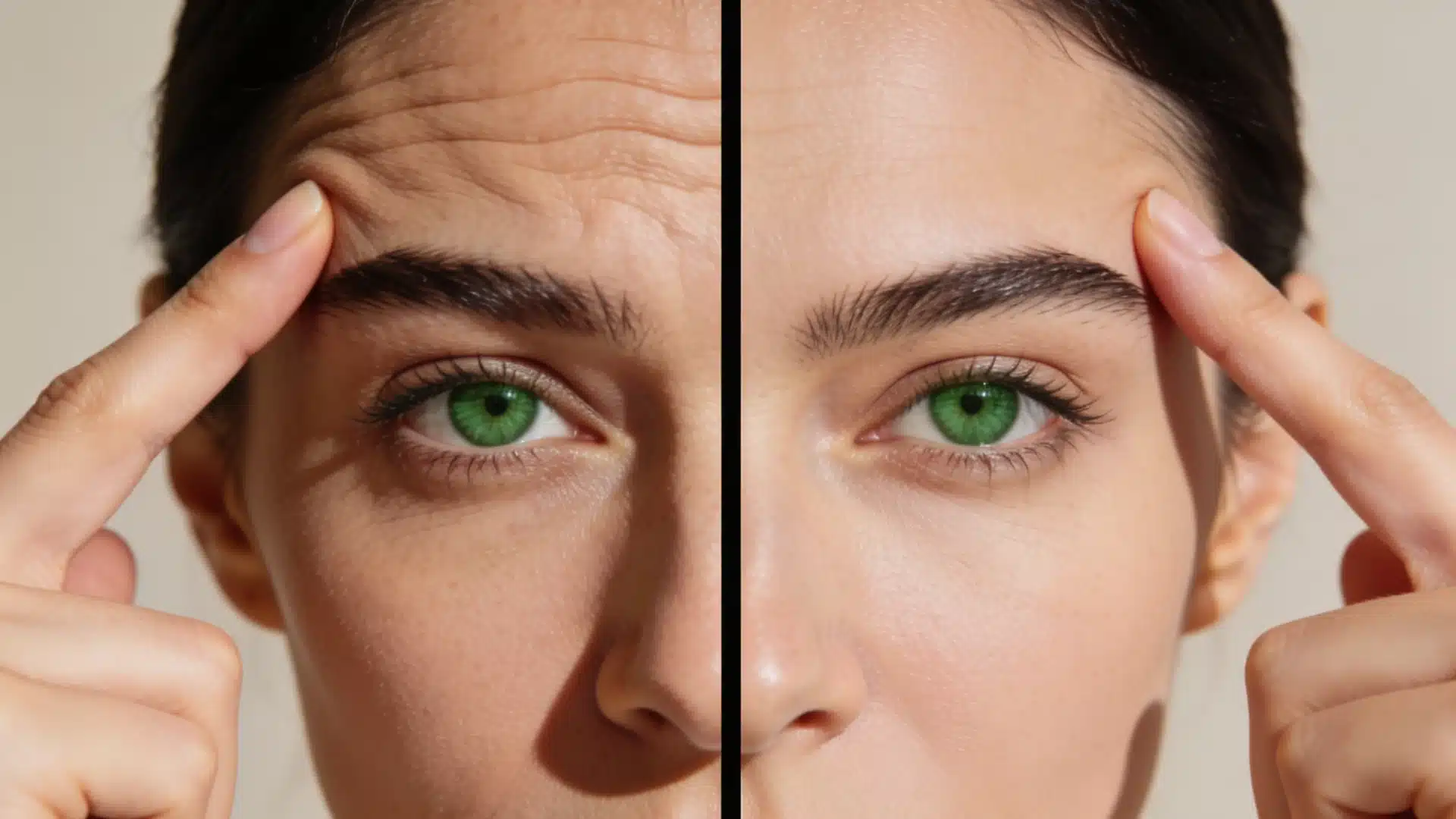
Daily habits can affect how quickly forehead wrinkles appear and how noticeable they become. Small lifestyle changes can support healthier, smoother-looking skin over time.
1. Wear Sunscreen Every Day
Daily sunscreen use is one of the best ways to protect the skin from premature aging. UV rays can break down collagen and elastin, which are responsible for keeping the skin firm and smooth.
Even on cloudy days, the skin is exposed to ultraviolet light that can contribute to forehead lines.
A broad-spectrum sunscreen with at least SPF 30 helps limit this damage. Consistent use can also prevent existing wrinkles from becoming more noticeable.
2. Drink Enough Water
Staying hydrated helps the skin maintain a healthy and refreshed appearance. While drinking water will not erase wrinkles, it can support overall skin function and reduce dryness that makes fine lines stand out.
Proper hydration helps the skin look fuller and more supple. Water also supports the body’s natural processes, which play a role in skin health.
Pairing good hydration with moisturizing skincare products often provides the best results.
3. Sleep Well
Quality sleep gives the body time to repair and renew the skin. During sleep, important recovery processes take place that support collagen production and overall skin health.
Poor sleep habits may contribute to dull-looking skin and make signs of aging more noticeable.
Sleeping for seven to nine hours each night can help the skin recover from daily stress. Using a supportive pillow and maintaining a regular sleep schedule may also help.
4. Avoid Smoking
Smoking can speed up skin aging by reducing blood flow and exposing the skin to harmful chemicals. These effects can damage collagen and elastin, leading to wrinkles that appear earlier than expected.
The repetitive motion involved in smoking may also contribute to facial lines over time.
Quitting smoking can improve skin health and support better circulation. Although existing wrinkles may not disappear, the skin often benefits from healthier habits in the long run.
5. Manage Stress
Long-term stress can affect the skin in several ways. It may increase inflammation, disrupt sleep, and contribute to habits that make forehead lines more noticeable.
Finding healthy ways to manage stress can support both overall well-being and skin health.
Activities such as walking, meditation, deep breathing, or regular exercise may help reduce stress levels. A calmer lifestyle can support healthier-looking skin and slow some visible signs of aging.
6. Avoid Repeated Frowning or Squinting
Repeated facial movements can gradually create lines that become more noticeable with time. Frowning, squinting, and raising the eyebrows place stress on the same areas of skin every day.
Wearing sunglasses outdoors can reduce squinting caused by bright sunlight.
Addressing vision problems with the correct prescription may also help limit unnecessary facial strain. Being mindful of these habits can reduce the repeated movements that contribute to forehead wrinkles.
Expert Treatments for Deeper Forehead Wrinkles
Deeper forehead wrinkles may require more than skincare, especially when the lines remain visible even when the face is relaxed. A licensed dermatologist can suggest the right option based on skin type, age, and wrinkle depth.
- Botox: Botox helps relax the forehead muscles that cause expression lines, making deeper creases look softer and smoother for a few months.
- Chemical peels: Chemical peels remove dull surface skin and encourage fresher skin to appear, which can improve texture and soften fine lines.
- Microneedling: Microneedling creates tiny controlled injuries in the skin, which may support collagen renewal and improve the look of deeper forehead lines.
- Laser treatments: Laser treatments target deeper layers of the skin to improve firmness, tone, and texture while reducing the appearance of stubborn wrinkles.
- Dermal fillers: Dermal fillers can add volume in areas where skin thinning makes wrinkles look deeper, but they are not suitable for every forehead line.
- Prescription retinoids: Prescription retinoids are stronger than regular retinol and may help smooth texture, support skin renewal, and reduce visible wrinkles over time.
These treatments can yield better results than home care, but they should be performed under expert guidance. Some may need repeat sessions, and results vary from person to person.
When Should You See a Professional for Forehead Wrinkles?
Forehead wrinkles are a normal part of aging, but there are times when professional advice may be helpful.
If forehead lines continue to deepen despite a consistent skincare routine, it may be worth speaking with a dermatologist.
Professional treatments can sometimes provide results that over-the-counter products cannot achieve on their own.
A skin specialist can assess the condition of the skin and recommend options based on wrinkle severity, skin type, and personal goals.
This may include prescription retinoids, Botox, microneedling, chemical peels, laser treatments, or other procedures.
It is also a good idea to seek professional guidance if skincare products cause irritation or if there is uncertainty about which treatment is appropriate. Early advice can help create a treatment plan that is both safe and effective.
If you’re also dealing with uneven texture or bumps on the forehead, our article on how to get rid of forehead bumps covers that alongside wrinkle treatments.
Conclusion
Forehead wrinkles can develop due to aging, facial movement, sun exposure, dry skin, and daily habits.
A simple routine with a gentle cleanser, hydrating serum, retinol, moisturizer, and sunscreen can help the skin look smoother over time.
Lifestyle changes also matter. Better sleep, adequate water intake, reduced stress, and avoiding smoking can support healthier-looking skin.
For deeper lines, expert treatments such as Botox, chemical peels, microneedling, laser treatments, dermal fillers, and prescription retinoids may yield stronger results.
The best way to get rid of forehead wrinkles is to combine consistent skincare, healthy habits, and professional advice when needed. Results take time, so patience and consistency matter.
Which forehead wrinkle treatment would you try first? Share your thoughts in the comments below.
Frequently Asked Questions
What Causes Forehead Wrinkles?
Forehead wrinkles can develop due to aging, repeated facial expressions, sun exposure, dry skin, stress, poor sleep, smoking, and pollution. These factors can weaken the skin and make lines more visible over time.
Can Skincare Reduce Forehead Wrinkles?
Yes, skincare can help soften forehead wrinkles, especially fine lines. A routine with a gentle cleanser, hydrating serum, retinol, moisturizer, and daily sunscreen can support smoother-looking skin.
When Should You See a Professional for Forehead Wrinkles?
See a professional if forehead wrinkles keep getting deeper despite regular skincare. A dermatologist may suggest options like Botox, chemical peels, microneedling, laser treatments, fillers, or prescription retinoids.