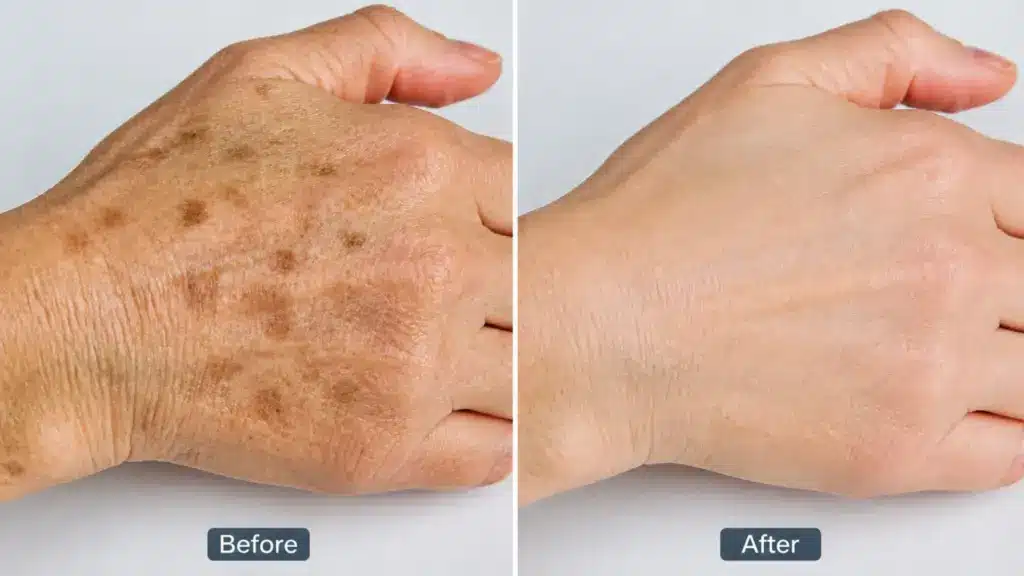
Have you ever noticed a small dark spot on the back of your hand that wasn’t there a few years ago?
Many people experience this as they age, often leading them to search through their skincare products and wonder what they can do about it. Age spots are a common result of years of sun exposure and natural aging.
While there is no instant fix, several natural remedies and healthy skincare habits may help fade their appearance over time.
The key is to have realistic expectations and stay consistent. In this blog, we’ll explore simple, natural ways to reduce age spots and support healthier-looking skin.
What are Age Spots?
Age spots are flat, tan-to-dark-brown patches that develop on the skin over time, usually in areas that have seen the most sun exposure.
Think of the backs of your hands, your face, shoulders, and forearms. They go by several names: sun spots, liver spots, solar lentigines. Same thing, different label depending on who’s talking.
They’re harmless in the vast majority of cases. No pain, no texture change, no cause for alarm on their own.
The concern is purely cosmetic for most people, though any spot that looks unusual, grows quickly, or changes color should be checked by a professional.
What Causes Age Spots?
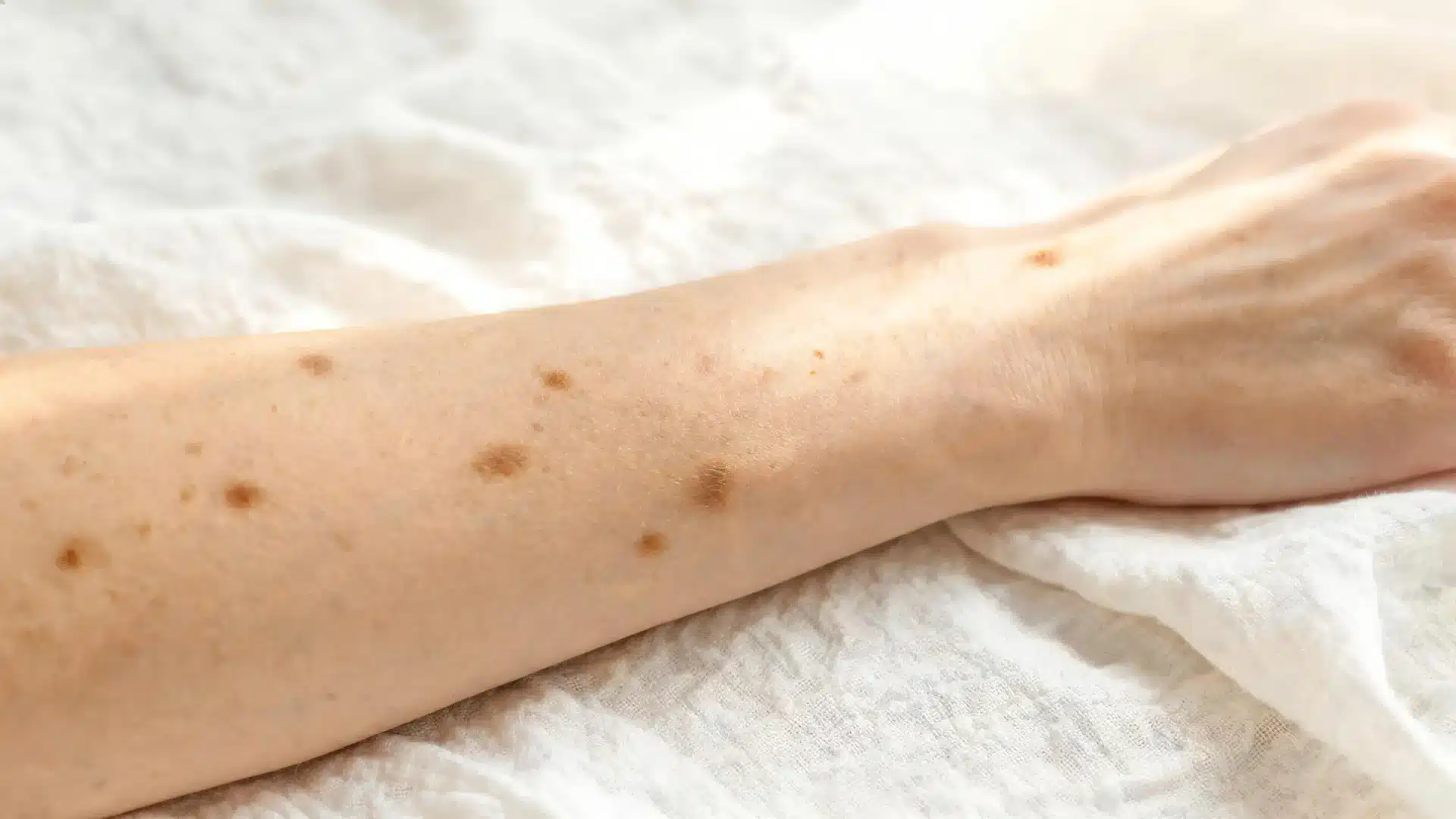
Age spots form when the skin produces excess melanin, the pigment that gives skin its color, in response to UV exposure.
Over time, with repeated sun exposure, the melanin clusters in concentrated patches instead of being distributed evenly. The older the skin, the slower its renewal cycle, which means those clusters stick around longer and become more visible. The main contributing factors include:
- Cumulative UV exposure: The primary driver. Even responsible SPF users accumulate UV exposure over decades, especially on the hands and face where sunscreen is often applied inconsistently.
- Slowing skin cell turnover: Younger skin sheds and replaces cells roughly every month. As we age, that cycle slows, and pigment takes longer to work its way out.
- Lighter skin tones: People with less baseline melanin have a higher risk of visible age spots, though anyone can develop them.
- Genetics: If your mother’s hands have spots, there’s a reasonable chance yours will too. Family history plays a real role in how your skin responds to sun damage.
Can You Remove Age Spots Naturally?
Maybe. Natural remedies may not completely remove age spots, but they can help reduce their appearance over time.
The most common mistake I see is people applying one ingredient a few times, not seeing dramatic results in two weeks, and giving up. Natural brightening is slow. What makes it work is consistency and layering the right steps together.
Here’s the routine I’d build, and the one I use myself.
| Time | Routine |
|---|---|
| Morning | Cleanse, apply Vitamin C serum, moisturize, and finish with SPF 30+ sunscreen. |
| Evening | Cleanse, apply aloe vera gel or licorice root serum to dark spots, then use a nourishing face oil or night cream. |
| Weekly | Exfoliate 1–2 times with a mild AHA or gentle exfoliant to remove dead skin cells and improve product absorption. |
One thing I always remind clients: the backs of your hands need the same attention as your face. They’re among the first places age spots appear, and most people apply SPF to their faces, then forget their hands completely.
Best Natural Remedies to Reduce Age Spots
Several natural ingredients are commonly used to reduce the appearance of age spots. They may help brighten and refresh the skin.
1. Aloe Vera
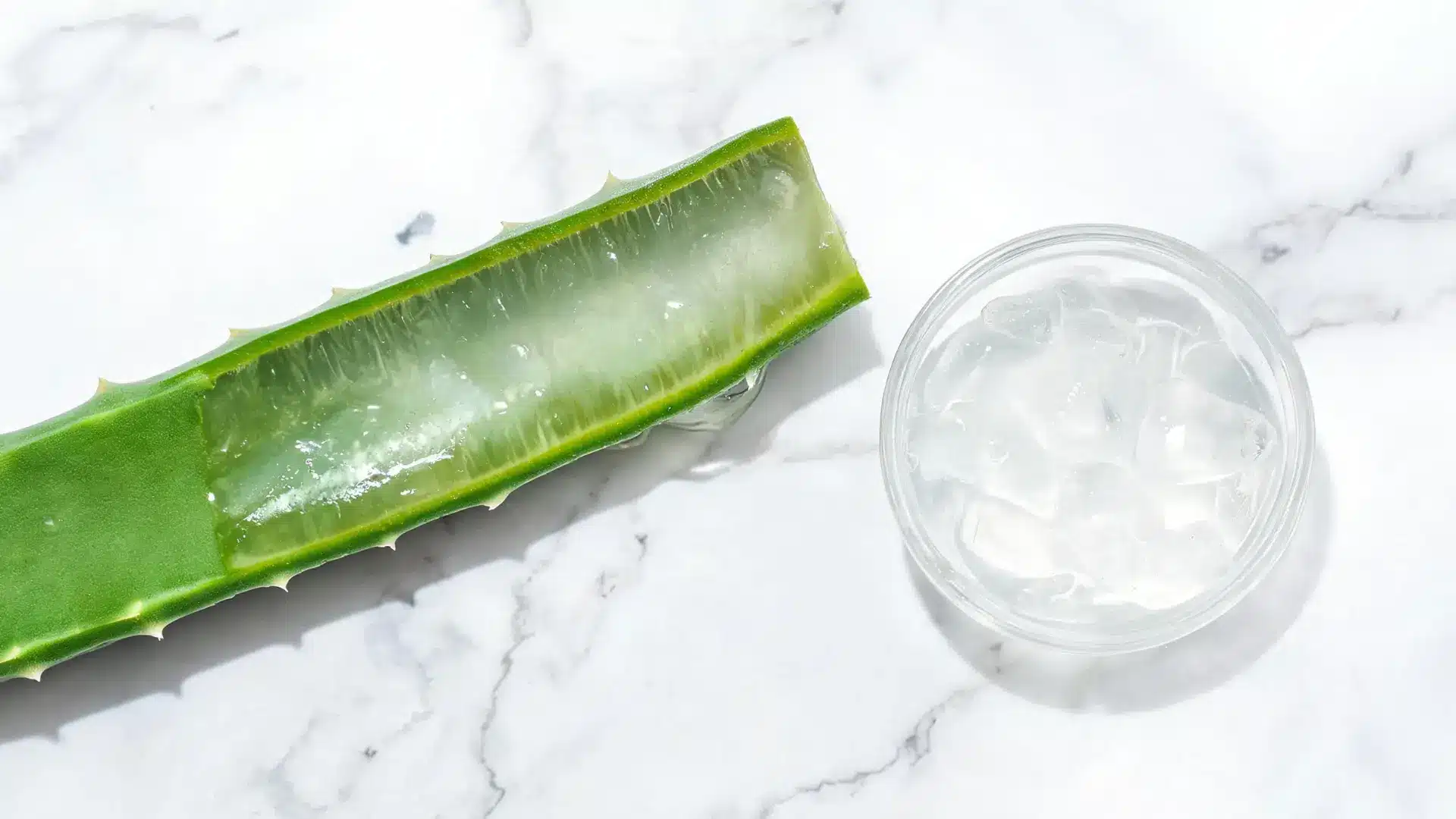
Aloe vera contains aloesin, a compound that may suppress excessive melanin production, and aloin, which has shown depigmenting properties in some studies.
It’s also soothing, which matters if you’re using other active ingredients that can irritate the skin.
How to use it: Apply pure aloe vera gel directly to spots after cleansing. Leave it on for 30 minutes, then rinse with cool water. Do this twice daily. Give it 6 to 10 weeks before judging the results.
2. Green Tea

Green tea is rich in antioxidants called EGCG (epigallocatechin gallate), which may help reduce UV-induced pigmentation and protect skin from free radical damage.
The evidence is more preliminary than for vitamin C or niacinamide, but it’s a reasonable addition to a layered routine, particularly in toners or serums.
How to use it: Brew a strong cup of green tea, let it cool completely, then apply it to spots with a cotton pad. Leave on for 10 to 15 minutes before rinsing. Alternatively, look for a toner or serum with green tea extract listed in the first five ingredients. Use once daily, morning or evening.
3. Apple Cider Vinegar

Apple cider vinegar contains acetic acid, a natural compound that may help lighten dark spots and improve skin texture.
It is often used as a gentle exfoliating treatment to remove dead skin cells from the surface of the skin. Since it can be strong, it should always be diluted with water before application to avoid irritation.
Dermatologists at institutions like DermNet caution that unformulated acids can disrupt the skin barrier and worsen inflammation, which in turn can worsen pigmentation.
How to use it: Dilute 1 part apple cider vinegar with 3–4 parts water. Apply to dark spots with a cotton pad, leave on for 2–5 minutes, then rinse. Use 2–3 times per week.
4. Lemon Juice
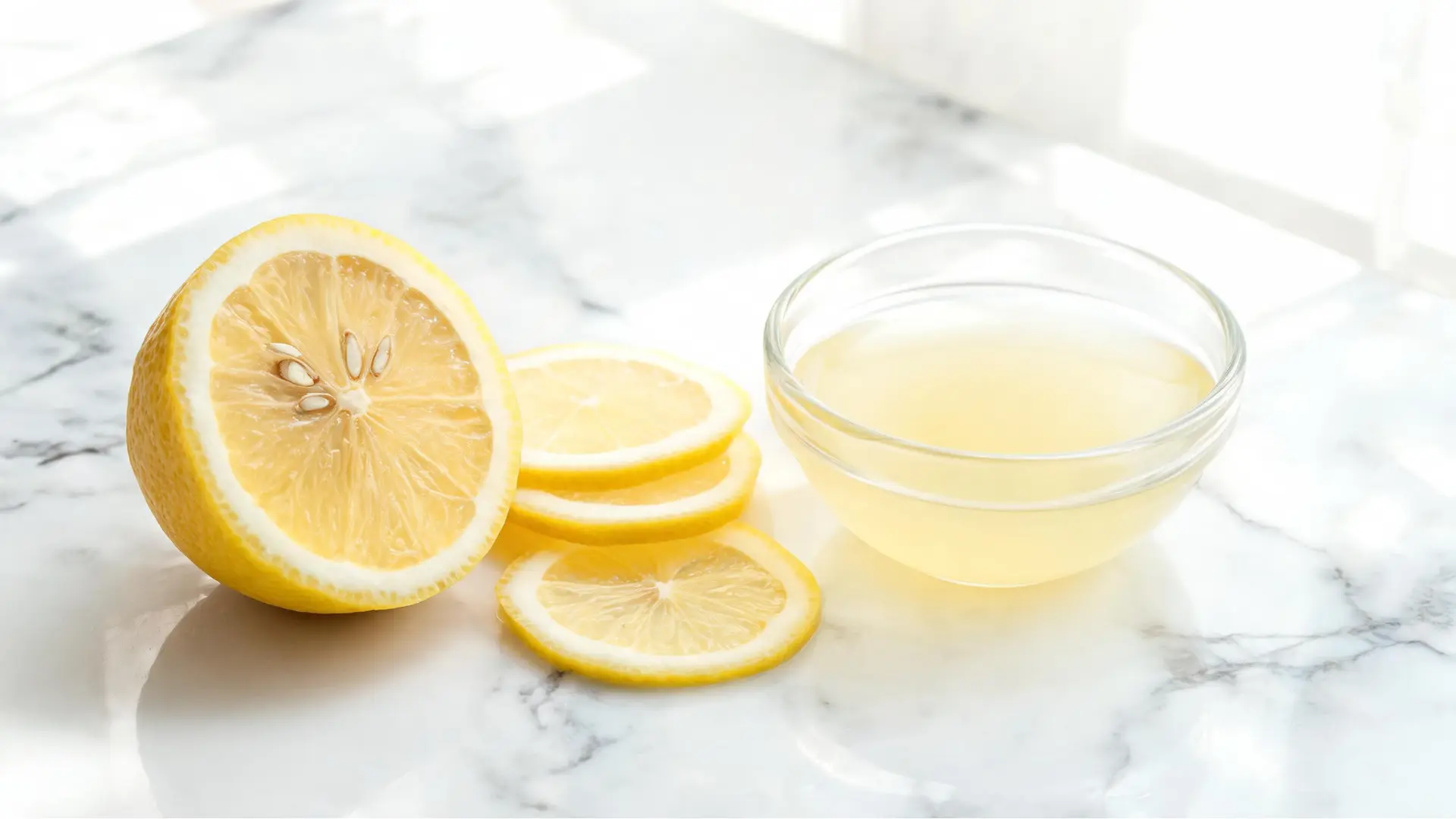
Lemon juice is commonly used as a natural skin-brightening ingredient because it contains citric acid, which may help reduce the appearance of dark spots.
Some people use it to promote a more even skin tone.
However, lemon juice can be harsh on sensitive skin and may increase sun sensitivity, so it should be used with caution and followed by proper sun protection.
How to use it: Dilute fresh lemon juice with an equal amount of water. Apply to dark spots, leave on for up to 5 minutes, then rinse thoroughly. Use only 1–2 times per week and always wear sunscreen during the day.
5. Yogurt or Buttermilk
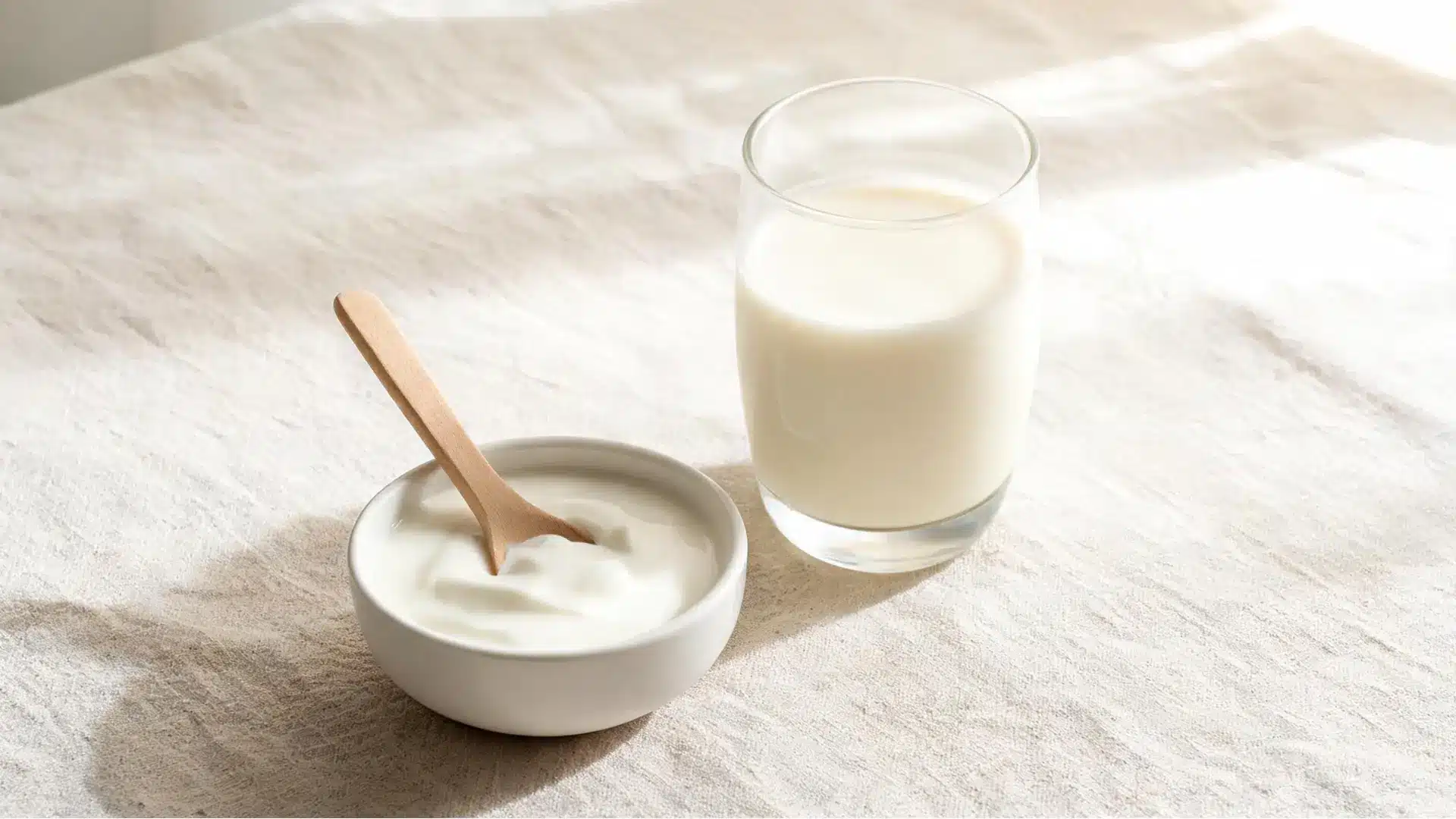
Plain yogurt contains lactic acid, a naturally occurring AHA (alpha hydroxy acid) that exfoliates the skin’s surface and promotes cell turnover.
It’s gentle, which makes it a good entry point if your skin is on the sensitive side. Regular use can brighten dull skin and gradually improve the appearance of spots.
How to use it: Apply a thin layer of plain, unsweetened yogurt directly to age spots. Leave it on for 15 to 20 minutes, then rinse with lukewarm water. Use 3-4 times per week. If you want to boost the effect, add a small amount of honey to help it stay in place on the skin.
6. Turmeric
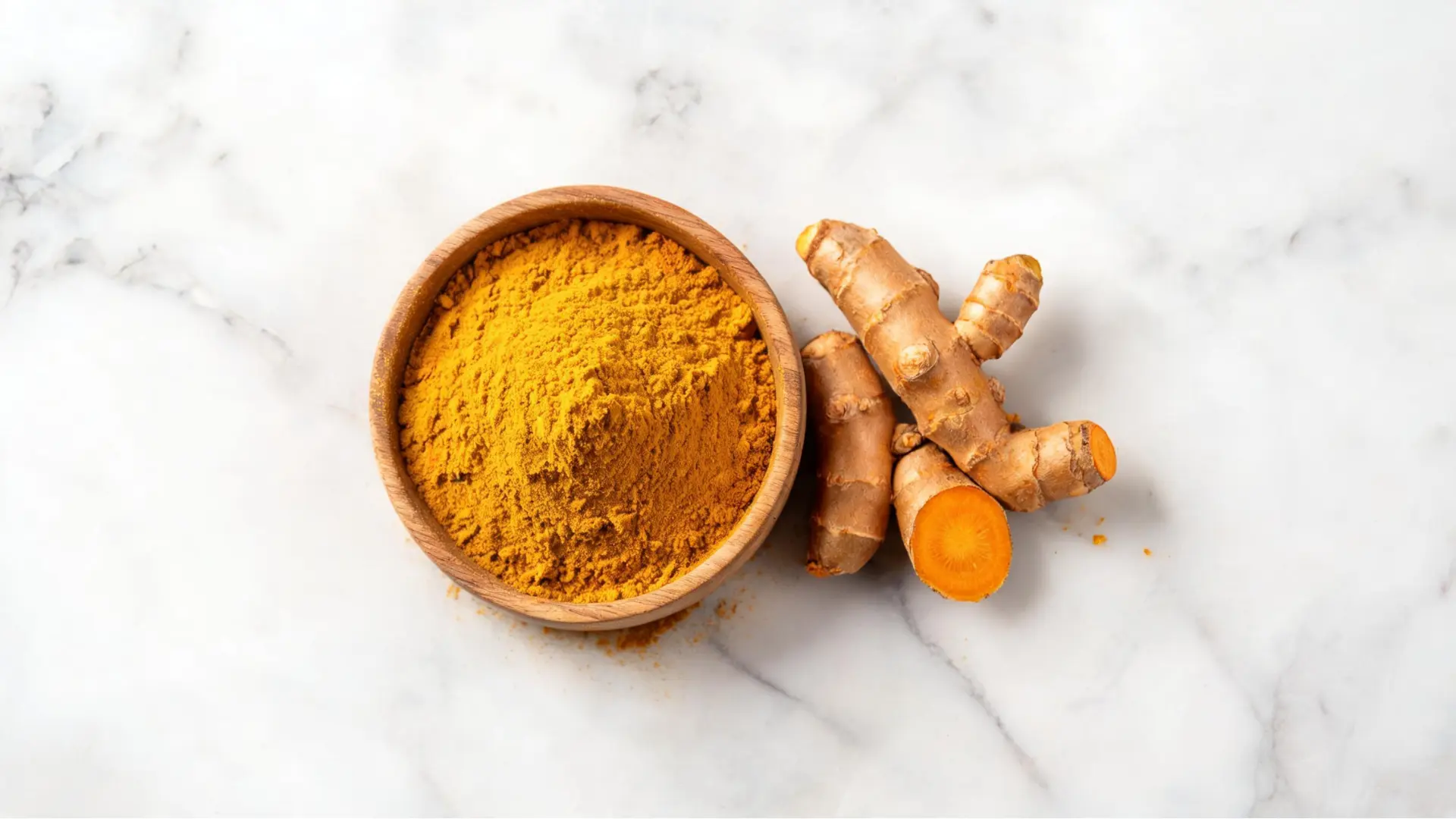
Turmeric’s active compound, curcumin, has demonstrated anti-inflammatory and antioxidant activity in research settings.
Applied topically, it may help reduce the appearance of dark spots over time. One practical note: it stains. Use an old pillowcase if you’re applying it overnight, and rinse thoroughly in the morning.
How to use it: Mix a pinch of turmeric with a small amount of honey or plain yogurt, then apply as a 15-minute mask 2 to 3 times per week.
7. Rosehip Oil
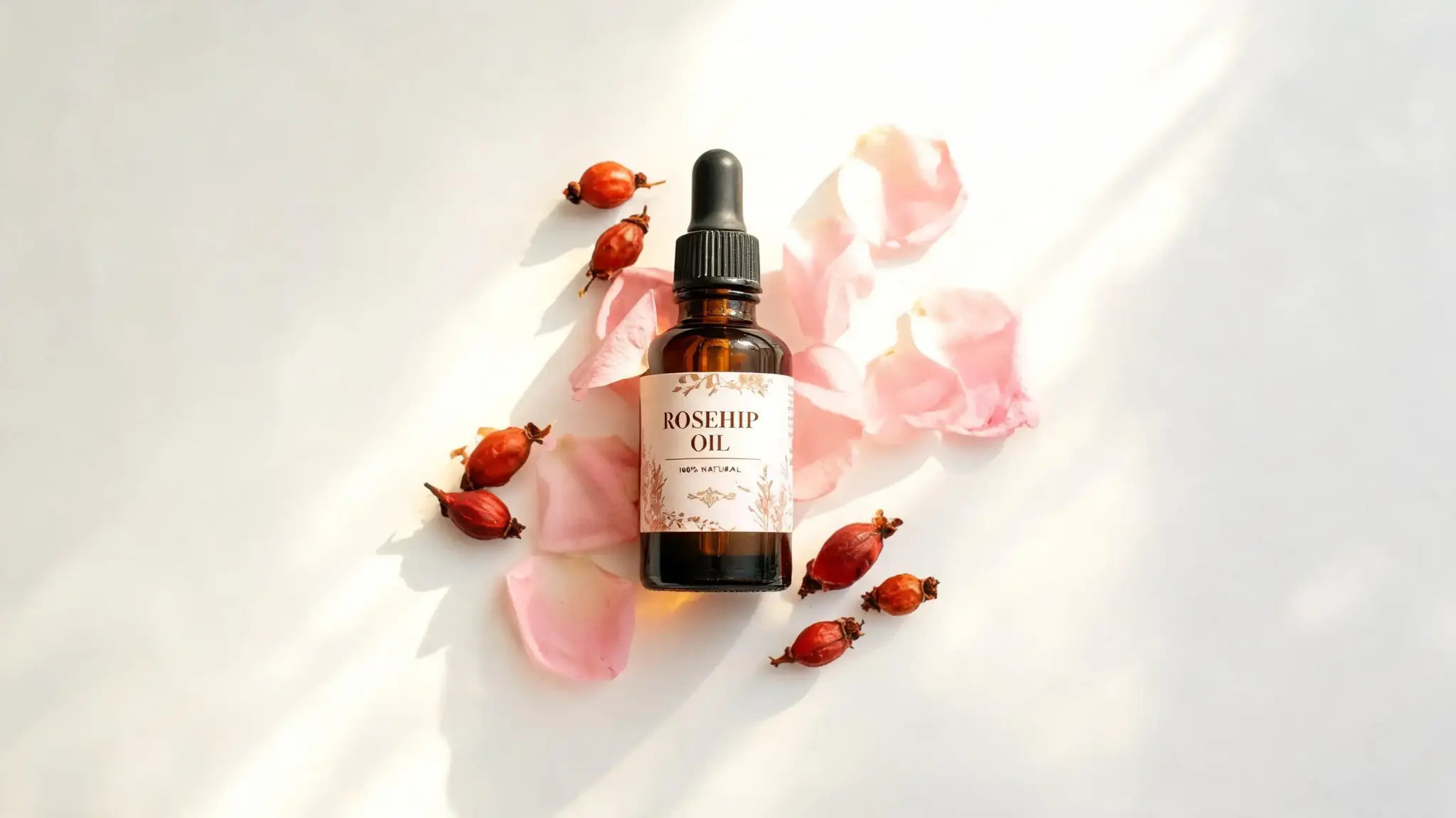
Rosehip oil contains provitamin A (retinoid precursors) and vitamin C, along with fatty acids that support skin repair.
Consistent use can help soften the look of uneven tone and improve overall skin texture. It won’t work as quickly as a prescription retinoid, but it’s gentler and better suited to drier, more mature skin.
How to use it: 2 to 3 drops on clean skin at night, either alone or blended into your night cream. Focus on the spots. Choose cold-pressed, fragrance-free rosehip oil for best results.
Foods and Lifestyle Habits that Support Clearer Skin
What you put on your skin only gets you so far. The condition of your skin also reflects what’s happening internally, and a few habits make a noticeable difference over time.
- Eat more antioxidant-rich foods: Include leafy greens, berries, tomatoes, citrus fruits, nuts, and green tea in your diet to support skin repair and help prevent new pigmentation.
- Stay hydrated: Drink enough water throughout the day to keep your skin hydrated and support healthy cell turnover.
- Wear protective clothing outdoors: Use a wide-brim hat, UPF-rated gloves, and other sun-protective clothing to reduce UV exposure.
- Avoid peak UV hours: Limit direct sun exposure between 10 a.m. and 4 p.m., when UV rays are strongest.
These habits won’t erase existing dark spots overnight, but they can help reduce further pigmentation and support the effectiveness of your skincare routine over time.
How Long Does It Take for Age Spots to Fade Naturally?
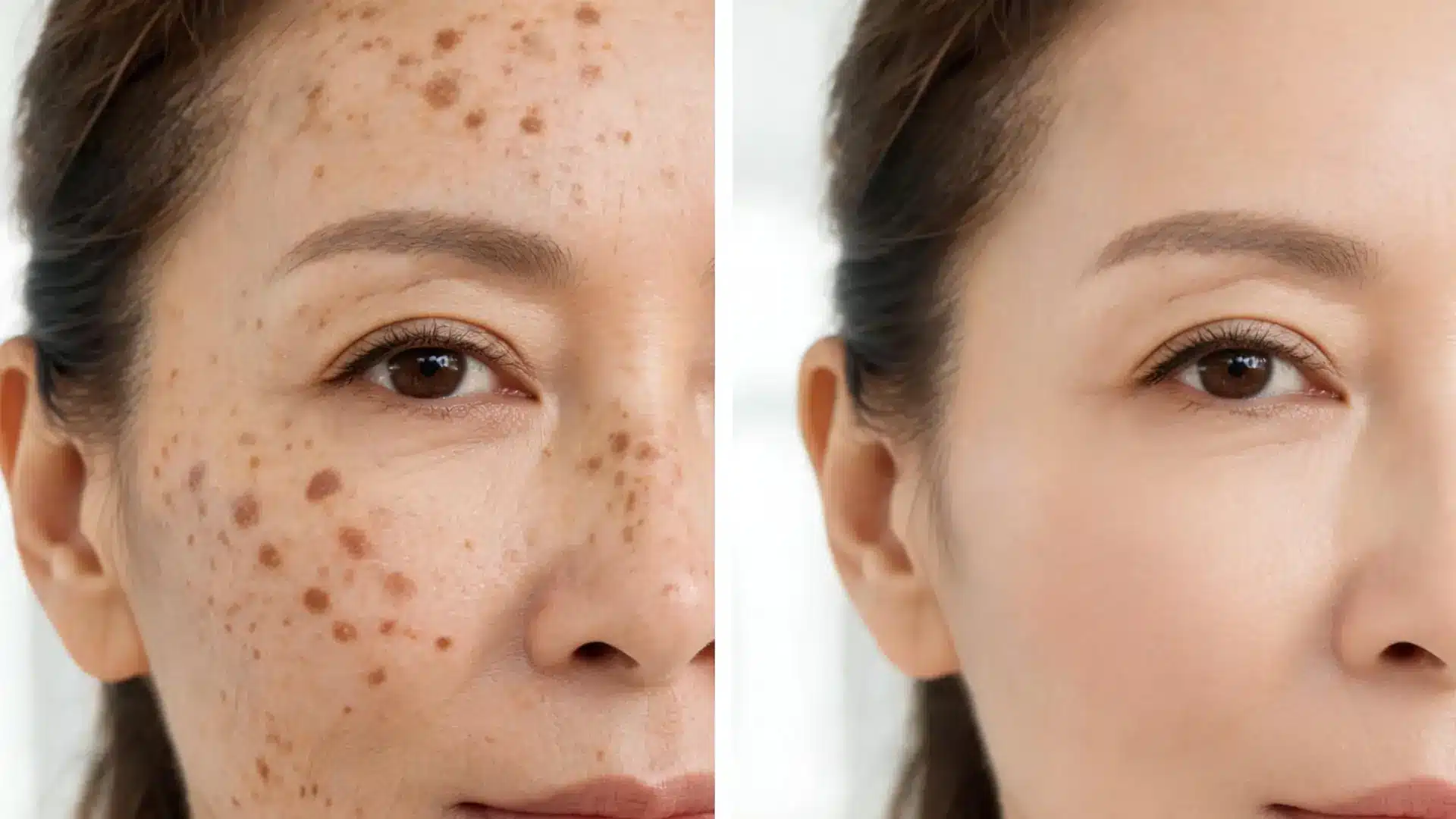
The time it takes for age spots to fade naturally can vary depending on their size, depth, and how long they have been present.
In general, natural remedies may begin to show visible improvements within 4 to 12 weeks when used consistently. Lighter spots may fade more quickly, while darker or older spots often take longer to improve.
Factors such as skin type, sun exposure, and overall skincare habits can also affect results.
Using natural remedies regularly, along with daily sunscreen and proper skin care, can help support gradual fading and improve the overall appearance of the skin.
If the spots are deeply set and not shifting, learning about retinol for stubborn dark spots can help before deciding whether to escalate to a clinical option.
How to Use Natural Remedies Safely?
Using natural remedies correctly can help prevent irritation and unwanted side effects.
- Always patch test first: Apply a small amount of the remedy to the inside of your wrist or the back of your ear. Wait 24 hours. If you see redness, itching, or swelling, don’t apply it to your face or hands.
- Don’t overdo active ingredients: Using vitamin C, an AHA exfoliant, and lemon juice on the same day is a recipe for irritation. Introduce one new ingredient at a time, spaced at least a week apart. Your skin needs time to adjust.
- Layer from lightest to heaviest: Serums go on before oils and creams. Actives (vitamin C, niacinamide) come before moisturizer. SPF is always last in the morning routine, applied generously and reapplied every two hours if you’re outdoors.
- Stop if you see irritation: Redness, peeling, or burning that lasts more than 24 hours is your skin telling you to back off. Reduce frequency, switch to a gentler formula, or take a break entirely and let your barrier recover.
Note: For informational purposes only. Patch test every new ingredient before applying to the face or a large area, especially if you have sensitive or reactive skin.
When to See a Dermatologist
Natural remedies can do a lot for your skin, but there are times when it is important to go beyond your skincare shelf and speak to a professional.
If an age spot changes in color, shape, or size, do not ignore it. These changes can sometimes be a sign of a need for medical attention.
The same goes for any spot that starts bleeding, becomes painful, itchy, or continues to grow over time. In most cases, it is nothing serious, but it is always better to get it checked and have peace of mind.
While natural remedies work well for many people, they do not deliver the same results for everyone. Skin type, spot depth, and how long a spot has been there can all affect how well home treatments work.
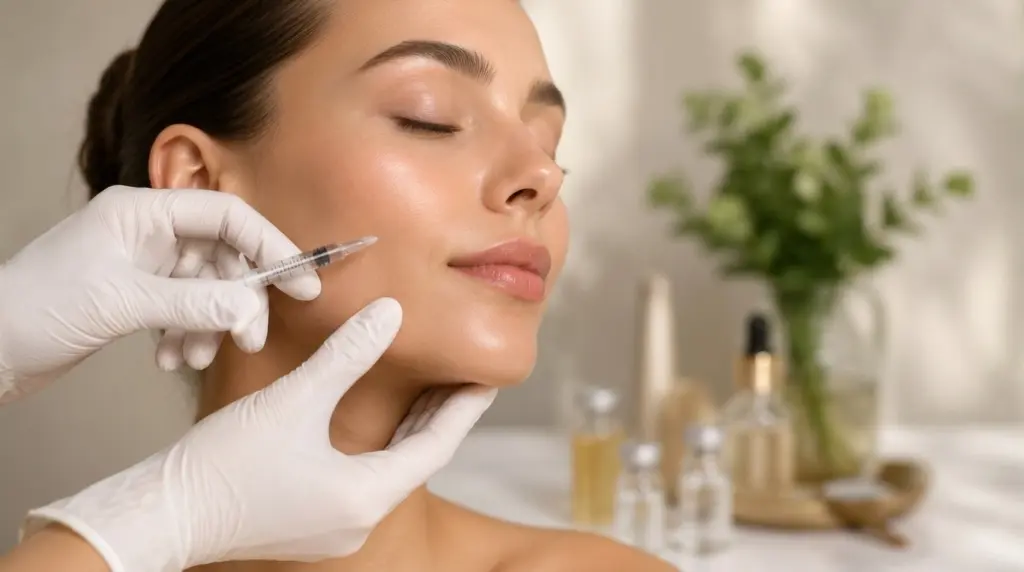
If you have been consistent with your routine for several months and are not seeing any improvement, a dermatologist can recommend clinical options such as laser therapy, chemical peels, or prescription creams that may work more effectively for your skin.
Conclusion
Natural remedies may help reduce the appearance of age spots when used consistently and as part of a healthy skincare routine. Ingredients such as aloe vera, turmeric, green tea, and rosehip oil may gradually improve skin tone and help fade dark spots.
However, natural treatments require patience; results are rarely immediate, and consistency is everything.
Protecting your skin from the sun, using sunscreen daily, staying hydrated, and following good skincare habits can also help prevent new age spots from forming and keep your skin looking its best.
While natural remedies may not completely remove age spots, they can support healthier, brighter, and more even-looking skin when used regularly. Every small step you take today is an investment in the skin you will wear tomorrow.
Have you tried any natural remedies for age spots? Share your experience, tips, or questions in the comments; we’d love to hear what worked for you!
Frequently Asked Questions
How Can I Fade Dark Spots in 3 Days?
Fading established dark spots completely in just 3 days is biologically impossible. However, you can significantly reduce their contrast, brighten your complexion, and make them much less noticeable in a short time.
How to Remove Age Spots with Hydrogen Peroxide
Using hydrogen peroxide for age spots at home is strongly discouraged by dermatologists. It causes oxidative damage, increasing the risk of chemical burns, permanent scarring, and worsening discoloration.
Are Natural Remedies Safe for Sensitive Skin?
Some are, but it is always best to do a patch test before applying any remedy to your skin.
Are Age Spots and Sun Spots the Same Thing?
Yes, age spots and sun spots are often the same and are mainly caused by long-term sun exposure.