Flakes around the eyebrows can be more than a simple dry skin issue. When the same irritation keeps returning, it may leave behind redness, itching, and stubborn patches that are difficult to manage with regular skincare.
Seborrheic dermatitis of the eyebrows is a common cause of recurring brow flaking, while eyebrow dandruff is often the first sign people notice.
Understanding what triggers these flare-ups, how the condition appears, and which habits may help can make daily care easier.
Here, it explains the symptoms, causes, treatment options, real experiences, and practical steps for managing eyebrow seborrheic dermatitis.
What is Seborrheic Dermatitis on the Eyebrows?
Seborrheic dermatitis on the eyebrows is a skin condition that causes flakes, redness, and irritation around the brow area, and it’s easy to mistake for ordinary dry skin at first glance.
Unlike simple dryness, it’s tied to a combination of oil production, skin sensitivity, and how the skin reacts to yeast that naturally lives on everyone’s face.
The flakes can look white and dry or slightly yellow and greasy depending on how much oil is involved, and the surrounding skin often feels itchy, tender, or sensitive to touch during a flare.
Recognizing that pattern early makes it easier to treat the actual cause instead of just moisturizing and hoping the flaking goes away on its own.
Where Seborrheic Dermatitis Commonly Shows Up
Before looking specifically at how it appears on the eyebrows, it helps to see where else on the body seborrheic dermatitis tends to develop. The eyebrows are just one of several oil-prone areas the condition typically affects.
| Affected Area | Common Symptoms |
|---|---|
| Scalp | Flaking, itching, and buildup often mistaken for regular dandruff |
| Eyebrows | Flakes, redness, and irritation along the brow line |
| Sides of the Nose | Redness and greasy-looking scales in the creases |
| Ears | Flaking inside or behind the ear, sometimes with mild soreness |
| Chest | Scaly patches in areas with more active oil glands |
The eyebrows tend to be one of the more noticeable spots simply because they’re harder to hide, which is often what prompts people to look into treatment sooner rather than later.
What Does Seborrheic Dermatitis Eyebrows Look Like?
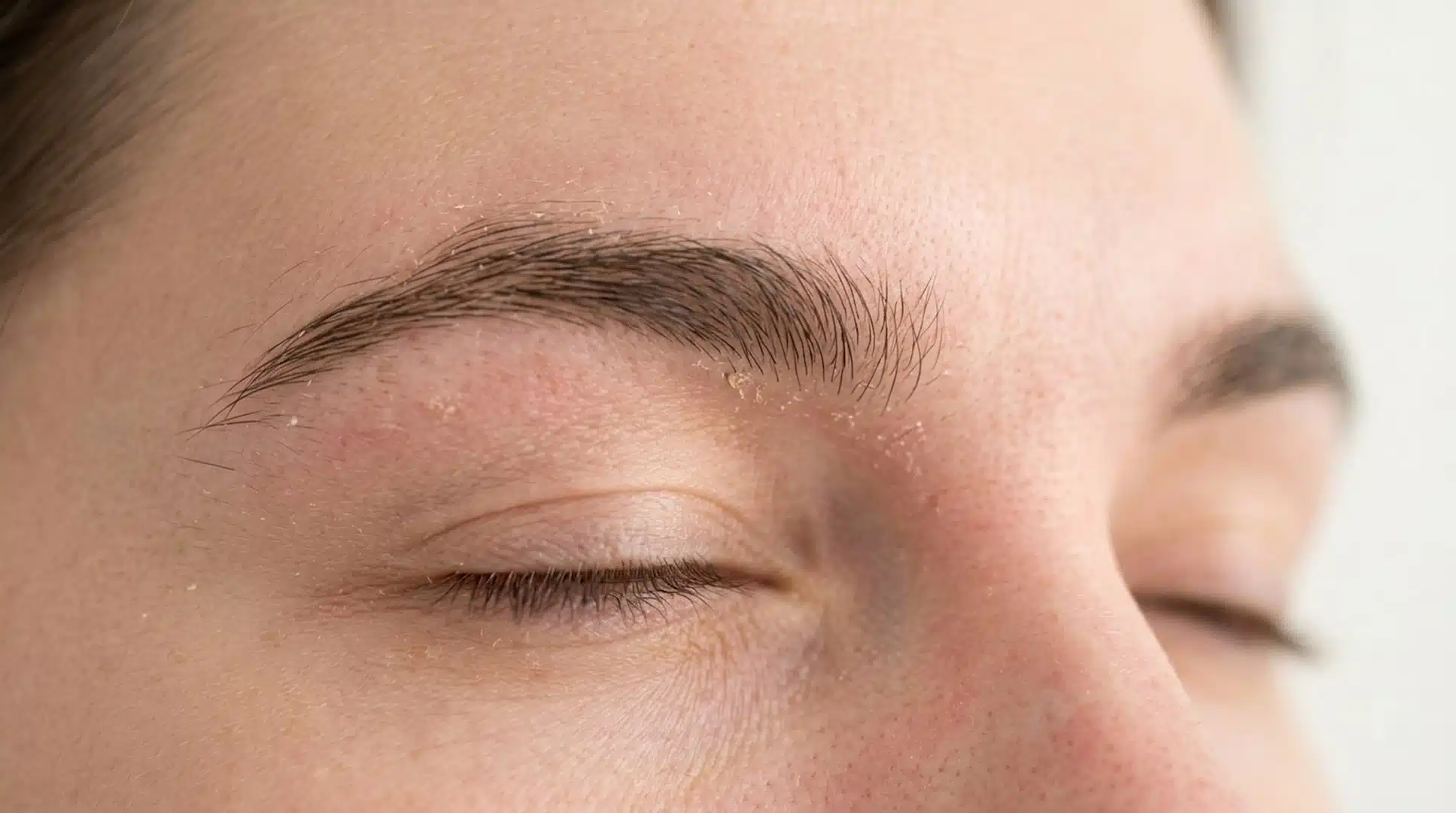
Seborrheic dermatitis on the eyebrows can appear differently depending on skin type, flare severity, and individual triggers. Some people notice only mild flaking, while others may experience visible irritation and recurring patches around the brow area.
1. Flakes Around the Eyebrows
One of the most common signs is eyebrow dandruff, where small flakes appear on the eyebrow hairs or nearby skin. The flakes may look white, yellowish, or slightly oily depending on how the condition affects the skin.
Seborrheic dermatitis commonly causes flaky skin and redness in areas where oil glands are more active. Unlike regular dryness, these flakes may return even after gentle cleansing because the underlying irritation is still present.
2. Redness and Irritated Skin
The skin around the eyebrows may become red, sensitive, or uncomfortable during a flare-up. Some people experience itching, burning, or irritation, especially when using products that do not suit their skin.
Scratching the area can make the redness and flaking more noticeable. The irritation may become more visible during periods when symptoms worsen or when the skin barrier is affected. Switching to something plain and checking whether yourmoisturizer for sensitive skin is actually the right fit can make flare-ups easier to manage.
3. Dry or Oily Patches
Seborrheic dermatitis can cause both dry-looking and oily patches around the eyebrows. Some people notice rough, peeling skin, while others may see slightly greasy scales around the brow area.
This happens because the condition is connected to oil production and skin sensitivity, not only a lack of moisture. The appearance of these patches can change depending on the severity of the flare and individual skin type.
How to Treat Seborrheic Dermatitis?
Treatment for seborrheic dermatitis around the eyebrows focuses on reducing flakes, calming irritation, and managing recurring flare-ups, with a careful approach given how sensitive the skin near the eyes is.
- Antifungal ingredients: the main tool for controlling the Malassezia yeast linked to most flares, with a dermatologist able to recommend a specific cream or ointment based on symptom severity.
- Fragrance-free moisturizer: supports the skin barrier alongside any medicated treatment without adding to oil buildup around the brow area.
- Personal trigger tracking: noting patterns like cold weather, stress, or a new skincare product makes it easier to catch a flare-up before it fully sets in.
Combining medicated treatment with daily moisturizing and trigger tracking tends to work better than relying on just one.
What Causes Seborrheic Dermatitis On Eyebrows?
Several factors can contribute to eyebrow seborrheic dermatitis, and the exact trigger can differ from person to person. It is often linked to a combination of oil production, skin sensitivity, and how the skin reacts to naturally occurring microorganisms.
1. Yeast and Oil Production
Yeast that lives naturally on everyone’s skin is one of the most consistent factors behind this condition. How the skin reacts to it, rather than the yeast itself, tends to determine whether flare-ups happen at all. This is why treatments aimed at reducing yeast activity tend to be the first line of defense rather than moisturizers alone.
- Malassezia yeast naturally exists on the skin and may play a role in seborrheic dermatitis flare-ups.
- Areas with more oil production, such as the eyebrows and face, can be more affected.
- An increased sensitivity to this yeast may contribute to irritation and flaking.
2. Skin Barrier Changes
A compromised skin barrier makes the eyebrow area more reactive than it would otherwise be. This often has more to do with the products being used than with the skin itself.
Simplifying a routine, rather than adding more products, is usually what helps the barrier recover. This is also why layering popular multi-step routines can sometimes do more harm than good once the barrier is already compromised.
- A weakened skin barrier can make the eyebrow area more sensitive and prone to irritation.
- Harsh cleansers, over-exfoliation, or unsuitable skincare products may worsen dryness.
- Gentle skincare habits can help reduce unnecessary irritation.
3. Weather and Lifestyle Triggers
Outside factors can set off a flare even when nothing about a skincare routine has changed. These triggers vary quite a bit from person to person. Keeping a rough log of what precedes a flare is often the fastest way to spot a personal pattern.
- Cold or dry weather may contribute to increased flaking and skin discomfort.
- Stress, hormonal changes, and personal triggers can influence flare-ups.
- Tracking patterns may help identify situations that worsen symptoms.
Building small, consistent habits, the kind used in many quick beauty routines, can also make flare-ups easier to catch early
Understanding possible triggers can make it easier to manage eyebrow seborrheic dermatitis. Since different factors may affect each person differently, identifying personal triggers is often an important part of daily care.
Seborrheic Dermatitis Eyebrows vs Other Causes of Flaking
Eyebrow flakes are not always caused by seborrheic dermatitis. Dry skin, product irritation, and other skin conditions can create similar signs, making it helpful to understand the differences before choosing a care approach.
| Condition | Common Signs | How It May Differ |
|---|---|---|
| Seborrheic Dermatitis | Flakes, redness, itching, and possible oily scales around eyebrows | Often returns in flare-ups and affects areas with more oil production |
| Dry Skin | Fine white flakes, tightness, and rough texture | Usually linked to reduced moisture rather than oil-related irritation |
| Contact Dermatitis | Redness, burning, itching, or irritation | Often appears after using a new skincare or cosmetic product |
| Psoriasis | Thicker patches, scaling, and defined areas of irritation | May appear beyond the eyebrows and have a different pattern |
Understanding these differences can help people recognize possible triggers behind eyebrow flaking. A proper diagnosis can help determine the most suitable care approach.
How People Manage Eyebrow Seborrheic Dermatitis In Real Life
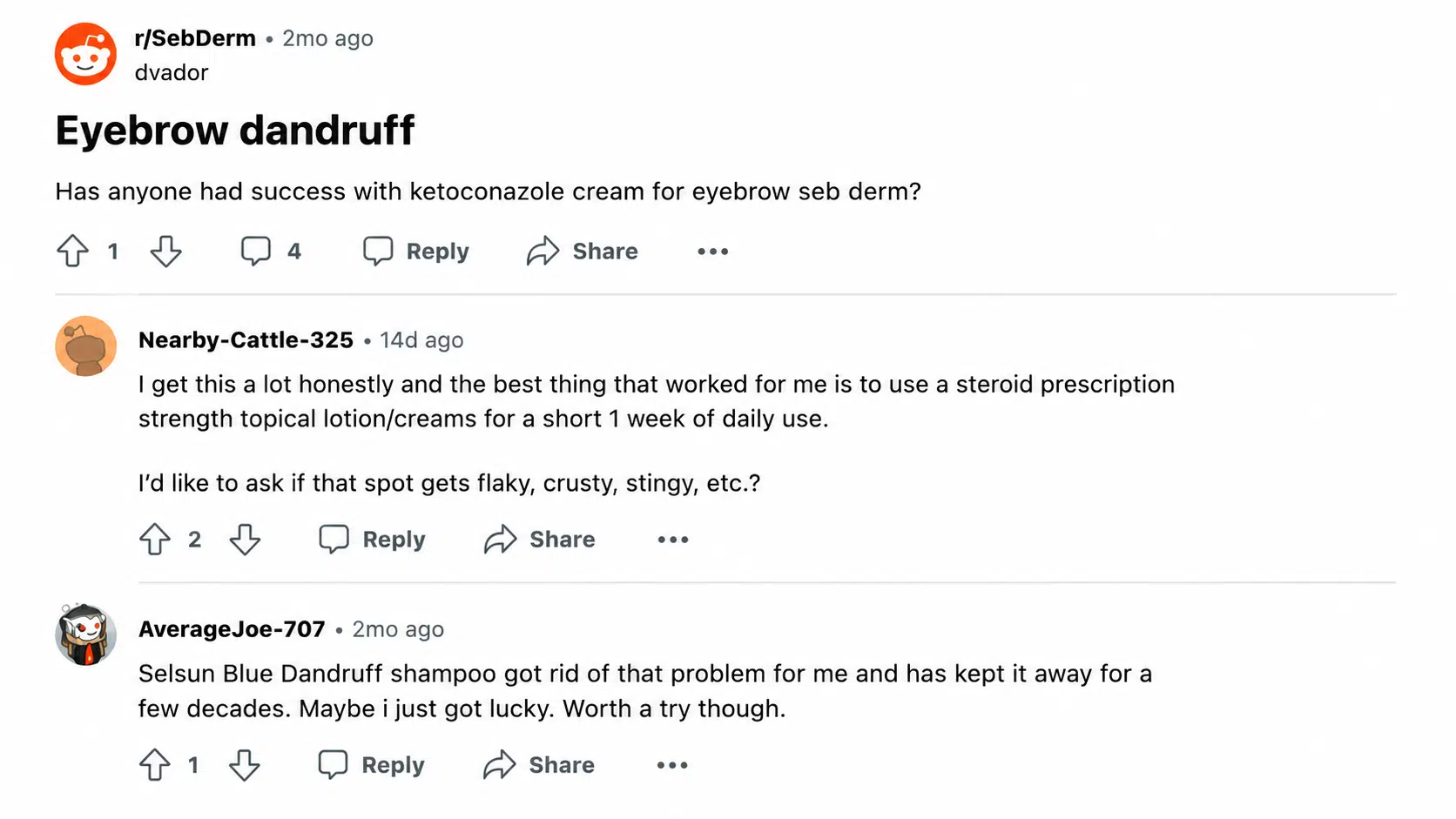
People dealing with eyebrow seborrheic dermatitis often share their experiences with different routines, products, and lifestyle changes. These personal experiences can show common patterns, but results can vary from person to person.
Many Reddit users mention trying gentle skincare routines, anti-dandruff products, and avoiding products that seem to trigger irritation. Some people report improvement after simplifying their routine, while others find that certain ingredients make their symptoms worse.
Community discussions can help identify common experiences, but they are personal reports rather than medical advice. For diagnosis and treatment decisions, dermatology resources and professional guidance are more reliable.
Common Things People Try at Home
People often share simple habits that may help them manage eyebrow flakes and irritation.
These commonly include keeping the eyebrow area clean, avoiding harsh skincare products, and using gentle moisturizers to reduce dryness.
Some users also mention changing makeup products, washing pillowcases regularly, or paying attention to possible triggers.
However, what helps one person may not work for another, so tracking individual reactions can be useful.
Daily Care Tips for Eyebrow Seborrheic Dermatitis
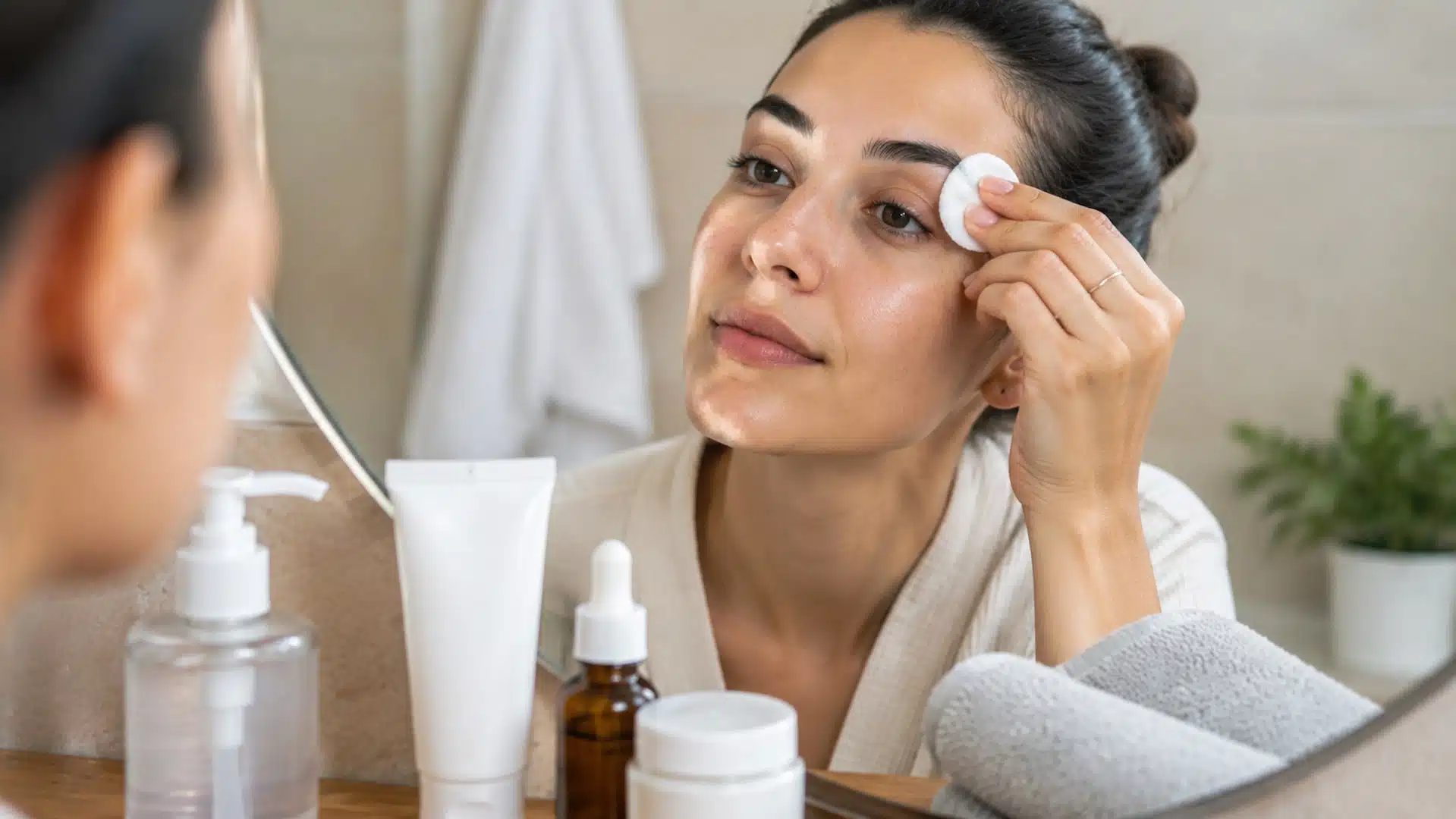
Managing eyebrow seborrheic dermatitis often comes down to a few consistent daily habits rather than an elaborate routine.
- Use a mild cleanser to remove oil and buildup, but avoid harsh scrubbing or over-washing, which tends to increase irritation rather than reduce it.
- Skip fragranced products and strong exfoliants, and introduce anything new one at a time so it’s clear what’s actually causing a reaction.
- Remove makeup gently at the end of the day rather than letting it sit near the brows overnight.
- Track what happens in the day or two before a flare starts to spot patterns tied to weather, stress, or a specific product.
Daily care does not replace medical treatment, but these habits go a long way toward keeping flare-ups less frequent and easier to manage.
When to See a Dermatologist?
Mild flaking often improves with gentle care alone, but a few signs point toward getting a professional opinion instead of continuing to self-treat.
Flaking that persists despite changes to the skincare routine usually means the condition needs a more targeted treatment than basic cleansing or moisturizing can provide, and the same goes for itching, sensitivity, or irritation that starts interfering with makeup or day-to-day comfort.
It’s also worth ruling out a different underlying condition altogether if the skin’s appearance changes, symptoms spread beyond the eyebrows, or a routine that used to work suddenly stops helping.
Ingredients to Look for in Eyebrow Care Products
Choosing suitable ingredients can help manage eyebrow flaking and irritation while keeping the skin comfortable. Different ingredients serve different purposes, so understanding their role can make it easier to choose products that fit your routine.
- Antifungal ingredients, such as ketoconazole, zinc pyrithione, or selenium sulfide, target the yeast activity linked to most flares.
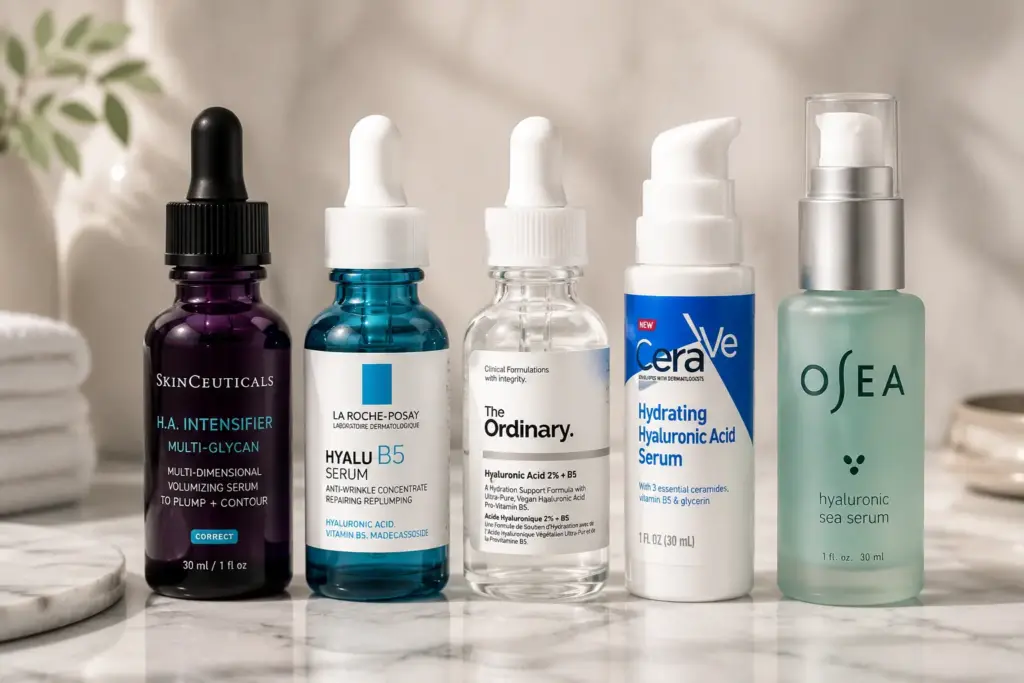
- Gentle moisturizing ingredients, like ceramides, glycerin, and hyaluronic acid, support hydration without adding to oil buildup.
- Soothing ingredients, including options like oat extract or niacinamide, can help calm irritated skin during an active flare.
Checking the ingredient list before trying a new product is usually faster than finding out the hard way that a fragrance or exfoliant doesn’t agree with sensitive brow skin.
Final Thoughts
Managing seborrheic dermatitis eyebrows can take time because symptoms may come and go depending on personal triggers, skin type, and daily habits.
Understanding the signs, possible causes, and suitable care approaches can help people make better choices for their eyebrow routine.
Eyebrow dandruff is not always caused by simple dryness, so paying attention to recurring flakes, irritation, and skin changes can be useful.
If gentle care and an antifungal cleanser haven’t calmed things down after a few weeks, that’s usually the signal to get a dermatologist’s read on it rather than keep testing products on your own.
Frequently Asked Questions
Can Eyebrow Seborrheic Dermatitis Come Back After It Improves?
Yes, flare-ups can return even after symptoms improve. Seborrheic dermatitis often follows a recurring pattern, and triggers like weather changes, stress, or product changes may affect when symptoms appear again.
Can Makeup Make Eyebrow Flaking Worse?
Some makeup products may increase irritation, especially if they contain ingredients that do not suit sensitive skin. Removing makeup gently and choosing suitable products can help reduce unnecessary buildup around the eyebrow area.
How Long Does an Eyebrow Seborrheic Dermatitis Flare Last?
The duration can vary from person to person. Some flare-ups may improve within days with suitable care, while others may continue longer depending on triggers, skin sensitivity, and the approach used to manage symptoms.