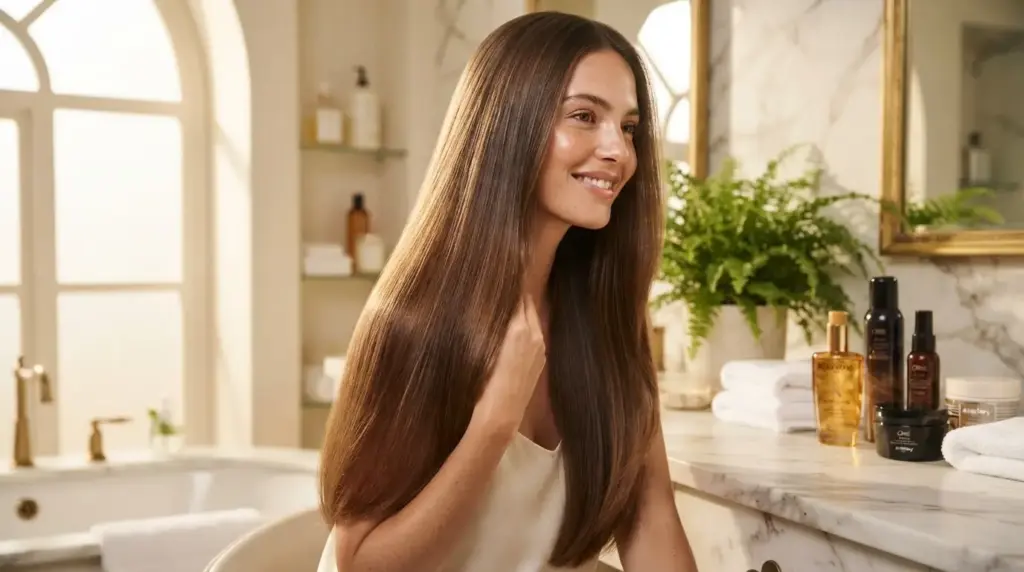
Have you ever noticed how some hair colors look naturally blended, soft, and sun-kissed without visible lines or harsh transitions?
That effect often comes from balayage hair, a hand-painted coloring technique that creates customized depth, dimension, and a seamless blend throughout the hair.
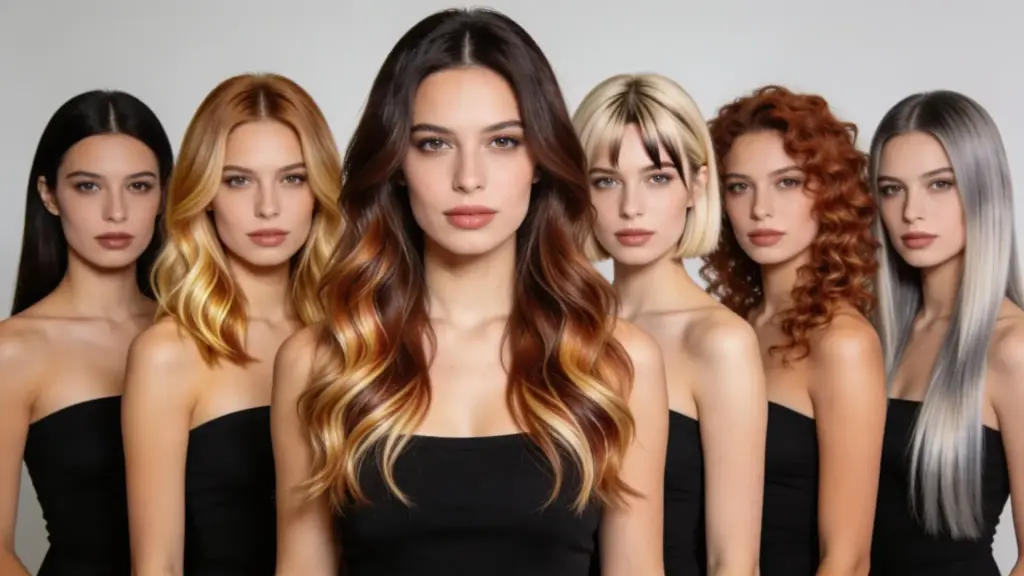
This coloring method is not limited to one hairstyle or shade. It can create blonde, caramel, copper, ash, chocolate, subtle, bold, warm, or cool finishes depending on the desired result, starting color, and personal style.
From popular color ideas and placement options to technique comparisons, before-and-after inspiration, shade selection, and maintenance tips, understanding the basics can help you choose a look that suits your hair.
What Makes Balayage Stand Out
Balayage stands out because it uses customized hand-painted color placement instead of creating the same highlight pattern throughout the hair.
The technique focuses on soft transitions, brighter ends, and natural-looking dimension. The name balayage comes from a French word meaning “to sweep,” describing how stylists paint color onto selected sections.
It is a coloring method, not a single shade, so results can range from caramel and chocolate tones to blonde or ash finishes.
The final look depends on factors like starting hair color, length, texture, haircut, placement, and chosen tone. This allows balayage to create different effects on various hair types, from subtle blends to brighter finishes.
How Balayage Changes Hair
Before-and-after photos show how balayage changes your hair, but realistic comparisons matter. Check similar lighting, angles, styling, starting color, lift level, and blending for accurate expectations. When comparing balayage transformations, consider:
- Starting hair color: Darker bases may show a softer change, while lighter hair can achieve brighter results.
- Face-framing brightness: Check how lighter pieces around the face affect the overall look.
- Color placement: Look at where the stylist added brightness and how it follows the haircut.
- Warmth or coolness: Compare whether the final shade has golden, caramel, ash, beige, or neutral tones.
- Hair condition: Healthy, smooth ends usually reflect light better and show color more evenly.
- Straight and curled results: Balayage can appear different depending on styling, so check both finishes when possible.
Before-and-after comparisons should show actual color changes instead of only edited final results. Choose examples with similar hair color, texture, and length for better expectations.
Trendy Balayage Hair Ideas to Save
Balayage can look completely different depending on the starting hair color, placement, contrast, and overall style goal. Each look below highlights the best hair base, where the color is placed, the tone it creates, the level of contrast, and the maintenance it may need.
1. Caramel Balayage on Dark Brown Hair
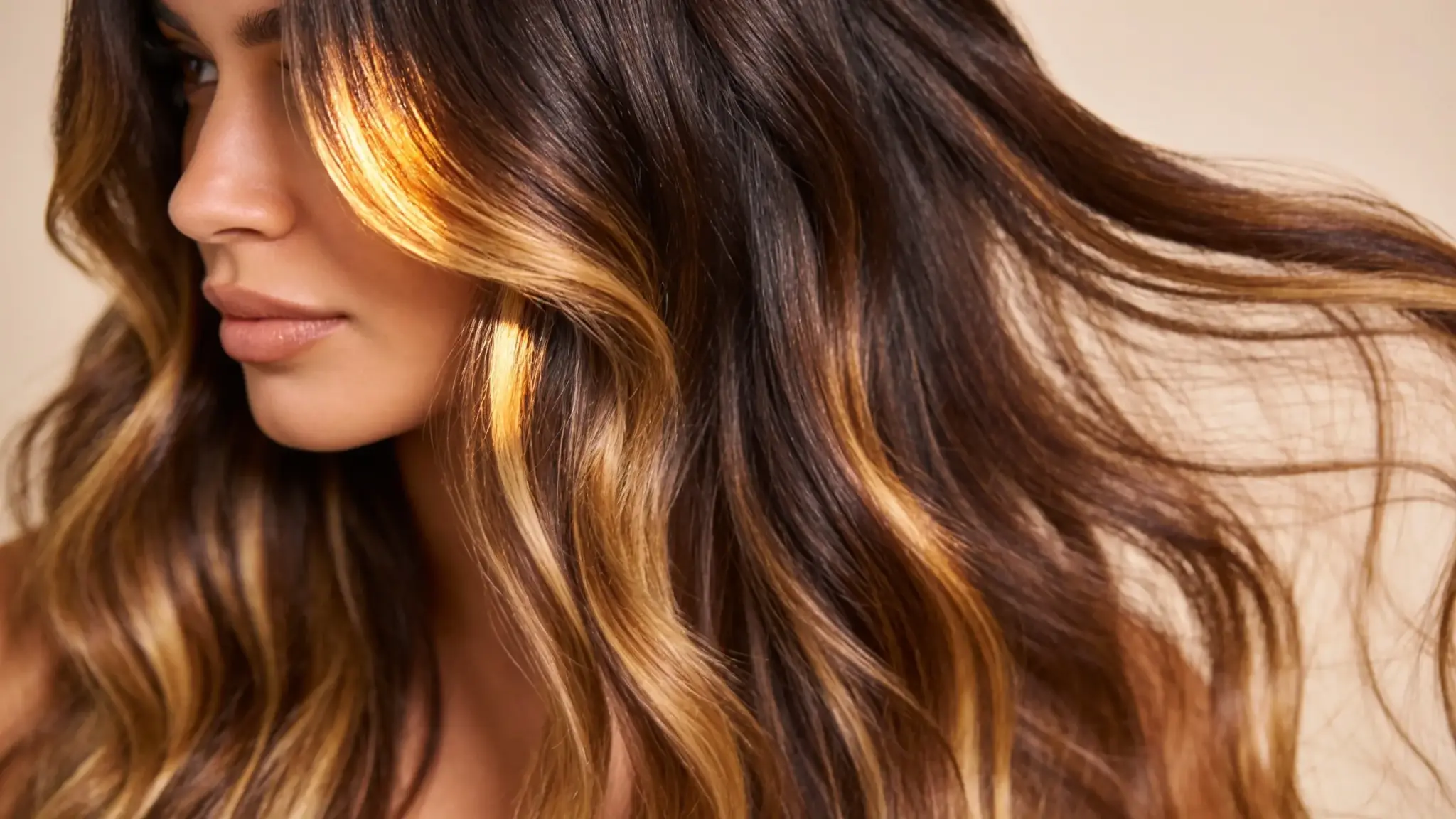
Caramel balayage blends warm golden-brown ribbons through a dark brown base to add softness, brightness, and natural-looking dimension.
The lighter pieces are usually painted through the mid-lengths and ends, creating a smooth transition without changing the depth at the roots. This style adds movement and warmth while keeping the overall color easy to maintain.
- Best for: Dark brown hair wanting warm dimension
- Tip: Ask for face-framing pieces if you want extra brightness around the face.
2. Honey Blonde Balayage
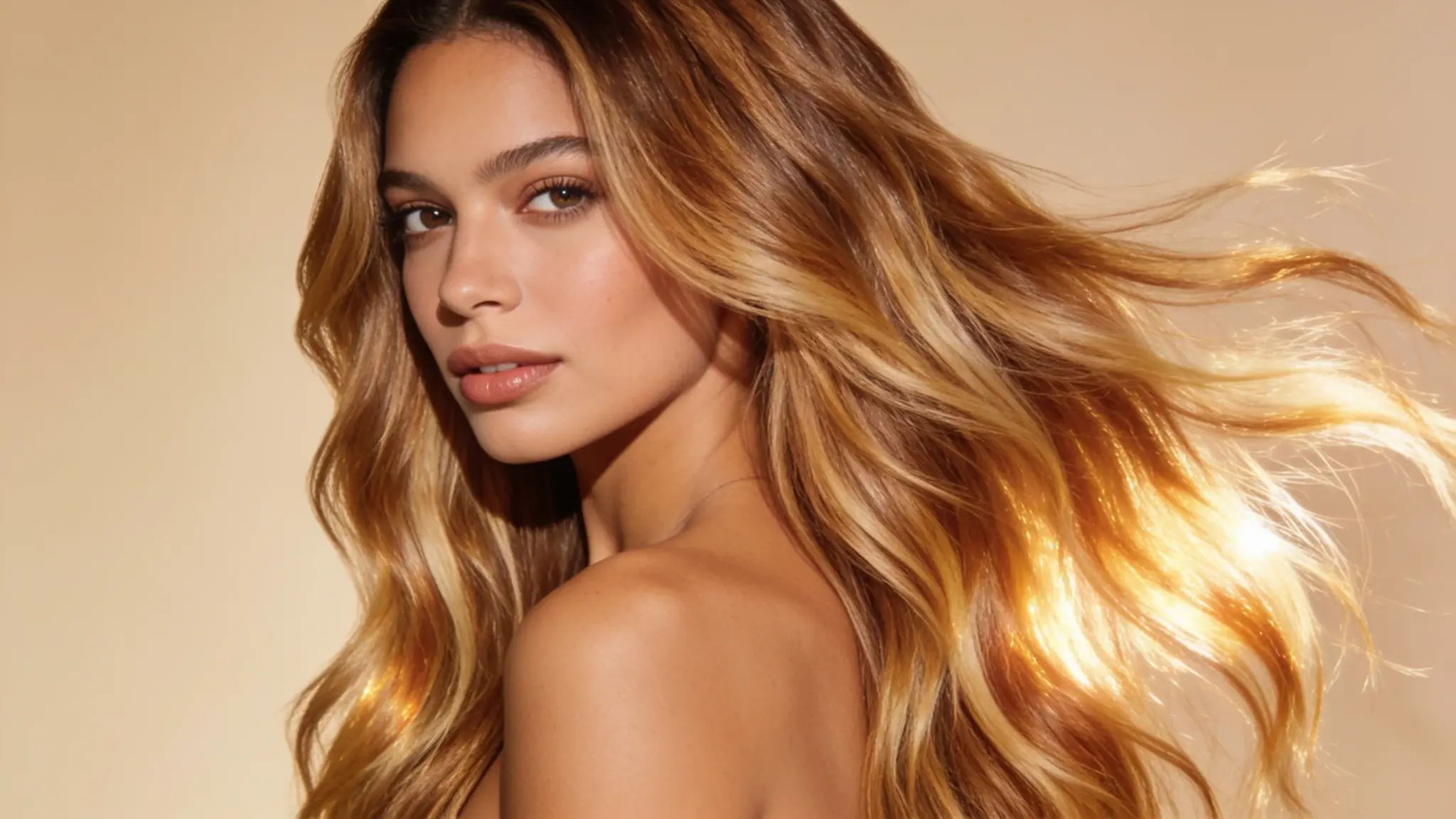
Honey blonde balayage adds warm golden tones to light and medium brown hair, creating a soft sun-kissed effect.
The highlights brighten the overall appearance while keeping the blend natural and wearable. This shade adds warmth without making the hair look overly blonde, especially when paired with soft waves or layered cuts.
- Best for: Light to medium brown hair
- Tip: Use color-safe products to help maintain the golden tone.
3. Ash Brown Balayage
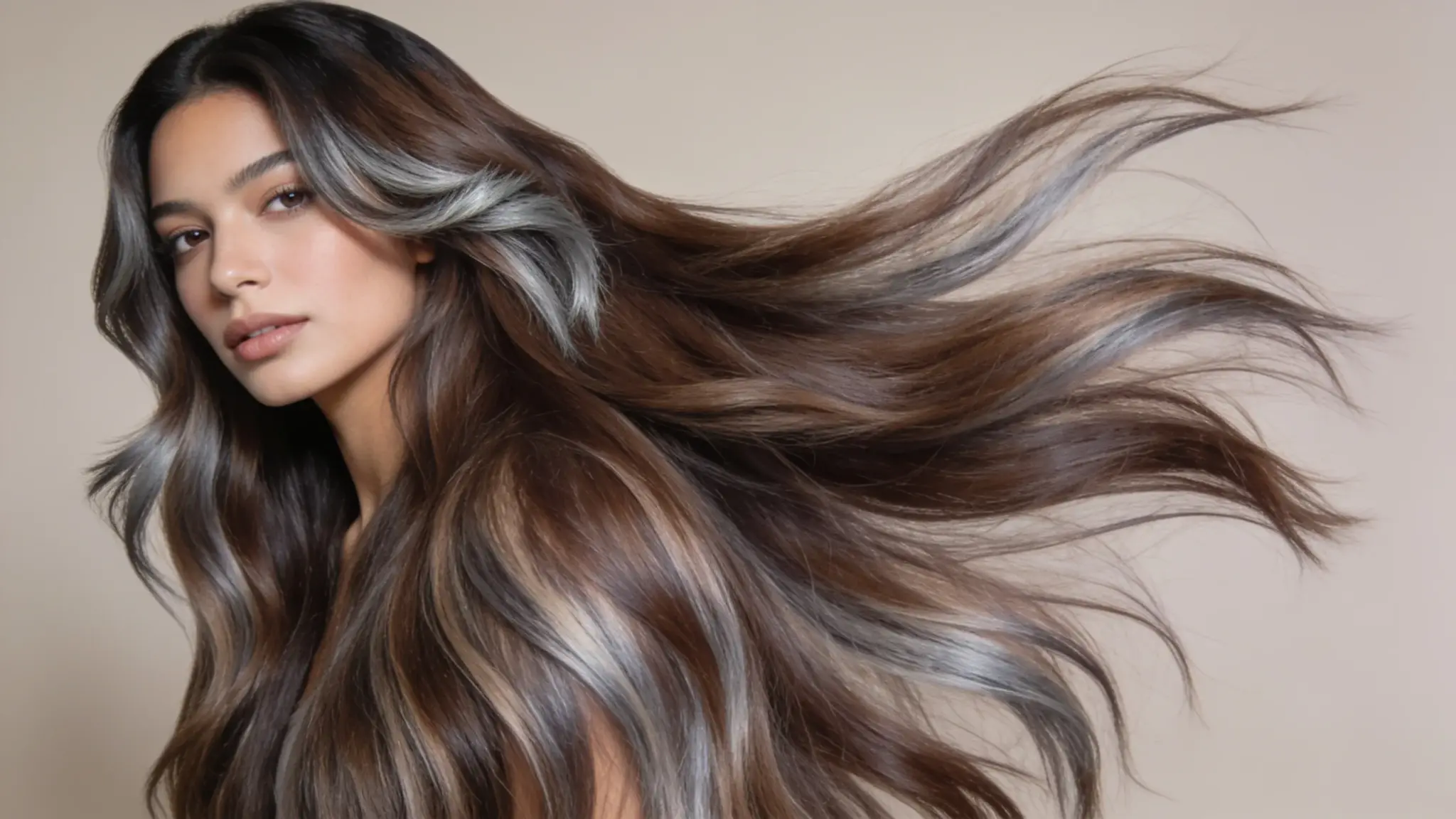
Ash brown balayage uses cool brown shades to balance unwanted warmth and create a softer, smoky finish. The muted tones add depth while keeping the hair color natural and modern.
It works especially well for brunettes whose hair tends to pull orange or golden tones after lightening.
- Best for: Brown hair that pulls warm tones
- Tip: Toner appointments help prevent unwanted warmth.
4. Chocolate Balayage
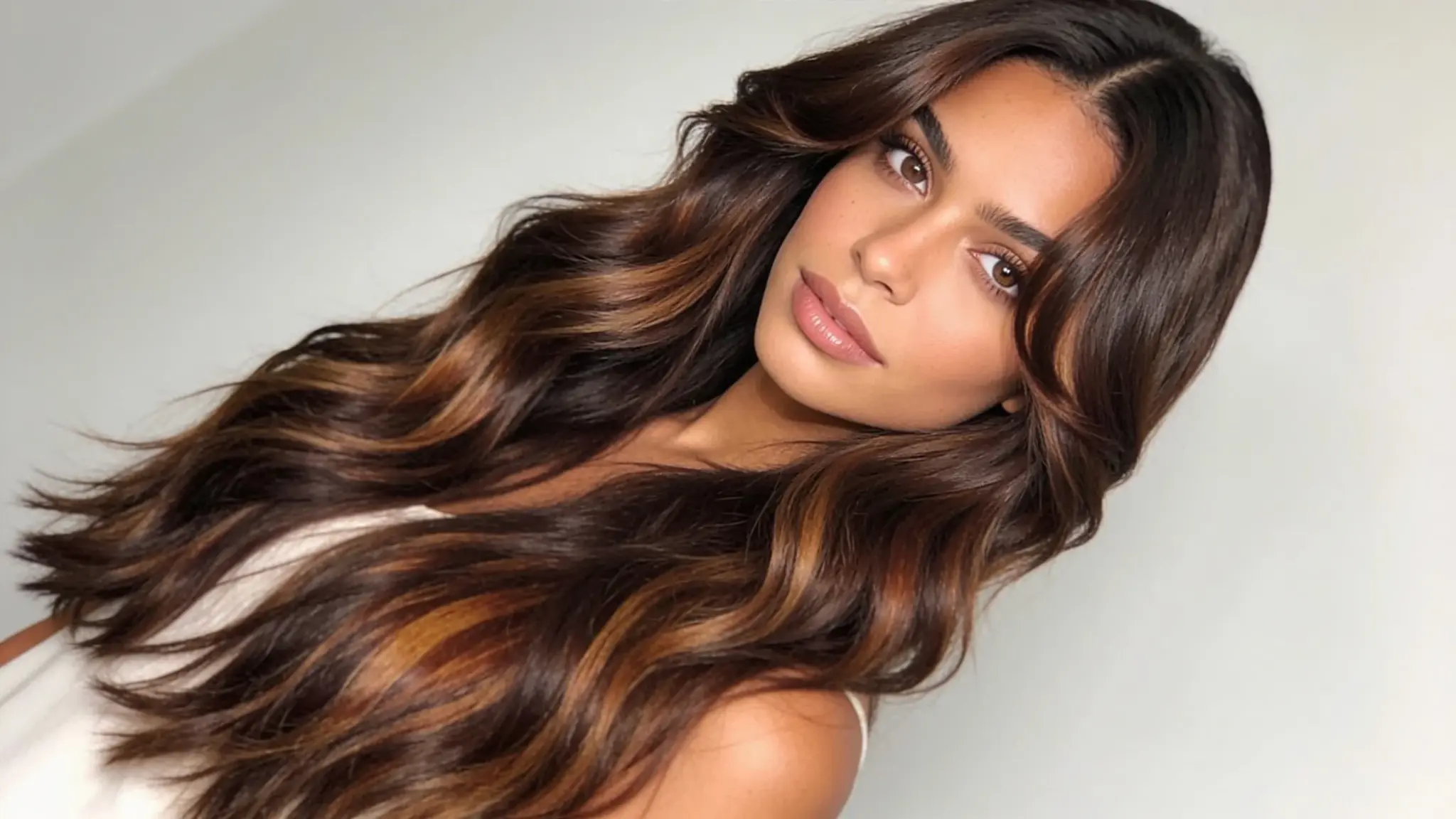
Chocolate balayage combines rich brown, mocha, and cocoa-inspired shades to create depth without a major color change. The technique adds dimension to brunette hair while maintaining a natural appearance.
It is a good choice for anyone who wants a refreshed look with subtle brightness and an easy maintenance routine, the same understated polish many aim for when getting their makeup ready before a big event.
- Best for: Brunettes wanting a subtle change
- Tip: This style works well for a low-maintenance color refresh.
5. Beige, Blonde Balayage
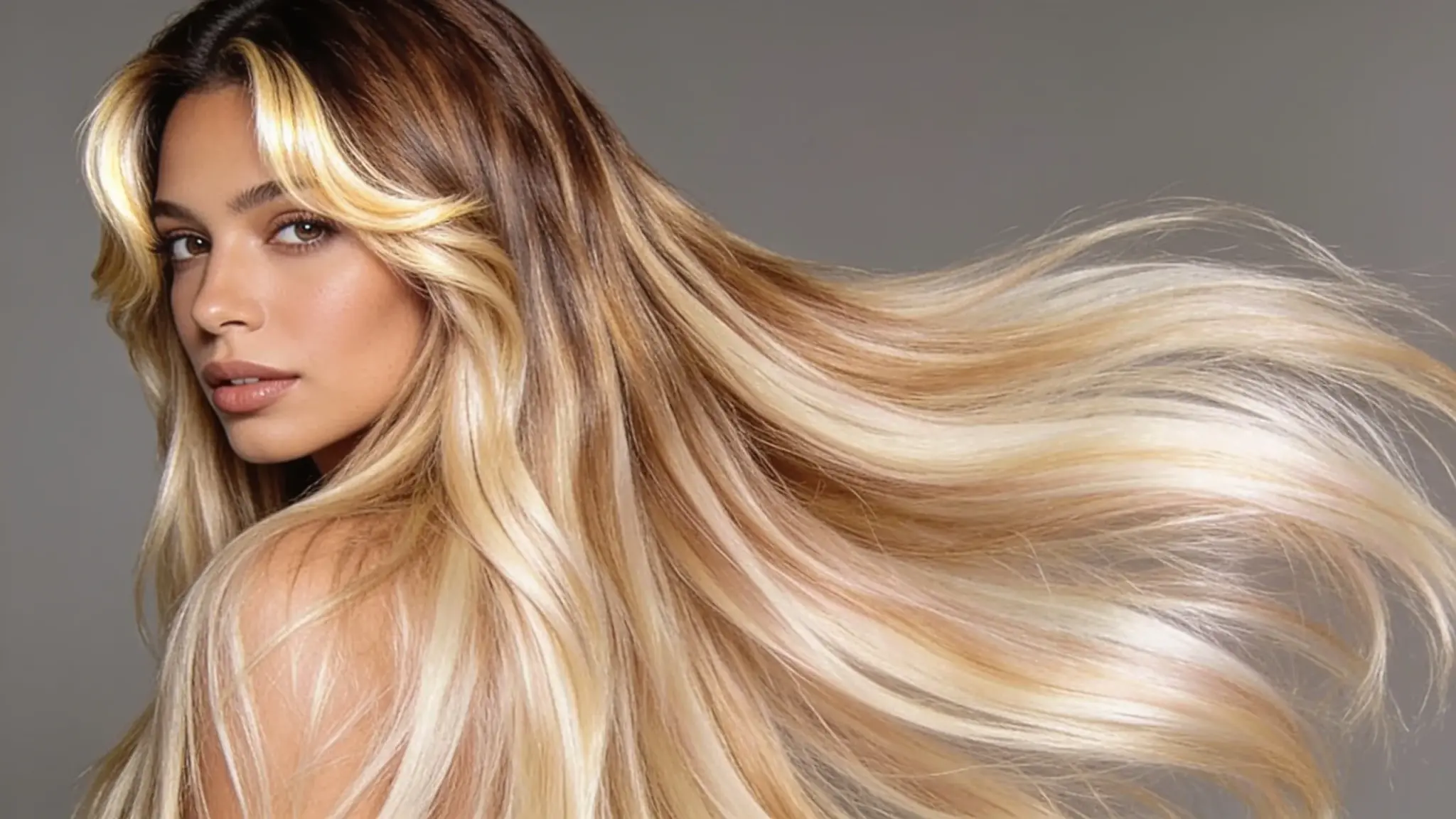
Beige, blonde balayage creates a soft, neutral blonde effect by blending balanced beige tones into the hair. The shade adds brightness while avoiding overly warm yellow tones or very cool finishes.
It creates a smooth, polished look that works well on different hair lengths and textures, which is why many brides ask for it while getting ready for their wedding.
- Best for: Medium brown to blonde hair
- Tip: Regular gloss treatments help maintain softness.
6. Icy Blonde Balayage
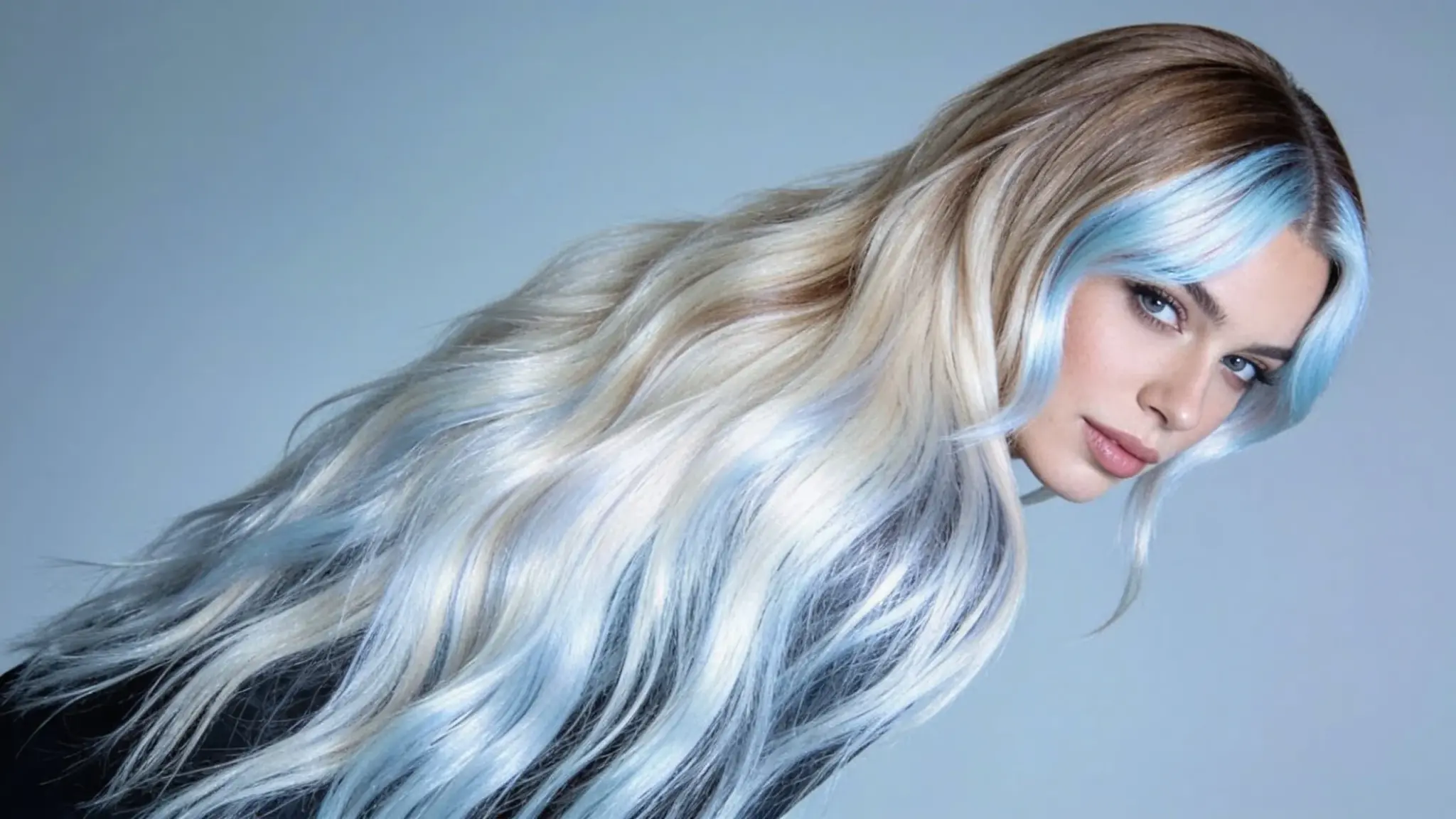
Icy blonde balayage features bright, cool blonde pieces that create a fresh and noticeable finish. The lighter tones add contrast and work best when the hair has already reached a suitable level of lightness.
This style creates a bold blonde look while maintaining the blended appearance of balayage, the kind of statement color that pairs well with an outfit chosen for a formal, dressed-up occasion.
- Best for: Lighter hair bases
- Tip: Darker hair may need multiple sessions to reach this shade.
7. Bronde Balayage
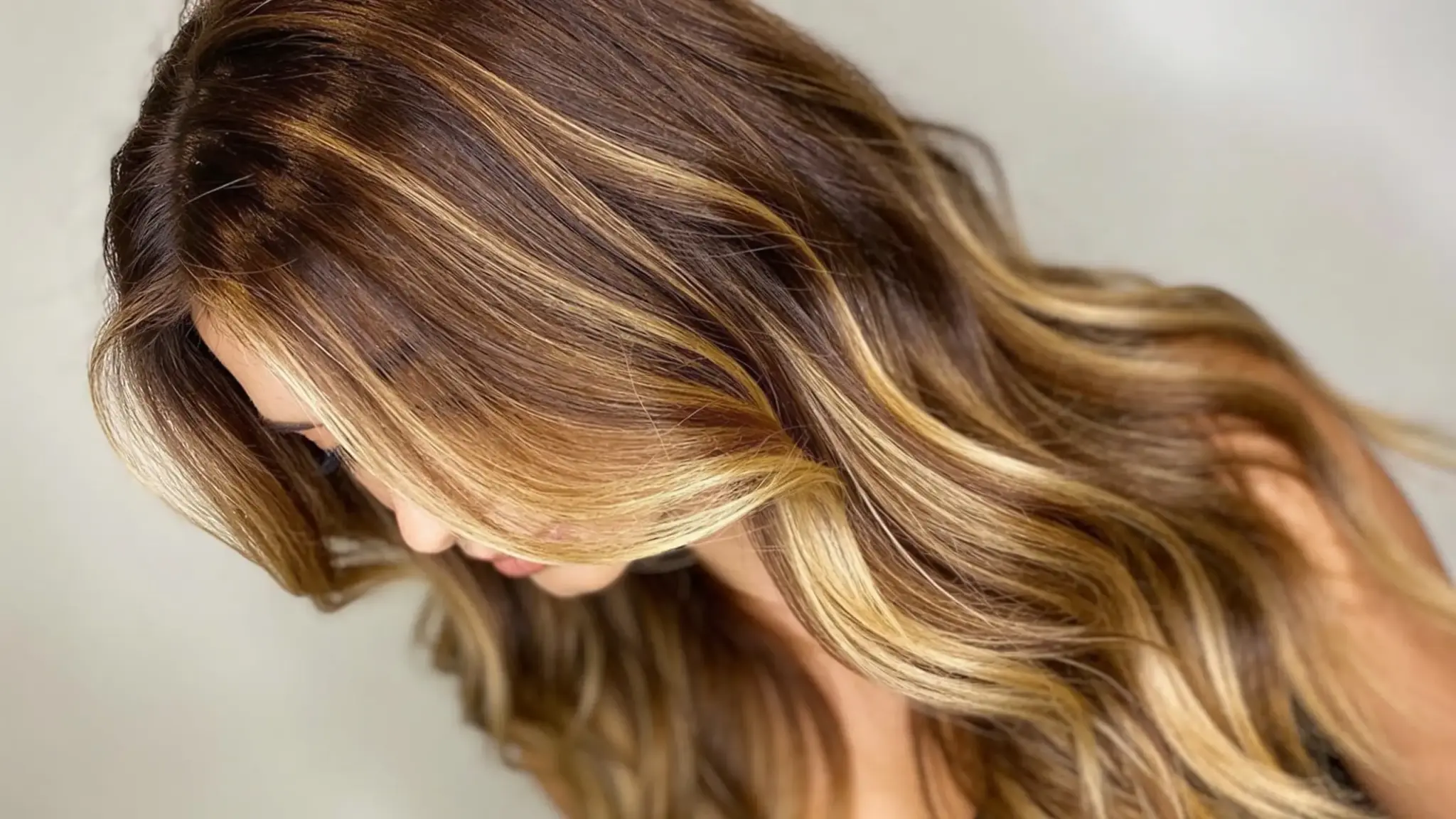
Bronde balayage combines brown and blonde tones to create a balanced shade between brunette and blonde.
The blend adds brightness and dimension while keeping enough depth for a natural appearance. It is a suitable option for those who want lighter pieces without committing to a fully blonde color.
- Best for: Brown hair wanting blonde dimension
- Tip: This is a good choice for adding brightness without going fully blonde.
8. Copper Balayage
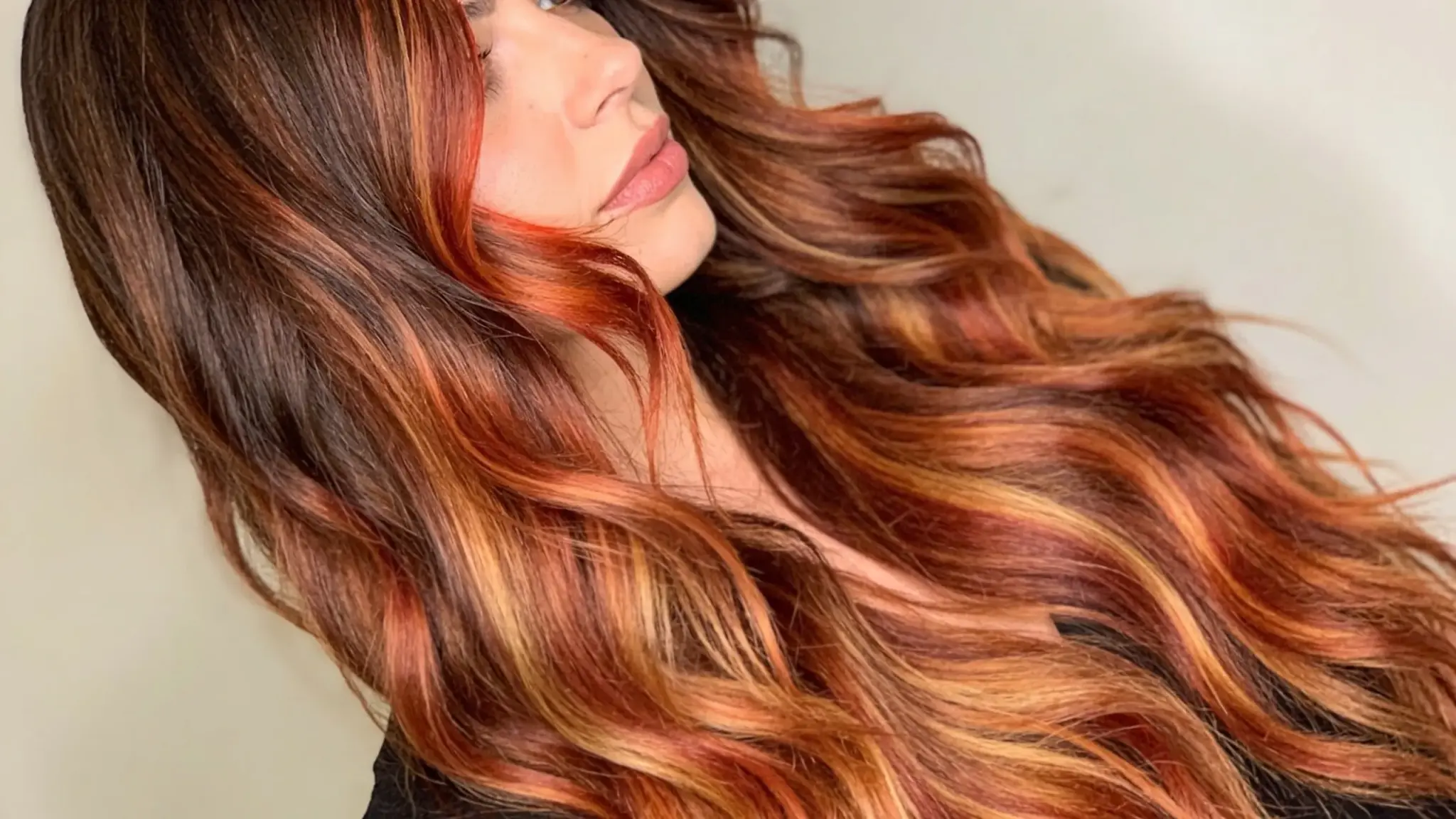
Copper balayage adds warm copper and orange-inspired tones throughout the hair for a rich, glowing finish.
The shade works beautifully with brown, auburn, and dark blonde bases because it enhances existing warmth. The hand-painted placement creates depth while keeping the color softer than a full copper transformation.
- Best for: Brown, auburn, or dark blonde hair
- Tip: Copper shades may need more frequent refreshes as they fade.
9. Auburn Balayage
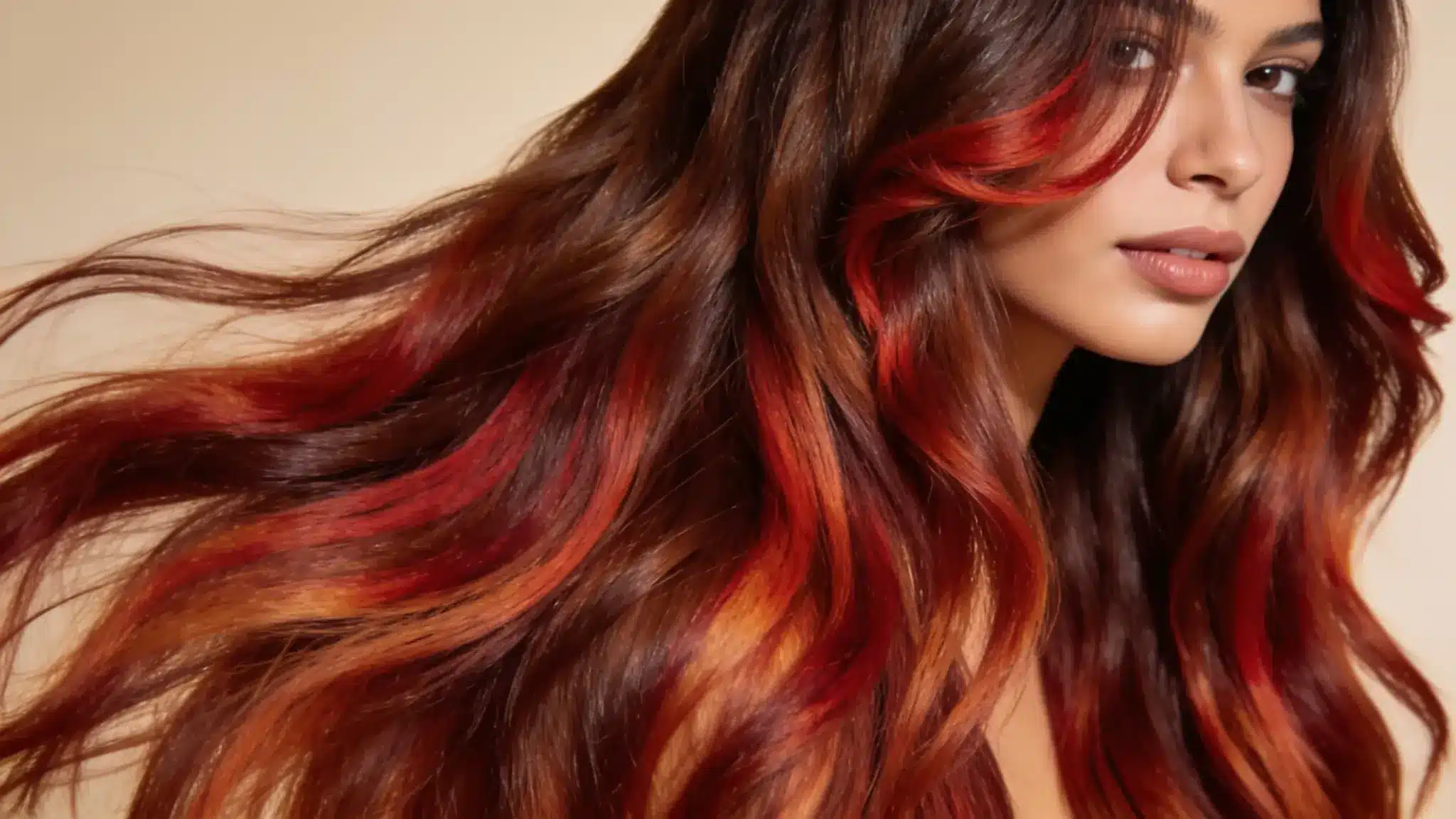
Auburn balayage blends red-brown tones into the hair to create warmth without a full red color change. The subtle ribbons add richness and dimension while allowing the natural base color to remain visible.
This style works well for brunettes who want a softer introduction to red tones.
- Best for: Brunettes wanting red tones
- Tip: Use sulfate-free shampoo to help preserve the tone.
10. Mushroom Brown Balayage
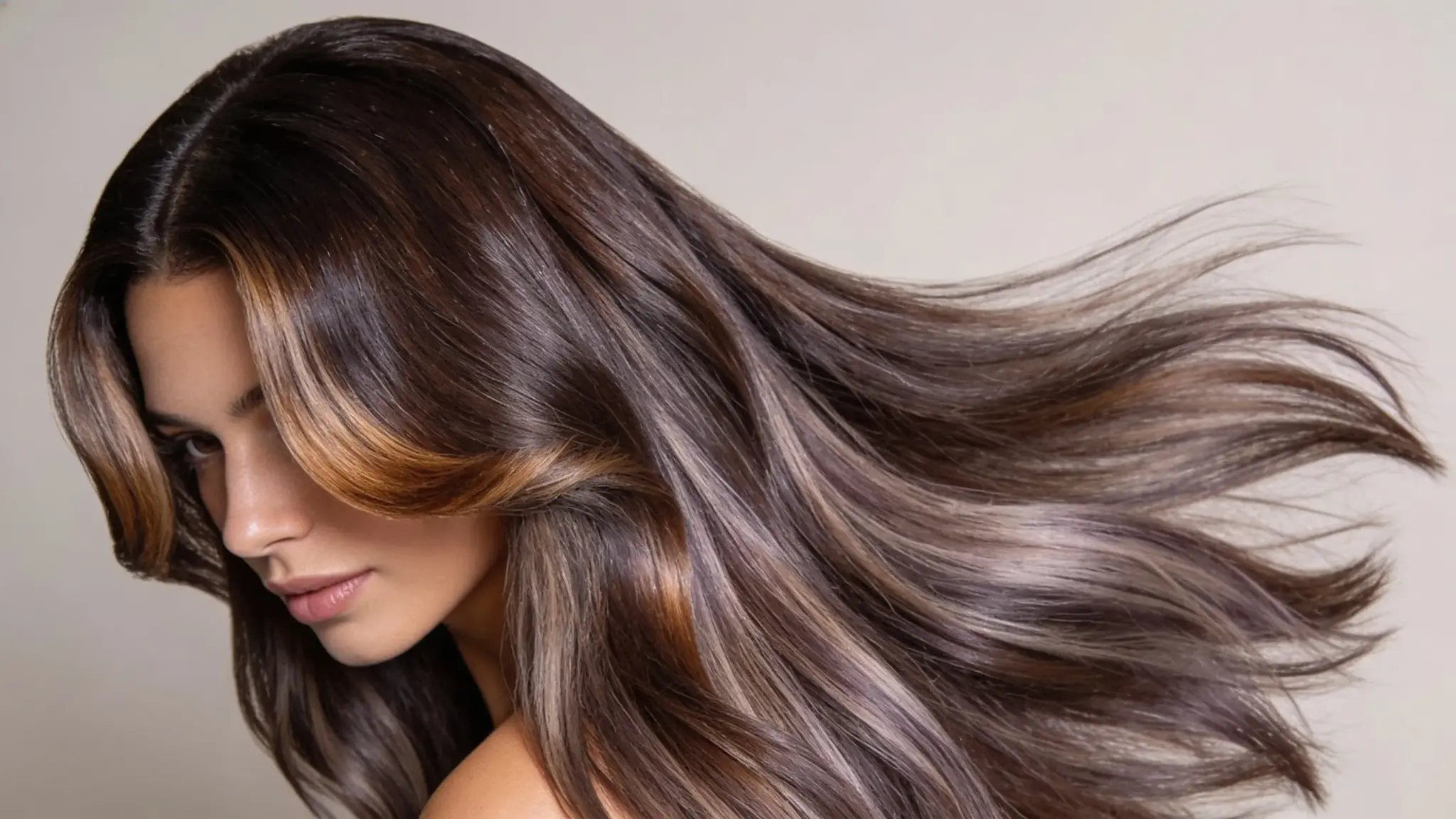
Mushroom brown balayage combines cool brown and taupe shades to create a soft, muted finish.
The color adds dimension without strong contrast, making it suitable for those who prefer understated hair changes. The cool tones help create a balanced look while reducing unwanted warmth.
- Best for: Cool-toned brunettes
- Tip: Regular toning can help maintain the cool effect.
11. Chestnut Balayage
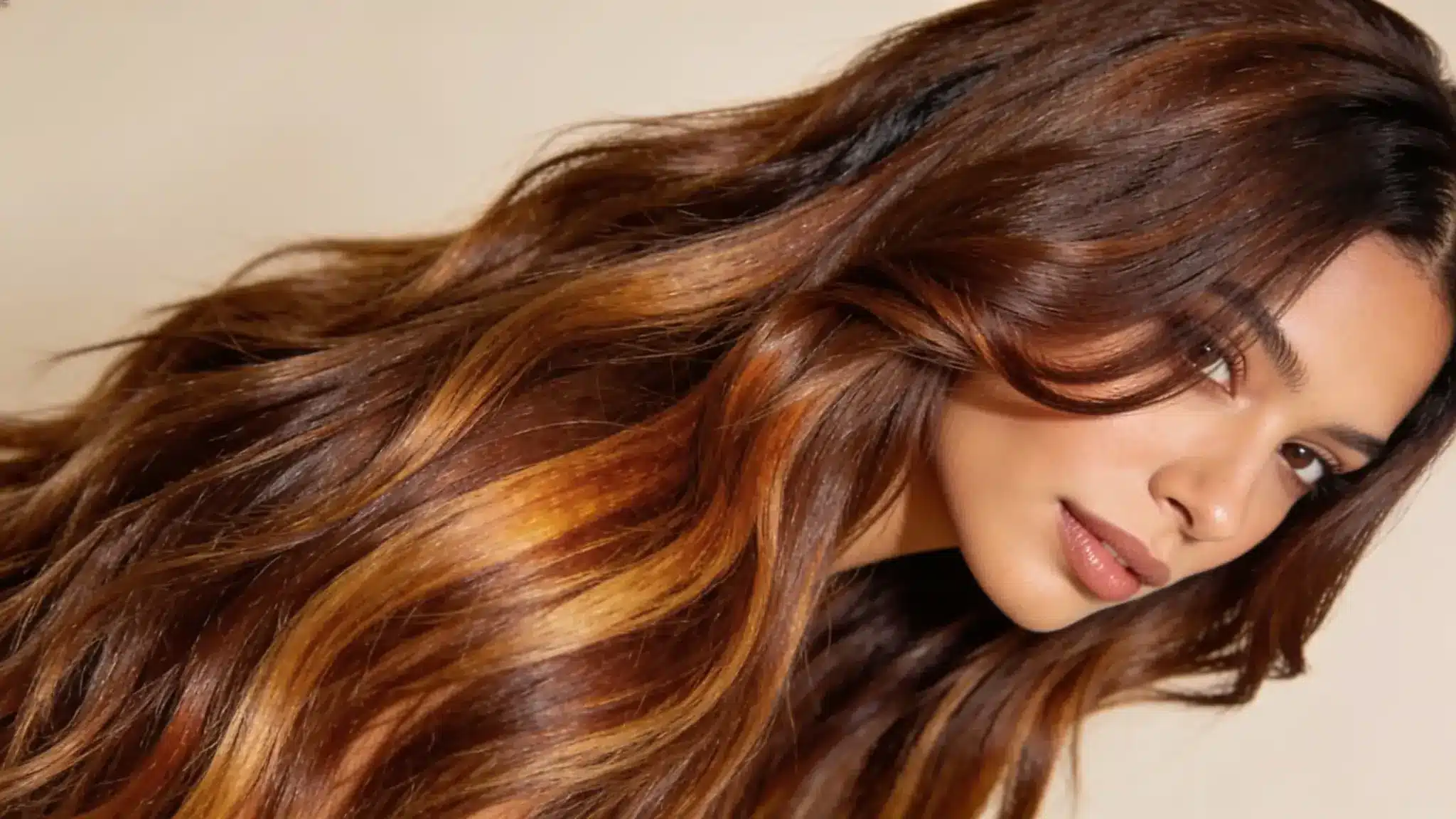
Chestnut balayage adds warm brown highlights throughout the hair to create softness, depth, and natural dimension.
The rich chestnut tones blend smoothly with medium and dark brown bases, giving the hair a refreshed appearance without a dramatic color change. This style adds movement while keeping a natural-looking finish.
- Best for: Medium to dark brown hair
- Tip: This style suits anyone wanting a subtle color update.
12. Burgundy Balayage on Black Hair
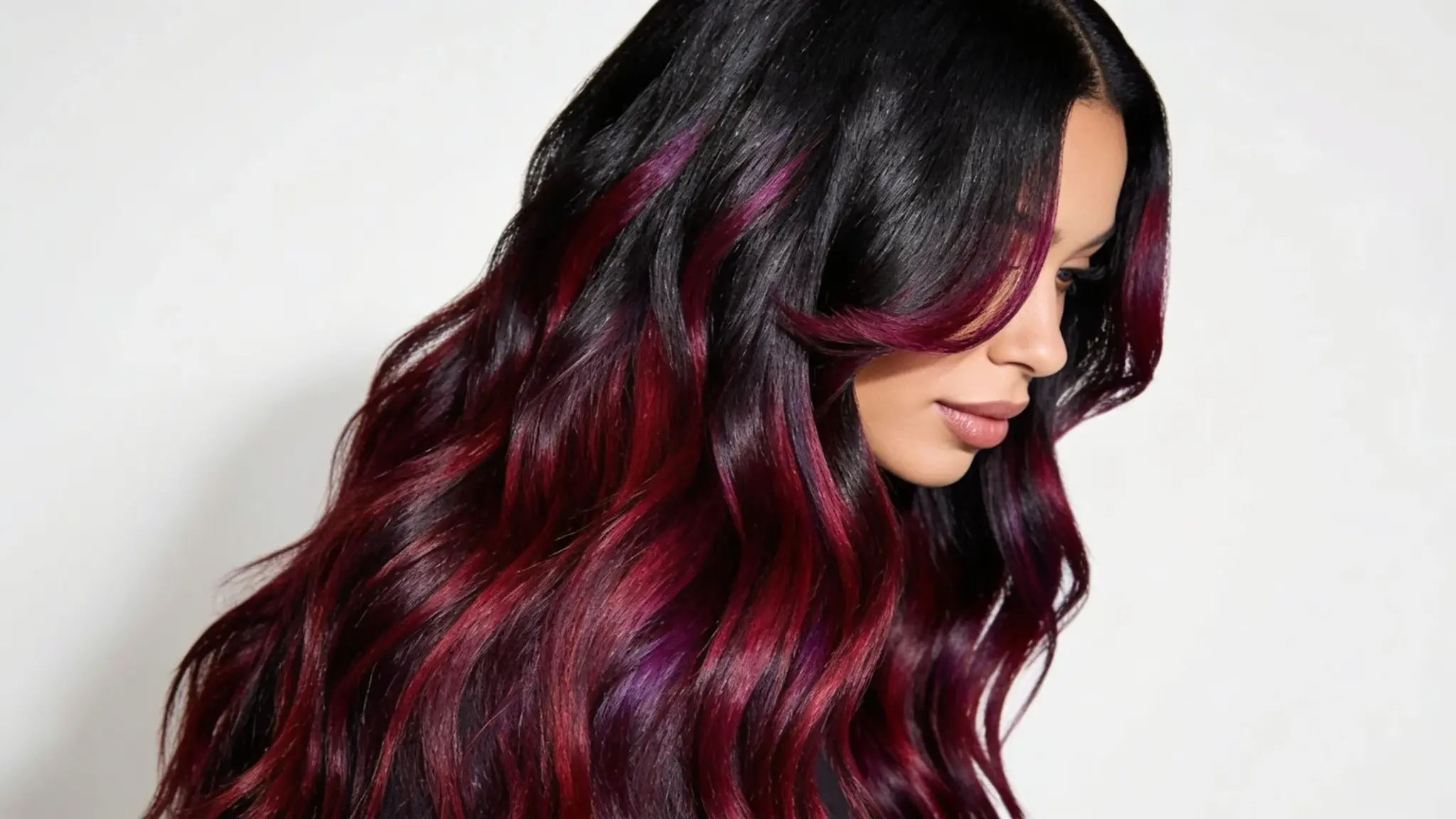
Burgundy balayage blends deep red, berry, and wine-inspired tones into black hair for a rich color effect.
The shades may appear subtle indoors but become more visible under natural light, creating depth and personality. This style adds a bold touch while maintaining the darker base color.
- Best for: Black hair wanting visible color
- Tip: A consultation helps determine how much lift is needed.
13. Rose Gold Balayage
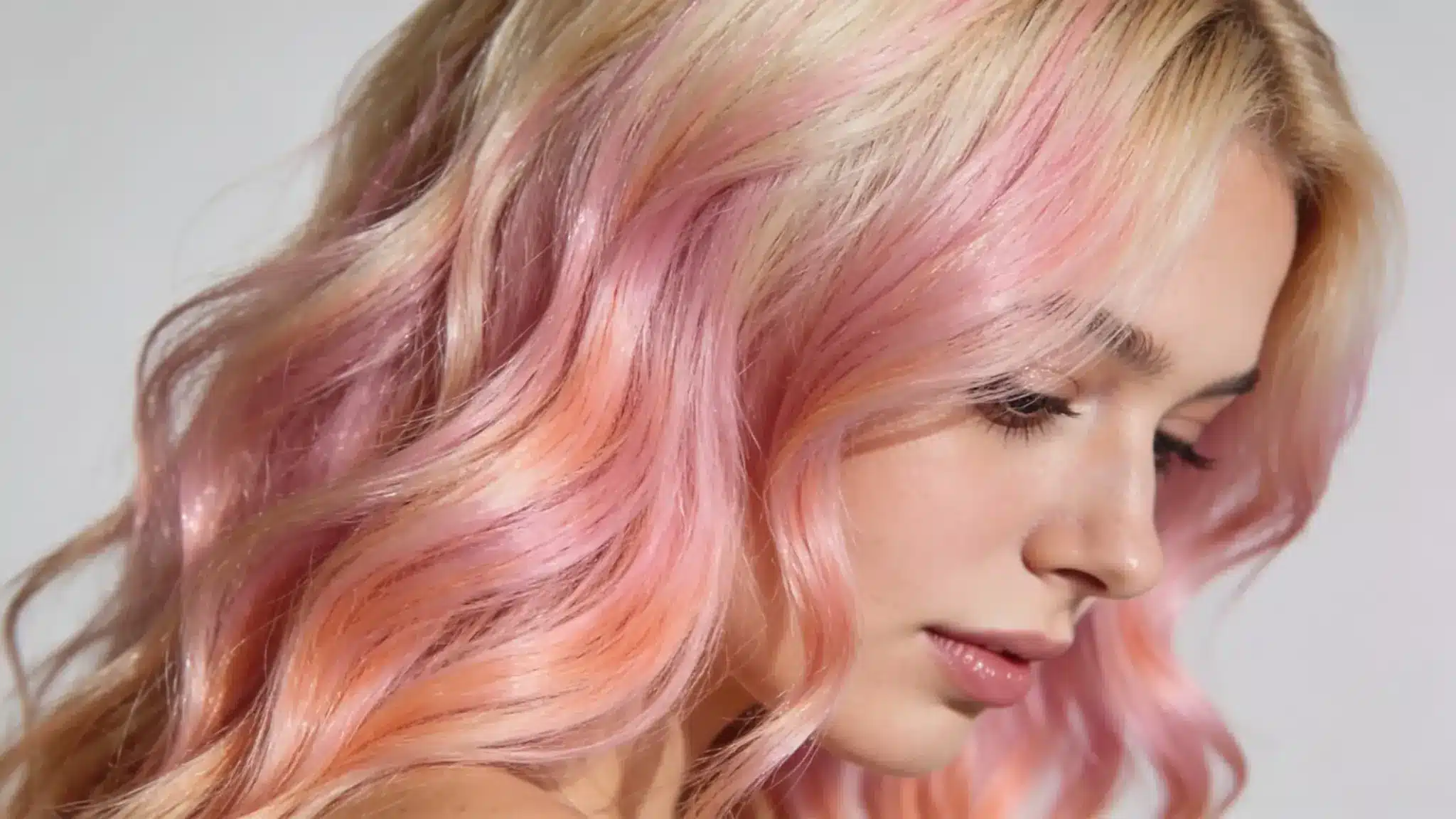
Rose gold balayage combines soft pink, peach, and golden tones with blonde hair to create a delicate pastel finish.
The color adds a warm glow while keeping the overall look soft and dimensional. This shade works best on lighter hair because the subtle tones show more clearly on a pre-lightened base.
- Best for: Blonde or pre-lightened hair
- Tip: Fashion shades usually require more frequent color refreshes.
14. Face-Framing Balayage
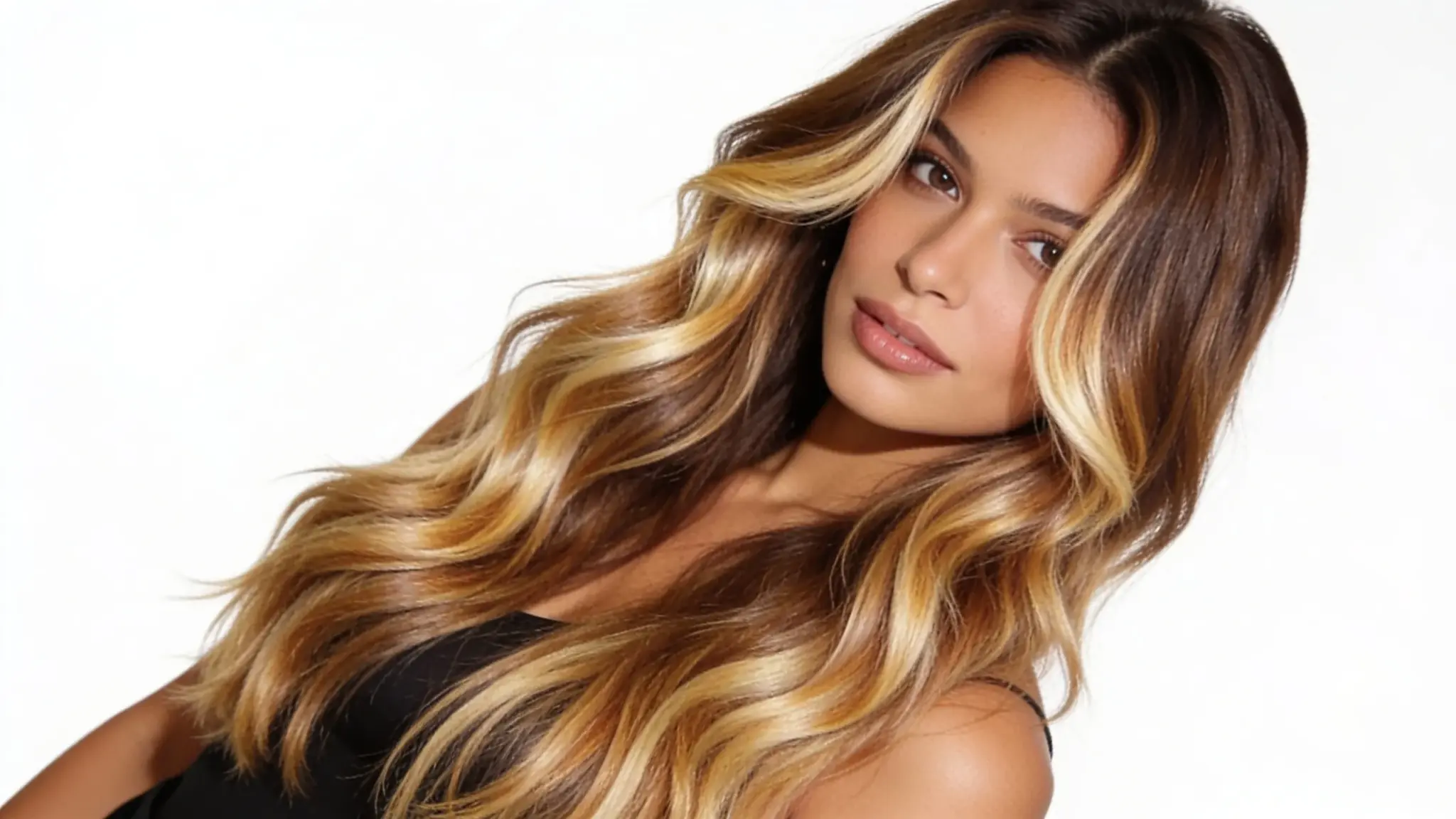
Face-framing balayage focuses lighter pieces around the front sections of the hair to brighten the face and create a fresh appearance.
The technique can be added to different balayage styles without coloring the entire head. It creates noticeable brightness while keeping the rest of the hair softer and more natural.
- Best for: Anyone wanting brighter features
- Tip: This option needs less processing than full balayage.
15. Money Piece Balayage
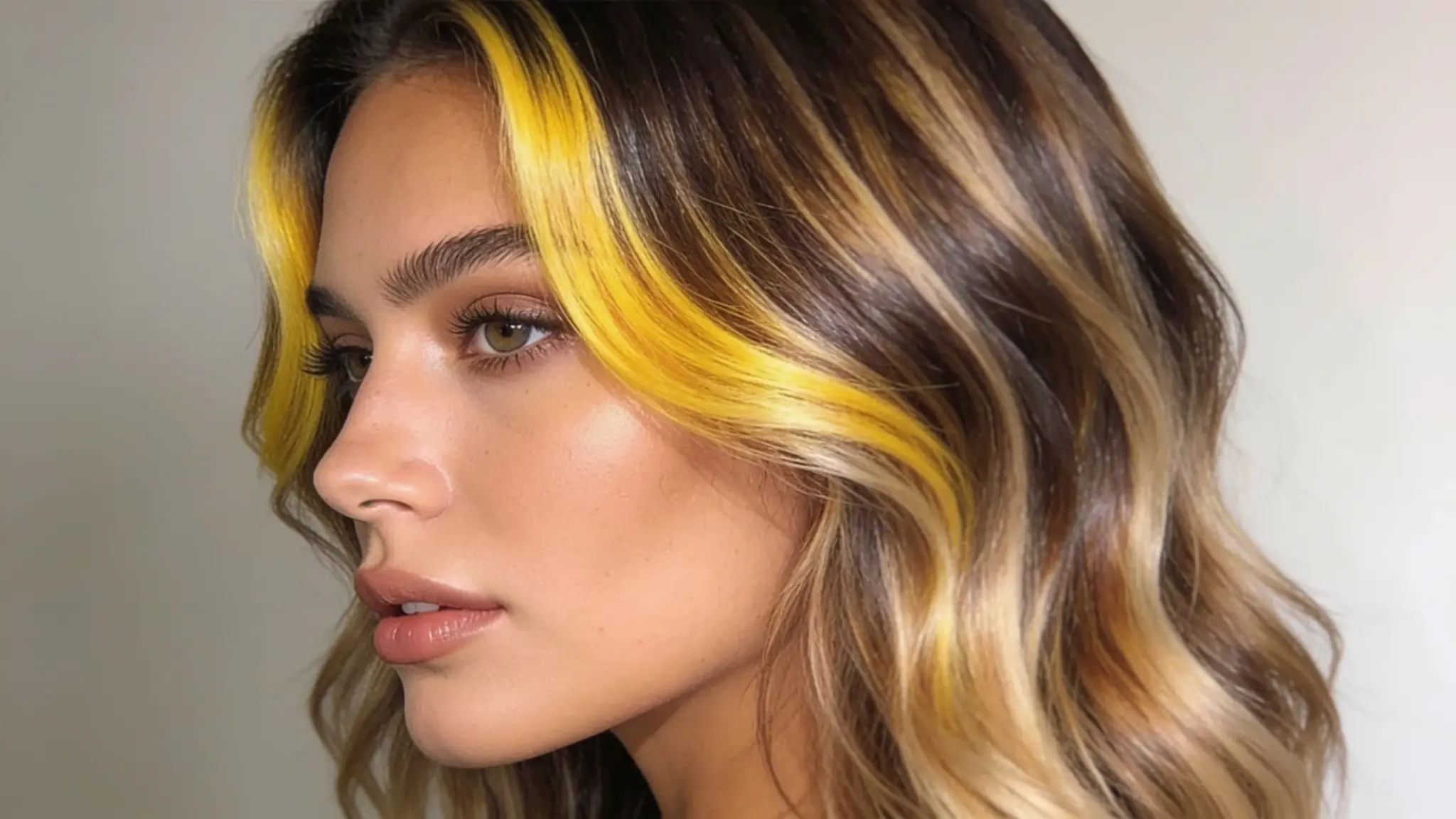
Money piece balayage features stronger, brighter highlights around the front hairline to create a noticeable face-framing effect.
The front sections provide contrast, while the remaining hair can include softer blended tones for balance. This style creates a modern, bold appearance without requiring full-head lightening.
- Best for: Bold face-framing color
- Tip: Balance brighter front pieces with softer tones throughout the hair.
16. Soft Sun-Kissed Balayage
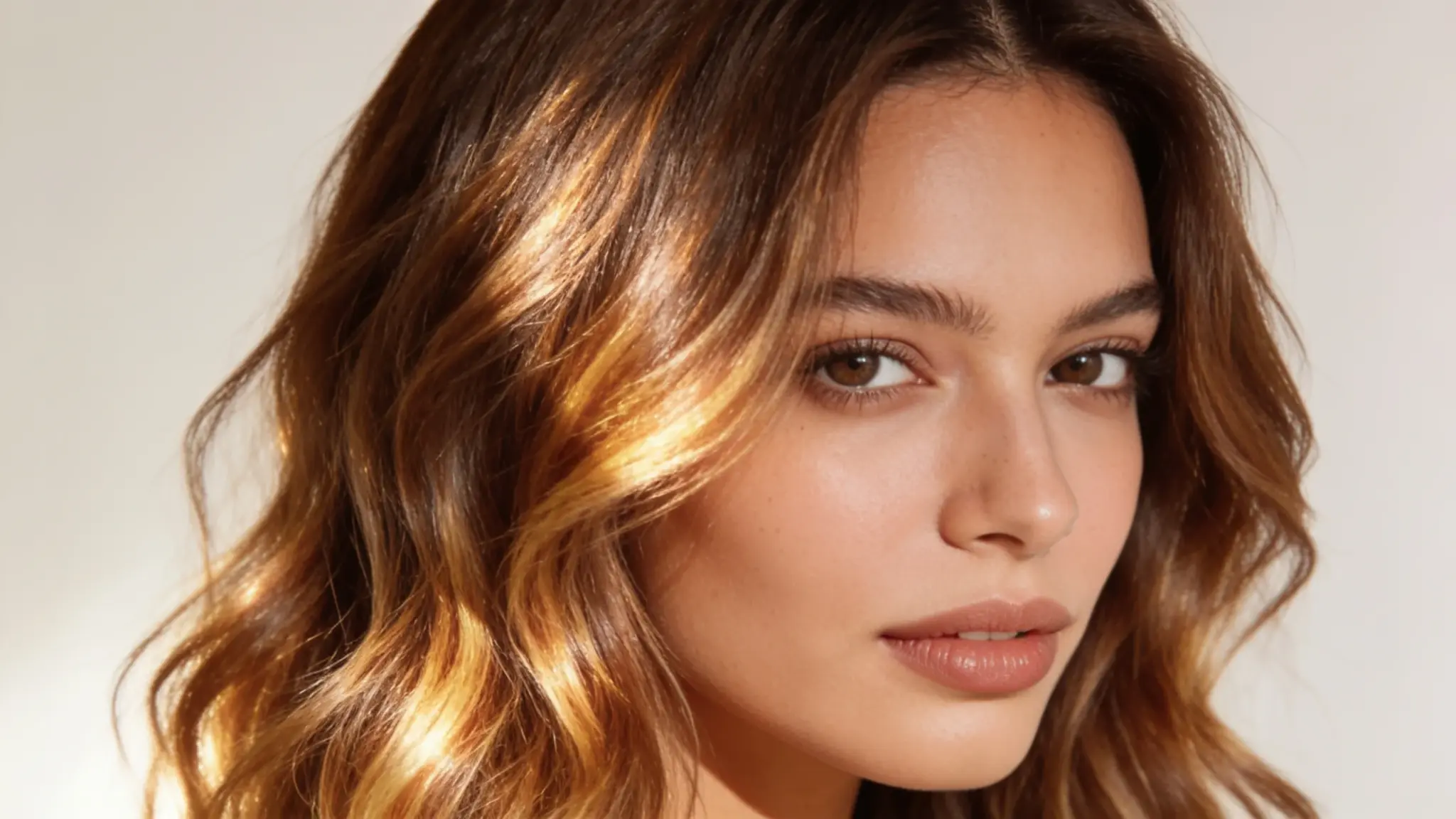
Soft sun-kissed balayage uses fine, delicate highlights that mimic the natural lightening effect of sunlight. The color placement creates subtle brightness while staying close to the natural hair shade.
This style is ideal for adding dimension without making a major color change and works well for first-time color clients.
- Best for: First-time color clients
- Tip: Choose shades close to your base color for easier upkeep.
17. High-Contrast Balayage
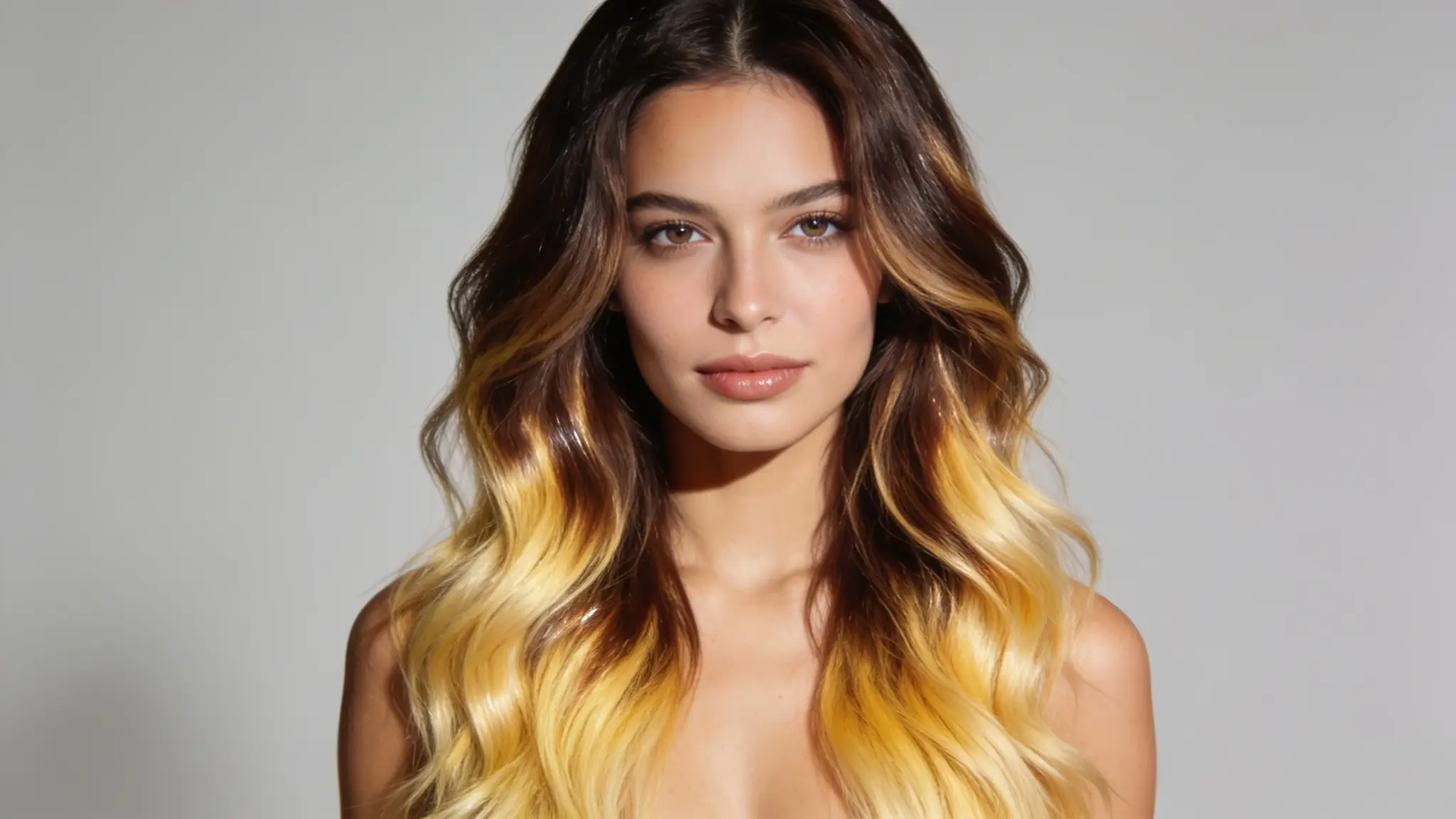
High-contrast balayage creates a bigger difference between a darker base and much lighter ends. The noticeable color shift adds drama while maintaining the soft, blended appearance of balayage.
This style works well for people who want a statement look with visible dimension and brighter sections.
- Best for: Those wanting a dramatic look
- Tip: Regular toning helps keep the lighter sections fresh.
18. Reverse Balayage
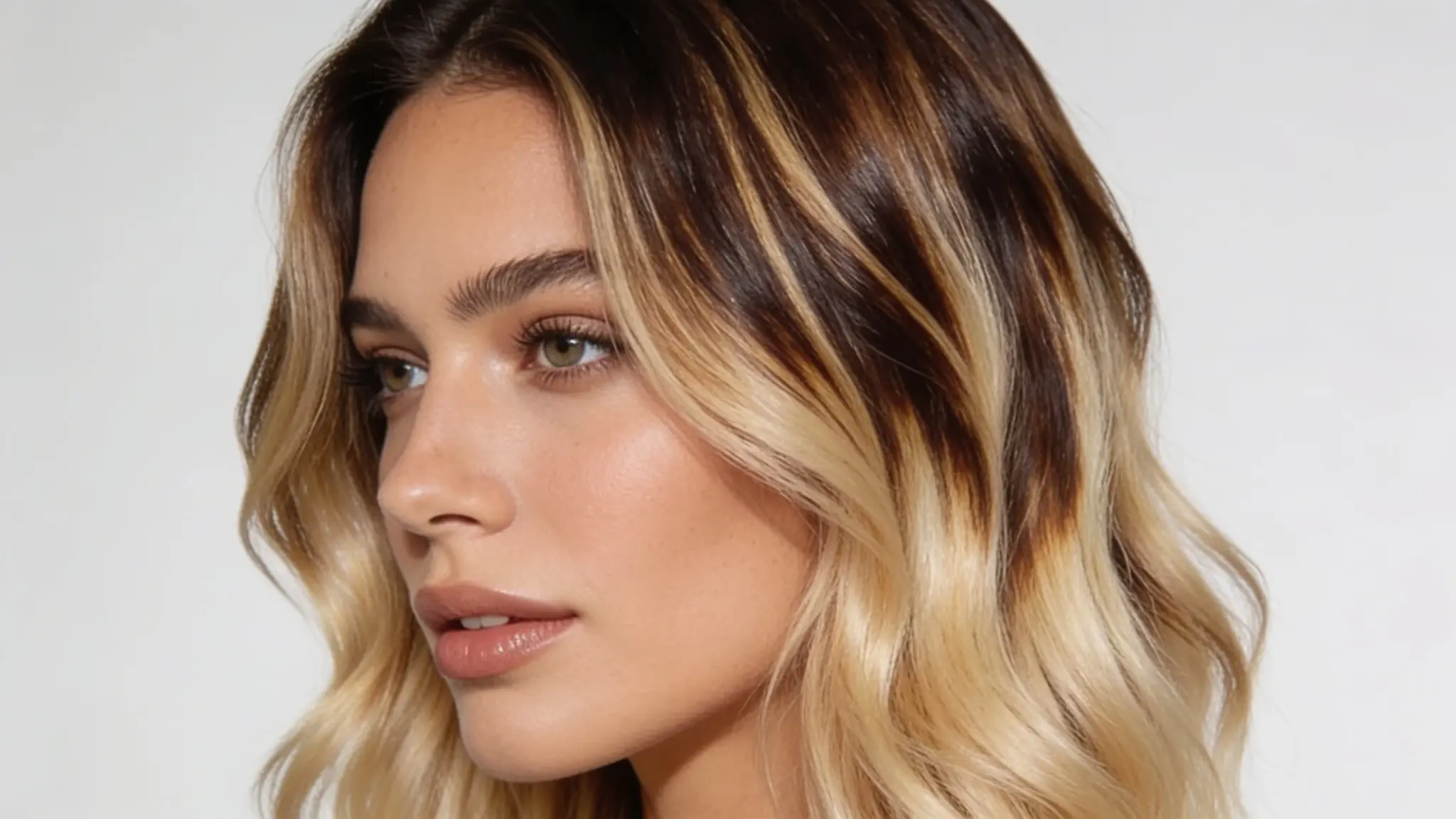
Reverse balayage adds darker tones into overly blonde hair to restore depth and create a more balanced appearance.
Instead of adding brightness, this technique brings back dimension with lowlights and deeper shades. It can help blonde hair look more natural while creating a softer blend with the original color.
- Best for: Overly blonde hair needing depth
- Tip: Choose shades close to your natural color for a softer blend.
19. Balayage on Short Hair
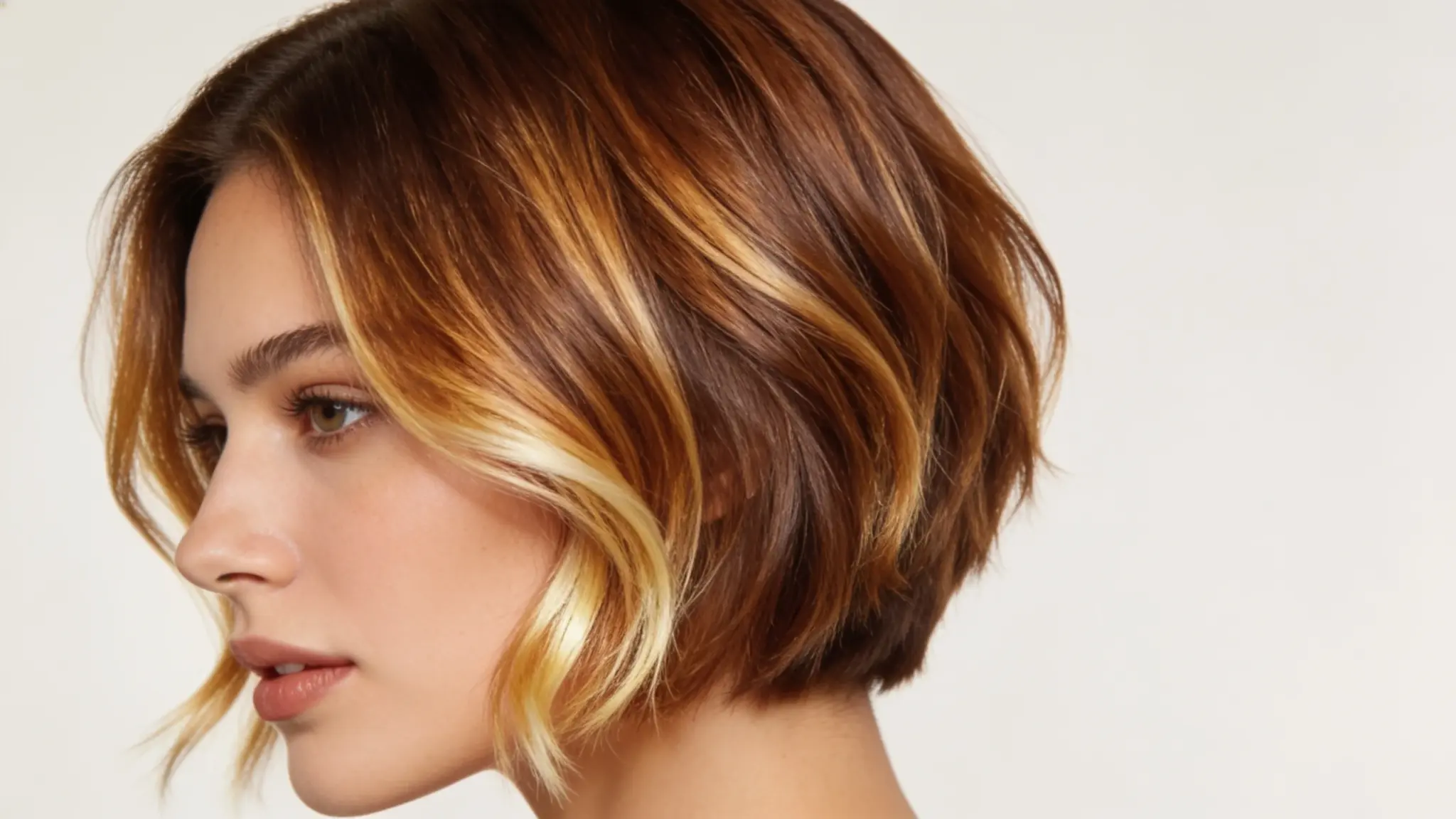
Balayage on short hair uses carefully placed highlights to enhance the shape and movement of bobs, lobs, and pixie cuts.
Because shorter styles have less length, strategic placement helps create visible dimension without overwhelming the haircut. Face-framing pieces can add brightness and make the style stand out.
- Best for: Bobs, lobs, and pixie cuts
- Tip: Match the color placement with the haircut shape.
20. Balayage on Medium Hair
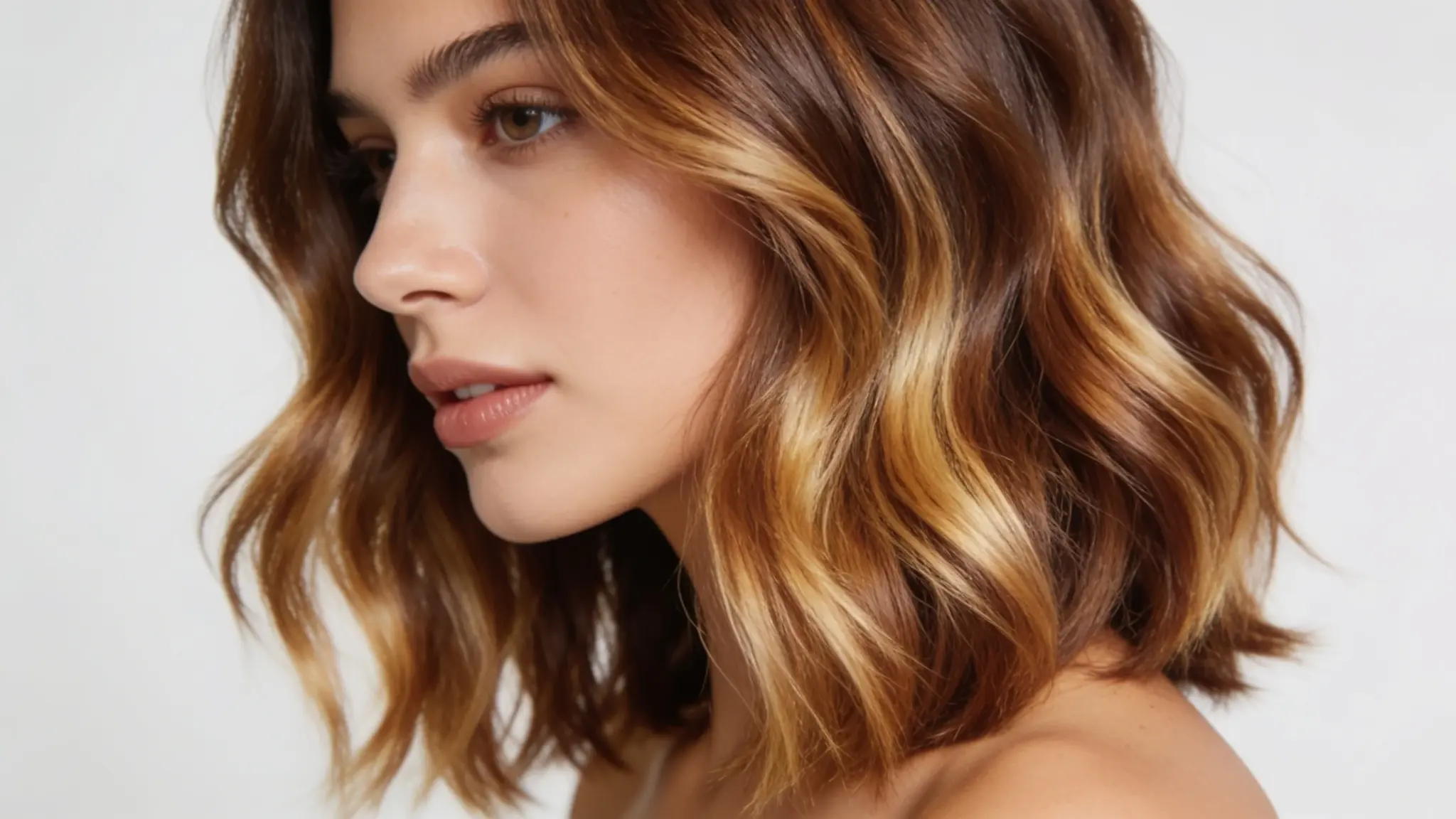
Balayage on medium-length hair uses layered color placement to add texture, movement, and dimension.
The highlights are positioned to follow the haircut layers, helping the color blend naturally through shoulder-length styles. This length offers enough space to show the transition between darker roots and lighter ends.
- Best for: Shoulder-length styles
- Tip: Placement should match the haircut layers.
21. Balayage on Long Hair
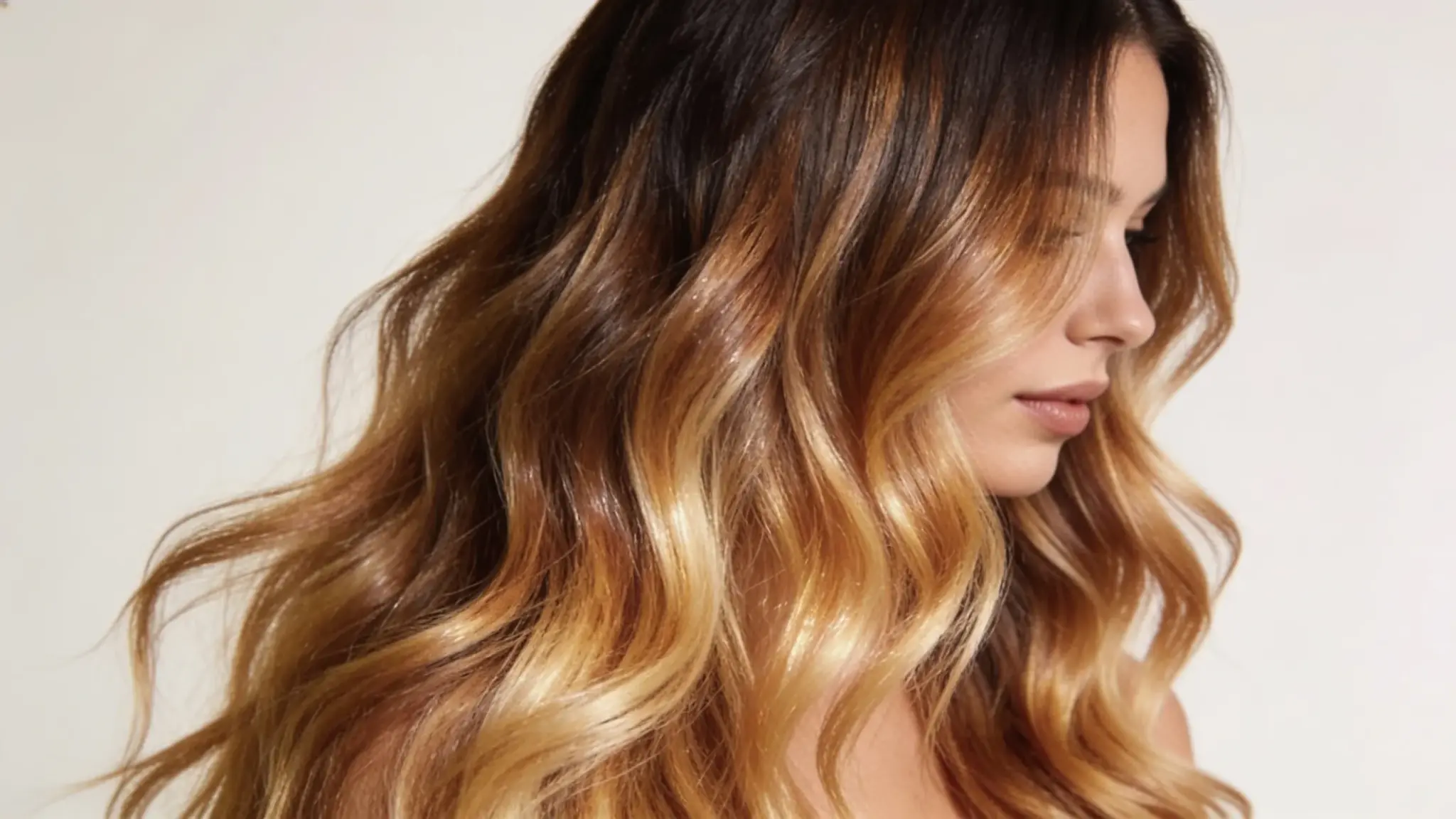
Balayage on long hair creates a gradual transition from natural roots to brighter mid-lengths and ends.
The added dimension helps prevent long hair from looking flat while enhancing movement and texture. Longer lengths allow stylists to create a more noticeable blend between multiple shades.
- Best for: Longer lengths needing movement
- Tip: Longer hair may need extra care to prevent dryness.
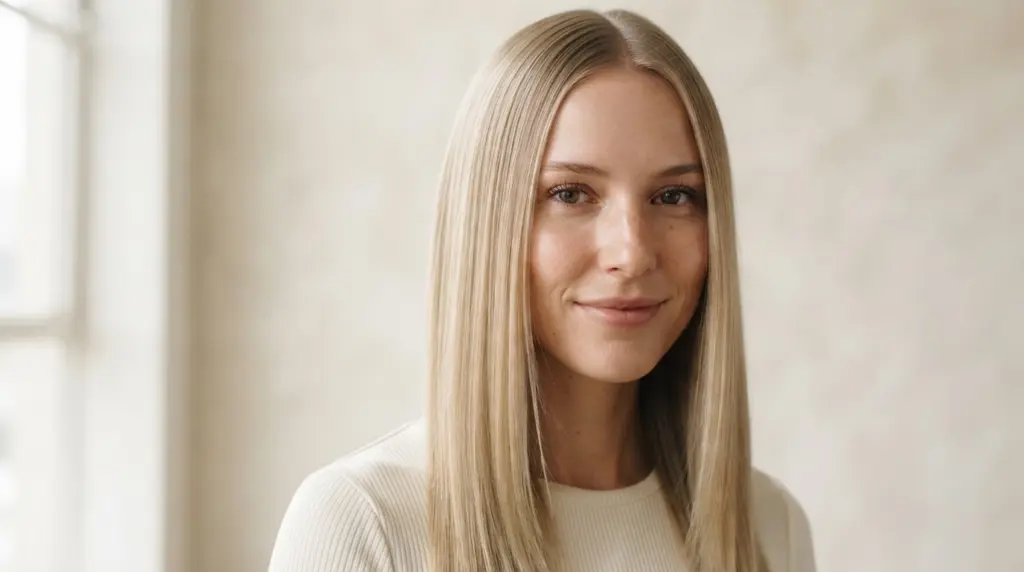
22. Balayage on Straight Hair
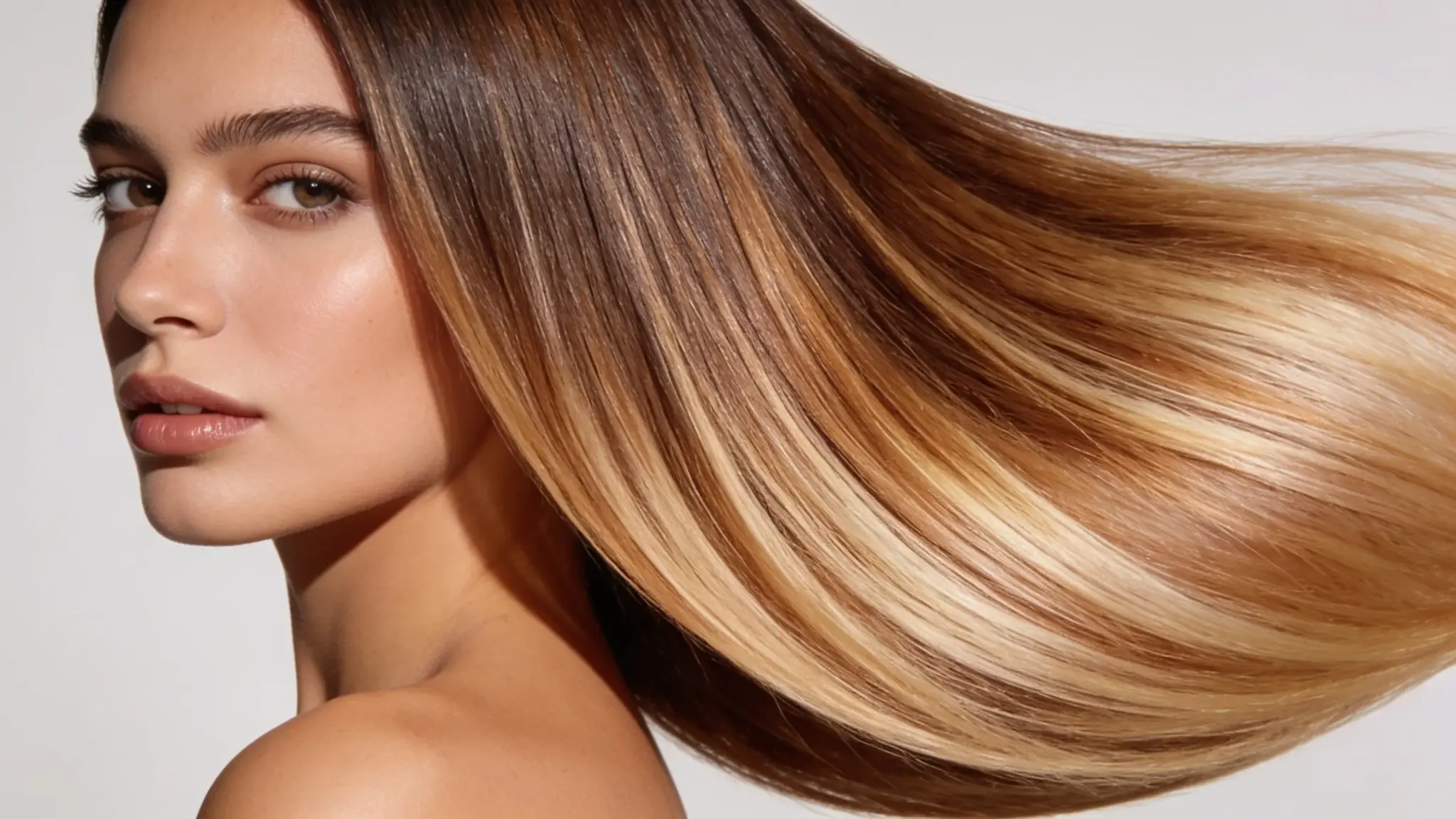
Balayage on straight hair highlights the smooth blending between different shades because the sleek texture makes color transitions easier to see.
Fine placement helps create a polished finish without harsh lines. The technique adds dimension while keeping the overall appearance clean and refined.
- Best for: Smooth hairstyles
- Tip: Fine placement prevents harsh lines.
23. Balayage on Wavy Hair
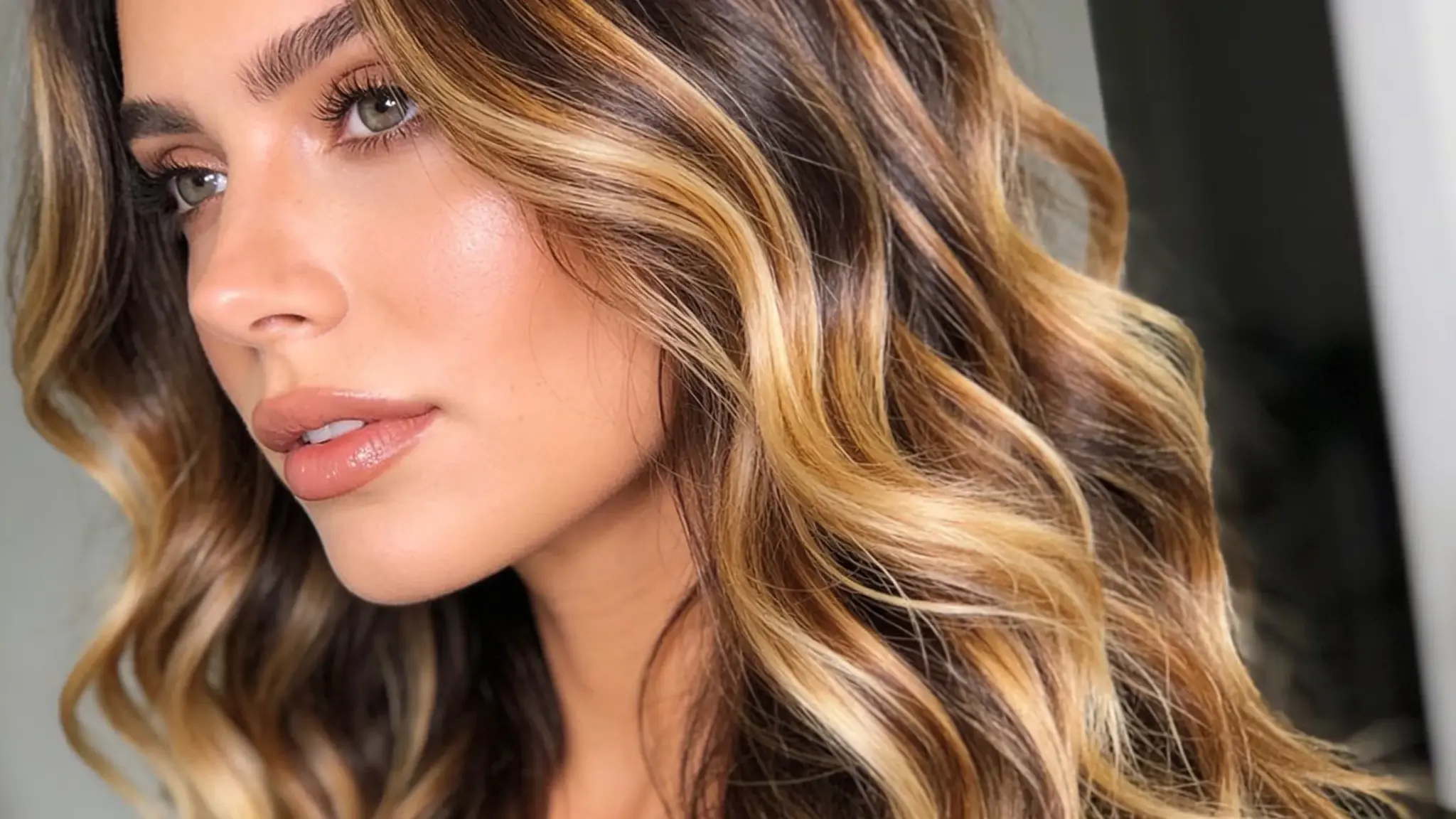
Balayage on wavy hair enhances natural movement by placing lighter and darker sections where the waves naturally fall.
The texture helps reveal the contrast between shades and makes the color appear more dimensional. This style works well with loose waves, beachy textures, and layered cuts.
- Best for: Natural waves
- Tip: Ask for placement that follows the hair’s natural movement.
24. Balayage on Curly Hair
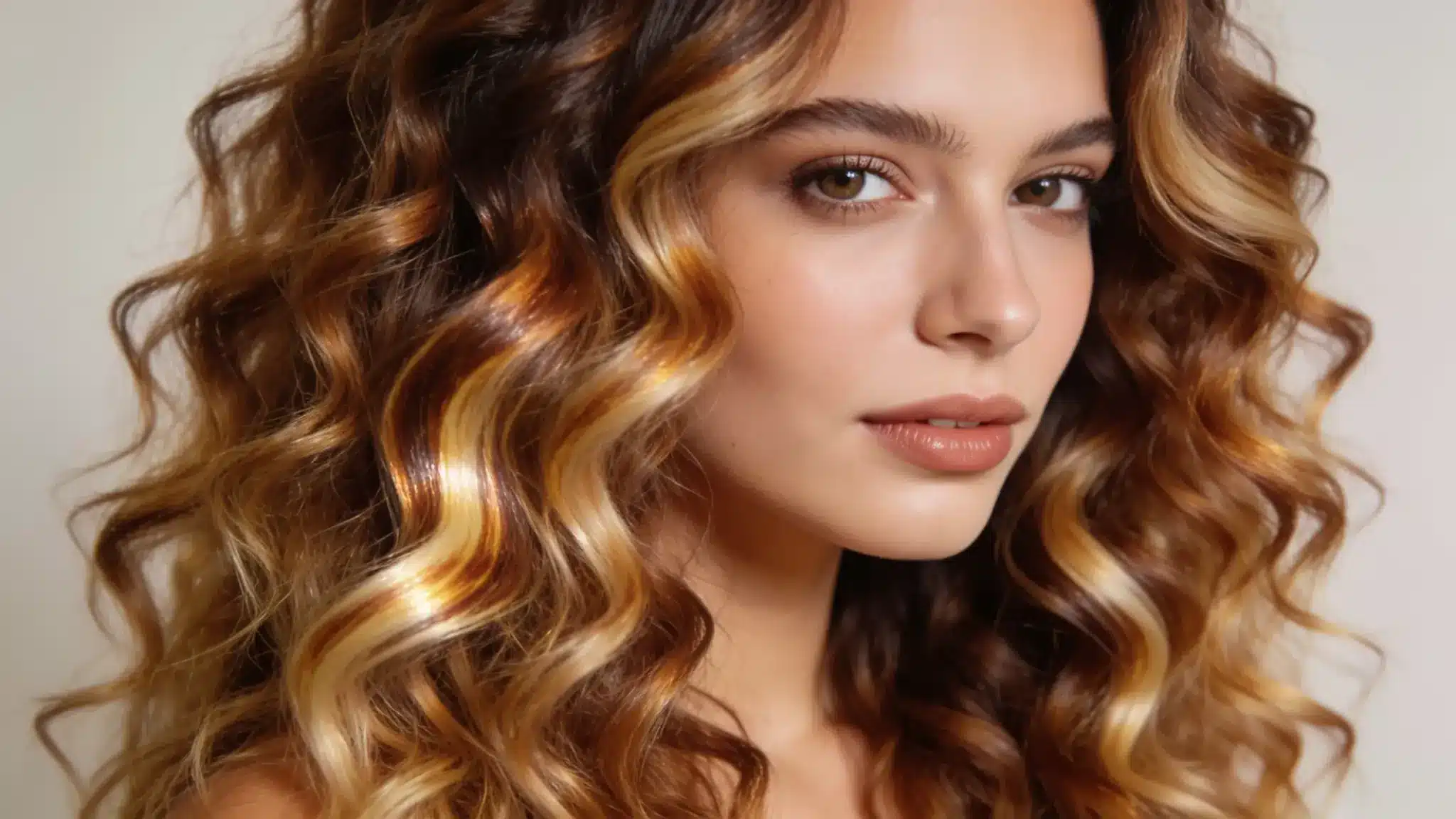
Balayage on curly hair uses painted highlights throughout the curl pattern to create depth and emphasize the shape of each curl.
The placement helps add dimension while keeping the natural texture visible. Proper care is important because curly hair can become drier after the lightening process.
- Best for: Curly textures
- Tip: Maintain moisture because curls can become dry after lightening.
25. Gray-Blending Balayage
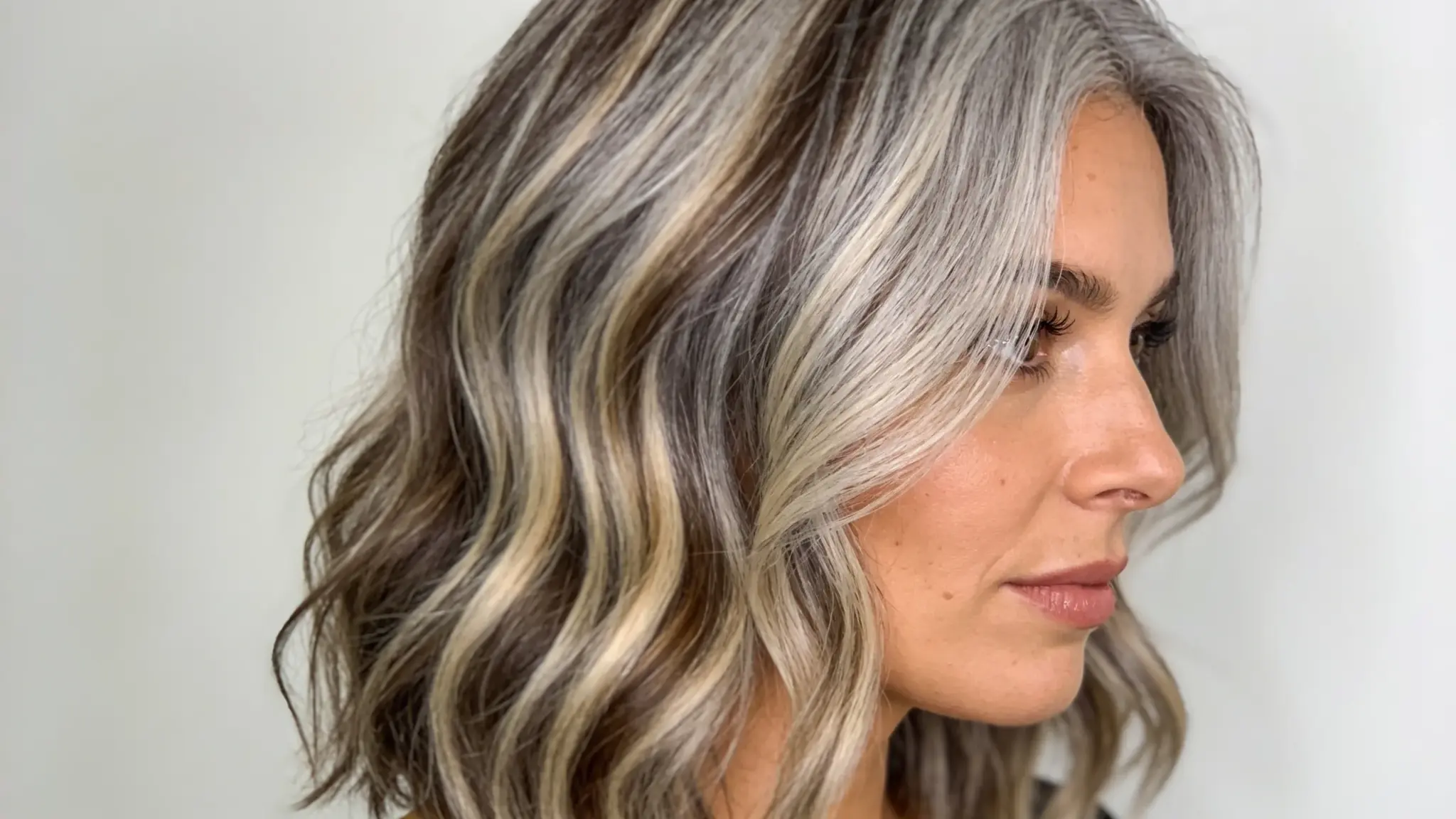
Gray-blending balayage combines lighter and darker pieces with natural gray strands to create a softer transition between colors.
The technique helps reduce harsh grow-out lines while adding dimension to mature hair. It can be customized based on the amount of gray coverage and the desired final look.
- Best for: Softening gray transitions
- Tip: Discuss gray coverage expectations before the appointment.
These balayage ideas show how color placement, tone, and contrast can change the final result. Choose references that match your hair base, texture, and desired maintenance level.
Balayage vs Highlights, Ombré, and Foilyage: Differences
Choosing the right hair coloring technique depends on the finish you want, how much maintenance you prefer, and your current hair color. While balayage, highlights, and ombré can all add dimension, each method creates a different effect through its application and placement.
| Technique | How It’s Applied | Root Appearance | Finished Result | Best for | Average US Cost |
|---|---|---|---|---|---|
| Balayage | Hand-painted sections | Soft, natural grow-out | Blended, dimensional color | Natural-looking brightness | $150–$500 |
| Highlights | Hair wrapped in foils | More visible regrowth | Bright, even highlights | Maximum brightness | $100–$300 |
| Ombré | Dark roots fading into lighter ends | Darker roots | Bold gradient effect | Strong contrast looks | $150–$400 |
| Foilyage | Painted sections processed with foils | Soft blended roots | Brighter balayage effect | Dark hair needing more lift | $200–$500 |
| Babylights | Very fine highlight sections | soft regrowth | Subtle, natural brightness | Delicate dimension | $150–$400 |
The best choice depends on your starting hair color, desired contrast, and upkeep preference. Balayage works well for a softer blend, while highlights, ombré, foilyage, and babylights offer different levels of brightness and definition.
How to Choose Balayage for Your Skin Undertone
Choosing a balayage shade based on your skin undertone can help create a more balanced and flattering finish. But your natural hair color, hair condition, and personal style should also guide the final choice.
1. Warm Undertones: Warm undertones usually pair well with shades that add goldenor rich warmth to the hair. Honey blonde, caramel, golden blonde, copper, and warm chestnut balayage can create a soft glow and complement warmer complexions.
2. Cool Undertones: Cool undertones often work well with shades that reduce excess warmth and create a softer, cooler finish. Ash brown, mushroom brown, beige, blonde, icy blonde, and cool mocha balayage can add dimension without making the hair appear too golden.
3. Neutral Undertones: Neutral undertones can suit a wider range of balayage shades because they balance both warm and cool tones. Balanced beige, soft chocolate, blonde, champagne, and neutral caramel shades can create a natural-looking blend.
Choosing the right balayage shade depends on undertone, hair color, and personal style to create a balanced, natural-looking finish.
Which Balayage Placement Should You Choose?
Balayage placement changes how noticeable the color looks, how long the appointment takes, and how often you need maintenance. The best choice depends on your desired brightness, budget, and the amount of change you want.
| Placement | Best for | Result | Time |
|---|---|---|---|
| Full Balayage | A complete color change | Brightness and dimension throughout the hair | Longer |
| Partial Balayage | A softer refresh | Lightness on the crown and visible sections | Medium |
| Face-Framing Balayage | Adding brightness around the face | Fresh, brighter front pieces | Shorter |
| Mini Balayage | Small color updates | Subtle highlights and gentle dimension | Short |
| Reverse Balayage | Overly light hair | Adds darker tones and restores depth | Medium |
| Foilyage | Dark hair needing more lift | Brighter balayage with stronger lightening | Longer |
Choosing the right placement depends on your preferred level of brightness and upkeep. Softer options need less maintenance, while fuller placements create a more noticeable transformation.
How Much Maintenance Does Balayage Need?
Balayage offers a softer grow-out than traditional color, but regular care helps maintain shine, tone, and brightness. Color can fade or turn brassy depending on shade, hair health, and daily habits.
- First Wash After Appointment: Follow your stylist’s recommendation before washing your hair and use color-safe products to protect the fresh color.
- Weekly Conditioning: Apply a deep conditioning treatment once a week to maintain moisture and reduce dryness.
- Purple or Blue Shampoo Use: Use purple shampoo for yellow tones or blue shampoo for orange tones when needed.
- Toner or Gloss Appointments: Schedule every 6–10 weeks to refresh faded tones and restore shine.
- Trim Schedule: Trim every 8–12 weeks to keep ends healthy and the color looking smooth.
- Face-Frame Refresh: Refresh front pieces every 8–12 weeks to maintain brightness around the face.
- Partial Refresh: Usually needed every 3–4 months to restore dimension in visible sections.
- Full Repaint: A full balayage refresh is generally needed every 4–6 months to bring back overall brightness.
Balayage maintenance depends on shade and lifestyle. Blonde, ash, and copper tones may need frequent toning, while caramel and chocolate shades often require less upkeep.
What to Ask Your Colorist Before Balayage
A good consultation helps you choose a balayage shade and placement that match your hair type, color history, and maintenance preference. Use this checklist before your appointment:
- Is my reference photo realistic for my base color?
- Can this result be achieved in one visit?
- Do I need a strand test?
- Which shade suits my starting color?
- Which placement suits my haircut?
A clear consultation helps you choose the right balayage shade, placement, and maintenance plan for your hair goals and condition.
The Final Brushstroke
Balayage hair offers a flexible way to add dimension because it can be customized based on your starting color, undertone, hair length, texture, placement, contrast preference, and maintenance routine.
Understanding these factors helps you choose a shade and style that works with your hair instead of only following a trend.
Before booking an appointment, save realistic reference photos, share your color history, and discuss your budget and upkeep expectations with your colorist.
If you are still deciding, think about the look you want and how much maintenance fits your routine. Share your favorite balayage style in the comments and let others know which shade you would choose.
Frequently Asked Questions
Can Balayage Work on Very Short Hair?
Yes, balayage can work on short hair when color placement is adjusted to suit the haircut, layers, and face shape for balanced dimension.
How Long Does a Balayage Appointment Usually Take?
A balayage appointment can take around two to five hours depending on hair length, thickness, desired brightness, and whether additional toning is needed.
Can Balayage Be Added to Damaged Hair?
Balayage may not be suitable for severely damaged hair. A colorist can assess hair strength and suggest treatments before lightening.
Does Balayage Look Different in Natural Light?
Yes, balayage can appear different in natural and indoor lighting because brightness, tone, and dimension become more visible under different conditions.