I spent years coaching swim before I ever picked up a license in skincare, and chlorine taught me more about texture than any textbook did.
Kids would come out of the pool with the same rough patches across their cheeks and foreheads, and every parent assumed it was one thing: dryness, when it was usually two or three things layered on top of each other.
That’s the part I still remind clients of now: texture rarely has one cause, so it rarely has one fix.
If you’ve looked closely at your skin and noticed small bumps, rough patches, or a surface that makeup doesn’t quite smooth over, you’re not imagining it, and you’re not alone in it either.
Textured skin is common, and it can come from clogged pores, dryness, acne marks, sun exposure, or just how your skin’s structure shifts over time. It’s natural. The right habits can also help soften it.
What Textured Skin Actually Means
Healthy skin was never meant to be completely smooth. Pores, fine lines, hair follicles, small variations across the surface- all normal, all part of skin doing its job.
“Textured” usually describes areas that look or feel rough, bumpy, dry, raised, or indented. Sometimes it’s the whole face. Sometimes it’s mostly the forehead, cheeks, nose, or chin.
The right approach depends on which kind of texture you’re actually dealing with. Dry, flaky patches don’t need the same care as clogged pores or acne scarring.
Reaching for a strong product without knowing the cause first is one of the more common ways I see people talk their skin into redness and irritation instead of out of it.
Texture shifts slowly, so give any routine several weeks before deciding it’s not working.
If something changes fast, or you notice pain, itching, swelling, or irritation that won’t settle, that’s worth a dermatologist’s eyes, not more product.
How to Get Rid of Textured Skin with a Daily Skincare Routine
A steady routine can improve the look of uneven texture over time. The goal is straightforward: clear buildup, support renewal, protect the barrier, and stop further damage before it starts.
1. Start with a Gentle Cleanser

A gentle cleanser helps remove dirt, excess oil, sunscreen, and makeup while keeping the skin’s natural moisture balance intact.
Harsh cleansers can strip away protective oils and leave the skin feeling dry or irritated, which may make uneven texture more noticeable.
Choose a cleanser suited to your skin type and avoid formulas that leave your face feeling tight or uncomfortable after washing.
2. Add Chemical Exfoliants Carefully

Chemical exfoliants can remove dead skin cells that collect on the surface and make skin appear rough or dull.
Alpha hydroxy acids, such as glycolic acid, mainly work on the skin’s surface. Beta hydroxy acids, such as salicylic acid, can enter oily pores and help clear buildup.
How often you should exfoliate your face depends on your skin type, product strength, and tolerance.
Start slowly and avoid combining several active ingredients, as excessive exfoliation may cause dryness, redness, or irritation.
3. Use Ingredients that Support Skin Renewal

Certain skincare ingredients can help improve the appearance of uneven texture when used consistently.
Retinol supports skin renewal and may help with fine lines and rough areas, while niacinamide helps maintain the skin barrier and improve uneven-looking tone.
Vitamin C can help protect skin from environmental stress, and ceramides support moisture retention to keep the skin surface smoother.
4. Apply Moisturizer to Repair the Skin Barrier

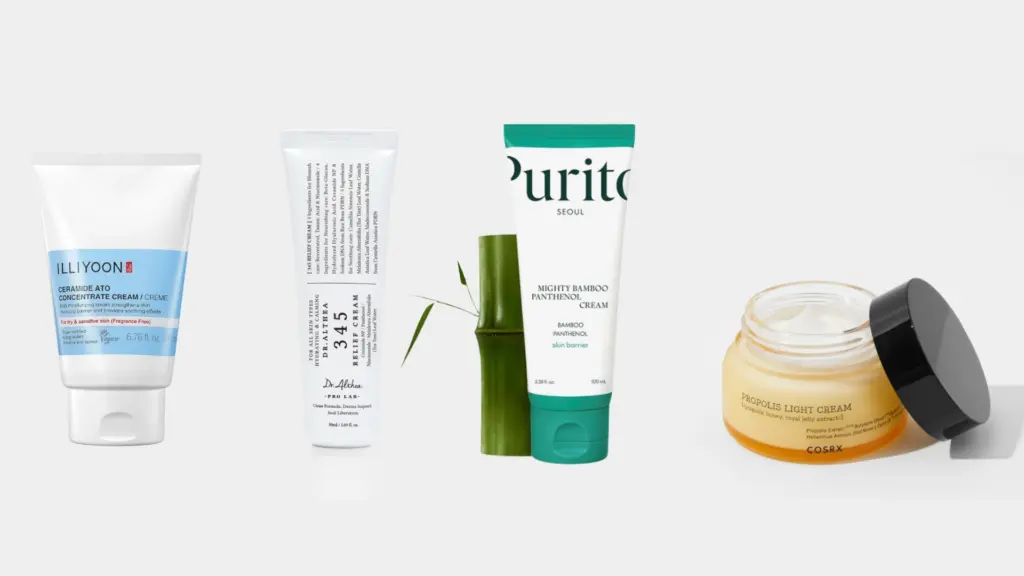
Keeping the skin hydrated is important for reducing the appearance of rough or dry texture. A moisturizer supports the skin barrier and helps create a softer surface.
Ingredients such as ceramides, glycerin, and hyaluronic acid can help retain moisture.
However, a formula that is too heavy for your skin type may contribute to clogged pores. New bumps or congestion may be signs that a moisturizer is causing acne.
5. Wear Sunscreen Every Day

Daily sunscreen use helps protect the skin from UV damage that can contribute to uneven texture, fine lines, and changes in collagen levels over time.
A broad-spectrum sunscreen with SPF 30 or higher can help reduce the effects of sun exposure when applied consistently.
The American Academy of Dermatology recommends regular sunscreen use as part of daily skin protection. A consistent skincare routine can make a noticeable difference in how textured skin looks and feels over time.
Best Skincare Ingredients for Uneven Skin Texture

Different ingredients work on different causes of rough or uneven skin. Choosing products based on your concern can make your routine more effective.
- Retinol: Retinoids are among the most researched skincare ingredients for improving signs of aging and skin texture. Beginners should start with lower strengths and use them gradually.
- Salicylic acid: This ingredient can penetrate oil inside pores, making it useful for people dealing with congestion and small bumps.
- Glycolic acid: As an AHA, glycolic acid helps loosen dead skin cells from the surface. It should be introduced carefully to avoid irritation.
- Niacinamide: This ingredient is commonly used to support the skin barrier and improve the appearance of uneven skin.
- Ceramides: These lipids help maintain moisture and protect the outer layer of skin from becoming dry.
Choosing the right skincare ingredients can help address different causes of uneven skin texture, from dryness and clogged pores to signs of aging.
Professional Treatments that May Improve Textured Skin

Some types of texture, especially deep or indented acne scars, may not improve enough with skincare alone. Different acne scar treatments address different scar types and depths.
A dermatologist can examine the skin and recommend a suitable option based on the concern, skin tone, and expected recovery time.
1. Chemical Peels: Chemical peels use specific solutions to remove damaged outer skin layers. They may help improve rough texture, mild discoloration, and some acne-related concerns. The strength of the peel and recovery time depend on the treatment type.
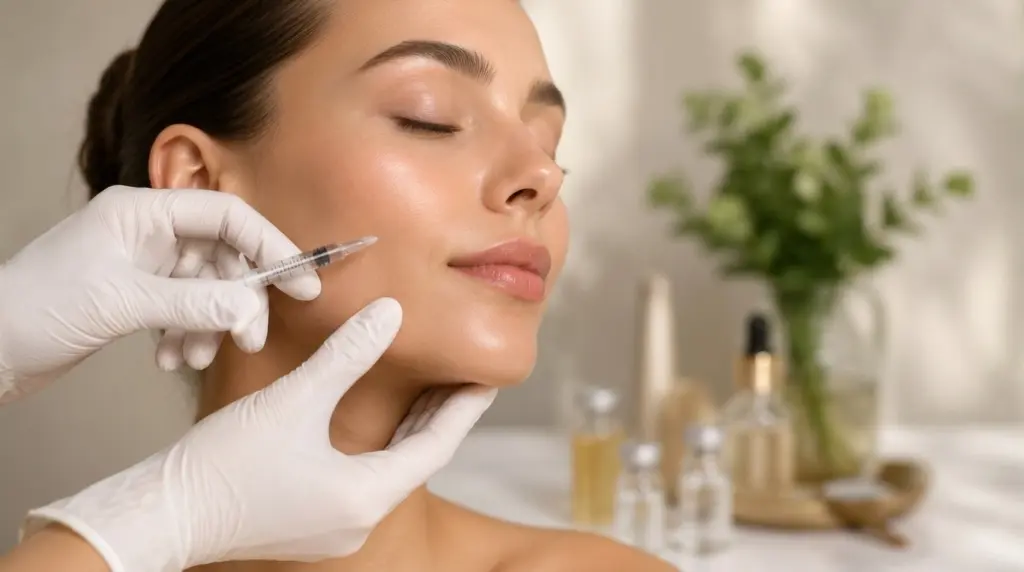
2. Microneedling: Microneedling uses tiny needles to create controlled micro-injuries in the skin. This process encourages natural repair responses and may improve the appearance of acne scars and uneven texture. A dermatologist can determine if this treatment is suitable for your skin type.
3. Laser Treatments: Laser resurfacing treatments use targeted energy to improve certain texture concerns. They may help with acne scars, wrinkles, and sun-related skin changes. Treatment choice depends on skin tone, concern, and desired results.
Professional treatments can help improve certain types of textured skin when home care does not provide the desired results. A dermatologist can recommend options based on your skin’s needs.
Simple Habits that Help Skin Look Smoother
Daily habits can affect how skin looks and feels. Gentle care protects the skin barrier, limits avoidable irritation, and gives skincare products enough time to work.
- Avoid scrubbing skin aggressively.
- Do not exfoliate too often.
- Remove makeup and sunscreen before sleeping.
- Keep your skin moisturized.
- Apply sunscreen every day.
- Avoid picking acne or clogged pores.
- Give new skincare products enough time before changing routines.
Keep your routine simple and change one product at a time so you can see how your skin responds. If roughness, breakouts, or irritation continue, a dermatologist can help identify the cause and recommend suitable care.
When Should You See A Dermatologist For Textured Skin?
Some texture concerns need professional advice, especially when they involve scarring, irritation, or sudden changes. A dermatologist can identify the cause and recommend suitable treatments.
| When To See A Dermatologist | Why It May Need Professional Advice |
|---|---|
| Deep acne scars | A dermatologist can suggest treatments that may help improve the appearance of deeper scars. |
| Persistent bumps that do not improve | Ongoing bumps may need a proper evaluation to identify the cause and suitable treatment. |
| Sudden changes in skin texture | Quick changes in texture can point to an underlying skin concern that needs assessment. |
| Ongoing redness or irritation | Continued irritation may require guidance to prevent further skin barrier damage. |
| No improvement after several months of consistent skincare | A dermatologist can review your routine and recommend stronger or more targeted options. |
If textured skin does not improve with a consistent routine or is linked to deep scars, irritation, or ongoing breakouts, a dermatologist can help identify the right treatment. Professional advice can help you choose options that match your skin’s needs and goals.
Conclusion
Improving textured skin comes down to a routine that actually matches what your skin needs: a gentle cleanser, careful exfoliation, a few renewal-focused ingredients, consistent moisture, and sunscreen every day.
Give it time. Change one thing at a time. And if a few months of steady care still isn’t moving the needle, or you’re dealing with deeper scarring, a dermatologist can take it from there with options like peels, microneedling, or laser treatment.
Small, steady changes tend to hold up better than anything rushed. What’s worked for your skin? I’d like to hear it in the comments.
Frequently Asked Questions
Can Pores Be Reduced to Improve Skin Texture?
Pores cannot be permanently removed, but keeping them clean and using suitable skincare ingredients can make them appear smaller and help create a smoother-looking surface.
Does Drinking More Water Fix Textured Skin?
Staying hydrated supports overall skin health, but drinking water alone may not change uneven texture. A proper skincare routine and barrier care are usually more important.
Can Scrubbing Help Remove Textured Skin?
Harsh scrubs can irritate the skin and make roughness more noticeable. Gentle exfoliation and barrier-friendly products are usually better options for improving skin appearance.
Why Does My Skin Texture Look Worse In Photos?
Lighting, camera angles, and dryness can make natural skin texture appear more visible in photos. Proper hydration and skincare can help create a smoother appearance.