

Your skin can feel dull one day and suddenly become red or sensitive the next. That confusion often leads to one simple question: how often should you exfoliate your face to see results without damaging your skin?
Working with clients who spent long hours in chlorinated pools, I saw this happen constantly.
Skin that was already stripped by water would get scrubbed twice a week, and the result was never smoother skin; it was a compromised barrier that took weeks to settle.
Many routines fail not because of the products themselves, but because they are used too frequently.
The good news is that skin usually gives subtle hints about what it needs. Once those signals become easier to recognize, building a routine that works feels much more manageable.
Why Exfoliation Frequency Matters for Your Skin?
Exfoliation is not just about removing dead skin. It directly affects how your skin looks, feels, and responds to products. The right frequency helps maintain a healthy skin barrier while supporting natural cell turnover.
When done properly, exfoliation can improve texture, unclog pores, and allow skincare products to absorb more effectively.
Your skin naturally sheds dead cells on its own. The epidermis, your outermost skin layer, regenerates roughly every 40 to 56 days, according to research published in the Journal of Investigative Dermatology.
But there’s a line, push too hard or too often, and you start stripping lipids that hold the skin barrier together.
Physical exfoliants, scrubs, cloths, brushes, work mechanically on the surface.
Chemical exfoliants like glycolic acid (an AHA) or salicylic acid (a BHA) dissolve the bonds between dead cells from within.
Chemical options are generally gentler and more precise, which is why they’re often recommended for sensitive or acne-prone skin.
How Often Should I Exfoliate My Face?

Exfoliation frequency varies by skin type, and choosing the right routine helps maintain smooth, balanced skin without causing irritation or damage.
1. Dry or Sensitive Skin
If skin often feels tight, flaky, or shows redness easily, limit exfoliation to once per week to protect the natural barrier.
Over-exfoliation can worsen dryness and irritation by stripping the skin of essential moisture.
Gentle options like lactic acid or enzyme exfoliants work best, helping remove dead cells while maintaining hydration and minimizing the risk of sensitivity flare-ups.
2. Oily or Acne-Prone Skin
Oily skin tends to be thicker and more resilient, so it can handle slightly more frequent exfoliation. Two to three times per week works well for most people in this category.
BHAs like salicylic acid are the better pick here because they penetrate into pores, not just across the surface.
One caveat: if you’re already using prescription retinoids or benzoyl peroxide, those products exfoliate on their own. Adding a separate exfoliant on top can push the skin past its threshold.
3. Normal Skin
Normal skin typically maintains a balanced oil and moisture level, allowing exfoliation twice per week without stress. Some individuals may tolerate three sessions if no irritation appears.
This routine supports smoother texture, brighter tone, and better absorption of skincare products, while still preserving the skin’s natural barrier and overall health.
4. Combination Skin
Combination skin includes both oily and dry areas, requiring a more targeted exfoliation approach. Two sessions per week is a good baseline, but applying different exfoliants to specific zones works better.
Use BHAs on the T-zone to manage oil, and gentler AHAs or enzymes on drier areas to maintain balance without causing dryness.
When Should You Exfoliate: Morning or Night
Most dermatologists and estheticians recommend exfoliating at night. The main reason is sun sensitivity. Chemical exfoliants, especially AHAs, can make skin more vulnerable to UV exposure.
Using them in the evening allows the skin to recover overnight, followed by proper sun protection the next day.
Physical exfoliants offer more flexibility, but nighttime still works better. Skin naturally repairs and renews itself while you sleep, so exfoliating beforehand helps support that process.
If morning is the only option, keep it gentle. Choose an enzyme-based exfoliant and apply a broad-spectrum SPF 30 or higher right after.
That extra protection helps reduce the risk of irritation and supports your skin barrier.
How Different Types of Exfoliants Affect Your Skin
Choosing the right exfoliant is just as important as deciding how often to use it. Each type works differently, and the wrong match can lead to irritation instead of results.
The table below breaks down the main exfoliant types, how they work, and who they suit best, making it easier to pick the one that aligns with your skin’s needs.
| Exfoliant Type | How It Works | Benefits | Considerations | Best For |
|---|---|---|---|---|
| Physical (Scrubs) | Manually removes dead skin | Instant smoothness | Can cause micro-tears | Better for the body |
| Chemical (AHAs) | Works on the skin surface | Improves tone, texture | Increases sun sensitivity | Dry, normal skin |
| Chemical (BHAs) | Cleans inside pores | Clears oil, blackheads | Can be drying | Oily, acne-prone |
| Enzyme (Fruit-Based) | Uses natural enzymes | Gentle exfoliation | Slower results | Sensitive skin |
If you want to try an acne facial as part of your exfoliation routine, keep in mind that professional treatments already include targeted exfoliation.
You’d want to ease off your at-home routine in the days before and after to avoid overdoing it.
I recommend avoiding physical scrubs on the face altogether, reserving them for the body where skin is thicker.
Signs You’re Exfoliating Your Face Too Often
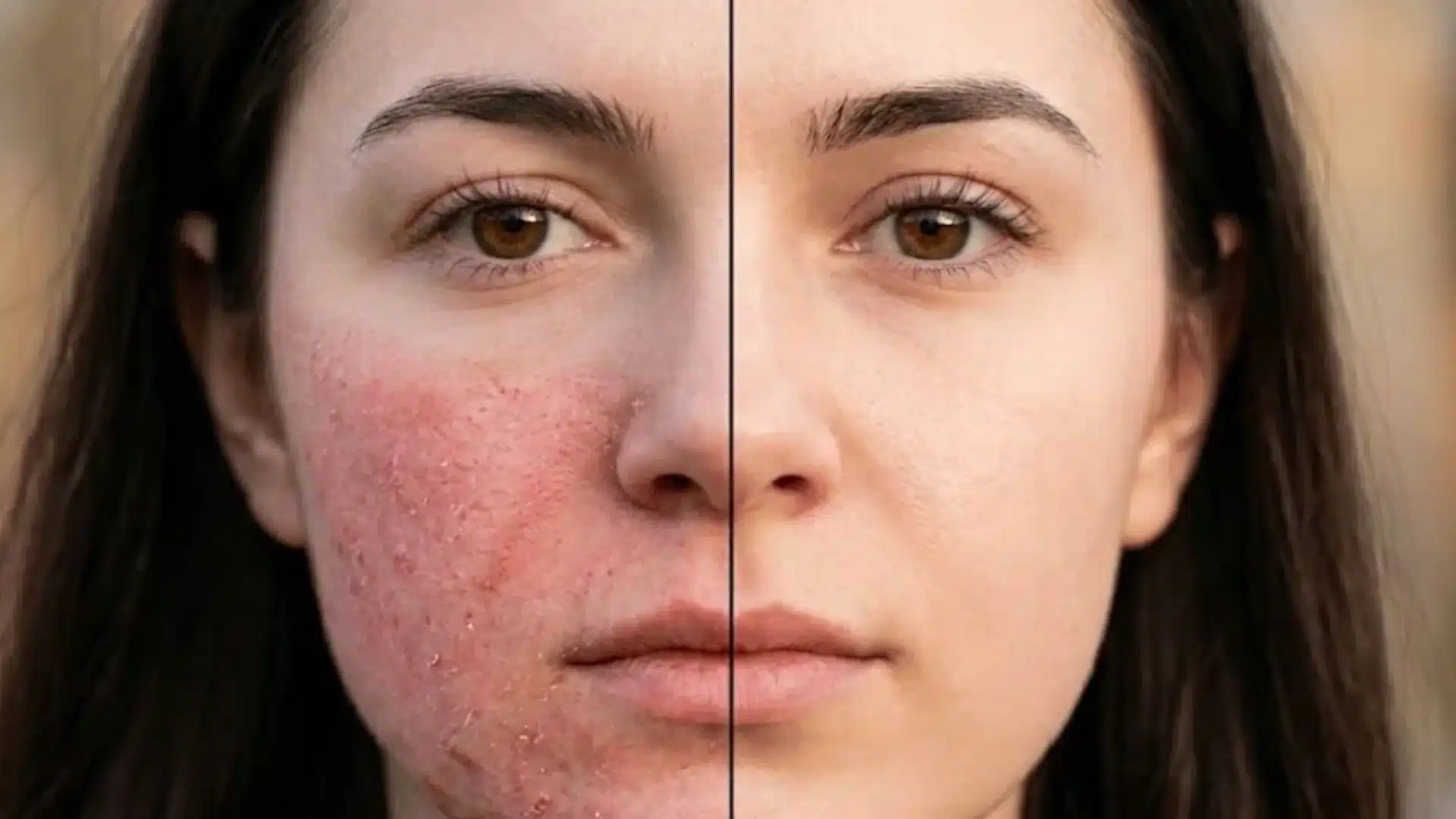
Exfoliation can improve texture and clarity, but going beyond what your skin can handle often backfires. When the skin barrier gets disrupted, the face starts sending clear signals. Recognizing these early helps prevent long-term irritation and keeps the routine balanced.
- Persistent Redness: Skin appears flushed or irritated even when no products are applied, indicating inflammation from overuse.
- Stinging or Burning Sensation: A sharp or tingling feeling when applying skincare or even water, showing the barrier is compromised.
- Tight, Uncomfortable Skin: Skin feels stretched or dry shortly after cleansing, often due to loss of natural oils.
- Increased Breakouts: More pimples or irritation instead of clearer skin, as over-exfoliation disrupts the skin’s natural balance.
- Excessive Oiliness: Skin starts producing more oil than usual to compensate for dryness caused by frequent exfoliation.
- Flaky or Peeling Patches: Visible dry patches or peeling, especially around the nose and mouth, signaling damage rather than healthy renewal.
- Heightened Sensitivity: Products that once felt fine now cause irritation, redness, or discomfort.
- Shiny or Waxy Appearance: Skin may look overly polished or thin, which is often mistaken for glow but actually indicates over-exfoliation.
Real User Insights on Exfoliating The Face
Scrolling through Reddit discussions, one thing becomes clear: there is no one-size-fits-all answer.
Many users shared that exfoliating once a week works best, especially when skin feels dull or congested, rather than following a strict schedule.
One user mentioned their skin reacted badly after using a strong exfoliant two days in a row, reinforcing how easy it is to overdo it.
Others highlighted that skin condition matters more than routine. If skin feels dry or irritated, skipping exfoliation is often the better choice.
At the same time, some people with clog-prone skin noticed breakouts when they exfoliated too little.
A few experienced users even exfoliate more frequently, but only after gradually building tolerance over time.
The common takeaway is simple: pay attention to how your skin responds rather than copying someone else’s routine.
Building the Right Exfoliation Routine for Your Skin
Creating an effective exfoliation routine is less about doing more and more and more about doing it right, with careful adjustments based on how the skin responds over time.
- Start with a Low Frequency: Begin with exfoliating once per week to see how the skin reacts before increasing usage.
- Choose the Right Exfoliant Type: Match products to skin needs, chemical exfoliants for deeper action, and gentle scrubs only if the skin tolerates them well.
- Adjust Based on Skin Type: Oily skin may handle more frequent exfoliation, while sensitive or dry skin requires a slower approach.
- Avoid Overlapping Active Ingredients: Do not combine exfoliants with strong actives like retinol in the same routine to reduce the risk of irritation.
- Follow with Hydration and Protection: Apply a moisturizer immediately after exfoliating and use sunscreen daily to protect the skin barrier.
- Monitor and Modify Regularly: Pay attention to how the skin responds and adjust frequency or products if signs of irritation appear.
When to Skip Exfoliation Entirely
Exfoliation is not always beneficial. Certain conditions make it risky, even harmful.
Active sunburn is a clear stop signal, as skin already inflamed lacks the strength to handle additional stress, and exfoliating worsens damage.
Open breakouts, cuts, or irritated patches also require a pause. Scrubs or acids can spread bacteria, deepen irritation, and slow healing.
The same applies after professional treatments like chemical peels, facials, or laser procedures. Skin needs recovery time before any resurfacing step returns.
Prescription treatments matter too. Retinoids, benzoyl peroxide, and similar actives already increase cell turnover. Adding exfoliation on top often leads to redness, peeling, and sensitivity.
Seasonal dryness or sudden skin reactions are also signs to stop. Instead of pushing through, focus on repair. Gentle cleansing, barrier-support ingredients, and hydration help restore balance faster.
Skipping exfoliation temporarily does not set progress back. It protects long-term skin health and prevents avoidable damage.
Conclusion
Finding the right answer to how often I should exfoliate my face really comes down to balance.
Most people see the best results with one to three times per week, but your skin type, product choice, and tolerance matter just as much.
Paying attention to signs like irritation or dullness helps you adjust before things go wrong. A gentle, consistent approach always works better than pushing your skin too hard.
At the end of the day, no routine is perfect for everyone, and your experience might look different from someone else’s. That is completely normal.
Have you figured out a routine that works for you, or are you still experimenting? Share your experience in the comments below.
Frequently Asked Questions
Does Exfoliation Help with Dark Spots?
Yes, exfoliation can gradually reduce the appearance of dark spots by speeding up cell turnover. AHAs, such as glycolic or lactic acid, work well for this concern.
Can Exfoliation Be Used with Eczema or Rosacea?
No, exfoliation is not recommended during active flare-ups because the skin barrier is already compromised. In calmer phases, very mild options may be tolerated occasionally, but only with professional guidance.
Should Exfoliation Be Done Before or After a Face Mask?
Exfoliating before applying a face mask is generally more effective. It removes surface buildup, allowing the mask’s ingredients to absorb better. Doing it afterward can irritate freshly treated skin. If sensitivity is present, it is better to avoid combining both steps on the same day.