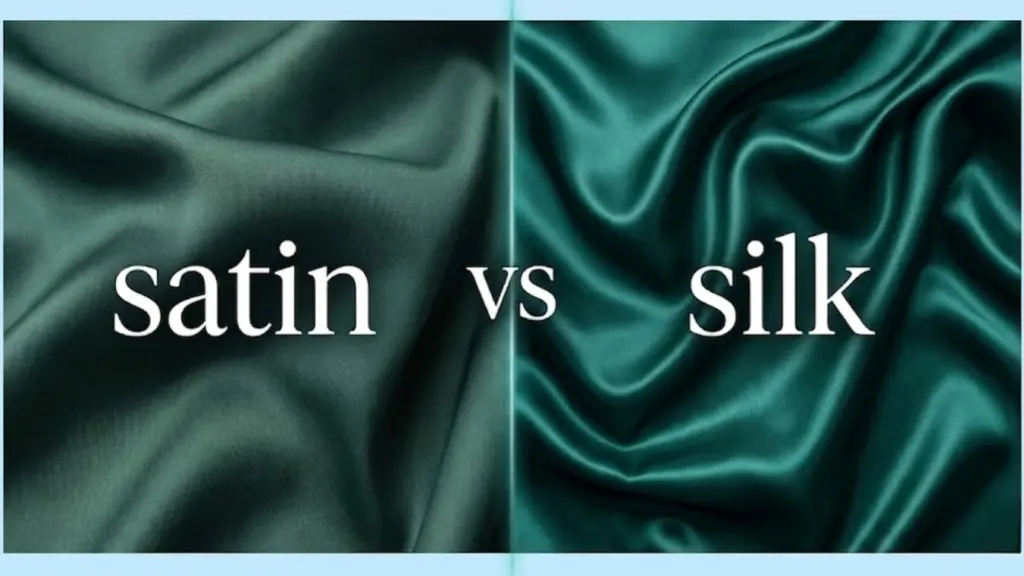
Most people do not think much about pillowcases until they start noticing frizz, flattened curls, tangles, or sleep lines in the morning.
That is usually when the satin vs. silk conversation begins. Both fabrics are known for creating less friction than cotton, which can help reduce hair breakage and moisture loss during sleep.
Even though satin and silk often get grouped together, they are not the same material and do not perform the same way over time.
This guide compares how they differ in friction, airflow, moisture retention, durability, and overall comfort, so it becomes easier to decide which one fits your hair type, routine, and budget better.
Why Pillowcases Matter for Hair?
Most people do not really think about what their head rests on for 7 to 9 hours every night, but that surface remains in constant contact with the hair the entire time.
Every small movement during sleep causes the strands to slide against the fabric, and that repeated contact creates friction.
That friction is where many common hair issues begin. When hair repeatedly rubs against a rough surface, the outer layer of each strand slowly weakens, leading to breakage, split ends, and a dull appearance over time.
This becomes more noticeable with fine, bleached, or chemically treated hair, as these types of hair are already more delicate.
I have also noticed that cotton makes things worse because it pulls moisture away from the hair while you sleep. As a result, the hair feels drier by morning and tangles more easily.
This effect is even stronger for curly and coily hair types, as they already lose moisture more easily and are more sensitive to damage from constant movement.
What is Silk?
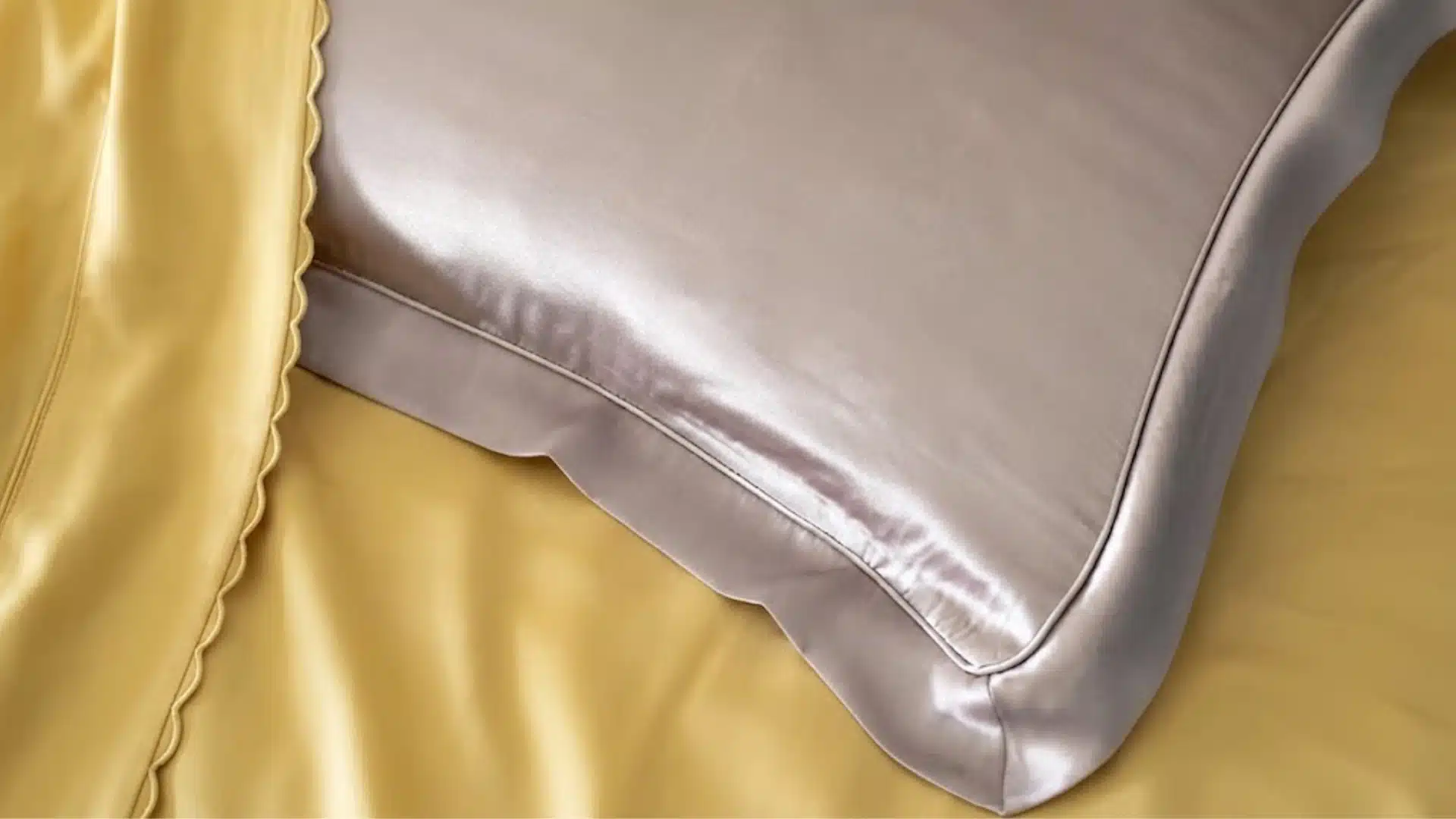
Silk is a natural fiber made by silkworms as they spin their cocoons. It has been valued for a very long time, especially in ancient China, for its smooth, shiny feel.
What makes silk stand out is its very fine structure and the presence of natural proteins that are similar to those found in human hair and skin. This is one reason it feels gentle and soft when it comes in contact with the hair.
The protein in silk is primarily fibroin, which gives it strength and flexibility.
Along with its texture, silk also has some useful properties. It is breathable and helps regulate temperature, so it feels cool in warm conditions and does not trap too much heat around the scalp.
Silk pillowcases are usually measured in something called momme weight, which indicates their thickness and quality. A range of 19 to 25 momme is often considered a good balance between softness and durability.
At the same time, silk is not the easiest material to maintain. It is expensive, delicate, and needs careful washing to keep it in good condition.
What is Satin?
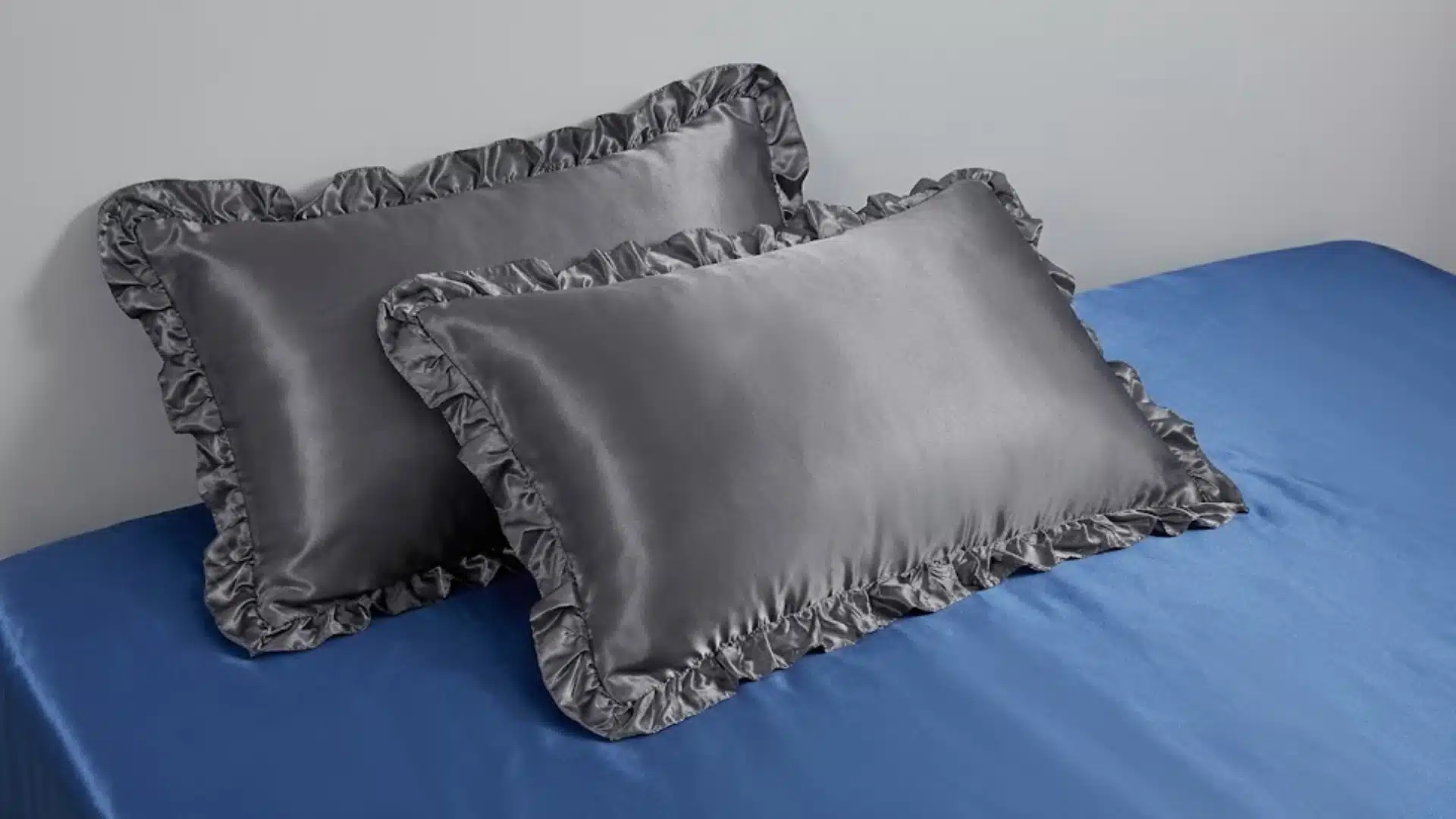
This is where things often get confusing, as satin is not actually a fabric but a type of weave. It refers to the way threads are arranged to create a surface that feels smooth and slightly glossy on one side, and more matte on the other.
The most common type of satin used in pillowcases is charmeuse satin, which has a particularly soft, drapey feel. It is the variety you will most often find when shopping for satin bedding.
That smooth feel can be created using different materials, but most satin pillowcases available today are made from synthetic fibers like polyester or nylon, or a mix of both.
Since satin is manufactured and not sourced naturally like silk, it is much more affordable. This makes it a popular option for people who want a smoother surface than cotton without spending too much.
The surface still helps reduce friction, which is why it works well for hair compared to rougher fabrics. However, it is not the same as silk in terms of structure.
Synthetic satin does not have the same natural proteins, and it tends to trap more heat instead of staying cool.
Is Satin or Silk Better for Hair: Key Differences
A side-by-side comparison helps break down how silk and satin perform across hair care, comfort, and everyday use factors.
| Feature | Silk | Satin (Polyester) |
|---|---|---|
| Surface smoothness | Extremely smooth | Smooth |
| Friction level | Very low | Low |
| Static electricity | None, naturally anti-static | Moderate static risk |
| Moisture retention | Excellent | Good |
| Breathability | High | Low, traps heat |
| Scalp health | Regulates temperature, reduces build-up | Can worsen sweat and build-up |
| Durability | Long-lasting with proper care | Very durable |
| Maintenance | Hand wash or gentle cycle | Machine washable |
| Price range | $40 to $100+ | $8 to $25 |
| Natural fiber | Yes | No, synthetic |
| Vegan-friendly | No | Yes |
Benefits of Silk Pillowcases for Hair
Silk pillowcases offer a premium sleep surface that supports healthier hair by reducing damage, maintaining moisture balance, and improving overall hair condition overnight.
- Dramatically reduced friction and tangling: Silk’s smooth surface allows hair to glide easily, which helps prevent knots and reduces cuticle damage while sleeping.
- Superior moisture retention: Silk does not absorb natural oils or hair products, so strands stay hydrated instead of drying out overnight.
- Ideal for curly, dry, or treated hair: These hair types benefit the most since they are more prone to damage and moisture loss during sleep.
- Temperature regulation: Silk stays cool and breathable, helping prevent scalp overheating and reducing the risk of excess oil and buildup.
- Naturally anti-static: Silk does not create static, which helps control frizz at the source instead of just minimizing surface friction.
Benefits of Satin Pillowcases for Hair
Satin pillowcases offer a practical, affordable way to improve hair care during sleep, especially for those seeking low maintenance and everyday usability.
- Accessible price point: Satin pillowcases are widely available at low prices, making them one of the easiest upgrades for better hair care without spending much.
- Smooth surface with less pulling: The satin weave creates a low-friction surface that helps reduce tugging and catching compared to cotton.
- Easy to wash and maintain: Polyester satin is machine washable, keeps its shape, and does not need the extra care that silk requires.
- Wide variety of styles: Satin comes in many colors and patterns, making it easy to match personal preferences or bedroom aesthetics.
- Vegan-friendly option: Satin made from synthetic fibers does not involve animal products, making it a suitable choice for those avoiding silk.
Satin vs Silk for Skin and Sleep
Hair often gets all the attention, but both satin and silk also make a noticeable difference for skin and sleep comfort.
Cotton pillowcases tend to press and crease against the face during the night, which can lead to visible sleep lines over time. A smoother surface helps reduce this since the skin can glide more easily instead of folding.
For sensitive or acne-prone skin, silk has a slight advantage because it is naturally gentle.
This helps keep the skin balanced through the night.
In my work with clients who have reactive or sensitive skin, I always recommend starting with the pillow surface before adjusting products.
It is one of the lowest-effort changes that consistently makes a difference.
Many of my clients who swim regularly or have had exposure to chlorine notice that their hair and skin respond better when overnight friction is minimized.
A silk pillowcase will not undo chemical damage, but it removes one stressor while the hair recovers. Satin still offers a smoother feel than cotton, but it does not match silk in breathability.
Choosing the right products for delicate skin matters just as much at night.
If your skin reacts easily, you may also want to look into makeup formulated for sensitive skin to keep irritation in check during the day.
Which One Should You Choose?
The right choice depends on your hair type, lifestyle, and budget, so this breakdown makes it easier to match your needs with the better option.
| Your Situation | Best Choice | Why |
|---|---|---|
| Tight budget (under $20) | Satin | Delivers most of the benefit at a fraction of the cost |
| Curly, coily, or 4c hair | Silk (ideal) / Satin (good) | Maximum moisture retention and zero static matter most important |
| Dry, damaged, or color-treated hair | Silk | Amino acids and low-friction support better overnight repair |
| Chlorine or heat-damaged hair | Silk | Weakened cuticle needs the gentlest possible surface |
| Fine or straight hair | Satin | Reducing friction is the main goal, and satin handles it well |
| Hot sleeper or warm climate | Silk | Breathable surface helps keep scalp and skin cool |
| Oily or reactive scalp | Silk | Better temperature control can reduce excess oil production |
| Sleeps with wet hair | Satin | Lower cost makes it more practical with moisture exposure |
| Wants low maintenance | Satin | Easy to wash and does not require delicate care |
| Vegan or cruelty-free priority | Satin | Made without animal-derived materials |
| Long-term investment mindset | Silk | Lasts longer and offers better overall benefits over time |
| First time trying smooth pillowcases | Satin | Low-risk way to test the difference before upgrading |
Conclusion
Both satin and silk pillowcases are a clear upgrade over cotton, and that’s easy to agree on.
Silk stands out across most areas, offering a smoother surface, better moisture retention, improved breathability, and natural anti-static properties that support healthier hair and skin over time.
It is the better choice if performance is the top priority. At the same time, satin remains a strong everyday option that delivers real results without the higher cost.
It reduces friction, is easy to maintain, and works well for most hair types, especially for those just starting out.
The right choice comes down to what matters more: long-term performance or everyday practicality. Both can improve how your hair looks and feels by morning.
Have you tried satin or silk already, or are you planning to switch soon? Share your experience in the comments and help others decide what works best.
Frequently Asked Questions
Do Satin or Silk Pillowcases Help with Hair Growth?
They do not directly increase hair growth, but they help prevent breakage, which can make hair appear fuller and healthier over time.
How Often Should You Wash Satin or Silk Pillowcases?
Both should be washed every 7 to 10 days to keep them clean from oils, sweat, and product buildup that can affect hair and skin.
Can Satin or Silk Pillowcases Replace Hair Wraps or Bonnets?
They can help reduce friction, but for full protection, especially for curly or long hair, wraps or bonnets still offer better coverage.
Do these Pillowcases Work for Short Hair or Men?
Yes, they benefit all hair lengths by reducing friction, helping prevent dryness, and keeping hair looking smoother.