
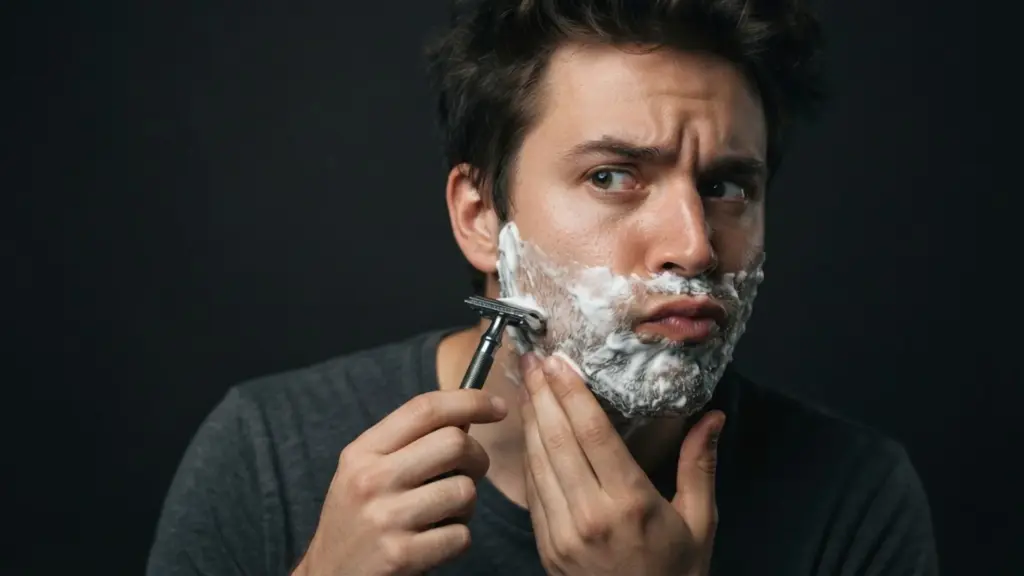
The first time I picked up a face razor, I held it like one wrong move would leave me with a cut. That hesitation is completely normal, especially if you’ve never shaved your face before.
The good news is that once you make the first few gentle strokes, you quickly realize the process is much easier than it looks.
Facial shaving isn’t about pressing hard or rushing through it. A light touch, the right angle, and a little patience do most of the work.
With the right approach, face shaving can be simple, comfortable, and beginner-friendly. It all comes down to proper preparation, technique, and aftercare.
Why Do People Shave Their Faces?
Most people shave their faces for one of two reasons: to remove peach fuzz or to create a smoother base for makeup and skincare. Facial hair is usually vellus hair, which is fine, soft, and lightly pigmented.
This is different from terminal hair, which is thicker and darker and grows in areas like the eyebrows, upper lip, or beard line. If your facial hair is soft and barely visible, a facial razor is designed to remove it safely.
Shaving also removes a thin layer of dead skin cells, leaving your skin feeling smoother. Many people find that foundation and concealer apply more evenly afterward.
While facial shaving improves the skin’s surface, it works best alongside regular exfoliation rather than replacing it.
How to Prepare Your Skin Before Shaving
A smooth, comfortable shave starts with the right tools and a clean face. Taking a few minutes to prepare helps reduce irritation and gives better results.
In my work as an aesthetician, I’ve had clients come in convinced that shaving itself was making their skin angry. Often, the bigger issue was what happened beforehand: a dull blade, leftover product on the skin, or too many skincare steps at once. I’m a big believer in keeping preparation simple: start clean, use a sharp tool, and pay attention to how your skin responds.
- Choose a single-edge facial razor: A single blade offers better control, reduces the risk of nicks, and lets you see exactly what you’re removing.
- Use a fresh blade every time: A sharp blade glides smoothly, while a dull one can tug at the skin and cause small cuts or irritation.
- Pick a small precision razor: A compact razor head makes it easier to shave around the upper lip, jawline, and other detailed areas without losing control.
- Cleanse your face first: Wash away makeup, sunscreen, oil, and dirt before shaving. Clean skin helps the blade glide more easily and minimizes irritation.
- Shave after cleansing: If you follow a skincare routine, dermaplane immediately after cleansing and before applying masks, serums, or heavier skincare products.
The Right Way to Shave Your Face
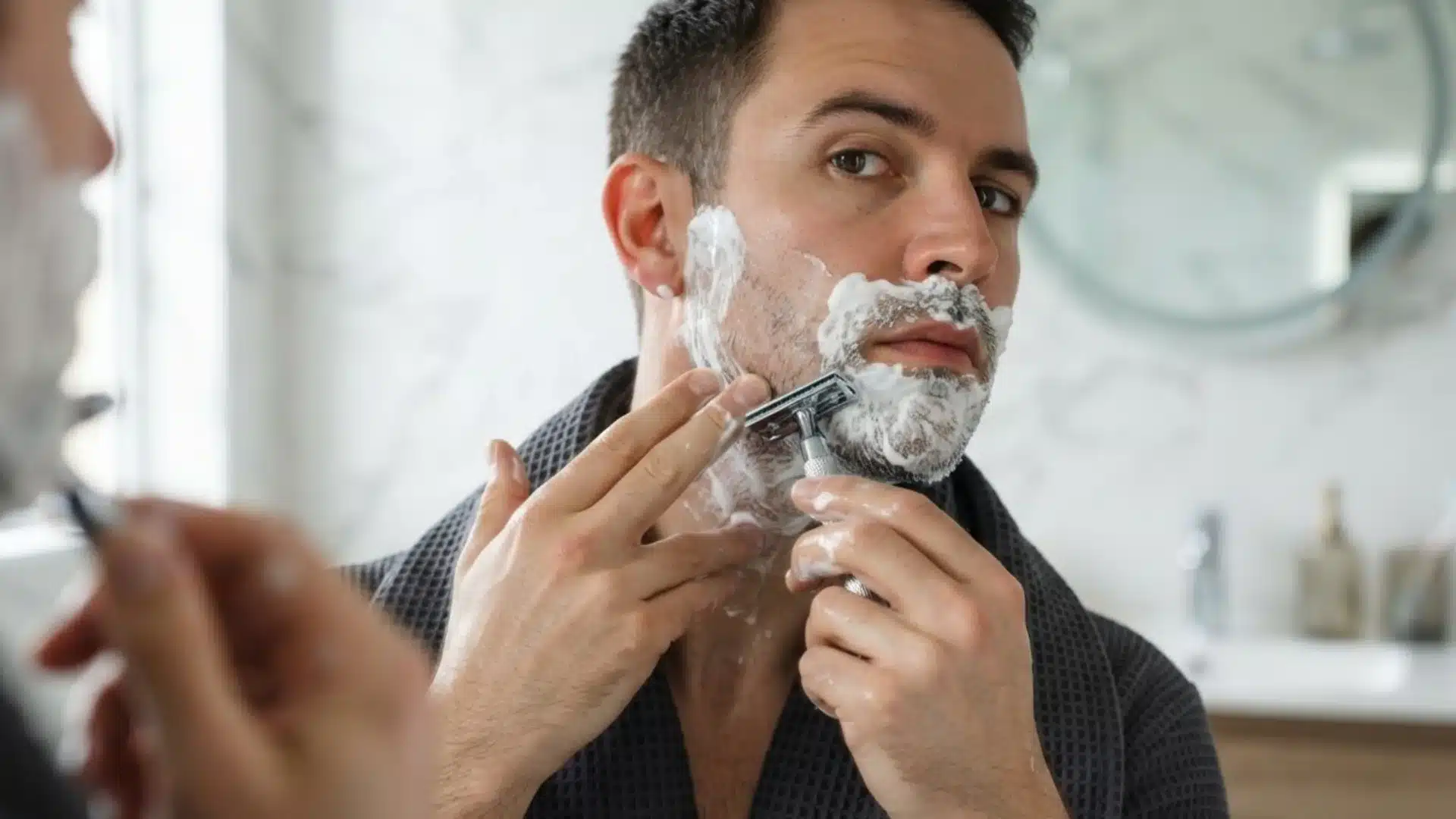
Using the right technique helps remove peach fuzz smoothly while reducing the risk of irritation, cuts, or razor burn.
Step 1: Cleanse and Dry Your Face
Start by washing your face with a gentle cleanser to remove makeup, sunscreen, excess oil, and dirt. Any residue left on the skin can cause the razor to drag instead of glide smoothly.
Once your face is clean, pat it completely dry with a soft towel. Unlike shaving other areas of the body, facial shaving is typically done on dry skin for better control and precision.
Step 2: Keep the Skin Taut
Use your free hand to gently pull the skin tight before each stroke. A smooth, flat surface helps the razor glide evenly and reduces the chance of catching uneven areas or creating small nicks.
Work on one section at a time instead of stretching your entire face, adjusting your grip as you move across different areas. I prefer this approach because it lets you adjust your grip and pressure as the contours of the face change.
Step 3: Hold the Razor at the Right Angle
Position the razor at about a 45-degree angle against your skin. This angle helps the blade remove peach fuzz and dead skin cells without scraping or irritating the surface.
Avoid holding the blade completely flat or upright; let the razor glide naturally rather than pressing it into your skin.
Step 4: Use Light, Short Strokes
Shave using short, gentle strokes in the same direction your hair naturally grows. There’s no need to apply pressure because a sharp facial razor is designed to do the work with minimal effort.
This is one place where I always tell clients not to chase perfection. Repeatedly shaving the same patch to catch one tiny hair can leave the skin more irritated than simply leaving it for next time.
Taking your time also helps you avoid going over the same spot repeatedly, which can increase the risk of irritation.
Step 5: Rinse the Blade Regularly
Hair, oil, and dead skin can build up on the blade as you shave, reducing its effectiveness.
Rinse the razor under running water after every few strokes to keep it clean and sharp. A clean blade glides more smoothly, gives a closer shave, and reduces unnecessary tugging on your skin.
Step 6: Work Section by Section
Move gradually from one area of your face to the next, checking each section with your fingertips before moving on.
Once the skin feels smooth, avoid shaving over it again. Following the same gentle technique across your cheeks, jawline, upper lip, and chin helps create even results while minimizing irritation.
My rule is simple: if your skin starts feeling hot, sore, or unusually sensitive, stop. A perfectly smooth finish isn’t worth pushing irritated skin further.
Common mistakes that cause irritation
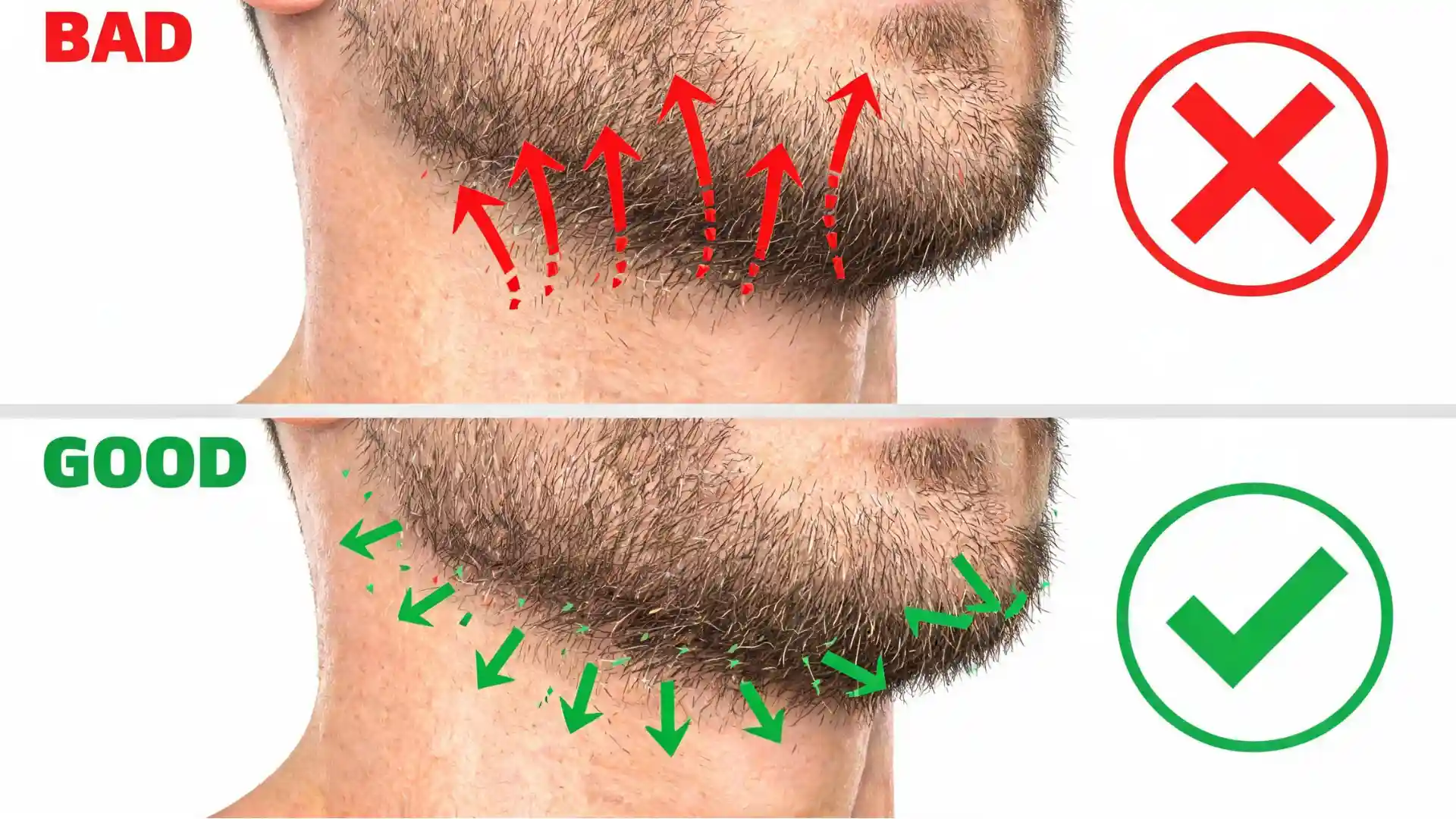
Even with the right razor, a few bad habits can leave your skin red and uncomfortable.
- Shaving on dry or unclean skin: Skipping the cleanse step means the blade drags across oil and debris instead of gliding, which is the most common cause of razor burn.
- Using a dull or old blade: A blade that has to be pressed harder to work is more likely to nick you, and reused blades can irritate skin and raise the risk of ingrown hairs.
- Shaving over active acne: This can spread bacteria to nearby skin and slow healing.
- Pressing too hard: The blade should skim, not scrape. If you feel resistance, ease up rather than pushing through it.
Skin safety note: Stop shaving if you notice persistent burning, significant swelling, bleeding that does not stop, signs of infection, or a rash that continues to worsen. If you have active acne, eczema, rosacea, or another condition that makes your skin easily irritated, check with a dermatologist before shaving affected areas.
What Reddit Users Say About Face Shaving
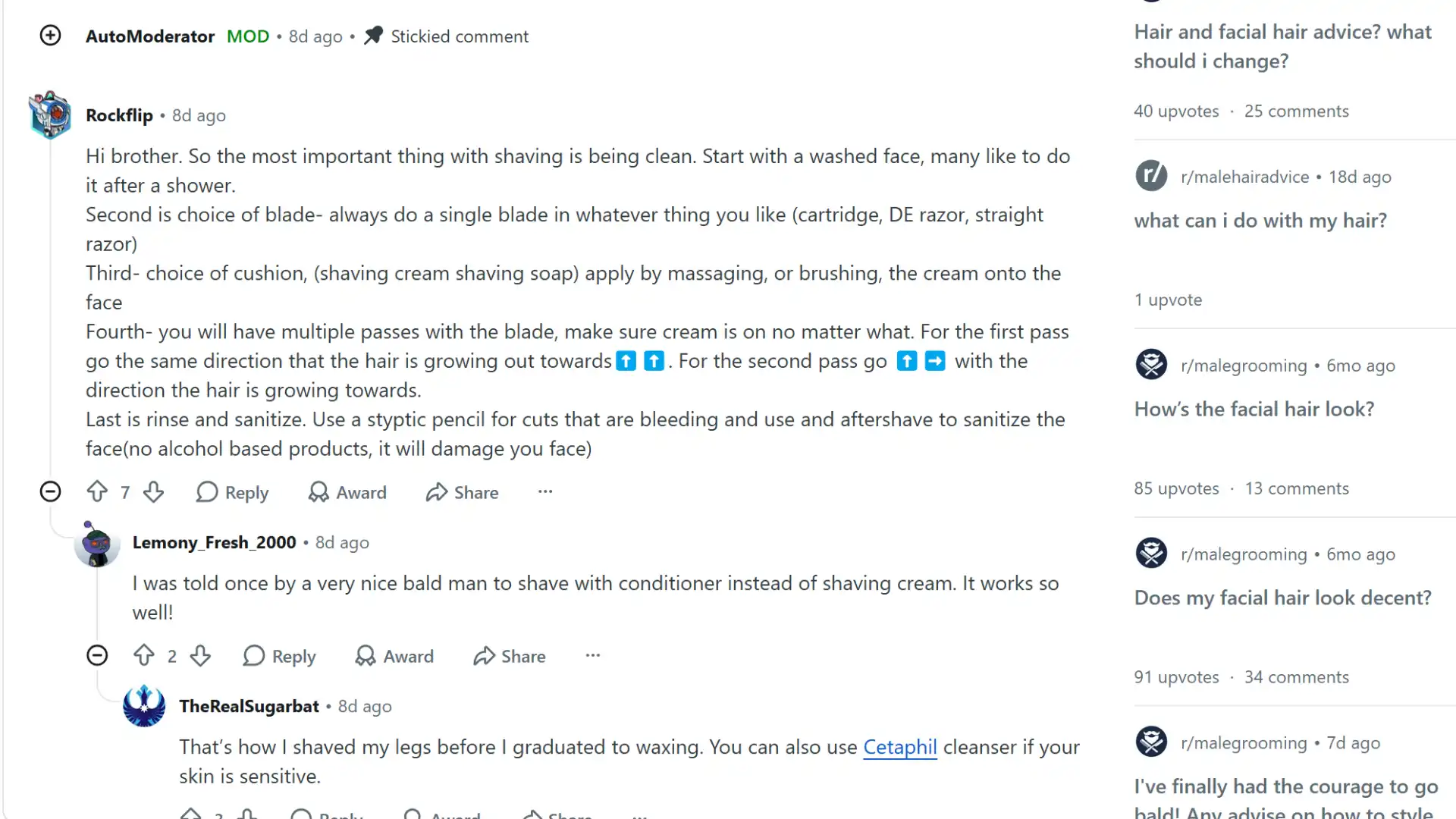
In this Reddit discussion, experienced shavers emphasize that good preparation matters more than the shaving itself.
The top advice is to start with a clean face, ideally after a shower, and use a single-blade razor for better control and fewer cuts.
Users also recommend applying a quality shaving cream or soap to create a protective cushion and making multiple gentle passes instead of trying to remove everything at once.
Shaving in the direction of hair growth on the first pass is recommended to reduce irritation, followed by thorough rinsing and a gentle, alcohol-free aftershave.
In the replies, some users mention using hair conditioner or a gentle cleanser as alternatives to traditional shaving cream, especially for sensitive skin.
Aftercare to Prevent Breakouts
Your skin is more exposed right after shaving, which makes the next few hours matter almost as much as the technique itself.
Products to Apply After:
- Fragrance-free moisturizer: Calms the skin and replaces the moisture the blade just stripped away.
- Lightweight, non-comedogenic formula: Keeps freshly exposed pores from clogging, which matters if you deal with pore congestion.
- Skip active ingredients for the rest of the day: Retinol, strong acids, and vitamin C can sting on skin that just lost its top layer.
- Apply broad-spectrum sunscreen (SPF 30 or higher): Freshly shaved skin is more sensitive to UV rays, so daily sun protection helps prevent irritation and discoloration.
What to Avoid for 24 Hours:
- Heavy makeup: Can settle into freshly exposed pores, increasing the risk of clogged pores or breakouts.
- Hot showers or steam rooms: Heat can worsen redness and make sensitive skin feel more irritated.
- Touching your face frequently: Freshly shaved skin picks up bacteria more easily, increasing the chance of irritation.
- Swimming in chlorinated pools or saltwater: Chlorine and salt can dry out or sting freshly shaved skin, so it’s best to wait until your skin has settled.
Conclusion
Shaving your face doesn’t have to feel intimidating or become another complicated step in your skincare routine.
As an aesthetician, I’ve found that skin usually responds best when we keep things simple: prepare it properly, use a sharp razor, apply very little pressure, and pay attention to what happens afterward.
I’m also a big believer in trying, tracking, and adjusting. If your skin feels comfortable, you’re probably on the right path. If you notice persistent redness, burning, or irritation, give your skin time to recover rather than pushing through another shave.
The goal isn’t to remove every last hair or achieve perfect skin. It’s to find a shaving routine that works with your skin, your budget, and your comfort level.
Have a face-shaving tip that works well for you? Share it in the comments, or send this article to someone getting ready for their first shave.
Frequently Asked Questions
Does Shaving Your Face Make Hair Grow Back Thicker?
No. Shaving cuts hair at the surface, which can make the blunt tip feel coarser for a day or two, but it doesn’t change the thickness, color, or growth rate of the hair itself.
Can You Shave Your Face Every Day?
It’s not recommended. Daily shaving doesn’t allow your skin barrier to recover, which often leads to tightness, flaking, or redness rather than improved results.
Is Face Shaving the Same as Dermaplaning?
They use the same basic technique, but dermaplaning usually refers to a professional treatment done with a surgical-grade blade, while at-home face shaving uses a smaller, consumer-grade razor.