Choosing an ear piercing can be exciting, but I know how quickly it gets confusing once you start comparing all the placements.
A classic lobe, snug, helix, or industrial piercing doesn’t just look different; each comes with its own healing process, jewelry options, and care needs.
As an aesthetician, I’m always mindful of how differently skin can respond to irritation and healing. That’s why I prefer looking beyond the style itself and considering placement, aftercare, and realistic healing expectations before making a choice.
This ear piercings chart breaks down popular types, including where they sit, typical healing times, pain levels, and suitable jewelry.
If you’re choosing your first piercing or planning a curated ear stack, you’ll have a clearer idea of what each option involves before sitting down with a professional piercer.
Understanding Ear Anatomy for Piercings
Knowing the basic parts of your ear makes it easier to understand where each piercing goes and which style may suit you best.
As an aesthetician, I’ve noticed how easy it is to focus on a piercing photo without thinking about the anatomy underneath it.
Two ears can look quite different in their folds, cartilage, and available space, so a placement that looks effortless on one person may not sit the same way on another. That’s why I always think understanding the basic anatomy should come before choosing a style.
- Lobe: The soft, fleshy lower part of the ear and the most common spot for first piercings.
- Helix: The curved outer rim of the upper ear made of cartilage.
- Forward Helix: The front section of the helix, located close to the face.
- Flat: The smooth cartilage area between the helix and anti-helix.
- Conch: The bowl-shaped center of the ear that suits both studs and hoops.
- Tragus: The small flap of cartilage that partially covers the ear canal.
- Anti-Tragus: The raised cartilage opposite the tragus, just above the lobe.
- Daith: The inner fold of cartilage located above the ear canal.
- Rook: The thick inner cartilage ridge positioned above the daith.
- Anti-Helix: The raised inner ridge that curves through the middle of the ear.
Once you’re familiar with these ear anatomy terms, comparing different piercing placements becomes much simpler and helps you choose the right style with confidence.
Popular Types of Ear Piercings
Below are the most popular ear piercing styles, with details on their placement, look, healing time, and jewelry options.
1. Standard Lobe Piercing
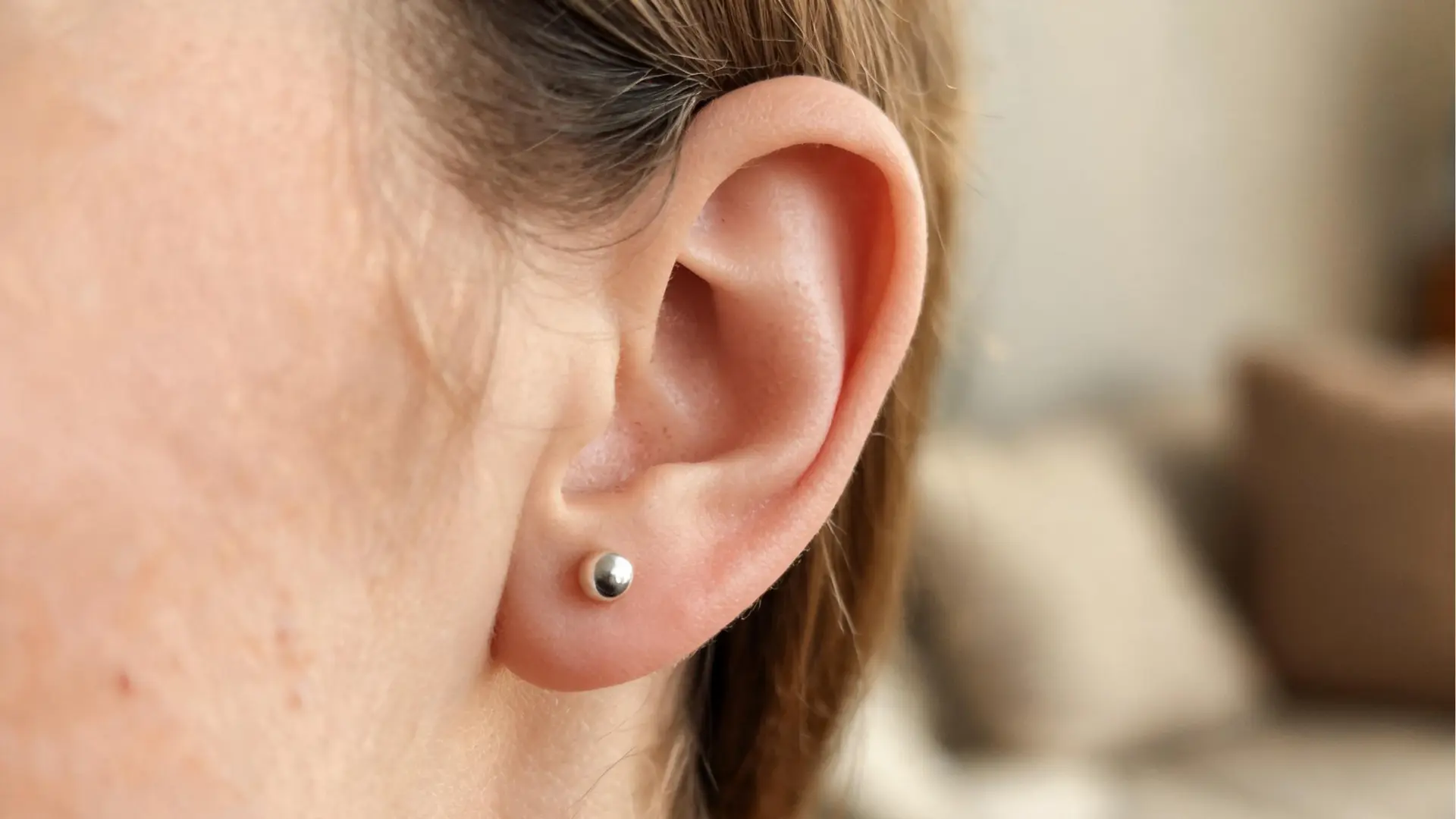
The standard lobe piercing is the classic choice for anyone getting their first ear piercing.
Its classic look pairs effortlessly with casual, formal, and everyday outfits.
It offers endless styling possibilities, allowing you to switch between simple studs, sparkling gemstones, pearls, or elegant hoops whenever you like.
Because it complements nearly every face shape and personal style, it remains one of the most versatile jewelry options.
2. Upper Lobe Piercing
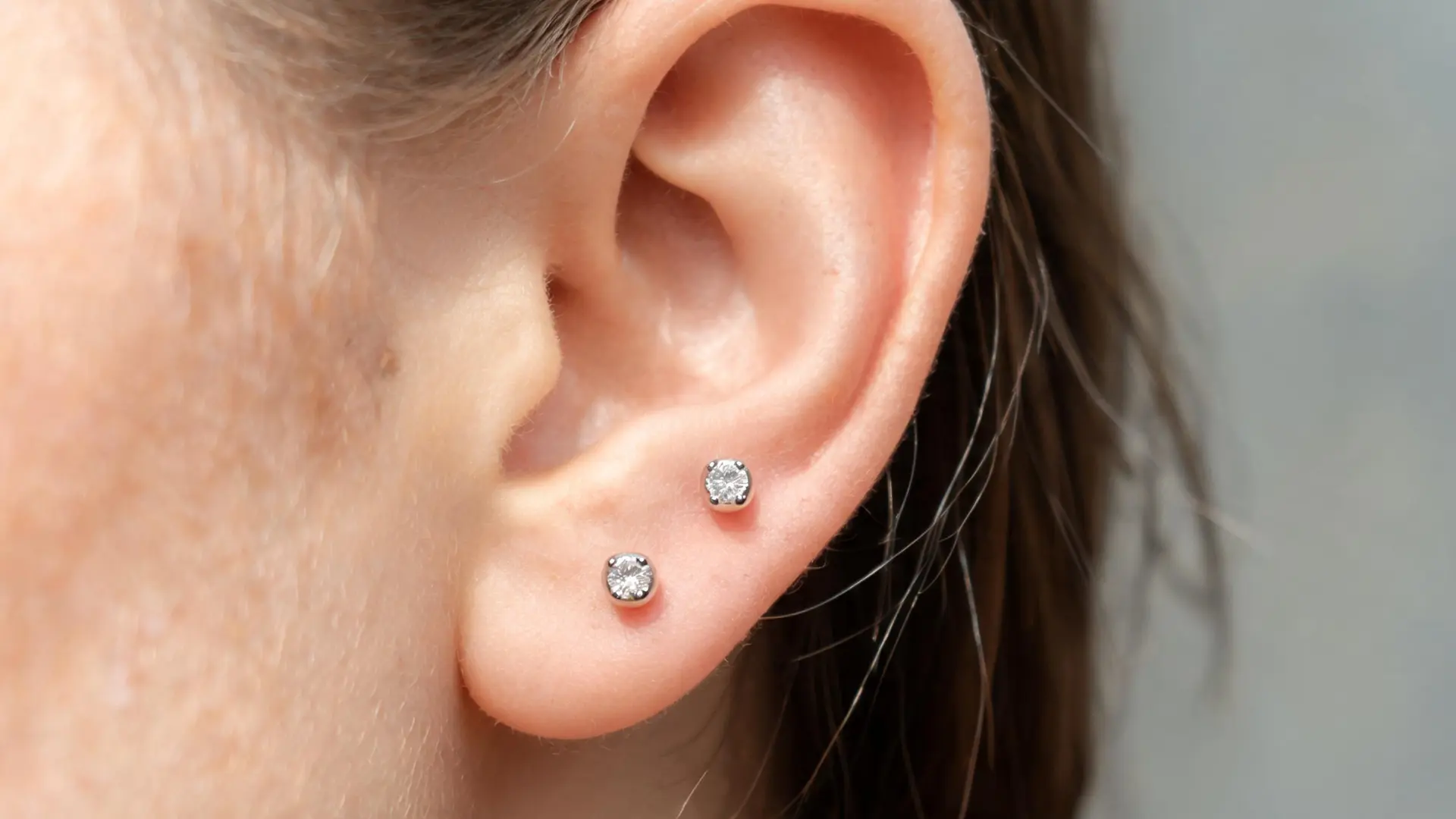
An upper lobe piercing adds extra dimension to your ear styling without overwhelming your overall look.
It is especially popular among people who enjoy creating stacked earring combinations using multiple pieces of jewelry.
You can wear delicate studs for a minimalist appearance or mix different metals and gemstones for a more personalized style.
It blends beautifully with traditional lobe piercings, making it easy to build a balanced ear stack that feels fashionable yet suitable for everyday wear.
3. Transverse Lobe Piercing
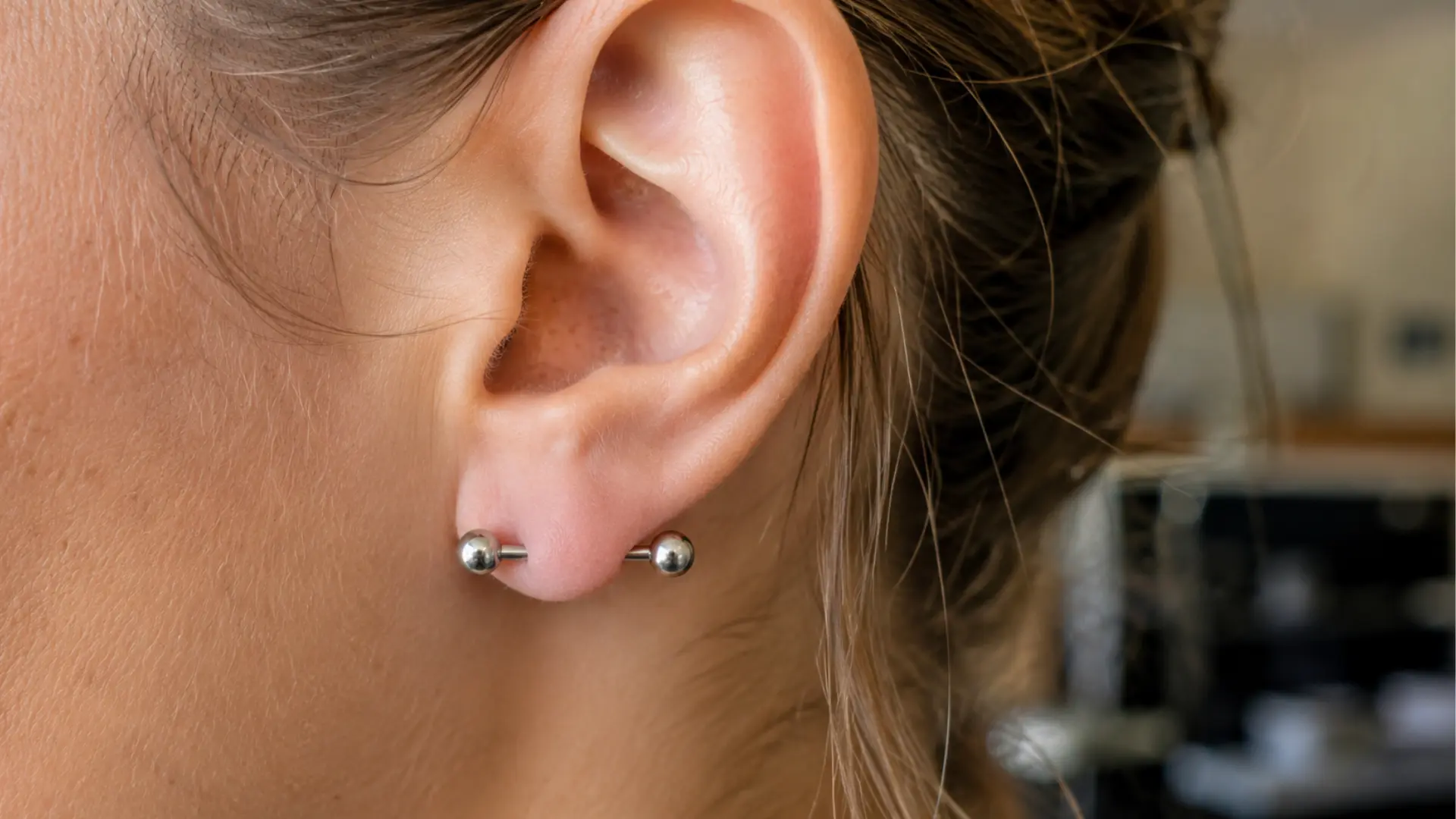
A transverse lobe piercing offers a unique alternative to traditional ear piercings thanks to its eye-catching jewelry orientation.
Instead of focusing on decorative gems, this style highlights the bar itself, making it a conversation starter.
Curved barbells with colorful ends, gemstones, or minimalist metal finishes work particularly well.
It appeals to those who want something uncommon without moving into more complex ear styles.
4. Helix Piercing
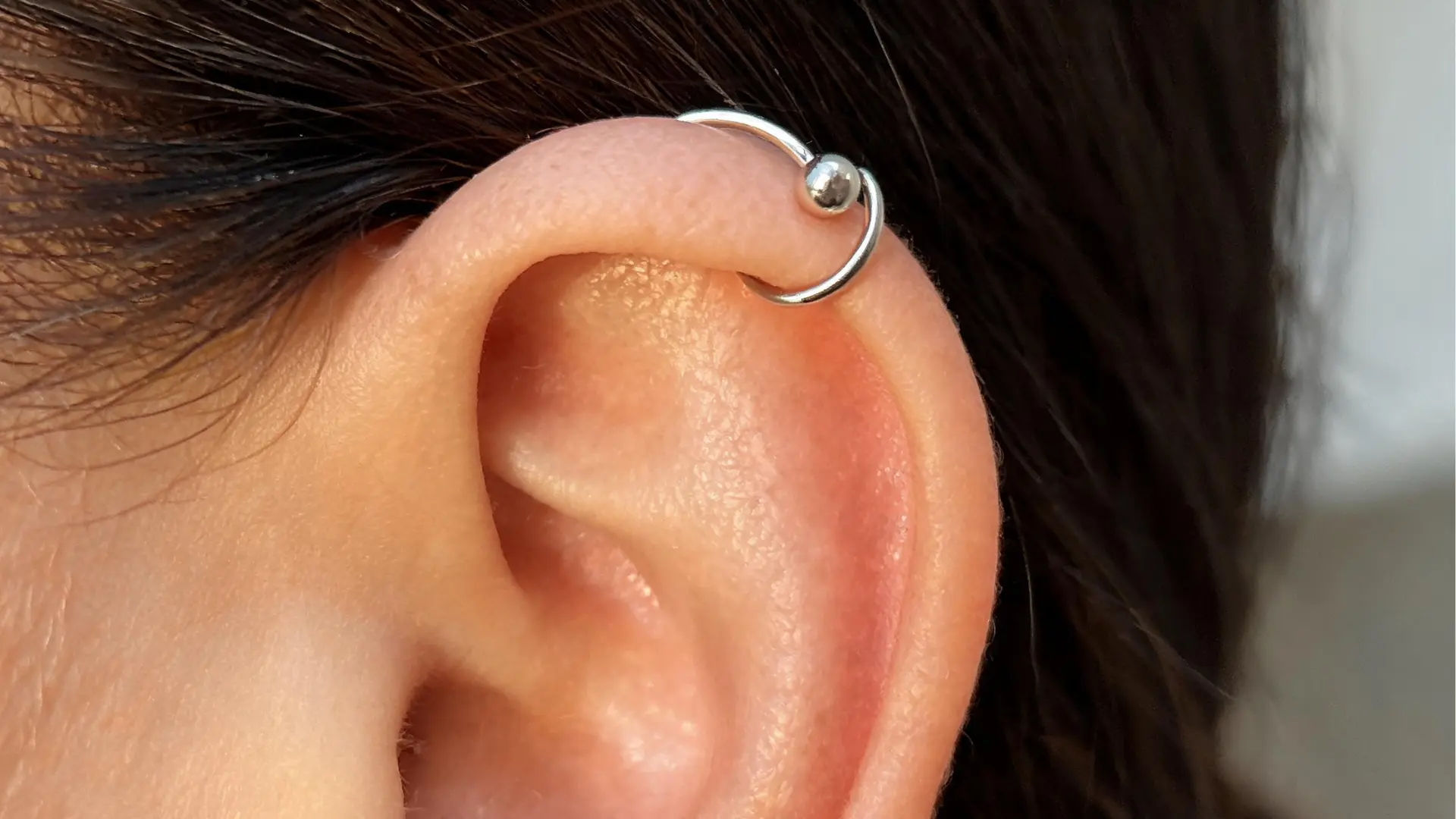
A helix piercing is one of the most fashionable choices for anyone looking to upgrade their ear styling.
It looks equally attractive with tiny studs, sleek hoops, or decorative jewelry featuring gemstones and celestial designs.
Many people eventually add multiple helix piercings to create a stylish, curated ear. This piercing complements both minimalist and bold aesthetics, making it suitable for nearly every fashion preference.
It pairs especially well with other upper-ear jewelry for a layered, balanced appearance.
5. Forward Helix Piercing
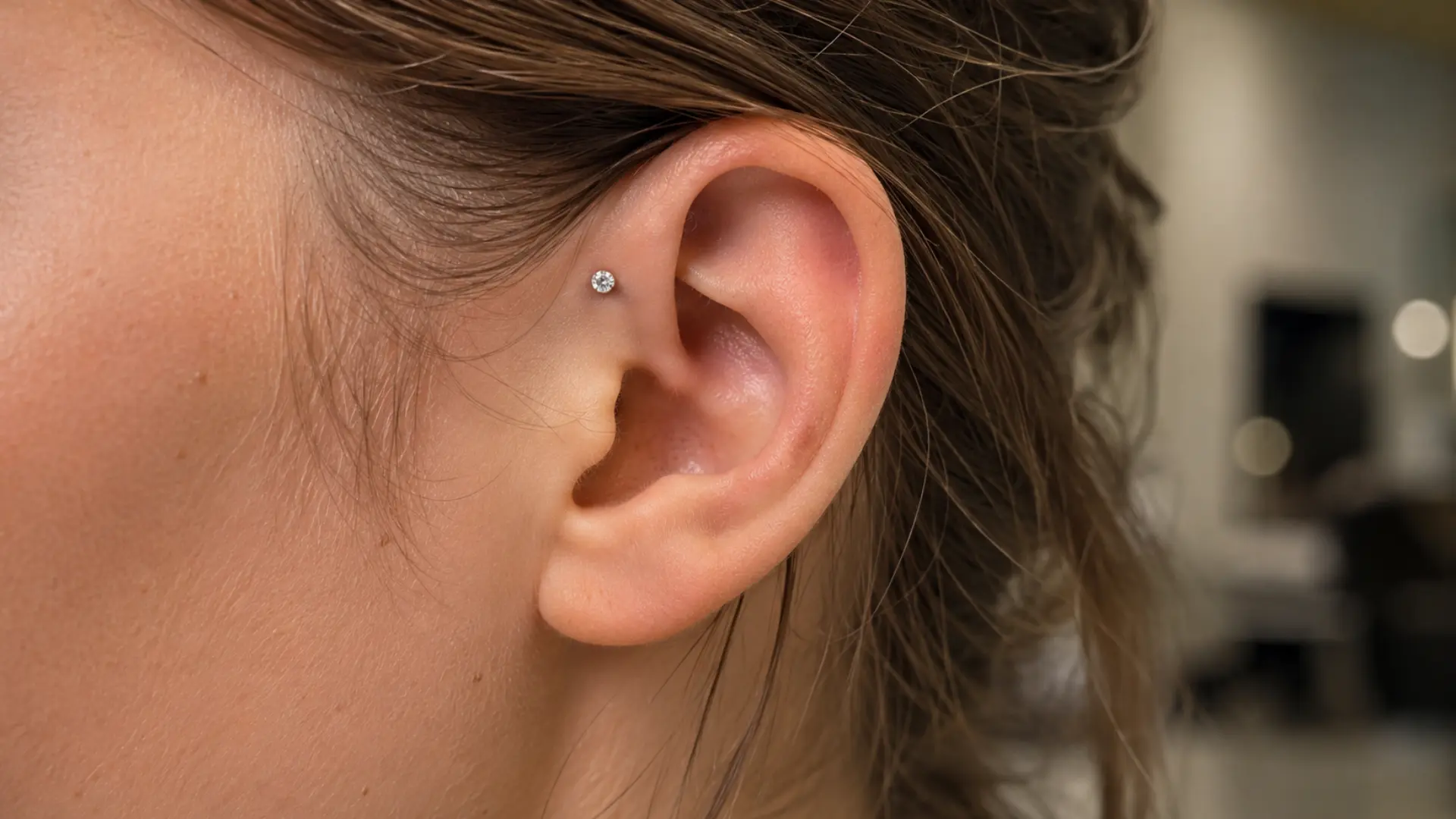
A forward helix piercing creates an elegant accent near the front of the ear, making it highly visible even with long hair.
Small gemstone studs, tiny diamonds, or delicate decorative pieces enhance its subtle appearance without making it look overwhelming.
Many jewelry lovers choose double or triple forward helix piercings for a symmetrical stacked effect.
This style suits people who appreciate refined details and want to add visual interest while maintaining a clean, sophisticated, and modern overall ear design.
6. Flat Piercing
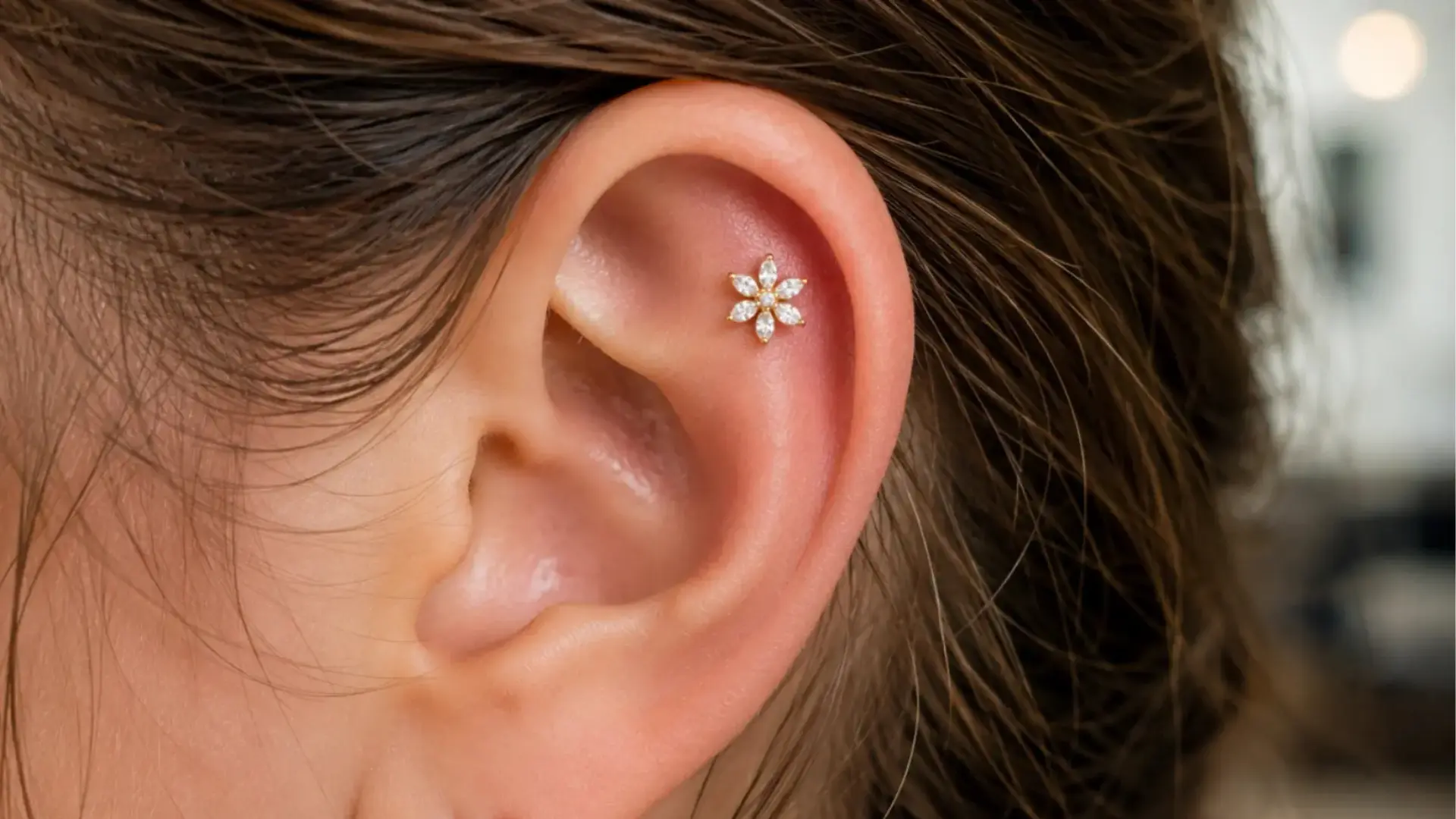
A flat piercing provides a larger surface area that works beautifully with decorative jewelry.
Floral designs, stars, moons, clusters of gemstones, or custom-shaped pieces can become the centerpiece of an ear stack.
Unlike smaller piercing locations, this style allows more creativity with jewelry size and design.
It works well as a statement piercing while still blending naturally with surrounding earrings. Many people choose it to showcase unique jewelry that would appear too large in other piercing styles.
7. Conch Piercing
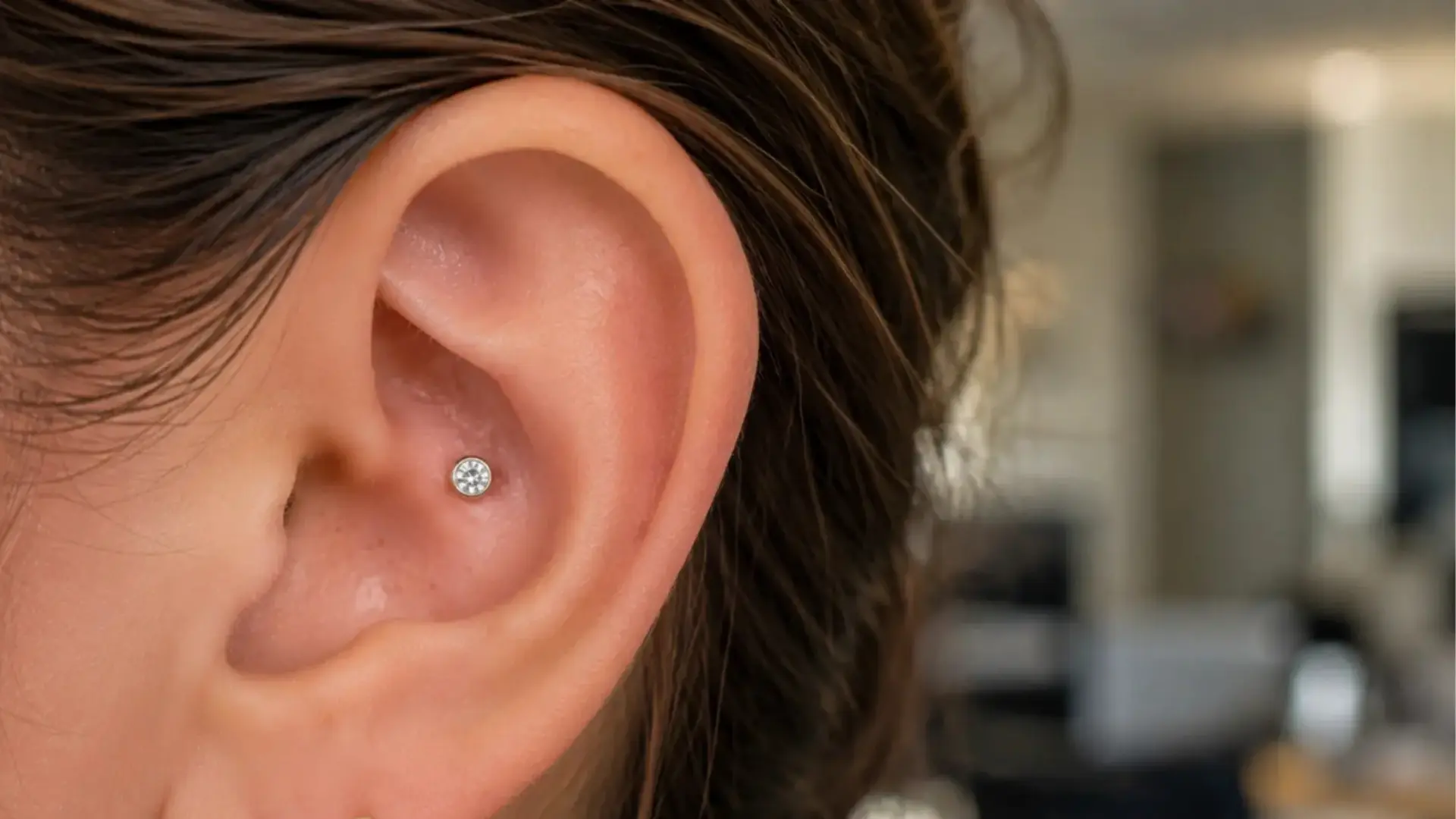
A conch piercing is known for its bold yet elegant appearance, making it one of the most versatile ear piercings available.
It can look understated with a simple stud or become more dramatic when paired with a large hoop after changing jewelry.
This flexibility allows you to refresh your style without getting another piercing.
It works equally well with minimalist, edgy, or luxury-inspired looks, making it a favorite among people who are building carefully curated collections of ear jewelry.
8. Inner Conch Piercing
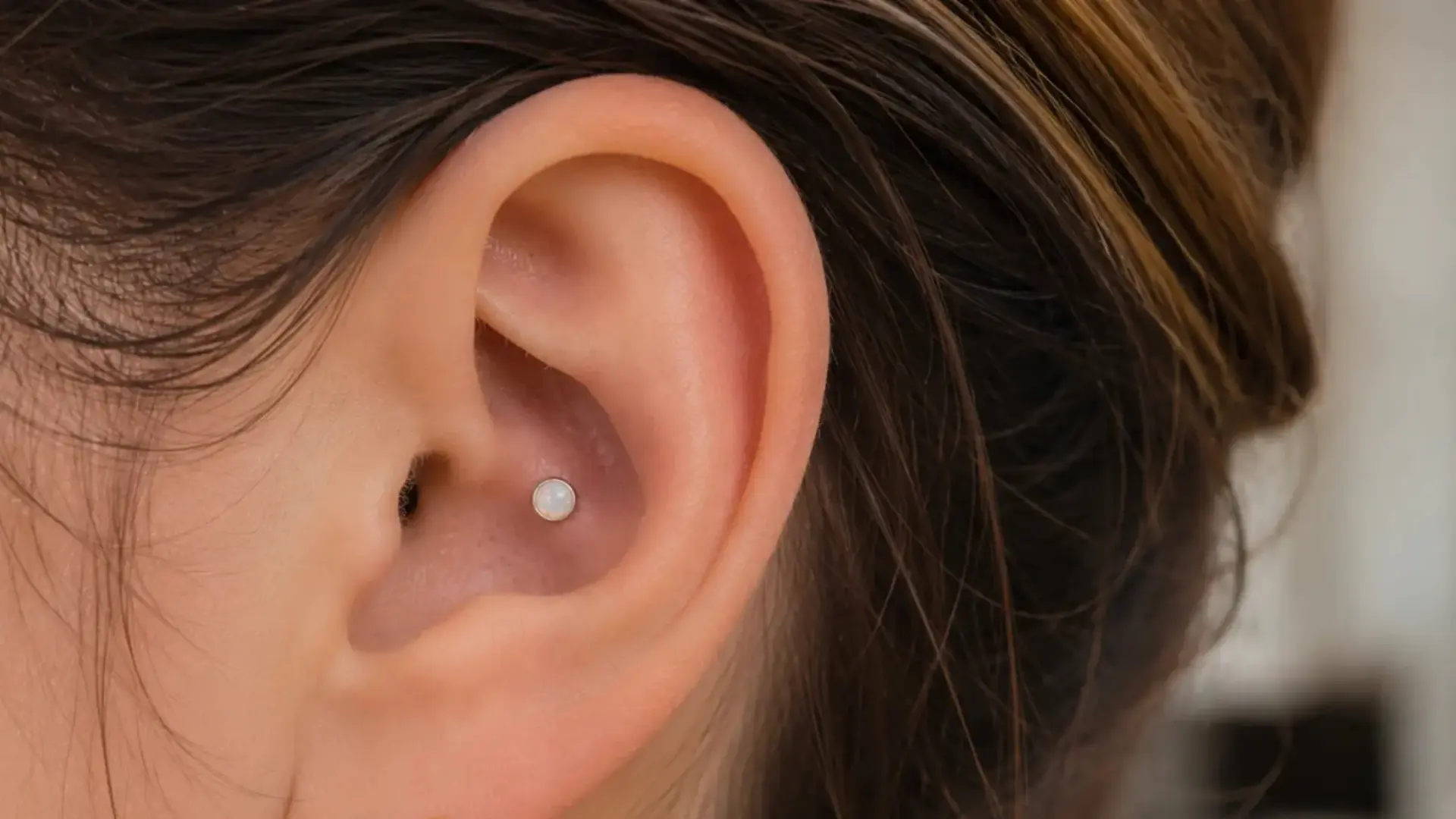
An inner conch piercing creates a refined, polished look that naturally draws attention without appearing overly flashy.
Small gemstone labret studs, opals, or simple metal designs fit beautifully and complement many personal styles.
It often serves as the focal point of a curated ear because of its balanced appearance.
Whether paired with subtle jewelry or layered with other piercings, it offers a sophisticated option for anyone seeking an elegant, modern ear aesthetic that remains highly versatile.
9. Outer Conch Piercing
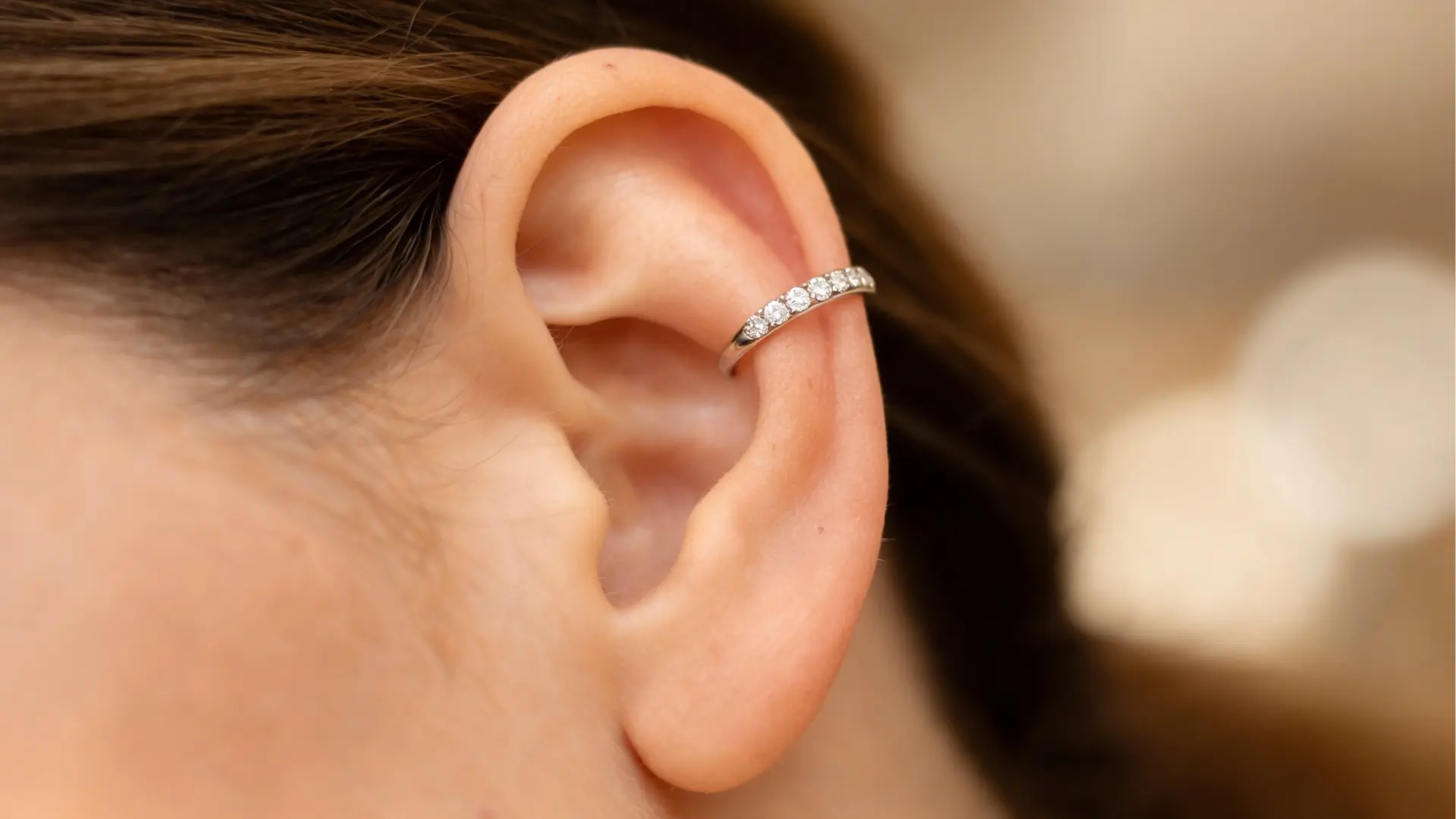
An outer conch piercing offers excellent versatility, as it can accommodate both elegant studs and statement hoops, depending on your style preference.
Many people begin with simple jewelry before transitioning to a larger hoop that frames the ear beautifully.
It pairs well with helix, tragus, and lobe piercings to create a balanced arrangement.
Whether your style is minimalist or bold, this piercing easily adapts while adding depth and dimension to your overall ear jewelry collection.
10. Tragus Piercing
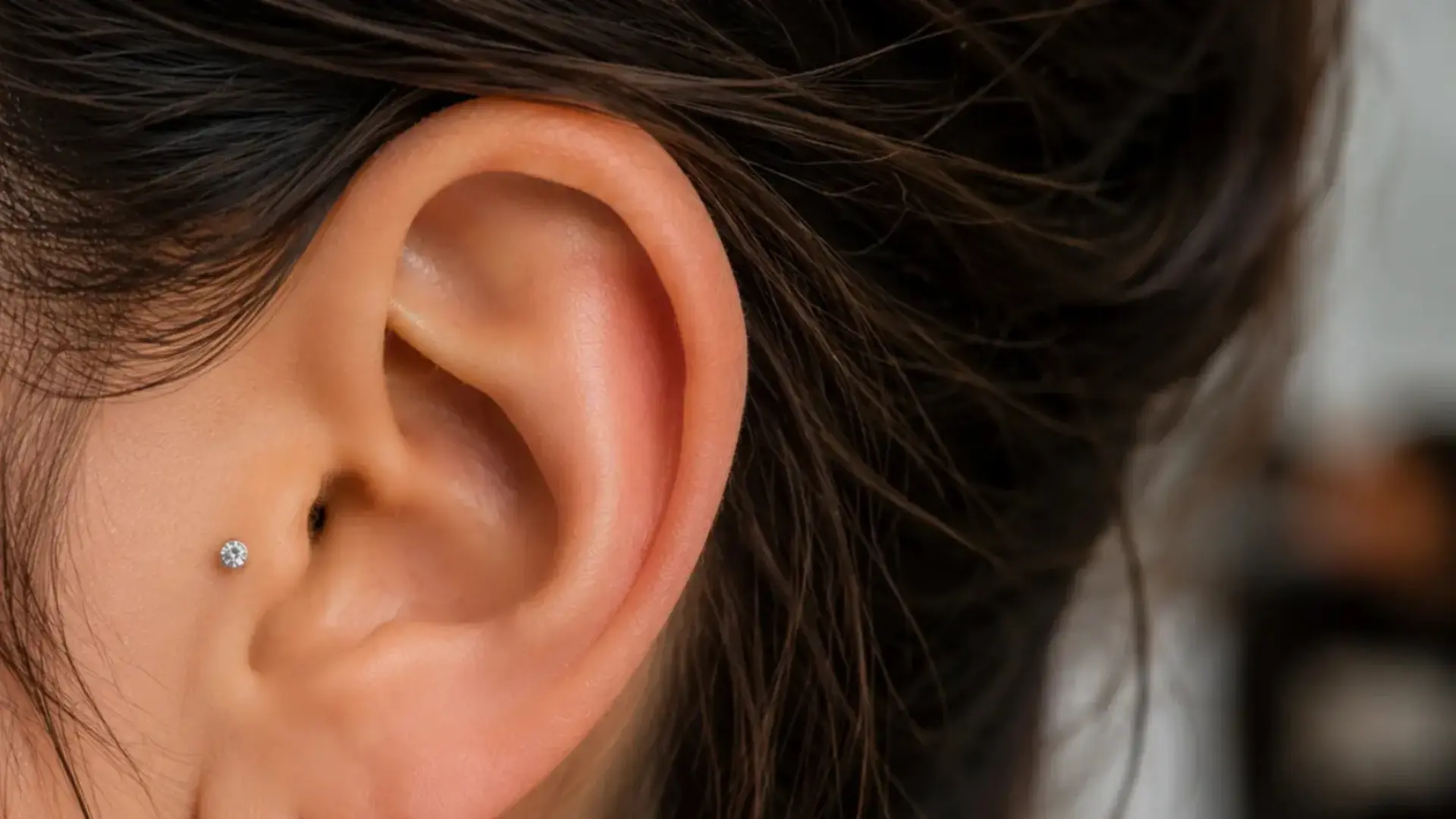
A tragus piercing has become increasingly popular because it adds a subtle yet distinctive touch to the ear.
Tiny gemstone studs, diamond studs, or minimalist metal jewelry create an elegant look that is suitable for everyday wear.
Despite its small size, it draws attention for its unique location and refined look.
It blends well with both casual and professional styles, making it an excellent option for anyone seeking a fashionable piercing that doesn’t feel overly dramatic.
11. Anti-Tragus Piercing
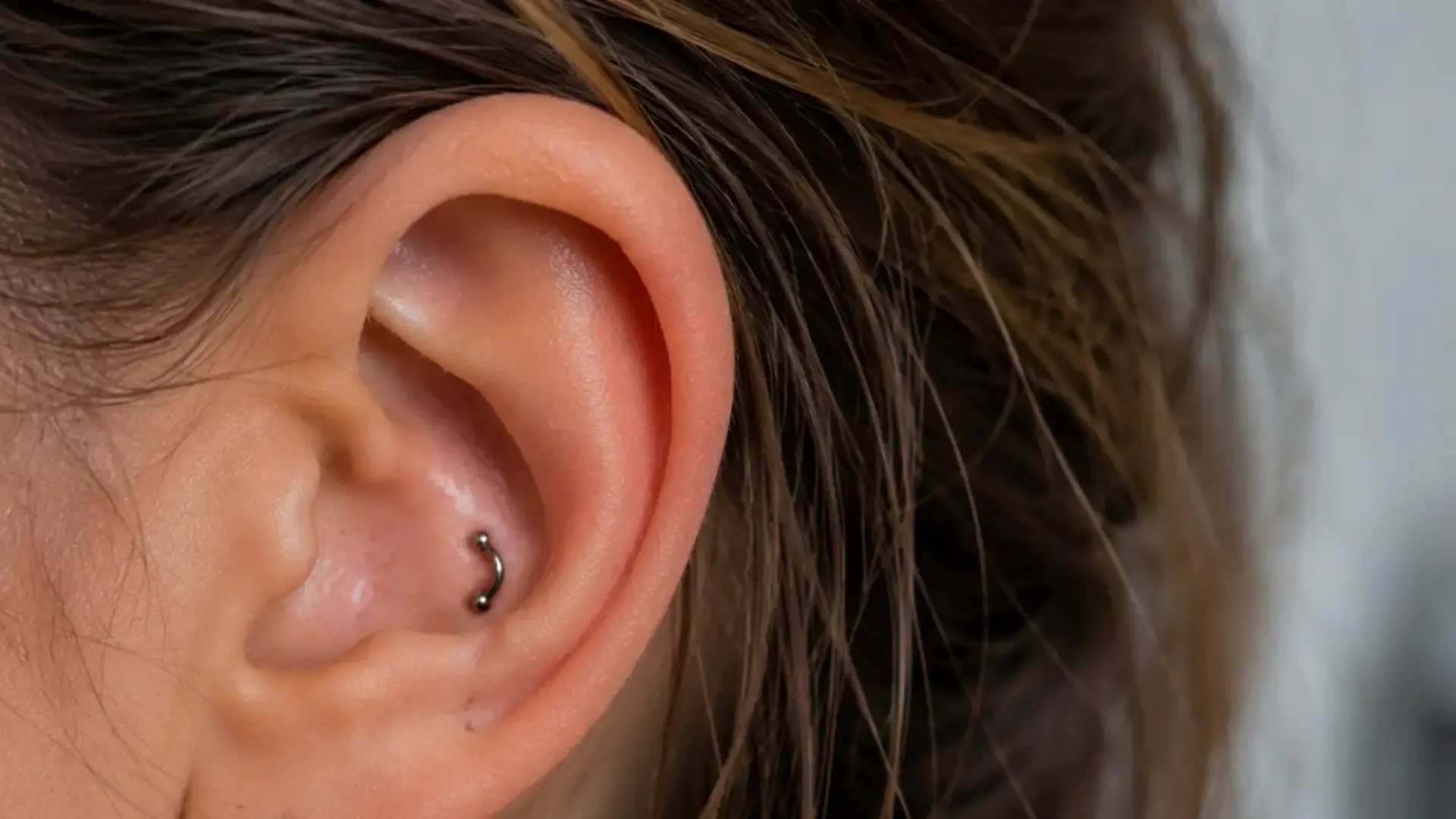
An anti-tragus piercing is a less common choice that appeals to those seeking something distinctive.
Its unique appearance makes it stand out even with simple jewelry such as curved barbells or small hoops.
Because fewer people choose this style, it often results in a personalized, creative ear design.
It pairs well with nearby piercings to build a balanced, curated look while maintaining its own individuality, making it popular among experienced piercing enthusiasts seeking something different.
12. Daith Piercing
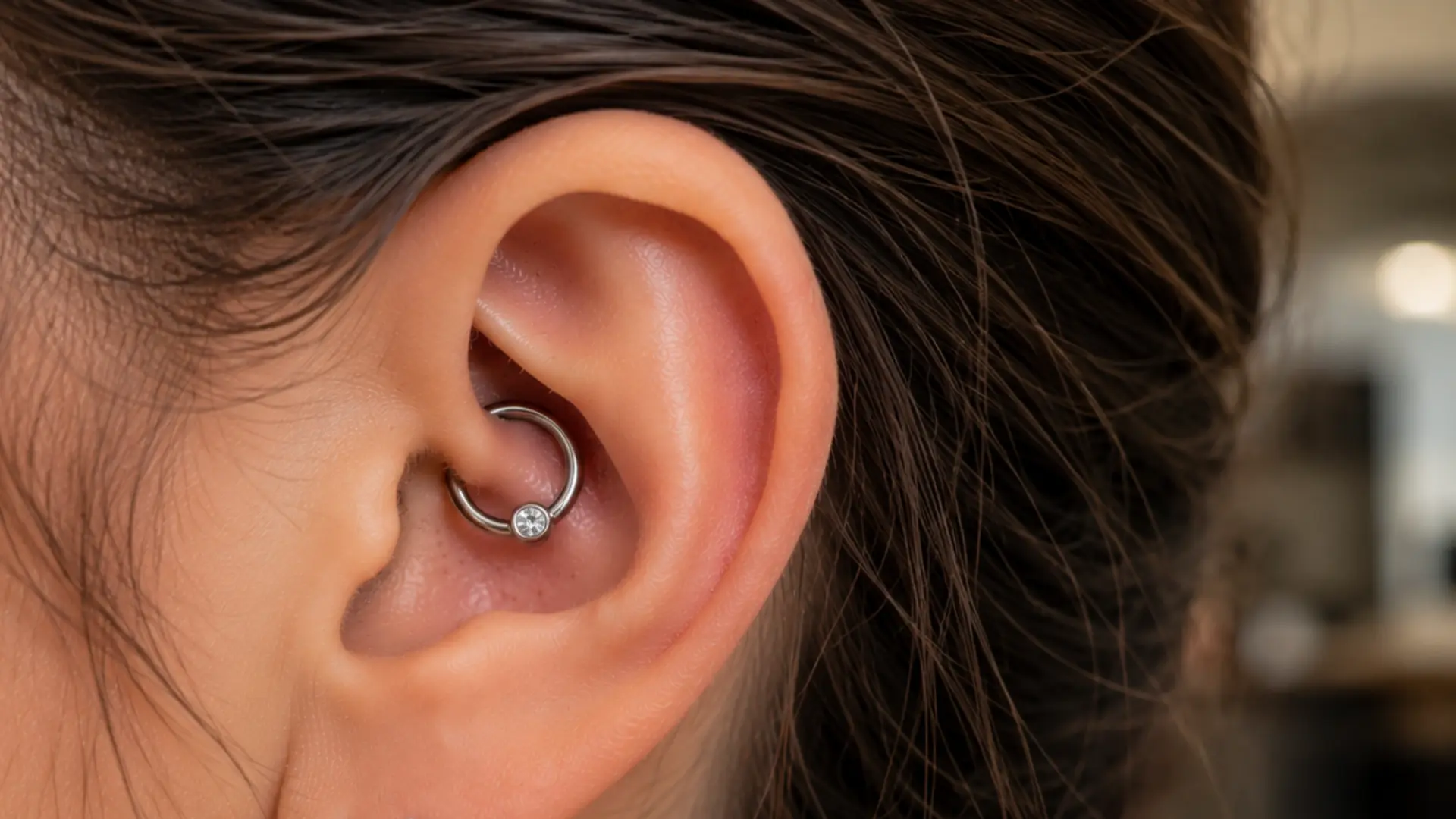
A daith piercing is admired for its intricate appearance and decorative jewelry options.
Captive bead rings, gemstone clickers, and ornamental designs beautifully highlight its distinctive look.
Many people are drawn to this piercing for its stylish aesthetic, while others have heard claims of migraine relief.
However, there is currently no strong scientific evidence supporting those claims. Most people ultimately choose a daith piercing for its unique jewelry possibilities and eye-catching contribution to a curated ear.
13. Rook Piercing
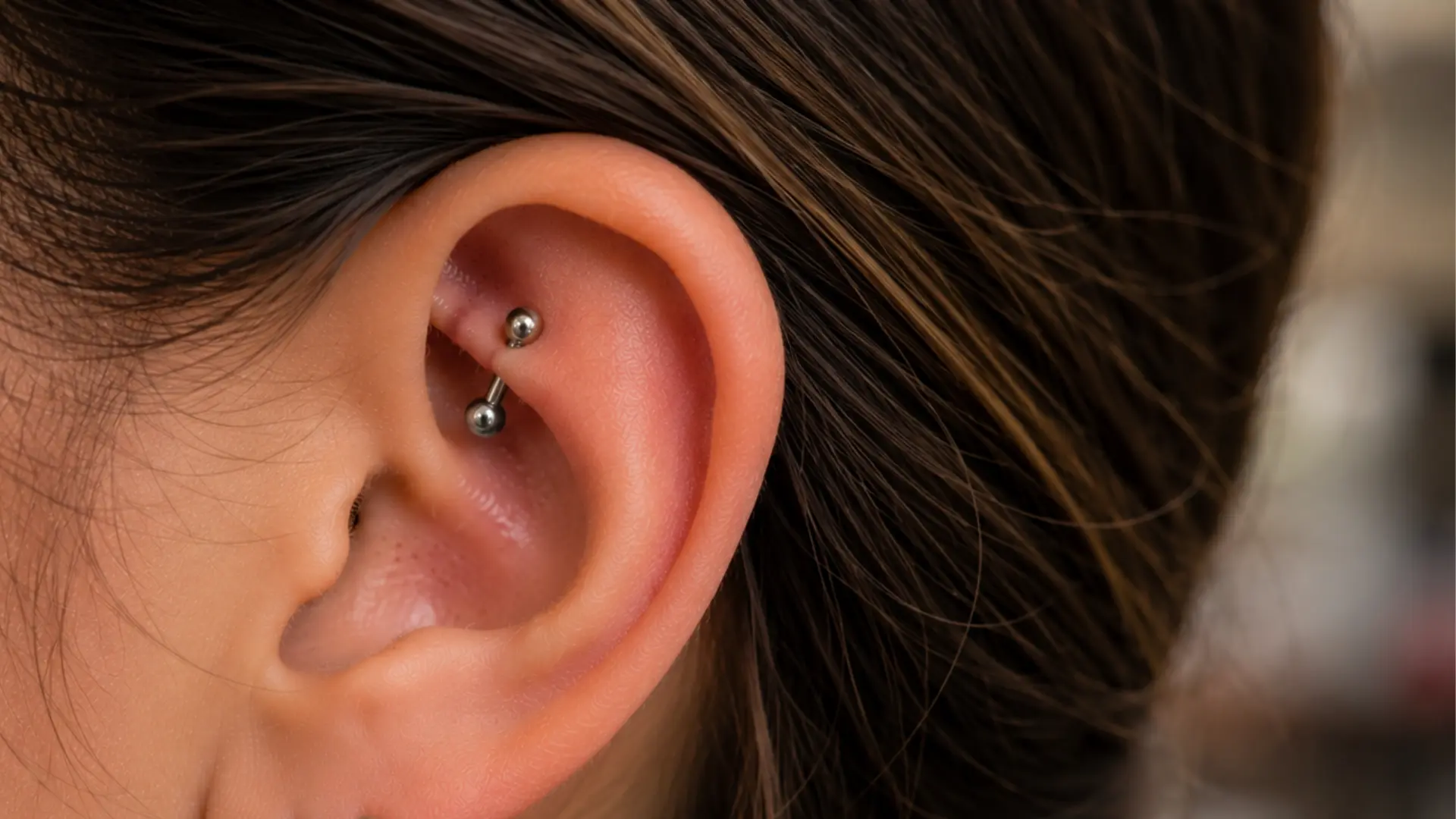
A rook piercing creates a striking layered appearance that naturally enhances an ear stack.
Curved barbells featuring gemstones, decorative ends, or minimalist finishes help emphasize its elegant shape.
Because it is less common than many other ear piercings, it often gives the overall look a more customized feel.
It pairs beautifully with daith, helix, and conch jewelry, allowing you to create a stylish combination that feels balanced, modern, and visually interesting from multiple viewing angles.
14. Snug Piercing
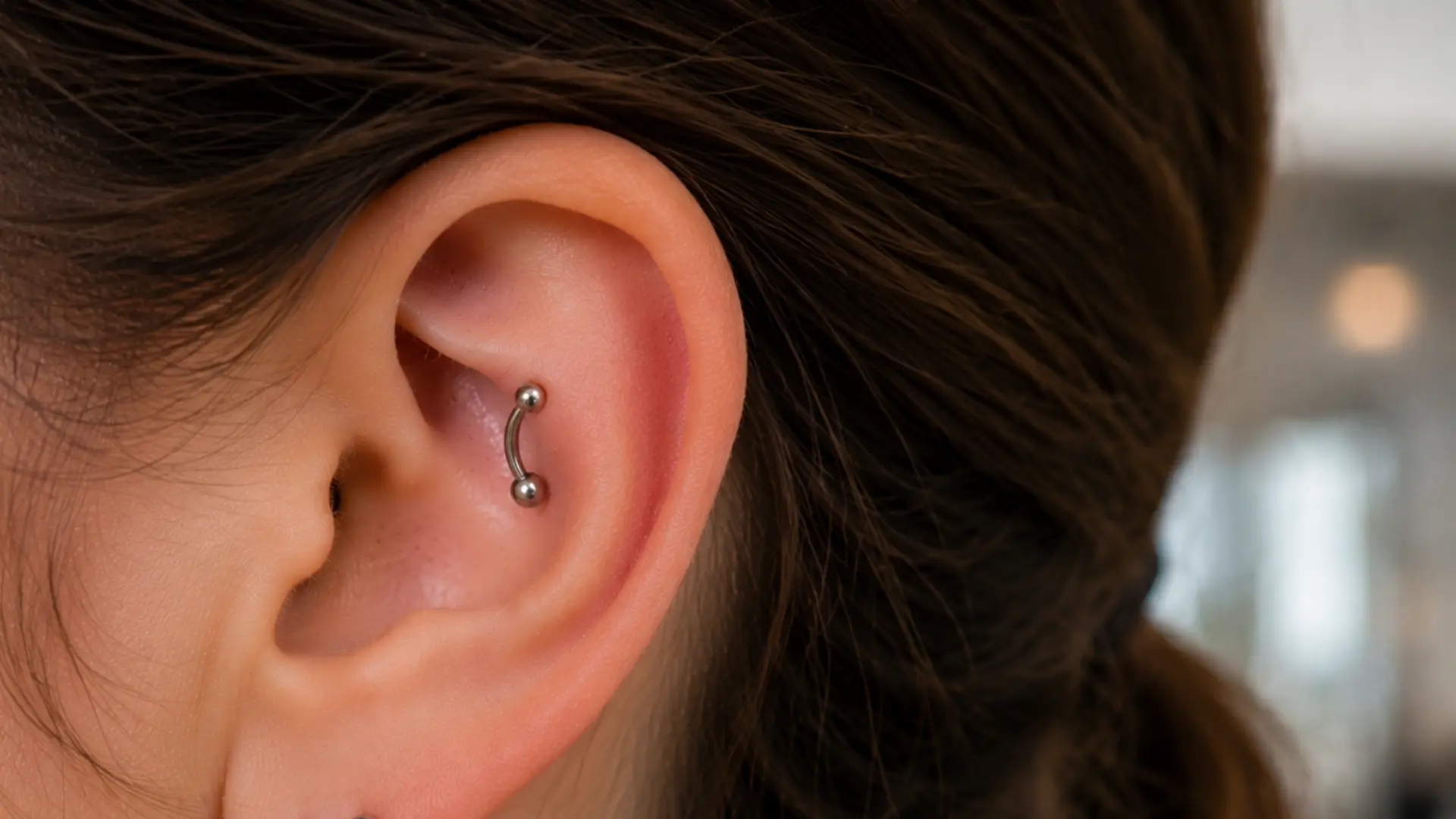
A snug piercing is a bold choice for those who enjoy statement ear jewelry.
Its distinctive appearance makes it instantly recognizable, especially when paired with stylish curved barbells featuring gemstones or polished metal finishes.
Because it is less frequently chosen, it adds individuality to a curated collection of ear piercings.
Many experienced piercing enthusiasts appreciate how it complements surrounding jewelry while maintaining its own unique identity, creating a fashionable look that stands apart from more traditional ear piercing arrangements.
15. Anti-Helix Piercing
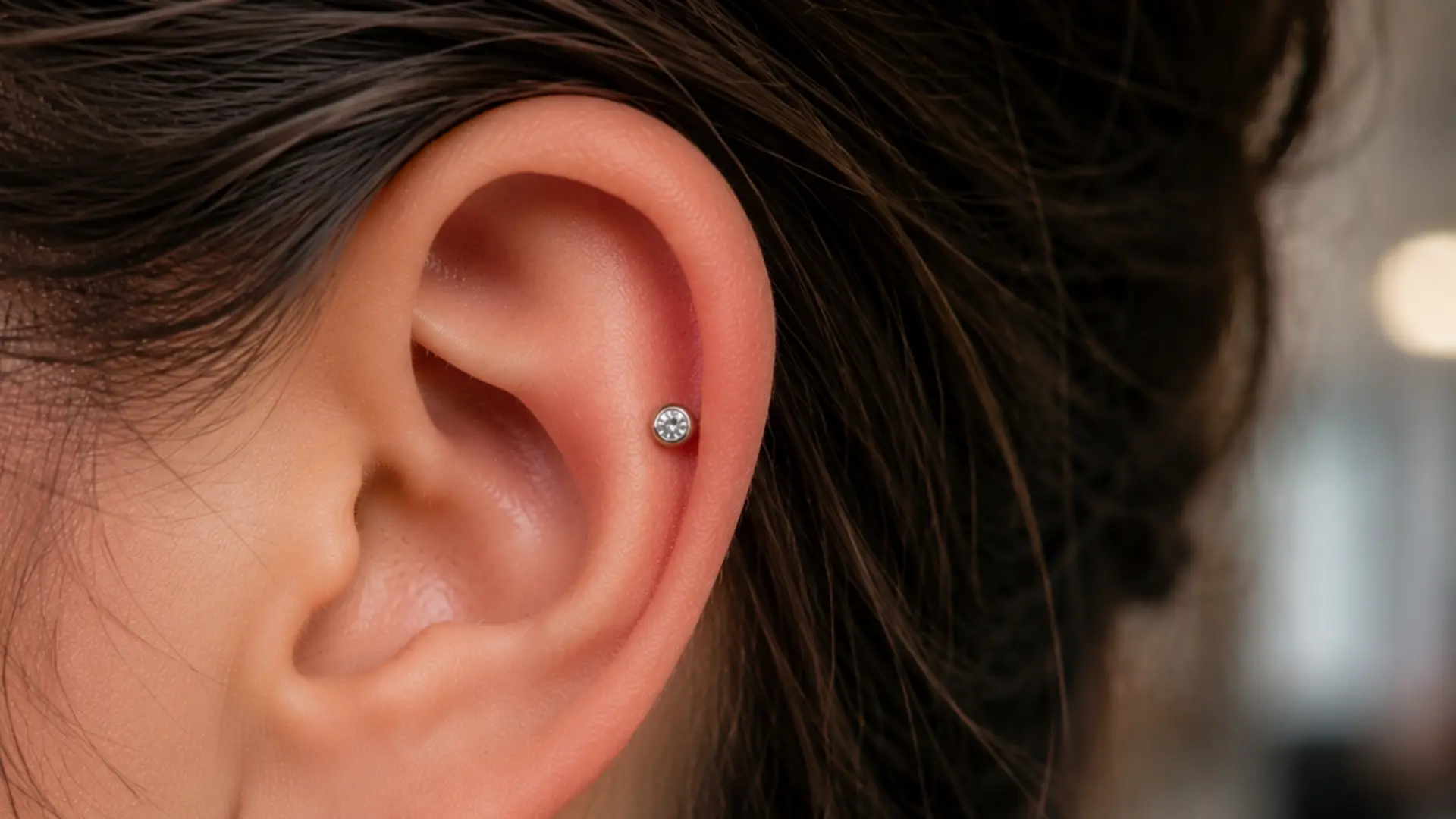
An anti-helix piercing introduces additional depth and structure to an ear styling arrangement.
Depending on your preference, it can appear subtle with a minimalist stud or more decorative with a curved barbell featuring gemstones.
This versatility makes it suitable for both understated and expressive jewelry styles.
It combines particularly well with nearby piercings to create a layered aesthetic while still maintaining enough individuality to stand out as an attractive feature within a complete ear stack.
16. Orbital Piercing
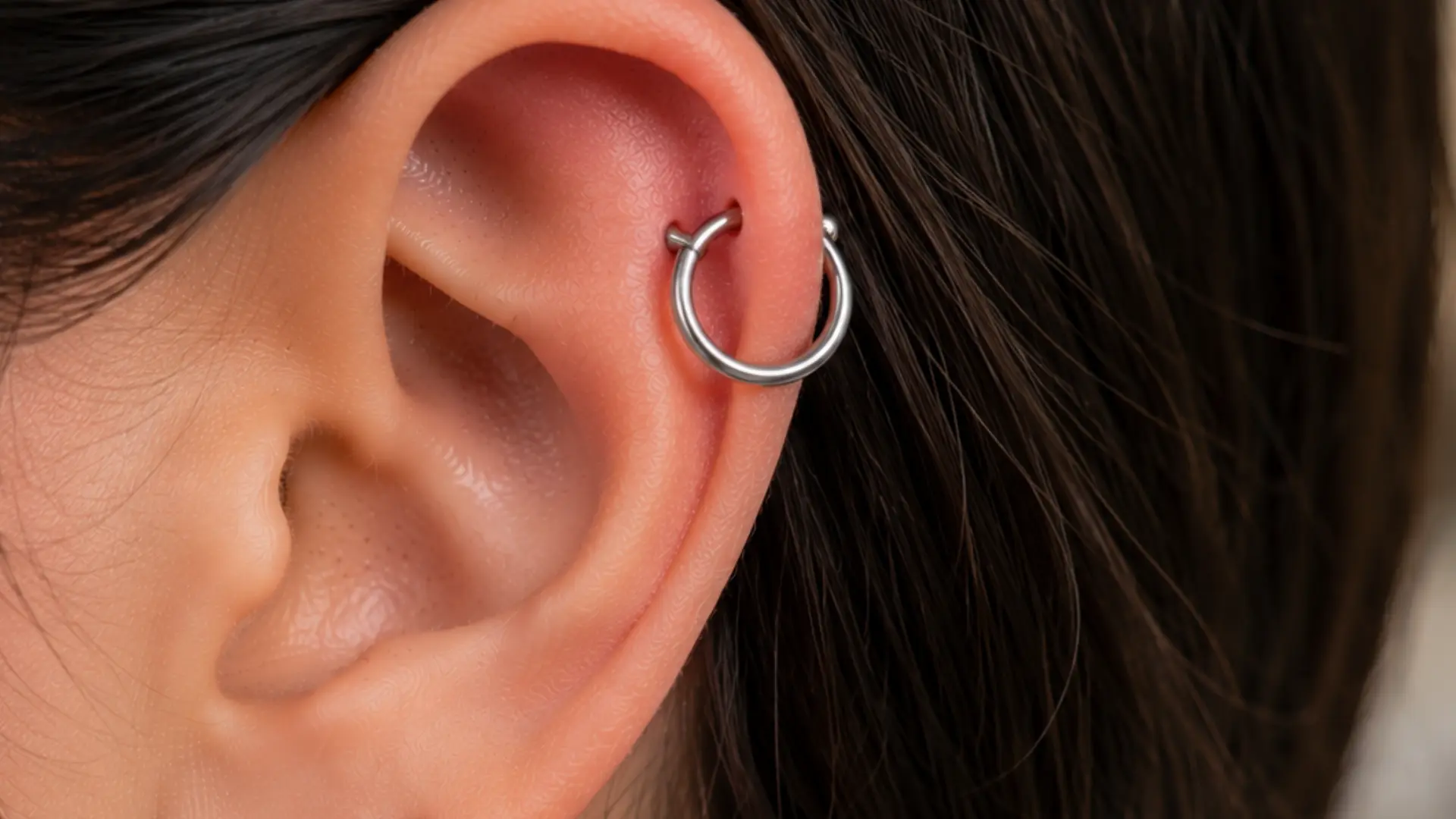
An orbital piercing creates a dramatic visual effect because a single ring connects two separate piercing points.
This continuous jewelry design gives the ear a modern, artistic appearance that differs from traditional earring styles.
Captive bead rings and seamless hoops are popular choices for achieving a clean finish.
If you like the idea of jewelry that stays put without fuss, the same appeal shows up in the permanent jewelry trend, just on the wrist or neck instead of the ear.
17. Industrial Piercing
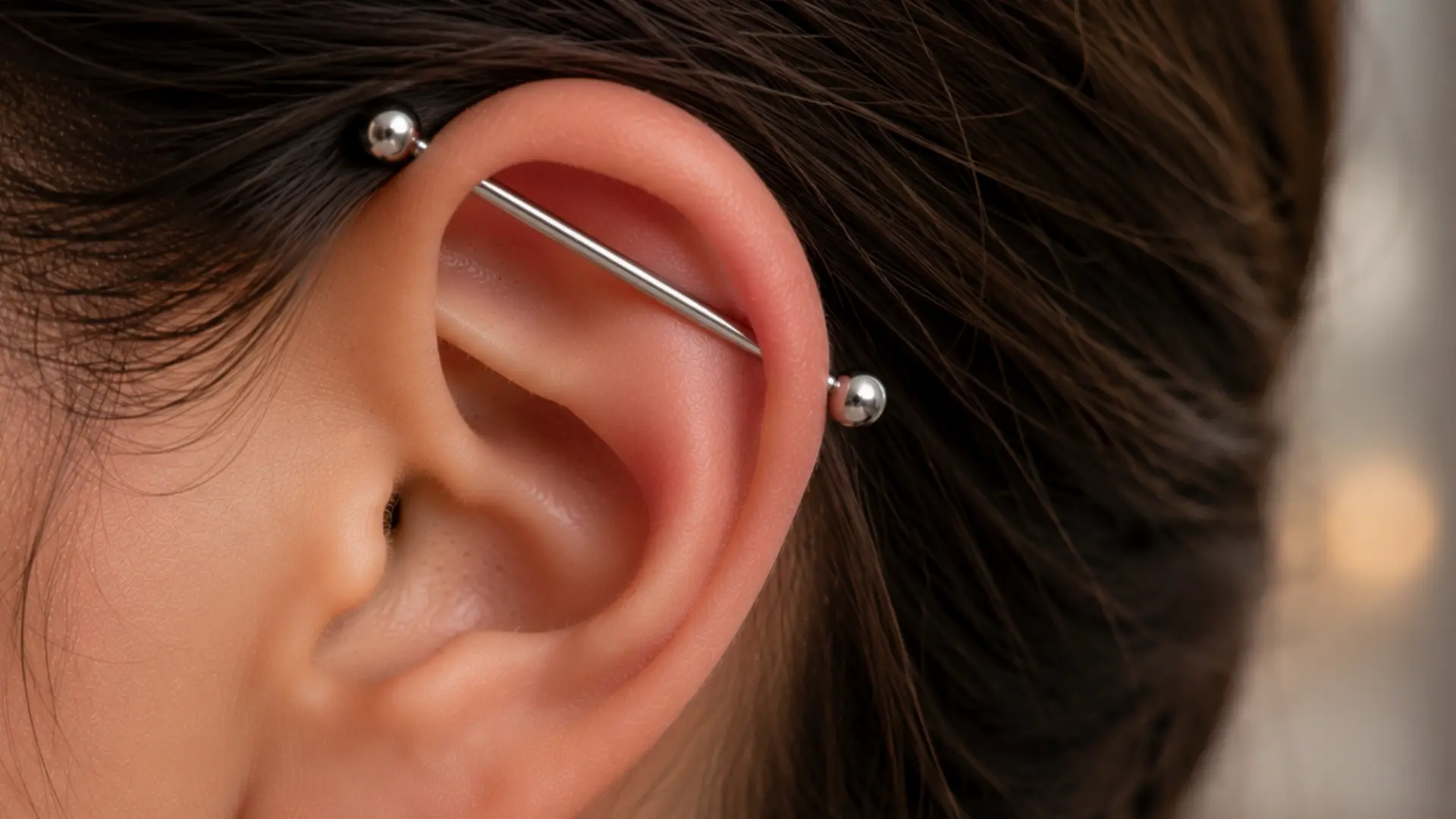
An industrial piercing is one of the most recognizable statement ear piercings because of its signature long barbell connecting two separate piercings.
It suits people who enjoy bold, edgy fashion and want their jewelry to become a central feature of their look.
Straight barbells are available in countless designs, including polished metals, colorful finishes, engraved patterns, and decorative ends.
This piercing often serves as the highlight of an entire curated ear arrangement with its striking appearance.
18. Auricle Piercing
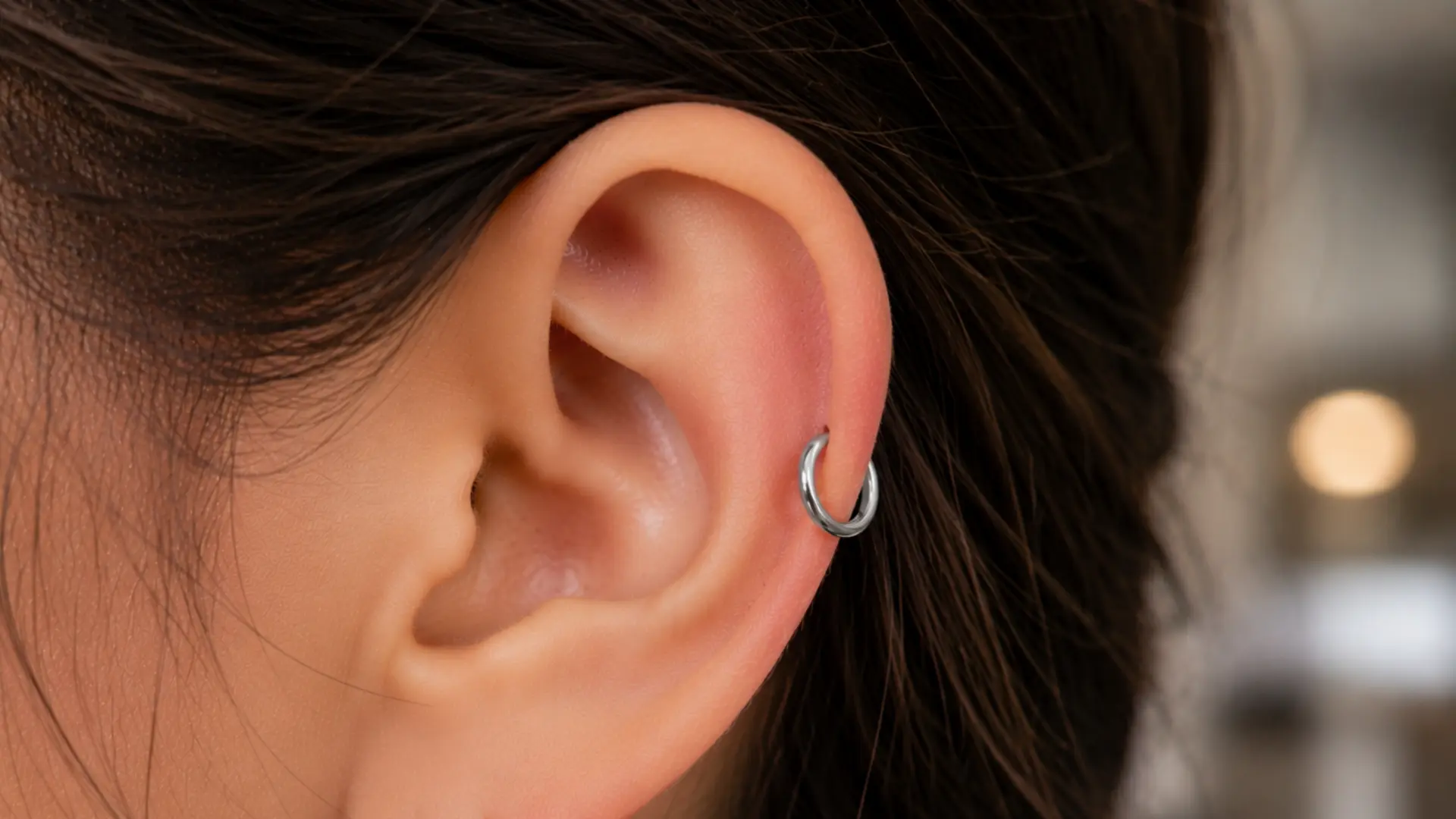
An auricle piercing offers a versatile balance between subtle and stylish, making it suitable for a wide range of jewelry preferences.
Small studs create a refined everyday appearance, while hoops provide a slightly bolder finish without dominating the overall look.
It pairs effortlessly with nearby helix and lobe piercings, helping create a cohesive ear stack.
Because of its flexibility, it appeals to both first-time cartilage jewelry enthusiasts and those expanding an already well-developed collection of ear piercings.
19. High Helix Piercing
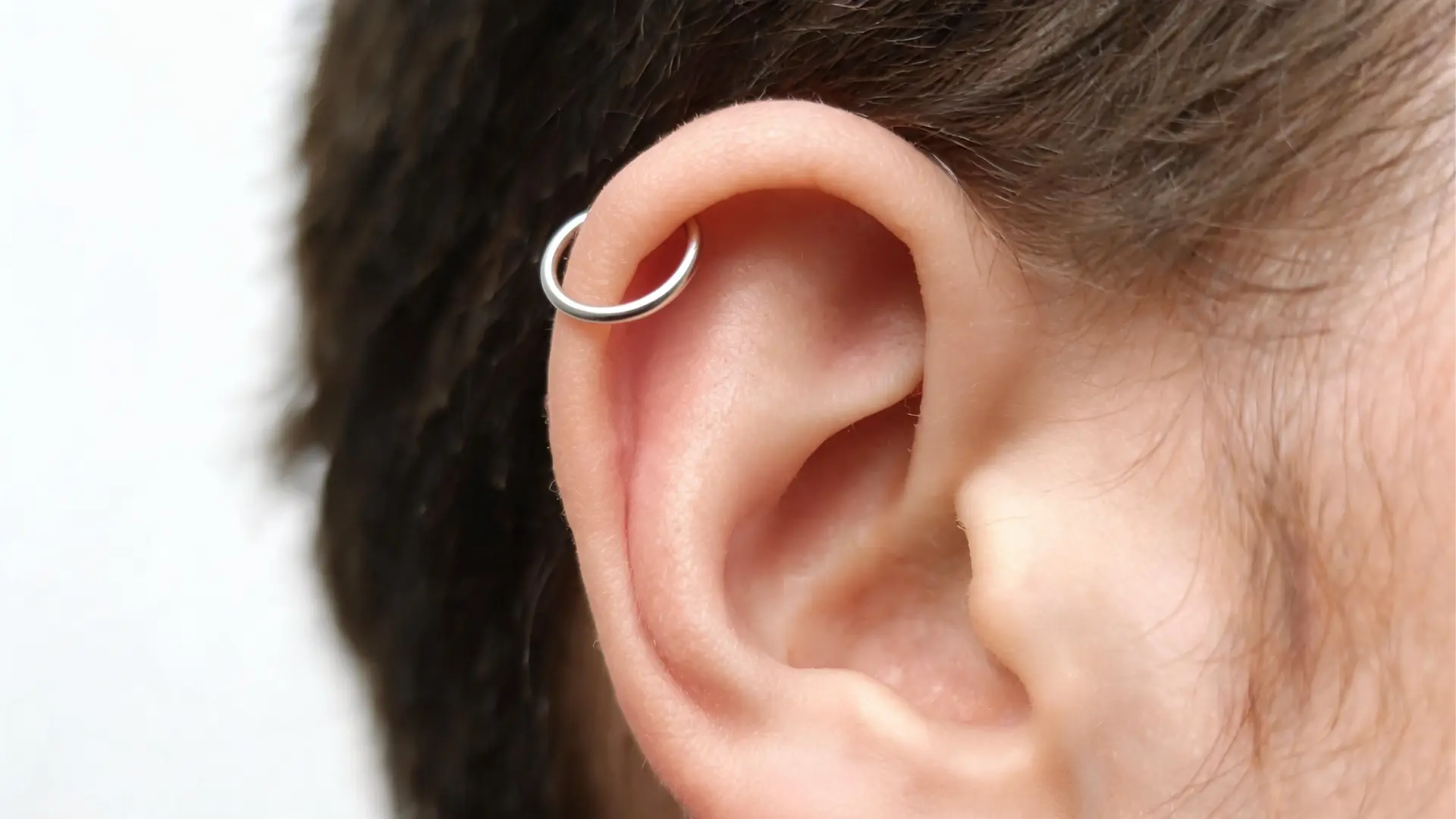
A high helix piercing creates an elegant finishing touch near the top of the ear, making it ideal for curated ear styling.
Tiny studs, delicate hoops, or sparkling gemstone jewelry work particularly well in this position, adding subtle detail without overpowering other piercings.
Many people combine multiple high-helix piercings for a stacked look that feels modern and sophisticated.
It complements both minimalist jewelry collections and more elaborate ear designs with equal versatility and visual appeal.
Ear Piercings Chart at a Glance
Use this ear piercings chart to quickly compare popular placements, typical pain levels, piercing locations, and estimated healing times.
| Ear Piercing | Placement | Cartilage or Lobe | Pain (1-10) | Healing Time |
|---|---|---|---|---|
| Standard Lobe | Bottom fleshy part | Lobe | 2 | 6-8 weeks |
| Upper Lobe | Above the first lobe piercing | Lobe | 3 | 6-10 weeks |
| Transverse Lobe | Horizontal through lobe | Lobe | 4 | 2-4 months |
| Helix | Outer upper rim | Cartilage | 4 | 6-9 months |
| Forward Helix | Front upper rim | Cartilage | 5 | 6-9 months |
| Flat | Flat cartilage area | Cartilage | 4 | 6-9 months |
| Conch | Inner bowl of the ear | Cartilage | 5 | 6-12 months |
| Inner Conch | Center bowl | Cartilage | 5 | 6-12 months |
| Outer Conch | Outer bowl | Cartilage | 5 | 6-12 months |
| Tragus | Small flap by the ear canal | Cartilage | 5 | 6-12 months |
| Anti-Tragus | Opposite tragus | Cartilage | 6 | 9-12 months |
| Daith | Fold above the ear canal | Cartilage | 6 | 6-12 months |
| Rook | Upper inner ridge | Cartilage | 6 | 6-12 months |
| Snug | Inner ridge above anti-tragus | Cartilage | 7 | 9-12 months |
| Anti-Helix | Inner curved ridge | Cartilage | 6 | 6-12 months |
| Orbital | Two holes joined by one ring | Lobe/Cartilage | 5 | 6-12 months |
| Industrial | Two helix piercings joined by one bar | Cartilage | 8 | 9-12 months |
| Auricle | Mid outer ear | Cartilage | 4 | 6-9 months |
| High Helix | Very top outer rim | Cartilage | 5 | 6-9 months |
Note: Pain and healing times vary depending on your anatomy, piercing technique, jewelry quality, and aftercare.
Most and Least Painful Ear Piercings
Piercing pain varies by person and placement, but areas with thicker cartilage generally tend to feel more intense than softer tissue.
Most Painful Ear Piercings:
The industrial, snug, daith, rook, and anti-tragus piercings are often considered more painful because they pass through thicker areas of cartilage.
The initial sensation may feel like a sharp pinch followed by pressure, while tenderness and swelling can occur afterward.
Least Painful Ear Piercings:
The standard and upper lobe piercings are typically among the easier placements to tolerate because they pass through soft tissue rather than cartilage.
Helix, flat, and auricle piercings may feel sharper because they involve cartilage, but some people still find them manageable.
Pain ratings are subjective, so your experience can differ based on your anatomy, pain tolerance, piercing technique, and placement
Ear Piercing Healing Times Compared
Healing time varies depending on the location of the piercing. Piercings through the soft earlobe usually heal much faster than cartilage piercings because cartilage receives less blood flow, making the recovery process longer.
| Healing Speed | Ear Piercings |
|---|---|
| Fast (6–10 weeks) | Standard Lobe, Upper Lobe |
| Moderate (2–6 months) | Transverse Lobe |
| Slow (6–9 months) | Helix, Forward Helix, Flat, Auricle, High Helix |
| Long (6–12 months) | Conch, Tragus, Daith, Rook, Orbital, Anti-Helix |
| Longest (9–12 months) | Snug, Industrial, Anti-Tragus |
Keep in mind that these are average healing times. Following proper aftercare, avoiding unnecessary pressure on the piercing, and choosing an experienced piercer can help your piercing heal as smoothly as possible.
How to Choose the Right Ear Piercing?
The right ear piercing is the one that fits your anatomy, pain tolerance, lifestyle, and personal style. While some piercings heal quickly and are beginner-friendly, others require more patience and aftercare.
Before deciding, think about how much maintenance you’re comfortable with, whether you wear headphones often, and the type of jewelry you want to wear.
- Lobe or upper lobe: The best choice for first-time piercings because they are less painful, heal relatively quickly, and work with almost any jewelry style.
- Helix or flat: Perfect if you want a subtle cartilage piercing that adds personality while remaining easy to style with other earrings.
- Conch or tragus: A great balance between classic and modern, offering a distinctive look without being as dramatic as multiple cartilage piercings.
- Industrial or snug: Ideal for those who want a bold statement. These piercings usually involve more discomfort and have a longer healing period, so consistent aftercare is essential.
Taking the time to choose a piercing that suits both your style and daily routine will make the healing process easier and help you enjoy your new piercing for years to come.
Disclaimer: Remember that not every piercing is suitable for every ear shape, so a professional piercer can help you choose the safest and most flattering option.
Ear Piercing Aftercare Tips
Proper aftercare helps reduce irritation and supports healthy healing; the Association of Professional Piercers offers detailed standards that every piercer should follow.
- Clean the piercing twice daily with sterile saline solution.
- Wash your hands before touching the jewelry.
- Avoid twisting or rotating the jewelry.
- Sleep on the opposite side or use a travel pillow.
- Keep hair products, makeup, and perfume away from the piercing.
- Avoid swimming until the piercing has healed.
- Leave the original jewelry in place until the recommended healing period is complete.
Following these simple aftercare steps can help your piercing heal properly and reduce the risk of irritation, infection, and unnecessary delays. If you do notice a bump forming, it helps to know the difference between a piercing bump and a keloid before deciding how to treat it.
Conclusion
After working with skin for years, one thing I never rush is healing. A piercing may take only seconds to create, but your body does the real work afterward. Give it time, follow your piercer’s aftercare instructions, and pay attention when something feels different from normal healing.
I also wouldn’t choose a piercing simply because it looks good in a photo. Take inspiration with you, but let a skilled professional piercer tell you what realistically works for your ear.
My approach is simple: choose thoughtfully, care for it patiently, and don’t push through problems just for the look.
Which piercing are you considering next? Share it in the comments.
Frequently Asked Questions
Which Ear Piercing Heals the Fastest?
Standard lobe piercings usually heal the fastest, often within 6 to 8 weeks. Upper lobe piercings follow closely behind.
Which Ear Piercing Hurts the Most?
Industrial and snug piercings are generally considered the most painful because they pass through thick cartilage and require longer healing.
Can I Get Multiple Ear Piercings at once?
Yes. Many people safely get two or three piercings in one session, but healing multiple cartilage piercings at the same time may increase swelling and extend recovery.
What is the Easiest Cartilage Piercing to Heal?
A helix or flat piercing is often easier to heal than thicker cartilage piercings like the snug, industrial, or rook, provided you follow proper aftercare.