Do you open your closet every morning and still feel unsure what to wear? Style Personalities help you understand the patterns behind your favorite outfits and create a wardrobe that feels more intentional, rather than relying on every new trend.
Style archetypes group clothing choices around a personality type, so your closet starts to make sense.
You will find the main style archetypes here, along with the feminine archetypes many women use to shape a personal look.
For each type, you will find core values, key pieces, a color palette, and a simple outfit idea you can copy right away. By the end, you will know which style archetype fits your life and the way you already like to dress.
What is a Style Archetype?
A style archetype is a fashion framework that groups clothing choices, colors, and silhouettes around a specific aesthetic or personal preference.
It groups pieces, colors, and shapes that align with a set of core values, such as comfort, boldness, or polish, rather than describing a single item or a passing trend.
Instead of chasing every trend, a style archetype gives you a steady base built around your core style tendencies. You choose pieces that align with your values and skip items that don’t suit your look, so your wardrobe becomes a more cohesive collection.
This link between clothing and identity is a real, studied pattern, not just a marketing idea. Research on the Big Five personality traits shows that people high in openness often pick bold, original clothing, while people who value order tend to prefer clean, structured pieces. Your clothes are not just fabric. They send a signal about who you are.
Which Style Archetype Fits Your Lifestyle?
Your daily routine plays a bigger part in your style archetype than most people expect. Use this table as a starting point.
| Lifestyle | Likely Style Archetype |
|---|---|
| Office-based job with client meetings | Classic |
| Remote work, low dress-up need | Minimalist or Natural |
| Creative field, art, or design | Dramatic |
| Parent with an active daily schedule | Natural |
| Frequent social events or nights out | Dramatic or Romantic |
| Student or early career | Romantic or Minimalist |
Lifestyle is a helpful starting point, but personality plays a role too. Ask yourself:
- Do I prefer fitted or relaxed silhouettes?
- Do I like simple outfits or statement pieces?
- Do I reach for soft fabrics or structured clothing?
- Do I prefer neutral colors or bold shades?
Your answers can point you toward a style archetype even if it does not match the usual pick for your daily routine.
| Tip: If two archetypes feel equally likely, look at your most-worn colors first. That single detail usually breaks the tie faster than comparing full outfits. |
Main Style Archetypes and their Looks
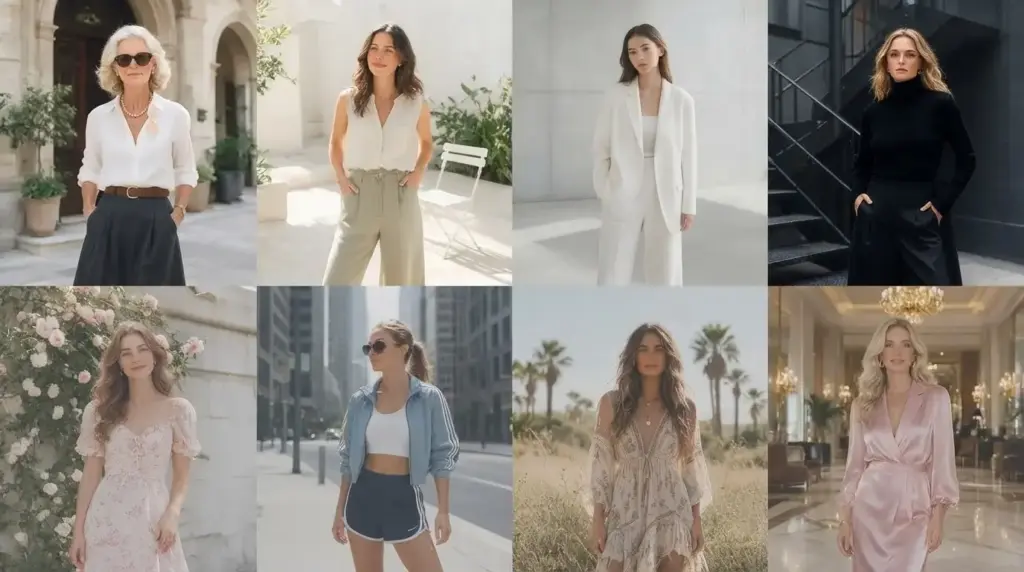
Five style archetypes cover most of the ways people group their closets. Each one comes with its core style, key pieces, color palette, a way to recognize it in yourself, and an outfit idea you can copy.
1. Classic Style Archetype
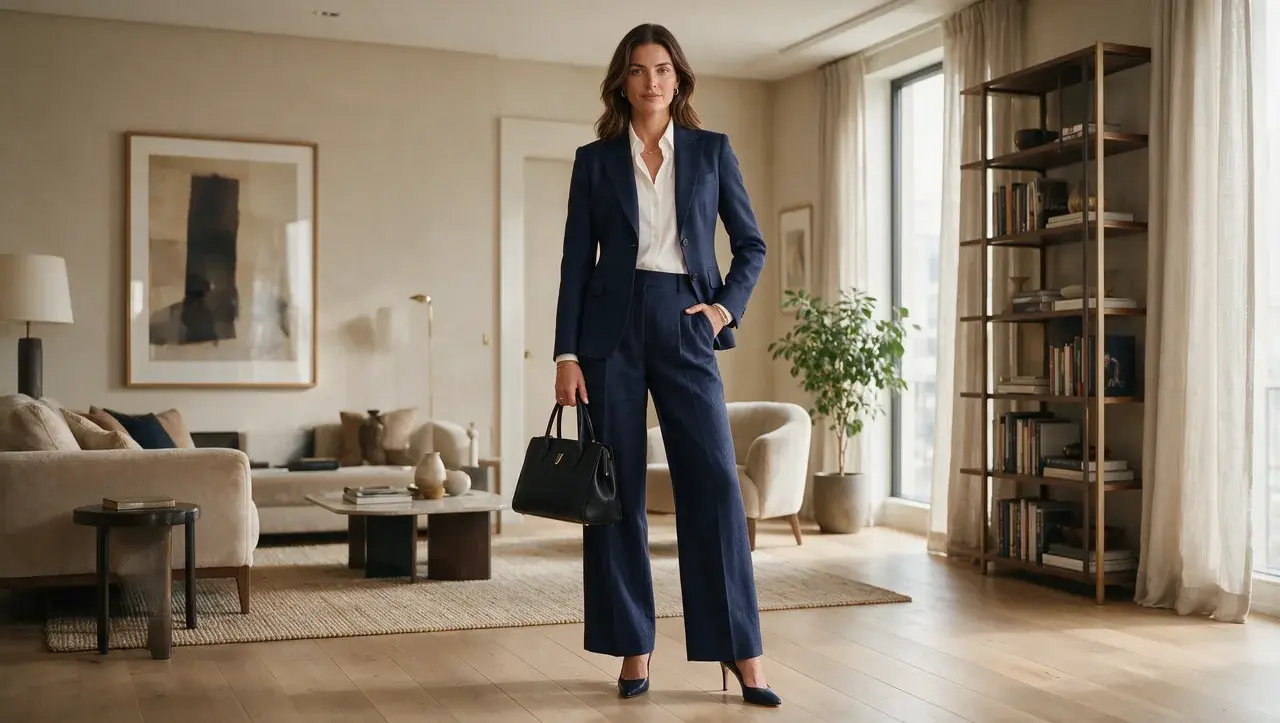
The classic style leans on tradition and quality over anything trend-driven, and it tends to age well in a closet for years. At its core, this archetype is polished, timeless, and structured, built around clean silhouettes rather than anything experimental.
This look works well in settings where you want to come across as capable and put-together without saying a word, and it flatters classic Kibbe silhouettes especially well. You will likely recognize yourself in this archetype if you prefer clean lines and pieces that look refined without following whatever is popular that season.
- Colors: Navy, black, beige, white
- Outfit idea: A navy blazer with a white button-down shirt, straight-leg trousers, loafers, and a structured handbag.
2. Minimalist Style Archetype

Minimalist style strips an outfit down to only what earns its place, favoring quality over quantity in every category.
At its core, this archetype is simple, refined, and quietly confident, built around a small, edited closet rather than a crowded one.
A few well-made basics carry this archetype further than a closet full of trend pieces ever could. You will likely recognize yourself here if you prefer calm outfits over bold prints or logos, and would rather own fewer pieces you truly reach for.
- Colors: Tonal or monochrome shades
- Outfit idea: A plain tee tucked into straight-leg trousers in the same tone, finished with pointed flats and one thin gold necklace.
3. Natural Style Archetype
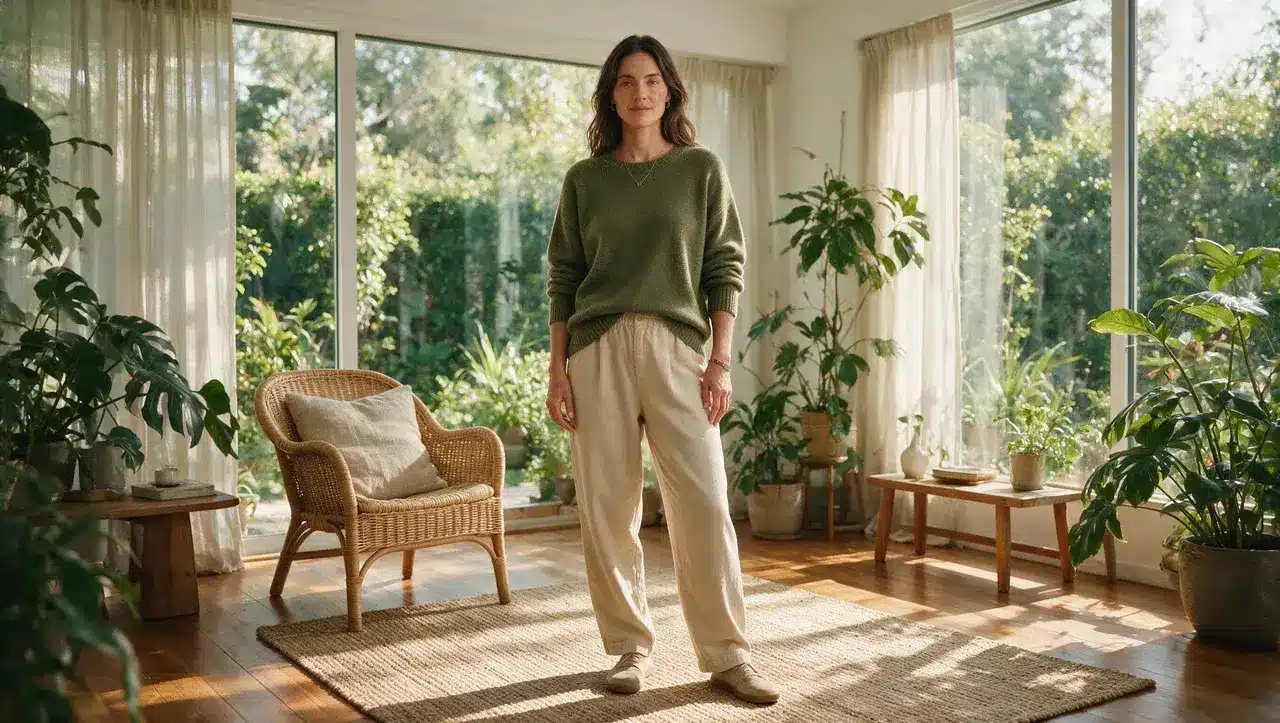
Natural style favors comfort and ease over anything fussy, and it tends to feel effortless from morning to night. At its core, this archetype is comfortable, easy, and low-effort, built around soft fabrics rather than anything stiff or structured.
This archetype rewards good-quality basics in breathable fabrics over overly structured pieces. You will likely recognize yourself here if you reach for soft, comfortable pieces and outfits that need little effort each morning.
- Colors: Olive, brown, tan, soft blue
- Outfit idea: A soft olive knit sweater over relaxed denim jeans, paired with suede flats and a canvas tote.
4. Romantic Style Archetype
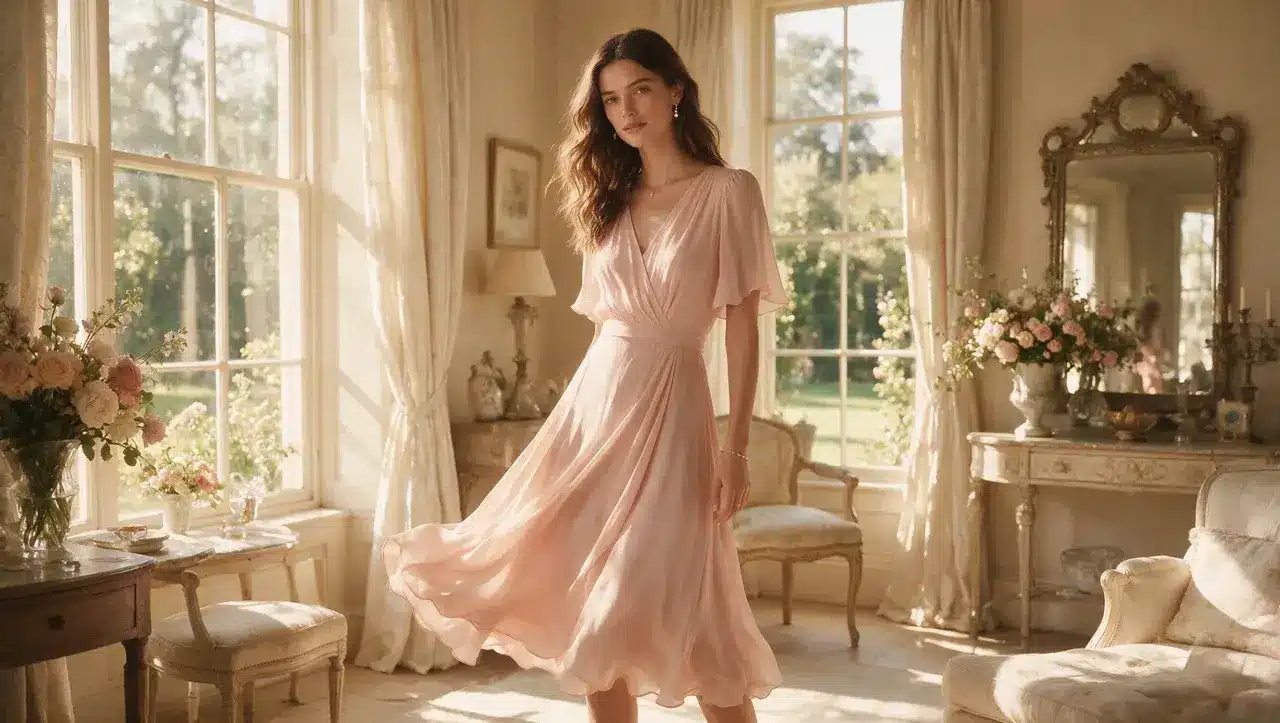
Romantic style leans into softness and gentle details, often drawing on vintage or feminine references. At its core, this archetype is soft, feminine, and a little nostalgic, built around gentle fabrics rather than anything sharp or severe.
Small details like lace trim or a thin necklace tend to do more work here than one bold accessory would. You will likely recognize yourself here if you naturally lean toward soft fabrics, florals, and a gentle, vintage feel.
- Colors: Dusty rose, powder blue, soft pink, florals
- Outfit idea: A flowy dusty-rose midi dress with a lace-trim cardigan, ballet flats, and a thin pendant necklace.
5. Dramatic Style Archetype
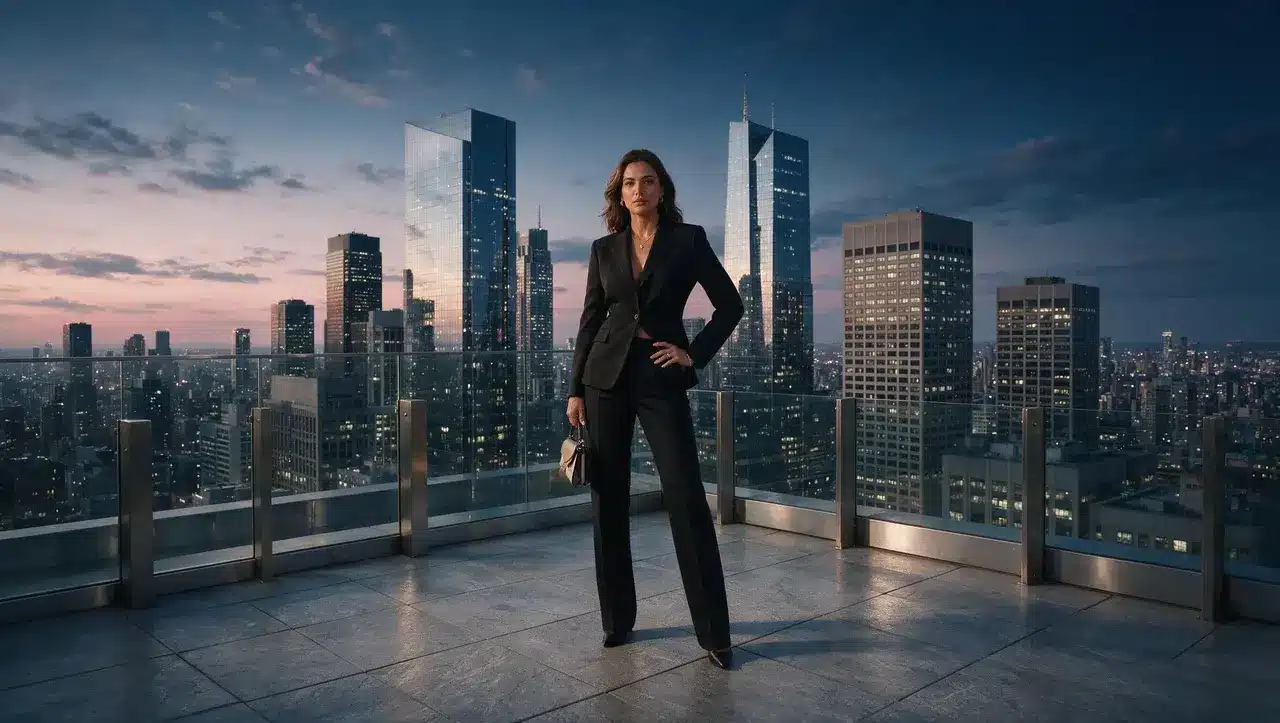
Dramatic style is built to be noticed, using sharp shapes and high contrast rather than blending into a crowd. At its core, this archetype is bold, striking, and built to stand out, favoring strong lines over anything soft or muted.
One statement piece is usually enough to carry this look, so the rest of the outfit can stay simple, a trick that suits bold Kibbe proportions particularly well. You will likely recognize yourself here if you like outfits that stand out, with sharp lines and one bold detail leading the way.
- Colors: Black and white, deep red, dark metallics
- Outfit idea: A structured black jumpsuit with a leather jacket, combat boots, and one oversized cuff bracelet.
These five archetypes are starting points, not strict boxes. Most people see themselves clearly in one and notice smaller traces of another, and that combination is what makes a wardrobe feel personal rather than copied from a chart.
The 7 Feminine Archetypes
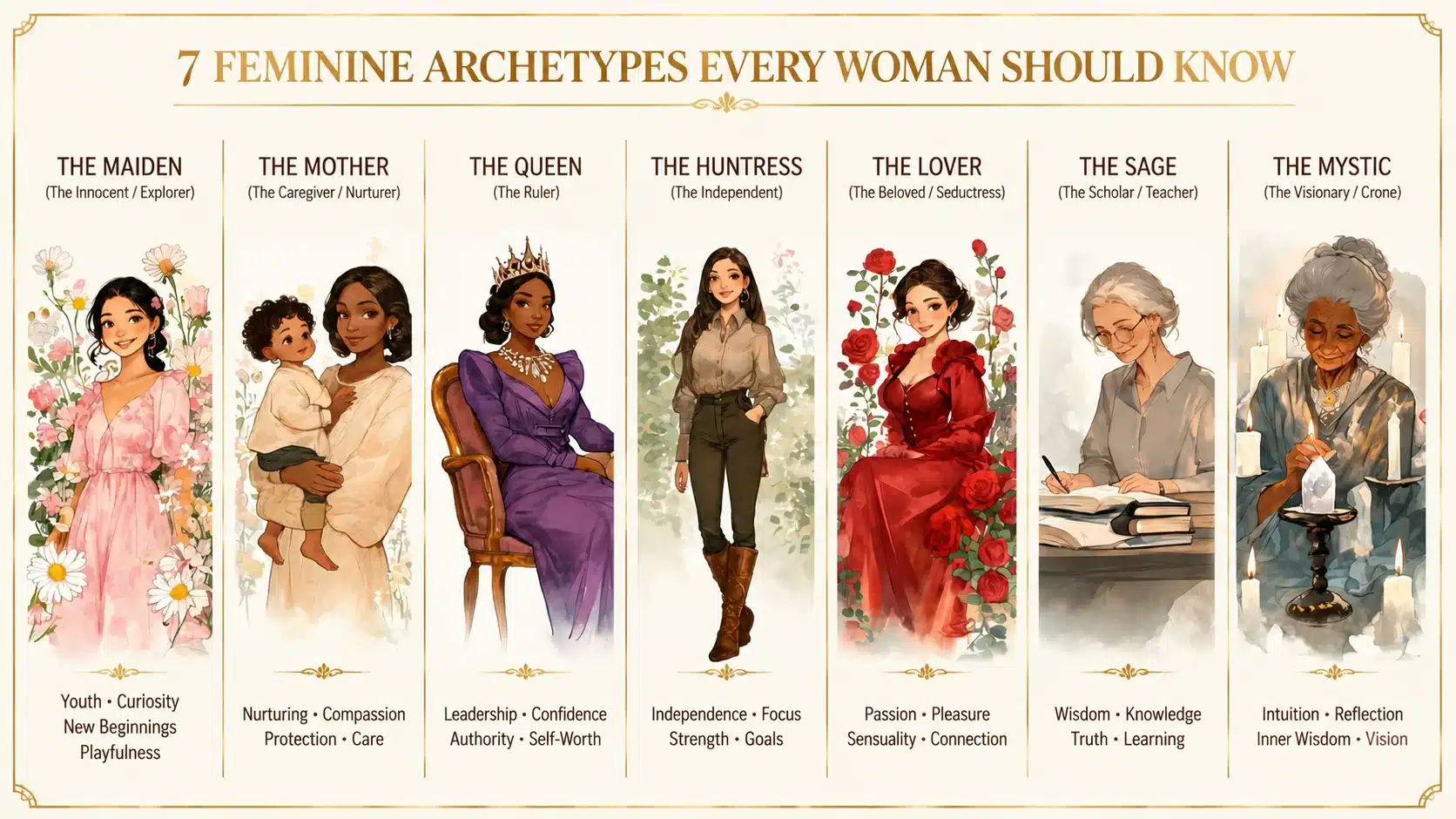
Feminine archetypes are modern personality frameworks influenced by Jungian ideas and are often used for self-reflection and personal expression. They represent different personality patterns, strengths, and life stages.
- The Maiden (The Innocent ): Represents new beginnings, curiosity, and playfulness. She enjoys soft colors, simple silhouettes, and playful details, but may sometimes seek too much approval from others.
- The Mother (Nurturer): Represents care, empathy, and protection. She prefers comfortable fabrics, warm tones, and relaxed styles but may need to avoid putting everyone else’s needs before her own.
- The Queen (The Ruler): Represents confidence, leadership, and self-worth. She favors structured pieces, rich fabrics, and statement details while carrying a calm, respected presence.
- The Huntress (The Independent): Represents focus, ambition, and independence. She prefers practical, fitted clothing like trousers and boots but may struggle with vulnerability.
- The Lover (The Seductress): Represents passion, connection, and self-expression. She enjoys fitted silhouettes, rich textures, and sensual details but may seek external validation.
- The Sage (The Scholar): Represents wisdom, logic, and learning. She prefers clean lines, muted colors, and timeless basics over short-lived trends.
- The Mystic (The Visionary ): Represents reflection, intuition, and inner wisdom. She gravitates toward flowing layers, natural fabrics, and meaningful accessories but may become too withdrawn.
Most people shift between these archetypes throughout different stages of life rather than fitting into only one. The strongest match is usually the one that feels familiar, not simply the one that feels aspirational.
What People Say About Style Archetypes on Reddit

Style and fashion communities on Reddit often discuss style archetypes. Many users note that quiz results can feel too narrow, since most people are a mix of two or three types rather than one pure archetype.
A common piece of advice is to build a small capsule around one archetype first, then slowly add a second style, rather than buying a whole new wardrobe at once.
Some Reddit users note that archetype systems can feel limiting because many people blend multiple styles rather than fitting into a single category.
Reddit discussions represent personal experiences and opinions, not professional style advice, so treat them as a general sense check rather than a rulebook.
How to Find Your Style Archetype
Finding your style archetype starts with understanding your existing wardrobe choices rather than copying a trend. These steps can help you identify the styles, colors, and outfit details you naturally prefer.
| Step | Action |
|---|---|
| Notice your surroundings | Look at your daily outfits, lifestyle, and personal preferences |
| Review your outfits | Find repeated colors, shapes, and clothing details |
| Use the three-word method | Choose words for your current style, desired feeling, and lifestyle |
| Match your archetype | Compare your choices with different style categories |
| Test the style | Try outfits from your chosen archetype and assess how they fit your routine |
Using your real wardrobe habits makes it easier to build a style archetype that feels natural and practical for everyday dressing.
Practical Ways to Use Your Style Archetype
Knowing your style archetype becomes more useful when you apply it to shopping decisions and daily outfits. These simple methods can help you make choices that match your preferences without overthinking every purchase.
- Use It as a Shopping Filter: Before buying something new, check if the color, shape, and fit match your archetype and your real routine. If it fails two of the three, skip it.
- Build a Small Archetype Capsule: Pick a few bottoms and tops in your archetype’s colors, one or two layering pieces, and shoes and accessories that reflect your style, like a structured bag for Classic or a bold cuff for Dramatic.
- Use Supporting Archetypes with Intention: Lean on your main archetype daily, then shift toward a supporting one for specific settings, such as Classic for work, Dramatic for events, and Natural on weekends.
These three habits turn a style archetype into something you actually use, not just an idea you read about once and forget. Over time, they make getting dressed and shopping feel less like guesswork and more like a routine you can trust.
Final Thoughts
Style archetypes give you a simple way to shop, dress, and feel sure of your choices each day.
Once you know your core style archetype, from Classic to Dramatic, or one of the feminine archetypes like the Queen or Lover, getting dressed stops feeling like guesswork and starts to feel like a routine you can trust.
Start with the outfit ideas above, test one full look for a week, and note how it feels before you commit to it. Keep checking in on your choices, and your wardrobe will slowly become a collection of pieces you actually wear.
Choose the style archetype that feels most familiar, test different outfit combinations, and use it as a reference for future wardrobe choices.
Frequently Asked Questions
Is a Style Archetype the Same as a Body Type?
No. A body type describes your physical proportions, while a style archetype describes your personality and mood. You can use both together when choosing cuts and colors.
How Do I Know My Main Style Archetype?
Look at the outfits, colors, and pieces you choose most often. Your main style archetype usually emerges from repeated choices rather than from a single outfit or trend.
Will a Style Archetype Limit My Creativity?
No. An archetype narrows your choices so that shopping feels easier, but you can still experiment with color, texture, or an unexpected piece within that frame.
How is a Style Archetype Different from a Fashion Trend?
A trend is a short-lived look that everyone follows for a season, while a style archetype is a personal pattern that remains consistent across seasons and trends.
Can Two People Share the Same Style Archetype but Look Different?
Yes. Body proportions, coloring, and small styling choices mean two Classic or Romantic dressers can share an archetype yet still look distinct from each other.
Do Style Archetypes Change Over Time?
Yes. Your core archetype often stays steady, but small shifts in taste, age, or lifestyle can move you toward a second style over the years.