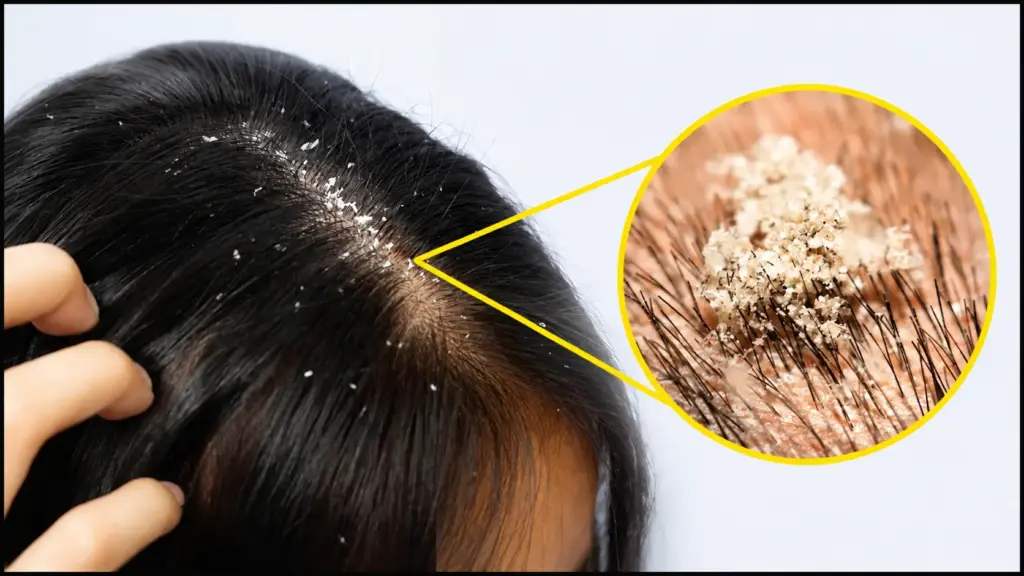
The first time a client’s black blazer showed flakes twenty minutes after a blowout, I assumed it was a dry scalp and reached for a heavier conditioner. It made things worse.
That’s usually the moment people realize dandruff isn’t a single problem with a single fix; it’s a scalp reacting to something specific, and the fix depends on what that something is.
Malassezia yeast activity, excess oil, product irritation, weather shifts, and certain skin conditions can all trigger the same white flakes and itchy scalp.
Knowing which one applies to you makes it much easier to pick a routine that actually calms things down instead of guessing your way through a drugstore aisle.
What is Dandruff?
Dandruff is a scalp condition in which skin cells shed faster than normal, creating visible flakes on the scalp and shoulders. Your scalp naturally renews itself by shedding dead skin cells, but with dandruff, that shedding speeds up to the point that it becomes noticeable.
A healthy scalp keeps natural oils, microorganisms, and skin cells in balance. When that balance shifts, whether due to increased Malassezia activity, irritation, or excess oil and buildup, the shedding process accelerates and flakes become visible.
Dandruff is also more common than most people expect. An estimated half of adults experience it at some point, according to a national dermatology review.
Signs and Symptoms of Dandruff
- Visible white or yellowish flakes on the scalp, hair, shoulders, or collar
- Itching that ranges from mild to persistent
- A tight or irritated feeling on the scalp, especially with dryness-related dandruff
- Greasy-looking flakes that cling to hair strands, more common with an oily scalp or seborrheic dermatitis
What Causes Dandruff?
Most dandruff comes down to one of five things: yeast activity, an inflamed scalp condition, dryness, product irritation, or buildup from infrequent washing. Here’s how each one shows up and what makes it different from the others.
1. Malassezia Yeast Overgrowth on the Scalp
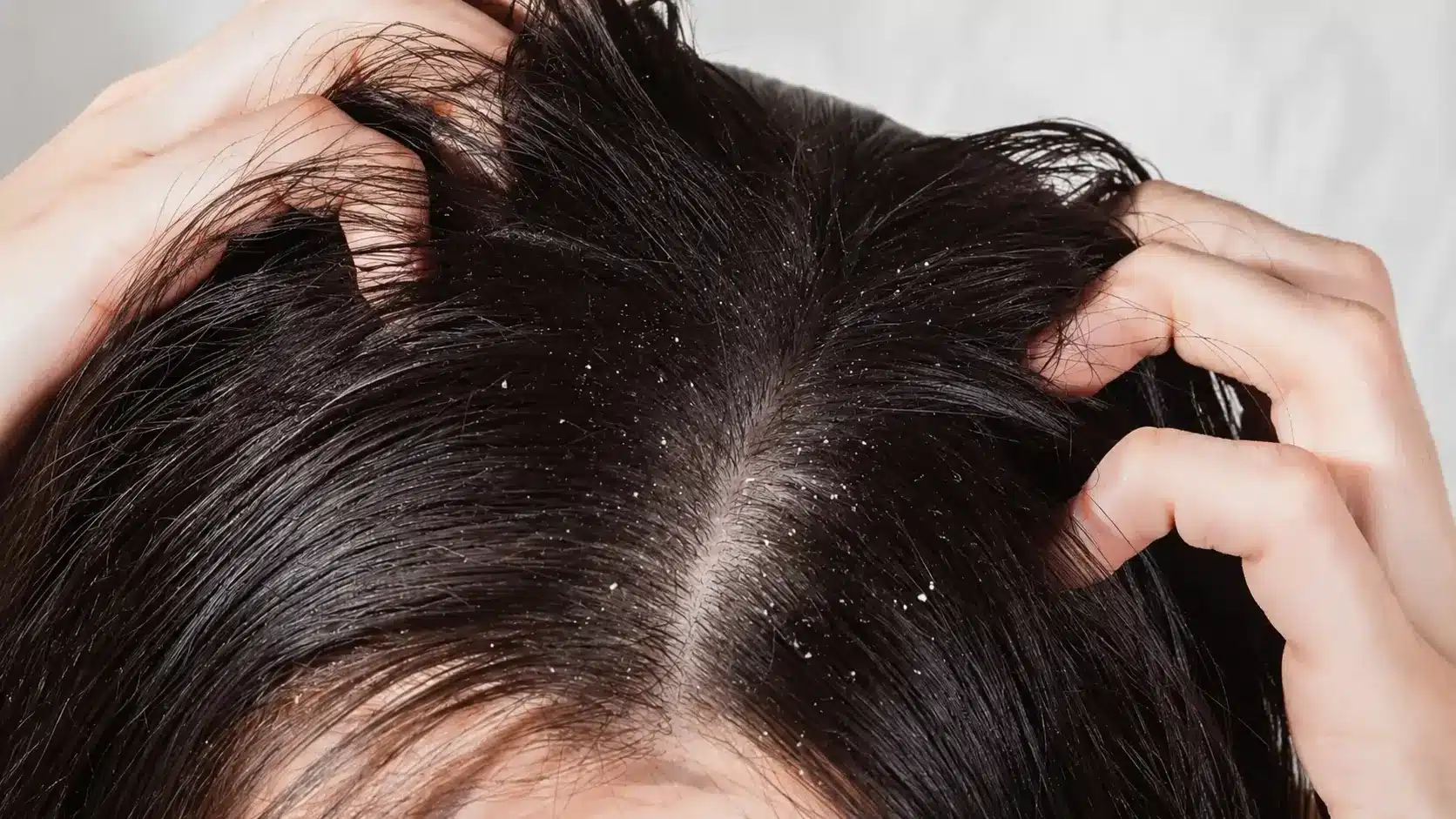
Malassezia yeast lives on every scalp, but when conditions allow it to grow more than usual, it feeds on natural scalp oils and produces byproducts that can irritate sensitive skin.
That irritation pushes your scalp to shed skin cells faster, and the flakes pile up before they’d normally fall away unnoticed.
- Feeds on natural scalp oils
- Can increase flaking and scalp irritation even with a consistent hygiene routine
2. Seborrheic Dermatitis
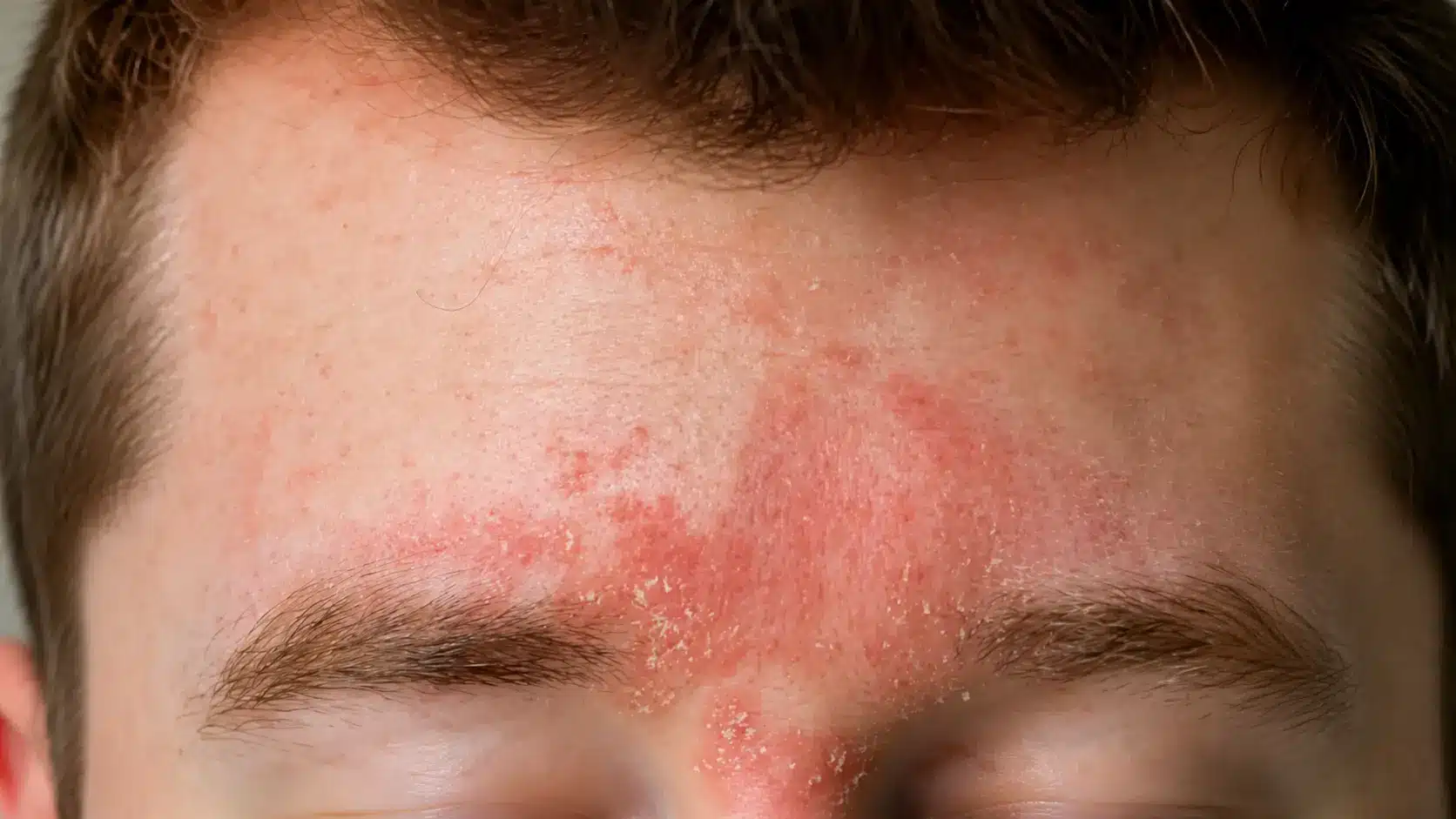
Seborrheic dermatitis is an inflammatory scalp condition that resembles dandruff but tends to cause more severe symptoms. It shows up most in areas with higher oil production and can cause greasy flakes, yellowish scales, redness, and sensitive patches.
Because it’s linked to scalp inflammation, it often needs a different approach than a standard anti-dandruff shampoo. Left unmanaged, that inflammation can also affect scalp comfort enough to disrupt hair growth.
- Causes inflammation and greasy flakes
- May require dermatologist evaluation if it doesn’t respond to OTC shampoo
3. Dry Scalp and Lack of Moisture
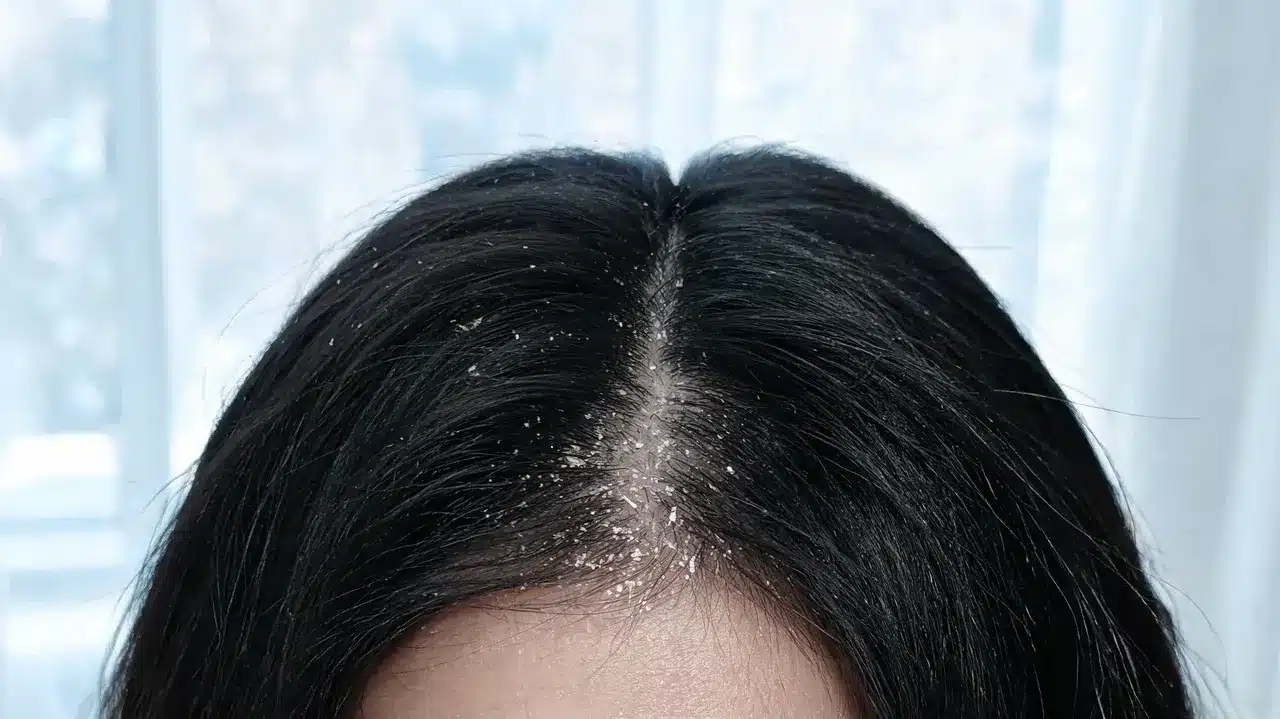
Dry scalp happens when skin loses moisture, and its protective barrier weakens, leading to small white flakes, tightness, and discomfort.
Cold weather, low humidity, frequent washing, hot showers, and harsh cleansers can all speed this up. Unlike yeast- or oil-driven dandruff, dry scalp is due to moisture loss rather than microbial activity on the scalp.
- Produces smaller, drier white flakes
- Often paired with tightness and mild discomfort
4. Irritation From Hair Products
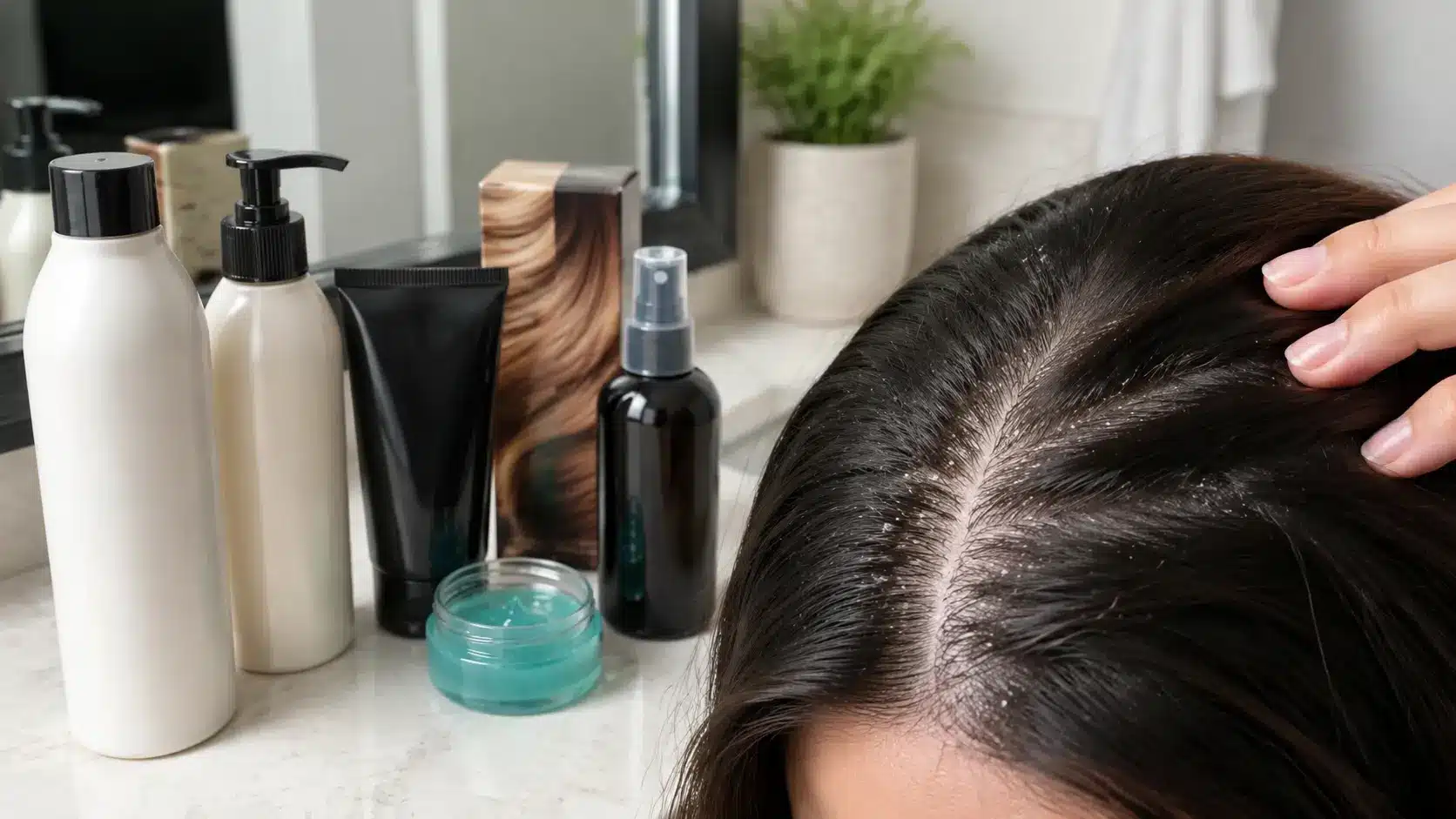
Certain shampoos, dyes, styling gels, and fragranced products can trigger scalp sensitivity that resembles dandruff.
Ingredients you’ve used before can suddenly cause itching, redness, and flaking if your scalp’s sensitivity changes. Switching to simpler, fragrance-light products and cutting back on buildup usually calms this down within a few washes.
- Fragrances and dyes are common irritation triggers
- Simplifying your product lineup often reduces symptoms
5. Infrequent Washing and Product Buildup
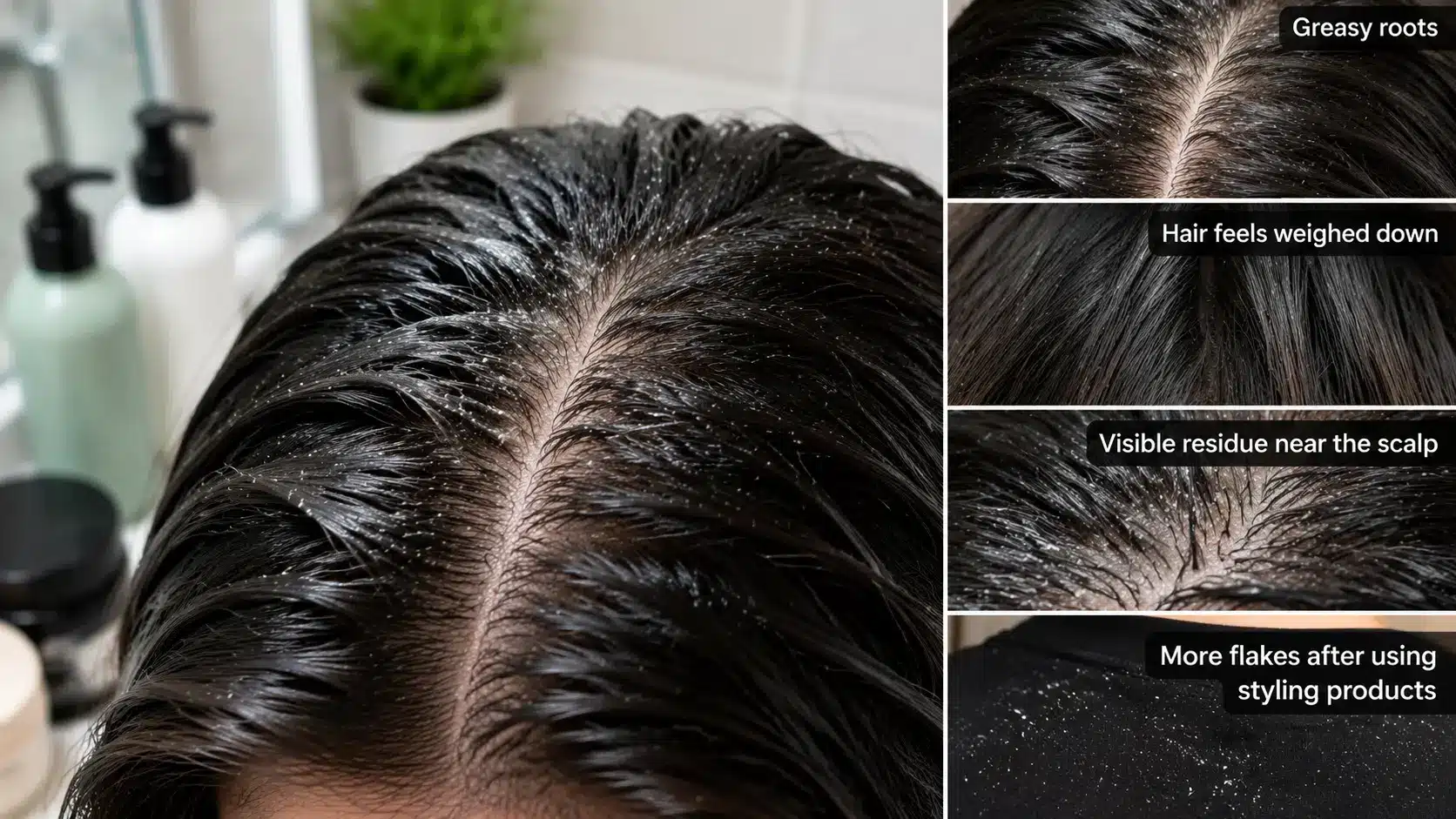
When oil, dead skin cells, and styling residue collect on the scalp, existing dandruff symptoms tend to worsen, especially on oily scalps.
Overcorrecting with excessive washing or harsh scrubbing can backfire, though. A balanced cleansing routine removes buildup without stripping the scalp raw.
- Buildup can cause greasy roots and visible residue
- Gentle, consistent cleansing clears it without triggering more irritation
Stress, Weather Changes, and Other Triggers
Dandruff flare-ups aren’t always about your scalp care routine. Lifestyle factors, environmental shifts, and changes inside your body can all influence how your scalp reacts.
- Stress: High stress can affect your body’s normal responses and worsen inflammatory scalp conditions. Many people notice more itching or flaking during stressful stretches.
- Weather: Cold, dry air pulls moisture from the scalp, while humidity swings change how your scalp feels day to day.
- Hormonal changes: Fluctuations in hormones can alter oil production, which affects dandruff-related symptoms.
- Diet: Research on diet and dandruff is still developing, but a federal health study found more flaking and sebum-related symptoms among people who ate more refined carbs and sweets. It’s worth watching, not a confirmed cause.
- Health conditions: Some conditions affecting the immune or nervous system raise the risk of scalp issues. Persistent or worsening symptoms are worth discussing with a healthcare professional.
These triggers affect people differently, but noticing your own patterns makes it easier to spot what’s actually driving your flakes.
Dandruff vs Dry Scalp: A Quick Self-Test
Dandruff and dry scalp are often confused since both cause flakes, but what’s behind them and how the flakes behave usually differ.
| Feature | Dandruff | Dry Scalp |
|---|---|---|
| Main cause | Yeast activity, oil imbalance, or irritation | Lack of moisture |
| Flake appearance | Larger white or yellowish flakes | Small white flakes |
| Scalp feeling | Often itchy or irritated | Usually tight or dry |
| Oil level | Can occur with an oily scalp | Usually linked with dryness |
| Common triggers | Malassezia, seborrheic dermatitis, products | Weather, harsh products |
In my chair, the fastest way to tell them apart is where the flakes cling. Dry scalp flakes brush off easily and sit loose in the hair, while oily, yeast-driven flakes stick close to the scalp near the roots.
If you want a simple at-home check, apply a light, fragrance-free scalp moisturizer before bed and skip washing overnight. If the flakes are gone by morning, dry scalp is the likely cause. If they’re still there, you’re probably dealing with dandruff.
Conditions That Can Look Like Dandruff
Not every flaky scalp is dandruff. A few other conditions cause similar flakes, itching, dryness, and irritation.
- Scalp psoriasis causes skin cells to build up faster than usual, creating thick, noticeable patches. The scaling is typically heavier than regular dandruff and can extend beyond the hairline.
- Eczema on the scalp can bring dryness, redness, itching, and irritation, often worsening after exposure to certain hair products, fragrances, or weather changes.
- Tinea capitis (scalp ringworm) is a fungal infection that can cause itchy, scaly patches and, in some cases, patchy hair loss. It needs antifungal treatment rather than an over-the-counter dandruff shampoo.
- Product buildup from dry shampoo, styling creams, oils, and conditioners can leave residue that mimics dandruff but usually clears up after a gentle, thorough cleanse.
Figuring out which one you’re dealing with helps you avoid spending weeks on a treatment that was never going to work for your specific issue.
How to Manage and Reduce Dandruff
Managing dandruff starts with matching your care to the reason behind your flakes. Yeast activity, oil buildup, dryness, and irritation all call for slightly different habits, so a consistent routine matters more than any single product.
| Dandruff Step | How It Helps |
|---|---|
| Anti-dandruff shampoo | Ingredients like ketoconazole, zinc pyrithione, selenium sulfide, salicylic acid, and coal tar can reduce flakes, yeast activity, irritation, and buildup. |
| Gentle hair washing | Lukewarm water, gentle fingertip massage, and proper rinsing remove oil and residue without adding irritation. |
| Scalp care routine | Avoiding harsh products, limiting scratching, and managing styling buildup all support better scalp comfort. |
| Treatment consistency | Following product instructions and giving treatments enough time improves results and helps manage recurring flakes. |
| Trigger management | Identifying stress, excess oil, or irritating products as your personal trigger helps reduce flare-ups over time. |
Small, steady changes usually beat switching products every week. Give one routine a few weeks to work before deciding it isn’t the right fit.
When Should You See a Doctor?
Mild dandruff often improves with suitable scalp care and over-the-counter treatments. Certain symptoms, though, are worth a professional look.
- Flaking doesn’t improve after several weeks of treatment. Persistent flakes despite a suitable routine may mean the approach isn’t addressing the actual cause.
- Your scalp becomes painful, swollen, or very red. These signs can indicate irritation or another scalp condition that requires medical attention.
- You notice thick crusts or heavy scaling. Severe buildup or thick patches may point to something beyond regular dandruff.
- Hair loss often accompanies scalp symptoms. Shedding combined with irritation, redness, or discomfort is worth having checked.
- Itching becomes severe or disrupts your day. Ongoing discomfort at that level usually calls for a different treatment approach.
A dermatologist can confirm whether your symptoms come from dandruff or another condition, like psoriasis or eczema, and point you toward the right treatment.
Final Thoughts
Understanding your scalp needs is the key to managing flakes without guessing or wasting time on the wrong solutions.
I learned that identifying triggers like yeast activity, oil imbalance, dryness, and irritation helps create a routine that actually works.
You can make better choices by noticing your symptoms and staying consistent with care. The right approach to dandruff focuses on the cause, not just the visible flakes.
These simple steps help you protect scalp comfort and avoid repeated frustration. I hope you use these tips to build a healthier routine and feel more confident about your scalp care.
Share your experience in the comments or try these tips and let me know what works for you.
Frequently Asked Questions
Can Dandruff Affect Hair Growth?
Dandruff doesn’t usually directly stop hair growth, but ongoing scalp irritation can make the scalp less comfortable to work with. Managing flakes and irritation supports a healthier environment for normal hair growth over time.
Can Changing Hair Products Suddenly Cause Dandruff?
Yes. Switching products can trigger dandruff-like symptoms if an ingredient irritates your scalp, even with a shampoo, dye, or styling product you’ve used safely before. New sensitivity can develop without warning.
Why Does Dandruff Return After Treatment?
Dandruff often returns when triggers such as oil buildup, yeast activity, irritation, or an unsuitable product affect the scalp again. Long-term control usually depends on identifying and managing your personal triggers, not just treating one flare-up.
Is Dandruff Caused by Poor Hygiene?
No. Dandruff comes from yeast activity, oil imbalance, dryness, or irritation, not from being unclean. In fact, washing too infrequently or too harshly can both worsen flaking, so hygiene alone isn’t the fix or the cause.
Can Diet Affect Dandruff?
Possibly, though research is still limited. Diets high in sugar have been loosely linked to increased oil production and worse flaking in some studies. It’s a reasonable factor to watch, not a guaranteed cause or cure.