I’ve always loved how tropical shirts can instantly make you feel like you’re on vacation. They’re bright, colorful, and full of personality.
You see them at beaches, summer parties, and even in everyday outfits.
But over time, I noticed something interesting: people often use the words “Aloha shirt” and “Hawaiian shirt” as if they mean the same thing.
At first, I thought they did too. Then I learned there’s more to the story.
The Aloha shirt has deep roots in Hawaii’s history and culture, while the Hawaiian shirt is a more general term used around the world.
They may look similar, but their backgrounds, meanings, and even how they’re made can be quite different.
In this blog, I want to share what I’ve learned about where these shirts come from, how they’ve changed over the years, and why they matter.
By the end, you’ll know exactly what sets an Aloha shirt apart from a Hawaiian shirt, and you might see them in a whole new way.
Origins of the Aloha Shirt
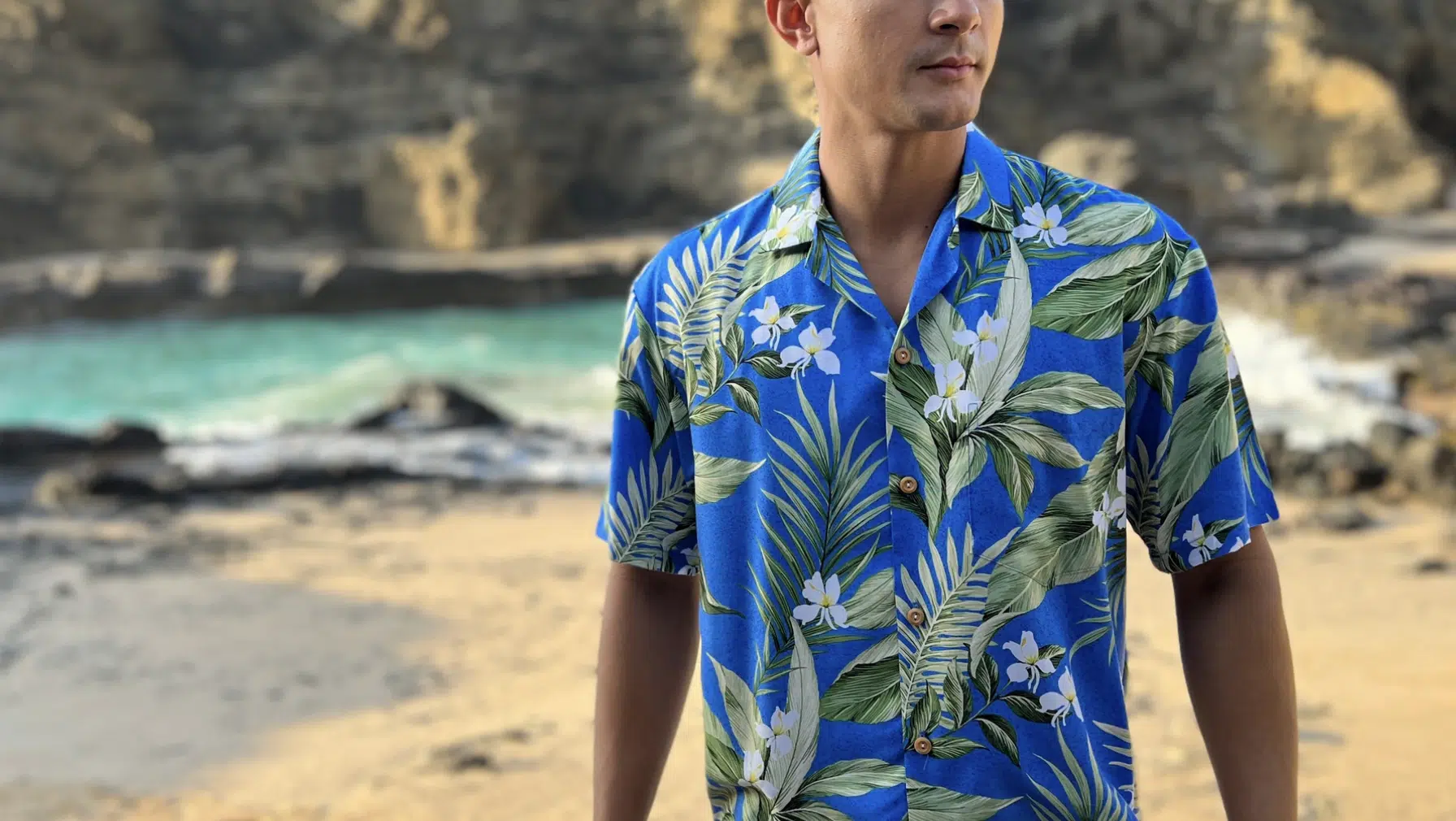
The Aloha shirt is the result of many cultures coming together in Hawaii.
Japanese immigrants brought kimono fabrics with bright colors and floral patterns. Filipino workers wore the barong tagalog, a light shirt suited for warm weather.
Western settlers introduced sturdy work shirts that were practical and easy to sew. These styles slowly blended into something unique.
In the 1930s, Hawaii was full of cultural exchange. Local tailors began using imported fabrics to create shirts that were comfortable, colorful, and unlike anything else.
One of the first to make the shirt popular was Ellery Chun, a shop owner in Honolulu.
He started selling shirts made from bold, patterned fabrics and called them “Aloha shirts.”
Tourists were drawn to the fun designs, and locals wore them with pride. Over time, the Aloha shirt became a lasting symbol of Hawaii’s style and spirit.
The Hawaiian Shirt: Commercial Evolution
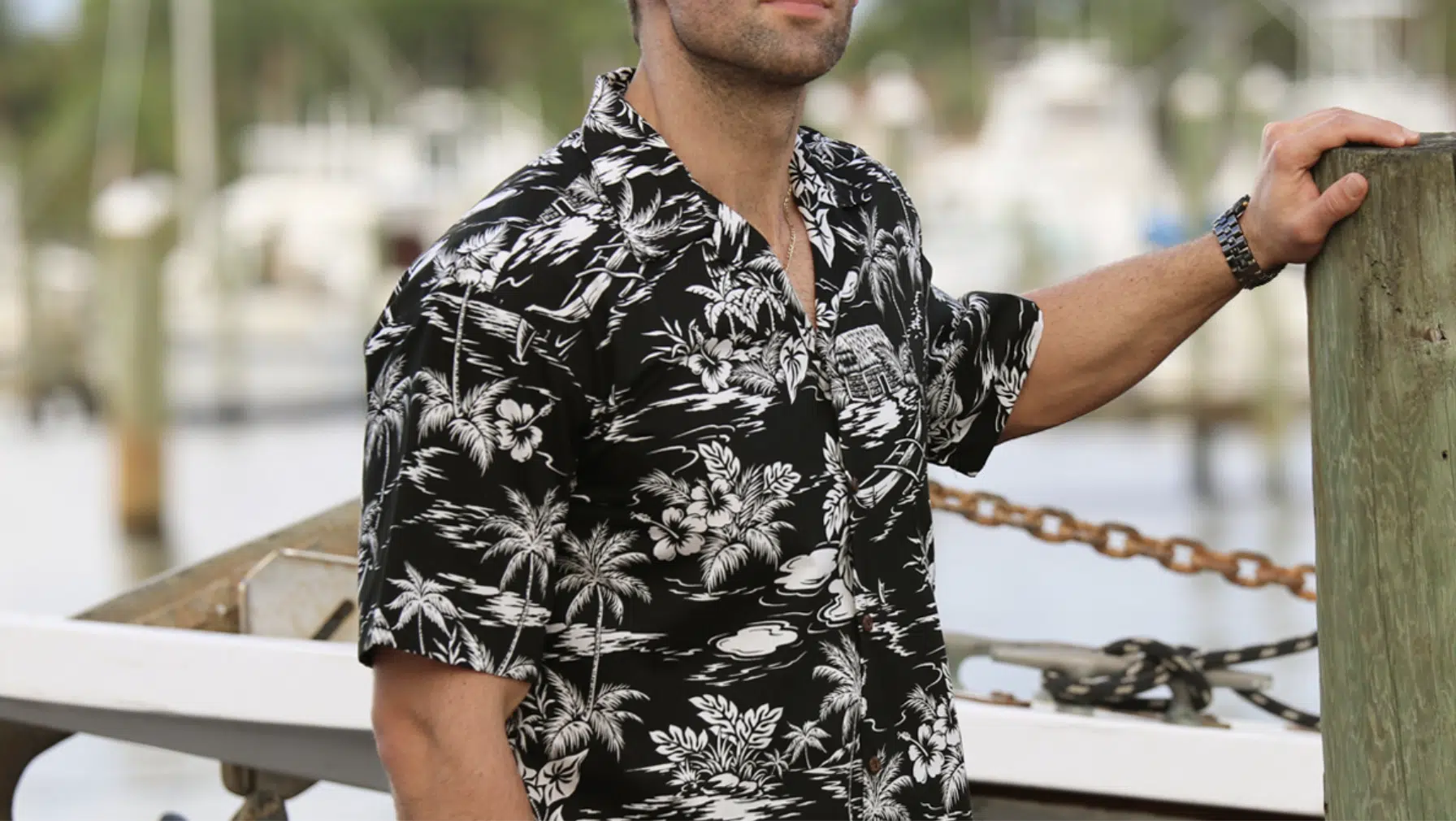
The term “Hawaiian shirt” is often used outside Hawaii to describe any bright, tropical-print shirt, no matter where it is made.
In mainland U.S. marketing, it became a simple way to sell colorful shirts with palm trees, flowers, or beach scenes, even if they were not made in Hawaii.
After World War II, many U.S. soldiers returned home from Hawaii with these shirts as souvenirs. They reminded them of the islands’ relaxed atmosphere, and soon demand grew across the country.
In the 1950s and 1960s, Hollywood movies and surf culture helped make the Hawaiian shirt even more popular.
Actors, musicians, and surfers wore them on screen and in public, adding to their cool, laid-back image.
By then, the Hawaiian shirt had become a global fashion piece, often mass-produced and less tied to Hawaii’s original cultural roots.
Aloha vs Hawaiian Shirts: Key Differences
Aloha shirts and Hawaiian shirts may look similar, but their roots and meanings are different. Knowing these differences helps you spot the real thing.
| Feature | Aloha Shirt | Hawaiian Shirt |
|---|---|---|
| Roots | Originating in Hawaii, tied to local culture. | A broad term used worldwide, with less cultural depth. |
| Purpose | Worn by locals to share the “Aloha spirit.” | Made mainly for tourists and fashion trends. |
| Production | Made in Hawaii by skilled local tailors. | Often mass-produced overseas. |
| Fabric | Quality rayon or cotton, breathable. | Polyester or cheaper blends. |
| Designs | Native flowers, Hawaiian landscapes, and cultural motifs. | Generic tropical or beach patterns. |
| History | Started in the 1930s in Hawaii with local influence. | Popularized post-WWII through U.S. marketing. |
| Symbolism | Represents Hawaiian identity and tradition. | Symbol of casual, vacation style. |
| Authenticity | Protected cultural heritage in Hawaii. | No strict cultural or origin ties. |
Understanding these differences makes it easier to choose a shirt with true Hawaiian heritage. It’s a simple way to honor the culture behind the style.
Tips to Identify an Authentic Aloha Shirt
- Label & Origin: Real Aloha shirts say “Made in Hawaii” and show the maker’s name. Hawaiian shirts may not be made in Hawaii.
- Fabric: Aloha shirts use soft rayon or cotton. Hawaiian shirts are often polyester or cheaper blends.
- Print Match: On Aloha shirts, the pattern lines up at seams and buttons. On Hawaiian shirts, prints may not match.
- Design: Aloha shirts show Hawaiian flowers, landscapes, and cultural symbols. Hawaiian shirts often have random tropical designs.
- Buttons: Real Aloha shirts may have coconut shell or bamboo buttons. Hawaiian shirts usually have plastic buttons.
- Comfort: Aloha shirts are light and cool for warm weather. Hawaiian shirts can be heavier and less breathable.
Cultural Significance of the Aloha Shirt
The Aloha shirt is more than just colorful fabric; it’s a piece of Hawaii’s story. Its patterns, traditions, and uses reflect the islands’ spirit and way of life.
- Symbol of Hawaiian Identity: Represents the “Aloha spirit,” reflecting friendliness, warmth, and respect in Hawaiian culture.
- Aloha Friday Tradition: Worn in workplaces every Friday to promote a relaxed dress code and celebrate local pride.
- Heritage Preservation: Designs often feature native flowers, landscapes, and cultural symbols that keep Hawaiian traditions alive.
- Local Craftsmanship: Many shirts are still made by Hawaiian artisans, supporting local businesses and skills.
- Cultural Representation: Wearing an authentic Aloha shirt respectfully shares Hawaiian culture with the world.
How Fashion Blurred the Lines Between Aloha & Hawaiian Shirts
Fashion trends have blurred the lines between Aloha shirts and Hawaiian shirts. Celebrity influence and mass production have made them look more alike than ever.
- Tropical Prints Go Global: Bright patterns appear in casual, street, and luxury fashion.
- Loose Use of “Hawaiian Shirt”: Brands apply the term to any tropical-print shirt.
- Mass Production: Overseas factories make cheaper, less authentic versions.
- Designer & Celebrity Trends: New cuts and fabrics mix with traditional styles.
- Seasonal Fashion: Fast-fashion stores release tropical shirts each summer.
- Pop Culture Influence: Featured in movies, music videos, and TV shows.
Conclusion
After learning about Aloha shirts and Hawaiian shirts, I understand they may look alike, but have different stories.
The Aloha shirt was created in Hawaii and is part of the islands’ culture. Its patterns often show flowers, beaches, and other parts of Hawaiian life.
The Hawaiian shirt is a wider term used in many places for any bright tropical shirt, even if it has no real link to Hawaii.
Knowing this makes me see these shirts in a new way.
I think it’s important to support the people in Hawaii who make true Aloha shirts and to respect the traditions behind them.
When we buy the real thing, we help keep those traditions alive.
Now, when I see a tropical shirt, I stop and think about where it came from and what it means.
For me, fashion is not only about how something looks, it’s also about the history and the meaning sewn into every piece.