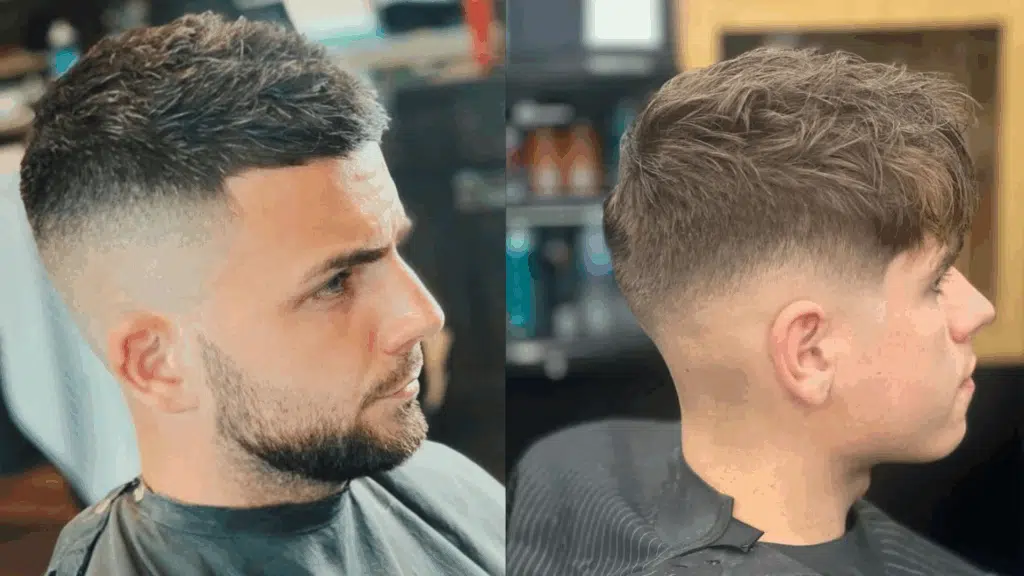
A good haircut can change the way you look and feel. If you’ve been thinking about a fade haircut but aren’t sure whether a bald fade or a skin fade is right for you, you’re not alone.
Many people get confused because the two styles sound similar, but look a little different once done.
I’ve spent time learning from barbers and styling my own hair, so I know how much the right choice matters.
The goal here is simple: to help you see the difference between the two, understand how each one works, and guide you toward the style that fits your face, hair, and lifestyle.
You’ll get clear details, easy tips, and examples so you can walk into the barbershop confident about what to ask for.
By the end, you’ll know exactly which fade will give you the look you’ve been wanting.
What is a Fade Haircut?
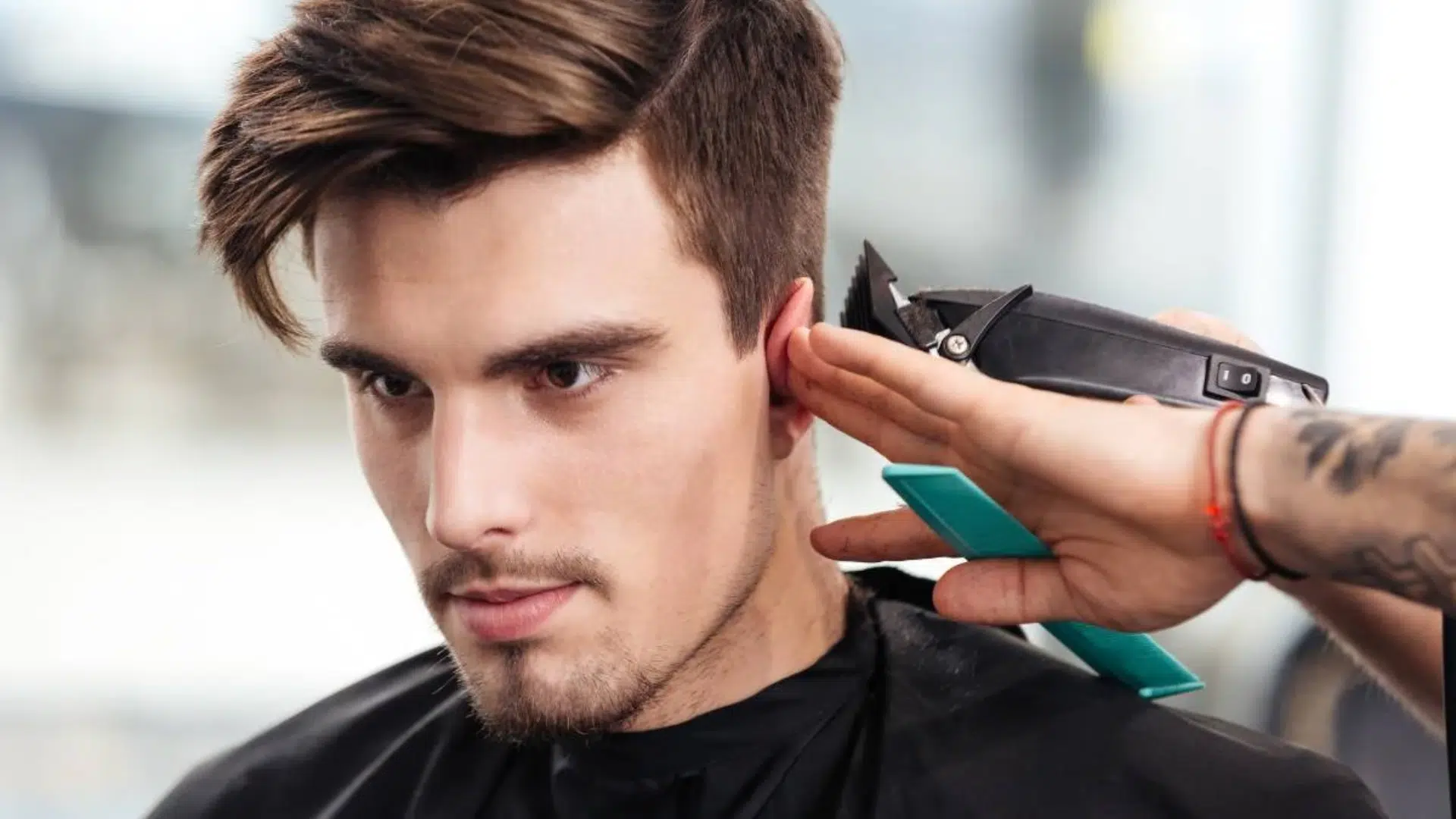
A fade haircut is a style where the hair gradually changes from longer lengths at the top to much shorter lengths at the sides and back.
The change in length is smooth, creating a clean and blended look without harsh lines. Barbers use clippers to make the fade even and balanced, and it works well with many hair types.
The shorter sections “fade” into the longer sections, giving a fresh and neat finish.
While there are many fade styles, two of the most popular are bald fades and skin fades.
Popular Fade Types Include
- Low fade: starts just above the ears for a subtle look.
- Mid fade: begins midway up the head for balanced contrast.
- High fade: starts high on the sides for a bold effect.
- Bald fade: tapers down to very short stubble without showing bare skin.
- Skin fade: blends all the way down to the skin for a sharper contrast.
Understanding the Bald Fade
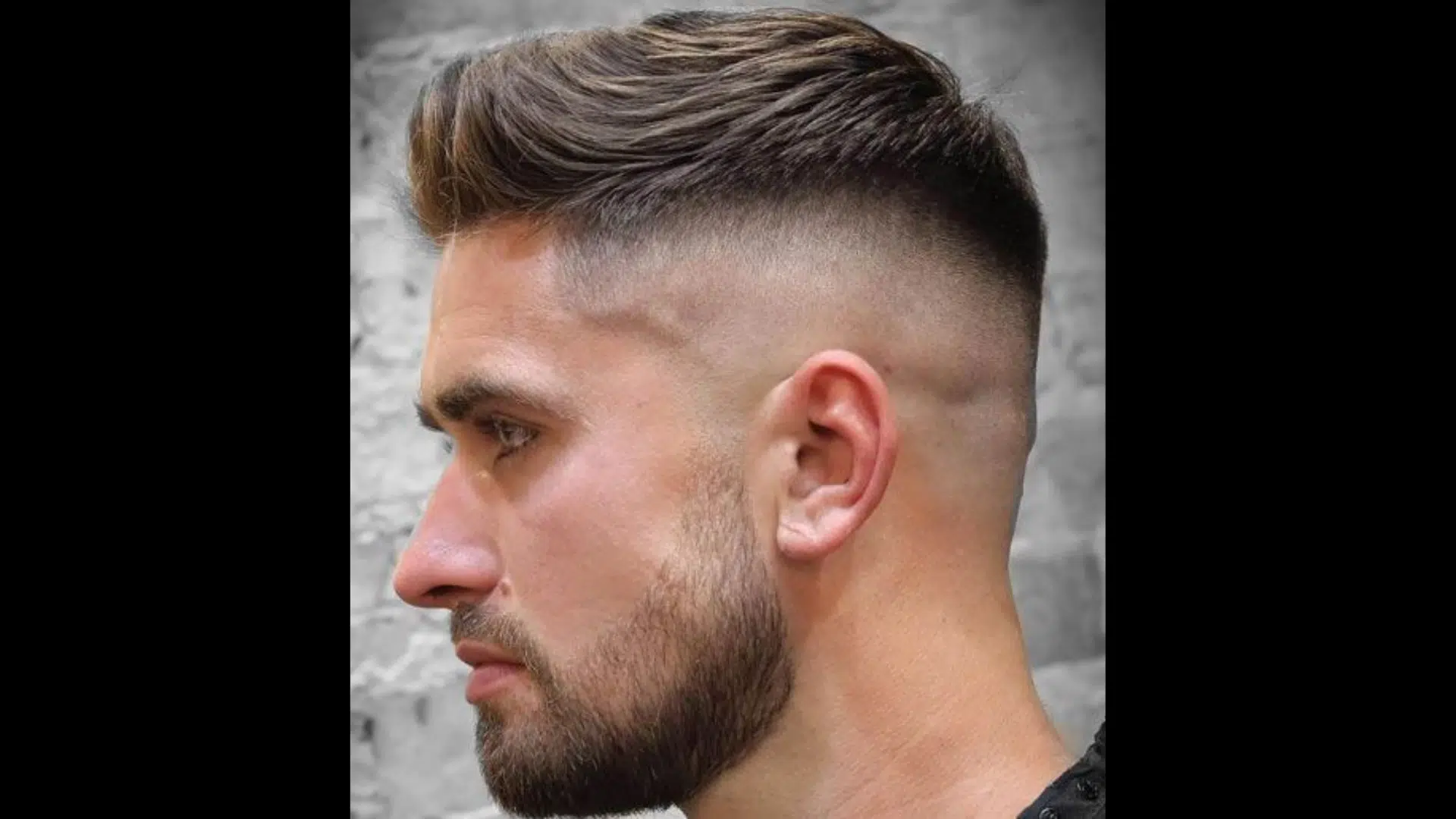
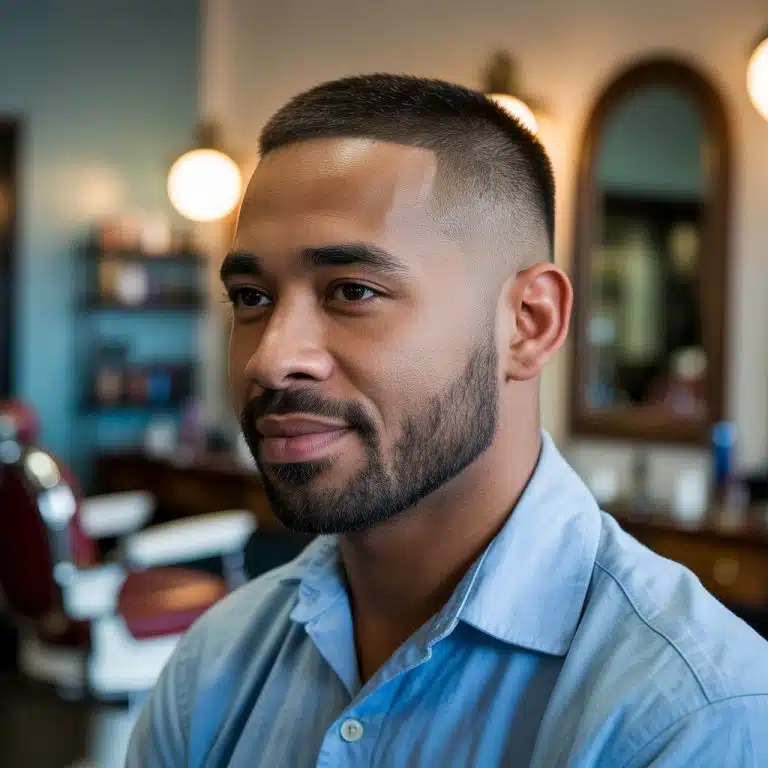
A bald fade is a haircut where the hair tapers smoothly down to the skin, leaving no visible hair at the lowest point.
The transition from longer hair on top to bare skin at the sides and back is gradual, giving the style a clean and balanced finish.
The look is sharp and polished, making it a popular choice for those who want a style that stands out while still being versatile.
It works well with many hair types, from straight to curly, and can be paired with different top styles like pompadours, crew cuts, or textured crops.
To keep a bald fade looking fresh, regular trips to the barber are essential – usually every one to two weeks.
Using light hair products can add shine or texture to the top, helping the overall style stay neat and well-groomed.
Understanding the Skin Fade
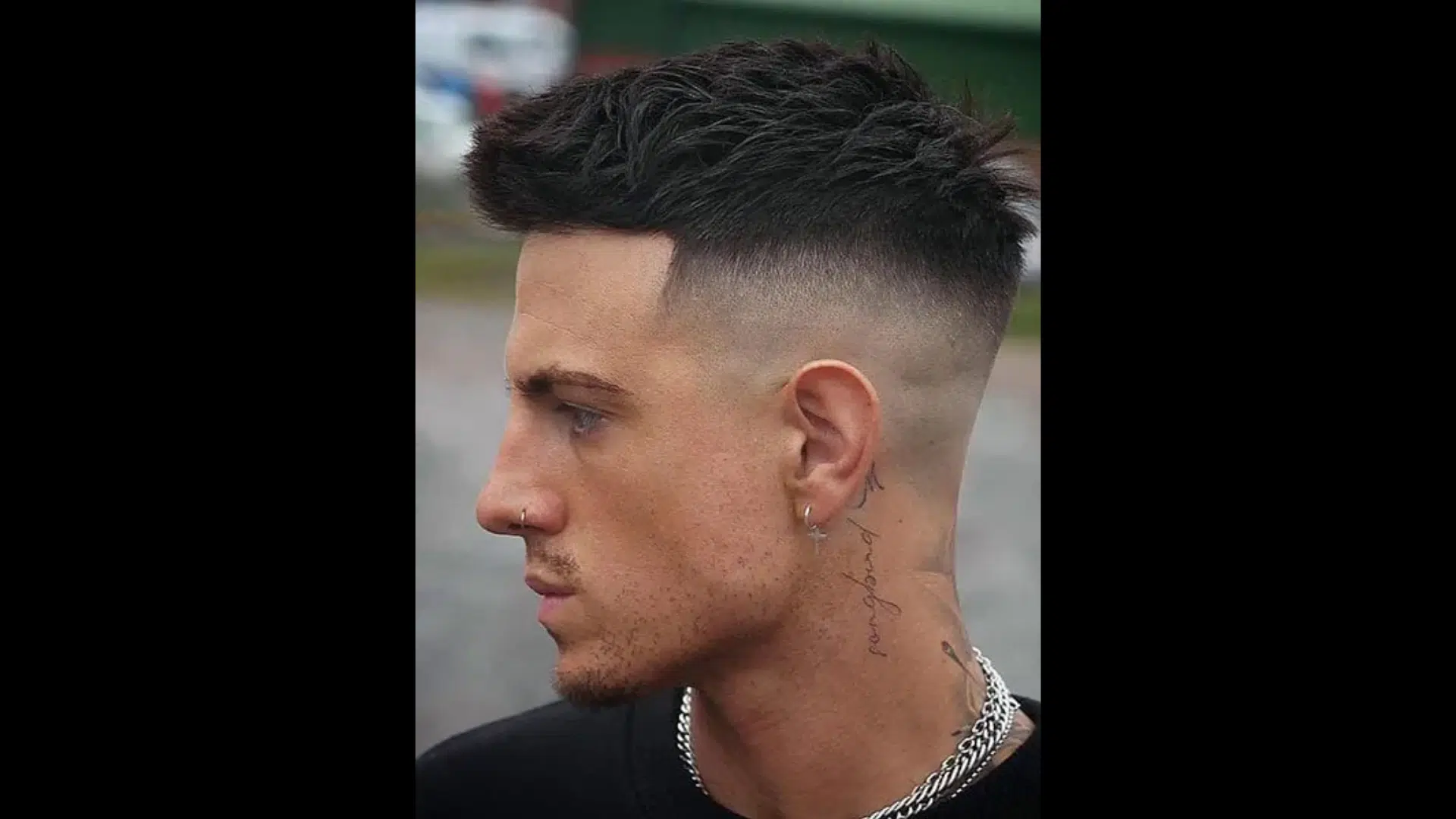
A skin fade is a type of fade haircut where the hair blends all the way down to the skin.
In many places, it’s the same as a bald fade, but some barbers may use the terms differently depending on their style or local trends.
The key feature is the smooth, seamless transition from longer hair on top to bare skin at the sides and back.
This style has a clean, modern look and can give a sharp, slightly edgy vibe. It works with many top styles, including textured crops, pompadours, or even simple short cuts.
To keep a skin fade looking its best, regular barber visits every one to two weeks are ideal.
Using a bit of styling product can help shape the top while keeping the fade neat and fresh.
Bald Fade vs. Skin Fade: The Key Differences
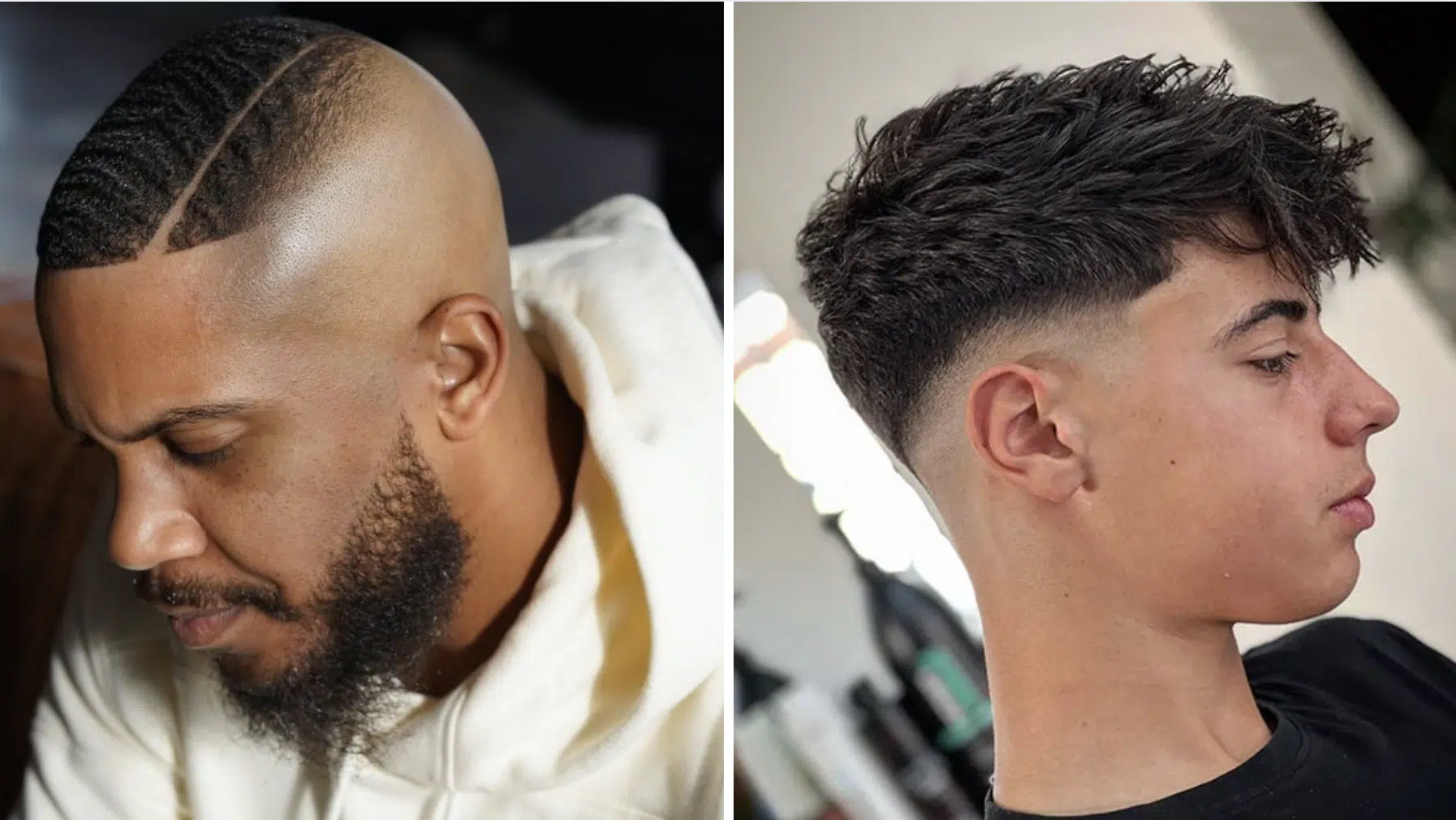
Bald fades and skin fades may look similar at first, but there are details that make them stand out from each other. Understanding these can help you choose the style that fits your hair type, face shape, and personal taste.
1. Look and Finish
The look and finish define how the fade blends from the longer top to the shortest point at the bottom.
This factor sets the tone for the style, whether you want something soft and natural or bold and sharp.
The finish can make the haircut appear more subtle for everyday wear or more defined for a striking, standout look.
Bald Fade:
- Stops just short of the skin, leaving a light stubble at the base.
- Creates a softer and slightly more natural finish.
- Works well if you want a clean look without a stark edge.
Skin Fade:
- Goes completely down to the bare skin at the shortest point.
- Delivers a sharper, more defined contrast.
- Ideal for those who want a striking, modern style.
2. Maintenance
Maintenance is all about how often you’ll need to visit the barber to keep your fade looking sharp.
Both styles require regular trims, but one might need attention sooner than the other.
If your schedule is busy, you may prefer a style that holds up a little longer before regrowth shows, while others might be fine with more frequent upkeep for a fresher look.
Bald Fade:
- It can hold its shape a little longer before regrowth is noticeable.
- Usually needs a trim every 1–2 weeks.
- A good option if you want a low-maintenance fade compared to a skin fade.
Skin Fade:
- Regrowth shows faster, especially at the base where skin meets hair.
- Often needs a touch-up every week to stay fresh.
- Best for those willing to commit to regular barber visits.
3. Level of Contrast
The level of contrast is about how dramatic the difference is between the top of your hair and the sides.
This factor has a big impact on how noticeable your haircut is.
A softer contrast can blend naturally into most settings, while a sharper contrast is more eye-catching and suited for those who like a bolder style that makes a statement right away.
Bald Fade:
- Offers a smooth, gradual change from long to short.
- Less dramatic but still clean and stylish.
- Great for blending naturally with most hair types.
Skin Fade:
- Creates a bold, high-contrast effect from the top to bare skin.
- More eye-catching, especially with darker hair.
- Suits those who want a modern, standout haircut.
4. Versatility
Versatility refers to how easily a style can work for different occasions and settings.
Some fades are flexible enough to suit both formal and casual situations, while others lean more toward trendy, fashion-forward looks.
Thinking about where you’ll wear your haircut most often can help you choose between a style that blends in or one that turns heads.
Bald Fade:
- Works well for both work and casual outings.
- It can be paired with many top styles, from short crops to longer textured looks.
- Safe choice if you need a style that fits multiple settings.
Skin Fade:
- Brings a contemporary edge to your look.
- Best for styles that make a statement, like pompadours or high-texture cuts.
- Perfect if you like keeping up with modern barber trends.
Bald Fade vs Skin Fade: Quick Comparison Table
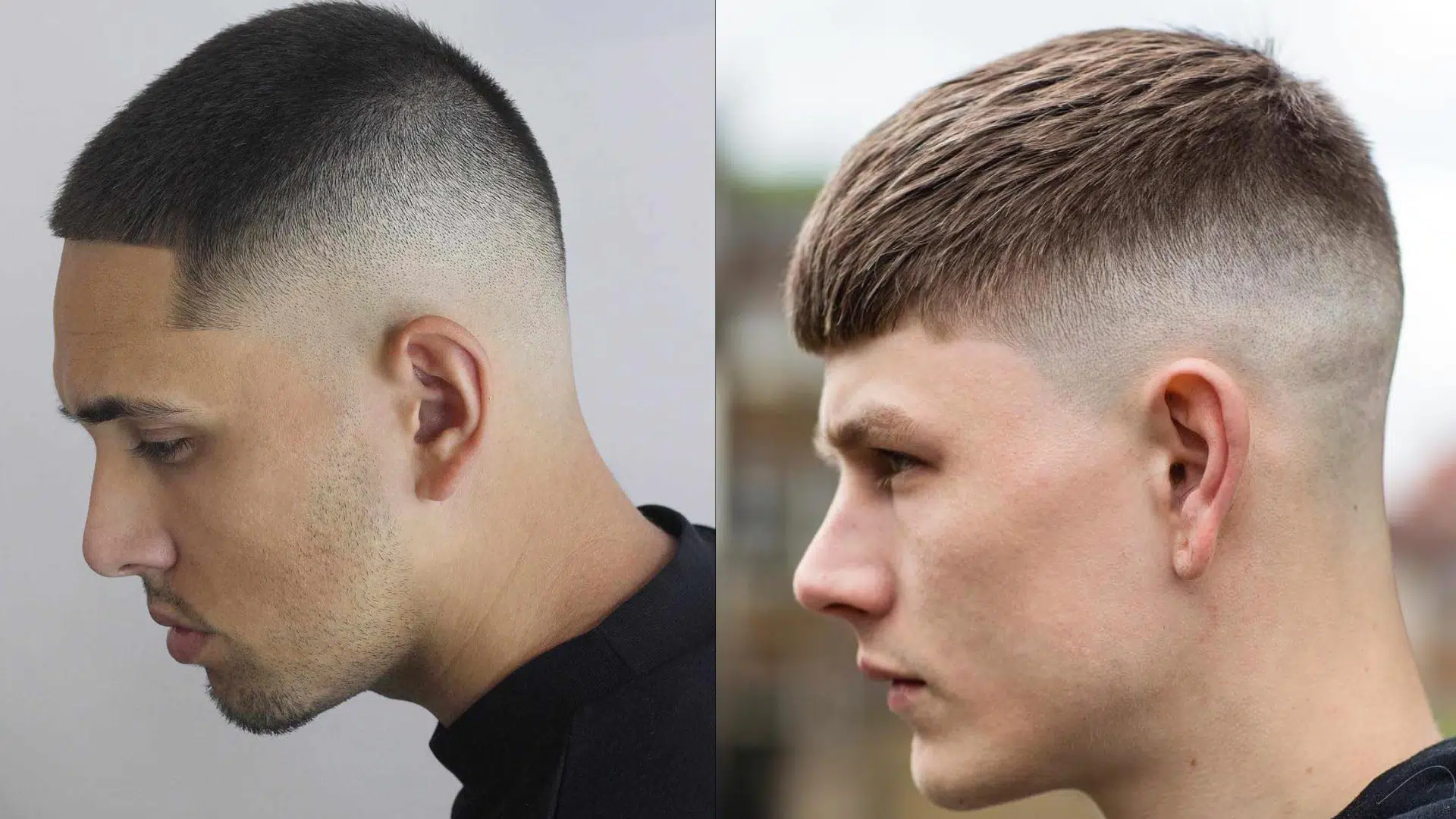
This table gives a clear view of how each style stands out in terms of look, feel, and practicality, so you can decide which fits your taste and lifestyle best.
| Feature | Bald Fade | Skin Fade |
|---|---|---|
| Base Length | Leaves a faint shadow of hair at the shortest point. | Completely shaved to the skin at the base. |
| Texture at Bottom | Slightly soft to the touch due to stubble. | Smooth and bare with no hair left. |
| Barber Time | Slightly quicker to finish since it doesn’t go fully to skin. | Takes a bit longer for a precise skin-level finish. |
| Impact on Hair Color | Softer change in shade, less contrast on light hair. | Stronger contrast, especially on darker hair. |
| Scalp Exposure | Minimal, only a hint of scalp shows. | Full scalp exposure at the base. |
How to Choose the Right Fade Haircut
Picking the right fade isn’t just about liking the look – it’s about finding a style that works with your features, hair type, and daily routine. These factors will help guide your decision.
- Consider Face Shape: High fades work well for oval faces, giving a sharp frame, while low fades help round faces appear longer and softer. Mid-fades are a balanced choice for square faces, keeping proportions even.
- Hair Type and Texture: Curly hair creates a smoother transition in a fade, straight hair makes the lines more defined, and coarse hair can give the cut more structure and weight.
- Lifestyle and Maintenance: Skin fades require more frequent touch-ups, often every week, because regrowth shows quickly. Bald fades can last slightly longer, usually one to two weeks, before needing a trim.
- Personal Style: A skin fade suits those who prefer a bold, modern look that stands out, while a bald fade offers a clean, subtle appearance that works in both casual and formal settings.
More Fade Haircut Styles to Try
Bald fades and skin fades aren’t the only choices. Different fade styles change where the shortest point starts and how the blend looks, giving each its own character. Below are several popular options and how they compare.
- Low Fade: Starts just above the ears for a subtle, easy-to-wear style. It’s softer than a bald or skin fade and blends gently into the rest of the hair.
- Mid Fade: Begins halfway up the head, striking a balance between low and high fades. Offers more contrast than a low fade but less sharpness than a skin fade.
- High Fade: Starts high on the sides, leaving very short hair at the bottom. It’s bold and closer in style to a skin fade, but may not go completely to bare skin.
- Drop Fade: Curves down behind the ears, following the shape of the head. This creates a unique outline compared to the straight lines of other fades.
- Burst Fade: Tapers hair around the ear in a rounded shape. Often paired with mohawks or mullets for a standout effect.
- Taper Fade: Fades just the sideburns and neckline while keeping most of the sides longer. It’s the most subtle option and works in any setting
Conclusion
Finding the right fade comes down to more than just what looks good in a photo. It’s about how the cut fits your hair, face shape, and the time you want to spend keeping it fresh.
I’ve seen how a well-chosen fade can completely change someone’s look, whether it’s a bold skin fade that turns heads or a softer bald fade that works in any setting.
The key is knowing what each style offers and matching it to your own needs. Think about how often you can visit the barber, how you like to style your hair each day, and the image you want to project.
If you’re still unsure, talk to your barber – they can give advice based on your hair type and lifestyle.
The right fade isn’t just a haircut; it’s a style that helps you feel confident every time you step out.