In my years as a licensed aesthetician, the mature clients I see most often describe the same thing: skin that feels tighter, drier, and less plump than it used to.
This happens because natural hyaluronic acid and oil production drop with age, which makes fine lines and rough texture more noticeable.
The best hyaluronic acid serum for mature skin combines more than one molecular weight of hyaluronic acid with barrier-supporting ingredients like ceramides or squalane, so skin holds onto water and looks smoother within minutes of applying it.
Here you can compare the strongest picks by ingredients, texture, and price, with a quick comparison table, buying tips, and answers to the questions I hear most often in the treatment room.
What is Hyaluronic Acid?
Hyaluronic acid is a moisture-binding substance your skin already produces. A single gram can hold several liters of water, which is why even a small amount in a serum makes skin look plumper within minutes. Levels drop as you get older, which is one reason mature skin can feel drier over time.
Skincare brands add hyaluronic acid to serums because it pulls moisture into the top layers of skin, both from the air and from products applied on top of it.
It works well next to other ingredients, such as moisturizers or sunscreen, rather than as the only step in your morning and night routine.
For mature skin: Skin makes less oil and water-binding material with age, weakening the barrier and speeding moisture loss. A well-chosen serum gives mature skin the targeted hydration it no longer produces alone.
Quick Picks: Best Hyaluronic Acid Serums for Mature Skin
Best for | Serum | Price |
|---|---|---|
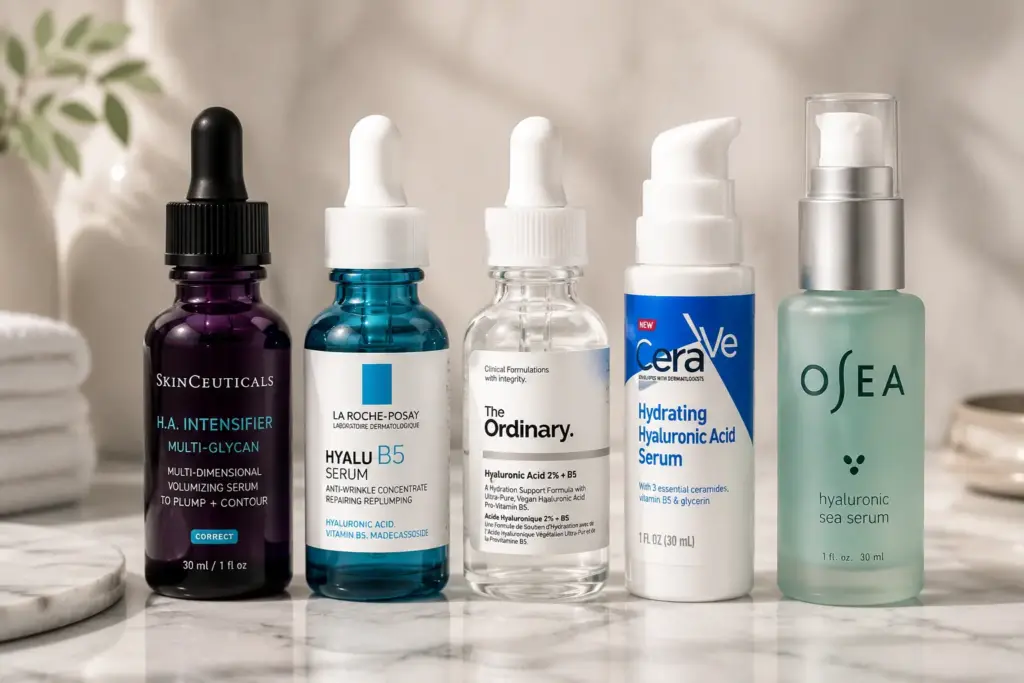
Overall pick | SkinCeuticals Hyaluronic Acid Intensifier | ~$120 / 1 oz |
Sensitive skin | La Roche-Posay Hyalu B5 | ~$54 / 1 oz |
Budget | The Ordinary Hyaluronic Acid 2% + B5 | ~$9 / 30 ml |
Barrier repair | CeraVe Hydrating Hyaluronic Acid Serum | ~$17 / 1 oz |
Rich, luxury feel | OSEA Hyaluronic Sea Serum | ~$88 / 1 oz |
What to Look for in a Hyaluronic Acid Serum for Mature Skin
In my practice, mature skin needs more than hydration alone in nearly every case I see. The right serum should support moisture levels, elasticity, fine lines, and the skin barrier with a balanced blend of ingredients.
- Multiple Types of Hyaluronic Acid: High molecular weight HA stays closer to the skin’s surface to help lock in moisture, while low molecular weight HA reaches deeper surface layers for added hydration. Multi-molecular formulas combine different HA sizes to provide more complete hydration.
- Barrier-Supporting Ingredients: Ceramides help strengthen the skin barrier, squalane supports softness and moisture retention, fatty acids maintain the skin’s protective layer, and glycerin attracts water to keep skin hydrated.
- Anti-Aging Supporting Ingredients: Peptides help support firmer-looking skin, niacinamide improves barrier function and tone, antioxidants protect against environmental stress, and growth-factor-inspired ingredients support a smoother, healthier appearance.
- Fragrance and drying alcohols: These can irritate mature or sensitive skin, especially when the barrier is already weakened, so check the label before you buy.
A well-formulated serum combines hyaluronic acid with these supporting ingredients to address common mature skin concerns beyond simple hydration, especially if you’re working to repair a weakened barrier.
Best Hyaluronic Acid Serums Reviewed
Here are the picks I keep coming back to, chosen for how well they handle dryness, sensitivity, and fine lines on mature skin. Each entry covers the best use, key ingredients, texture, price, and one honest drawback.
1. SkinCeuticals Hyaluronic Acid Intensifier Multi-Glycan
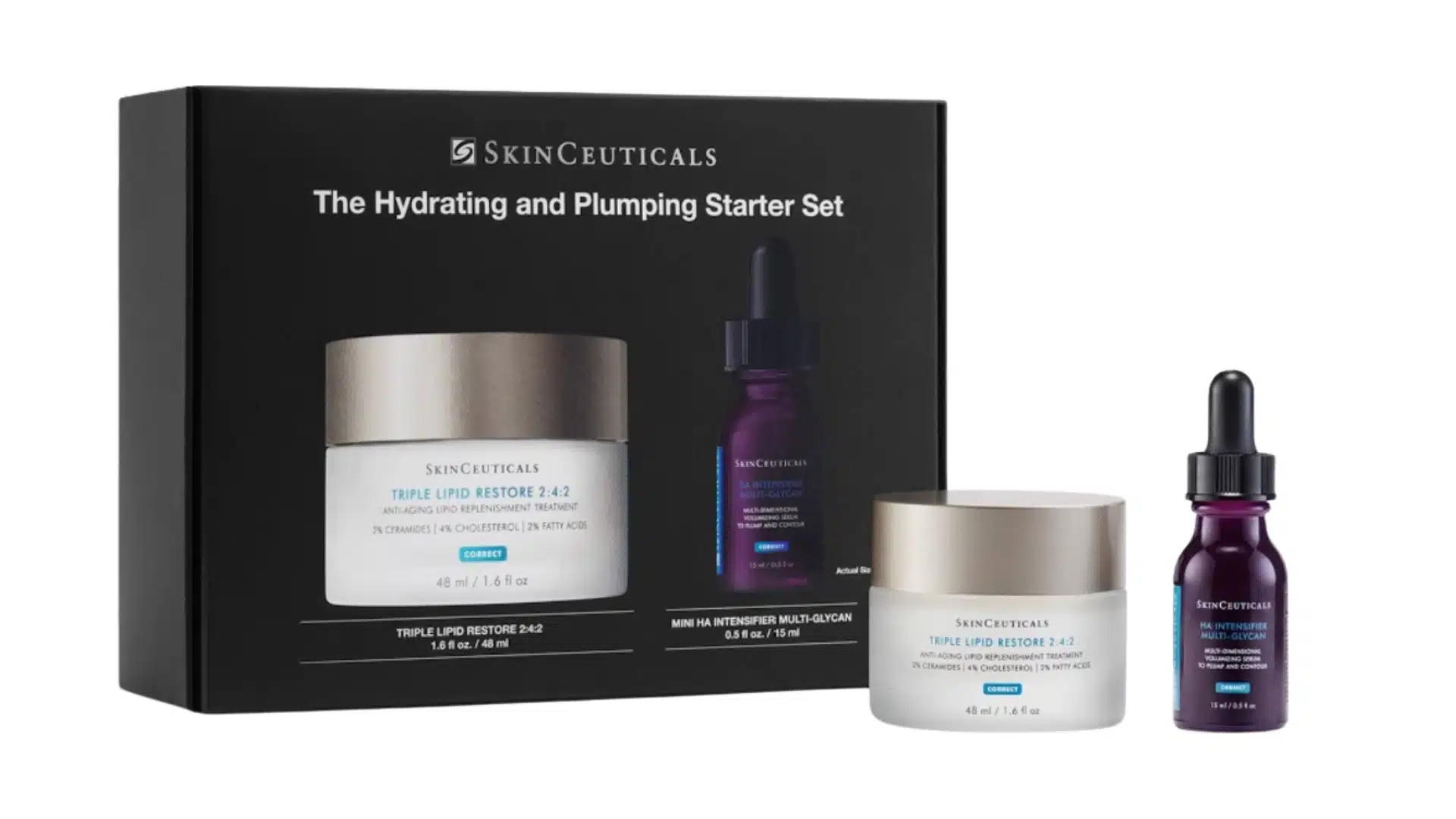
The SkinCeuticals Hyaluronic Acid Intensifier earns its top spot by combining several molecular weights of hyaluronic acid with proxylane and licorice root into a single rich, gel-like formula, so you get strong hydration and visible plumping without stacking multiple products.
It suits people dealing with both fine lines and general dryness. I reach for this one when a client wants a single product to do more of the work, and the main tradeoff is price: a one-ounce bottle runs close to $120, which puts it firmly in premium territory.
2. La Roche-Posay Hyalu B5 Serum
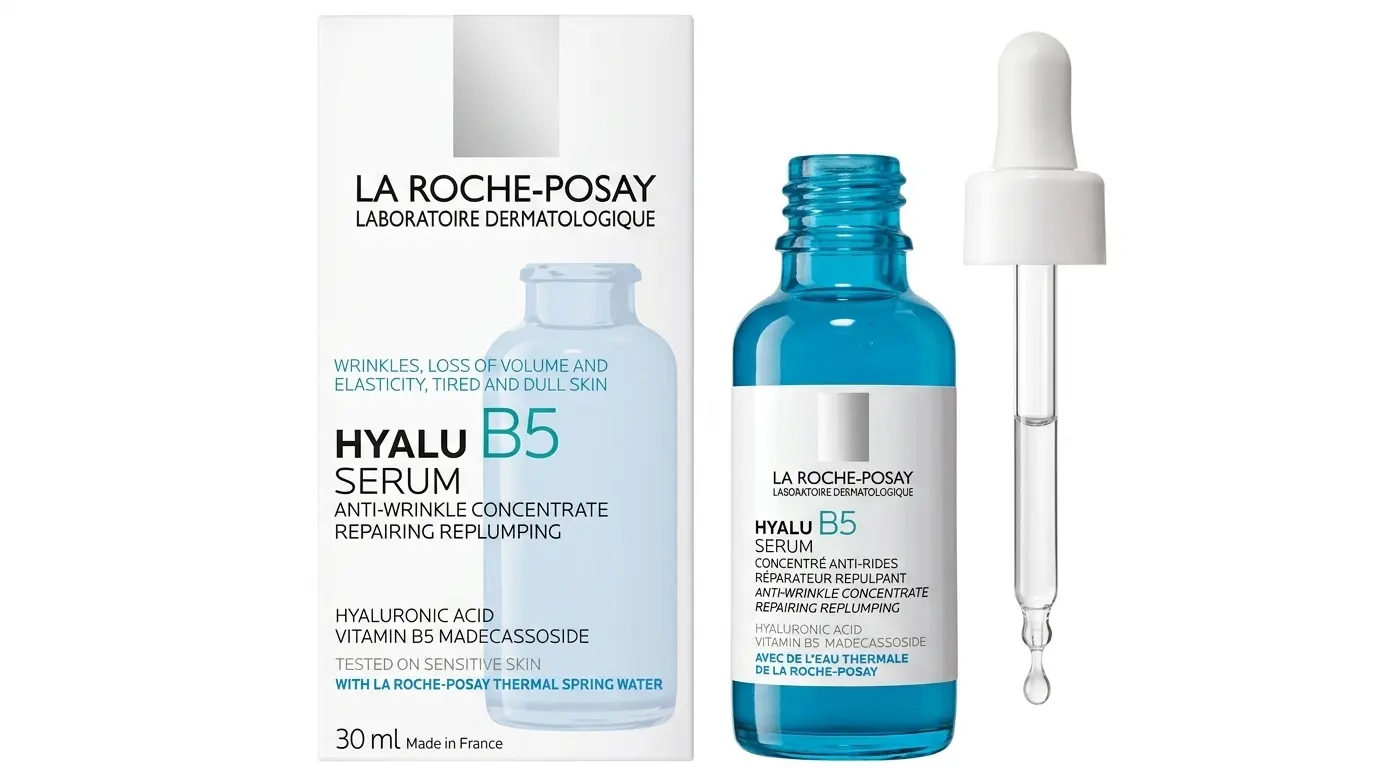
Redness-prone or reactive mature skin does well with La Roche-Posay Hyalu B5, since the ingredient list stays short and calming, built around hyaluronic acid, vitamin B5, and madecassoside.
The lightweight gel texture sinks in fast without tugging at thin skin, making it a safer starting point if irritation is a recurring issue. Priced around $54 for one ounce, it sits in the mid-range, though very dry skin may find the feel a little too light on its own.
3. The Ordinary Hyaluronic Acid 2% + B5
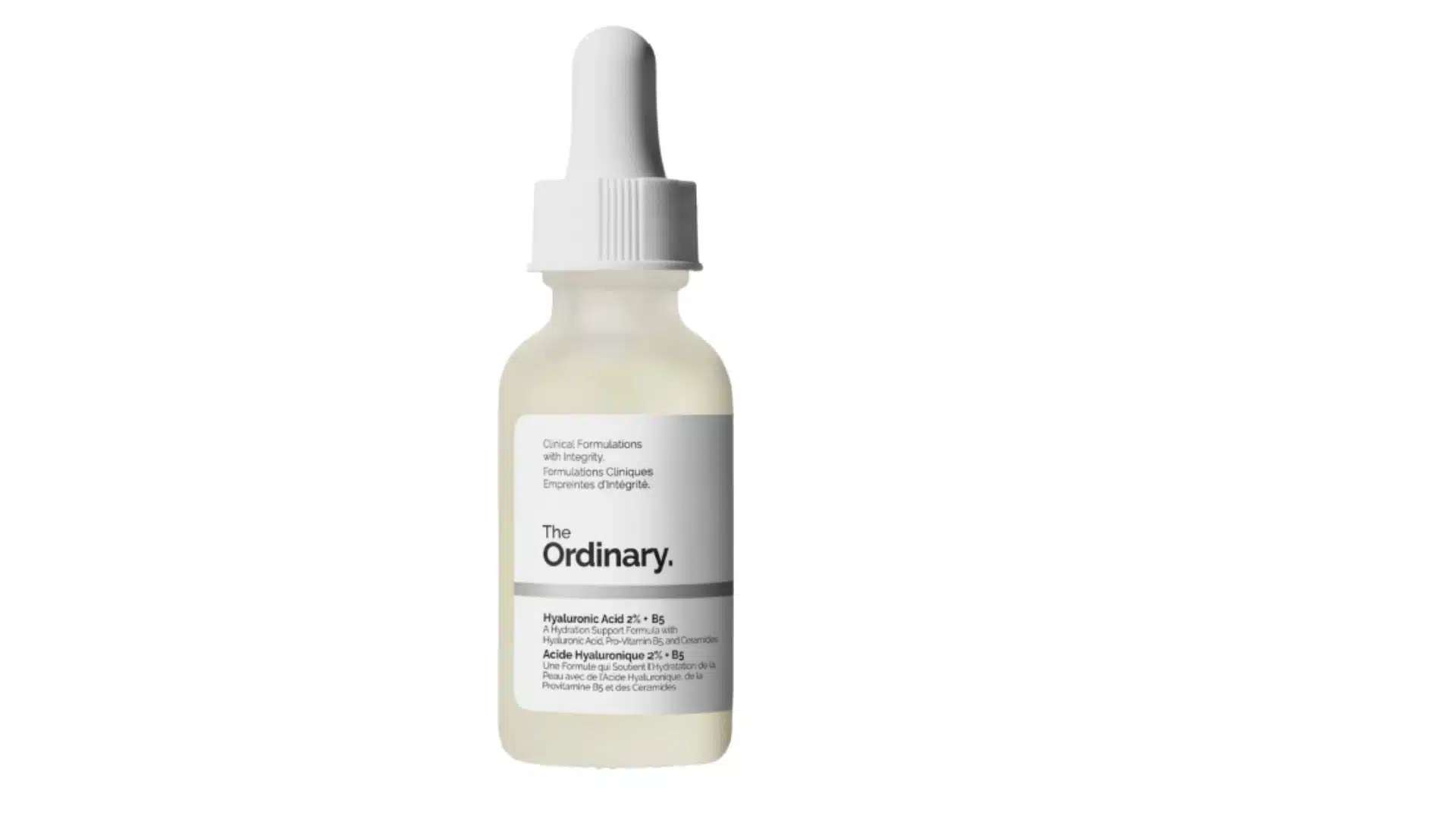
First-time buyers testing hyaluronic acid without a big financial commitment tend to land on The Ordinary Hyaluronic Acid 2% + B5, since it costs roughly $9 for 30 milliliters while still offering multiple weights of the ingredient for both surface and deeper hydration.
The watery consistency layers easily under other products. What I tell first-time buyers is that it skips any added barrier-support extras, so pair it with a solid moisturizer rather than expecting it to do everything alone.
4. L’Oréal Paris Revitalift 1.5% Hyaluronic Acid Serum
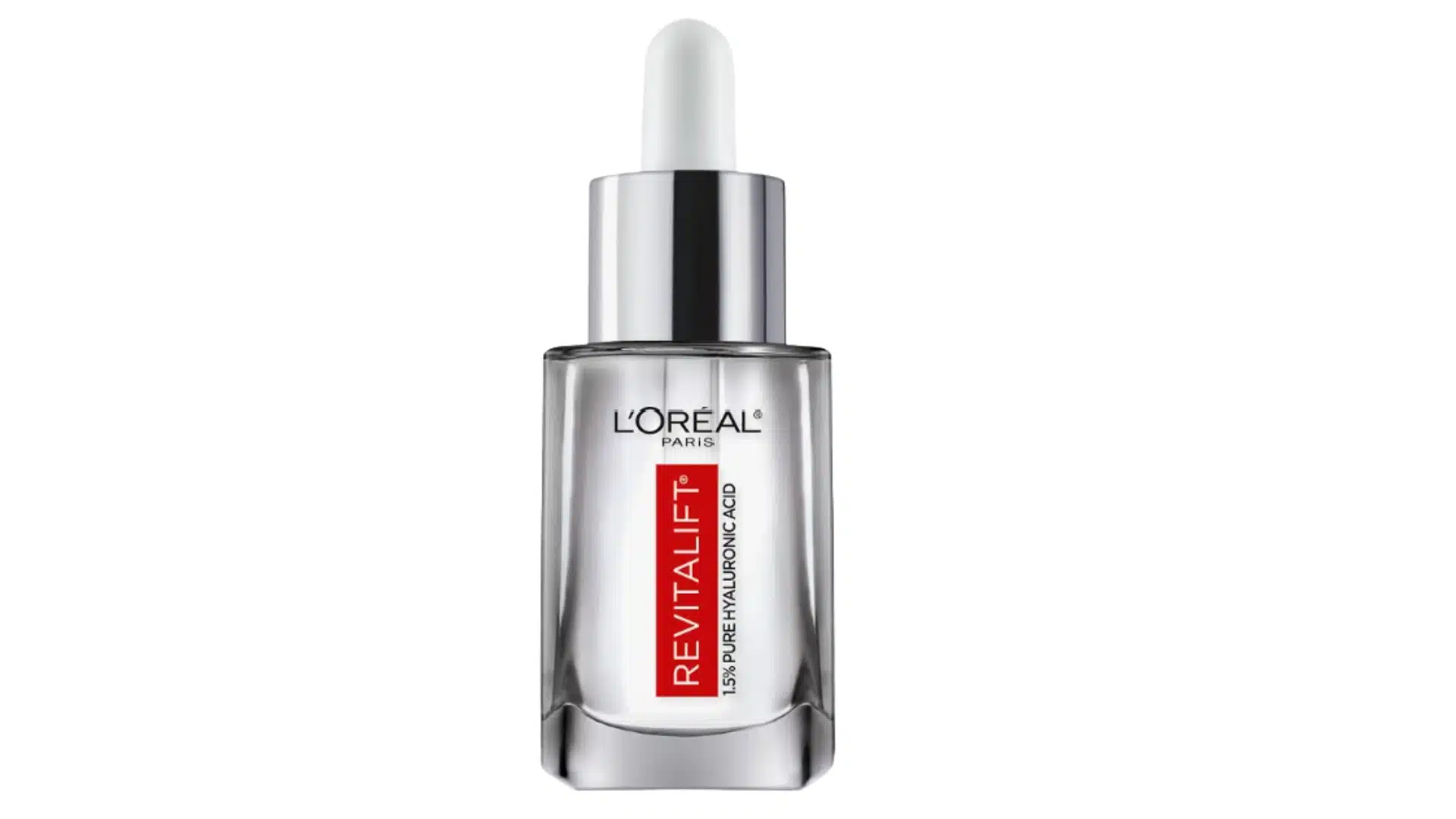
You’ll find L’Oréal Paris Revitalift on nearly every drugstore shelf, which makes it the easiest pick for anyone who wants daily hydration without hunting through specialty retailers.
The formula pairs hyaluronic acid with vitamin B5 in a lightweight, fast-absorbing base that costs around $19 per ounce. It doesn’t include as many additional actives as pricier competitors, but for straightforward, everyday moisture, it gets the job done reliably.
5. OSEA Hyaluronic Sea Serum
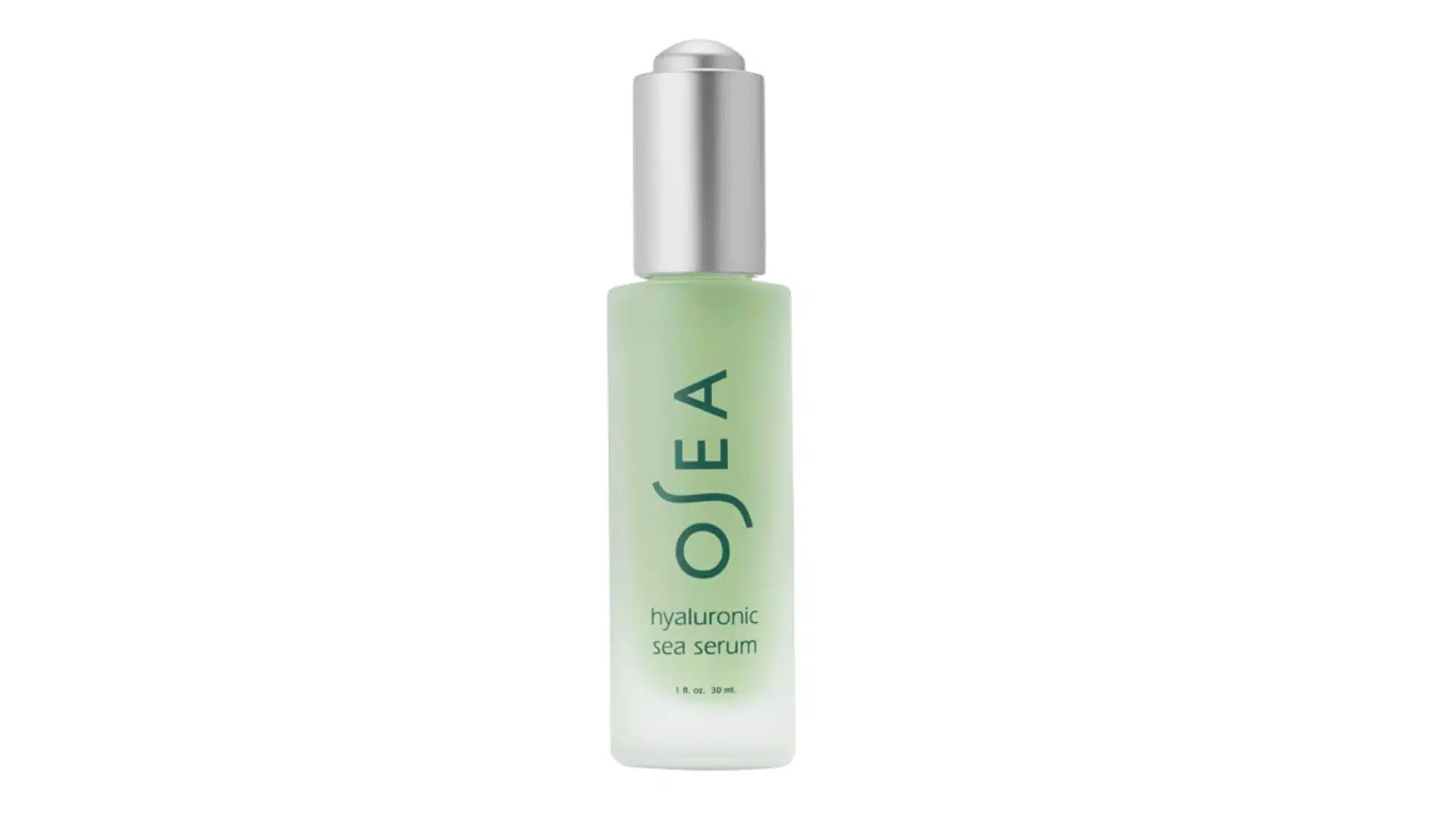
Built around plant-based ingredients including algae extract and aloe alongside hyaluronic acid, OSEA Hyaluronic Sea Serum delivers a silky, slightly richer texture that suits very dry mature skin better than most lightweight serums on this list.
Expect to pay closer to $88 for one ounce, putting it at the premium end. The luxurious feel comes at a real cost, so budget shoppers may want to look elsewhere first.
6. Neutrogena Hydro Boost Hyaluronic Acid Serum
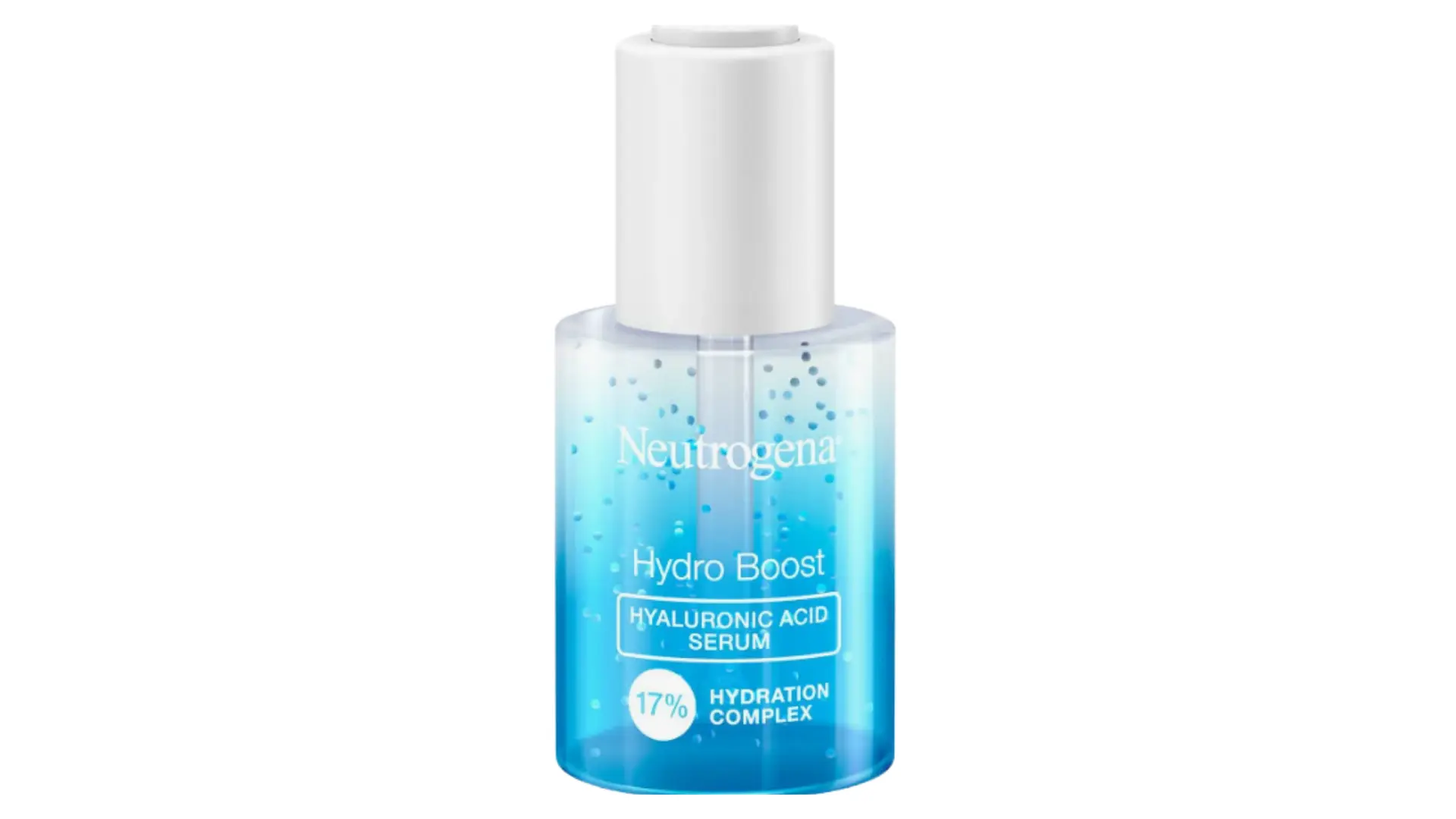
Neutrogena Hydro Boost leans into a gel-cream consistency that feels almost bouncy on application, thanks to hyaluronic acid working alongside glycerin to trap moisture at the surface.
It suits combination or normal mature skin looking for a quick daily step under $25 that doesn’t require much thought. I usually flag that the formula skips ceramides entirely, so drier skin types may still need a heavier layer on top to feel fully comfortable.
7. CeraVe Hydrating Hyaluronic Acid Serum
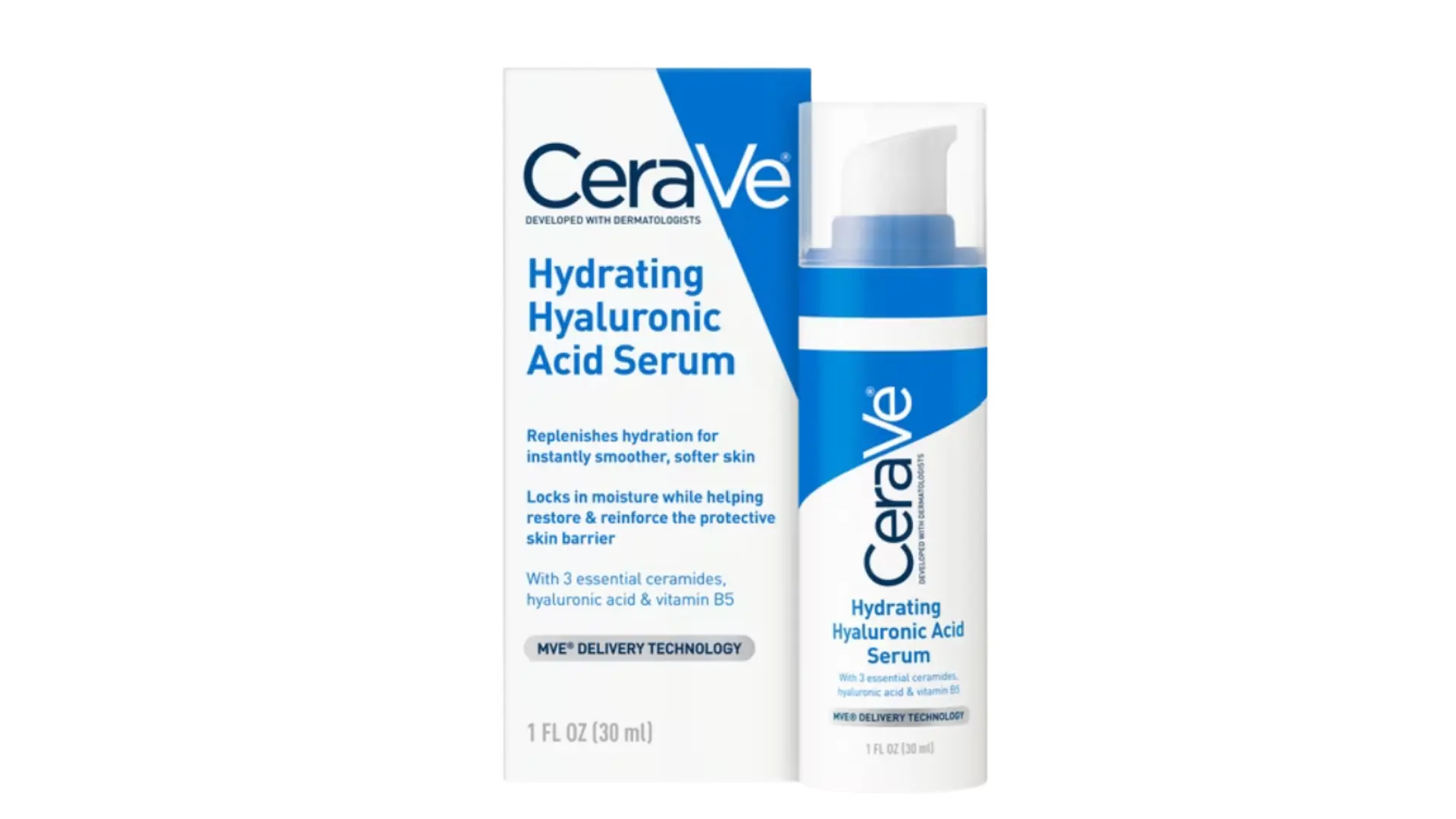
Dermatologists often mention CeraVe Hydrating Hyaluronic Acid Serum because it pairs hyaluronic acid with three essential ceramides, directly supporting the skin barrier rather than just adding surface moisture.
The lightweight, water-based texture absorbs quickly and costs roughly $17, making it one of the more accessible barrier-focused options around.
Its fragrance-free formula suits sensitive skin, though the minimal ingredient list means it won’t tackle fine lines on its own. Pairing it with the brand’s daily moisturizer can add extra ceramide support for very dry mature skin.
8. Vichy Minéral 89 Hyaluronic Acid Booster
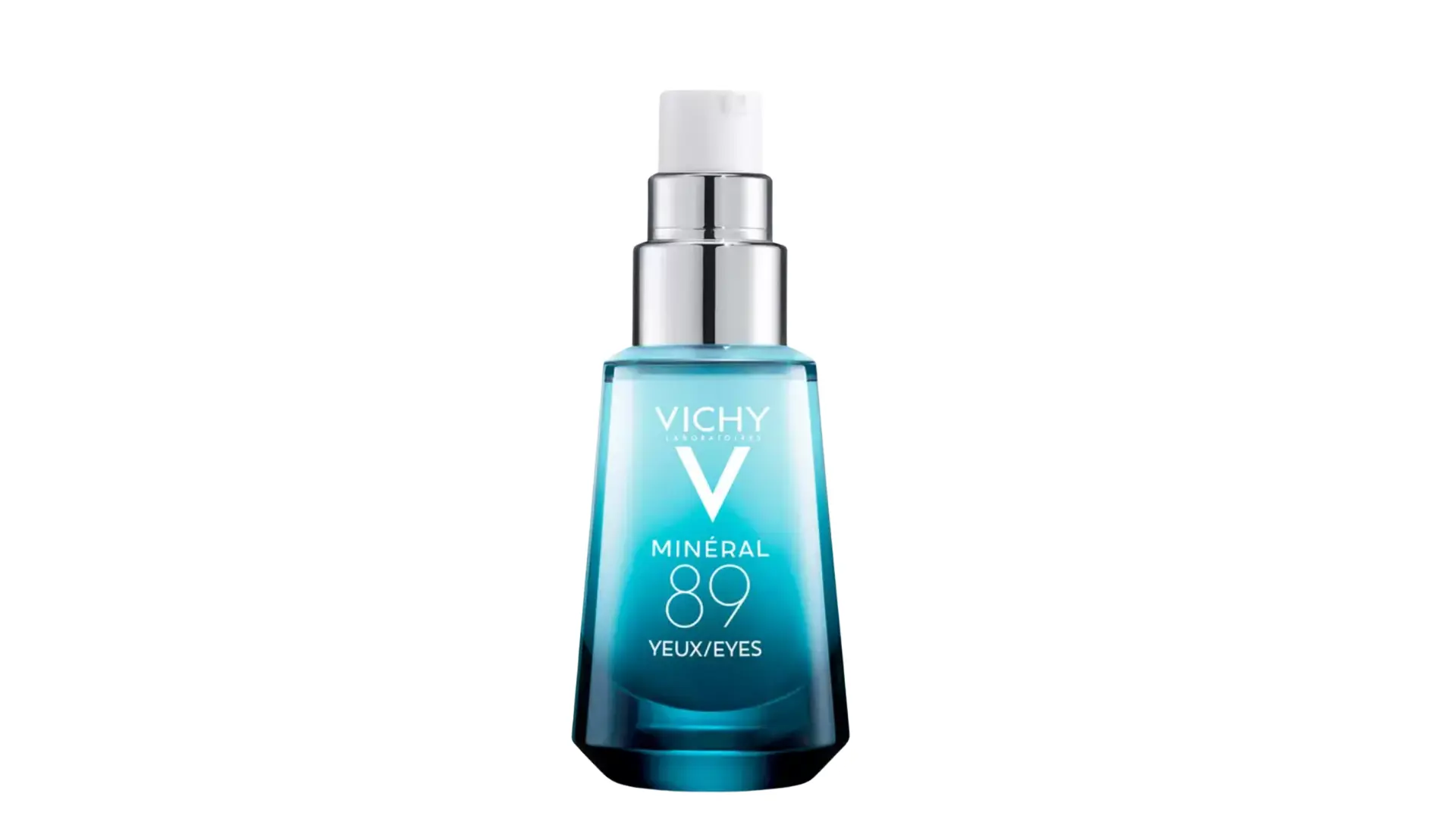
Vichy Minéral 89 blends hyaluronic acid with the brand’s own mineral-rich thermal spring water to create a fortifying gel that strengthens skin resilience over time rather than delivering an instant plumping effect.
The texture feels slightly tacky at first before settling into a smooth finish, and a bottle typically runs around $30. It works well as a daily booster layered under other products, though some users find the initial stickiness takes time to get used to.
9. Peter Thomas Roth Water Drench Hyaluronic Cloud Serum
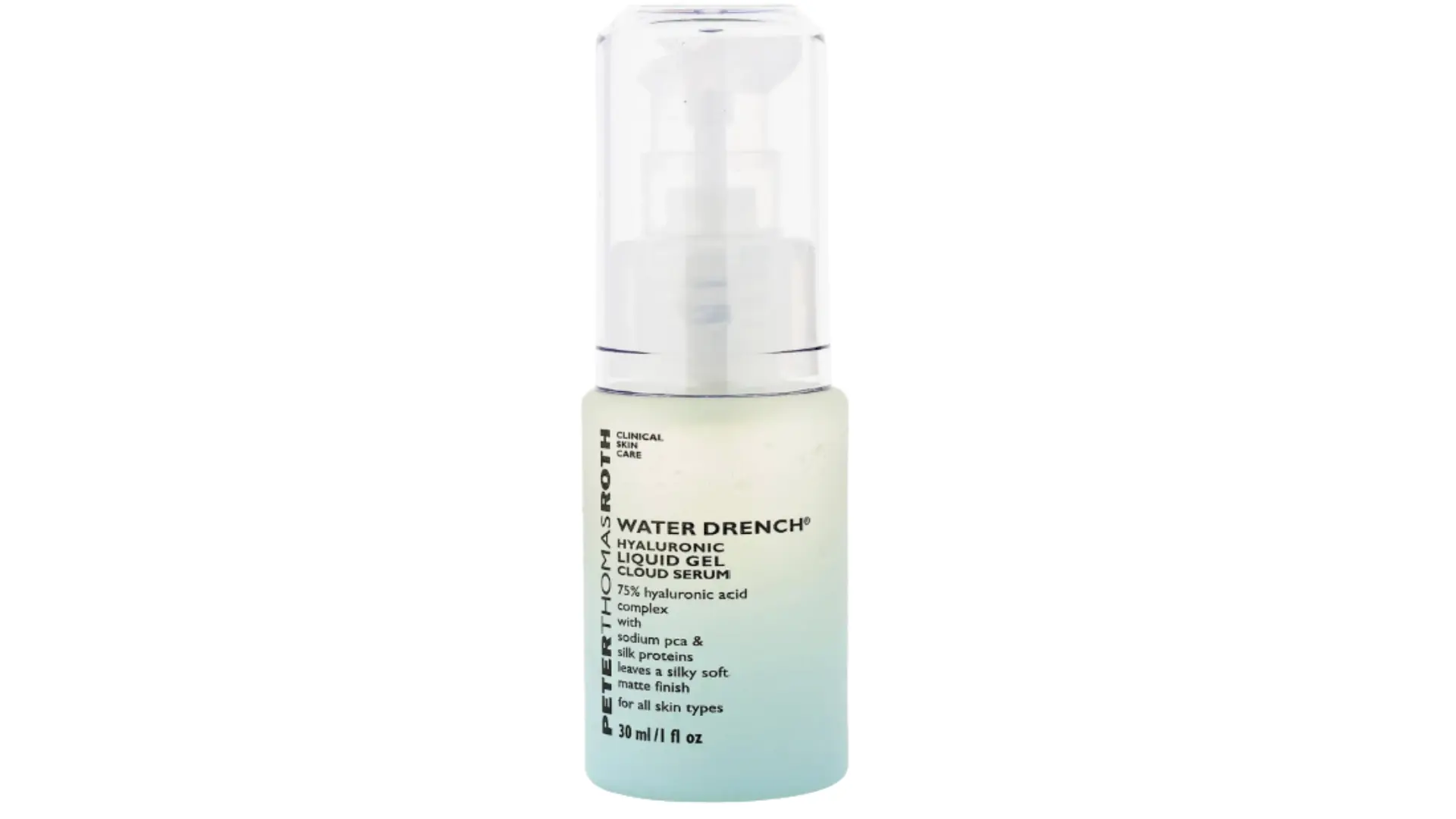
A cloud-like gel consistency gives Peter Thomas Roth Water Drench Hyaluronic Cloud Serum its name, delivering a burst of hydration that feels almost weightless while still containing multiple hyaluronic acid weights for lasting moisture retention.
Mature skin that wants visible plumping without heaviness tends to respond well here, and pricing sits around $58 for a full-size bottle. The main downside is a lack of added anti-aging actives beyond the core hydrating complex.
10. Drunk Elephant B-Hydra Intensive Hydration Serum
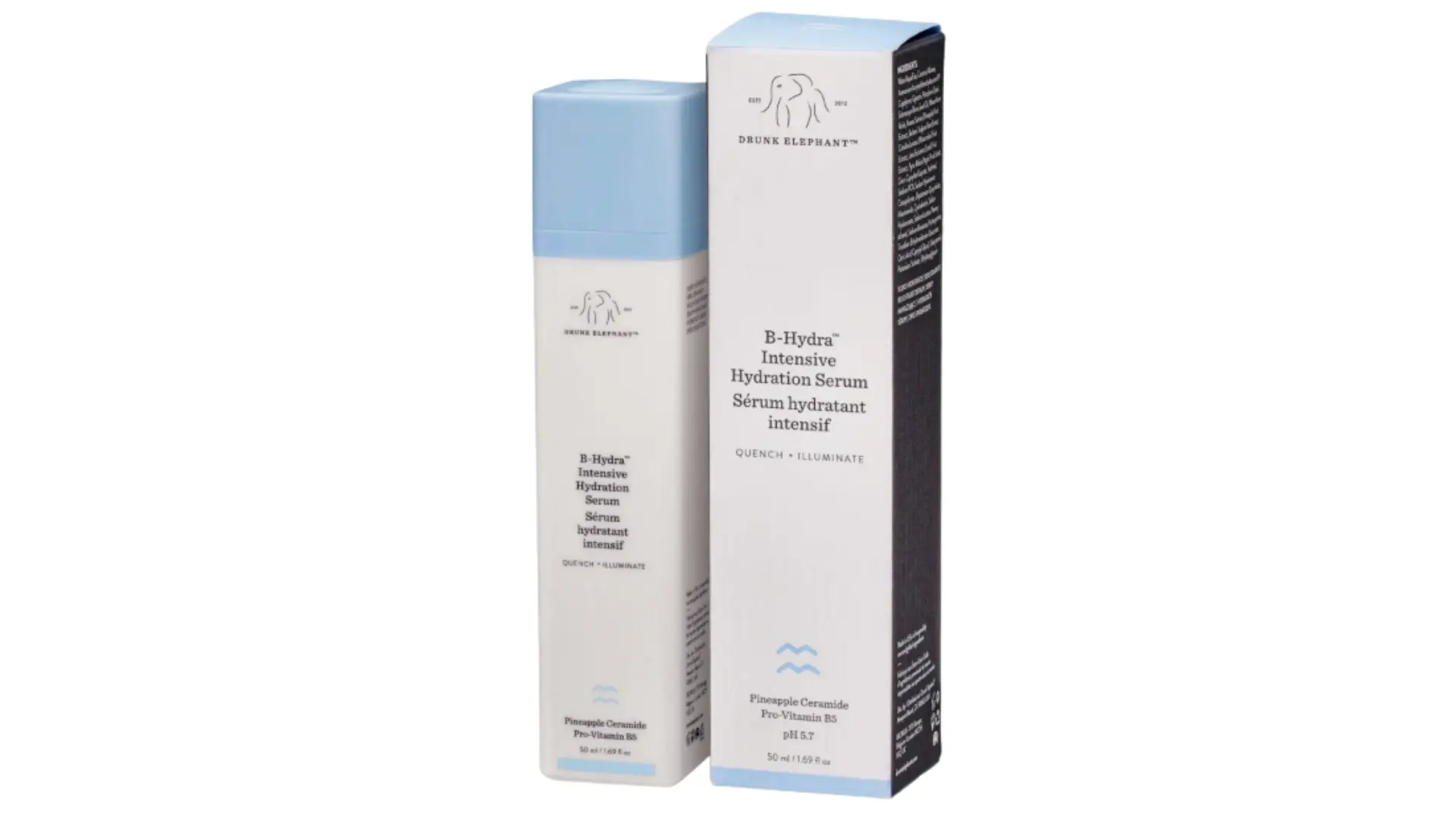
Drunk Elephant B-Hydra uses a sodium hyaluronate complex rather than standard hyaluronic acid, aiming for deeper penetration and a slightly cushier feel on application.
It works especially well before applying vitamin C or retinol, buffering potential irritation while adding moisture underneath, and it’s my go-to suggestion for clients easing into actives.
Expect to spend around $52 for one ounce, and note that the pump dispenser can be finicky, a minor but recurring complaint.
11. ISDIN Hyaluronic Acid 2 Serum
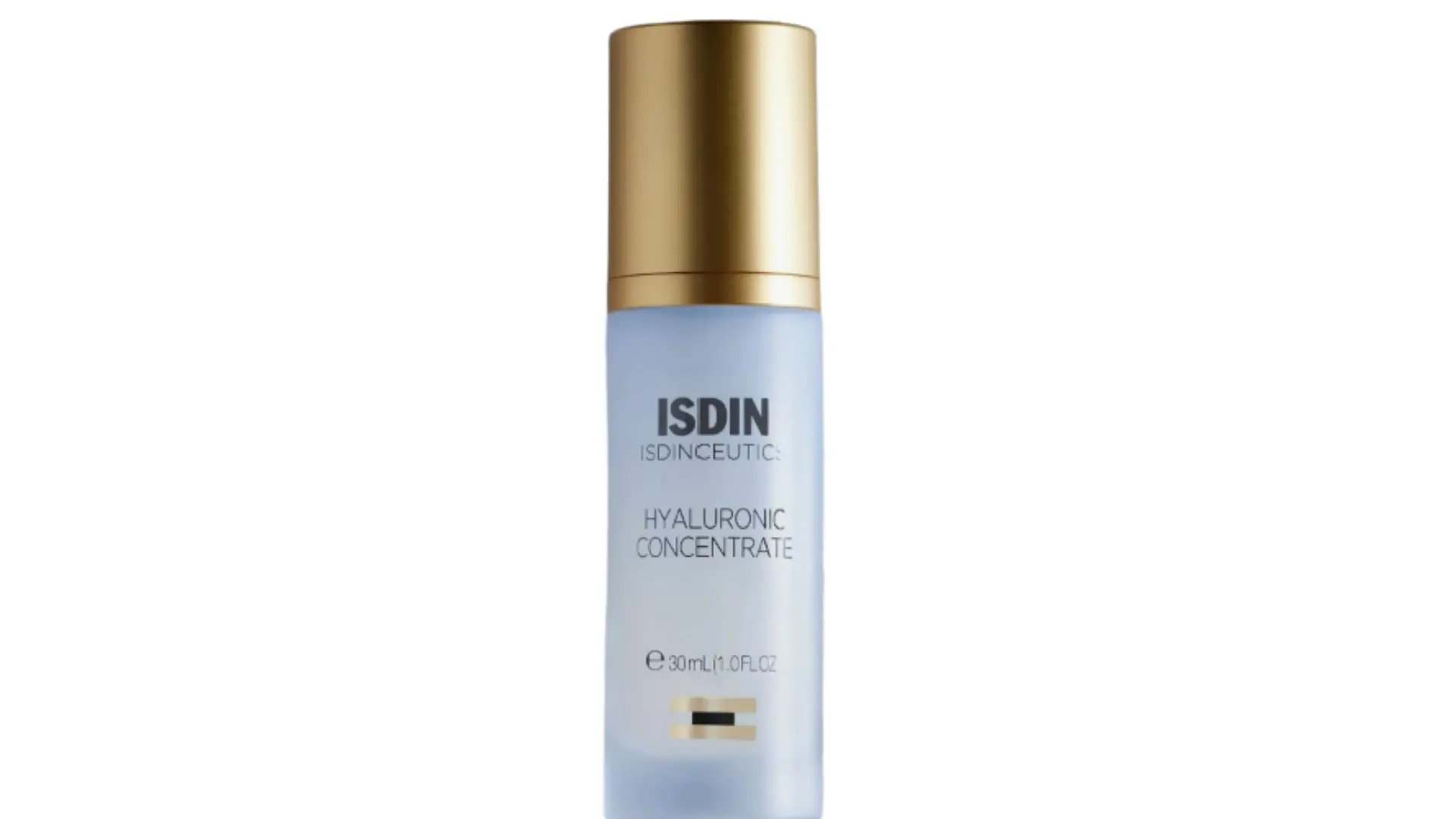
Dermatologist-developed and fairly minimal in its ingredient list, ISDIN Hyaluronic Acid 2 Serum focuses purely on hydration through two molecular weights of hyaluronic acid, without added fragrance or extra actives competing for attention.
The lightweight fluid texture layers well under sunscreen each morning, and a bottle costs about $40. Because it stays so simple, it won’t address concerns like dullness or uneven tone on its own.
12. Paula’s Choice Hyaluronic Acid Booster
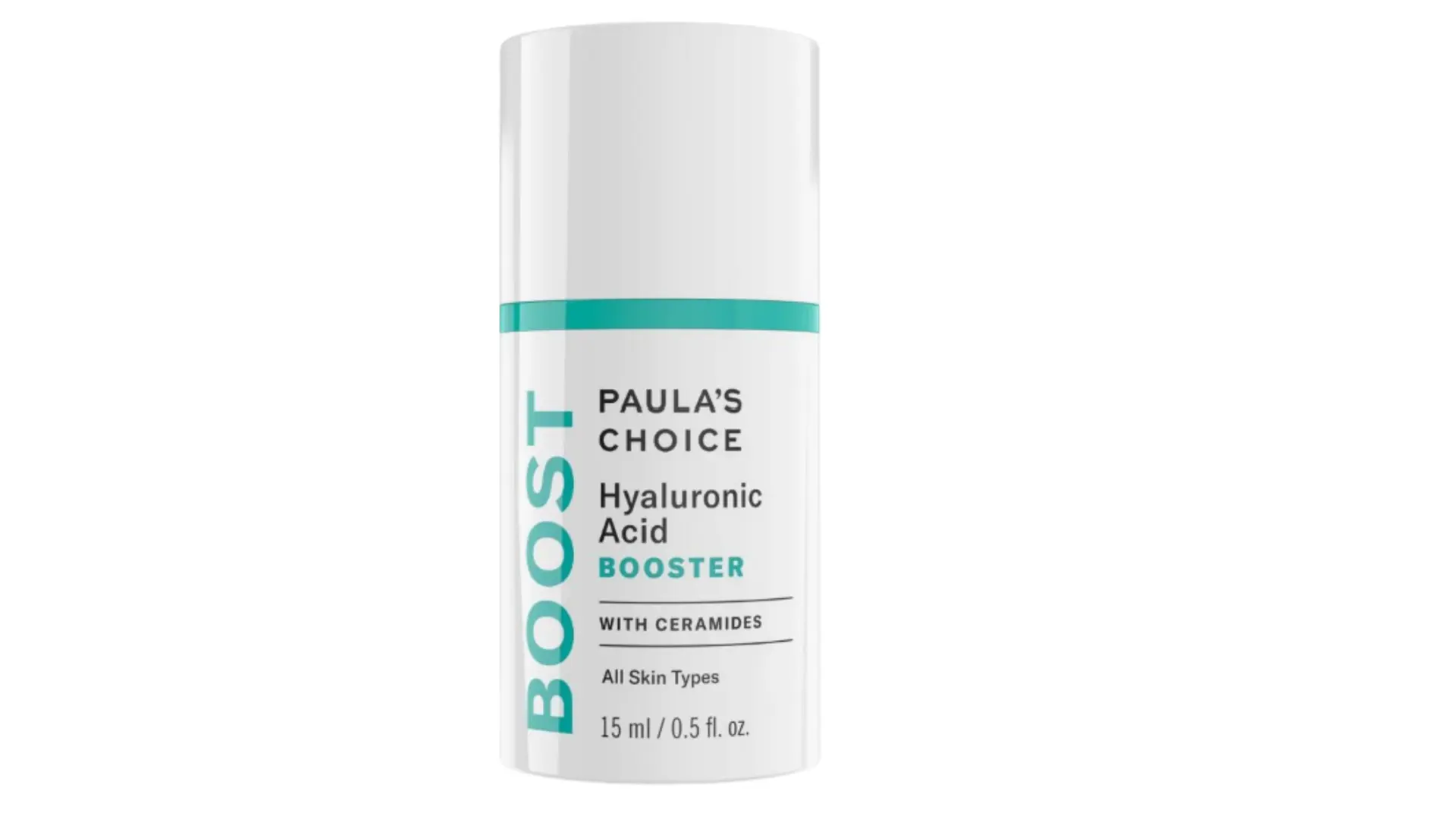
Meant to be mixed into your existing moisturizer rather than used alone, Paula’s Choice Hyaluronic Acid Booster adds a dose of hydration and antioxidants wherever you need it most that day.
The thin, almost oil-like texture blends in without leaving residue, and pricing sits around $46. It requires a bit more effort than a standalone serum, since you’re customizing your routine each time rather than applying a set product.
13. First Aid Beauty Ultra Repair Hydrating Serum
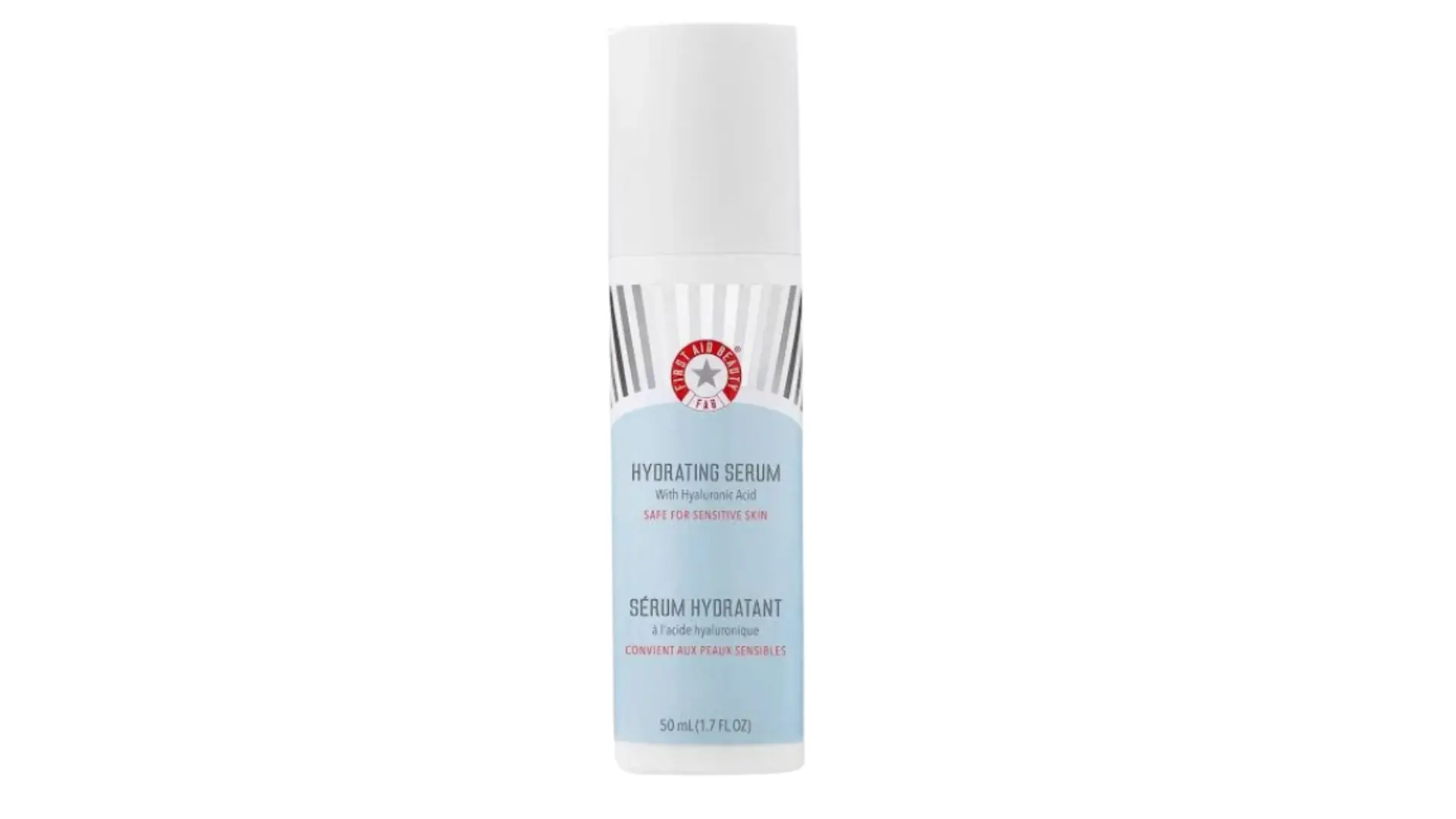
Built for compromised or easily irritated mature skin, First Aid Beauty Ultra Repair Hydrating Serum combines hyaluronic acid with colloidal oatmeal and allantoin to calm as much as it hydrates.
The gel texture feels soothing on contact, which suits skin dealing with flare-ups or seasonal dryness, and a bottle runs close to $38. It leans gentle rather than potent, so those wanting visible anti-aging results may need to add other targeted products alongside it.
14. Dr. Dennis Gross Hyaluronic Marine Hydration Booster
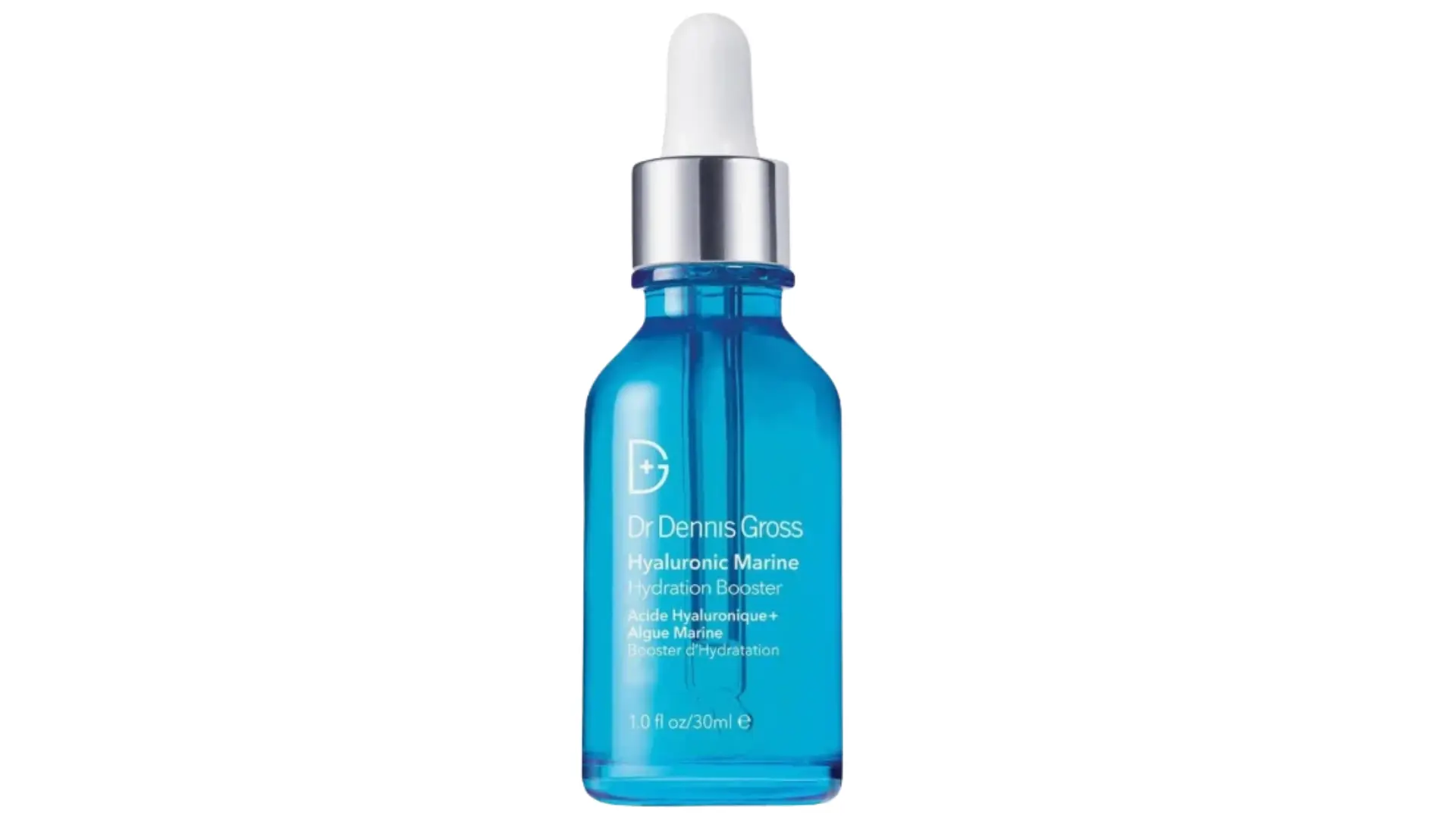
Marine extracts join hyaluronic acid in Dr. Dennis Gross Hyaluronic Marine Hydration Booster, aiming to support both surface hydration and the skin’s natural moisture retention over time.
The lightweight, quick-absorbing texture layers comfortably under makeup, and a full-size bottle typically costs around $68.
I see it as more of a daily hydration step than a treatment for deeper lines, so pair it with a dedicated anti-aging product if that’s your main concern.
15. Olay Regenerist Hyaluronic + Peptide 24 Serum
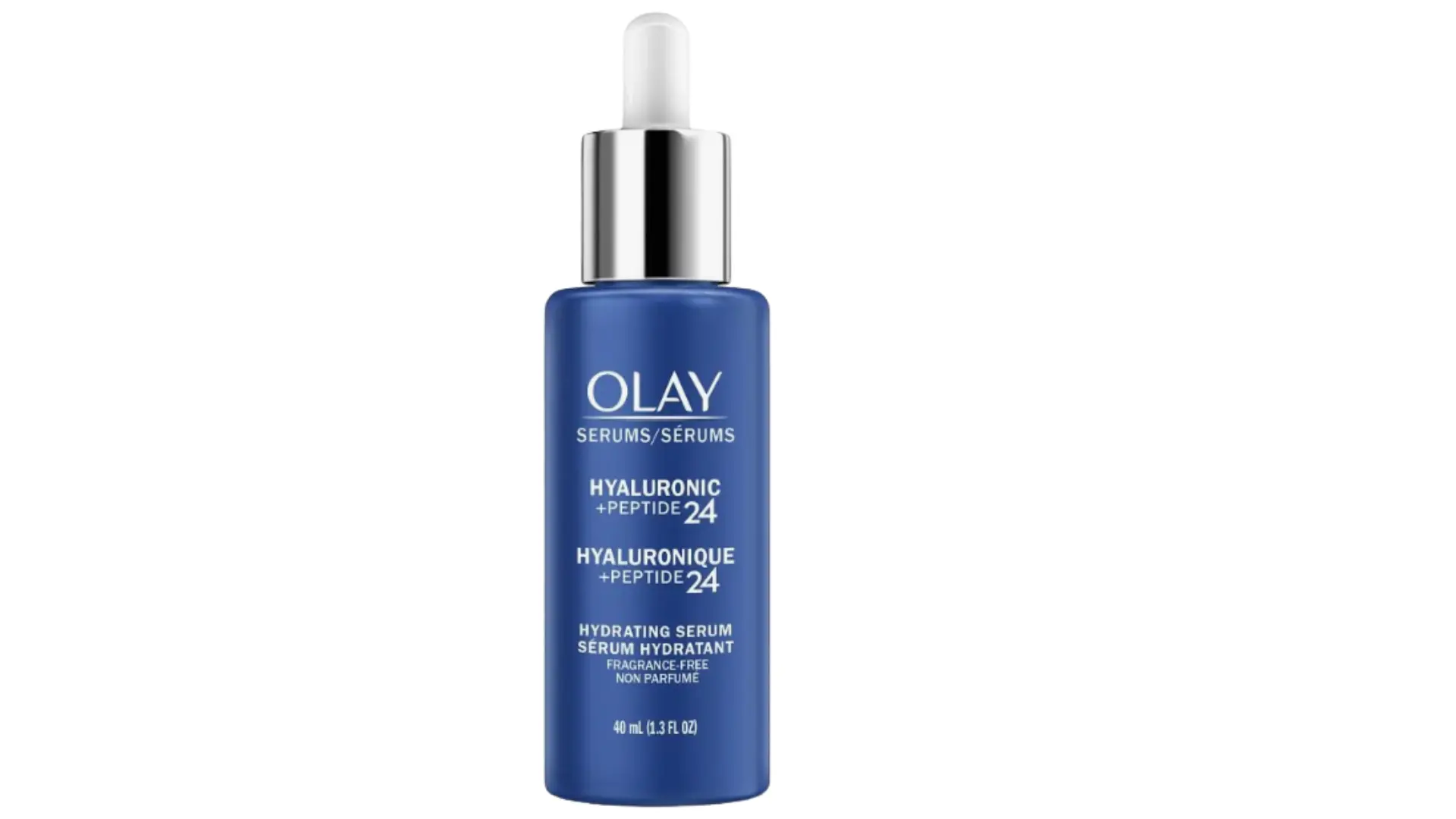
Olay Regenerist Hyaluronic + Peptide 24 pairs hyaluronic acid with peptides in a formula aimed squarely at firmness alongside hydration, priced affordably around $28 for a full-size bottle at most retailers.
The lotion-like texture absorbs without feeling greasy, making it easy to use both morning and night. Some users report the scent is noticeable at first application, though it fades quickly and doesn’t linger through the day.
16. RoC Multi Correxion Hydrate + Plump Serum
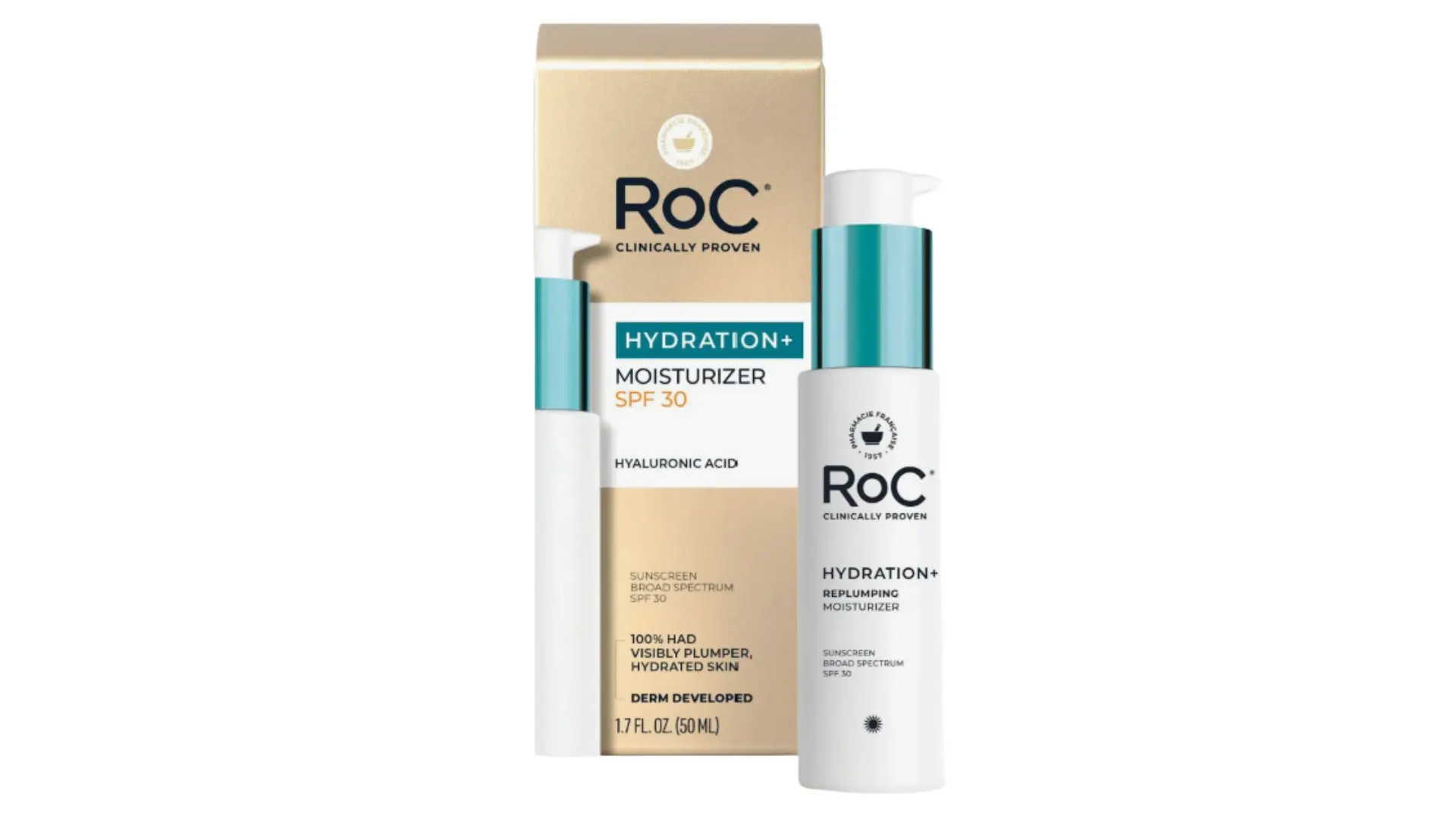
RoC Multi Correxion Hydrate + Plump Serum targets multiple visible signs of aging at once, combining hyaluronic acid with the brand’s own blend of hydrating agents in a lightweight lotion base.
It costs roughly $22, making it accessible for daily use without a big commitment. The formula works gradually rather than delivering instant plumping, so patience matters more here than with some of the pricier options on this list.
17. Glow Recipe Plum Plump Hyaluronic Serum
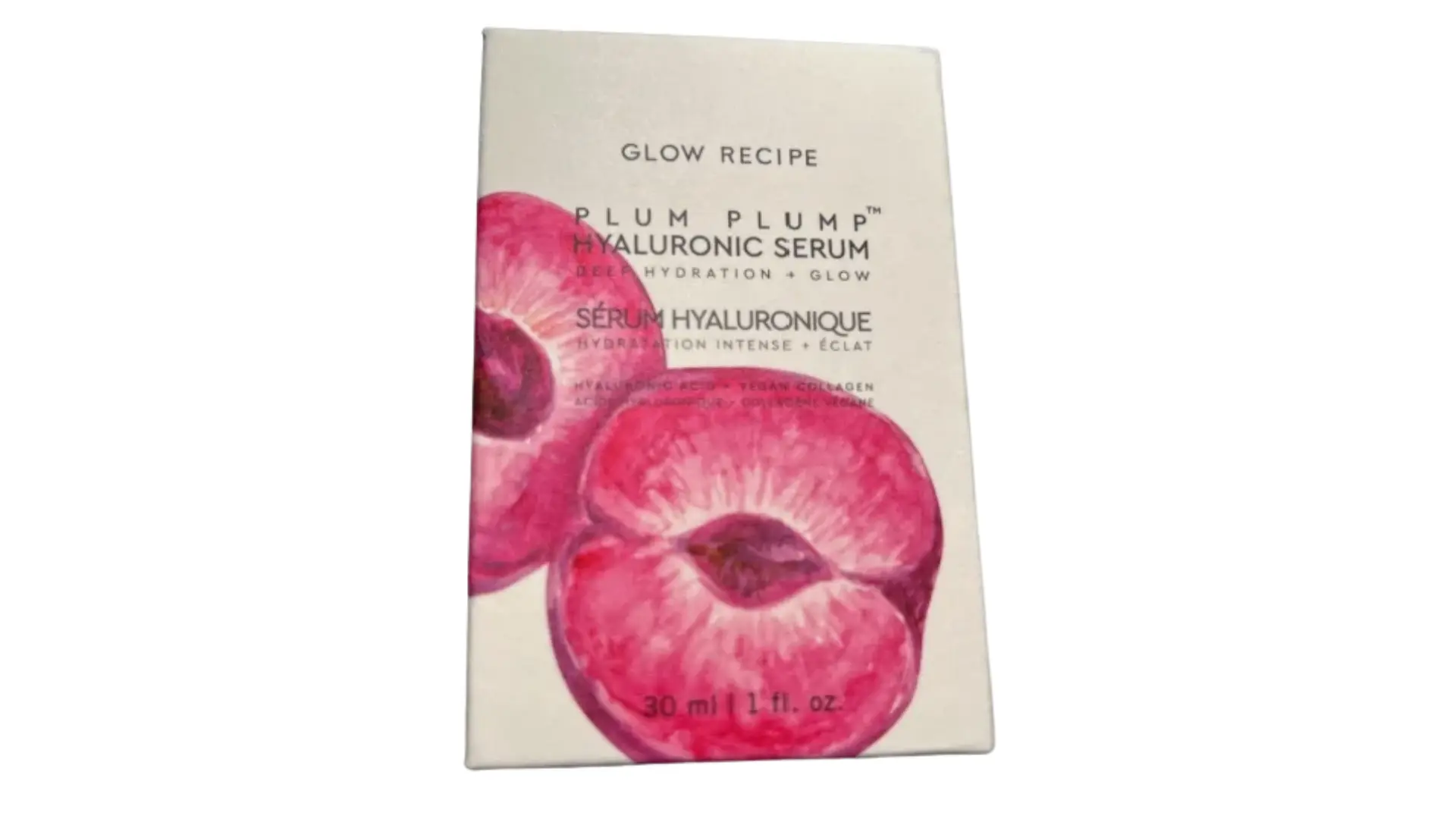
Plum extract and niacinamide join hyaluronic acid in Glow Recipe Plum Plump Hyaluronic Serum, giving it a slightly fruity scent alongside a bouncy, jelly-like texture that many find satisfying to apply.
It suits mature skin looking for both hydration and a touch of brightness, and the bottle is priced around $42. The playful packaging and scent won’t appeal to everyone, particularly those who prefer completely fragrance-free formulas.
18. Kiehl’s Powerful-Strength Line-Reducing Concentrate
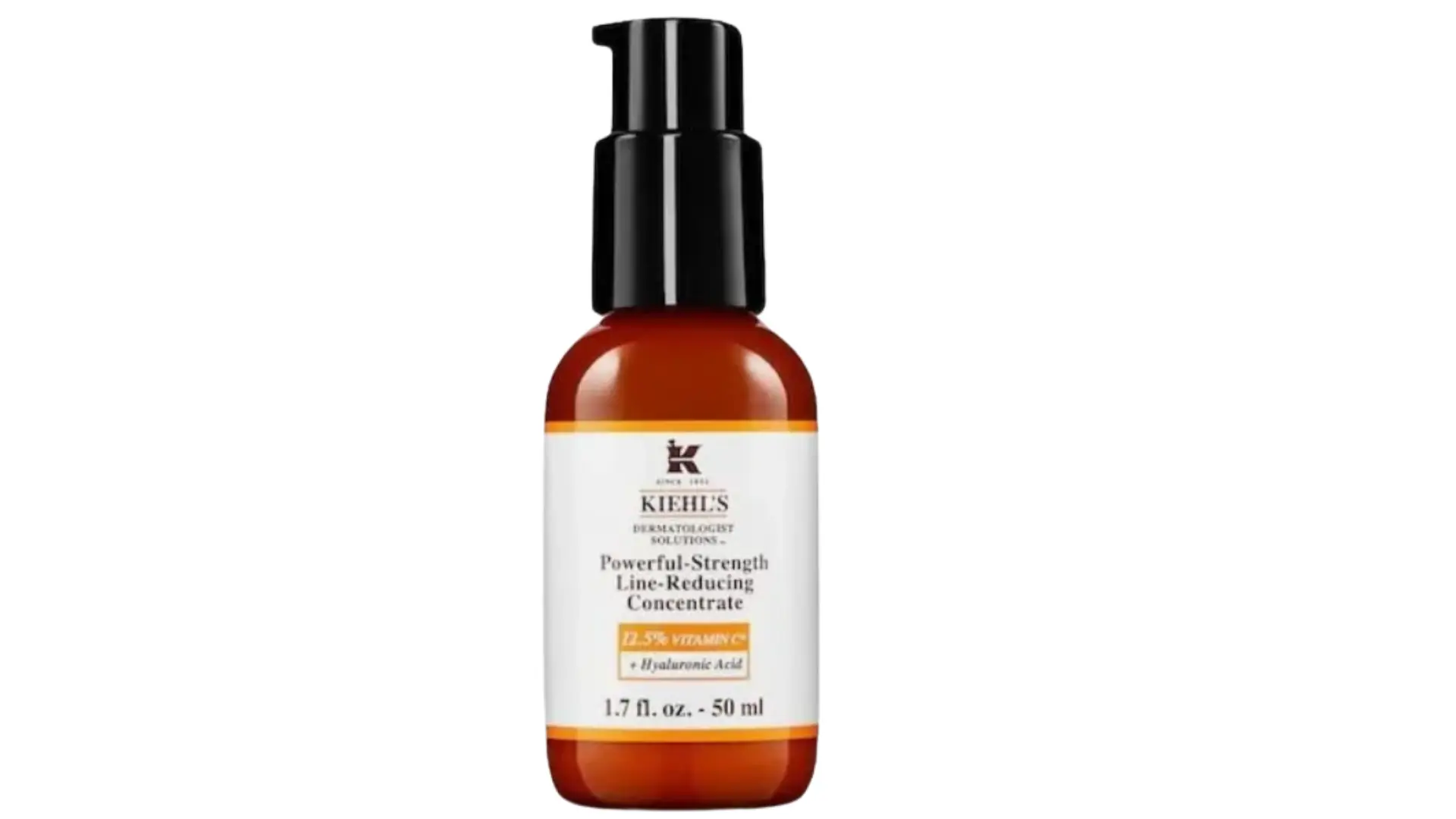
Positioned as a treatment serum, Kiehl’s Powerful-Strength Line-Reducing Concentrate pairs hyaluronic acid with adenosine to target both hydration and the appearance of fine lines at once, in a slightly thicker gel consistency than most entries here.
A bottle costs close to $75. It works best layered into a full routine rather than used alone, and the price reflects its treatment-focused positioning compared to simpler hydrating options.
19. Estée Lauder Micro Essence Skin Activating Treatment Lotion
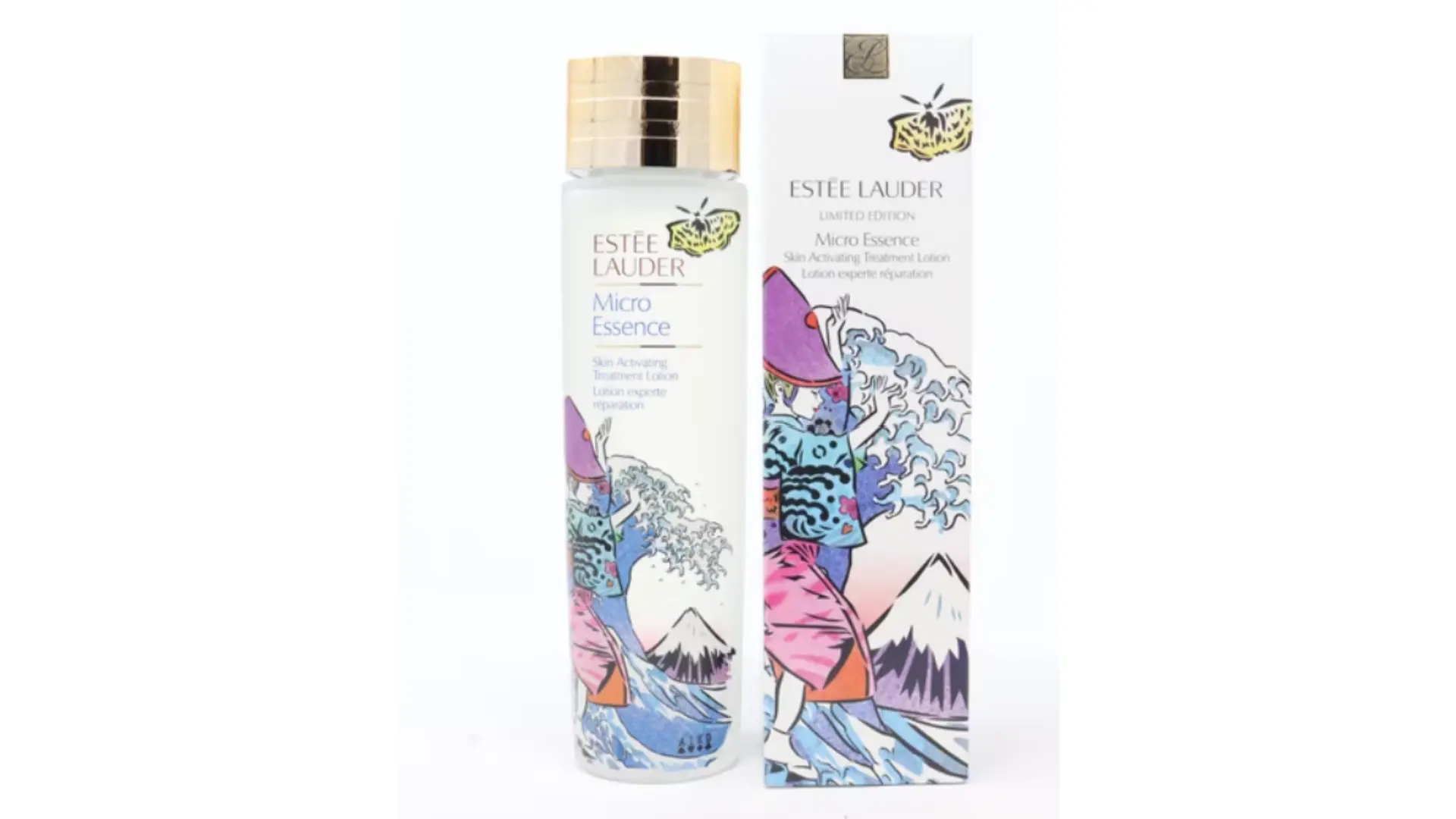
Estée Lauder Micro Essence blends into a routine more like an essence than a traditional serum, using hyaluronic acid alongside a fermented ingredient complex to prep skin for better absorption of what you apply afterward.
The watery texture soaks in almost instantly, and pricing runs around $80 for a full-size bottle. I frame it as a supporting step rather than a stand-alone treatment, so it works best paired with a dedicated moisturizer.
20. SkinMedica HA5 Rejuvenating Hydrator
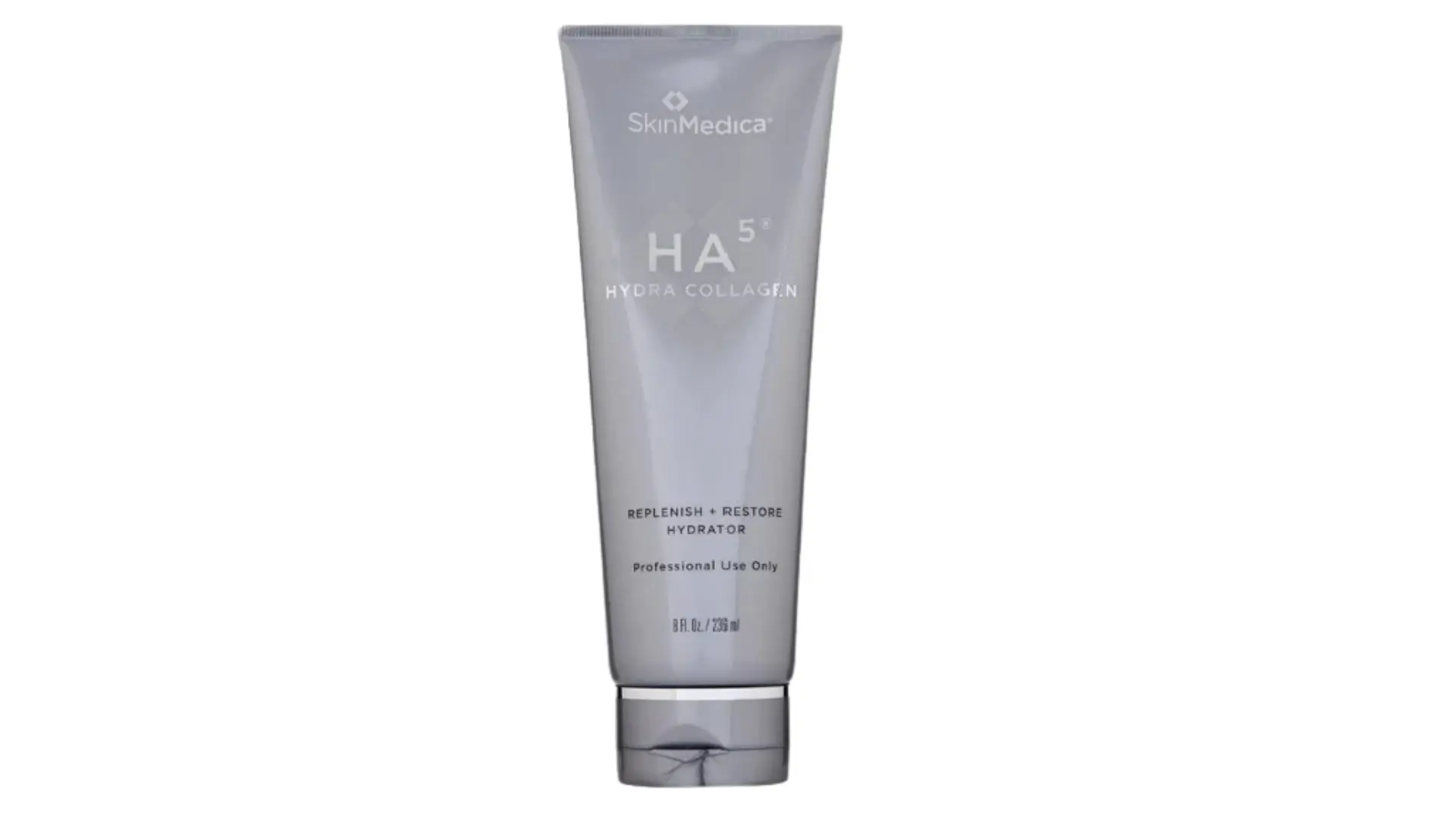
Frequently recommended by dermatologists, SkinMedica HA5 Rejuvenating Hydrator uses five different forms of hyaluronic acid alongside peptides to support hydration and encourage the skin’s own moisture production over repeated use.
The medium-weight lotion texture works well for daily application, though the price, near $180 for a full-size bottle, sits at the higher end of what most routines can justify without a specific concern driving the purchase.
21. Naturium Hyaluronic Acid Serum
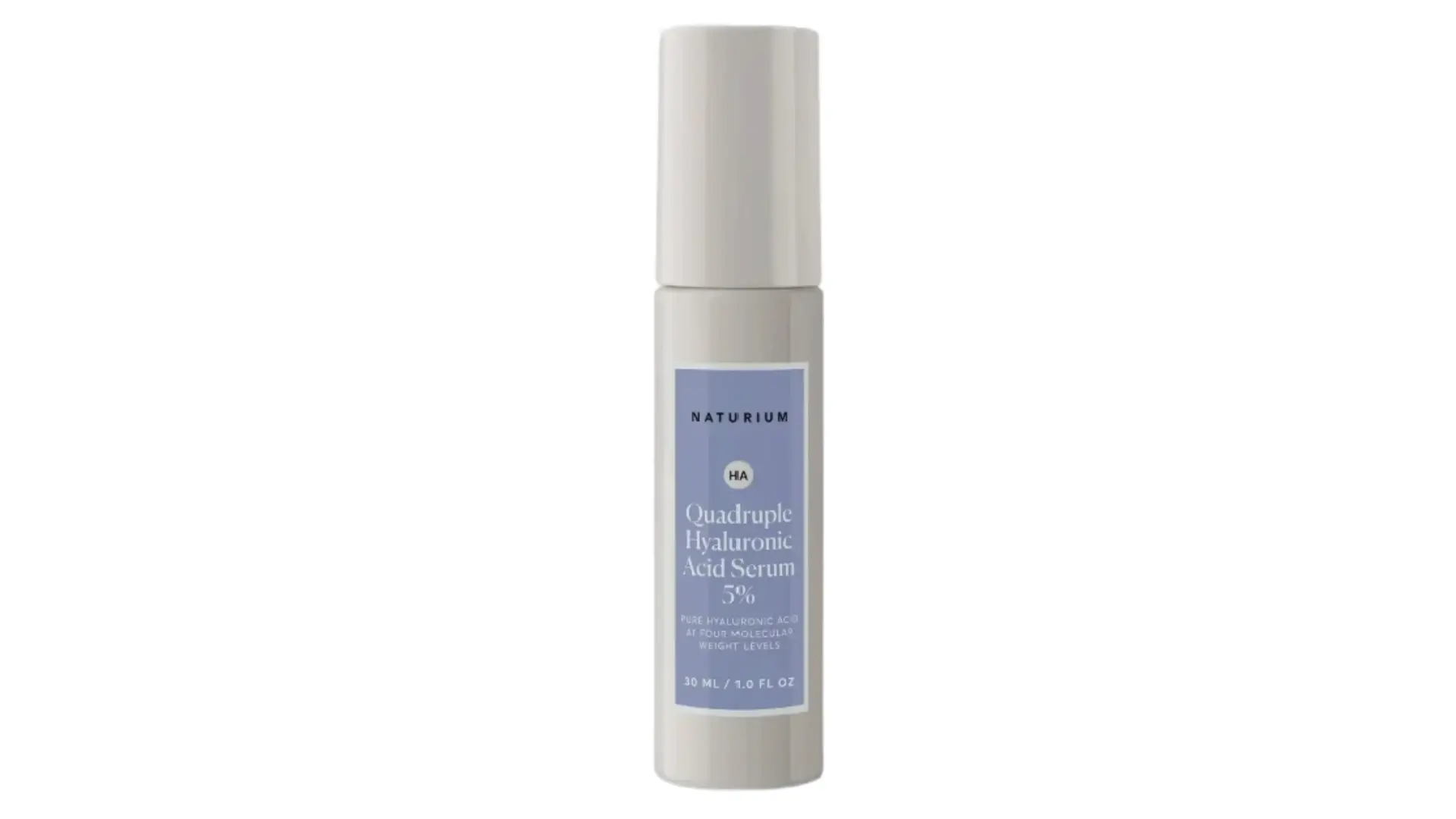
Naturium Hyaluronic Acid Serum keeps things simple and affordable, combining hyaluronic acid with panthenol in a straightforward gel that costs around $16, making it one of the more wallet-friendly options for daily hydration.
The texture absorbs quickly and has no noticeable scent. Because the formula stays minimal, it won’t offer much beyond basic moisture support, so treat it as a foundation rather than a full solution.
How to Choose the Best Hyaluronic Acid Serum for Mature Skin
Choosing the right serum depends on your skin concerns, but certain ingredients can help mature skin get better hydration, barrier support, and smoother-looking results.
- High- and low-molecular-weight hyaluronic acid works together to hydrate different surface layers, with larger molecules helping lock in moisture and smaller molecules supporting deeper hydration.
- Multi-molecular HA formulas combine different hyaluronic acid sizes to provide longer-lasting moisture and improve skin hydration.
- Ceramides, squalane, fatty acids, and glycerin help strengthen the skin barrier, reduce moisture loss, and keep dry skin feeling softer.
- Peptides, niacinamide, antioxidants, and growth-factor-inspired ingredients support smoother-looking skin and improve the appearance of firmness.
- Fragrance and drying alcohols may irritate mature or sensitive skin, especially when the barrier is weakened.
A well-formulated hyaluronic acid serum combines hydration with barrier and anti-aging support to help mature skin look smoother, softer, and more refreshed.
Does Hyaluronic Acid Work with Retinol and Vitamin C?
Yes, hyaluronic acid layers well with both retinol and vitamin C, and it can make each one easier to tolerate. Retinol and vitamin C both increase how easily skin loses water, so a hydrating hyaluronic acid serum applied before or after helps buffer the dryness and flaking that often shows up when you start a new active.
I get asked about percentage more than almost anything else, so here’s my honest read: most formulas on this list use somewhere between 0.1% and 2% hyaluronic acid.
A higher percentage isn’t automatically better, since hyaluronic acid works by attracting water rather than building up in the skin.
In my experience, a well-formulated 1 to 2% serum with more than one molecular weight typically outperforms a single high-percentage formula.
On nights you’re using a retinol, it helps to know how tretinoin and retinol differ before you decide which one to pair with hyaluronic acid.
How to Use Hyaluronic Acid Serum for Mature Skin
Using hyaluronic acid serum correctly helps your skin get the most hydration benefits. A few simple steps can improve how the product absorbs and supports mature skin.
- Step 1: Apply the serum after cleansing while your skin is slightly damp, as hyaluronic acid works by attracting and holding onto moisture.
- Step 2: Use a few drops of serum and gently press it into your skin instead of rubbing, which is the one habit I correct most often since rubbing can pull on delicate mature skin.
- Step 3: Follow with a moisturizer to seal in hydration and help prevent moisture loss throughout the day.
- Step 4: Apply sunscreen in the morning after your serum and moisturizer to protect skin from environmental damage.
- Step 5: Use the serum consistently in your routine, either once or twice daily depending on your skin’s needs and the product formula.
- Step 6: Layer it with other skincare ingredients like retinol or vitamin C carefully, and adjust frequency if your skin becomes irritated.
Following the right application steps allows hyaluronic acid to support smoother, softer, and more hydrated-looking mature skin without overcomplicating your routine.
Common Mistakes That Reduce Hyaluronic Acid Serum Results
Even a good serum won’t work as expected if it’s used incorrectly, and these are the mistakes I see most often in the treatment room. Avoiding them can help mature skin get better hydration and comfort.
Mistake | Why It Matters |
|---|---|
Applying on dry skin | HA works better on slightly damp skin. |
Skipping moisturizer | Moisturizer helps lock in hydration. |
Using too much serum | Extra product does not improve results. |
Expecting wrinkle removal | HA hydrates but does not erase wrinkles. |
Ignoring barrier care | Mature skin often needs extra support beyond hydration. |
Small changes in how you apply and layer your serum can make a noticeable difference in how hydrated and comfortable mature skin feels
Final Verdict
Choosing the best hyaluronic acid serum for mature skin comes down to your budget, skin type, and main concern. SkinCeuticals stands out as a strong overall pick, La Roche-Posay works well for sensitive skin, and The Ordinary is a solid low-cost start.
Apply your serum on damp skin, follow with a moisturizer, and give it a few weeks before judging results.
No single product replaces sunscreen, sleep, and consistent care, but the right formula makes mature skin feel softer and look more hydrated day after day, and that’s the small win I want for every client I see.
In my experience, small, steady changes usually work better than switching products too often. Pick one from this list and give it a real three-week trial before deciding if it’s the one for you.
Frequently Asked Questions
Can Hyaluronic Acid Serum Cause Purging or Breakouts?
Hyaluronic acid rarely causes breakouts since it does not clog pores. If bumps appear, another ingredient in the formula is likely the real cause.
How Long Until Hyaluronic Acid Shows Results?
Most people notice softer, plumper skin within a few hours. Full hydration benefits usually build over two to three weeks of steady, daily use.
What Percentage of Hyaluronic Acid is Best for Mature Skin?
Most effective serums use between 1% and 2% hyaluronic acid, ideally combining more than one molecular weight. A higher percentage doesn’t necessarily mean better results, since hyaluronic acid works by attracting water rather than accumulating in the skin.
Does Hyaluronic Acid Serum Work without a Moisturizer?
It can still provide some hydration on its own, but skipping moisturizer means less is sealed in, especially in dry air or cold weather. For mature skin, following hyaluronic acid with a moisturizer gives more consistent, longer-lasting results.