Brow lamination and microblading are two popular treatments that can help shape and define your eyebrows. While both give you fuller, more polished brows, they do so in different ways.
Brow lamination is a process where your brow hairs are lifted and set in place, giving them a smooth, voluminous look.
It’s ideal for those who want a more natural yet structured brow shape without the need for makeup.
On the other hand, microblading involves tiny, semi-permanent strokes that mimic natural hair, perfect for filling in sparse or uneven brows.
The main goal of this comparison is to help you decide which treatment is best for your needs. Are you looking for a quick, low-maintenance solution or a more detailed, long-lasting result?
In this blog, I’ll break down the key differences, including the procedure, results, cost, and maintenance for each.
So you can make an informed choice based on your personal preferences.
What Is Brow Lamination?
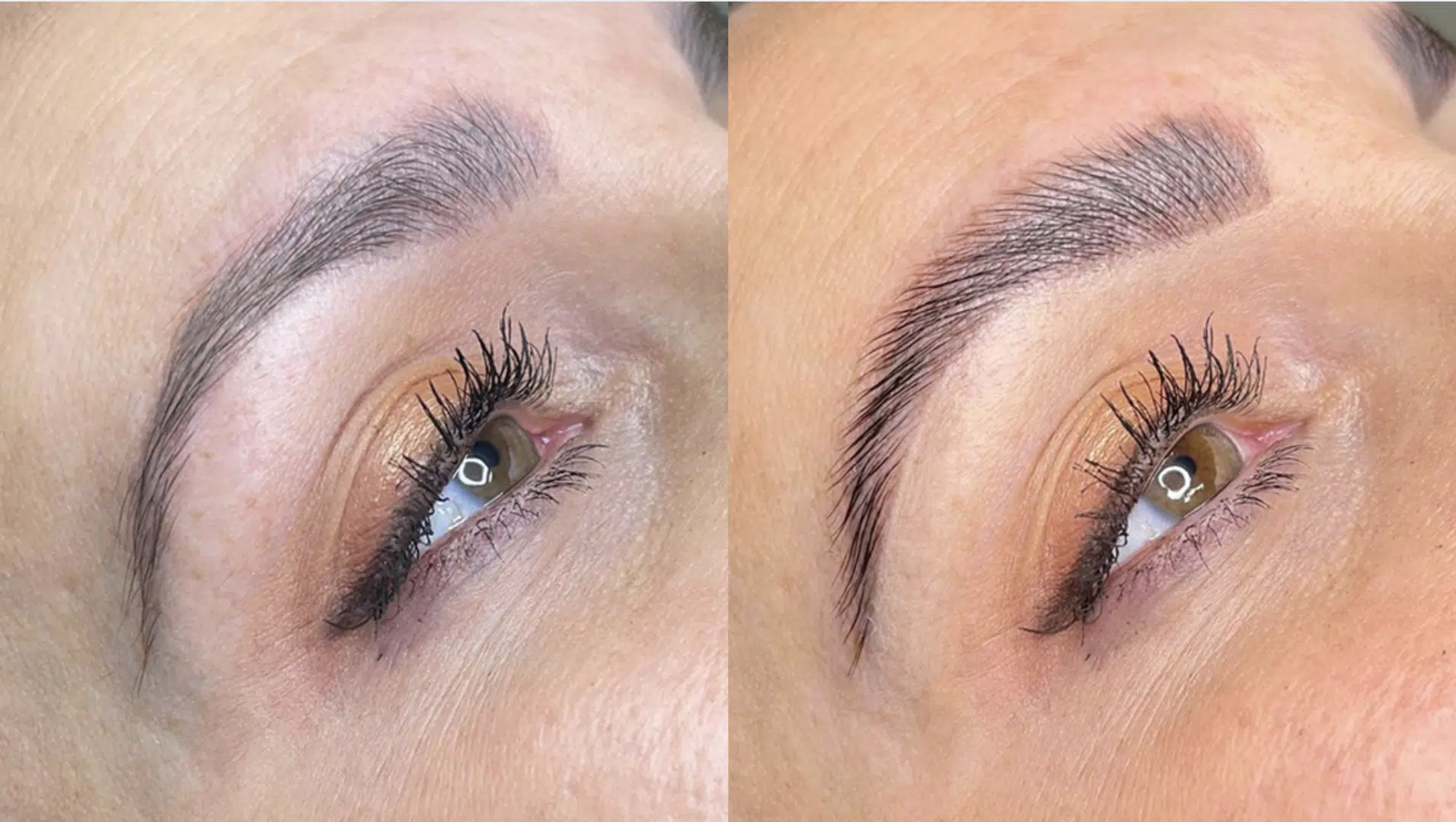
Brow lamination is a treatment that involves straightening and setting brow hairs into place using a special solution.
The process starts with applying a lifting solution to soften the hair, followed by a setting solution that shapes the brows into a fuller, more defined look.
This technique helps to create a smooth, uniform shape and can even make brows appear thicker.
Brow lamination is a non-invasive procedure that typically lasts for 6-8 weeks, making it a great option for those looking to maintain a neat, natural brow shape with minimal effort.
Benefits of Brow Lamination
- Creates fuller, more defined brows without the need for makeup
- Adds volume to sparse or unruly brows
- Fast and non-invasive procedure
- Requires minimal maintenance and lasts 6-8 weeks
- Ideal for individuals with naturally thick or unruly brows
Ideal Candidates for Brow Lamination
Brow lamination works best for people with naturally thick or unruly brows. It’s a great option for those who want a fuller look without needing to fill in their brows every day.
It’s also ideal for people who have brow hairs that are difficult to manage, often sticking out in different directions, or for those with thin brows that need extra volume.
What Is Microblading?
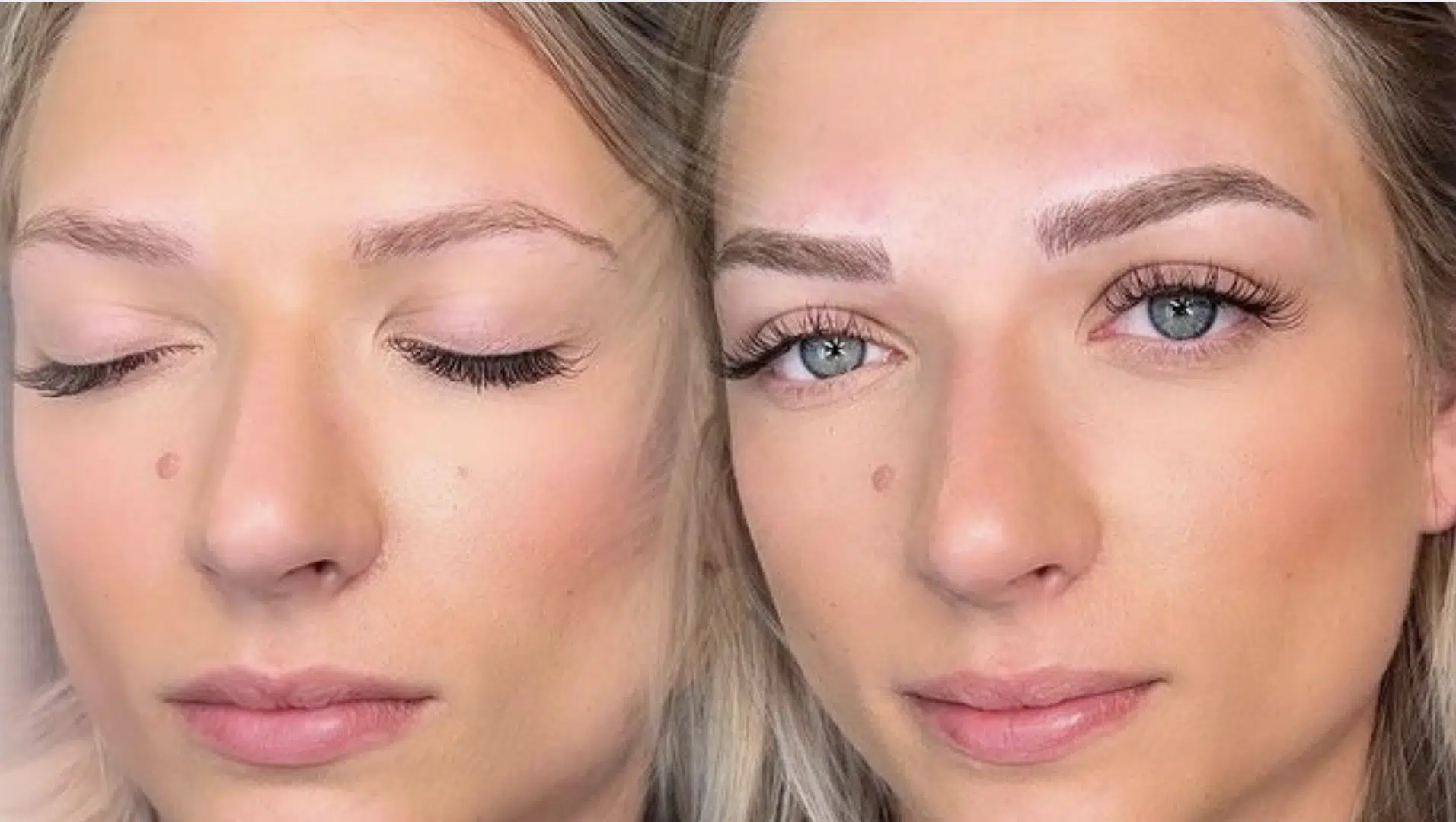
Microblading is a semi-permanent eyebrow tattooing technique where fine, hair-like strokes are applied to the skin using a small blade.
This technique helps to fill in sparse or missing areas, creating the illusion of natural, fuller brows.
The process starts with a consultation to choose the shape and color, followed by the application of tiny strokes using the blade.
Microblading typically lasts 1-3 years, depending on skin type and aftercare, making it a longer-lasting solution than other brow treatments.
Benefits of Microblading
- Provides natural-looking, fuller brows
- Ideal for filling in sparse or thin areas
- Semi-permanent, lasting up to 1-3 years
- Low maintenance after the initial touch-up
- Customizable shape and color for a personalized look
Ideal Candidates for Microblading
Microblading is ideal for people with thin, sparse, or uneven eyebrows. It works well for those who want a more defined, long-lasting solution to brow filling.
It’s also a great choice for individuals who prefer a natural, effortless look that doesn’t require daily filling in.
Key Differences Between Brow Lamination and Microblading
Brow lamination and microblading are two popular ways to get well-shaped brows, but they work differently. This quick comparison highlights the main differences.
| Aspect | Brow Lamination | Microblading |
|---|---|---|
| Technique | Chemical lift/shape of natural brow hairs | Hand-drawn, hair-like strokes with pigment in skin |
| Duration of Results | 4–8 weeks | 1–2 years (sometimes up to 3) |
| Pain/Recovery | Painless, no downtime | Mild pain, 7–10 days to heal |
| Maintenance/Aftercare | Keep dry for 24h, minimal daily care | Avoid water/sun |
| Ideal For | Those with brow hair wanting a fuller shape | Sparse or patchy brows needing a “filled-in” look |
| Session Time | 30–45 minutes | 2–3 hours (initial session) |
| Cost (per session) | $35–$130 (average $75–$105 in most salons) | $550–$700 for initial, touch-ups $75–$400 |
Side Effects and Risks of Microblading
Microblading is a popular way to create fuller brows, but it comes with some side effects and potential risks. Understanding these can help you decide if it’s the right treatment for you.
- Redness or Swelling: Your brows may be red or swollen right after the procedure, but the redness or swelling should subside within a few hours.
- Itching or Tenderness: Some mild itching or tenderness in the treated area is normal as the skin heals.
- Scabbing or Flaking: As the pigment settles, you might notice some scabbing or flaking on your brows. This is part of the healing process.
- Infection: If proper aftercare isn’t followed, such as avoiding touching the brows with dirty hands, there’s a risk of infection.
- Uneven Fading: Over time, the pigment may fade unevenly, which could require a touch-up to fix.
- Scarring: If not done correctly or if the skin is overworked during the procedure, there’s a chance of scarring or hyperpigmentation.
- Allergic Reactions: Although rare, some people may have an allergic reaction to the pigment, causing redness or swelling.
Side Effects and Risks of Brow Lamination
Brow lamination is a great way to achieve fuller, defined brows, but like any beauty treatment, it comes with some side effects and risks. Knowing these will help you make an informed decision.
- Redness or Irritation: Your brows might feel a little red or irritated right after the treatment, but it usually goes away in a few hours.
- Dryness or Flaking: Your brows may feel dry or peel a little as they heal.
- Stinging or Sensitivity: Some people feel a slight sting or burning when the solution is applied, but it shouldn’t be painful.
- Damage to Brow Hairs: If the treatment is done too often or for too long, it could make your brow hairs weak or cause them to break.
- Allergic Reactions: Though rare, some people might have an allergic reaction to the chemicals, causing redness, itching, or swelling.
- Shorter-Lasting Results: If you don’t follow aftercare, like keeping your brows dry for 24 hours, the results might not last as long.
- Uneven Results: If the solution isn’t applied evenly, your brows might look uneven or not as full.
By following aftercare instructions and getting the treatment done by a skilled professional, these risks can be avoided.
Which Option Is Best for You: Factors to Consider
| Factor | Brow Lamination | Microblading |
|---|---|---|
| Desired Look | Natural, voluminous, and brushed-up effect; great for taming unruly or thick brows. | Defined, fuller, and more structured brow shape; ideal for sparse or uneven brows. |
| Maintenance | Minimal upkeep; results last 4–8 weeks. No daily filling required. | Requires touch-ups every 1–2 years; needs aftercare (avoid water & sun during healing). |
| Budget | More affordable: $50–$150 per session. | Higher cost: $300–$800 initially + touch-ups ($100–$250). Lasts longer. |
Conclusion
To wrap it up, both brow lamination and microblading offer unique benefits depending on your needs. Brow lamination is great for achieving a fuller, natural look with minimal upkeep.
It’s perfect if you have thick, unruly brows or simply want to enhance the shape without the hassle of daily makeup.
The results last for 4-8 weeks, making it a low-maintenance choice. On the other hand, microblading is ideal for those who want a more permanent solution.
It creates hair-like strokes that fill in sparse or uneven areas, offering a detailed and long-lasting brow shape. The results can last 1-3 years, but they require more aftercare and occasional touch-ups.
When choosing between the two, consider your desired look, the time you’re willing to spend on maintenance, and your budget.
If you’re looking for a quick, temporary fix, brow lamination is a great option. If you prefer a more permanent, precise look, microblading might be the better choice.