
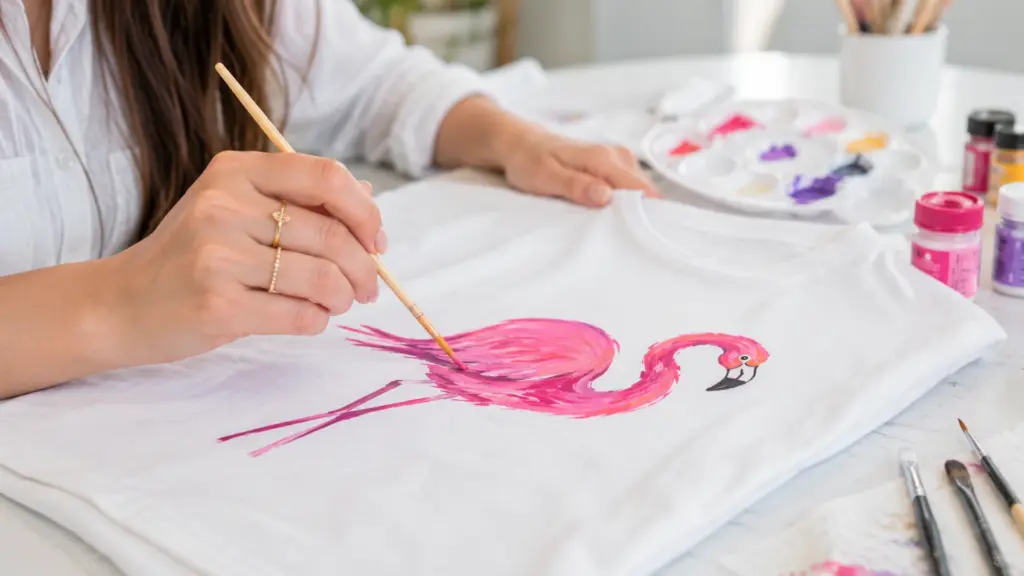
If you have been wondering if you can use acrylic paint on fabric, the results depend almost entirely on one thing: whether you use a fabric medium.
With the right prep and a simple DIY mix, it can stay soft, flexible, and wash-resistant for a long time. I learned pretty quickly that painting fabric is less forgiving than painting paper or canvas.
The brush can feel right at first, but the real test comes after the paint dries and the fabric starts moving again. That is why I now treat every fabric project with a little patience.
I plan the design, test a small area when I can, and give the paint enough time to settle before judging the finish.
Many beginners discover this the hard way, watching their beautiful design crack, stiffen, or peel after the first wash.
When done carefully, it can feel less like a risky craft experiment and more like something you would actually want to keep and wear with pride.
Can I Use Acrylic Paint on Fabric?
Yes, but with the right approach. Acrylic paint is water-based and adheres to most fibers based on their breathability and absorption, but without a fabric medium, it dries as a thin plastic film on the surface rather than into the weave.
Different fabrics respond differently, and it helps to know a little about the material before you start.
- 100% Cotton: It absorbs paint evenly and holds color beautifully, making it the top choice for most fabric painting projects.
- Cotton-Polyester Blend: It works especially well when mixed with a fabric medium, providing a nice balance of comfort and durability.
- Denim: Its dense weave grips the paint effectively, though it’s best to apply thin layers for a smooth finish.
- Canvas: It’s sturdy and ideal for creating painted bags, shoes, tote bags, and art pieces.
- Linen: Itgives good results but requires preparation.
- 100% Polyester: It has lower absorption, so using a fabric medium is highly recommended for better adhesion.
- Spandex and Stretchy Fabrics: They are poor choices for acrylic paint. The paint tends to crack when the fabric stretches and moves.
- Silk and Satin: Their delicate fibers cause uneven absorption and make it difficult to achieve a good finish.
If you’re unsure whether your fabric contains acrylic fibers, it’s worth checking first, since acrylic fibers behave quite differently from cotton or denim when painted.
What is Fabric Medium?
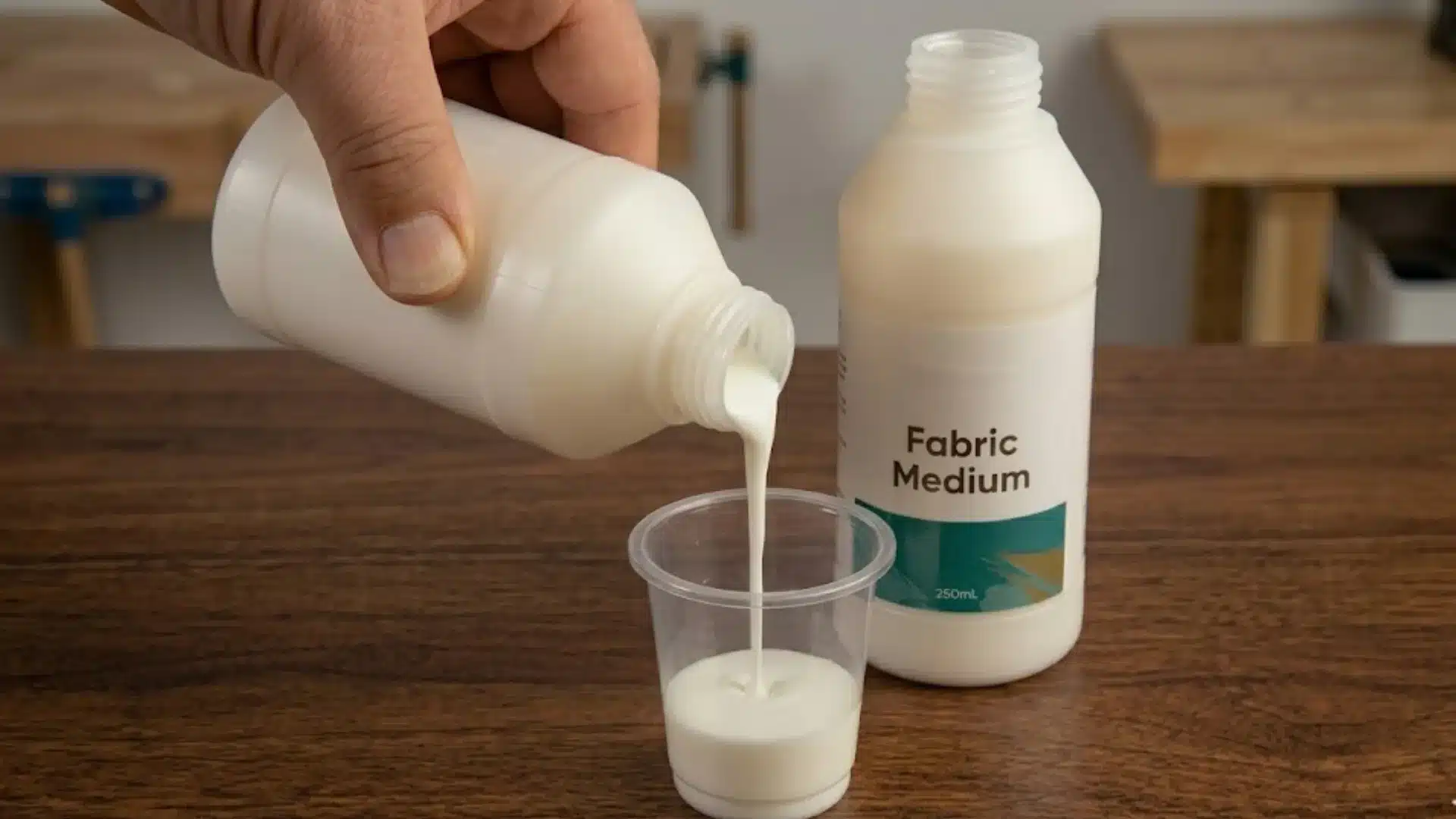
Fabric medium is a liquid binding agent you mix with acrylic paint to make it suitable for use on cloth.
On its own, acrylic paint dries rigid; it sits on top of the fabric fibers like a thin plastic film.
Fabric medium changes the paint’s chemistry so it can actually bond with the fibers instead of resting on the surface.
The result is a paint that stays soft, moves with the fabric, and survives washing without cracking or peeling.
Most fabric medium brands mix easily; you typically combine 1 part fabric medium with 2 parts acrylic paint, though a 1:1 ratio also works, depending on the medium and paint brand.
Fabric medium is sometimes called textile medium. The two terms refer to the same type of product.
Materials Required for Acrylic Painting on Fabric
Since fabric is flexible, unlike canvas, using the right materials is essential to help the paint adhere properly, stay flexible, and survive washing. With the correct supplies, you can prevent cracking and fading for a professional, long-lasting finish.
| Material | Details / Notes |
|---|---|
| Acrylic Paint | Regular craft acrylic paint |
| Mod Podge | Standard Mod Podge (gloss or matte) |
| Fabric Softener | Unscented, dye-free (Downey Free & Gentle recommended) |
| Fabric / Test Swatches | Cotton fabric for testing |
| Paintbrushes | Regular paint brushes |
| Mixing Container | Small cup or container for mixing |
How to Use Acrylic Paint on Fabric?
Painting fabric with acrylic paint is easier when you use the right mix, the right surface prep, and a fabric medium. Plain acrylic paint can dry stiff on cloth, but fabric medium helps it stay smoother, more flexible, and easier to wear.
Step 1: Preparing Your Workspace and Materials
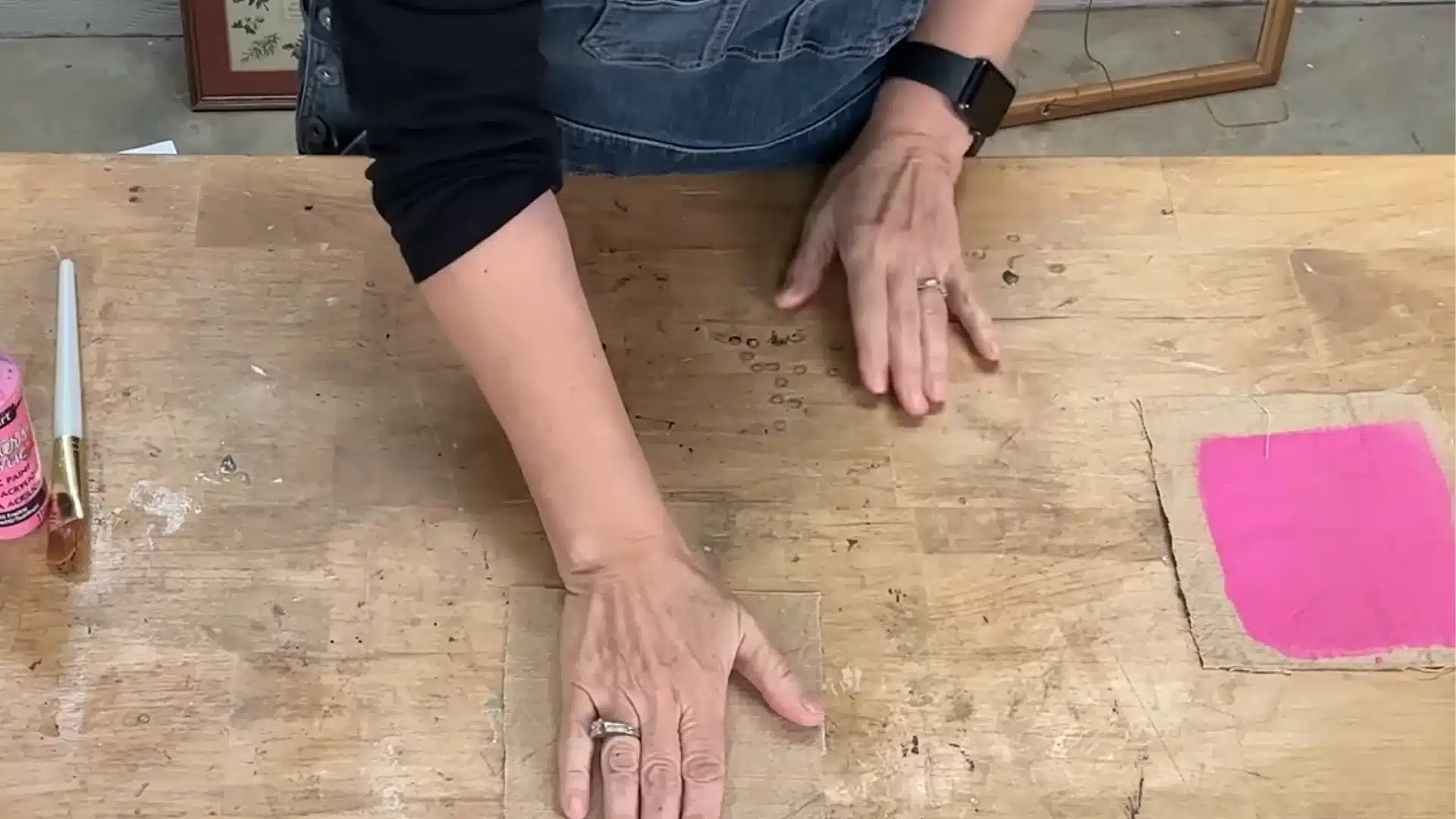
Start by preparing your workspace and materials. Lay down paper or plastic to protect your table from stains.
Place your fabric item, such as a t-shirt or tote bag, flat on the surface and smooth out any wrinkles.
For clothing items, slide a piece of cardboard inside the garment under the area you plan to paint. This stops paint from bleeding through to the back and gives you a stable surface to work on.
Step 2: Mixing Your Homemade Fabric Paint
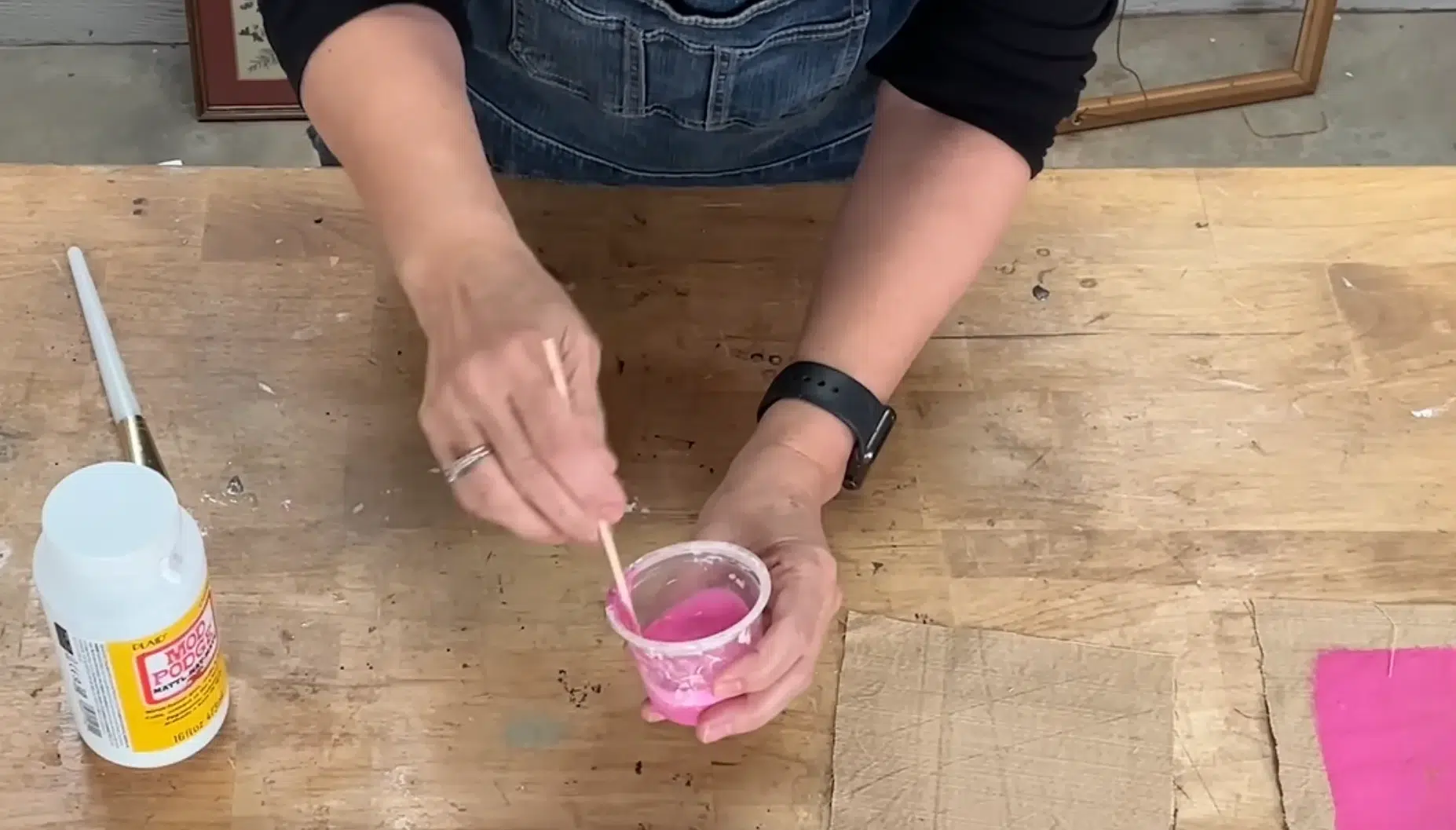
In a small dish, combine 1 tablespoon of acrylic paint, ½ tablespoon of Mod Podge (matte preferred), and ½ tablespoon of white, unscented fabric softener.
Stir everything well until it reaches a smooth, runny pudding-like consistency. If the mixture is too thick, add a few drops of water.
This recipe transforms regular acrylic into soft, flexible fabric paint.
The Mod Podge helps it adhere, while the fabric softener keeps it bendable after drying.
Step 3: Applying the Paint to Fabric
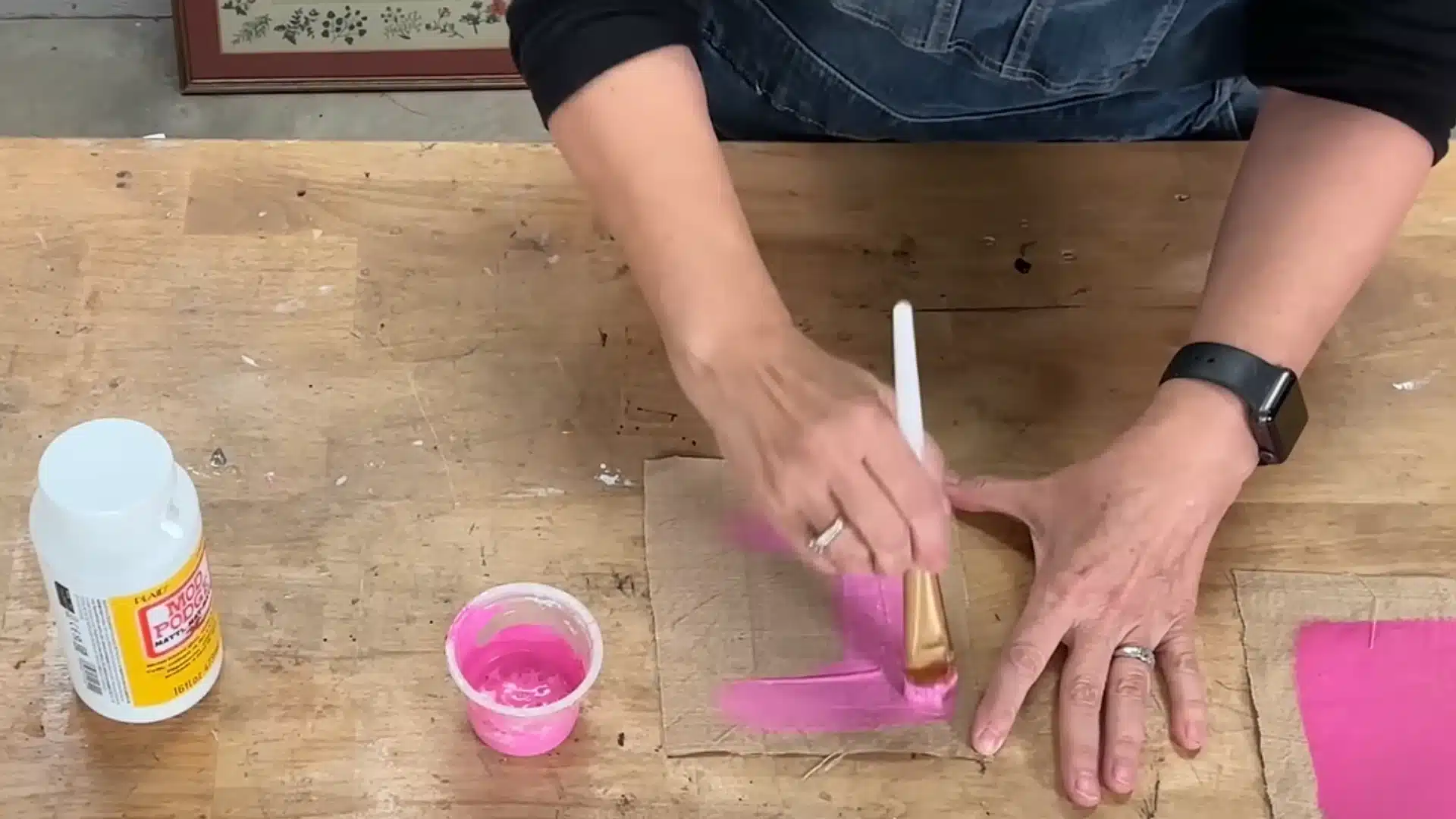
Apply the mixture directly onto your fabric using a paintbrush. Work at a comfortable pace and use different brush sizes for larger areas and fine details.
The paint absorbs nicely into cotton and canvas. You can create freehand designs, stencils, flowers, lettering, or any pattern you like.
Rinse your brush between colors to keep the shades clean.
Step 4: Letting the Paint Dry
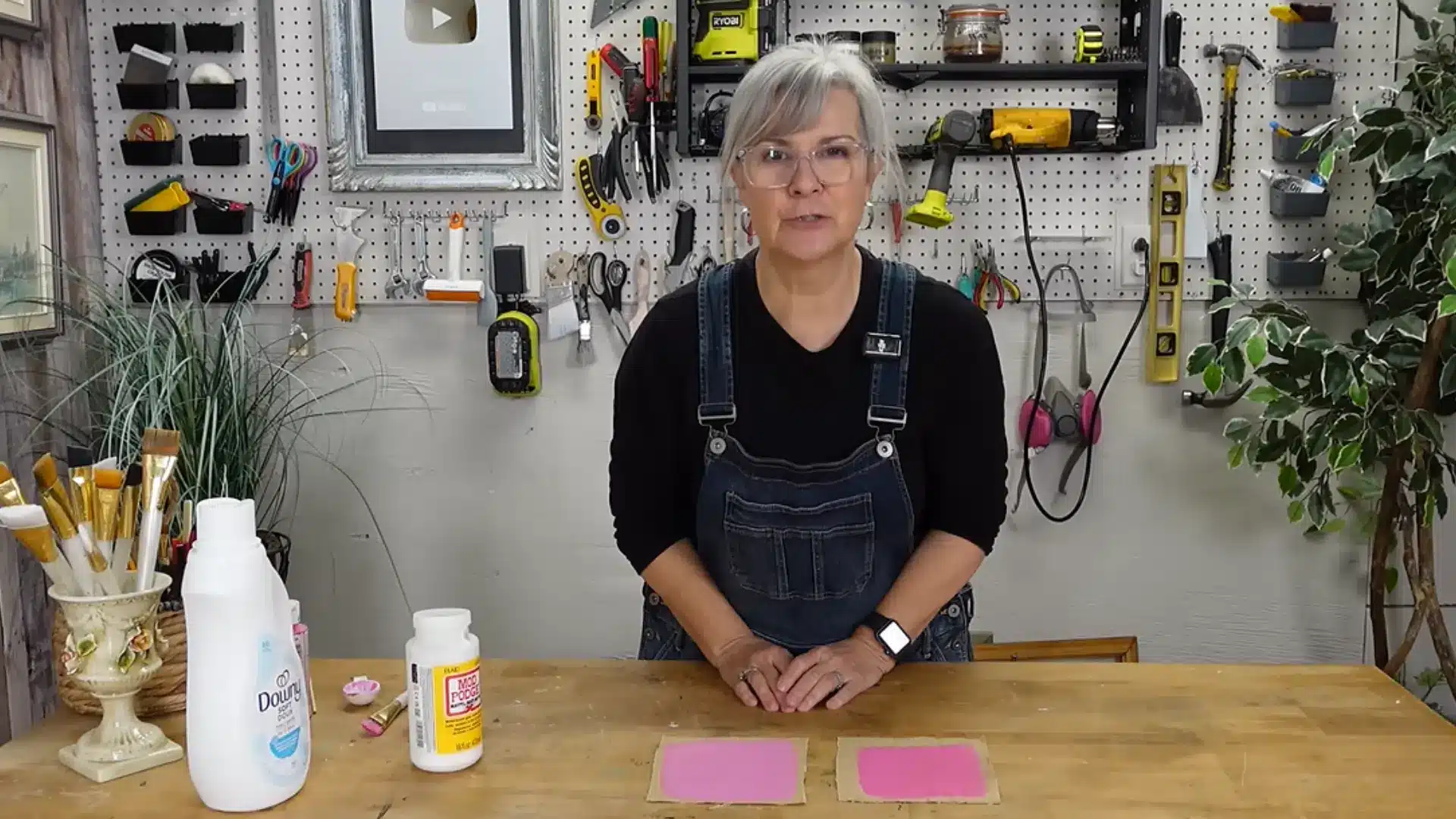
Allow the painted fabric to dry completely before touching or moving it. Keep it flat and leave it undisturbed for several hours, or overnight if the paint is thick.
This gives the mixture time to settle into the fibers and form a stronger hold.
If you move it too soon, the design can smudge, lift, crack, or transfer onto another area. Wait until it feels dry and not sticky before ironing.
Step 5: Heat Setting the Design
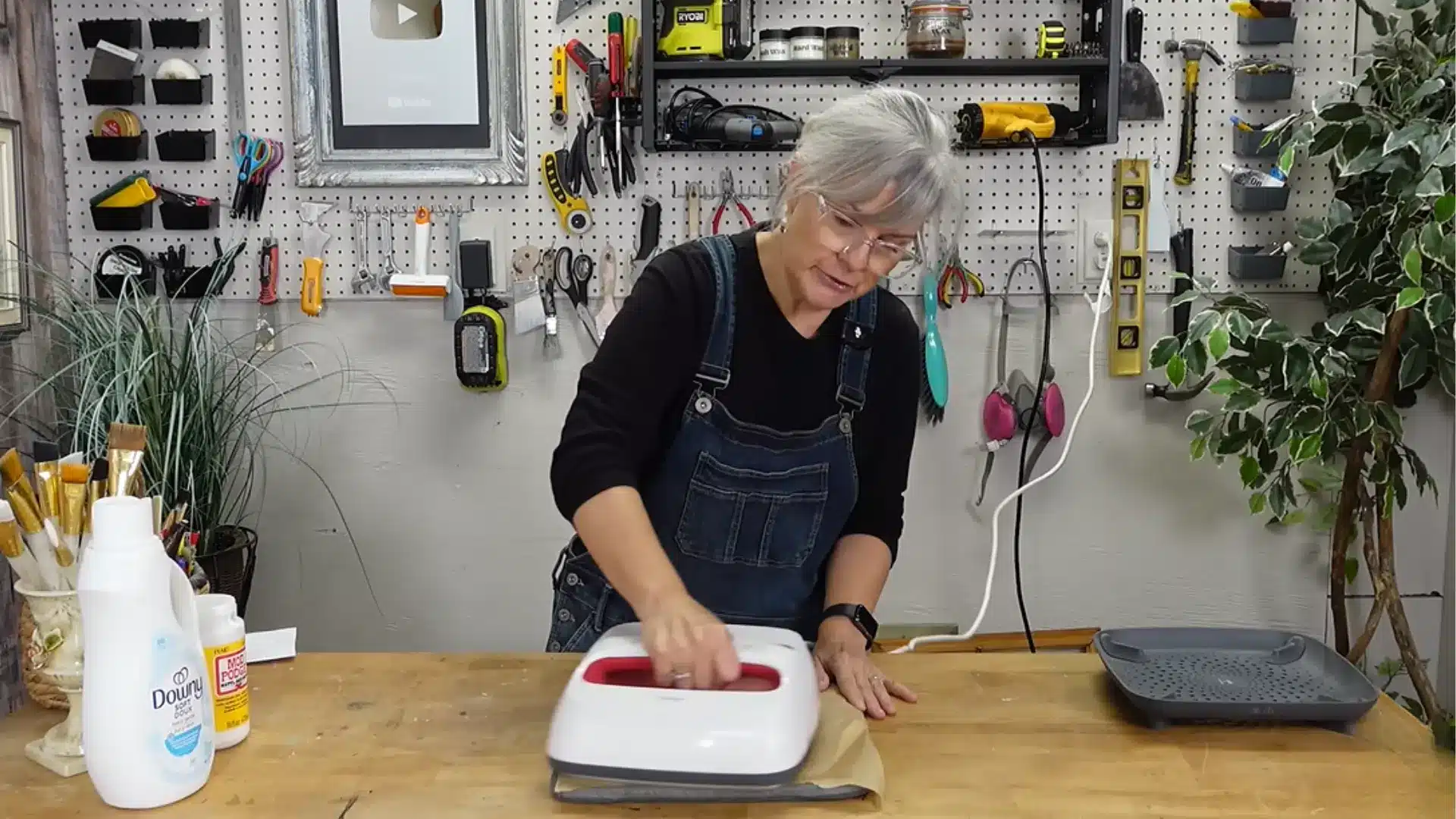
Once the fabric is fully dry, heat-set the design to improve durability and wash resistance.
Place parchment paper over the painted area, then press with an iron on high heat or the cotton setting, around 305 F, for about 60 seconds.
Move the iron slowly so the heat reaches every part. Do not use steam. Let the fabric cool completely before wearing, folding, or washing it. Turn it inside out for the first wash.
This tutorial is based on a helpful video by Our Upcycled Life. You can check out the original video on their YouTube channel here or watch it below.
What Real Users Say About Acrylic Paint on Clothing?
Reddit discussions around acrylic paint on clothing usually come back to the same concern: stiffness.
Many crafters say plain acrylic can work for a short-term project, but it often dries hard if used directly on fabric.
The common advice is to mix acrylic paint with fabric medium or fabric softener so the paint moves better with the clothing.
Users also mention washing the garment in cold water, avoiding heavy paint layers, and letting the design dry fully before wearing or washing it.
Some people still use plain acrylic for costumes or low-cost projects, but for shirts you want to keep, Reddit advice leans toward using a proper fabric medium and heat-setting the design.
Easy Fabric Painting Projects to Try First

If this is your first time using acrylic paint on fabric, start somewhere low-stakes. A project that costs little if it goes wrong lets you test your medium ratio and heat-setting technique without ruining something you care about.
- Tote bags: Flat, sturdy, and useful after painting, so they are a safe first project for testing color coverage and brush control.
- Thrifted t-shirts: Cheap enough for practice, and helpful for seeing how acrylic paint feels once the fabric bends and moves.
- Denim jackets or cut-off shorts: Great for casual designs because small flaws blend in naturally instead of looking like obvious mistakes.
- Pillow covers: Simple to lay flat, easy to stencil, and useful for testing repeated patterns before painting wearable pieces.
- Canvas shoes: Fun for small designs, but thin layers are best, as thick paint can feel uncomfortable when the shoes flex.
How to Make Painted Fabric Last Longer?
Once the paint is heat-set and fully cured, the fabric is machine washable. I’ve worn painted denim pieces from old thrift finds for over a year with no cracking or fading. The medium, a proper heat-set, and a cold, gentle wash is really all it takes.
Here’s a quick reference for everything that helps the design hold versus what shortens its life:
| Do this | Avoid this |
|---|---|
| Turn the garment inside out before every wash | Washing right-side out, the fabric drum friction wears the paint faster |
| Use cold water on a gentle cycle | Hot water washes, heat softens, and weakens the acrylic bond over time |
| Line dry or use a low-heat tumble setting | High-heat drying degrades the paint bond after repeated cycles |
| Iron later on low heat with a cloth barrier | Directly ironing over the painted area without a pressing cloth |
| Store folded, away from prolonged direct sunlight | Leaving painted pieces in bright sunlight, acrylic has no UV protection, and colors fade |
| Hand-wash the painted area for extra care on detailed designs | Spot-cleaning solutions on painted areas most contain solvents that break down acrylic film |
Conclusion
Fabric painting gets easier once you stop rushing the finish. The first project might not look exactly how you pictured it, and that is fine.
What matters is learning how the material reacts under the brush, after drying, and after regular use.
Start with a simple design, keep your expectations realistic, and treat the first piece as practice rather than pressure.
Over time, you will get better. That is the fun part. A plain item slowly becomes something with your hand in it, your color choices, and your own little mistakes, all of which make it feel more real.
Tried painting fabric before? Share your result in the comments. Your win, mistake, or small lesson might help someone else start with more confidence.
Frequently Asked Questions
What Brush Works Best for Painting Acrylic on Fabric?
Use soft synthetic brushes for smooth coverage, flat brushes for blocks, and small round brushes for lines, edges, letters, and details.
How Do I Fix a Painting Mistake on Fabric?
Act fast with a damp cloth before it dries. Once acrylic cures, cover the mistake creatively or repaint that section carefully.
Can Beginners Paint Fabric without Stencils?
Yes, simple freehand shapes and patterns work well for beginners. Starting with basic designs helps build brush control and confidence before detailed artwork.