Opening the closet should not feel like staring at a room full of strangers. Yet that happens when clothes are bought for trends, random events, or a version of life that no longer fits.
The good news is that style does not start in a store. It starts with noticing what already feels right.
This blog on how to find your personal style will help you read the clues hiding in the closet, choose simple style words, collect outfit inspiration with purpose, and shop with a plan.
You will also see style examples, common mistakes, a checklist, and practical ways to refine outfits over time. The goal is a wardrobe that feels natural, useful, and easy to wear day after day.
Why Does Finding Your Personal Style Matter?
Finding your personal style matters because it makes getting dressed feel less confusing and more intentional.
When your wardrobe reflects your taste, lifestyle, and comfort needs, outfits feel natural instead of forced. You also spend less money on trend-based pieces that look exciting for a moment but sit unworn later.
A clear style direction makes mornings easier because favorite colors, shapes, fabrics, and outfit combinations become easier to recognize.
Shopping also becomes more focused. Instead of buying random pieces, each new item can be checked against real wardrobe gaps and the outfits you already enjoy wearing.
Over time, tops, bottoms, shoes, and accessories start to work together rather than compete for attention.
Personal style brings order to the closet and helps clothes feel more like part of everyday life. It builds confidence without making style feel strict or complicated.
How to Find Your Personal Style?
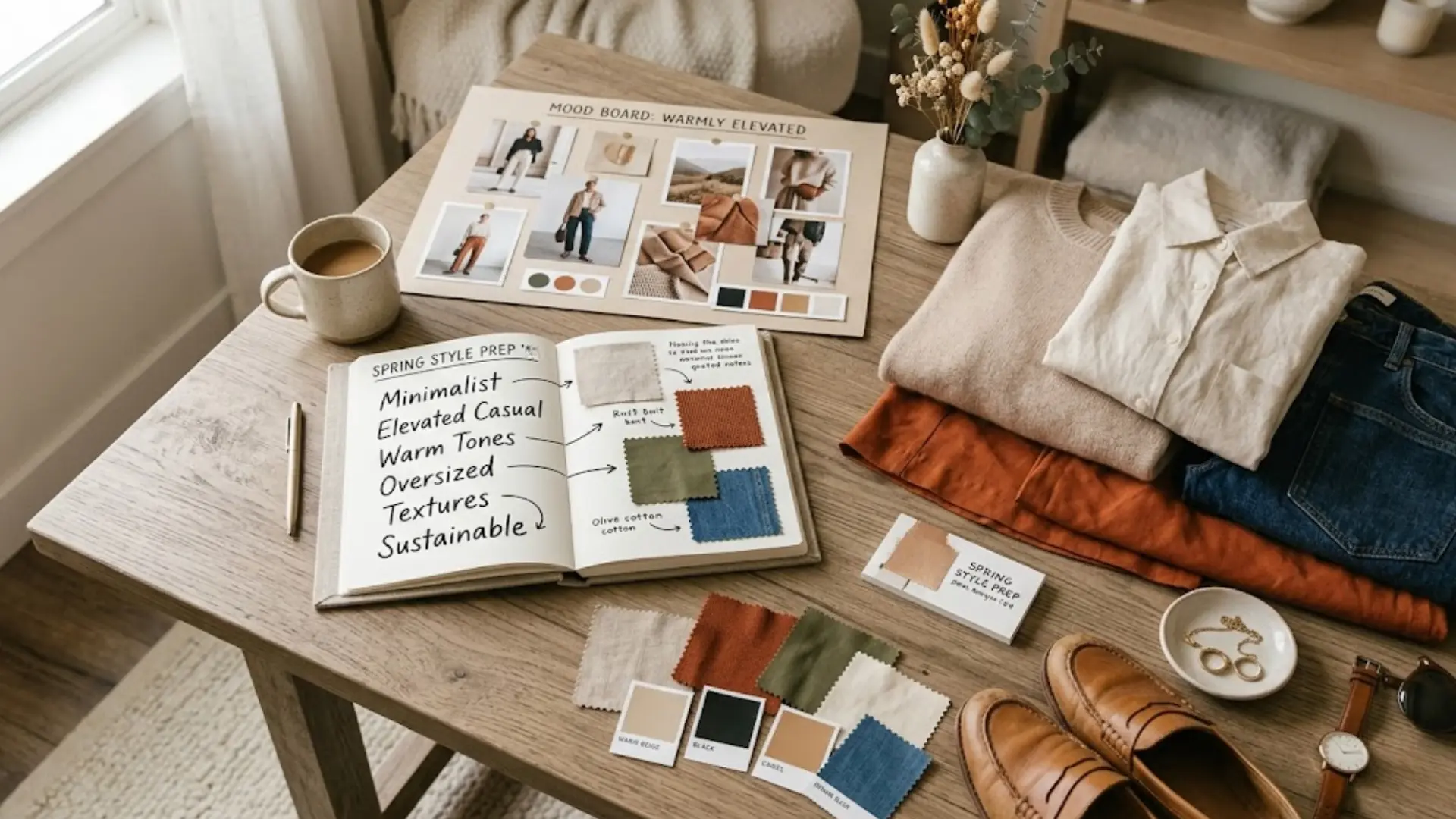
The best clues are usually already in the closet, in saved outfit photos, and in the pieces worn most often. These steps help turn those scattered clues into a clear style direction that feels practical, personal, and easy to repeat.
1. Start with Clothes You Already Wear
The most worn clothes usually reveal more than any trend board. Pull out the pieces that get worn often, even if they seem basic.
Look at jeans, jackets, shoes, dresses, shirts, and accessories that feel easy to reach for. These items show real preferences, not imagined ones.
Notice what makes them work. It could be the fit, color, comfort, fabric, or the way they pair with other pieces.
2. Notice Colors, Fits, and Fabrics You Like
Repeated patterns matter as some wardrobes lean toward black, cream, denim, earth tones, soft pastels, or bold colors. Some people prefer relaxed fits, while others feel better in sharp tailoring.
Fabrics also give clues: linen, cotton, satin, leather, denim, ribbed knits, and structured wool all create a different mood.
Noticing these details helps separate clothes that look nice on a rack from clothes that feel right in real life.
3. Think About Your Real Lifestyle
Style should support daily routines, not fight against them.
A wardrobe for office days, school runs, travel, errands, workouts, events, and weekends will look different from a wardrobe built only around saved photos.
Climate also matters; for example, a person living in hot weather may need breathable fabrics, while in colder places, coats, boots, and layering pieces may be needed.
Real personal style works best when comfort, movement, and daily needs stay part of the plan.
4. Save Outfit Inspiration without Copying It
Outfit inspiration works best when used for pattern spotting. Pinterest, Instagram, magazines, films, street style, and celebrity looks can all help.
The goal is not to copy one person from head to toe. Instead, look for repeated details across saved images. Maybe the same kind of blazer appears often.
Maybe wide-leg pants, gold jewelry, white sneakers, floral dresses, or monochrome outfits keep showing up. Those repeated choices point toward a natural direction in style.
5. Choose Three Style Words
Three style words make personal style easier to define. These words should describe the feeling of the wardrobe, not just the clothes.
Examples include classic, relaxed, polished, bold, feminine, sporty, creative, minimal, romantic, edgy, soft, or practical.
A person might choose “classic, relaxed, polished” or “bold, creative, playful.” These words become a filter for shopping, decluttering, outfit planning, and deciding which pieces truly belong.
6. Create a Simple Outfit Formula
An outfit formula is a repeatable combination that makes dressing easier. It does not mean wearing the same outfit every day. It means having a reliable structure.
Examples include straight jeans, a fitted tee, an oversized blazer, and loafers. Another formula could be a midi dress, a denim jacket, sneakers, and simple jewelry.
A good formula reflects lifestyle, comfort, and style words. Once a formula works, colors and accessories can change without losing direction.
7. Clean Out What Does Not Match Anymore
Decluttering works better after style patterns are clearer. Removing clothes too early can lead to regret, especially when useful basics get tossed during a mood-based closet cleanout.
Start with items that do not fit, feel uncomfortable, or never match the desired style words. Keep uncertain pieces in a maybe box for a few weeks.
If they are not missed or worn, letting them go becomes easier and less emotional.
8. Build a Wishlist Before Shopping
A wishlist helps stop impulse buying. After reviewing the closet, outfit gaps become easier to see.
Maybe the wardrobe needs neutral shoes, better jeans, a simple coat, fitted tops, or a dress that works for casual events. A wishlist keeps shopping focused.
It also gives time to compare quality, price, fabric, and fit. The best purchases should match the style words and work with several pieces already owned.
9. Try a One-Week Outfit Test
A one-week outfit test helps turn style ideas into real decisions. Pick five to seven outfits that match your style words, lifestyle, and comfort needs.
Wear them during normal days, not just for photos. Notice which outfits feel easy, which feel forced, and which pieces get the most compliments.
By the end of the week, personal style patterns become clearer because they are tested in real life.
Dressing for Your Body Type and Coloring
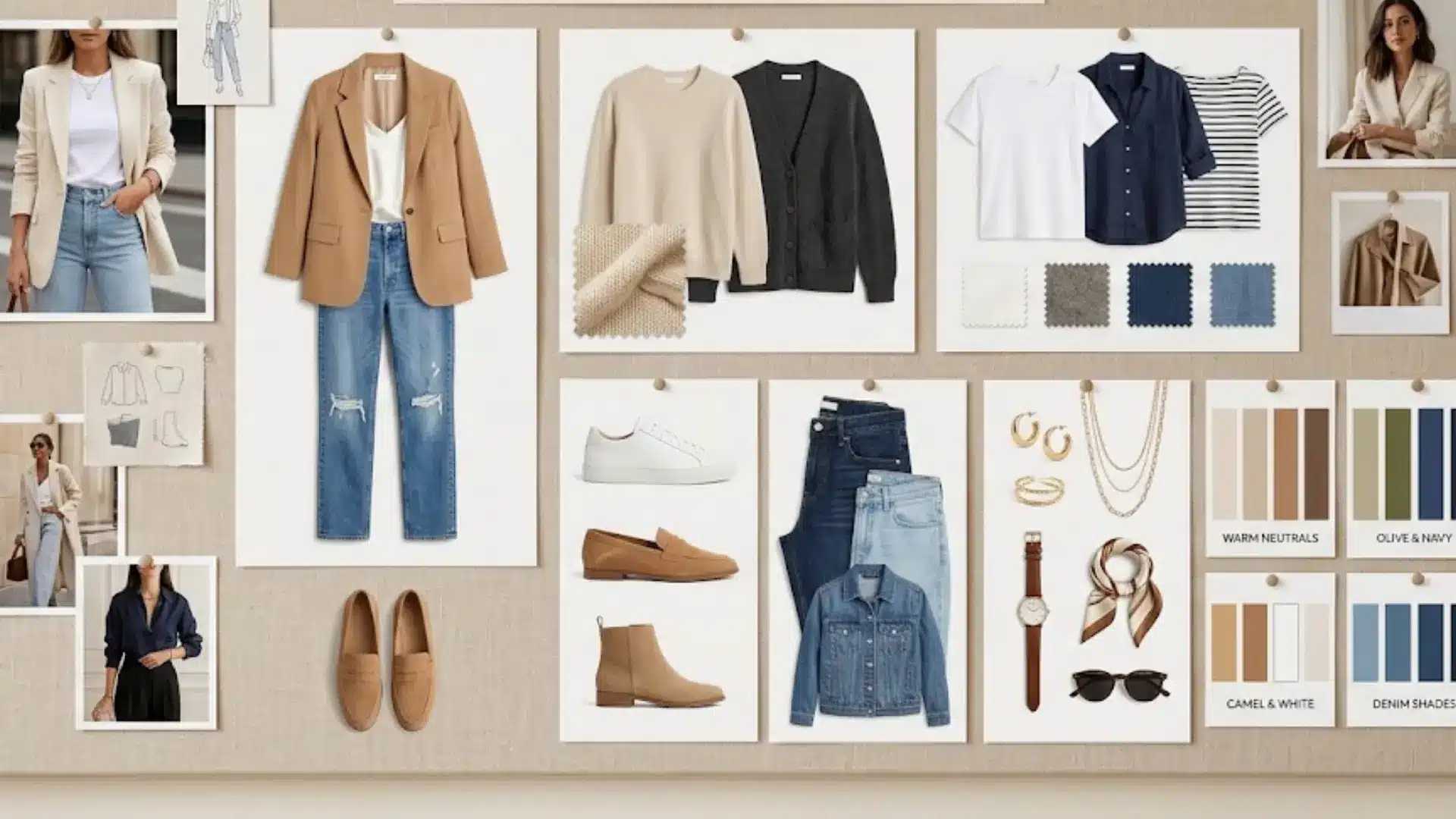
Understanding your body’s proportions and natural coloring can quickly sharpen your style choices. These are not rules to follow rigidly; they are starting points that help narrow the options.
Different silhouettes suit different body shapes. Some general patterns worth knowing:
- Wider hips than shoulders: A-line skirts, wrap dresses, and brighter tops can draw attention upward while giving the lower half a clean, balanced shape.
- Shoulders broader than hips: Flared trousers, wide-leg jeans, and softer necklines can add shape below while making the upper body feel less sharp.
- Balanced proportions: Most silhouettes tend to work well, so the main focus becomes a good fit, clean fabric, and pieces that feel natural.
- Petite frames: Vertical lines, monochrome dressing, cropped jackets, and high-rise bottoms can make the body look longer without swallowing the frame.
- Tall frames: Longer hemlines, layered outfits, wide belts, and horizontal details can add shape while making tall proportions feel more styled.
These are starting points, not restrictions. I have styled plenty of people who look brilliant in pieces that break every “rule” for their shape. Try first, then decide.
Color plays a bigger role in personal style than most people realize. A few neutrals create harmony; accent shades add personality.
Warm skin tones often look strong in earthy shades: camel, rust, olive, warm white, and gold. Cool skin tones tend to pop in jewel tones: cobalt, emerald, burgundy, and silver.
How to Refine Your Style Over Time?
Personal style is not fixed forever; rather, it changes with age, work, climate, confidence, body changes, hobbies, and daily routines.
- Take outfit photos: Photos reveal repeated colors, shapes, and pieces, helping style patterns become clearer over time without relying on memory.
- Review the closet monthly: Monthly checks show which clothes get worn often, which stay untouched, and where real wardrobe gaps still exist.
- Test small changes: Try one new color, shoe shape, accessory, or silhouette at a time to refresh outfits without wasting money.
- Tailor good pieces: Small fit changes can make older clothes look sharper, feel better, and work harder in everyday outfits.
- Update style words: Style words should change when current clothes, lifestyle, or comfort needs no longer match the original direction.
Personal Style Examples to Help You Name Yours
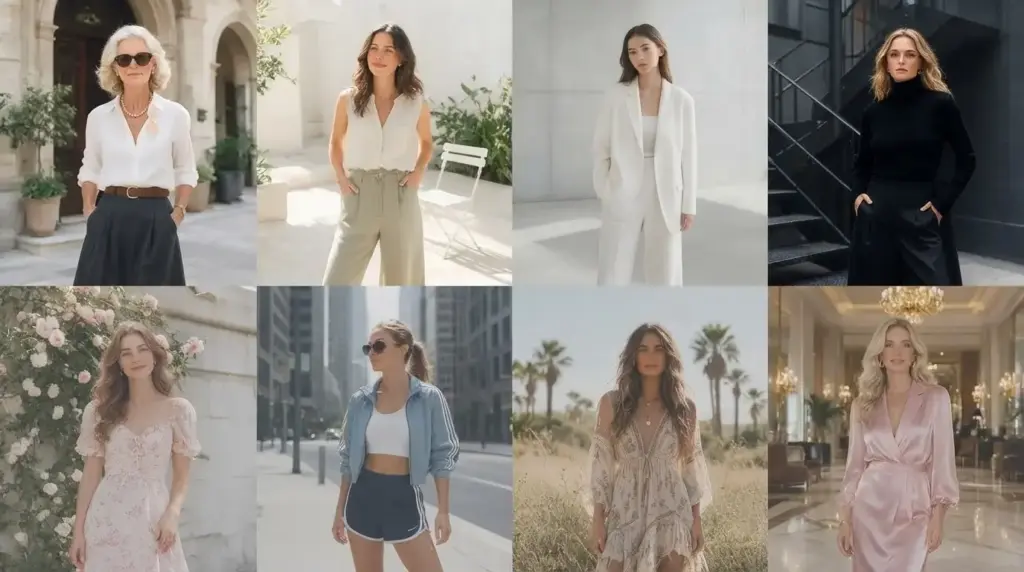
Naming a personal style becomes easier when common style directions are compared side by side. These examples are not strict labels. Identifying your style essence can add another layer to this process if the labels below feel too broad.
| Style Direction | Common Pieces | Common Colors | Outfit Feeling |
|---|---|---|---|
| Classic style | Button shirts, blazers, straight jeans, loafers | Navy, white, black, beige | Clean, timeless, polished |
| Minimal style | Simple tees, trousers, slip dresses, sleek coats | Black, gray, cream, brown | Calm, modern, easy |
| Boho style | Maxi skirts, woven bags, flowy tops, layered jewelry | Rust, ivory, olive, tan | Relaxed, earthy, artistic |
| Edgy style | Leather jackets, boots, dark denim, graphic tees | Black, charcoal, burgundy | Sharp, bold, confident |
| Romantic style | Soft dresses, lace, cardigans, delicate jewelry | Blush, cream, lavender, soft blue | Feminine, soft, graceful |
| Sporty casual style | Sneakers, joggers, hoodies, denim jackets | White, gray, navy, bright accents | Comfortable, active, relaxed |
| Creative style | Statement coats, mixed prints, bold accessories | Brights, contrast colors, unexpected mixes | Expressive, fun, original |
Common Mistakes That Make Personal Style Harder
Style gets confusing when outside pressure outweighs personal preference, daily comfort, budget, and real wardrobe needs.
- Buying for fantasy life: Beautiful pieces often go untouched when they don’t suit imagined plans, real routines, weather, comfort, or daily needs.
- Copying every trend: Following every trend can crowd the closet with mixed pieces that feel exciting for a brief moment but rarely work together naturally.
- Ignoring comfort: Clothes that pinch, slip, itch, or restrict movement usually stay unworn, even when they look stylish in photos.
- Decluttering too early: Removing clothes before style patterns are clear can lead to losing useful pieces that may still work later.
- Shopping without a list: Random shopping often creates more outfit problems because new pieces may not address real gaps, match favorite colors, or coordinate with existing clothes.
Conclusion
Finding style becomes much easier when the process starts with real clothes, real routines, and honest preferences.
A strong wardrobe is not built by chasing every new trend or copying someone else’s closet. It grows from small choices that feel right again and again.
Favorite pieces, outfit photos, style words, color patterns, and a clear wishlist can all point in the right direction. The best part is that finding your personal style does not require a full closet makeover.
It only takes attention, patience, and smarter choices over time.
Which part of the style process feels hardest right now: closet cleanout, outfit planning, or focused shopping? Share your thoughts in the comments.
Frequently Asked Questions
Can I Have More than One Personal Style?
Yes. Most people have a mix of two or three style directions. A wardrobe might feel classic and sporty, romantic and minimal, or edgy and casual. The goal is not to fit into one label. The goal is to notice which combinations feel natural, wearable, and easy to repeat.
How Long Does it Take to Find a Personal Style?
It can take a few weeks or a few months. The timeline depends on the closet, lifestyle, budget, and how often outfits are tested. Taking outfit photos, reviewing favorite pieces, and using a wishlist can make the process faster and clearer.
Do I Need a Capsule Wardrobe to Have Personal Style?
No. A capsule wardrobe can help some people, but it is not required. Personal style is more about knowing preferred colors, fits, fabrics, and outfit formulas. A wardrobe can be small, large, simple, colorful, trendy, or classic and still feel personal.