I’ve been cutting hair since I was a teenager in my uncle’s barbershop in London. Over the years, one question has come up more times than I can count: “Does wearing a hat cause hair loss?”
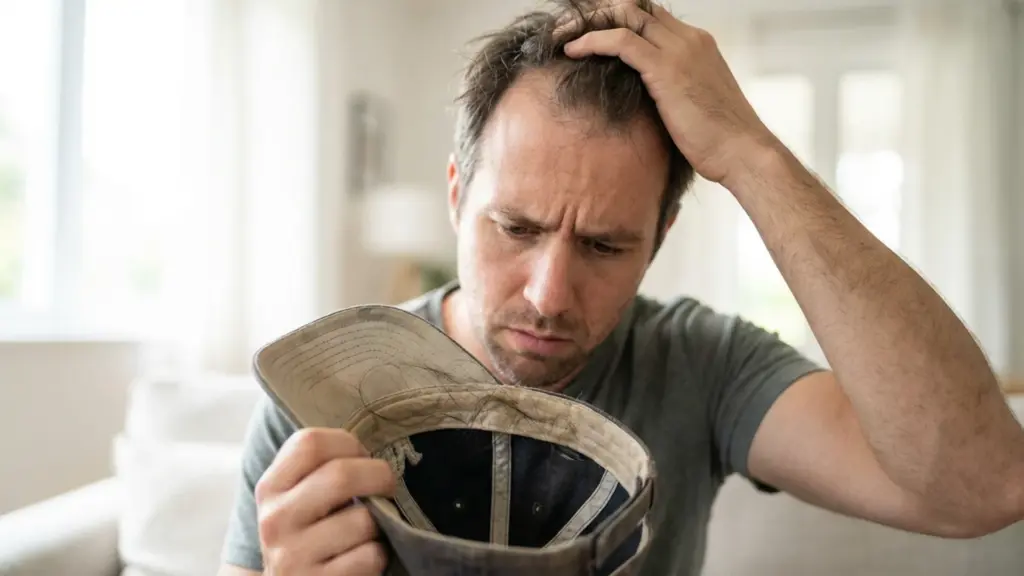
It usually starts after a fresh haircut. A client notices a few hairs inside his cap later that night and suddenly begins wondering if years of wearing hats are catching up with him.
The concern is understandable. Hair shedding can feel alarming when there’s no clear explanation, and online advice often only adds to the confusion.
So I looked deeper into the research, spoke with experts, and gathered the facts that actually matter.
This guide breaks down what science says about hats and hair loss, when headwear can become a problem, and what really causes thinning in the first place.
Does Wearing a Hat Cause Hair Loss?
No, wearing a hat does not cause hair loss.
Research, including two studies on identical twins, consistently shows that hats are not a driver of thinning or baldness.
The real culprits are genetics, hormones, nutrition, stress, and certain medications.
In rare cases, an extremely tight hat worn daily for years can contribute to a minor condition called traction alopecia, but normal, everyday hat use poses no hair-loss risk.
The confusion usually starts when a few strands show up inside a cap. It looks like the hat pulled them out, but those hairs were already in the shedding phase long before you put the cap on.
Hair naturally goes through a growth cycle, and most people lose around 50–100 strands every day. A hat simply collects loose hairs in one place, making the shedding more visible.
Another common belief is that hats stop the scalp from “breathing.”
Hair follicles receive oxygen through the bloodstream, not from surface air, so covering your head does not block that process.
It helps to keep 3 things separate: shedding is a normal daily process; breakage happens when hair strands snap from friction or dryness; true hair loss occurs when the follicle itself is damaged.
Wearing a hat does not damage the follicle. In rare cases, a very tight hat may cause minor breakage, but that does not lead to permanent hair loss.
What Reddit is Saying About Hats and Hair Loss
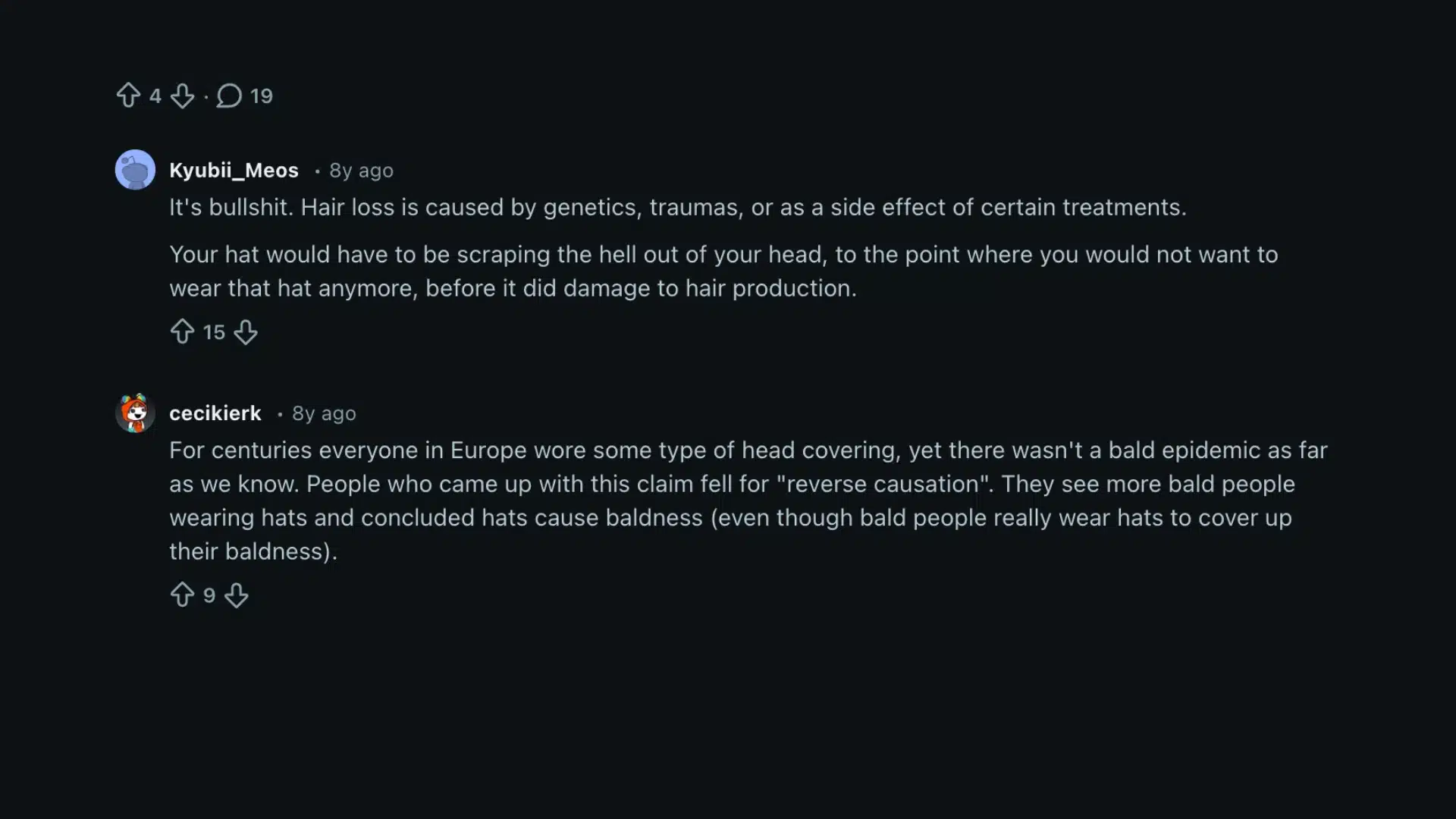
The question of whether hats cause hair loss comes up constantly on Reddit, and the pattern is almost always the same.
Someone posts a photo of their hairline, mentions they have worn a cap daily for years, and asks if that is why they are thinning. Dermatologists in the comments almost always redirect to the same point: confirmation bias.
Bald men are more likely to wear hats to cover thinning hair, not the other way around. The receding hairline is why he reached for the hat, not the hat itself.
I’ve seen this exact sequence hundreds of times from the other side of the chair.
A client starts booking more frequently once he notices thinning, and he starts wearing a cap between visits. The cap did not cause the thinning. The thinning caused the cap.
What Science and Experts Say About Hats and Hair Loss
When people ask whether hats cause hair loss, the science is clear in its answer.
A study in Plastic and Reconstructive Surgery compared 92 pairs of male identical twins.
The twins who wore hats actually showed less frontal hair loss than their non-hat-wearing counterparts. Researchers pointed to genetics and age as the real drivers, not hats.
Hair specialist Dr. Carlos Wambier stated plainly that wearing a hat does not cause baldness. If anything, it may protect the scalp from UV damage.
The “hats cut off blood flow” argument also falls flat. Blood flow to follicles happens deep within skin tissue and is not affected by normal external pressure.
You’d need something painfully tight (far beyond any real-world hat) to interfere with circulation.
The only real exception is traction alopecia: hair loss from prolonged, repeated tension on the follicle. But this is far more linked to tight braids and weaves than to hats.
How Hats Can Affect Your Hair
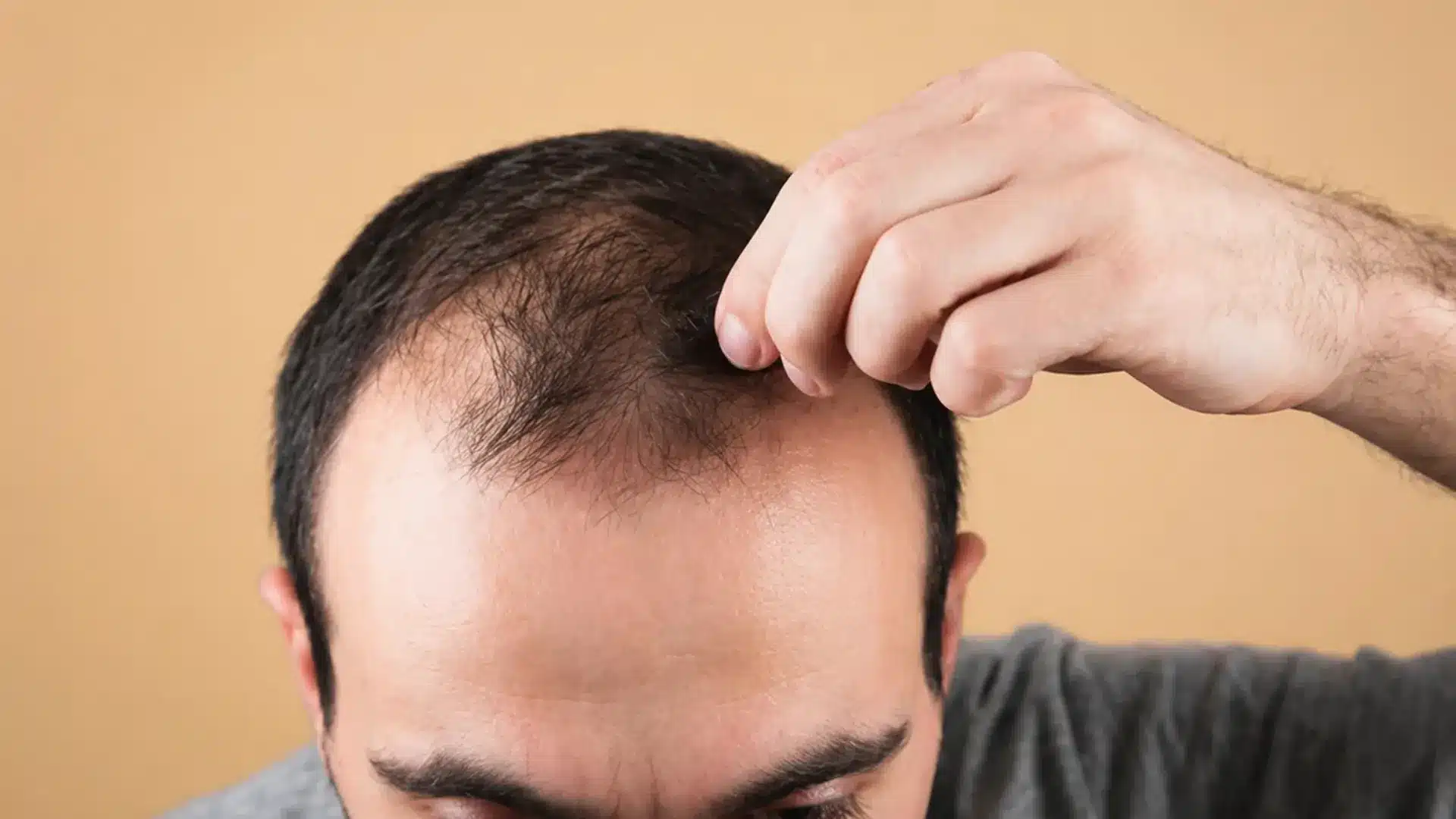
Hats don’t directly cause hair loss, but certain habits can lead to hair damage over time. The impact usually depends on how often hats are worn, how tight they are, and how well the scalp is cared for. Below are the main ways hats can affect hair, along with what to watch for.
1. Breakage from Friction
Hats can create friction against your hair, especially if the inner material is rough or not hair-friendly. As the hat moves slightly throughout the day, it rubs against the hair strands.
This repeated friction can weaken the outer layer of the hair, making it more prone to breakage.
This is more noticeable around the hairline and crown, where the hat sits most firmly.
Over time, hair may become frizzy, dry, or uneven due to minor breakages. Choosing hats with soft linings like cotton or satin can help reduce this friction and protect the hair.
2. Scalp Buildup and Hat Hygiene
Wearing a dirty hat means you are putting yesterday’s sweat, oil, and dead skin back onto your scalp every morning.
Over time, this buildup can clog pores and create an unhealthy scalp environment, leading to itchiness, dandruff, or mild irritation.
Since hats absorb sweat and oils throughout the day, they need regular cleaning just like clothing. Keeping hats clean helps maintain scalp health and reduces the risk of irritation developing into a longer-term issue.
3. Medications
Certain medications list hair loss as a documented side effect.
These include some blood thinners (heparin, warfarin), chemotherapy drugs, retinoids, some antidepressants, and beta-blockers.
If shedding began or accelerated around the time a new medication was started, that connection is worth raising with a doctor.
What Actually Causes Hair Loss
Since hats are not the cause, it helps to know what actually is. If thinning is a genuine concern, the conversation should focus on these factors:
- Genetics: Androgenetic alopecia (male or female pattern baldness) is the most common cause of hair loss and is driven almost entirely by inherited genes and hormone sensitivity.
- Hormones: DHT (dihydrotestosterone) is the hormone most directly linked to follicle miniaturization in men with a genetic predisposition.
- Stress: Significant physical or emotional stress can trigger telogen effluvium, a temporary but noticeable form of shedding.
- Nutrition: Deficiencies in iron, biotin, vitamin D, zinc, and protein are all documented contributors to hair thinning. Eating enough of the right nutrients is one of the most overlooked factors in maintaining hair density.
- Medications: Certain medications list hair loss as a documented side effect. These include some blood thinners (heparin, warfarin), chemotherapy drugs, retinoids, some antidepressants, and beta-blockers. If shedding began or accelerated around the time a new medication was started, that connection is worth raising with a doctor.
- Alopecia areata: An autoimmune condition where the immune system attacks hair follicles, causing patchy hair loss that is unrelated to hat use or lifestyle habits.
Disclaimer: This information is for general educational purposes only and should not replace medical advice. Anyone experiencing sudden, severe, or ongoing hair loss should speak with a dermatologist or qualified healthcare professional for proper diagnosis and treatment.
When to See a Dermatologist
Home observation has a limit. If any of the following apply, it is worth booking an appointment with a dermatologist or trichologist rather than waiting:
- Shedding has increased noticeably over several weeks, with no clear cause
- You can see the scalp clearly through the hair in areas where it was not visible before
- The hairline has moved visibly in the past year
Early diagnosis matters when it comes to pattern hair loss; it is significantly easier to slow or address when caught early, and a specialist can quickly distinguish between the causes listed above, often with a simple blood test and a scalp examination.
Tips for Wearing Hats Safely
Knowing hats are not the culprit means you can wear them without guilt. A few simple habits are all it takes to keep your scalp in good shape underneath.
- Check the fit: If your hat leaves a red mark on your forehead after you take it off, it’s too tight. That daily pressure is the only real hat-related risk worth taking seriously.
- Keep your hats clean: A worn hat collects sweat, oil, and dead skin cells. Putting it back on deposits, all of that against your scalp. Wash fabric hats every 1 to 2 weeks.
- Rotate between different hats: Wearing the same hat in the same position every day puts pressure on the same spots. Switching it up removes that repetitive stress.
- Vary the positioning slightly: Even with the same hat, adjusting the fit slightly from day to day prevents consistent friction on the same patch of scalp.
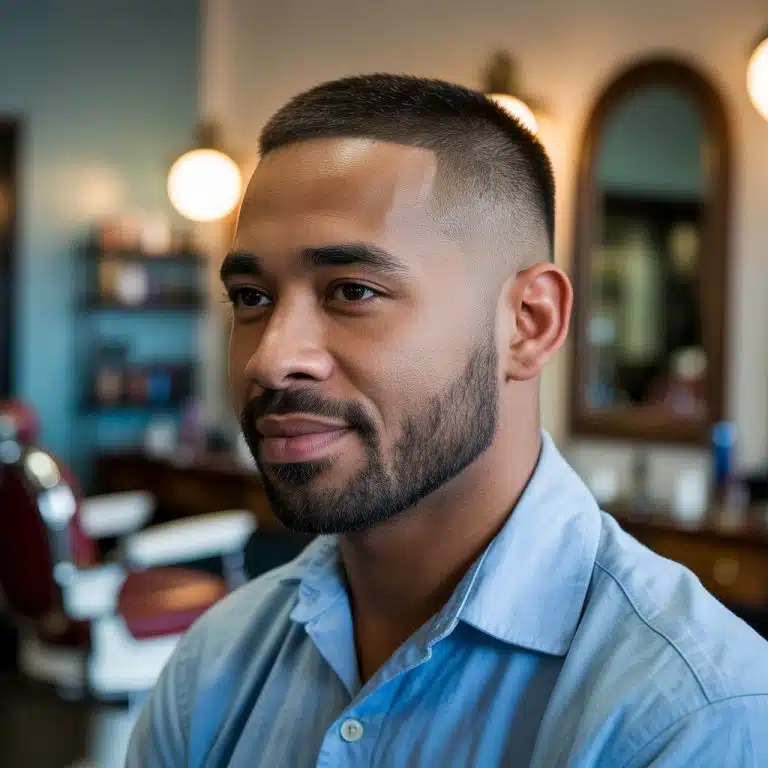
- Let your scalp breathe at home: Going hatless in the evenings lets you check in on scalp health and catch any irritation before it builds up. It’s also when you’ll notice if a cut is holding up the way it should. If you’re due for a refresh, a skin fade or bald fade stays sharp for weeks and looks clean even under a cap.
- Avoid pinning or clipping hats to your hair: Pins and clips create localized tension on the follicle, which is the actual mechanism behind traction alopecia, the one genuine hat-adjacent hair loss risk.
Conclusion
After going through the research and paying attention to what people actually experience in these communities, the answer is clear: hats do not cause hair loss, at least not for the vast majority of people.
The only real edge cases are extremely tight headwear worn daily for years or poor hygiene leading to scalp inflammation. The hair you find in your cap is normal daily shedding, nothing more.
If thinning is a genuine concern, the conversation should focus on genetics, hormones, nutrition, and stress. Those are the factors that actually determine what happens to your follicles.
And if you are rocking a fresh fade, the only thing your cap threatens is the crispness of the line.
Have you ever blamed your hat for hair loss? Drop your experience in the comments below.
Frequently Asked Questions
Can Wearing Hats Damage Your Hair?
In most cases, no. A normally fitted hat on clean hair won’t cause damage. Breakage is possible with very tight or rough-lined hats, but it’s reversible and not the same as true hair loss.
What are the Disadvantages of Wearing a Cap on the Hair?
The downsides are mostly practical: caps can flatten your hairstyle, cause frizz, or trap sweat against your scalp. A dirty or overly tight cap may lead to minor irritation or breakage over time.
Does Hat Material Affect Scalp Health?
Yes. Synthetic materials like polyester trap heat and create more friction, while breathable options like cotton or satin-lined hats keep the scalp cooler and reduce hair damage.