Have you ever looked in the mirror and wondered how to safely get rid of a flat mole on your face?
I know the feeling. I’ve spent time researching every option from professional flat mole removal to natural remedies that promise results in one day.
I understand why you’re here: you want clear, reliable guidance without guessing or risking your skin.
I’ve found both medical procedures, like surgical removal and scarless techniques, and natural approaches, learning what works and what doesn’t. I’ve even spoken with dermatologists and tried safe, gentle methods myself.
In this blog, I’ll break down the types of moles on the face and guide you through the best ways to remove them, so you can make an informed choice.
By the end, you’ll have practical, trustworthy information to act on confidently.
Types of Moles on Face and Why They Matter
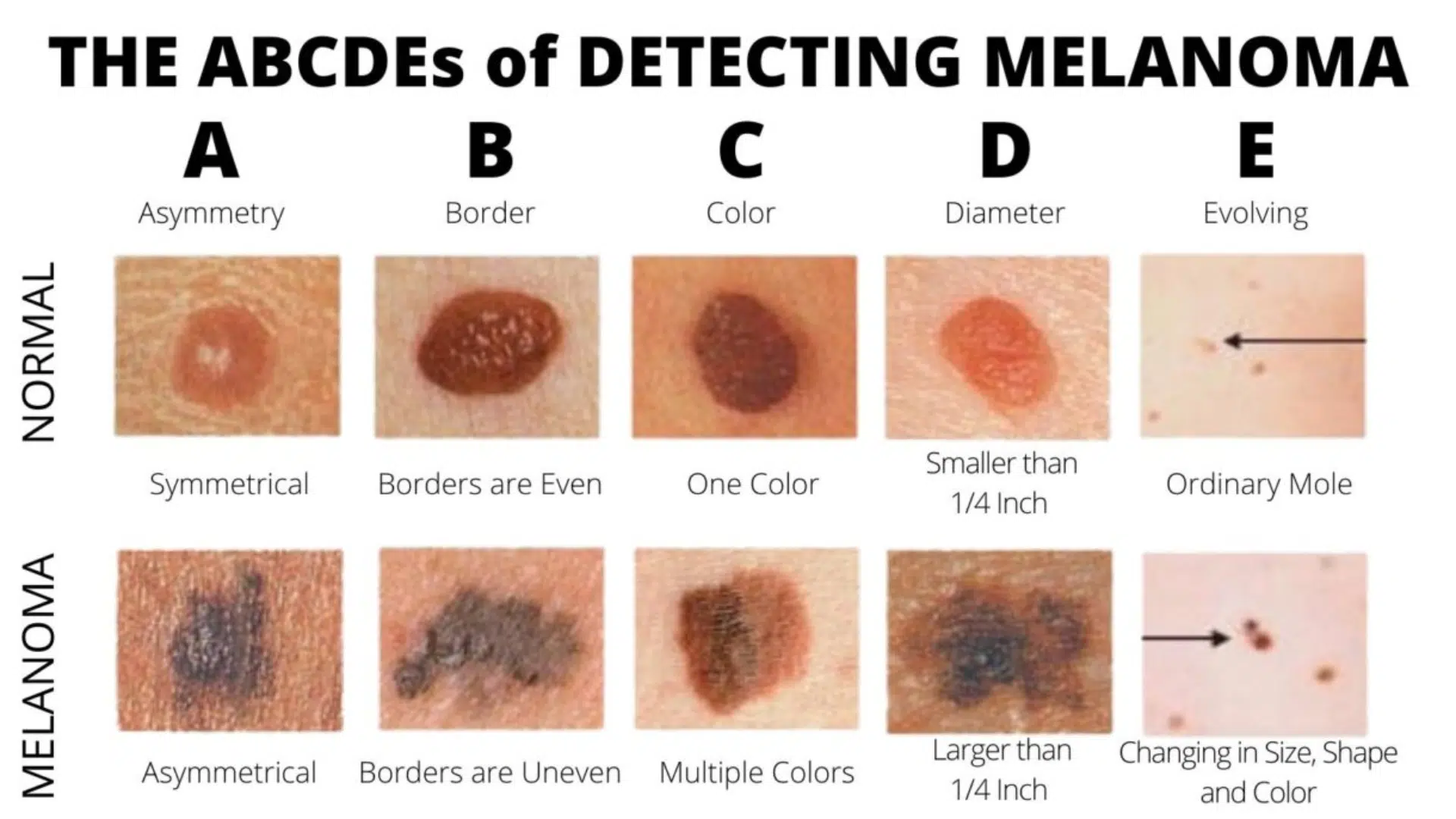
Moles on the face come in several types: flat, raised, pigmented, and atypical, each with unique characteristics.
- Flat moles lie flush with the skin and usually have a uniform color.
- Raised moles protrude and can feel rough or smooth.
- Pigmented moles range from light tan to dark brown or black, depending on the concentration of pigment cells.
- Atypical moles (dysplastic nevi) are larger, irregularly shaped, and unevenly colored, often showing a raised center with a lighter surrounding area. These moles carry a higher risk of developing into melanoma, a type of skin cancer.
Knowing the type of mole is essential before removal, as it guides both the method and urgency. Changes in size, color, or shape, especially following the ABCDE rule (Asymmetry, Border, Color, Diameter, Evolving), signal the need for a dermatologist’s evaluation.
Large, changing, or atypical moles should always be assessed professionally to rule out cancer or the need for a biopsy.
Recognizing mole types ensures safe removal and proper monitoring for potential risks.
Surgical Mole Removal Techniques
These methods physically cut out the mole using excision, punch biopsy, or shave excision, allowing complete removal and biopsy if needed. Let’s discuss these methods in detail.
1. Excision (Cutting Out the Mole)
Excision involves removing the entire mole along with a small margin of normal skin to prevent regrowth. A local anesthetic is applied, and the skin is cut down to the dermis. The wound is then closed with stitches.
This method is suitable for larger or deeply rooted moles and allows the removed tissue to be examined for any signs of cancer.
Healing usually takes a couple of weeks, and scarring depends on the mole size, location, and how the wound is stitched.
Pros:
- Removes the entire mole, minimizing recurrence
- Allows for biopsy of suspicious moles
- Suitable for large or deep moles
- Quick procedure
- Highly effective
Cons:
- Minor scarring likely
- Longer healing due to stitches
- Pain and discomfort during recovery
- Risk of infection if post-care is not followed
- Less cosmetic for visible areas
2. Punch Biopsy (Small Circular Removal)
A punch biopsy uses a circular blade to remove the mole along with some surrounding skin. This technique is best for small moles under 5 mm. Local anesthesia is applied, and the wound is stitched or allowed to heal naturally.
Punch biopsies allow the tissue to be analyzed for any abnormal cells, making it a useful option for moles suspected of being atypical or dysplastic.
Healing time is shorter than excision, but the scar can be round and noticeable.
Pros:
- Precise removal of small moles
- Quick procedure
- Tissue can be examined for cancer
- Minimal disruption to the surrounding skin
- Short recovery time
Cons:
- Can leave a round scar
- Not suitable for large moles
- Healing may still take several days
- Limited cosmetic advantage for visible areas
- Slight discomfort during recovery
3. Shave Excision (Shaving Off the Mole)
Shave excision removes the mole by shaving it parallel to the skin surface. It is ideal for small, superficial, and non-cancerous moles. Local anesthetic is applied first, and the shaved area may be cauterized to stop bleeding.
Because the procedure does not remove the mole’s deeper layers, there is a higher chance of recurrence compared to excision.
It is minimally invasive and has a quick recovery, but it is not suitable for moles that may be atypical or deeply rooted.
Pros:
- Minimal scarring
- Fast and simple procedure
- Quick healing
- Less invasive than excision
- Good for cosmetic areas
Cons:
- Higher chance of mole regrowth
- Not suitable for deep or suspicious moles
- No tissue for a thorough biopsy
- May require touch-ups
- Limited long-term effectiveness
Laser and Scarless Mole Removal Techniques
These methods use focused energy, like lasers or radio waves, to precisely remove flat moles without cutting the skin. They offer minimal scarring, quick recovery, and are ideal for small, superficial, cosmetic moles.
1. CO2 Laser Removal
CO2 laser uses a focused beam of light to vaporize mole tissue layer by layer. The procedure is precise, causing minimal damage to the surrounding skin. It’s ideal for small, flat cosmetic moles on visible areas like the face.
The treatment is usually completed in minutes without stitches, and healing is quick with minimal scarring.
However, multiple sessions may be required for the complete removal of certain moles.
Pros:
- Minimal scarring
- Quick recovery
- Precise targeting of the mole tissue
- Non-invasive, no stitches needed
- Ideal for cosmetic areas
Cons:
- May require multiple sessions
- Higher cost than surgical methods
- Not suitable for cancerous or deep moles
- Limited tissue for biopsy
- Risk of pigment changes
2. Radiofrequency Surgery
Radiofrequency surgery removes the mole using high-frequency electric currents that generate heat. This method can remove the mole’s surface or deeper tissue, depending on the mole’s size and depth.
Blood vessels are cauterized during the process, reducing bleeding. It is precise, causes minimal scarring, and has less downtime than traditional excision.
It is particularly useful for small to medium flat moles on sensitive or visible areas.
Pros:
- Minimal scarring
- Less invasive than excision
- Quick healing and minimal downtime
- Good control for precise removal
- Reduced bleeding
Cons:
- May require multiple sessions
- Not effective for deep or suspicious moles
- More expensive than traditional excision
- Tissue for biopsy is limited
- Possible temporary redness or swelling
3. Electrosurgery
Electrosurgery uses high-frequency electrical currents to burn away mole tissue. It’s fast, precise, and ideal for small, flat moles. The procedure reduces bleeding and is minimally invasive.
Recovery is quick, but multiple treatments may be needed for complete removal.
Like other scarless techniques, electrosurgery is not suitable for atypical or deeply rooted moles because tissue for biopsy is limited.
Pros:
- Minimal bleeding
- Fast procedure
- Minimal scarring
- Quick recovery
- Non-invasive and precise
Cons:
- May need repeated treatments
- Not suitable for cancerous or deep moles
- Limited biopsy potential
- Possible temporary redness or uneven skin
- Slight discomfort during the procedure
Flat Mole Removal: Choosing the Right Method
Different mole types and personal priorities call for different removal methods. This table summarizes which method is generally most suitable based on mole size, depth, and cosmetic considerations.
| Method | Suitable For | Who Should Consider | Less Suitable For |
|---|---|---|---|
| Surgical Excision | Large, deep, suspicious moles | Those needing a biopsy, complete removal | Cosmetic-focused without scarring concerns |
| Punch Biopsy | Small, suspicious, or atypical moles | People needing tissue analysis | Large or purely cosmetic moles |
| Shave Excision | Small, raised benign moles | Quick removal with minimal downtime | Suspicious, deep, or high-risk moles |
| Laser Removal (CO2, Pico) | Small, superficial, clearly benign moles | Those wanting minimal scarring and fast healing | Large, deep, or suspicious moles |
| Radiofrequency/Electrosurgery | Small to medium flat, benign moles | Precision removal with minimal bleeding and scarring | Deep, large, or cancer-suspected moles |
Note: Consulting a dermatologist is essential to assess mole type, health risks, and to select the safest, most effective, and cosmetically appropriate removal method.
Risks of Natural and At-Home Mole Removal
Some people look for quick, natural mole removal methods, but these can be ineffective and risky. Look at what you need to know:
- One-day natural remedies are unsafe: Methods like apple cider vinegar, garlic, or other DIY treatments are generally ineffective and may harm the skin.
- Moles go deeper than the surface: Most extend below what’s visible, so surface treatments can’t fully remove them.
- Risk of skin damage: Quick remedies may cause irritation, infection, scarring, or incomplete removal, leading to regrowth.
- Danger of missing serious conditions: Self-treatment may overlook early signs of skin cancer.
- Safer alternatives exist: Dermatologist-approved topical treatments can gradually fade benign moles, but they take weeks, not a day.
- Best removal methods: Surgical excision or laser treatment by a dermatologist minimizes risks and allows proper evaluation and biopsy if needed.
Bottom line: No natural or at-home method can safely remove moles in one day. Professional care is the safest and most reliable choice.
Safety Considerations for Moles
Moles on the face require careful attention for both health and cosmetic reasons. See a doctor immediately if you notice any of the following warning signs:
- Rapid changes in size
- Uneven color or pigmentation
- Bleeding, oozing, or persistent crusting
- Itching, pain, or inflammation around the mole
- Irregular or asymmetrical borders
- Redness spreading from the mole, swelling, warmth, or pus
- New lumps or changes in texture
These signs may indicate an atypical or potentially cancerous mole, requiring professional evaluation and possibly a biopsy.
For facial moles, consulting a dermatologist is essential. Professionals ensure accurate diagnosis, safe removal tailored to the mole’s type and location, and biopsy if needed, protecting your health while maintaining cosmetic results.
Conclusion
I hope this guide has given you clear answers on how to remove moles safely and effectively.
I know the worry of seeing a mole change or wanting it gone for cosmetic reasons can feel stressful, and I want you to feel confident in your choices.
I’ve shared the most reliable methods, from surgical excision to laser and scarless techniques, and explained why DIY or “natural” one-day removals are unsafe. I also highlighted warning signs that need prompt medical attention.
By understanding the options, risks, and proper safety steps, I feel you can make informed decisions for your skin health.
Taking professional guidance ensures not just a smooth, effective removal but also peace of mind, protecting you from scarring, infection, and missed early warning signs of serious skin conditions.