
Have you wondered why some people get freckles and others don’t?
This often happens from spending time in the sun, but it can also be because of family traits; if your parents have freckles, you might too.
Some people love their freckles and see them as part of their look. Others like to make them lighter or remove them for smoother-looking skin.
Then, how to get rid of freckles? There are many ways to do this.
I think of freckle treatments in two groups: simple skincare treatments you can do at home that work slowly, and professional treatments from a skin doctor that give quicker, more focused results.
Let me tell you more about these methods!
What are Freckles and How Do They Form?
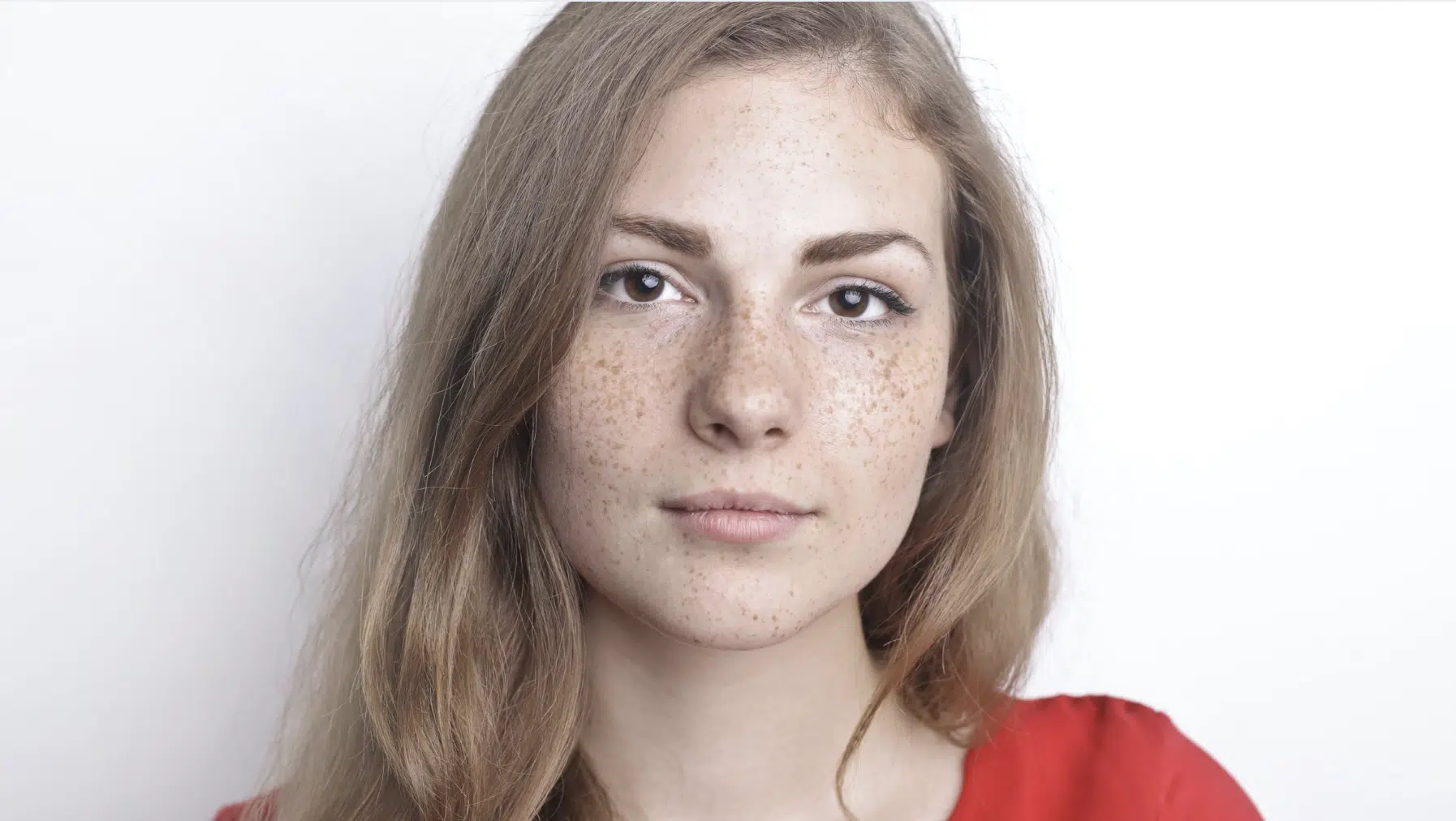
Freckles are small, flat spots that can appear on the skin when more skin pigment, called melanin, gathers in one place.
They can be light brown, tan, reddish, or dark brown. Freckles are usually harmless and do not mean the skin is damaged.
They often appear on areas that get more sunlight, such as the face, arms, and shoulders. Genetics is one of the main reasons some people have freckles.
If a parent or grandparent has them, there is a higher chance of getting them too. Sunlight also plays a big role.
The UV rays from the sun make the skin produce more melanin, which can make freckles show up or become darker.
Freckles are often more common in lighter skin tones, but they can appear on any skin type. They can fade during the winter and return in the summer. This change happens because the amount of sun exposure affects how visible they are.
Freckles are not the same as sunspots or other marks on the skin. Sunspots usually show up when we’re older, are bigger, and don’t fade much.
Do Freckles Go Away?
Freckles can fade, but it depends on the type and your skin habits. Some lighten on their own, while others need treatment to go away.
- Seasonal freckles: Often appear in summer and fade in winter when there’s less sun.
- Genetic freckles: Usually stay year-round and don’t go away without treatment.
- Sun spots: Caused by long-term sun exposure, and these usually don’t fade on their own.
- Age factor: Freckles may become darker or more permanent as you get older.
- Skin tone: People with lighter skin often notice freckles more, but they can appear on any skin type.
- Sun protection: Wearing sunscreen daily helps prevent freckles from getting darker or coming back after treatment.
- Professional help: For freckles that don’t fade naturally, options like lasers, chemical peels, or creams can help.
How to Get Rid of Freckles at Home?
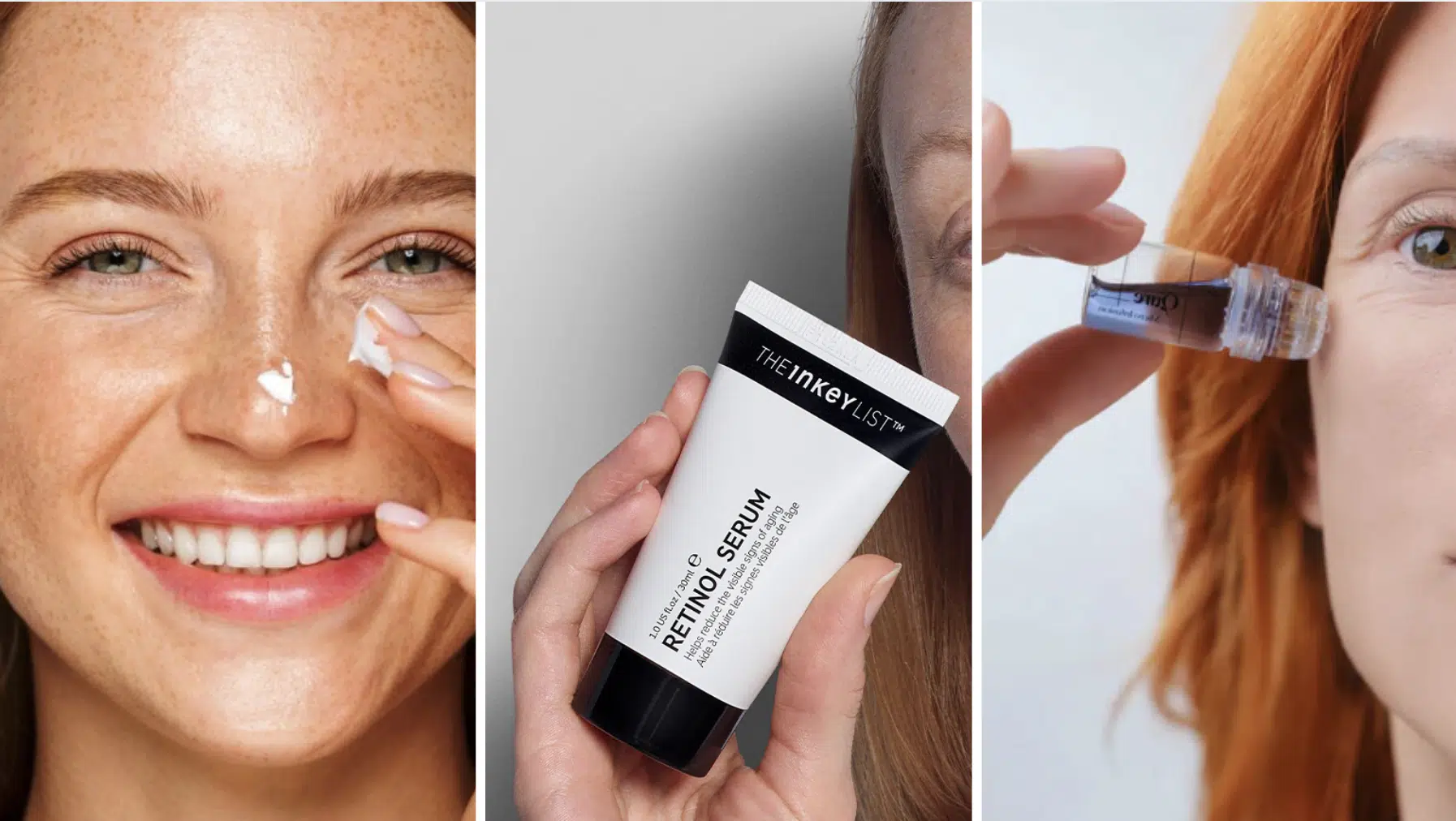
Gentle at-home treatments can help fade freckles over time without harsh procedures. These methods focus on protecting skin and gradually lightening pigment.
1. Daily Sunscreen Use
Sunscreen is one of the best ways to keep freckles from getting darker. The sun’s UV rays make the skin produce more pigment, which can make freckles stand out.
A broad-spectrum sunscreen protects against both UVA and UVB rays, which is important for overall skin health.
Choose SPF 30 or higher and apply it every morning, even on cloudy days. Reapply every two hours if you’re outdoors, and more often if you swim or sweat.
2. Vitamin C Serums
Vitamin C is a powerful antioxidant that can help fade freckles by reducing extra pigment in the skin. It also protects the skin from sun damage during the day.
A serum with 10–20% vitamin C works well for most people. Use it in the morning before sunscreen for the best effect.
Over time, it can make skin tone look more even and bright. Since it works gently, results may take a few weeks to show, but it’s safe for regular use.
3. Retinoids (Retinol / Prescription)
Retinoids are vitamin A-based products that speed up how quickly skin cells renew. This process can help fade freckles by replacing older, pigmented skin cells with fresh ones.
Over-the-counter retinol is gentler, while prescription retinoids work faster but can be stronger. Start slowly, applying only a few times a week to avoid dryness or irritation.
Always use sunscreen during the day, as retinoids can make the skin more sensitive to sunlight. With regular use, skin can become smoother, and freckles may look lighter.
4. Chemical Exfoliation (AHAs/BHAs)
Chemical exfoliation uses gentle acids to remove dead skin cells, helping freckles fade over time. Glycolic or lactic acid works on the skin’s surface, while salicylic acid goes deeper into pores.
These acids make skin smoother and help other treatments work better. Start with once or twice a week, then increase if your skin tolerates it.
Always follow with sunscreen, as freshly exfoliated skin is more sensitive to sunlight and can darken easily.
5. Natural Remedies (Limited Evidence)
Some people use natural ingredients like lemon juice, aloe vera, or honey to lighten freckles. Lemon juice may gently fade pigment, aloe vera can soothe skin, and honey may help with mild brightening.
However, results vary, and these methods work slowly. Lemon juice can cause irritation, especially for sensitive skin, and may make skin more sun-sensitive.
Always test a small area first and use sunscreen if you try these remedies. While they’re gentle, they should not replace proven treatments for faster results.
Expert Dermatology Treatments for Freckles
Professional treatments work faster on freckles and can give stronger results. These options are done by skin experts using advanced tools and techniques.
6. Chemical Peels
A chemical peel uses a special solution to remove the top layers of skin, which can help fade freckles and even out skin tone. Medium or deep peels reach deeper layers for more noticeable results.
After treatment, the skin may be red and need a few days to heal. Peels can be repeated every few months for better results.
Costs vary based on the depth of the peel. Sunscreen and gentle care are important afterward to protect the new skin and keep freckles from returning.
7. Laser Treatments (Q-switched, Pico, Fraxel)
Laser treatments target the pigment in freckles, breaking it down so the body can naturally remove it. Q-switched, Pico, and Fraxel lasers are commonly used.
Most people need several sessions for the best results. Treatments can be slightly uncomfortable and may cause mild redness for a few days.
Laser therapy can give quick, lasting results, but freckles may come back with sun exposure. A professional will help choose the right laser based on skin type and freckle color for safe results.
8. Intense Pulsed Light (IPL) Therapy
IPL therapy uses pulses of light to target pigment in freckles, similar to lasers but with a broader light range. It works well for people with lighter skin tones and light to medium freckles.
Several sessions are usually needed for the best results. There’s little downtime, and skin may be red or slightly swollen for a short time.
Over time, freckles fade, and skin tone looks more even. Sunscreen is a must afterward to prevent freckles from returning or getting darker.
9. Cryotherapy
Cryotherapy removes freckles by freezing them with liquid nitrogen. The cold temperature destroys the extra pigment, and the treated spot peels or falls off as it heals.
This method works best for a small number of freckles rather than the whole face. Healing usually takes a few days, but there may be redness or slight scabbing.
Risks include changes in skin color or scarring, so it’s important to have it done by an experienced professional for safe and accurate results.
10. Microdermabrasion
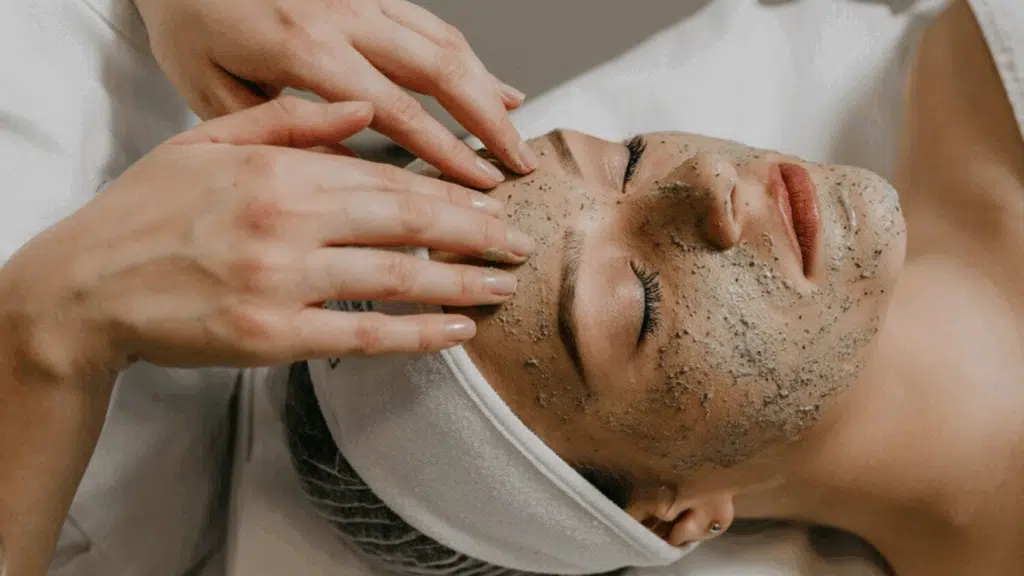
Microdermabrasion is a non-invasive treatment that gently sands away the top layer of skin. This helps fade freckles and makes skin smoother.
The procedure uses a machine with fine crystals or a diamond tip to exfoliate. Most people see gradual results over several sessions, making it a gentle option with little downtime.
It works well for mild freckles but may not fully remove darker spots. After treatment, sunscreen is important to protect the skin and maintain the results over time.
11. Microneedling with Brightening Serums
Microneedling uses tiny needles to make small openings in the skin. These allow brightening serums, like vitamin C or tranexamic acid, to absorb better and work deeper.
The process also boosts collagen production, which can improve skin texture. There’s mild redness after treatment, but it usually fades in a day or two.
Several sessions may be needed to see results. This treatment is safe for most skin types when done by a trained professional and works well for fading freckles gradually.
12. Prescription Topical Creams (Hydroquinone, Kojic Acid)
Prescription creams can help fade freckles by blocking melanin production. Hydroquinone, kojic acid, and other lightening agents are commonly used.
Most people see results after a few weeks to months. Side effects like redness or dryness can happen, so following the doctor’s instructions is important.
Sunscreen is essential during treatment, as skin can become more sensitive to sunlight, and freckles can return without proper sun protection.
Tips for Choosing the Right Freckle Treatment
Match treatment to skin sensitivity: Opt for gentler methods like vitamin C or mild peels if you’re prone to irritation.
- Consider downtime: Procedures like lasers or medium peels may require recovery days.
- Set realistic expectations: Focus on lightening freckles rather than complete removal.
- Check your budget: Professional treatments can require multiple sessions over time.
- Factor in skin tone: Some options work better on lighter or darker complexions.
- Ask about maintenance: Certain treatments need follow-ups to maintain results.
- Request a patch test: Important for strong topicals or chemical solutions.
- Consult a professional: Rule out other skin conditions before starting treatment.
Conclusion
I’ve shared ways to treat or remove freckles, from gentle home care to stronger professional treatments.
Milder options like sunscreen, vitamin C, and gentle exfoliation are easy to add to a routine. Faster methods, such as chemical peels, laser treatments, or prescription creams, should be done with professional guidance.
Before starting, it’s best to consult a dermatologist to find the safest approach for your skin type, especially for stronger treatments that can have side effects.
Freckles are harmless and part of what makes each person unique. Deciding to fade or keep them is a personal choice, and whatever you choose, protecting your skin from the sun is always a good habit.
Frequently Asked Questions
Are freckles harmful to my health?
Freckles are generally harmless. Still, you should monitor any spot that changes in size, shape, or color and see a dermatologist if you notice anything unusual.
How long does it take to see results from treatment?
At-home methods can take several weeks to months. Professional treatments like lasers or chemical peels often show results faster, sometimes after just one session.
Do freckles come back after removal?
Yes, freckles can return if your skin is exposed to the sun without protection. Ongoing sun safety is key to achieving results.