Are you struggling to find makeup that complements your natural features, especially when it comes to the Bright Spring color palette?
I’ve been in the same boat, searching for the right shades that suit my skin tone and bring out my best qualities. It’s not always easy, but I’m here to simplify the process for you.
In this blog, I’ll walk you through how to choose makeup that fits perfectly with the Bright Spring palette, saving you time and effort.
I’ve tried many products myself, so you can trust that the tips I share are tried and true.
By the end, you’ll know exactly which shades will bring out your natural beauty and make you feel confident. Let’s get started.
Understanding Bright Spring vs. Light Spring Makeup
The Bright Spring and Light Spring color palettes are two distinct subcategories within personal color analysis, both part of the Spring family known for warmth and freshness.
Bright Spring makeup features vivid, high-energy colors with warm undertones, clarity, and strong vibrancy, often blending a touch of coolness from Winter.
Its colors include bright blues, sharp yellows, coral, and turquoise, creating bold, striking looks. This palette suits those with high contrast between their skin, hair, and eyes and a luminous, translucent skin tone.
Light Spring makeup leans towards softer, lighter, and gentler tones, combining Spring’s warmth with subtle softness from Summer.
It includes pastel shades like rose pinks, mint greens, and light aquas. Unlike Bright Spring, Light Spring features low-contrast, fresh, candy-like hues, ideal for those with lighter, warm coloring but less intensity.
Understanding these palettes helps you choose makeup that suits your natural tones, bringing out your best features.
Key Differences Between Bright Spring and Light Spring
The main differences between Bright Spring and Light Spring in personal color analysis lie in their undertones, intensity, contrast, and overall appearance, which influence makeup choices.
| Feature | Bright Spring | Light Spring |
|---|---|---|
| Undertones | Warm with a slight cool influence; neutral to warm but cooler than typical warm Springs | Warm with subtle cool softness; lighter, more delicate |
| Color Characteristics | Bright, clear, highly saturated colors; vivid and intense | Softer, lighter tones with pastel-like, fresh colors |
| Contrast Level | High contrast between skin, hair, and eyes; striking look | Low contrast, more tonal, subtle appearance |
| Intensity & Clarity | Intense, vibrant colors like bright blues, sharp yellows | Light, soft, pastel tones like pale pinks, mint greens |
| How It Affects Makeup | Bold, clear makeup to match vibrant features; bright corals, defined eyeshadows | Soft, natural makeup with pastel shades; soft pinks, peach tones |
In short, Bright Spring thrives on bold vibrancy and contrast, while Light Spring favors lighter, softer hues that complement warmth.
Bright Spring Makeup Guide
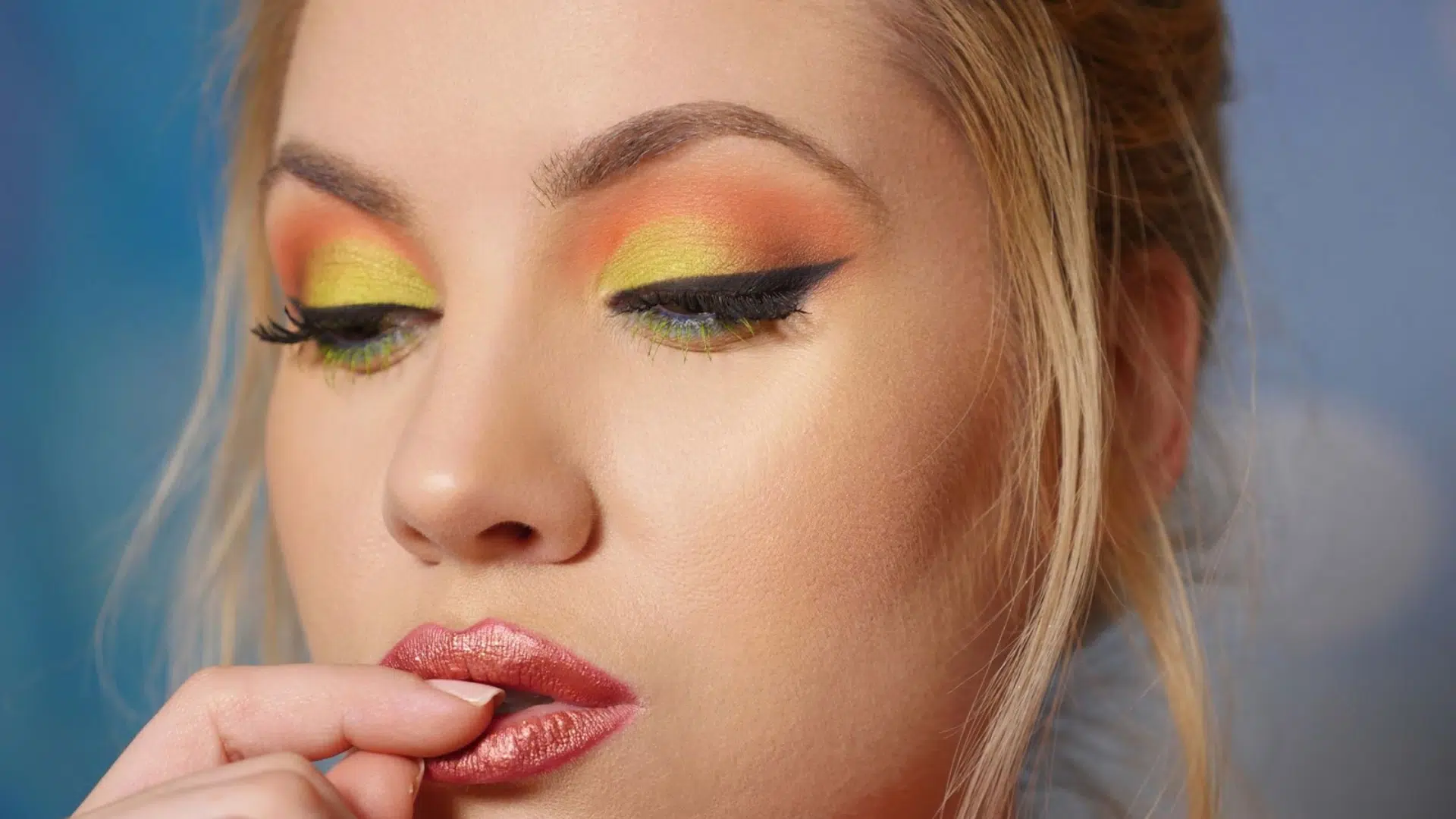
For Bright Spring makeup, the key colors reflect the palette’s warm, clear, and vibrant nature:
- Foundation: Choose foundations with neutral to warm undertones that complement your skin’s natural brightness. Avoid deep or muted shades, which can dull your complexion.
- Blush: Opt for warm peachy-pink or coral shades to add a fresh, healthy flush that complements Bright Spring’s vibrant tones.
- Eyeshadow: Go for vibrant, clear shades like turquoise, soft gold, and bright browns. Creamy or luminous finishes work best to preserve the palette’s clarity and warmth. Avoid matte, muddy eyeshadows that may mute your brightness.
- Lipstick: Pick warm pinks, coral reds, and peachy nudes. These shades reflect the warmth and vibrancy of Bright Spring and improve your natural contrast without overwhelming it.
Bright Spring makeup should highlight brightness and contrast, using lightweight, peach-based formulas with dewy finishes to complement your luminous skin.
Light Spring Makeup Guide

For Light Spring makeup, the key is to keep colors soft, fresh, and warm, in harmony with the season’s light, delicate palette:
- Foundation: Choose lightweight foundations with yellow or peach undertones to match the warmth and radiance of Light Spring skin. Keep coverage sheer or light to maintain a natural, glowing look. Avoid ashy or deep tones, as they can overwhelm your complexion.
- Blush: Opt for light peach or soft pink blushes. These airy shades add a gentle flush without clashing with Light Spring’s contrast. Cream formulas or light powders work well for a dewy, fresh effect.
- Eyeshadow: Go for soft pastels, light taupe, soft beige, champagne, or warm ivory shades. These brighten the eyes without harshness. Shimmery, light-reflective finishes improve the fresh, luminous look.
- Lipstick: Stick to soft pinks, rose nudes, and peachy tones. Glossy or satin finishes complement the light, airy aesthetic, while matte or dark shades can look too heavy.
Light Spring makeup should focus on improving your natural warmth and lightness, emphasizing freshness over intensity.
Makeup Tips for Bright Spring and Light Spring
Let’s discuss makeup tips tailored to achieve a natural yet fresh look for both Bright Spring and Light Spring color palettes, focusing on application techniques, layering, textures, and blending for a balanced, flattering effect:
Bright Spring Makeup Tips
- Application: Use defined strokes for vibrant features, think crisp eyeliner and well-defined brows to improve contrast without harshness.
- Layering: Build color intensity gradually, especially with blush and eyeshadows, to maintain clarity without overwhelming the look.
- Texture Choices: Favor creamy and luminous formulas that reflect light, enhancing the skin’s brightness. Avoid overly matte products that can dull the palette.
- Blending: Blend softly at the edges to create a smooth transition while keeping the core color vibrant to highlight clarity.
- Focus Areas: Emphasize eyes and lips with brighter shades, while keeping the base makeup luminous to allow the color points to shine.
Light Spring Makeup Tips
- Application: Use light, gentle strokes for blush and lip color to keep the look soft and delicate. Less is more for an airy feel.
- Layering: Build sheer, translucent layers to preserve the skin’s natural glow while adding depth.
- Texture Choices: Creamy and dewy textures enhance the fresh, soft appearance. Matte finishes should be light and subtle.
- Blending: Blend thoroughly for smooth, tonal transitions. Avoid harsh lines to maintain a harmonious look.
- Focus Areas: Emphasize the cheeks and lips with pastel, peachy shades. Keep eyeshadow light to improve brightness.
General Tips for Both Palettes
- Tailor product placement and intensity to your natural contrast level.
- Use a damp beauty sponge or soft brush for a natural finish.
- Highlight strategically with light-reflective products on cheekbones and brow bones for added freshness.
- Opt for gentle sculpting with blush rather than heavy contouring for a softer effect.
These techniques will help you create makeup looks that feel fresh, natural, and true to your seasonal color characteristics.
Tailored Makeup Ideas for Every Occasion
Let’s discuss makeup ideas for various occasions, everyday wear, work, and evening looks, suitable for both Bright Spring and Light Spring palettes, keeping in mind their unique color characteristics and intensity levels.
1. Everyday Wear
Bright Spring: For a fresh and lively look, apply light foundation with neutral to warm undertones. Use a soft peachy-pink blush for a natural flush. Apply a light wash of turquoise or soft gold eyeshadow with minimal liner to keep the look bright without heaviness. Finish with warm pink or coral lip tints in a sheer, glossy finish.
Light Spring: Opt for a sheer, lightweight foundation with yellow or peach undertones for a natural glow. Lightly apply soft peach or pink blush for a gentle flush. Stick to subtle pastel eyeshadows like light beige or soft taupe, paired with minimal mascara. Finish with a rose nude or peachy lip balm or gloss to maintain a soft look.
2. Work/Professional Looks
Bright Spring: For a polished look, choose a luminous foundation base. Layer warm coral blush for a healthy, professional glow. Use clearer eyeshadows like bright browns or soft golds, with defined eyeliner and well-groomed brows. Choose coral reds or peachy nudes for lips to keep the look bold yet refined.
Light Spring: Maintain a light, natural base with sheer foundation coverage. Apply soft pink or peach blush for a refined look. Eyeshadow in light taupe or champagne works well, with crease definition and a light coat of mascara. Finish with soft rose or peach lips in a satin or glossy finish for a polished look.
3. Evening / Special Occasion
Bright Spring: For an improved look, go for a buildable foundation to achieve a flawless glow. Use rich coral or peach blush with a hint of shimmer. Intensify eyes with bright turquoise or warm, clear browns and add shimmer or highlight on the lid. Define eyes with crisp eyeliner and volumizing mascara. Opt for bold, warm pinks or coral reds for lips.
Light Spring: Go for a radiant, dewy base to improve your light skin tone. Use glowing peach or soft pink blush with shimmer to highlight cheekbones. Brighten eyes with soft pastels or champagne shimmer; define the crease with light taupe and a touch of liner. Choose soft pink, rose nude, or peach lips in a glossy or satin finish for a delicate look.
Conclusion
I hope this guide has helped you find the perfect makeup tips for your Bright Spring or Light Spring palette.
I know how confusing it can be to choose the right shades, especially when you’re trying to match your natural undertones and contrast levels.
By focusing on the unique characteristics of each palette, like the vibrant energy of Bright Spring and the soft, fresh tones of Light Spring, you can create looks that truly complement your natural beauty.
No more guessing or trial and error with products that don’t work. I’ve shared practical tips for everyday wear, work, and special occasions, making it easier to select the right makeup every time.
Feel confident in your choices, and let your natural radiance shine through.