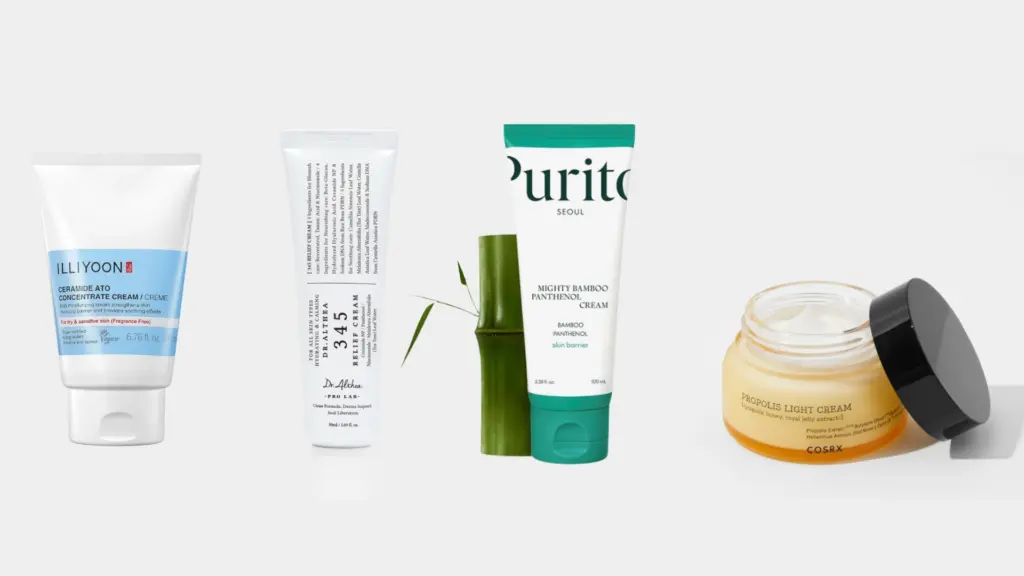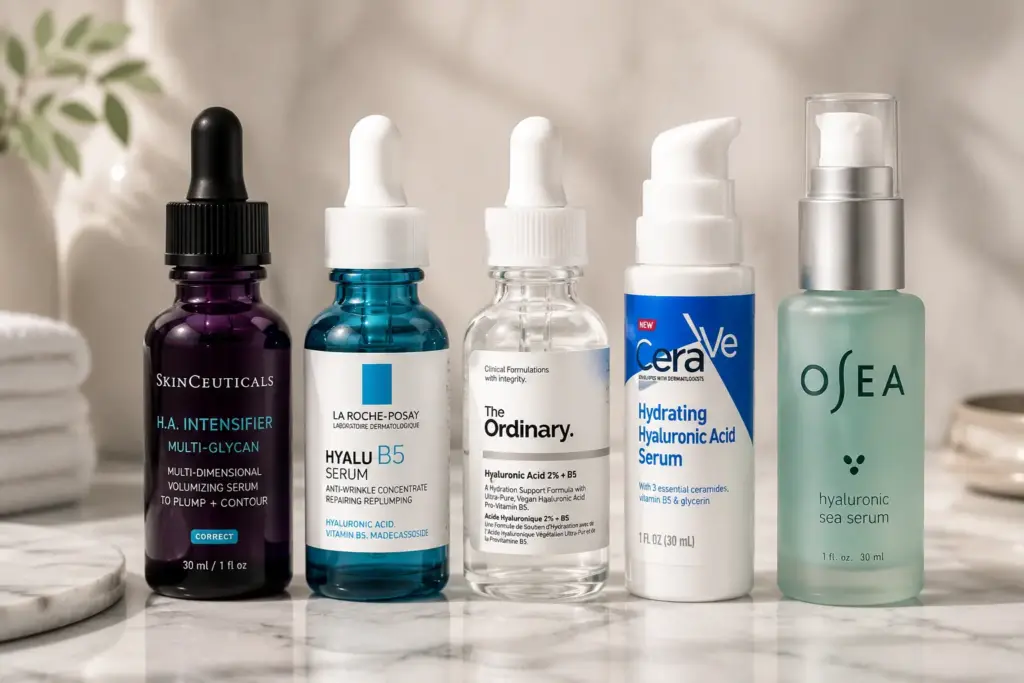
Have you ever noticed tiny bumps, rough patches, or blackheads appearing even when you follow a regular skincare routine? Clogged pores are often the hidden reason behind uneven texture, stubborn congestion, and makeup that does not apply smoothly.
They occur when oil, dead skin cells, and product buildup collect in the pores, creating blockages that can lead to blackheads, whiteheads, and breakouts.
Clearing them is not about scrubbing harder or using harsh treatments that damage the skin barrier. A better approach is using the right ingredients, gentle cleansing habits, and a consistent skincare routine that helps manage buildup and prevent future congestion.
What are Clogged Pores?
Clogged pores occur when oil, dead skin cells, and product residue collect inside the small openings on the skin. Pores naturally release sebum, a healthy oil that helps keep the skin moisturized and protects its barrier. However, when excess buildup prevents this process, the skin may appear rough, uneven, or dull.
This buildup can contribute to visible concerns such as blackheads, whiteheads, small bumps, and acne spots. Having clear skin does not mean removing all oil, as sebum plays an important role in maintaining hydration and protection.
A balanced skincare routine helps manage excess buildup, supports a healthy skin barrier, and reduces the risk of recurring congestion.
What Leads to Pore Buildup?
Pore buildup occurs when oil, dead skin cells, and external buildup collect inside pores instead of being removed naturally.
1. Excess Oil Production: Sebum helps keep skin balanced, but trapped oil and dead cells can lead to blocked follicles, making congestion more common in oily and combination skin.
2. Dead Skin Cell Buildup: When dead cells do not shed properly, they mix with oil and block pores. Gentle exfoliation can help remove buildup.
3. Skincare Products and Makeup: Heavy creams, certain oils, and leftover makeup may contribute to buildup, especially when not removed properly.
4. Sweat and Hormonal Changes: Sweat can mix with oil, while hormonal shifts may increase oil production and make pores more likely to clog.
A consistent routine, suitable products, and healthy habits can help manage buildup over time.
How Does Pore Buildup Appear on Skin?
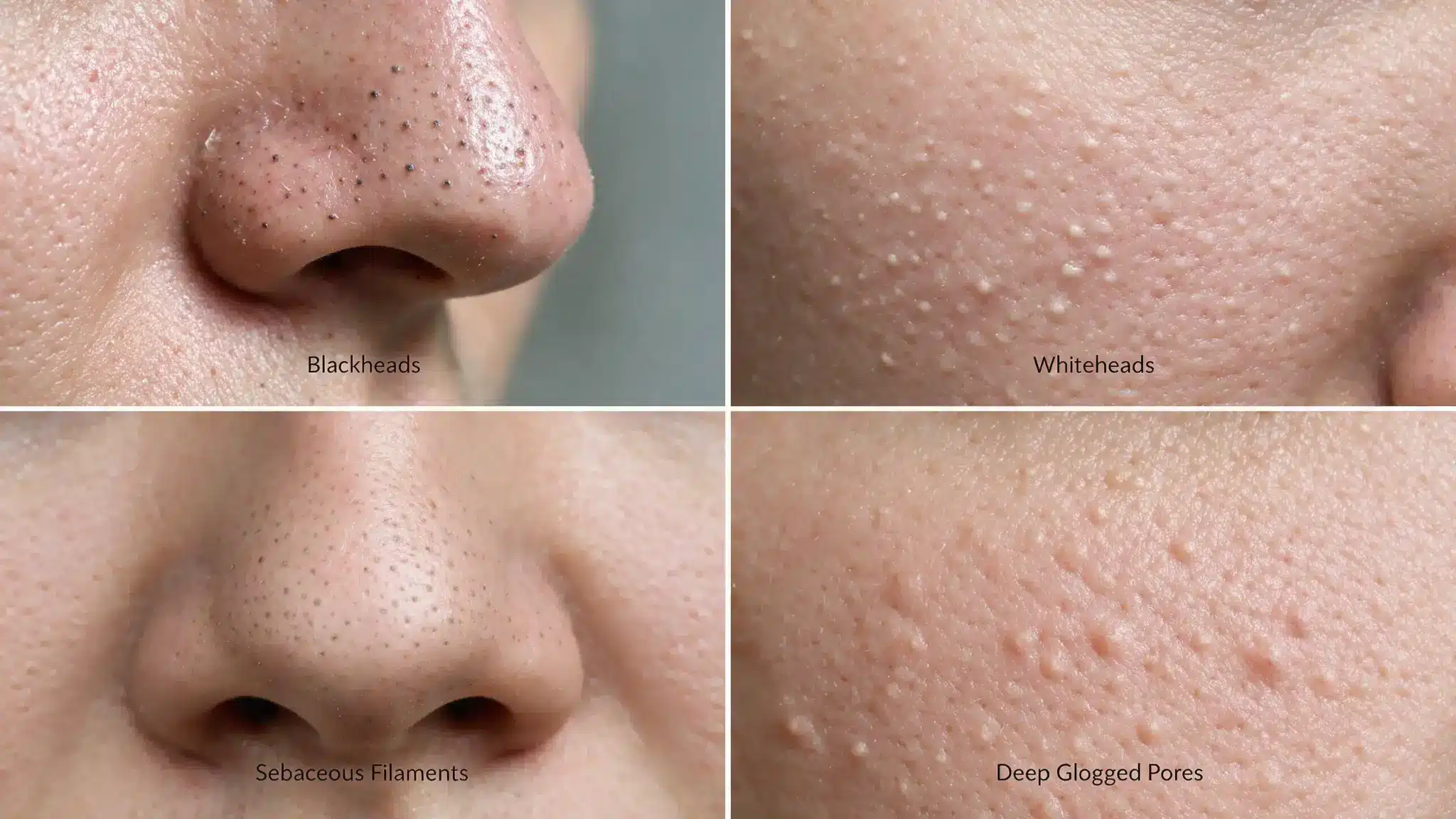
Pore buildup can appear in different forms depending on what is trapped inside the skin. Identifying the type helps you choose suitable care.
| Type | Appearance | Common Skin Type | Common Skin Types |
|---|---|---|---|
| Blackheads | Dark dots on nose, chin, or forehead | Oily and combination skin | Oily and combination skin |
| Whiteheads | White or skin-colored bumps | Oily, combination, acne-prone skin | Oily, combination, and acne-prone skin |
| Sebaceous Filaments | Small gray or beige dots | More visible in oily skin | More visible in oily skin |
| Deep Pore Buildup | Small skin-colored bumps | Combination, oily, acne-prone skin | Combination, oily, and acne-prone skin |
Note: Pore buildup can appear differently depending on what is trapped inside. Identifying the type helps you choose suitable skincare and avoid unnecessary treatments.
Understanding the type of pore buildup can help you choose the right skincare approach instead of using unsuitable treatments. Each concern may need different care based on its appearance and skin type.
How to Unclog Pores Safely at Home
Clearing pore buildup takes consistency, not harsh scrubbing. The goal is to remove buildup while keeping your skin barrier healthy.
These simple steps can help manage oil, dead skin cells, and congestion.
1. Use Salicylic Acid
Salicylic acid is a BHA that helps remove oil and dead skin cells trapped inside pores. It can be useful for blackheads, whiteheads, and congestion, especially for oily and combination skin types.
Start with a low frequency, such as once or twice weekly, and increase usage gradually if your skin responds well. Most over-the-counter formulas fall within an approved concentration range, so always follow with moisturizer to maintain skin balance and prevent dryness.
2. Try Retinoids
Retinoids help support skin cell turnover, which can reduce the buildup of dead skin cells inside pores. They are useful for recurring congestion, uneven texture, and preventing future blockages.
Beginners should start with a lower-strength product a few times a week and apply moisturizer to reduce potential dryness or irritation. Consistent use is important, as visible improvements may take several weeks.
3. Apply Clay Masks
Clay masks can help absorb excess oil and reduce surface buildup that may contribute to skin congestion. They are especially helpful for oily areas where shine and residue are more noticeable.
Use clay masks occasionally instead of daily, as overuse may cause dryness or irritation. Choose a gentle formula and apply moisturizer afterward to support the skin barrier. Regular but balanced use can help maintain clearer-looking skin.
4. Cleanse Gently
A gentle cleanser helps remove sunscreen, makeup, sweat, and daily residue that can collect on the skin. Regular cleansing supports clearer-looking skin without stripping away the natural oils needed for protection.
Avoid harsh scrubs or rough cleansing methods, as they can irritate the skin and worsen uneven texture. A simple cleansing routine, followed by a barrier-friendly moisturizing cream, can help maintain healthier-looking skin over time.
A simple routine with the right ingredients can help keep pores clearer over time.
Clogged Pores vs Congested Skin: Key Difference
Clogged pores and congested skin are often used interchangeably, but they are not exactly the same. They are a specific type of buildup inside individual pores, while congested skin is a broader concern that includes rough texture, uneven appearance, and multiple types of buildup.
| Skin Concern | How It Looks | Main Cause |
|---|---|---|
| Clogged Pores | Blackheads, whiteheads, small bumps, uneven texture | Oil, dead skin cells, and product buildup |
| Congested Skin | Rough texture, dullness, tiny bumps, uneven makeup | Excess oil, dead skin cells, and residue |
| Sebaceous Filaments | Small gray or light dots on nose and cheeks | Natural oil flow through pores |
| Acne | Red, swollen, painful, inflamed spots | Blocked pores and inflammation |
Not all skin texture is caused by blocked pores. Understanding the difference helps you choose suitable treatments and avoid harsh products when gentler care is needed.
Routine to Reduce Pore Buildup
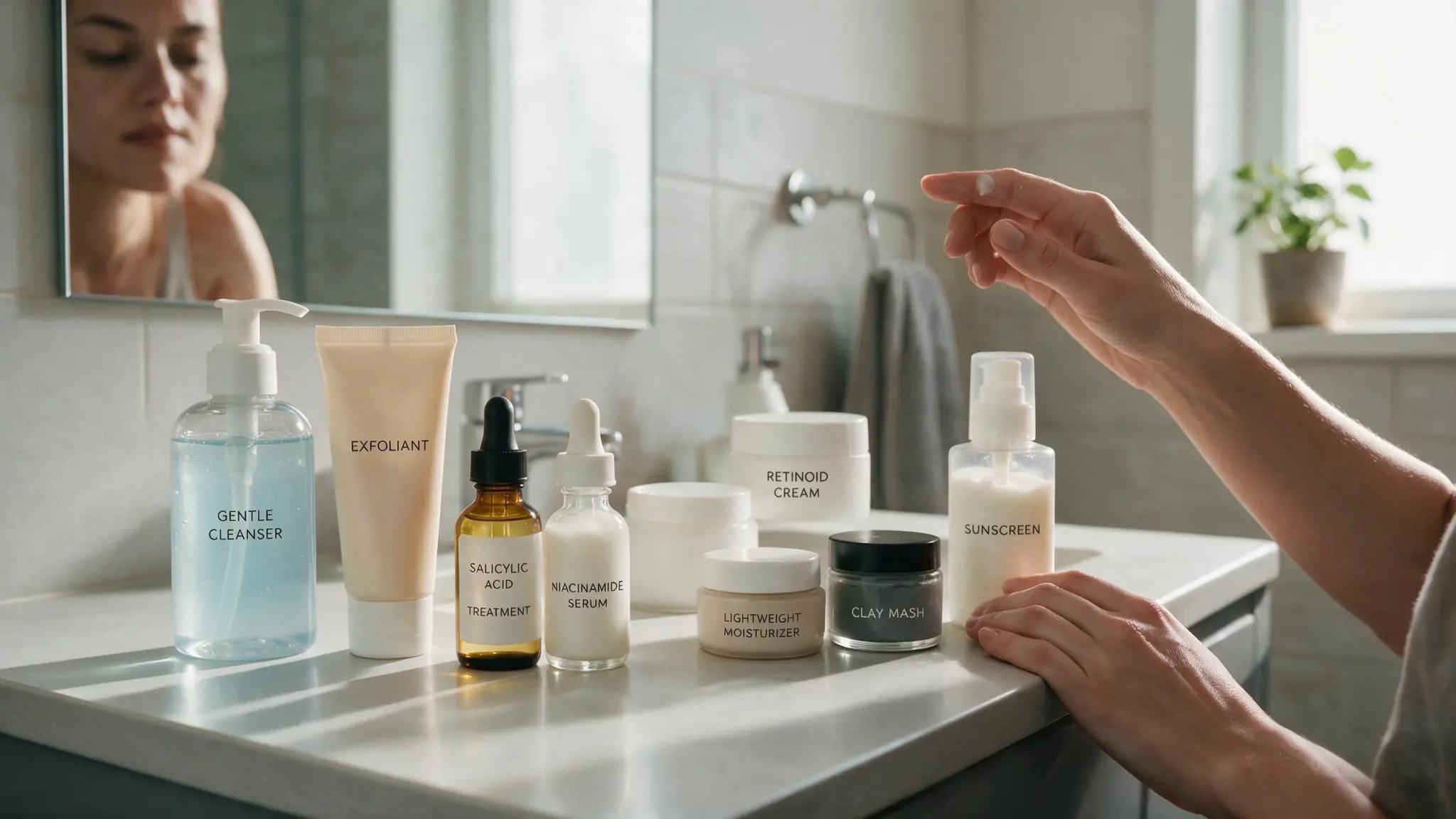
A good skincare routine for pore buildup focuses on keeping buildup under control while maintaining a healthy skin barrier.
Instead of using multiple strong products, a simple routine with gentle cleansing, suitable ingredients, and regular care can help improve congestion over time.
1. Morning Routine
Start your morning with a gentle cleanser to remove oil and overnight buildup. Follow with a lightweight moisturizer to keep skin hydrated without a heavy residue.
Finish with a non-comedogenic sunscreen to protect your skin without adding extra pore buildup. If needed, you can include a treatment product, such as niacinamide, to help manage oil and support smoother skin.
2. Night Routine
Your nighttime routine helps remove the buildup collected throughout the day. Begin by removing makeup and sunscreen, then cleanse your skin to clear away residue.
Apply a treatment ingredient like this proven exfoliating acid or a retinoid if it suits your skin, then follow with a moisturizer to keep your skin barrier balanced.
3. Weekly Care
Weekly care should focus on gentle maintenance rather than aggressive treatments.
Exfoliating once or twice a week can help remove dead skin cell buildup, while clay masks may help absorb excess oil. Avoid using too many exfoliants or treatments together, as this can irritate the skin.
A consistent routine with the right products, similar to steps in a weeklong skin refresh, can help reduce congestion and keep pores looking clearer without overworking your skin.
Why Pores Clog Despite Good Skincare?
Even with a regular skincare routine, pores can still become clogged because cleansing only removes surface buildup, not oil, dead skin cells, and product residue trapped inside pores.
Excess oil production, slow skin cell shedding, heavy products, makeup buildup, stress, and lifestyle factors can all contribute to congestion.
Congested skin often appears before visible blackheads or breakouts. Early signs include rough texture, tiny bumps, dull-looking skin, uneven makeup application, and more noticeable pores.
Recognizing these changes early can help you adjust your routine and prevent buildup from worsening. A balanced approach with suitable products, including some gentler Korean-style formulas, and consistent care can help maintain clearer-looking skin.
Effective Ingredients for Pore Buildup
The right skincare ingredients can help manage oil, remove buildup, and improve uneven texture caused by pore buildup. Retinoid-based products, for example, work by increasing new skin cell production to help keep pores clear.
| Ingredient | How It Helps | Best For |
|---|---|---|
| Salicylic Acid | Removes oil and dead skin buildup, helping reduce blackheads and congestion. | Oily and combination skin |
| Retinol and Retinoids | Supports cell turnover and improves buildup and rough texture. | Recurring congestion and uneven texture |
| Niacinamide | Controls excess oil, supports the skin barrier, and reduces the appearance of pores. | Most skin types, including sensitive skin |
| Azelaic Acid | Improves texture and acne concerns while calming irritation. | Congested or acne-prone skin |
Introduce active ingredients slowly by adding one product at a time. Avoid combining multiple strong treatments, as consistency often yields better results.
Note: Introduce new active ingredients slowly and avoid using too many at once to prevent irritation. Always apply sunscreen during the day.
What Can Make Pores More Congested
Even helpful skincare products can contribute to congestion when they are not suited to your skin or used correctly.
Heavy oils, thick creams, and rich formulas may trap excess oil and dead skin cells, especially for people with oily or acne-prone skin. Choosing lightweight, non-comedogenic products can help reduce the chance of buildup.
Skipping cleansing after makeup or sunscreen can leave residue on the skin and increase the risk of blocked pores. At the same time, over-exfoliating or using multiple strong active ingredients together can weaken the skin barrier, causing irritation and more uneven texture.
Aggressive scrubbing does not remove Pore congestion faster and may irritate the skin instead. Similarly, picking or squeezing blocked pores can lead to redness, inflammation, and possible marks. A gentle, consistent routine is usually more effective than harsh treatments.
How Long Does It Take to Clear Them?
Clearing blocked pores is a gradual process, and the timeline depends on the type of buildup, ingredients used, and how consistently you follow your routine.
Cleansing can make your skin feel cleaner immediately by removing surface oil, makeup, sunscreen, and daily residue, but deeper congestion needs more time.
Ingredients like salicylic acid may start improving clogged pores within 4–6 weeks with regular use by helping remove oil and dead skin cell buildup inside the pores.
Retinoids often take around 8–12 weeks to show noticeable improvements because they support skin cell turnover and help prevent new blockages.
For stubborn blocked pores, closed comedones, or recurring congestion, it may take 3–6 months of consistent care to see significant changes.
Note: Results vary based on skin type, congestion severity, and product response. Consistent care usually works better than quick fixes.
How to Prevent Congested Skin Before They Start
Consistent habits, suitable products, and a simple routine can help prevent skin congestion, reduce buildup, and maintain clearer-looking pores over time.
- Choose non-comedogenic products: Use lightweight skincare and makeup products that are less likely to block pores.
- Remove makeup and sunscreen: Cleanse your skin properly at night to remove daily buildup and residue.
- Avoid too many active ingredients: Using multiple strong treatments together can irritate skin and worsen congestion.
- Exfoliate gently: Remove dead skin cells regularly but avoid over-exfoliating.
- Cleanse after sweating: Wash your face after workouts to remove sweat, oil, and buildup.
Small, consistent habits are more effective than quick fixes. A skin-friendly routine helps prevent buildup and reduces the chances of pore congestion over time.
When Should You Visit a Dermatologist?
Some skin concerns improve with a consistent routine, but certain signs may need professional attention. A dermatologist can help identify the cause and recommend suitable treatments.
1. Persistent Congestion: If Pore congestion keeps returning despite proper skincare, professional advice can help find the underlying cause.
2. Painful Breakouts: Red, swollen, painful bumps or frequent acne may need dermatologist-recommended treatments.
3. Ongoing Skin Irritation: Seek help if products cause lasting redness, burning, itching, or dryness.
4. No Visible Improvement: If your skin does not improve after several weeks of consistent care, a dermatologist can suggest stronger options.
Early consultation can prevent concerns from worsening and support healthier skin management.
The Final Skin Check
Clogged pores occur when oil, dead skin cells, and product buildup collect in the pores, but the right skincare habits can help manage congestion and support clearer-looking skin.
You learned how to identify different types of buildup, choose suitable ingredients, create a simple routine, and avoid habits that may worsen congestion.
If you want to improve skin texture without damaging your skin barrier, consistency and gentle care are usually the most effective approach.
Comment below and share what helped improve your pore concerns.
Frequently Asked Questions
Can Blocked Follicles Go Away on Their Own?
Some mild Blocked follicles may clear naturally as the skin sheds, but consistent cleansing and suitable ingredients can help prevent buildup and reduce congestion more quickly.
What Is the Fastest Way to Clear Blocked Pores?
Gentle cleansing, salicylic acid, and a consistent routine can help clear blocked pores, but results usually take several weeks to appear, not overnight.
Does Moisturizer Cause Pore Blockage?
Moisturizer does not always clog pores. Choosing lightweight, non-comedogenic formulas suitable for your skin type can help prevent unwanted buildup.
How Often Should You Exfoliate for Pore Congestion?
Most people benefit from exfoliating one to two times weekly, but frequency depends on skin type, product strength, and how your skin responds.