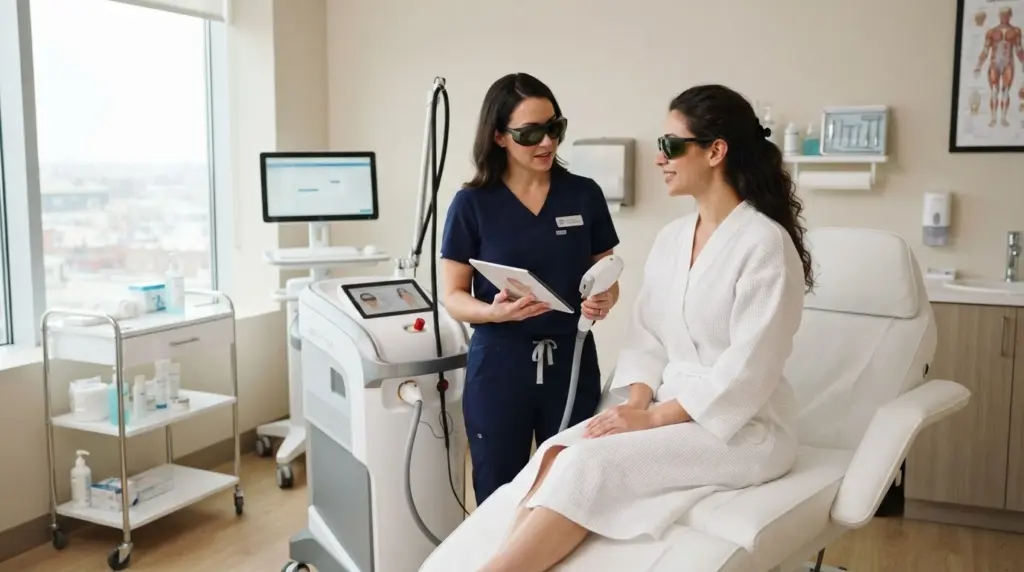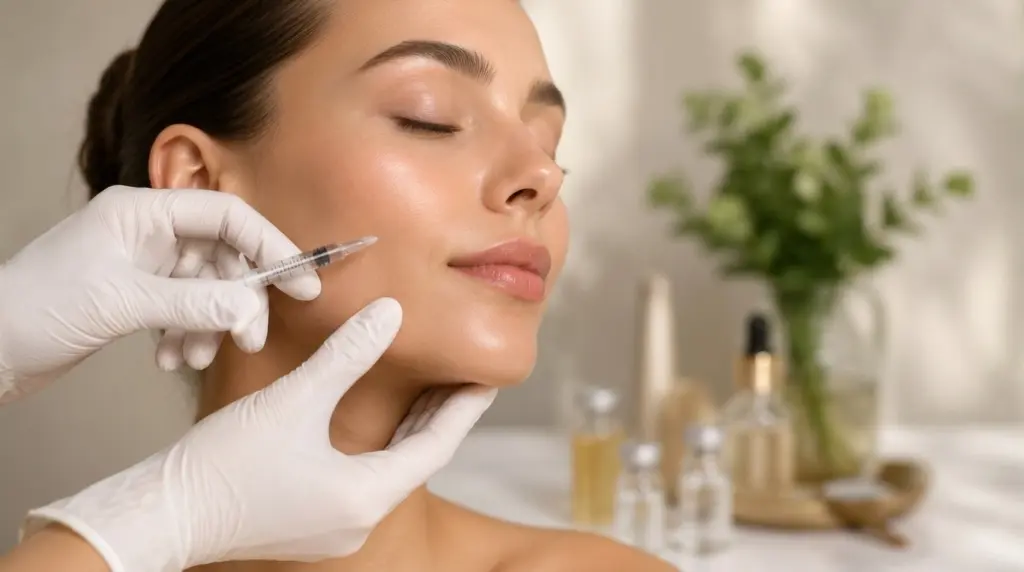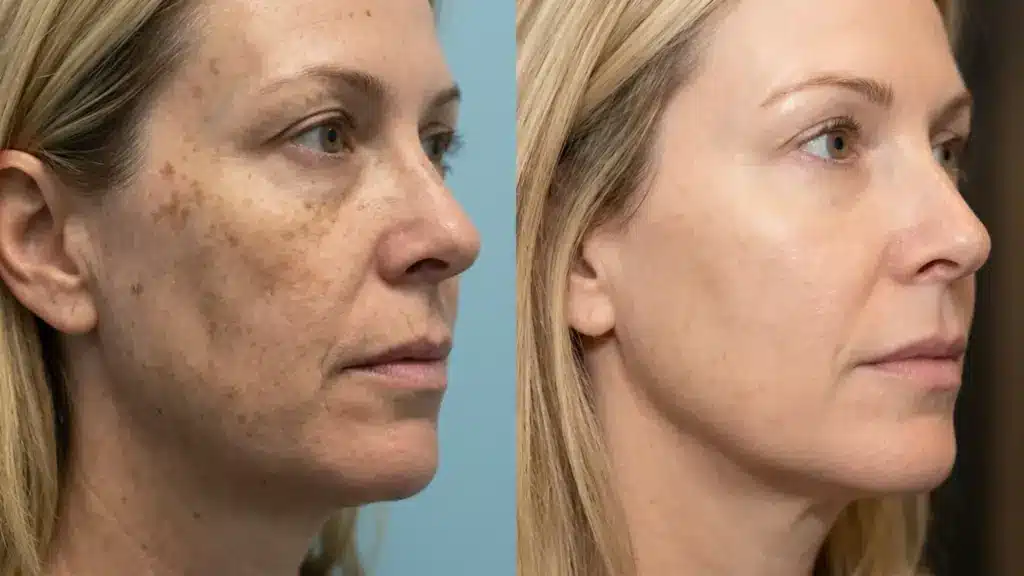
That’s when many people start looking for real transformation stories instead of product promises.
This is where treatments like IPL come into the picture, offering a way to target pigment and redness at a deeper level than topical care can reach.
Understanding what actually happens before and after each session helps set realistic expectations and avoid confusion during the healing process.
In this blog post, the focus is on clear, session-by-session changes to make it easier to understand how results build over time.
The goal is to make the journey simple, realistic, and easy to follow for anyone considering treatment.
What is IPL and How Does It Work on Your Skin?
IPL, or Intense Pulsed Light, is a skin treatment that uses broad-spectrum light to improve pigmentation, redness, and uneven skin tone.
Unlike lasers that use a single wavelength, IPL delivers multiple wavelengths to treat several skin concerns at once.
The light targets chromophores, with melanin absorbing it to reduce freckles and sun spots, and hemoglobin absorbing it to minimize visible blood vessels and redness.
The treated pigment gradually breaks down and is naturally cleared by your body, so results appear over days and weeks rather than immediately.
Because each session targets remaining pigment, most providers recommend a series of treatments.
IPL also stimulates collagen production, helping improve skin texture, firmness, and overall radiance. Its ability to address multiple concerns in one treatment makes it a popular choice for skin rejuvenation.
IPL Before and After Results: What Changes at Each Session?
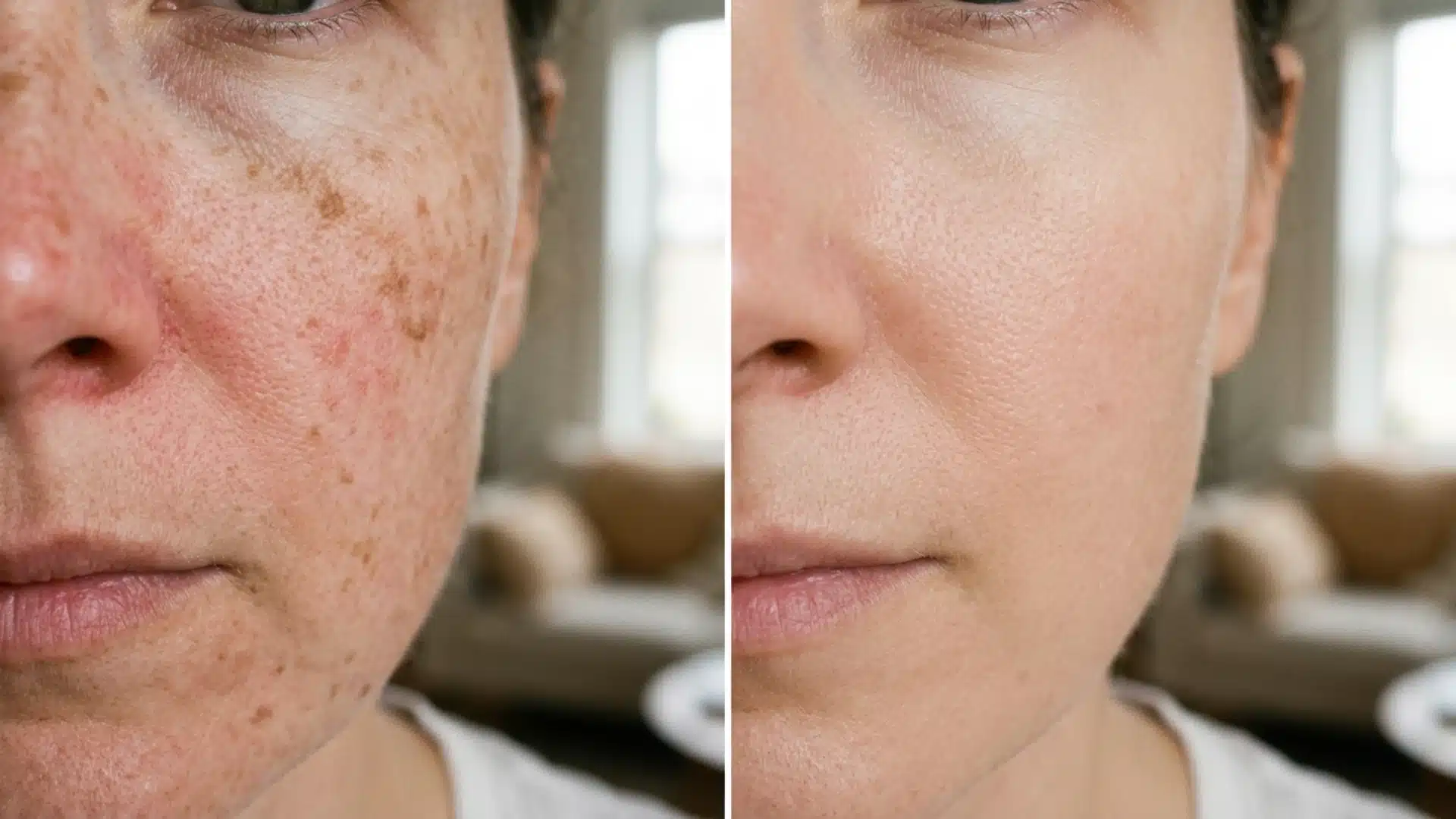
Knowing what happens after each treatment makes the healing process much easier to understand. Some changes, especially the temporary darkening of spots, are completely normal and show that IPL is doing its job.
Session 1: Pigment Gets Darker Before It Fades
During the first 24 to 48 hours, your skin may look slightly red and feel warm, similar to a mild sunburn. Over the next few days, dark spots often become darker as the treated pigment rises to the surface.
Within 7 to 10 days, these spots naturally flake away, revealing clearer and brighter skin. Most people notice their first visible improvement after this session.
Sessions 2 and 3: Skin Starts Looking More Even
By the second and third sessions, the changes become easier to see. Pigmentation continues to fade, redness becomes less noticeable, and your complexion looks more balanced.
At the same time, collagen production increases, helping improve skin texture and firmness. Most treatment plans include 3 to 5 sessions because results build with each visit.
Sessions 4 and 5: The Best Results Appear
The final treatments build on earlier improvements, refining pigmentation, redness, and overall skin texture.
By this stage, many providers report improvements in the range of 50 to 75 percent for pigmentation and 40 to 60 percent for visible redness, though the exact numbers vary by provider, device settings, and skin type.
As collagen continues to develop, the skin often appears brighter, smoother, firmer, and more even while still looking natural. Results vary based on skin type, the condition treated, and aftercare.
Who Actually Sees the Best IPL Results?
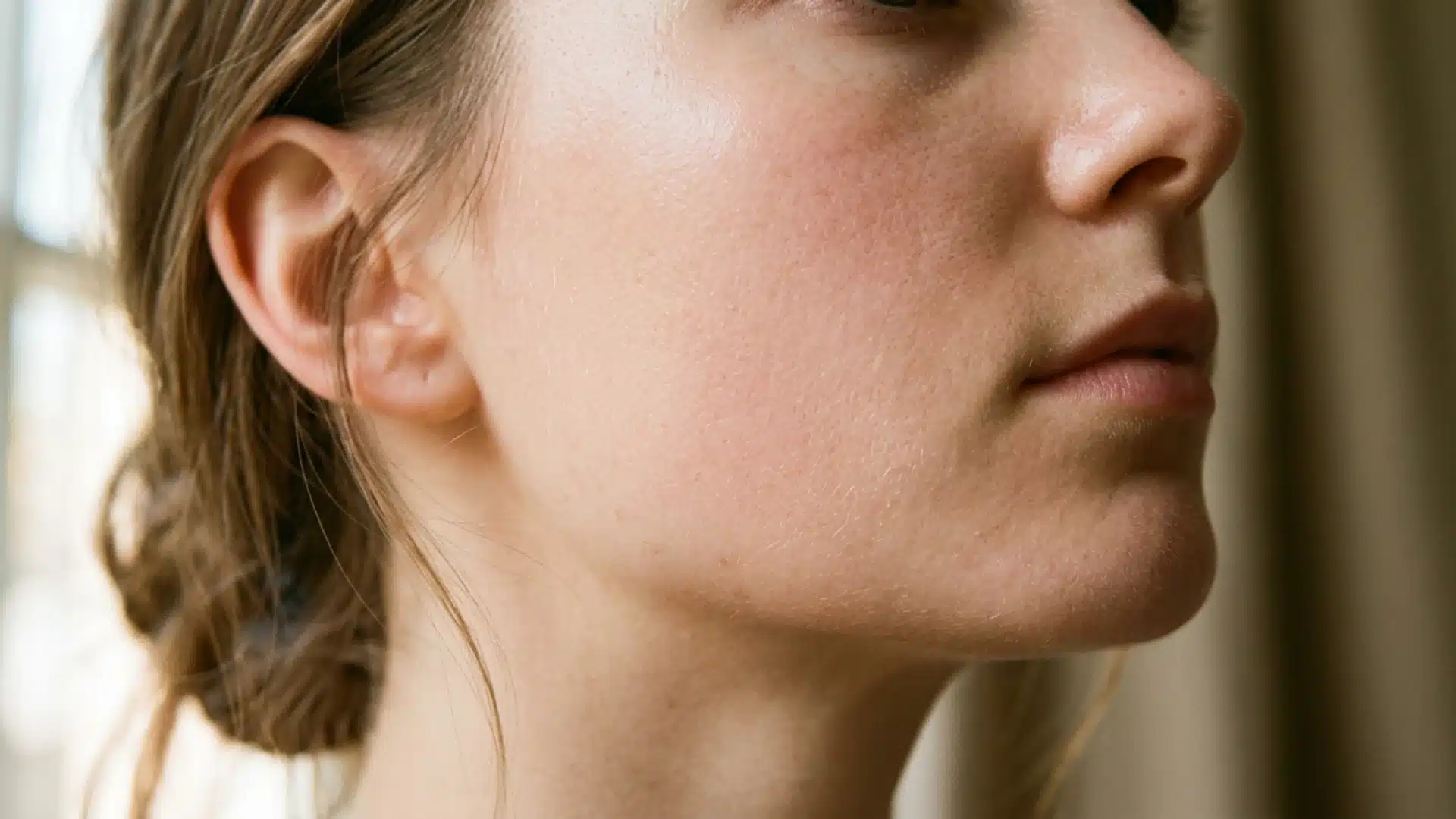
IPL results depend on skin type and pigmentation issues, with best outcomes seen in lighter to medium skin tones and specific discoloration concerns.
- Fitzpatrick Skin Types I–IV: IPL works best on fair to medium skin tones with clear contrast between the pigment and the surrounding skin.
- Sun Spots and Freckles: IPL effectively reduces visible sun damage and flat freckles by breaking down excess melanin in targeted areas.
- Facial Redness and Rosacea: Best results appear in people with mild redness, broken capillaries, and visible vascular irritation.
- Uneven Skin Tone from Sun Exposure: Helps smooth patchy pigmentation caused by long-term UV damage and environmental exposure.
- Stubborn Pigmentation Despite Skincare: Works well when topical products fail to fade deep or long-standing discoloration.
Recovery Timeline After Each IPL Session
Recovery after IPL happens in a gradual and predictable way, starting with mild redness and ending in clearer skin as pigment naturally lifts and fades over the following day
| Stage | What Happens | Duration |
|---|---|---|
| Immediately After Session | Mild redness, warmth, and slight sensitivity similar to sunburn | A few hours to 1–2 days |
| Days 2–4 | Pigment begins to darken and rise to the surface | 2–4 days |
| Days 5–10 | Dark spots flake off naturally, and the skin starts looking clearer | 5–10 days |
| After First Session | Initial visible improvement in tone and brightness | 1–2 weeks |
| After Multiple Sessions | Gradual reduction in pigmentation and redness, smoother skin texture | 3–5 sessions over weeks |
When IPL May Not Be Safe or Recommended
IPL is not the right treatment for everyone, even if your skin concerns seem like a good match. Your provider may recommend postponing or avoiding treatment if you have:
- An active skin infection, rash, or open wound.
- A recent tan or sunburn.
- Used isotretinoin within the past six months.
- A condition or medication that causes light sensitivity.
- A history of abnormal scarring or poor wound healing.
If any of these apply to you, a consultation is essential before booking treatment. In many cases, waiting until your skin has fully recovered or choosing a different procedure is the safer option.
What to Do Before Your IPL Session
A little preparation can make a big difference.
Following your provider’s instructions helps your skin respond better to treatment while lowering the risk of irritation, burns, or unwanted pigmentation.
- Sun Exposure: Avoid direct sun for two weeks before treatment. Tanned skin absorbs more light, making IPL less precise and increasing the risk of burns or hyperpigmentation.
- Self-Tanners: Stop using them for four weeks before your appointment. Even faded artificial color can affect how the device targets your skin.
- Retinoids: Pause retinol, AHAs, BHAs, benzoyl peroxide, and other exfoliating products for one to two weeks. Calm skin responds better than irritated skin.
- Clean Skin: Arrive without makeup, sunscreen, or moisturizer unless your provider instructs otherwise.
- Medications: Tell your provider about any prescription or over-the-counter medicines you take, as some increase light sensitivity and may require adjustments to your treatment plan.
How to Get the Best Results After IPL
IPL treatment may take only 15 to 30 minutes, but proper aftercare over the following days has a major impact on your results. Following the right steps helps calm irritation, protect your skin, and maintain a clearer, more even complexion.
| What to Do After IPL | What to Avoid After IPL |
|---|---|
| Use a gentle, fragrance-free moisturizer to keep skin hydrated | Retinol for 5 to 7 days |
| Apply broad-spectrum SPF 30 or higher every day | AHAs, BHAs, and benzoyl peroxide until your skin has healed |
| Wash with cool water and a mild cleanser | Hot showers, saunas, or excessive heat for 48 hours |
| Use a wrapped cold pack if your skin feels tender | Intense workouts for at least 5 days |
| Allow dark spots to flake off naturally | Tanning beds and direct sun exposure for 6 weeks |
| Keep your skincare routine simple for 5 to 7 days | Picking, scratching, or peeling treated skin |
How to Make IPL Results Last Longer
With proper maintenance, IPL results can last from several months to more than a year.
After completing the initial series of 3 to 5 sessions, most providers recommend one maintenance treatment every 6 to 12 months to keep new pigmentation and redness under control.
Maintaining your results is simple, but consistency matters.
- Wear broad-spectrum SPF every day.
- Follow a steady skin tone routine alongside your maintenance sessions
- Limit unnecessary sun exposure.
- Book a maintenance session if new spots appear.
One important thing to remember is that IPL cannot stop future sun damage. It removes existing pigmentation, but new spots can develop if your skin is not protected.
Daily sunscreen is what helps preserve the clearer, more even complexion you achieved with treatment.
What Healing Looks Like After IPL
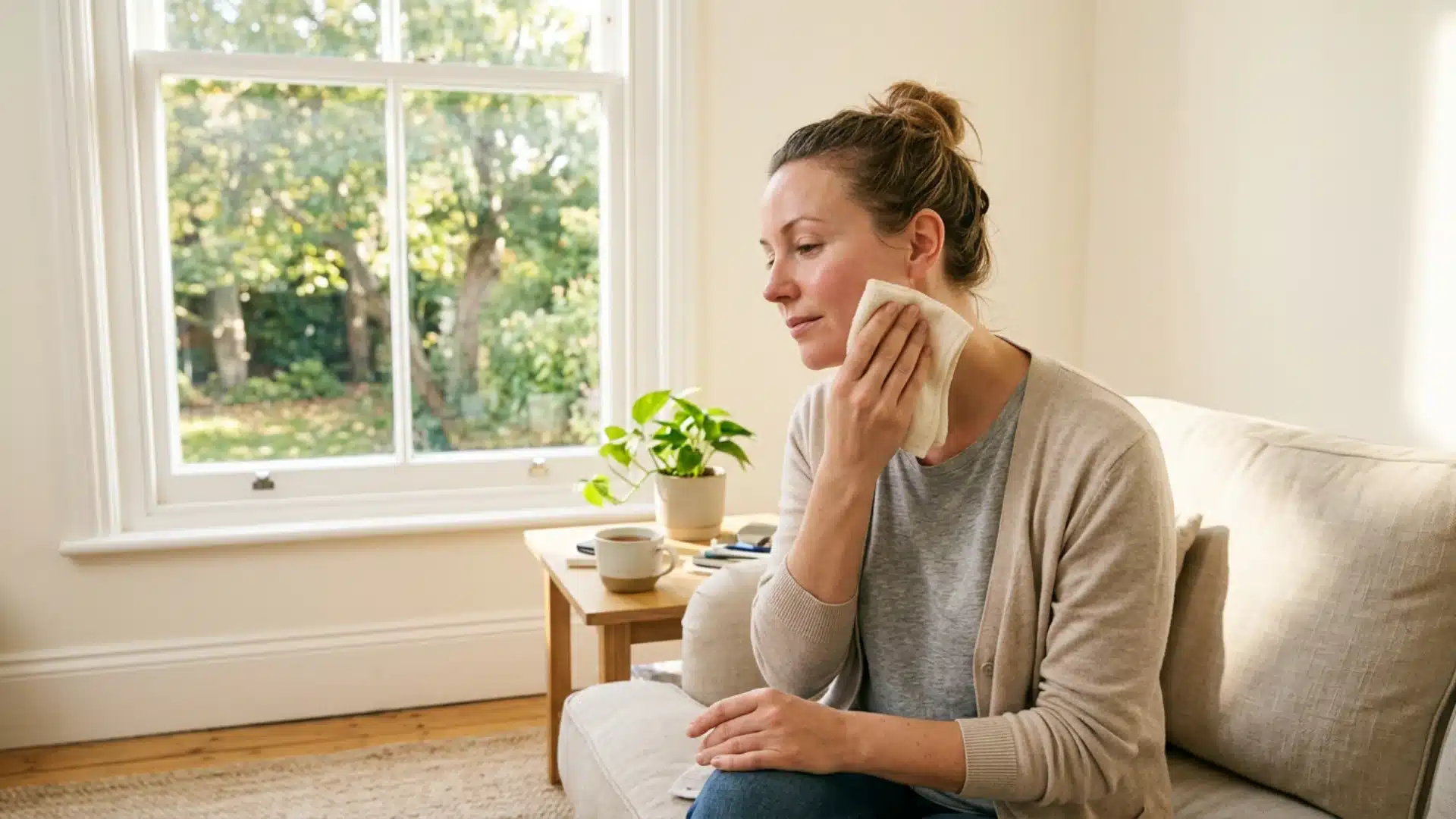
Knowing what is normal during healing can help you avoid unnecessary worry after treatment. Healing after IPL is usually straightforward, but every person’s skin responds differently.
Mild redness and warmth often settle within a few hours to two days, while darkened pigment gradually flakes away over the following week.
Most people can return to work or normal daily activities the same day, as long as they protect their skin from unnecessary sun exposure.
Mild irritation should improve each day. If redness, swelling, blistering, or pain worsens instead of improving, contact your provider promptly.
Conclusion
IPL before-and-after results can be impressive, but they do not happen overnight. The best improvements come from completing the full treatment series, following proper aftercare, and following the maintenance plan your provider recommends.
From everything I have learned and seen, the people who get the best results are usually the ones who stay consistent throughout the treatment process rather than expecting instant results.
Before booking a session, schedule a consultation and ask about your Fitzpatrick skin type, the number of treatments you may need, and whether IPL is the right option for your skin concerns.
A personalized treatment plan always delivers better results than a one-size-fits-all approach.
Have you tried IPL, or are you thinking about it? Share your experience or questions in the comments. Your story could help someone else know what to expect.
Frequently Asked Questions
Does IPL Hurt?
IPL feels like a quick, rubber-band snap against the skin. Most people tolerate the treatment well, and built-in cooling systems help improve comfort.
Can IPL Be Done on Sensitive Skin?
IPL can be used on mildly sensitive skin, but settings must be carefully adjusted. People with highly reactive skin conditions should consult a qualified provider before starting treatment.
Can IPL Be Done in The Summer?
IPL can be done in summer, but strict sun protection is essential. Increased UV exposure during hot months raises the risk of pigmentation changes after treatment