
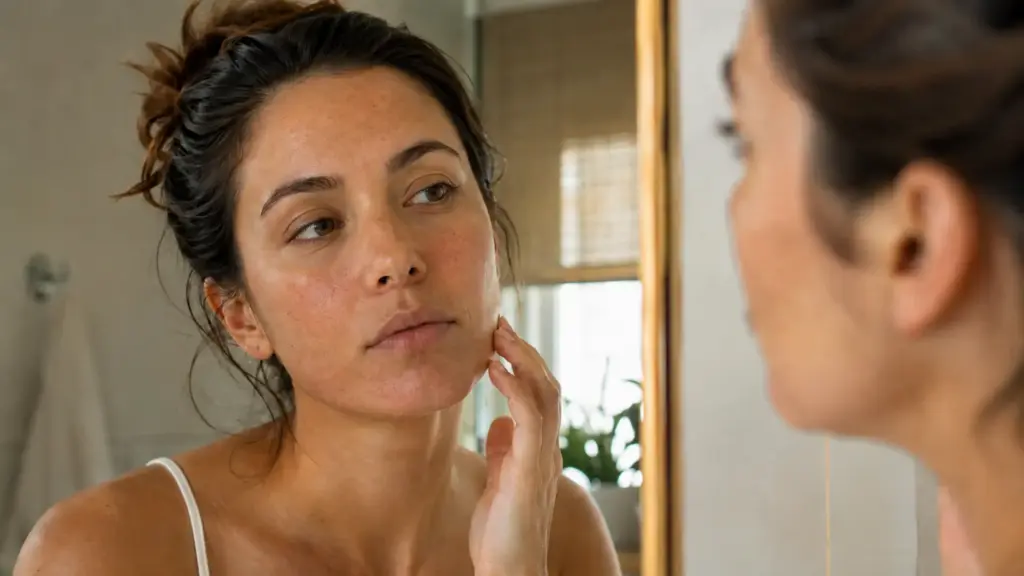
You look in the mirror and notice it before you’re fully awake. A patch near the jaw that’s a shade darker. Redness that won’t settle, a spot that stayed long after the blemish cleared.
Uneven skin tone is one of the most common skin concerns across all ages and skin types, and it rarely comes from just one cause. Getting an even skin tone takes more than a product swap.
I’ve seen this with clients who come in frustrated after months of trying. The routine usually isn’t wrong; it’s just incomplete.
This blog covers the real reasons discoloration happens, the ingredients and routines that actually shift things, and the professional and at-home options worth considering.
What Causes Uneven Skin Tone?
Uneven skin tone happens when pigment distribution in the skin is inconsistent, leading to dark spots, redness, or dull patches. Understanding its causes can guide the right skin care approach.
- Sun Exposure: UV rays increase melanin, causing dark spots and uneven patches, especially on areas frequently exposed to sunlight.
- Acne Marks: Post-inflammatory pigmentation from pimples or breakouts can leave dark or red spots that disrupt even skin tone.
- Skin Irritation: Repeated friction, harsh products, or allergic reactions can inflame skin, creating temporary discoloration and an uneven appearance.
- Melasma: Hormonal fluctuations trigger brown or gray facial patches, commonly during pregnancy or with certain hormonal treatments.
- Pollution: Environmental pollutants accumulate on skin, slowing cell turnover and causing dull, blotchy, or uneven pigmentation over time.
- Aging: A natural slowdown in skin regeneration reduces radiance and heightens the visibility of dark spots and uneven areas.
- Medications: Some prescriptions increase sun sensitivity or pigmentation, making discoloration more noticeable and causing uneven skin patches.
Each factor affects skin differently, so identifying the cause is key to selecting effective treatments and protective measures.
How to Get an Even Skin Tone?
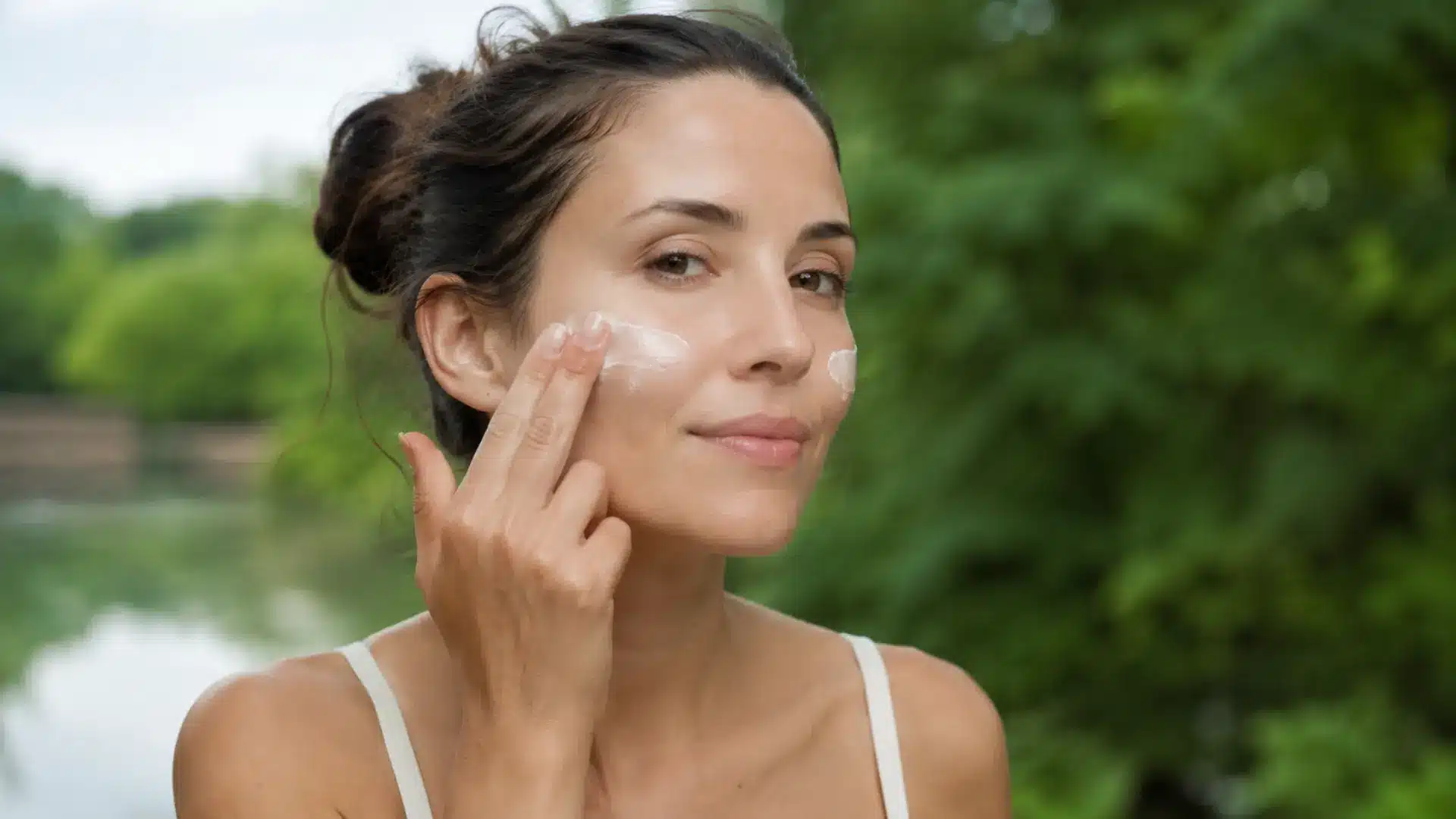
The tips below focus on dermatologist-recommended habits and actives that help reduce hyperpigmentation, support skin renewal, and maintain long-term brightness.
This section does not constitute medical advice. Consult a qualified professional before making any decisions.
1. Wear SPF Every Single Day
Sunscreen is the one step that decides whether everything else works.
UV exposure is the leading driver of dark spots and discoloration, and it reverses brightening progress faster than any active ingredient can repair it.
Apply broad-spectrum SPF 30 or higher every morning, including cloudy days and time indoors near windows. Without this, other brightening ingredients are fighting uphill.
2. Add a Vitamin C Serum in the Morning
Vitamin C applied in the morning under SPF protects the skin from UV-triggered oxidative damage and helps fade existing dark spots over time. Apply it while the skin is still slightly damp for better absorption.
L-ascorbic acid and ascorbyl glucoside are the most stable formulations.
Consistency matters more than concentration, so a daily mid-range formula will outperform an expensive one used occasionally.
3. Use Niacinamide to Calm Discoloration
Niacinamide is one of the more forgiving brightening ingredients available.
A study in the British Journal of Dermatology found that 4% niacinamide visibly reduced hyperpigmentation within 8 weeks.
It calms inflammation, supports the skin barrier, and suits sensitive skin without the irritation risk of stronger actives. Layer it under moisturizer in the evening or alternate with retinol on off nights.
4. Exfoliate with Acids, Not Scrubs
Physical scrubs can create micro-tears that worsen pigmentation and irritation, especially on reactive skin. Chemical exfoliants with glycolic acid or lactic acid are a steadier option.
They dissolve dead skin cells without friction, improve surface tone, and help other products absorb more effectively.
Two or three nights a week are enough. More than that tends to weaken the barrier rather than improve results.
5. Introduce Retinol Slowly at Night
Retinol accelerates cell turnover, which helps fade surface pigmentation and prevent new discoloration from settling in.
Start at twice a week if you’re new to it, and increase gradually as your skin adjusts.
Use it at night only, and always follow with SPF the next morning since retinol increases sun sensitivity. I’ve seen clients undo weeks of progress by skipping that morning SPF step.
6. Try Kojic Acid or Alpha Arbutin for Stubborn Spots
Both ingredients target melanin production at the source and work well for post-acne marks and sun-related spots that aren’t shifting with niacinamide alone.
Alpha arbutin is the gentler of the two and is often layered with niacinamide for combined coverage.
Kojic acid is slightly stronger and better suited to established dark spots.
Patch test both before applying widely, and give at least 6 to 8 weeks before judging results.
7. Consider Azelaic Acid for Redness and Uneven Tone
Azelaic acid addresses two things at once: uneven tone and the redness that often comes with it.
It has a strong safety record for sensitive and rosacea-prone skin and is one of the few brightening ingredients considered safer to use during pregnancy, though confirming with a doctor first is always the right call.
It works at any point in a routine and tends to layer well with other actives without conflict.
8. Patch Test Every New Active Before Committing
Even well-tolerated ingredients can cause unexpected reactions in reactive skin.
Before applying any new serum or treatment all over your face, test a small amount on the inner forearm or behind the ear for 24 to 48 hours.
This matters most when starting stronger actives like retinol, kojic acid, or glycolic acid. Finding out your skin doesn’t agree with something after a full-face application is far more disruptive than a cautious test run.
9. Be Consistent for At Least 8 Weeks Before Switching
The most common mistake with brightening routines is changing products before they’ve had time to work.
Most actives need 4 to 8 weeks of daily use before visible change appears, and some deeper pigmentation takes 3 months or more.
Chasing the next product mid-cycle resets the clock. Choose a routine you can commit to, track changes with photos in the same lighting, and hold steady before deciding what’s working.
How to Get Rid of an Uneven Skin Tone?
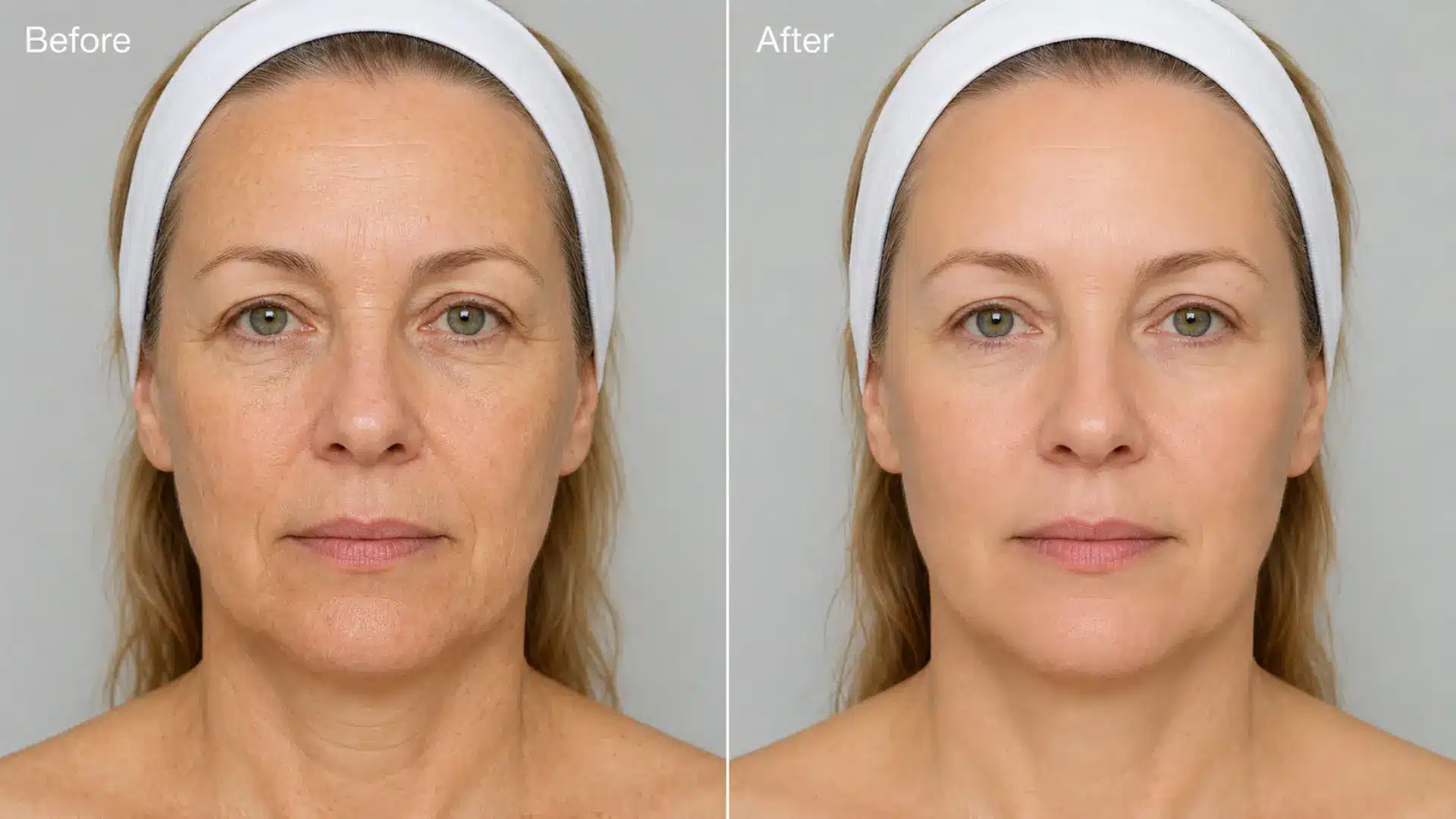
The most reliable path to a more even complexion is a layered, consistent routine built around ingredients that slow melanin production and accelerate cell turnover.
Results take time. Most brightening ingredients need 4 to 8 weeks of daily use before visible change appears, and some stubborn pigmentation takes 3 months or more. Patience isn’t optional here.
Morning Routine
A simple morning routine should protect your skin, support the skin barrier, and help prevent dark spots from getting worse during the day.
- Cleanse gently: Start with a mild, pH-balanced cleanser to remove overnight oil and buildup without drying out your skin.
- Apply vitamin C serum: Use vitamin C while your skin is slightly damp. It helps protect against free radicals, supports a brighter tone, and can fade dark spots over time.
- Use a lightweight moisturizer: Follow with a moisturizer to keep your skin hydrated and comfortable throughout the day.
- Finish with sunscreen: Apply a broad-spectrum SPF 30 or higher every morning. This step matters even on cloudy days because UV rays can still reach your skin.
Evening Routine
Your evening routine should focus on cleansing, repair, gentle exfoliation, and barrier support while your skin rests overnight.
- Double cleanse when needed: If you wore sunscreen or makeup, cleanse twice to remove residue properly.
- Exfoliate two or three nights a week: Use a gentle chemical exfoliant with glycolic acid or lactic acid. These help remove dead skin cells, improve uneven tone, and make other products work better.
- Use niacinamide or retinol on other nights: Niacinamide can help calm and support the skin, while a low percentage of retinol can improve cell turnover and fade surface pigmentation over time.
- Keep retinol for night use only: Start with retinol twice a week if you are new to it, then increase slowly as your skin adjusts.
- Finish with moisturizer: Use a barrier-supporting moisturizer with ceramides and hyaluronic acid to lock in hydration and reduce dryness.
Common Treatments for Uneven Skin
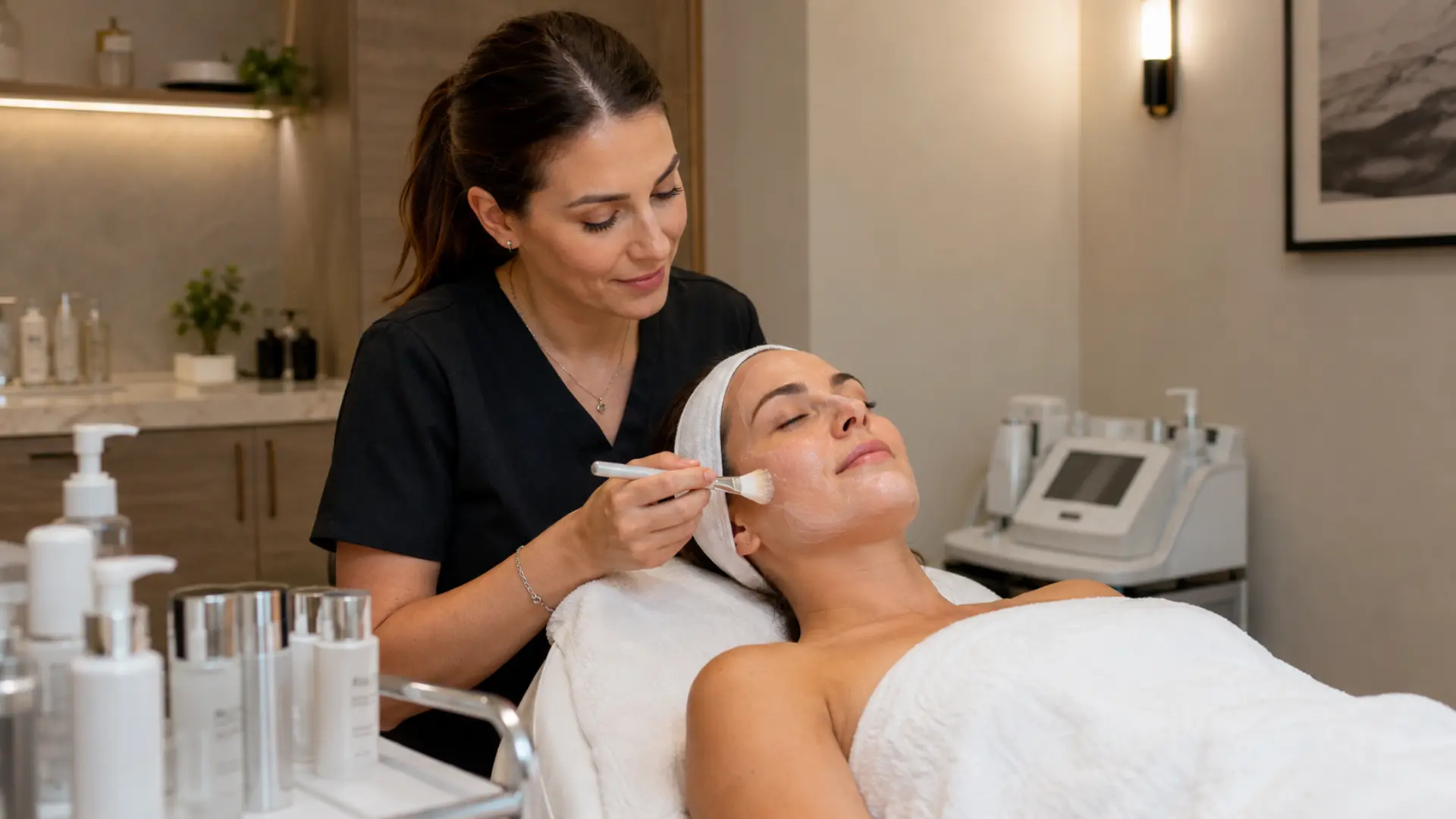
When a consistent at-home routine hasn’t moved things after 3 months, professional treatments can close the gap. The right option depends on the type of pigmentation, your skin tone, and how much downtime you can manage.
For breakout-related pigmentation specifically, an acne facial treatment from a trained esthetician can be a useful starting point before moving to clinical options.
- Chemical peels: A controlled acid solution speeds up cell turnover and helps reduce pigmentation. Light peels with glycolic or lactic acid target surface discoloration, while medium peels may treat deeper spots with more recovery time.
- IPL: Intense pulsed light targets multiple pigments at once. It works well for diffuse sunspots and overall uneven tone, though it is less precise than laser treatment.
- Laser resurfacing: Fractional and ablative lasers create controlled microinjuries that stimulate collagen and replace damaged cells. This option has more downtime than IPL but offers better precision for stubborn pigmentation.
- Microdermabrasion: This physical exfoliation treatment clears the skin surface and helps reduce mild pigmentation. It is lower intensity and useful for maintenance between stronger treatments.
- Microneedling with brightening serums: Fine needles create microchannels that help vitamin C or tranexamic acid serums penetrate deeper and support cell renewal.
Note: This section is for informational purposes only and does not constitute medical advice. Consult a board-certified dermatologist before pursuing any professional treatment.
How to Use Makeup to Conceal Uneven Skin Tone
Skincare takes time, but makeup can help even out the skin while your routine works. The key is applying products in the right order so the finish looks natural.
Start with primer after moisturizer and SPF. It smooths the skin and helps makeup last longer.
Next, use a color corrector only where needed. Green helps reduce redness, peach or orange helps with dark circles and brown or purple discoloration, and yellow helps brighten dull or blue-toned areas.
Blend the corrector well, then apply foundation from the center of the face outward. Match the shade to your neck for a more natural look.
Use concealer only on spots that still need coverage, then finish with a light layer of translucent powder to set everything in place.
Conclusion
The honest truth is that two things, consistent SPF and a steady brightening serum, will do more over 8 weeks than 12 products used haphazardly.
Start simple, stay consistent, and add one new step at a time so you actually know what’s working.
If stubborn pigmentation isn’t responding after a few months of solid routine work, a consultation with a dermatologist or licensed aesthetician is worth the time.
Sometimes the right next step isn’t another serum. It’s a professional who can look at your specific skin and tell you what topicals can’t reach.
Drop your current skin routine in the comments below. I’d genuinely love to hear what’s working for you and what you’re still trying to figure out.
Frequently Asked Questions
How Long Does it Take to See Results from an Even Skin Tone Routine?
Most brightening ingredients need 4 to 8 weeks of consistent daily use before visible change appears. Stubborn pigmentation from sun damage or deep PIH can take 3 to 6 months. Results also depend heavily on whether SPF is being used daily, since unprotected sun exposure reverses progress faster than most actives can repair it.
Can Uneven Skin Tone Be Permanent?
Not usually, though some forms are harder to fade than others. Post-inflammatory hyperpigmentation typically clears with the right routine and consistent sun protection. Long-term sun damage is the slowest to shift and often benefits from professional treatment alongside a home routine.
Is It Safe to Use Brightening Ingredients During Pregnancy?
Some brightening ingredients are not recommended during pregnancy, including retinoids and high-concentration salicylic acid. Niacinamide, azelaic acid, and vitamin C are generally considered safer options, but you should confirm with your OB-GYN or dermatologist before starting or continuing any active ingredient while pregnant.
Does Diet Affect Skin Tone?
Diet plays a supporting role. Foods rich in antioxidants, such as berries, spinach, and citrus, help protect skin cells from the oxidative stress that contributes to uneven pigmentation. Diet alone won’t correct established pigmentation, but it supports the skin’s overall health and capacity to repair.