That one stubborn dark mark after a breakout can feel harder to deal with than the breakout itself.
It sits there long after everything else has cleared, and no amount of concealer fully hides it.
The good news is that learning how to remove acne scars naturally does not require a clinic appointment or a cabinet full of expensive products.
Several plant-based ingredients work directly with the skin’s repair cycle, and the evidence behind them is stronger than most people expect.
I found this out the hard way. Years of sun exposure from swim coaching kept darkening my post-breakout marks faster than my skin could repair them.
That frustration built this blog post, and everything in it actually works.
Why Do Acne Scars Form?
When a breakout damages the skin’s deeper layers, the body repairs it by producing collagen. Too little collagen leaves a pitted indentation. Too much creates a raised scar.
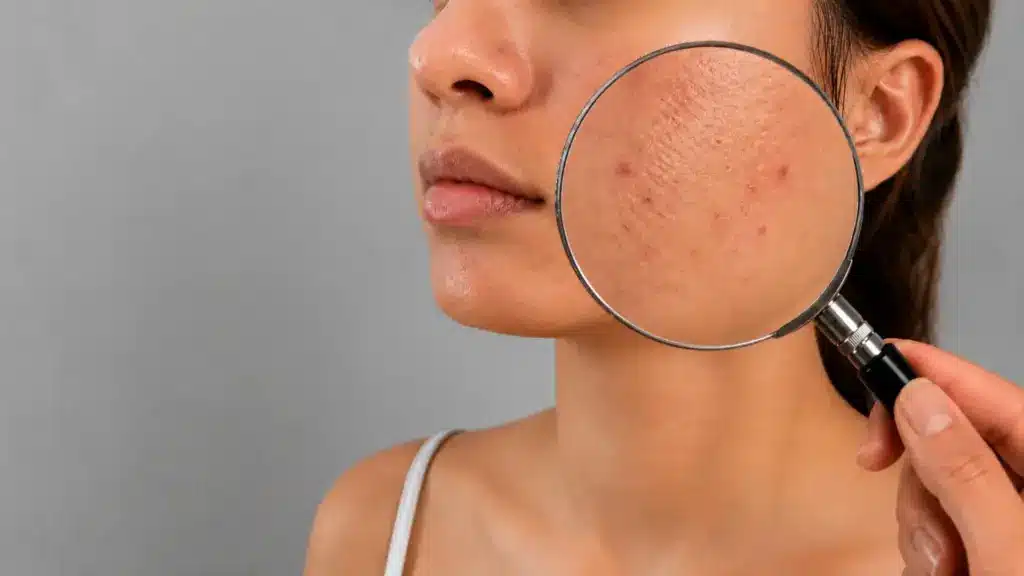
Most of the flat, dark marks people call “acne scars” are technically post-inflammatory hyperpigmentation (PIH): excess melanin deposited during the healing response rather than structural skin damage.
That distinction matters a great deal. PIH responds well to brightening and cell-turnover ingredients because it sits close to the skin’s surface.
The American Academy of Dermatology notes that true textural scars require collagen and elastin rebuilding to run its full course, a process that takes considerably longer than surface fading.
The factor most guides skip: continued breakouts mean continued scarring. Pairing a scar-fading routine with a plan to manage active hormonal acne reduces the number of new marks you are working to fade at the same time.
Disclaimer: If you are unsure what type of scarring you have, a licensed dermatologist or aesthetician can assess your skin before you begin any treatment routine.
Natural Remedies That Help Fade Acne Scars
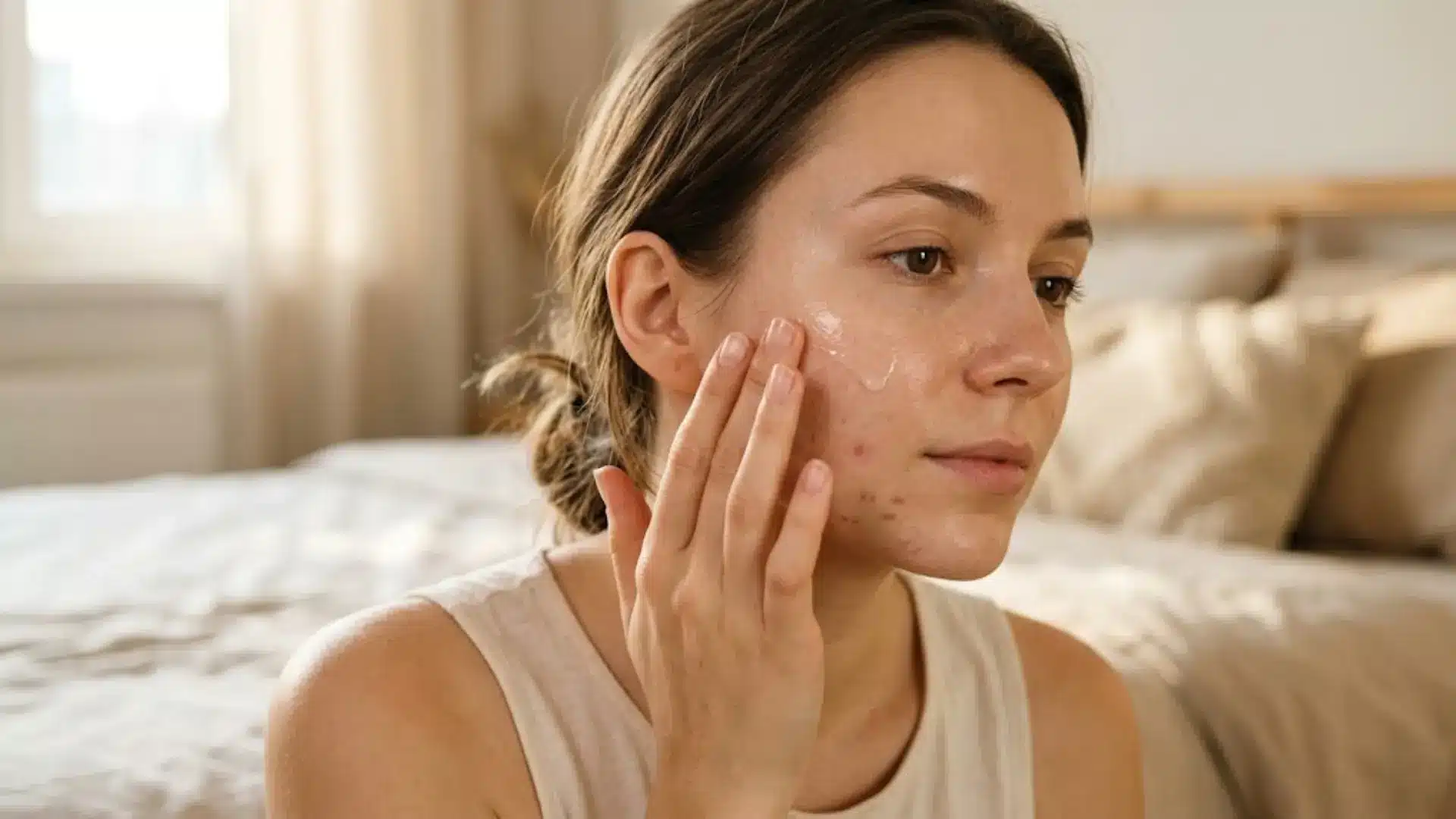
Not every kitchen remedy earns its reputation. These are the ingredients with research or clinical observation behind their use on post-acne marks:
1. Aloe Vera
Aloe vera is one of the gentlest natural ingredients for post-acne marks. It helps calm irritation, supports wound healing, and keeps fresh marks from looking more inflamed.
A review of controlled trials found that aloe vera may support wound healing and scar reduction when used with other care methods.
How to use aloe vera: Apply a thin layer of pure aloe vera gel to clean skin once daily. Fresh gel from a cut aloe leaf works well, but a store-bought gel can also be used as long as it has no added alcohol or heavy fragrance. Leave it on like a light moisturizer.
Benefits of aloe vera: Aloe vera helps reduce redness around newer acne marks. It also gives the skin a soothing layer while the healing process continues. This makes it useful for sensitive skin or skin that reacts badly to stronger brightening products.
2. Rosehip Seed Oil
Rosehip seed oil is a good choice for marks that look dry, dull, or slow to fade. It contains provitamin A and fatty acids that support skin renewal and help protect the skin surface from stress. Cold-pressed rosehip seed oil is usually the best option.
How to use rosehip seed oil: Use two to three drops at night after cleansing. Massage it gently into scarred areas or mix a few drops into a plain moisturizer. For body scars, add a few drops to unscented body lotion and apply after showering.
Benefits of rosehip seed oil: Rosehip oil supports smoother-looking skin over time. It may help soften the look of mild marks and dryness around scarred areas. Results are gradual, so daily use matters more than using a large amount.
3. Raw Honey
Raw honey has antibacterial and wound-healing properties. It works best for skin that is still recovering from recent breakouts rather than older, deep scars. Manuka honey is one of the most studied options for skin.
How to use raw honey: Apply a thin layer of raw honey to clean skin as a mask. Leave it on for 10 to 15 minutes, then rinse with lukewarm water. Use it once or twice a week.
Benefits of raw honey: Raw honey helps keep the skin calm and hydrated while supporting tissue repair. It may be helpful after a breakout has flattened, but the area still looks red or irritated.
4. Green Tea Extract
Green tea extract is rich in polyphenols that help reduce inflammation and oxidative stress in the skin. Since inflammation can make post-acne marks darker and longer-lasting, green tea is useful as a calming support ingredient.
How to use green tea: Use a green tea serum or apply cooled brewed green tea to the skin with a cotton pad as a gentle toner. It can be used between breakouts to keep irritation low.
Benefits of green tea extract: Green tea helps calm the skin and reduce the stress that can slow fading. It is especially useful for acne-prone skin that becomes red or irritated easily.
5. Turmeric
Turmeric contains curcumin, a natural compound that helps reduce inflammation and may support the fading of post-acne dark marks. Since inflammation can trigger PIH and make marks look deeper, turmeric can be useful as a calming ingredient when used carefully.
How to Use Turmeric: Mix a small pinch of turmeric powder with raw honey to make a paste. Apply it to dark-marked areas, leave it on for 15 minutes, then rinse well. Use two to three times a week.
Turmeric can stain fabric and leave a temporary yellow tint, so use an old towel. Avoid using it in the same routine as vitamin C, exfoliating acids, or niacinamide.
Benefits of Turmeric: Turmeric helps calm irritated skin and may reduce the inflammation that makes post-acne marks last longer. With consistent use and daily SPF, it may support a more even-looking skin tone over time
How to Lighten Dark Scars on the Body Naturally?
Body skin is thicker than facial skin, and cell turnover is slower. Dark scars on the shoulders, chest, or back (common after body acne) take longer to fade, even with the same ingredients.
- Rosehip seed oil and vitamin C serums work well on body scars. Apply after showering to slightly damp skin for easier absorption. For the back or hard-to-reach areas, mixing a few drops of rosehip oil into a plain, unscented body lotion makes daily use easy to maintain.
- Sun exposure is the main reason body scars stay dark. Shoulders and arms are regularly exposed, and without SPF on those areas, any overnight progress is undone by the afternoon. A lightweight SPF 30 spray on exposed scar areas solves this without adding much to a daily routine.
For those with deeper skin tones (Fitzpatrick III through VI), post-inflammatory hyperpigmentation tends to be more pronounced and can persist for 12 months or more without consistent treatment, as Cleveland Clinic guidance on scars notes.
Everyday Mistakes That Delay Scar Fading
Even the best natural remedies can work slowly when daily habits keep irritating the skin, deepening pigmentation, or restarting the healing process.
- Picking at scars or active spots: Picking creates fresh inflammation, which can deposit more melanin and make marks last longer. Apply aloe vera gel instead when the urge starts.
- Skipping sunscreen: Sun exposure can darken post-acne marks quickly. Use SPF every morning, especially when treating hyperpigmentation on the face, shoulders, chest, or back.
- Using too many actives together: Layering vitamin C, niacinamide, and exfoliating acids in one routine can irritate the skin. Add one product at a time and watch the response.
- Expecting overnight results: Natural scar fading usually takes weeks, not days. Most visible changes appear around 8 to 12 weeks with steady care.
- Applying raw lemon juice: Lemon juice can irritate the skin and make pigmentation worse after sun exposure. It is better to avoid it and use gentler brightening options.
When Natural Methods Need a Little Help
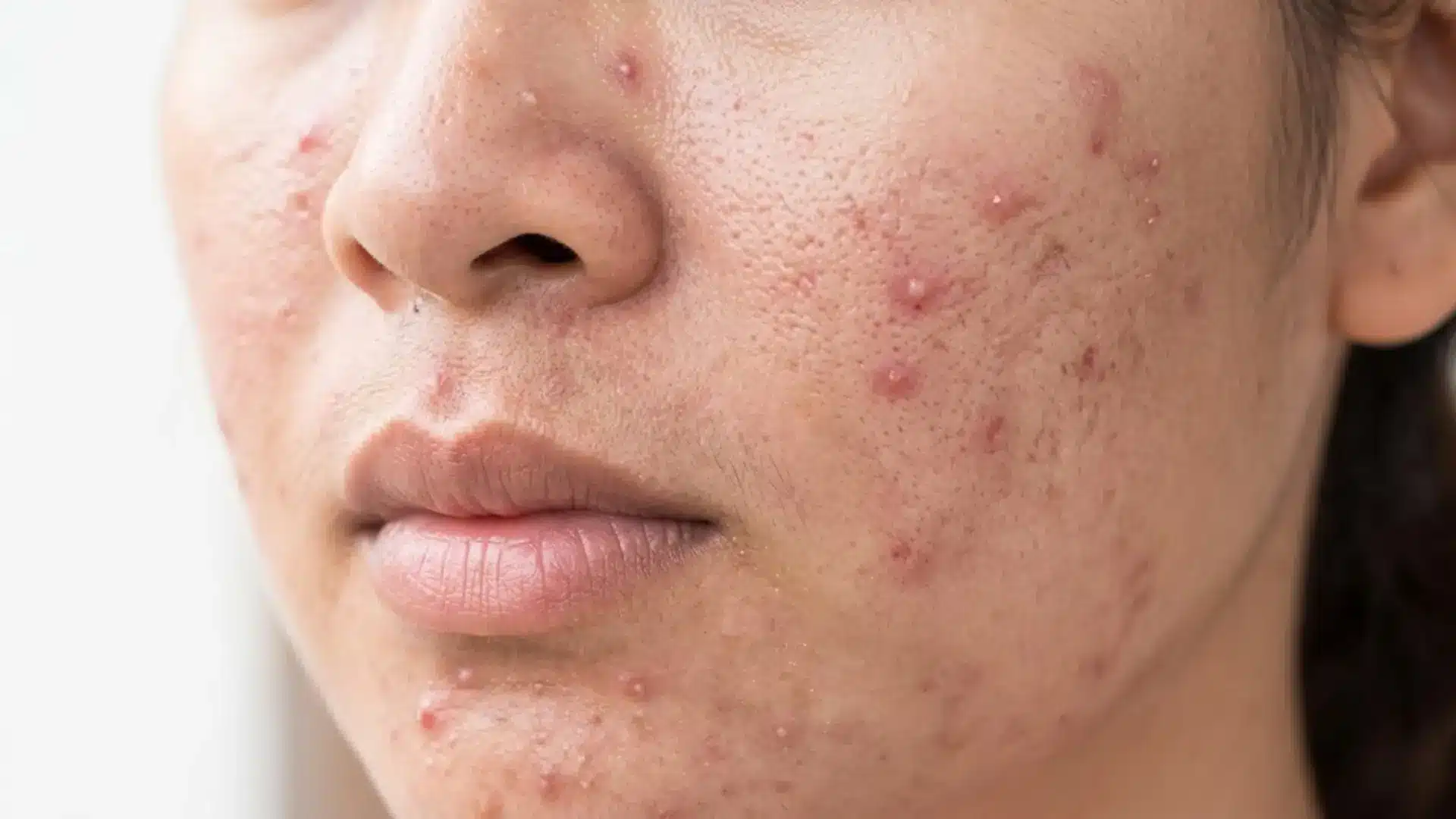
Natural remedies can support surface-level PIH and mild texture, but they cannot correct every acne mark. Flat dark marks usually respond better because the discoloration sits closer to the skin’s surface.
Mild texture may also look smoother over time, but only with steady care and realistic expectations.
- Deep pitted scars: Ice pick, boxcar, and rolling scars form below the surface, so oils, serums, and plant-based remedies cannot fully rebuild that tissue.
- Raised scars: Hypertrophic scars often need a different approach, such as silicone-based gels or professional care.
- No visible change: If three to four months bring no fading, a dermatologist can help assess the scar type.
This does not mean natural care failed. Some scars simply need stronger support before natural maintenance works better.
Conclusion
Natural scar fading takes time, but the process is straightforward once you know what to focus on.
Pick two or three ingredients that suit your skin, apply them consistently, and wear SPF every day without exception. Without sun protection, even the best routine stalls.
Small signs of progress matter. A mark that looks lighter after six weeks, or skin that feels smoother after a month, means the routine is working. Stay with it.
If marks are not responding after three to four months, that is useful information too. A dermatologist can assess whether the concern is PIH or a deeper textural issue and guide your next step accordingly.
Tried one of these natural remedies? Share what worked for you in the comments; it helps others find their starting point faster.
Frequently asked questions
Can I Use Natural Scar Remedies While Also Treating Active Acne?
Yes, most natural scar-fading ingredients are mild enough to use alongside active acne treatments. Aloe vera and niacinamide are especially compatible because they reduce inflammation rather than add to it.
Are There Natural Ingredients that Can Make Acne Scars Worse?
Raw lemon juice is the most common one. Its citric acid is photosensitizing, and applying it without sun protection can deepen pigmentation rather than lighten it.
Does Diet Play Any Role in Fading Acne Scars?
Diet affects the skin’s healing environment. Foods high in vitamin C support collagen production, and omega-3 fatty acids from fish, walnuts, or flaxseed help reduce the systemic inflammation that drives PIH in the first place.