
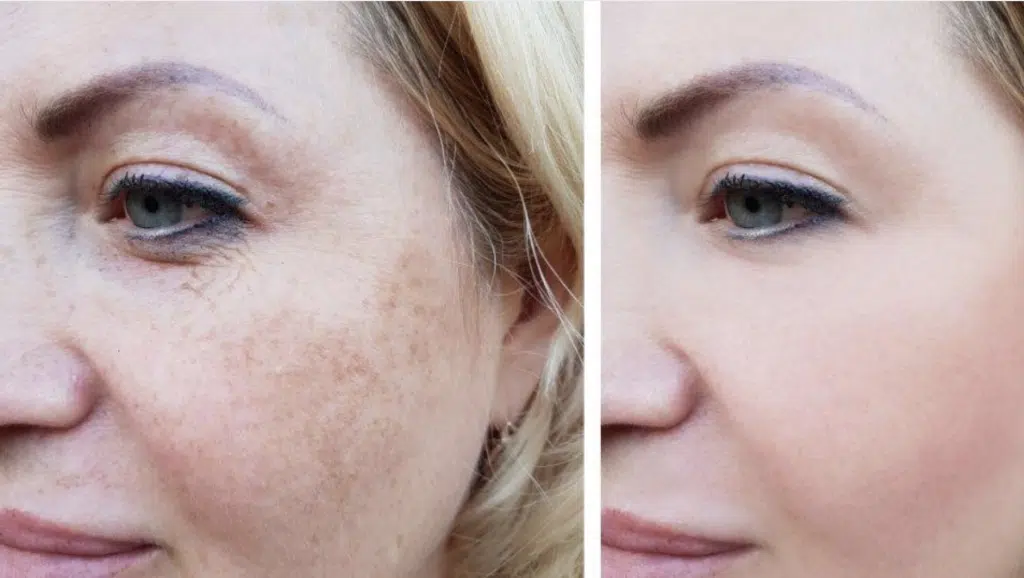
Hyperpigmentation happens when certain areas of skin turn darker than the rest. This occurs because the skin produces more melanin, the pigment that gives color to our skin, hair, and eyes.
These dark spots or patches are common and can be caused by sun damage, acne marks, hormonal changes, or even aging.
Many people search for safe and effective ways to fade these spots, and laser treatment is often one of the most talked-about options.
Lasers work by targeting excess pigment in the skin, breaking it down to create a clearer, more even tone.
But here’s the question most people ask: Are laser results permanent, or can hyperpigmentation come back?
In this blog, I’ll examine how laser treatment for hyperpigmentation works and whether it can provide permanent results, or if the spots might return over time.
Understanding Hyperpigmentation

Hyperpigmentation happens when the skin makes more melanin than usual, leading to darker spots or patches.
Sun exposure is one of the biggest reasons, as UV rays can trigger the skin to produce more pigment.
Hormonal changes, such as those during pregnancy or from birth control, can also cause it.
Inflammation from acne, injuries, or skin conditions can leave behind dark marks. Aging may make existing spots more visible over time.
There are different types of hyperpigmentation. Melasma often appears as larger patches, especially on the face.
Sunspots or age spots are smaller and usually linked to years of sun damage. Post-inflammatory hyperpigmentation appears after the skin heals from acne or irritation.
Pigment can return even after treatment.
This may happen if the skin is exposed to sunlight without protection, if hormones trigger more melanin production, or if the original cause, like acne or inflammation, happens again.
How Does Laser for Hyperpigmentation Treatment Work?
Laser treatment is a popular option for reducing dark spots because it targets the source of hyperpigmentation, excess melanin. By using light energy, lasers can break down pigment and help the skin look clearer and more even. This is how the process works:
- Purpose: Uses light energy to break down extra melanin that causes dark spots.
- Q-switched lasers: Send short, strong bursts of light to break pigment into small pieces.
- Fractional lasers: Treat tiny parts of the skin at a time to fade spots and improve texture.
- Pico lasers: Use very quick pulses to break pigment into extra-fine particles for faster clearing.
- Selective targeting: Focuses only on dark pigment without harming the nearby skin.
- Pigment removal: The body slowly clears away the broken pigment through its natural process.
- Skin renewal: Some lasers also help make new collagen, giving smoother and brighter skin.
- Sessions needed: Most people need 3 to 6 sessions, with a few weeks between each.
- Downtime: Usually short, with mild redness or swelling that fades in a few days.
Are the Results Permanent?
Laser hyperpigmentation removal can effectively clear the dark pigment that is already present in the skin, making spots and patches look lighter.
However, it cannot stop the skin from creating new pigment in the future.
Factors such as sun exposure, hormonal changes, or skin injuries can trigger the skin to produce more melanin, which may cause new dark spots to appear over time.
This is why results can vary, and ongoing care is important to maintain a clear, even skin tone.
Factors That Affect How Long Results Last
Laser treatment for hyperpigmentation can give great results, but how long they last depends on several factors:
| Factor | Impact on Results |
|---|---|
| Skin type | Some skin types are more likely to redevelop pigmentation after treatment. |
| Pigment depth | Deeper pigment in the skin may be harder to fully remove. |
| Underlying triggers | Hormones, sun exposure, or ongoing inflammation can cause new pigmentation over time. |
How to Maintain Laser Results?
Laser treatments can greatly improve hyperpigmentation, but keeping those results takes ongoing care. Following these steps can help your skin stay clear and even for longer:
- Sun protection: Wear sunscreen with SPF 30 or higher every day, even indoors near windows.
- Reapply SPF: Reapply every 2–3 hours when outdoors to block harmful UV rays.
- Protective habits: Use hats, sunglasses, and seek shade during peak sun hours.
- Antioxidants: Include products with vitamin C, niacinamide, or green tea to help protect skin from damage.
- Pigment inhibitors: Use creams or serums with ingredients like kojic acid or azelaic acid to help prevent new spots.
- Gentle skincare: Avoid harsh scrubs or treatments that may irritate the skin.
- Maintenance sessions: Schedule follow-up laser treatments as recommended by a dermatologist to keep results longer.
Other Options for Treating Hyperpigmentation
There are many options that can work instead of laser treatment for hyperpigmentation. These can help fade dark spots, improve skin tone, and prevent them from coming back.
| Treatment | Examples | How It Helps | Cost |
|---|---|---|---|
| Skin creams | Hydroquinone, vitamin C, and azelaic acid | Fade dark spots and slow down pigment production. | $25 – $120 |
| Chemical peels | Glycolic, salicylic, and lactic acid peel | Remove the top skin layer and bring out fresher, lighter skin. | $120 – $350 |
| Microdermabrasion | Diamond-tip, crystal | Gently scrub the skin surface to lighten mild spots. | $80 – $220 |
| Laser alternatives | Intense Pulsed Light | Break down pigment with light | $200 – $600 |
| Home devices | LED light therapy tools | Help improve skin tone and reduce mild pigmentation | $60 – $350 |
| Lifestyle habits | Sunscreen, healthy food, and no skin picking | Prevent new spots by protecting your skin. | $15 – $60/month |
| Oral supplements | Vitamin C, glutathione | Support skin health and help keep tone even from within. | $20 – $70/month |
Notable US Laser Clinics for Hyperpigmentation
Laser treatment for hyperpigmentation is offered in many skin clinics and dermatology centers. These services use advanced laser machines to target and reduce dark spots safely.
- Laser & Skin Surgery Center of New York (NYC): Uses high-tech lasers like Clear and Brilliant, Fraxel Dual, and PicoSure, combined with individualized topical/oral treatments.
- Landford Plastic Surgery (Washington, D.C.): Uses Aerolase Neo, a gentle and fast laser suitable for all skin types. Sessions cost between $250 and $600 with minimal downtime.
- Medijump Platform: Online platform to browse and compare laser resurfacing clinics nationwide. Prices range from as low as $25 in certain cities up to a national average of about $212 per session.
Conclusion
From what I’ve learned, laser treatment can work really well to fade dark spots and make skin tone look more even.
It breaks down the extra pigment in the skin, which can make a big difference in how the skin looks.
But it’s important to know that a laser is not always a one-time, forever fix for everyone.
New spots can still appear if things like excessive sun exposure, hormonal changes, or skin problems recur. I think the best results come when laser treatment is paired with good skincare, daily sunscreen, and healthy habits.
This helps lower the chances of dark spots returning. Everyone’s skin reacts in a different way, so what works for one person may not give the same results for another. That’s why I always suggest visiting a good dermatologist.
They can create a personalized treatment plan that matches your skin type and lifestyle, allowing you to enjoy clearer skin for as long as possible.