I remember the first time I had a mole removed, I thought it would be quick and painless, but I didn’t realize how much I’d wonder about the healing stages afterward.
Every little itch or change in color had me checking the mirror.
If you’re anything like me, you want to know exactly what’s normal and what’s not.
I’ll walk you through the different healing stages after mole removal. We’ll talk about what each phase looks and feels like, how long it might take, and where the healing time for mole removal fits in.
You’ll see what to expect from day one to full recovery, and I’ll share tips that helped me along the way.
By the end, you’ll have a clear picture of the process and feel more prepared for your own healing journey.
Brief Overview of Mole Removal Techniques
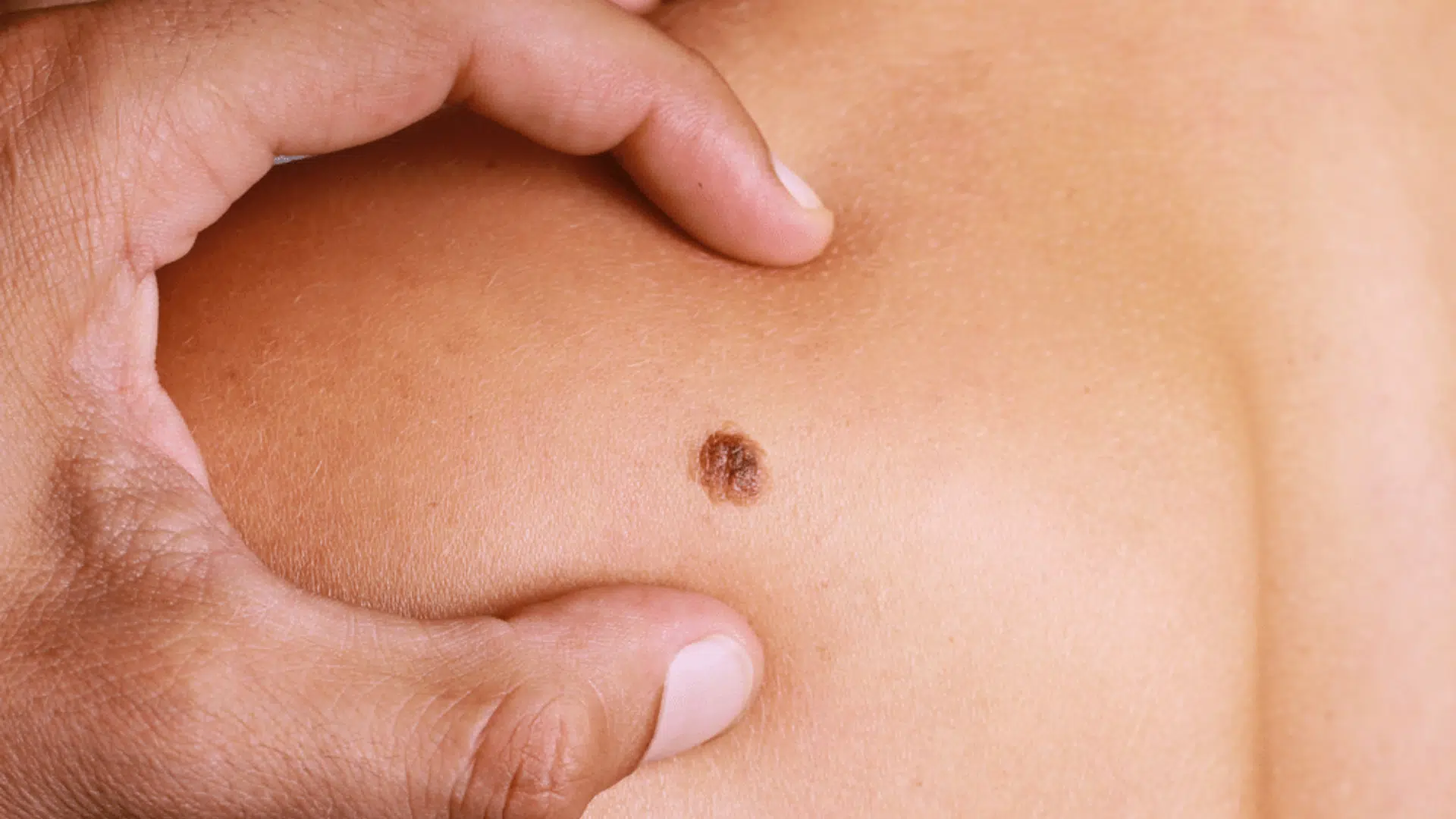
Before we look at each healing stage, it’s important to understand the method used to remove your mole: the technique can greatly affect how quickly you recover.
- Shave excision: This is the quickest method. A flat mole is shaved off, and the wound heals on the surface. Most people see initial healing in 7–10 days.
- Punch excision: This removes the mole with a small, circular tool and a bit of surrounding skin. Healing usually takes 10–14 days.
- Surgical excision: The mole is cut out with stitches. Healing can take 14 days or more before stitches are removed and the skin begins to close.
Knowing this timeline gives you a clearer picture of what to expect: it helps you plan aftercare, watch for normal healing signs, and avoid unnecessary worry.
Mole Removal Healing Stages In Detail
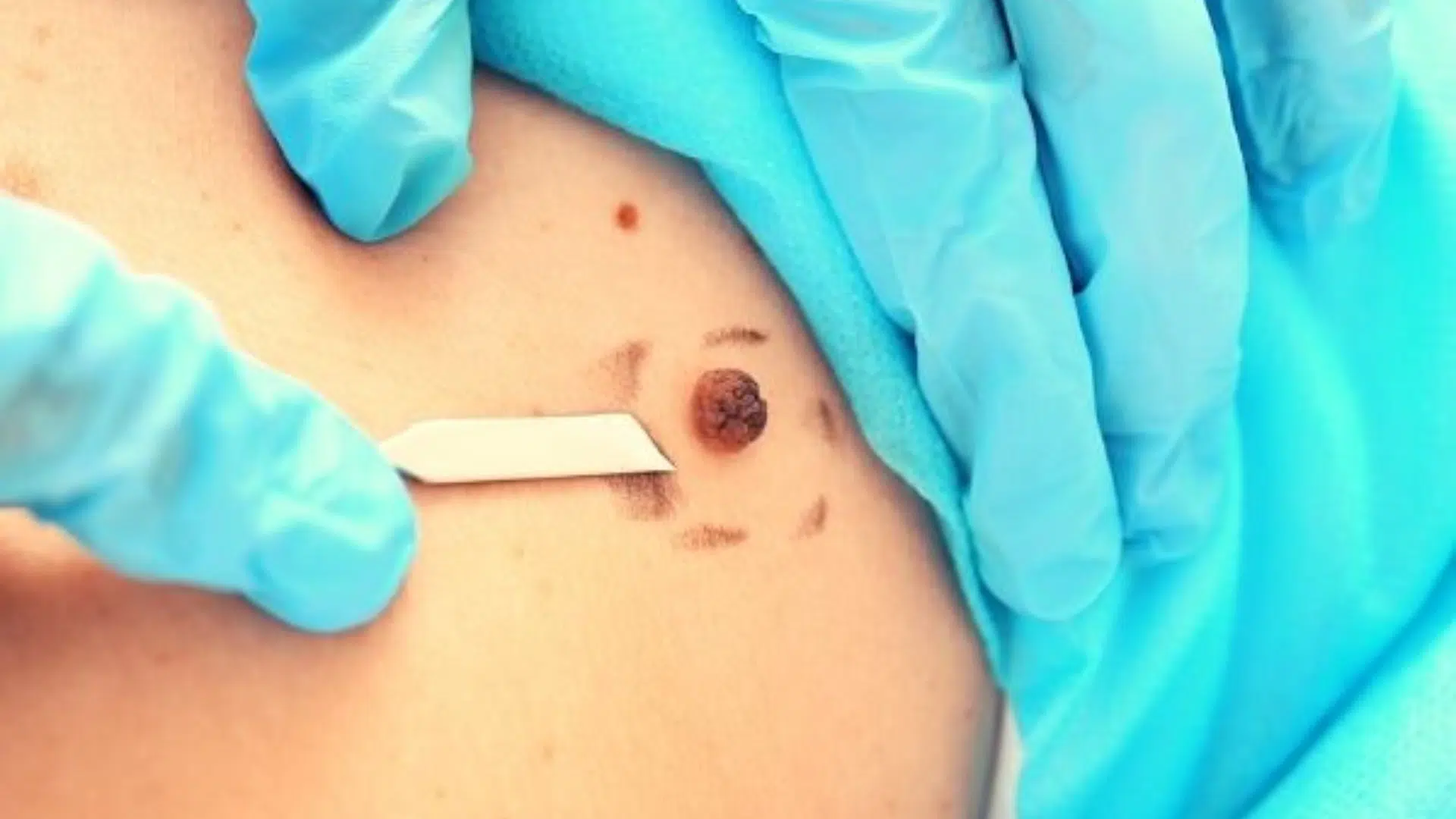
Everyone heals differently, but most people go through the same key stages after mole removal. Knowing what to expect at each stage can help you prepare, care for the wound properly, and feel more confident during recovery.
This is a closer look at the process from day one to complete scar maturation.
Phase 1: Immediate Post-Procedure (Day 0–1)
Right after the mole is removed, the body works quickly to protect the area by forming a clot. You may see a little bleeding or clear fluid, and redness and swelling are common.
The skin around the wound can feel warm to the touch. As the numbing medicine wears off, you might feel some stinging or a dull ache.
This is your body’s normal inflammatory response to start healing.
Care tips:
- Keep the dressing dry and in place
- Rest and avoid touching the area
- Take pain relief if your doctor advised it
- Keep the wound elevated if possible
When to call your doctor? If you notice heavy bleeding, spreading redness, a fever, or intense pain that doesn’t ease with medication, reach out to your provider.
Phase 2: Early Healing (Days 2–7)
A thin scab usually starts forming, acting as a natural barrier against infection. The redness may soften, and pain often lessens during this time.
You might feel mild itching, which is a good sign that the skin is repairing itself.
The wound edges start to pull together, and new tissue begins forming underneath the scab.
Care tips
- Gently clean the area as directed
- Apply petroleum jelly or an antibiotic ointment
- Replace the bandage daily
- Keep the area out of direct sunlight
- Don’t scratch or pick at the scab
Watch for the warm, yellow discharge or swelling that seems to get worse instead of better.
Phase 3: Middle Healing (Days 8–14)
The scab starts to loosen naturally as the underlying skin becomes strong enough to protect itself.
You’ll notice new pink skin underneath, which is delicate and sensitive to sunlight. Redness is still visible but softer, and swelling should be minimal.
This is a key stage for avoiding injury to the healing skin.
Care tips
- Keep using sunscreen if the area is exposed
- Follow your doctor’s advice on starting scar treatments like silicone gel
- Avoid heavy activity that might stretch the skin
Don’t knock the scab off accidentally before it’s ready. This can slow healing and raise the risk of scarring.
Phase 4: Late Healing (Weeks 3–4 or Day 15+)
The scab is gone, and the wound is closed. The skin is still fragile and may look pink or red as blood vessels remain close to the surface.
Sometimes, you may feel tingling or slight numbness in the area as the nerves repair themselves. This stage is about strengthening the skin and supporting scar formation.
Care tips
- Apply sunscreen every day (SPF 30 or higher)
- Keep up with scar care products
- Stay hydrated and eat a balanced diet to support skin repair
Watch for the raised scars, widening of the scar, or numbness that lasts beyond a month.
Phase 5: Maturation (1–12 Months)
Over time, the scar flattens and fades toward your natural skin tone. The skin regains most of its strength, though it may take months for the color to blend in fully.
Collagen fibers reorganize during this stage, which helps the scar smooth out.
Patience is key, as this phase is slow but essential for a good, long-term result.
Care tips
- Protect the scar from sun exposure year-round
- Continue with any recommended scar treatments
- If the scar stays raised or dark, talk to your provider about professional options like laser or microneedling
Healing is a gradual process. By understanding each stage, you can take the right steps at the right time, support your skin’s repair, and reduce the chance of complications.
Quick Reference: Mole Removal Healing Timeline
If you don’t want to read through every stage in detail, here’s a quick breakdown you can skim to get the main idea. It sums up the timeline, what’s happening to your skin, and the care you should focus on during each phase.
| Stage | Timeline | Key Developments | Care Focus |
|---|---|---|---|
| Immediate | Day 0–1 | Bleeding, swelling | Dry dressing, rest, pain relief |
| Early Healing | Days 2–7 | Scab formation | Clean, moisturize, protect |
| Middle Healing | Days 8–14 | Scab loosens, new skin | Sun protection, light activity |
| Late Healing | Weeks 3–4 | Scar starts forming | Scar care, sunscreen |
| Maturation | 1–12 months | Scar fades, skin strengthens | Long-term scar treatment |
This table is a handy guide, but remember that every person heals at a slightly different pace. Use it as a reference, and follow the care advice from your provider for the best results.
Why Understanding Healing Stages Matters
When I didn’t know what to expect, I found myself worrying about every change in my skin. Learning about the healing stages took away a lot of that stress.
Knowing the process helps you stay calm and make better decisions during recovery. This is why it matters:
- Recognize what’s normal and what’s not
- Follow the right care for each stage
- Avoid habits that slow healing
- Catch possible infections early
- Feel more confident about your recovery
Understanding these points can make a big difference in how you approach healing: it gives you the confidence to care for your skin and know when to get help.
Factors That Affect Healing
Not everyone heals at the same pace, and several things can influence your recovery. Being aware of them can help you adjust your care and expectations. Key factors that affect healing include:
- Technique used: Shave removal heals faster than excision with stitches
- Location and size: Smaller wounds on the face heal quickly than larger ones on the body
- Age and health: Younger, healthier skin usually recovers faster
- Lifestyle: Smoking and poor nutrition slow the process; a diet with protein, vitamin C, and zinc can help
- Aftercare: Following your provider’s instructions improves healing outcomes
- Sun exposure: Unprotected skin can heal more slowly and scar more noticeably
Keeping these in mind helps you understand why your healing might be faster or slower, as it also guides you toward steps that can improve your results.
How to Minimize Scarring After Mole Removal
While some scarring is natural after mole removal, there are steps you can take to help the area heal smoothly and fade over time.
Starting these habits early can make a noticeable difference in how the skin looks months later. Tips for reducing scars:
- Apply sunscreen daily to protect healing skin from sun damage and darkening
- Keep the wound moist during healing to support faster, smoother recovery
- Use silicone sheets or gels once the skin is fully closed if your provider recommends them
- Avoid picking or scratching the healing area to prevent raised or widened scars
- Follow all aftercare instructions closely to ensure the best healing outcome
By caring for the skin consistently, you give it the best chance to repair well and blend in with the surrounding skin.
Conclusion
Now you have a clear picture of the healing stages after mole removal, from the very first day to the final scar maturation.
You also know where the shaving mole removal healing time fits in and how it compares to other methods like punch or surgical excision.
By understanding each stage, you can give your skin the care it needs, spot potential problems early, and avoid habits that could slow your recovery.
This knowledge also helps you feel more in control and less anxious during the process. Your search for clear answers should be met now.
You have the details to make informed decisions, follow the right aftercare steps, and support your skin in healing in the best way possible.