European men’s fashion has a way of looking sharp without trying too hard. The clothes fit well, the colors work together, and every piece feels like it belongs.
Dressing in a European style can feel tricky, especially if you’re updating your wardrobe or planning to travel.
I’ve put together clear, practical tips so you can understand the key looks, find the right pieces, and feel confident wearing them.
You’ll see what makes this style stand out, the must-have clothing items, and how to dress for different regions. I’ll also share simple ways to avoid common mistakes so your outfits look natural and well put together.
Whether walking in Paris or meeting friends, you can dress well and make a polished impression while keeping your style.
What Defines European Men’s Fashion?
European men’s fashion is all about looking polished without overdoing it. The style focuses on tailored fits, so clothes sit just right without being too tight or too loose.
Choose quality fabrics for a lasting, refined look, and focus on classic style over trends to create a wardrobe that’s easy to mix and match.
Major fashion cities shape these styles: Paris is refined, Milan is bold, London is mixed, and Copenhagen is simple. Across Europe, men prefer versatile clothing and quiet confidence.
Understanding this approach helps you bring the same authentic style into your daily life or when traveling, so your outfits always feel right for the setting.
Key Elements of European Style Clothing
European-style clothing focuses on comfort, quality, and a polished appearance. The aim is to build a wardrobe that works for many occasions without feeling complicated. These essentials form the foundation of the look.
1. Wardrobe Staples
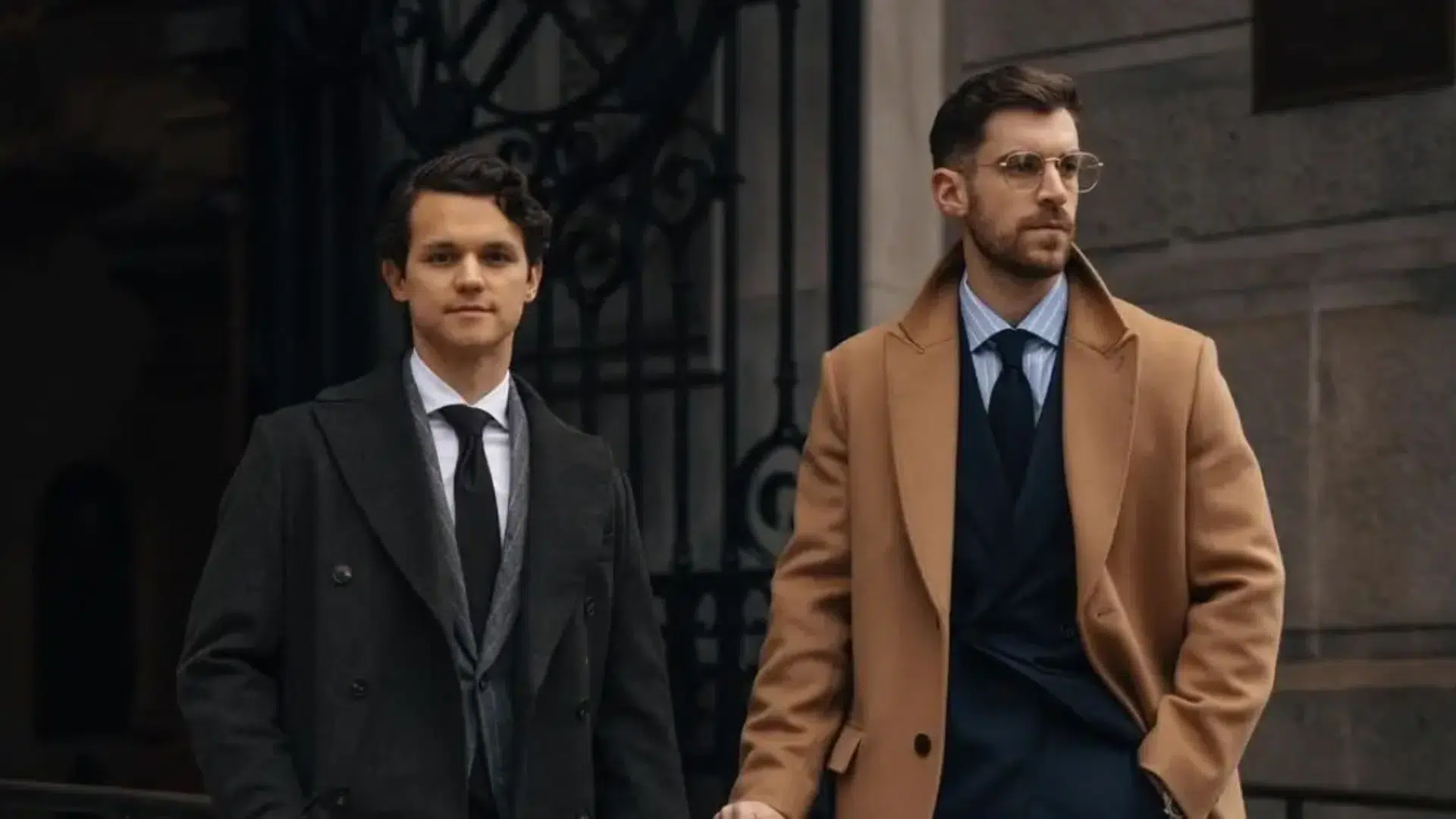
A European-inspired wardrobe focuses on long-lasting, versatile pieces that mix effortlessly and work for different occasions.
Tailored blazers add structure and class to both casual and formal outfits, while slim-fit trousers maintain a sharp silhouette without sacrificing comfort.
Quality shirts give a crisp base, and coats or jackets adapt to seasonal changes.
Well-made shoes, from sleek leather loafers to polished boots, complete the look with style and function, ensuring a refined appearance that remains relevant for years.
- Tailored blazers in navy, charcoal, or beige
- Crisp white or patterned shirts
- Trench coats, wool overcoats, or leather jackets
- Loafers, brogues, or sleek sneakers
2. Accessories
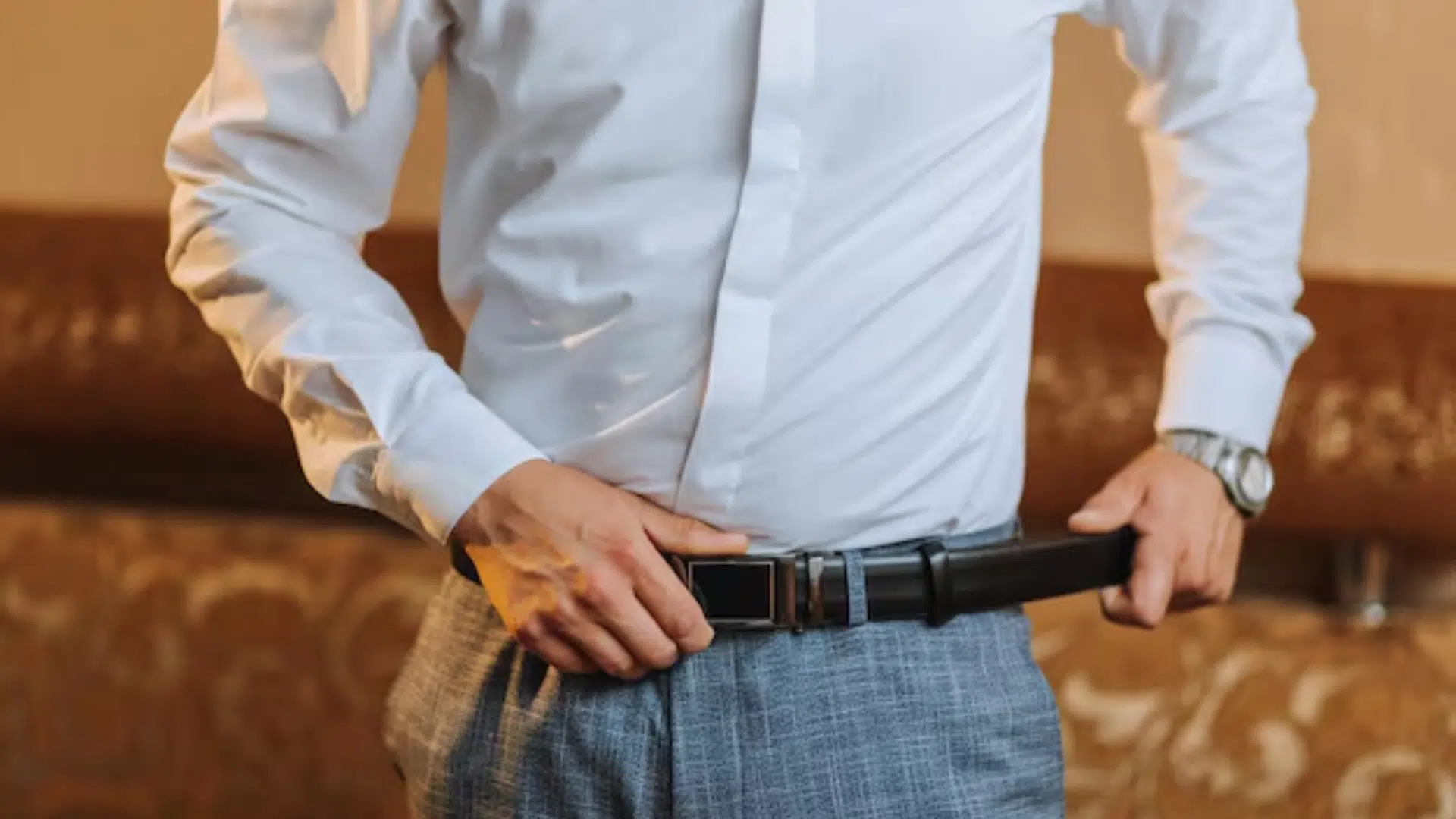
Accessories add character to European outfits while still keeping them refined and well-balanced. Instead of overwhelming the look, each piece is chosen with care to serve a purpose.
A scarf or pocket square can quickly enhance an outfit from casual to classy, showing attention to detail.
A well-crafted watch offers a quiet touch of luxury, while a sturdy leather belt ties the look together with a polished finish.
Structured leather bags combine style and practicality, carrying essentials without disrupting clean lines.
In European style, accessories stay minimal, complementing the outfit and reflecting personal taste for an effortless, intentional look.
- Pocket squares for blazers
- Minimalist watches
- Leather belts in black or brown
- Structured leather bags
3. Fabrics and Colors

European-style clothing often features natural fabrics that combine comfort with durability. Wool provides warmth without feeling heavy, making it ideal for cooler seasons.
Cotton is soft, breathable, and simple to maintain, making it a go-to for everyday wear.
Linen, with its light and airy texture, is perfect for keeping cool on warmer days. The color choices usually stay within muted tones like navy, beige, gray, and cream, which are easy to pair together.
Neutral bases are sometimes paired with bold accents like a bright scarf, patterned tie, or colorful jacket to add personality.
This combination of subtle and bold elements makes outfits practical and polished for any occasion.
- Wool for coats and blazers
- Cotton for shirts and trousers
- Linen for summer wear
- Navy, grey, beige as base colors
Regional Variations in European Style
European style varies across different countries. Each region has its own fashion traditions and influences that shape the way men dress. Knowing these differences helps you adapt your look while keeping it authentic.
1. Italian Flair
Italian style is all about bold colors, expert tailoring, and precise attention to detail. Suits are slim, perfectly fitted, and often made from high-quality fabrics that drape well.
They’re paired with crisp shirts, polished shoes, and sometimes bold ties or pocket squares.
Leather accessories, such as belts, wallets, and structured bags, add richness and texture. Even casual outfits, like tailored trousers with a fitted polo, are carefully put together.
This approach blends confidence with craftsmanship, creating outfits that stand out without feeling overdone
2. French Chic
French style focuses on neutral tones, effortless layering, and accessories that feel understated yet personal. A scarf is a signature piece, adding interest without overpowering the look.
Outfits often combine relaxed fits with refined details, like pairing tailored trousers with a soft sweater or wearing a blazer over a casual shirt.
The French mix casual and formal elements with ease, creating a look that feels polished yet approachable. This style works for both city streets and casual gatherings, offering a balance of style and comfort.
3. Scandinavian Minimalism
Scandinavian fashion values clean lines, muted colors, and practical design. Clothing often features high-quality natural materials like wool, cotton, and linen.
Cuts are simple and easy to wear, making the style comfortable yet sharp.
Layering is key for adapting to changing weather, with items like lightweight jackets, knit sweaters, and scarves adding both warmth and style.
Despite the layers, outfits remain neat and uncluttered. This approach is ideal for those who want comfort and function without losing a sense of style.
4. British Heritage
British fashion is deeply rooted in tradition, with staples like tweed jackets, wool coats, and classic brogues or boots. Patterns such as checks, houndstooth, and herringbone are common, bringing texture and interest to the look.
The style blends rugged outdoor wear with tailored pieces, like a waxed jacket over a dress shirt or a wool coat with gloves.
This mix makes it versatile for both countryside weekends and formal city events. It’s a style that honors history while staying relevant in modern wardrobes.
Easy Tips for Mastering European Style
Mastering European style doesn’t mean replacing everything in your closet. It’s about making smart choices that focus on fit, quality, and subtle details.
These tips can help you create outfits that feel authentic and work in many settings.
- How to Enhance Basics: Pick well-fitted shirts, tailored trousers, and polished shoes to make simple pieces look sharp.
- Layering Essentials for All Seasons: Add blazers, sweaters, or light jackets to create depth and adapt to changing weather.
- Incorporating Accessories for Authenticity: Use a classic watch, scarf, or belt to add personality without overdoing it.
- Prioritize Quality Fabrics: Choose natural materials like cotton, wool, and linen for comfort and durability.
- Stick to a Versatile Color Palette: Build outfits with neutral tones, then add small pops of color for variety.
Common Mistakes to Avoid in European Men’s Fashion
European style is about subtle class and attention to detail, but a few common mistakes can quickly take away from the look. Avoiding these mistakes will help keep your outfits authentic and polished.
- Overdoing Trends: Skip flashy logos or oversized clothing that clash with the refined nature of European fashion.
- Ignoring Fit: Clothes that are too loose or too tight lose the clean, tailored appearance.
- Neglecting Grooming: Keep hair neat and facial grooming tidy; a light touch with cologne goes a long way.
- Overusing Branding: Subtlety is key; let the quality of your clothing speak for itself.
- Forgetting Seasonal and Cultural Norms: Adapt fabrics, layers, and accessories to the local climate and traditions.
Conclusion
European men’s fashion is less about having a huge wardrobe and more about choosing the right pieces that work together.
I’ve shown how tailored fits, quality fabrics, and smart accessories create a stylish, natural look.
The goal is to make dressing well feel effortless, whether you’re walking through a market in Italy, sitting at a café in France, or heading to work at home.
By choosing these items, focusing on fit, and avoiding mistakes, you can bring European style into daily life effortlessly.
I like that this works for many occasions, so you always have something suitable to wear.
Once you start building your wardrobe with care, you’ll notice how much more confident you feel and how easy it is to put together outfits that make a strong but subtle impression.