
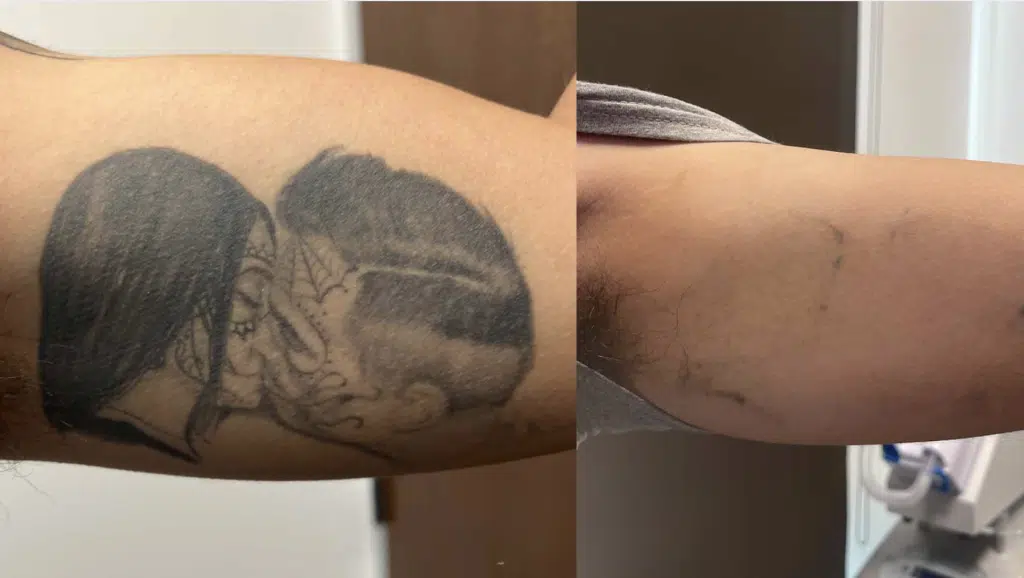
I’ve always been fascinated by how technology can change or remove something once thought permanent, like tattoos. Many people get them for personal reasons, but those reasons can change over time.
In the past, tattoo removal was painful, slow, and often left the skin uneven. Now, laser technology, especially the PicoWay laser, has transformed the process.
Considered one of the most advanced options, PicoWay is gaining popularity for its fast, safe, and effective results.
In this blog, I’ll explain how PicoWay tattoo removal works, what makes it different from older methods, and why so many people choose it, so you’ll know what to expect if you’re considering tattoo removal.
What is PicoWay Tattoo Removal?
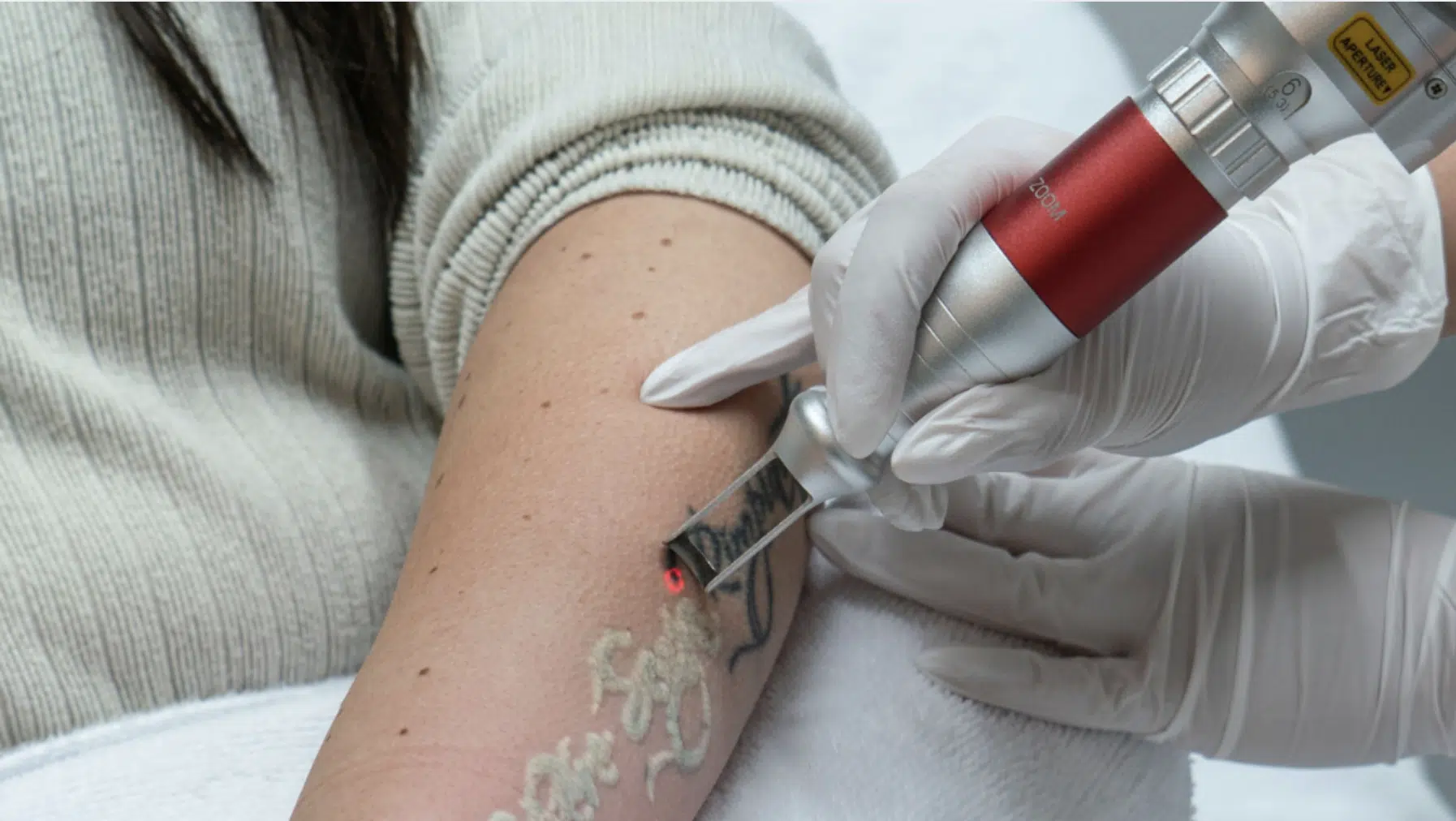
PicoWay is a modern laser device designed to remove unwanted tattoos more quickly and safely than older methods.
The PicoWay laser has received FDA approval, which means it meets strict safety and quality standards for use in medical treatments. This makes it a trusted option for both patients and professionals.
Compared to traditional tattoo removal lasers, PicoWay is considered more advanced because it works faster, targets different ink colors more effectively, and causes less damage to the surrounding skin.
This often means fewer treatment sessions, less discomfort, and better results, even for stubborn colors like blue and green.
How PicoWay Works for Tattoo Removal
The PicoWay laser removes tattoos using extremely fast light pulses. These pulses break ink into tiny pieces, which the body naturally clears away over time.
- Picosecond technology: Delivers laser energy in pulses lasting just a trillionth of a second.
- Precise targeting: Ultra-fast pulses focus on the tattoo ink without overheating nearby skin.
- Ink breakdown: Shatters ink into tiny particles that are easier for the body to remove.
- Natural clearance: The immune system gradually removes the broken ink over time.
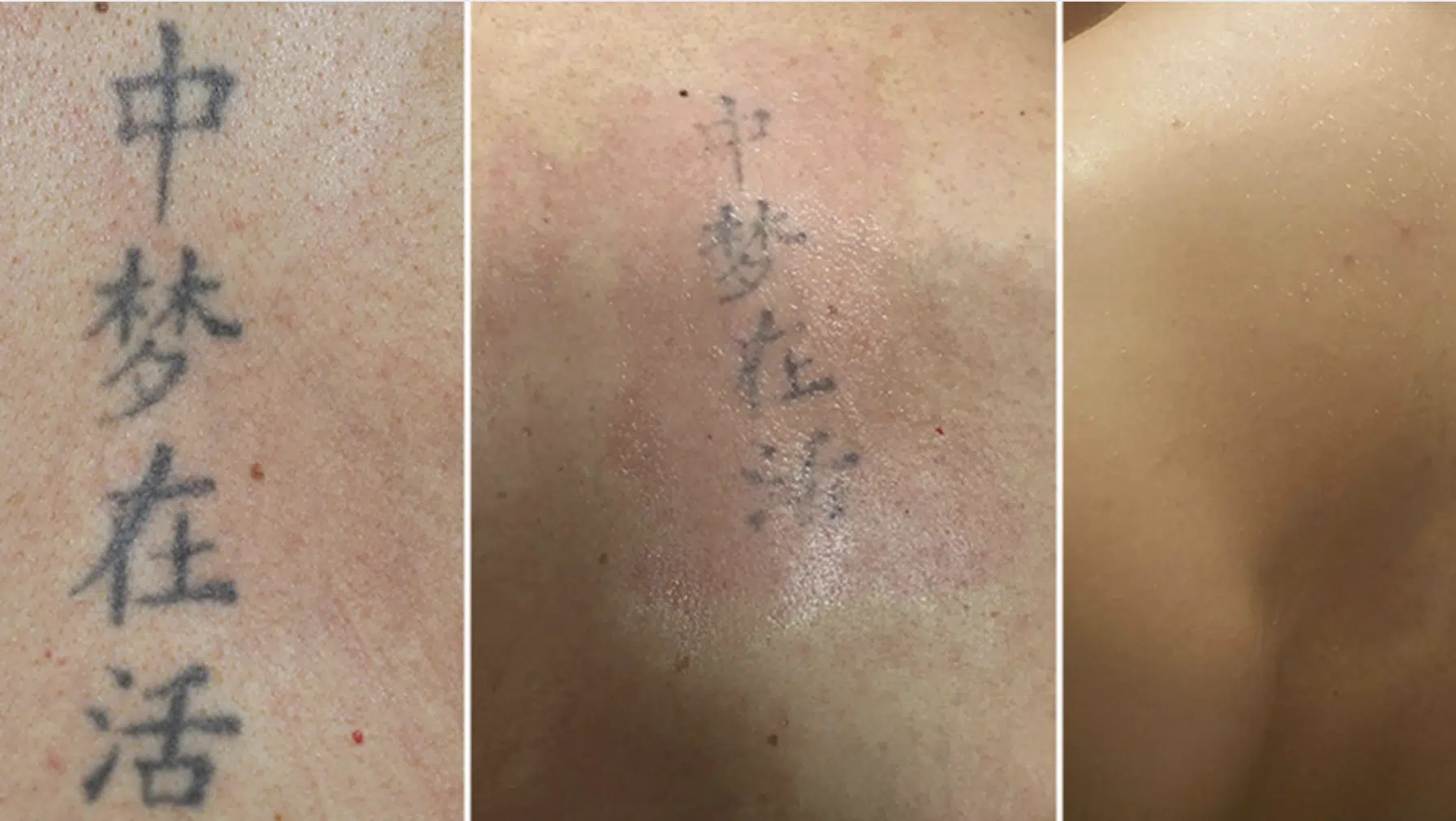
- Progressive fading: Each treatment session lightens the tattoo until it may disappear completely.
Key Features of the PicoWay Device
The PicoWay laser comes with advanced features that make tattoo removal safer, faster, and more effective. These features also help reduce discomfort and improve overall results.
| Feature | Description |
|---|---|
| Multi-wavelength technology | Uses different wavelengths to target and remove a wide range of tattoo ink colors, including hard-to-treat blues and greens. |
| Low heat impact | Produces minimal heat, reducing the risk of skin damage and making treatment gentler. |
| Works on many skin tones | Safe and effective for light, medium, and darker skin types. |
| Quick treatments | Offers shorter sessions compared to older lasers, often with less discomfort. |
| Fewer side effects | Lowers the chance of redness, swelling, or irritation after treatment. |
What Happens During a PicoWay Tattoo Removal
Getting a tattoo removed with PicoWay follows a clear process. Each step is designed to keep the treatment safe, effective, and comfortable.
Step 1: Consultation and Skin Assessment
The first step is meeting with a trained professional. They will look at your tattoo, check your skin type, and ask about your medical history.
This helps them decide the best way to remove your tattoo safely. They may also explain how the PicoWay laser works and what kind of results you can expect.
At this stage, you can ask questions, discuss your goals, and get an idea of how many sessions you may need for the best results.
Step 2: Number of Sessions
Tattoo removal is not a one-time process. Most tattoos need several treatments to fully fade or disappear.
The number of sessions depends on things like the size of the tattoo, the type of ink used, how deeply the ink sits in the skin, and the colors involved.
Your provider will create a schedule that gives your body enough time to break down and clear the ink naturally.
Step 3: During the Session
On the day of treatment, protective eyewear will be provided to shield your eyes from the laser light.
The area with the tattoo will be cleaned, and the PicoWay laser will send quick pulses of energy to the ink. These pulses break the ink into small particles without damaging the skin around it.
You may feel a snapping or tingling sensation during the process, but most people find it manageable. The session is usually short, depending on the size of the tattoo.
Step 4: Aftercare
Once the treatment is done, proper aftercare is important for healing and preventing side effects. You should keep the treated area clean and dry.
Avoid sun exposure, swimming, or applying harsh products until the skin recovers. Your provider may suggest a soothing ointment to help with redness or swelling.
Following these instructions can help your skin heal faster and improve results. Over time, your tattoo will fade more with each session until the desired outcome is reached.
PicoWay vs. Other Tattoo Removal Lasers
Different lasers work in different ways, and results can vary a lot. This table shows how PicoWay compares to other popular tattoo removal options in speed, safety, comfort, and cost.
| Feature | PicoWay (Picosecond) | Q-Switched (Nanosecond) | Other Nanosecond Lasers |
|---|---|---|---|
| Pulse speed | Very fast and precise | Slower | Slower |
| Color removal | Works on all colors, even tough ones | Best on black, struggles with some | Often struggles with bright colors |
| Skin safety | Less heat, safer for skin | More heat, more risk | Similar to Q-switched |
| Sessions needed | Usually fewer | Usually more | Usually more |
| Comfort | Less discomfort | It can be more uncomfortable | It can be more uncomfortable |
| Healing time | Faster recovery | Longer recovery | Similar to Q-switched |
| Cost per session | $300–$500 or more |
$150–$300 |
$150–$300 |
| Best for | Multi-colored tattoos, sensitive skin | Black or small tattoos | Simple tattoos with few colors |
| Downside | Higher cost per session | Less effective on some colors | Less precise for detailed tattoos |
Side Effects and Safety Considerations
While PicoWay tattoo removal is generally safe, it can cause some mild and temporary side effects. Knowing what to expect helps reduce risks and supports better healing.
- Redness and swelling: The treated area may look red or feel slightly swollen for a few days.
- Mild discomfort: A tingling or sunburn-like feeling is common right after the session.
- Temporary color change: The skin may look lighter or darker for a short time, but usually returns to normal.
- Blistering: Small blisters can appear in some cases, but heal with proper care.
- Scarring: Rare, but it can happen if the skin is not cared for properly after treatment.
- Infection risk: Low, but possible if the area is not kept clean.
- Sun sensitivity: The treated skin can be more sensitive to sunlight, so protection is important.
- Safe provider choice: Always choose a certified and experienced provider to lower risks and get better results.
Conclusion
PicoWay tattoo removal is one of the most effective and safe ways I’ve seen for getting rid of unwanted tattoos. It works on many ink colors, even the ones that are usually hard to remove, like blue and green.
The laser is designed to target the ink without harming the skin around it, which makes the process gentler than older methods. Many people also need fewer sessions, which can save time and help the skin heal faster.
If you’re thinking about tattoo removal, I believe the most important step is to find a licensed and experienced professional.
They can look at your tattoo, explain what kind of results you can expect, and create a plan that works best for you. For me, the biggest takeaway is that PicoWay offers a good balance between results and comfort.
If you’re ready to say goodbye to a tattoo, booking a consultation could be the first step toward the fresh start you want.