When I first heard about spironolactone for acne, I wasn’t sure if it was worth trying.
I had already spent years switching cleansers, spot treatments, and diets, but nothing stuck.
Friends mentioned their before-and-after photos and how much better they felt. That’s when I started digging into real results instead of just medical explanations.
In this guide, I’m sharing what spironolactone is, how it works for acne and hair loss, what results look like over time, and real stories from people who’ve been through it.
If you want honest experiences, timelines, and before-and-after insights, you’ll find them here so you can figure out if this might be right for you.
What Is Spironolactone and How Does It Work?
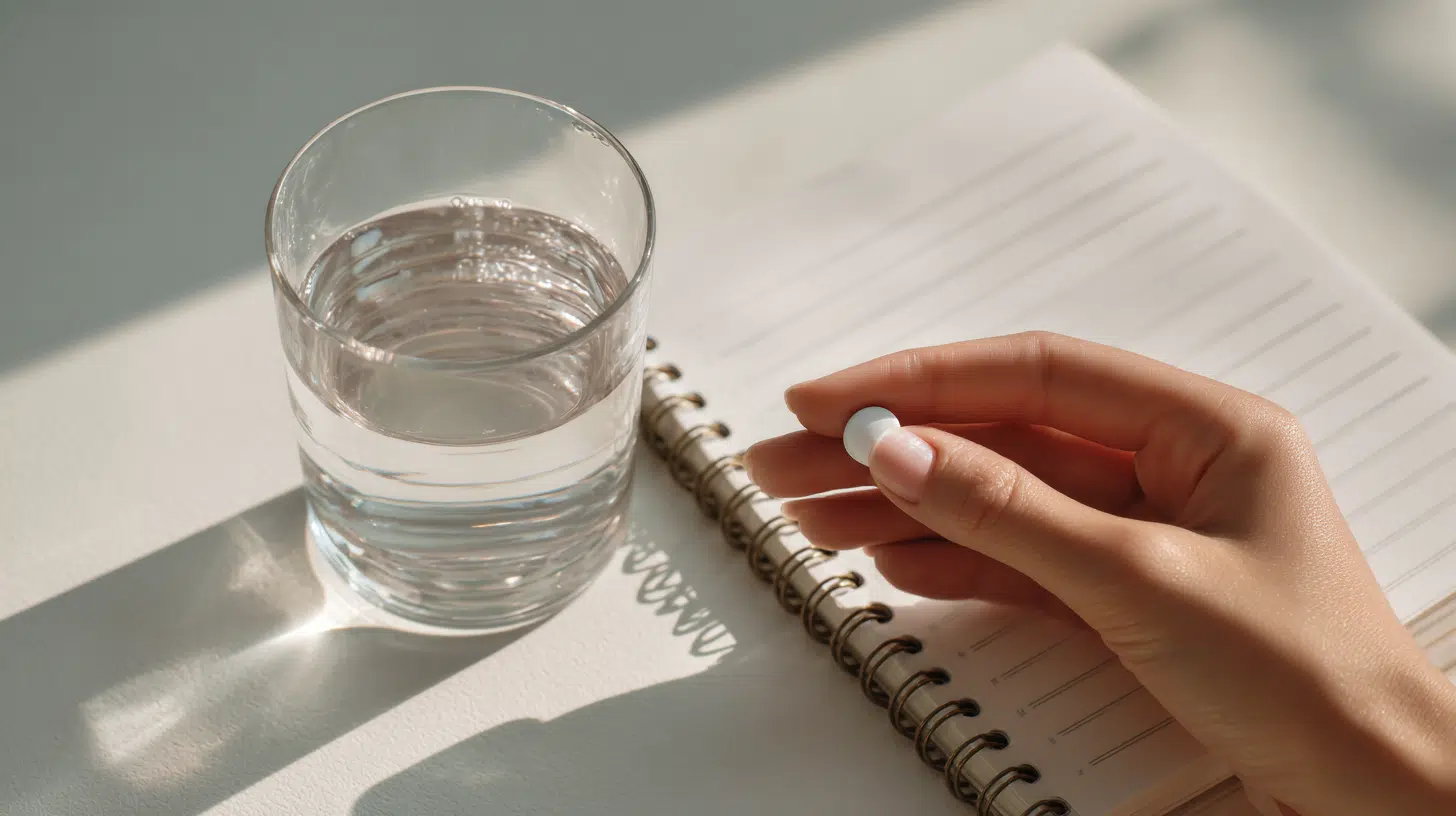
Spironolactone is a prescription pill that’s often given to women who have hormonal acne or hair thinning.
Doctors have used it for years, but many people know it now as an option when breakouts or shedding don’t respond to other treatments.
It’s actually a diuretic, which means it helps your body get rid of extra water. But the main reason it works for skin and hair is because it blocks certain hormones called androgens.
Androgens can cause the skin to make more oil and can also speed up hair shedding. By lowering their effect, spironolactone can calm oil production and help hair stay in place longer.
This is why it’s used for both stubborn acne and some cases of female pattern hair loss.
Spironolactone for Acne: What to Expect

For many people, spironolactone is prescribed for deep, painful acne along the jawline, chin, or cheeks. This type of acne is often tied to hormones and can be stubborn with other treatments.
In the first few weeks, you might not notice much change. Some even see a small flare-up before things start to calm down.
By around three months, many people notice fewer new spots, less redness, and skin that feels calmer overall.
At six months and beyond, results tend to be more consistent. Skin often stays clearer for longer, and oiliness is reduced.
Your experience can depend on your dosage, what other products you use, and your skin’s natural cycle. For most, the progress is steady and gradual.
How Long Does Spironolactone Take to Work for Acne?
Spironolactone usually doesn’t give instant results. It works by slowly balancing hormone activity, so the skin needs time to adjust. Most people start to see visible changes between 8 and 12 weeks.
This is what you might notice along the way:
- Less oil by week 4–6
- Smaller, less painful spots by week 8–10
- Fewer breakouts overall by week 12
The process is gradual, but many find that once the results start, they tend to last as long as the medication is continued. Patience is key with this treatment.
Spironolactone Before and After Experiences
I’ve heard from so many women who’ve tried spironolactone, and their results are all a little different. Some saw changes in just a few months, while others needed almost a year. Here are a few of their stories in their own words.
1. Rachel: Six Months to Clearer Skin
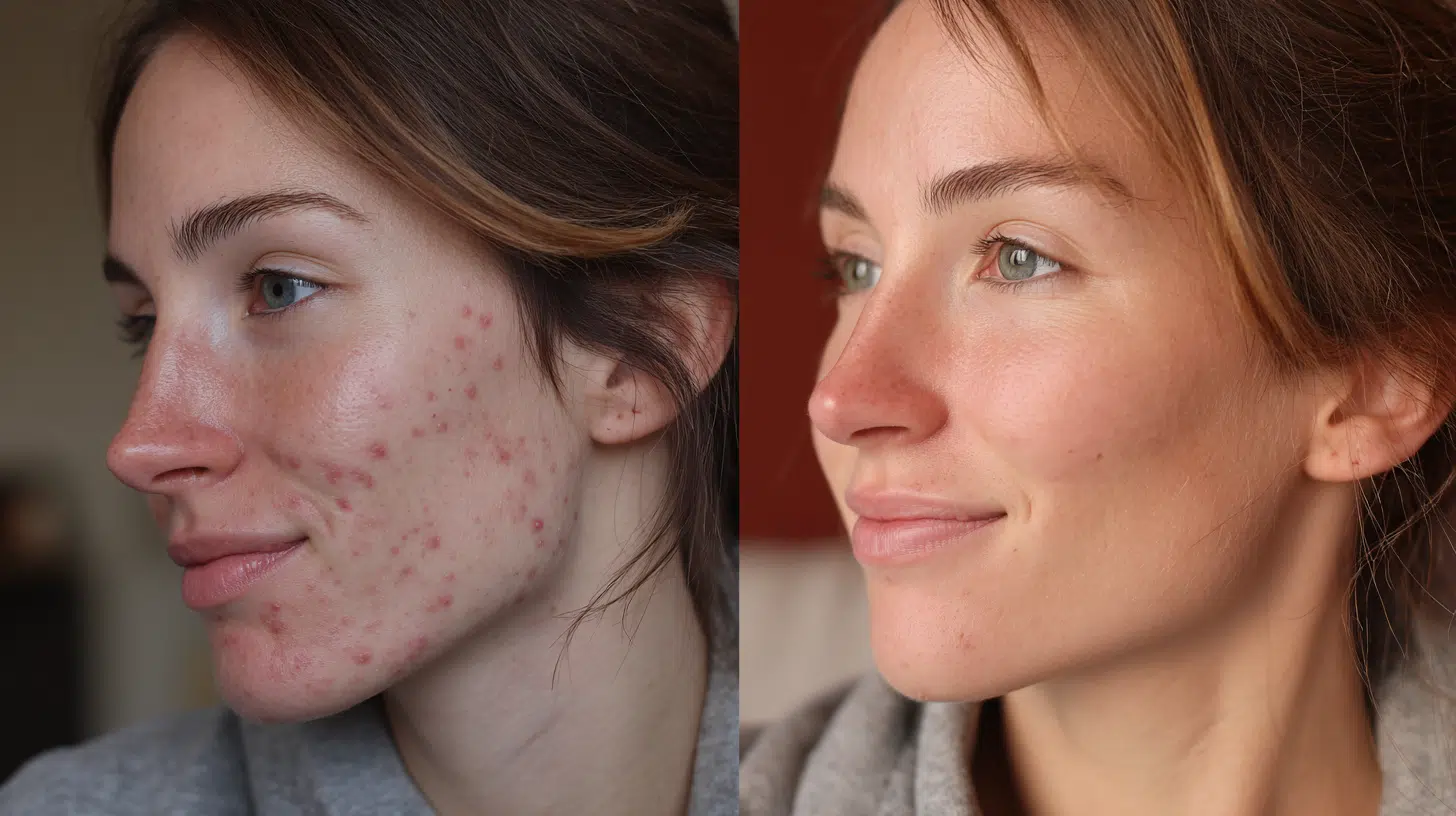
Rachel, one of my friends, had struggled with deep cystic acne along her jawline for years. It was painful, red, and hard to cover with makeup.
Six months after starting spironolactone, her skin looked calmer, breakouts had slowed, and only faint marks were left behind.
She told me she finally felt comfortable going out barefaced, something she hadn’t done in years.
For her, the slow and steady progress was worth the wait.
2. Emily: Four Months to Oil Control
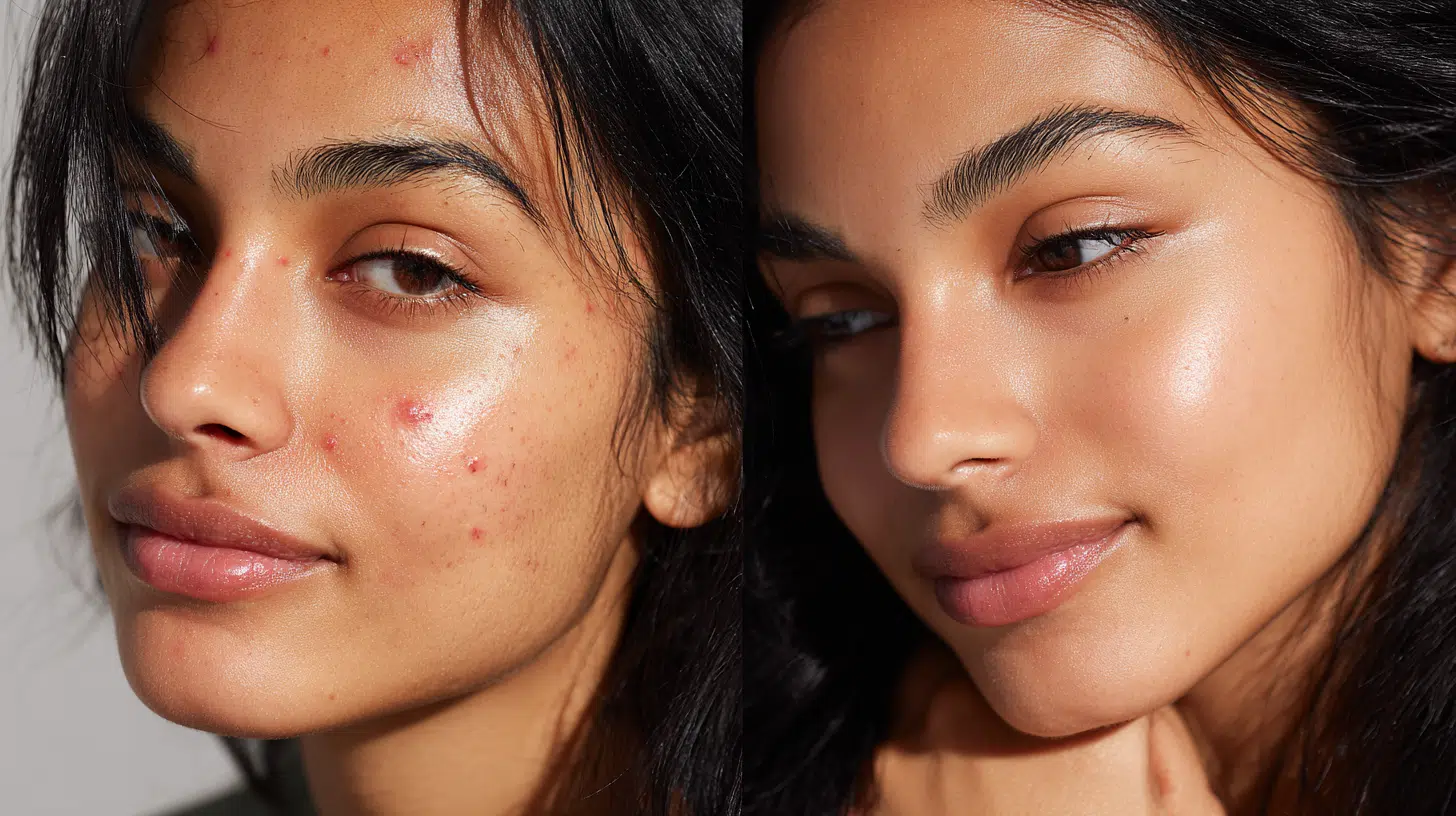
Emily reached out to me with her story about dealing with constant oiliness and cheek breakouts. Her pores always looked large, and her makeup never stayed put for long.
Four months into spironolactone, she noticed her skin felt less greasy, her pores looked smaller, and she hadn’t had a major breakout in weeks.
She said the biggest difference was how fresh her skin stayed all day, which gave her more confidence without constant touch-ups.
3. Sarah: Gradual Improvement with Extra Help
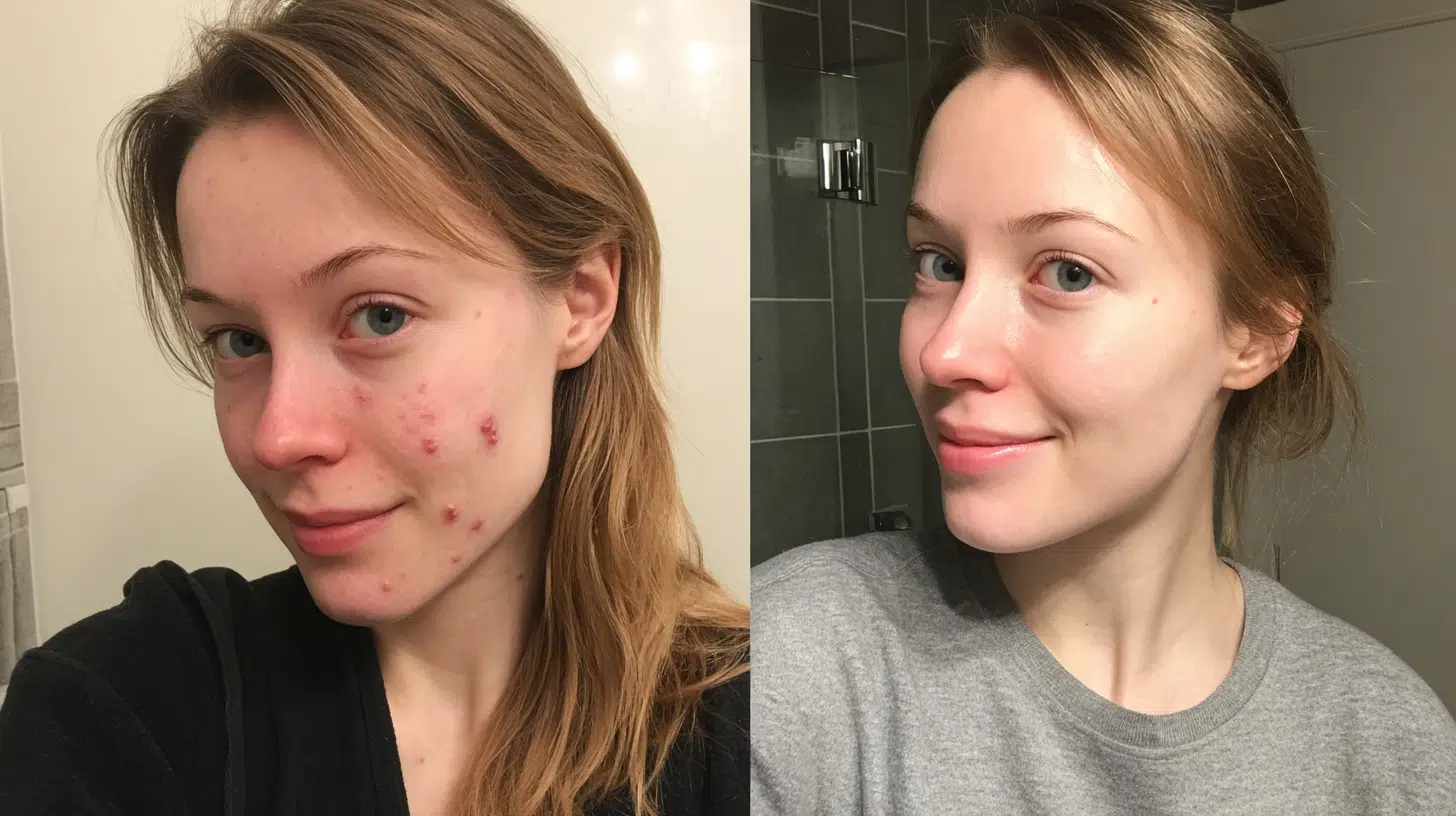
Sarah, another friend, started spironolactone for hormonal acne. It helped reduce redness and the size of her breakouts, but they didn’t completely disappear.
Her dermatologist added a topical cream to her routine, and within two more months, her skin cleared up much more. She says the combination gave her results she couldn’t get from one treatment alone.
For her, spironolactone was the foundation, but pairing it with another product brought her the finish she wanted.
4. Mia: Hair and Skin Benefits Together
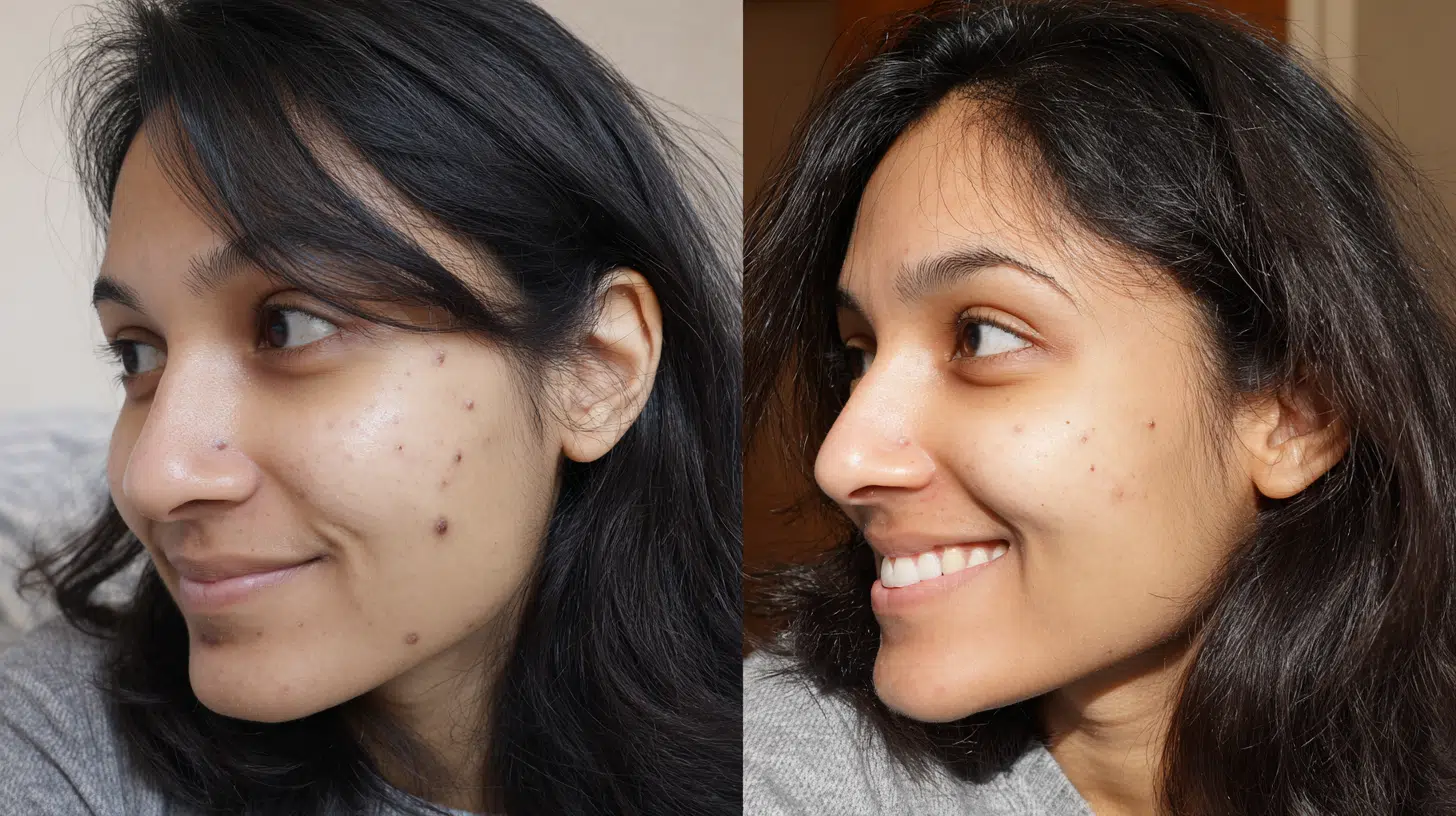
Mia messaged me saying she began spironolactone mainly to slow down hair shedding. She didn’t expect it to help her skin, but after eight months, she noticed fewer jawline breakouts and smoother skin overall.
She also saw baby hairs filling in along her hairline. Mia said it felt like getting two treatments in one, improving both her hair and skin health. It took time, but she was happy with the changes in both areas.
5. Laura: Patience Pays Off After a Year
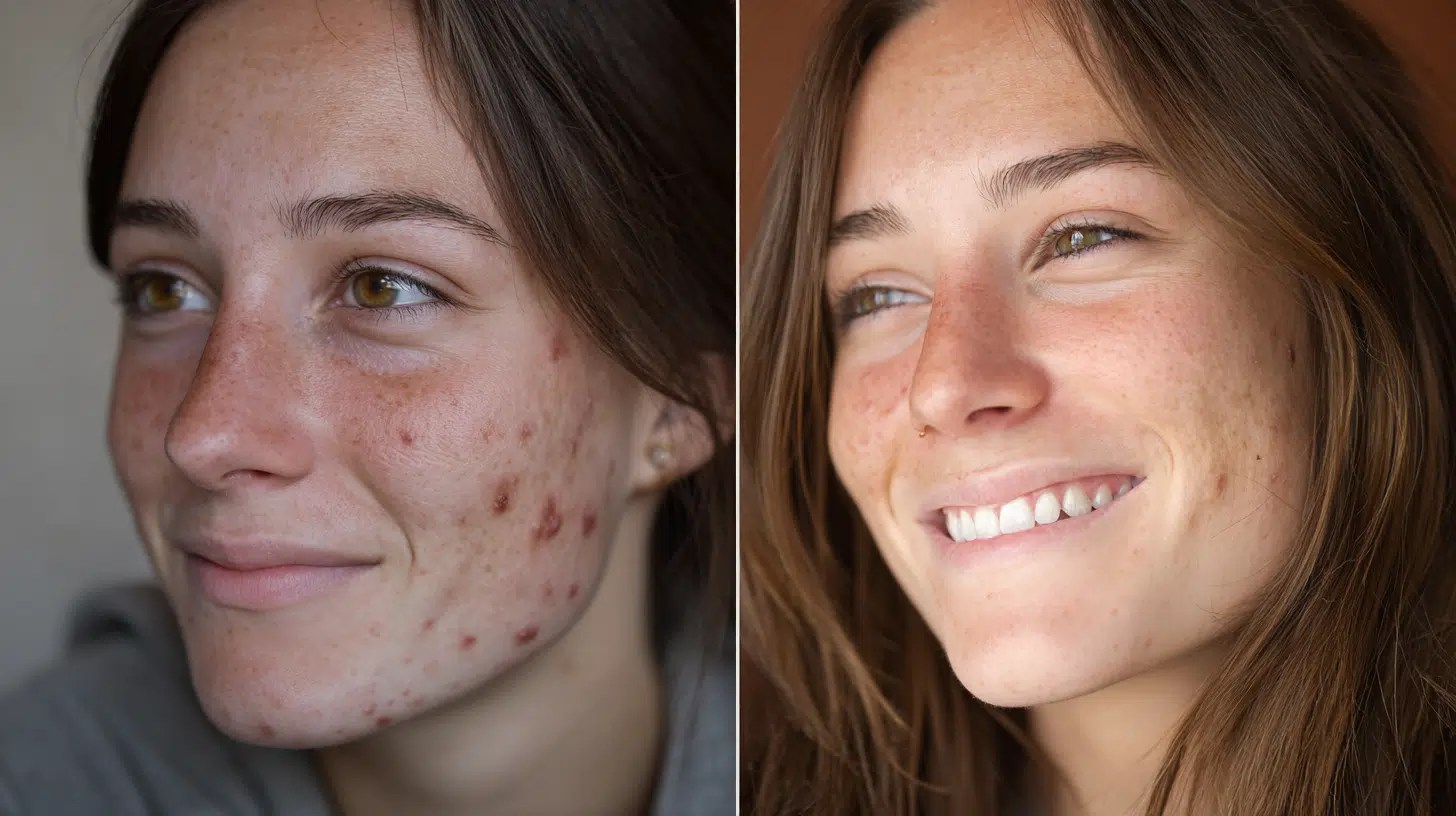
Laura told me she almost quit spironolactone at the three-month mark because she wasn’t seeing much change. She decided to stick with it, and by the end of the year, her skin had completely transformed.
Painful cysts were gone, redness had faded, and only a few light scars were left behind. She said the wait was frustrating but absolutely worth it in the end.
Now she uses it as a long-term maintenance treatment to keep her skin clear.
Everyone’s spironolactone journey looks a little different, but these stories show how it can help in both small and big ways.
It’s not a magic fix, but for many, the results are worth the time and patience.
Spironolactone: What No One Tells You
When I’ve chatted with others and read through forums, I’ve noticed there are certain experiences people mention that you don’t always hear from doctors or see in brochures.
These are the small details that can make a big difference in how you manage expectations.
- Some people notice a breakout flare before their skin starts improving
- Stopping the medication suddenly can lead to acne coming back
- Scalp and skin oil production may drop even if acne doesn’t completely go away
- It can work better for hormonal acne than other types
- Not everyone sees the same level of results, even with similar doses
These aren’t dealbreakers for most, but knowing them early can help you be more prepared for the ups and downs of the process.
Conclusion
If you came here looking for real spironolactone before-and-after experiences, you now have a clearer idea of what this treatment can offer.
The changes usually happen slowly, and it takes patience to see results. But for many people, the wait is worth it.
Spironolactone has helped with more than just skin for some. Many notice less hair shedding and an overall drop in oiliness. These changes can feel small day to day, but add up over time.
Everyone’s experience is different. What works quickly for one person might take longer for another. By hearing real stories and timelines, you can get a better sense of what to expect.
This can help you decide if it’s worth talking to your doctor about starting the treatment.
Frequently Asked Questions
Can men use spironolactone for acne?
It is rarely prescribed to men for acne because it can affect hormone levels. Doctors usually recommend other options for male patients.
Does spironolactone cause weight gain?
Weight gain is not common, but some people may notice changes due to fluid balance. It’s best to talk to your doctor if this happens.
Can I drink alcohol while taking spironolactone?
Alcohol can increase dizziness or lightheadedness when taking spironolactone. It’s better to limit intake and see how your body responds.
Is spironolactone safe during pregnancy?
It should not be taken during pregnancy because it can affect hormone development in the baby. Always tell your doctor if you are or might be pregnant.
Can spironolactone help with body acne?
Yes, it may reduce hormonal breakouts on the back or chest, though results can vary. A dermatologist can help decide if it’s suitable for you.