Blackheads are one of the most common skin concerns, and they can be stubborn to deal with. If you’ve tried scrubbing or picking, you already know those methods don’t really solve the problem.
What does help is a proper facial routine made to clear clogged pores. In this blog, you’ll find some facial treatments that target blackheads and help keep your skin clean.
Some are simple steps you can do at home, while others are treatments you might choose at a spa.
This is what you’ll learn:
- Which facials are best for loosening and removing blackheads
- How certain masks and cleansers work on pores
- Easy at-home methods you can try without special tools
You’ll walk away knowing the best treatments to try for smoother and clearer skin.
What Are Blackheads and Why Do They Form?
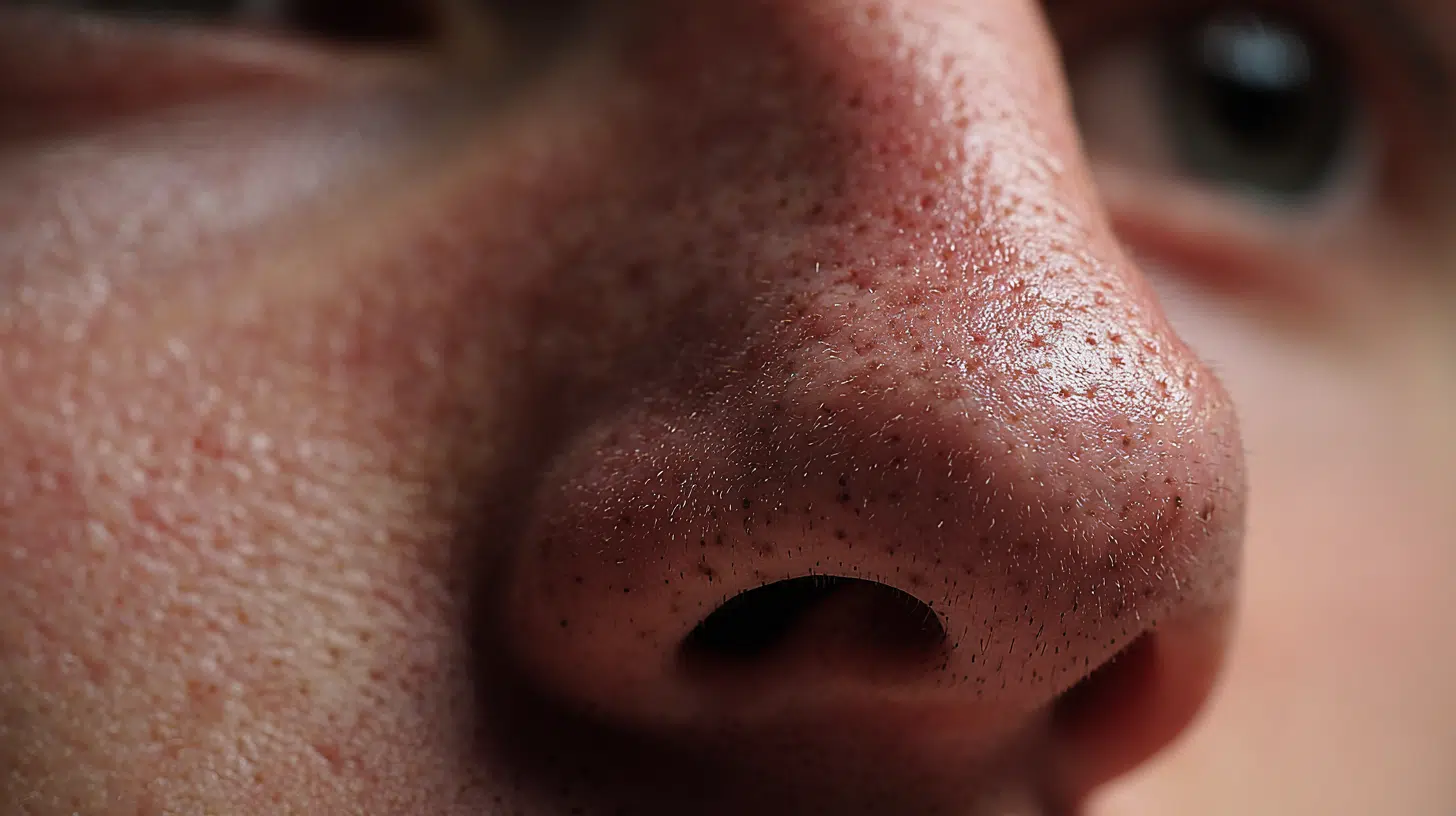
Blackheads are a type of clogged pore. They form when oil, dead skin cells, and sometimes dirt collect inside a hair follicle.
Because the pore stays open, the buildup inside is exposed to air and turns dark.
Several things can cause blackheads. Common reasons include excess oil production, changes in hormones, skipping regular exfoliation, or using products that block pores.
They are most common on the nose and chin, but you can also find them on the back, chest, and other areas with more oil glands.
Understanding why blackheads form is the first step toward getting rid of them. Once you know the cause, it’s easier to choose the right treatment and keep your skin clear over time.
Popular Professional Treatments for Blackheads
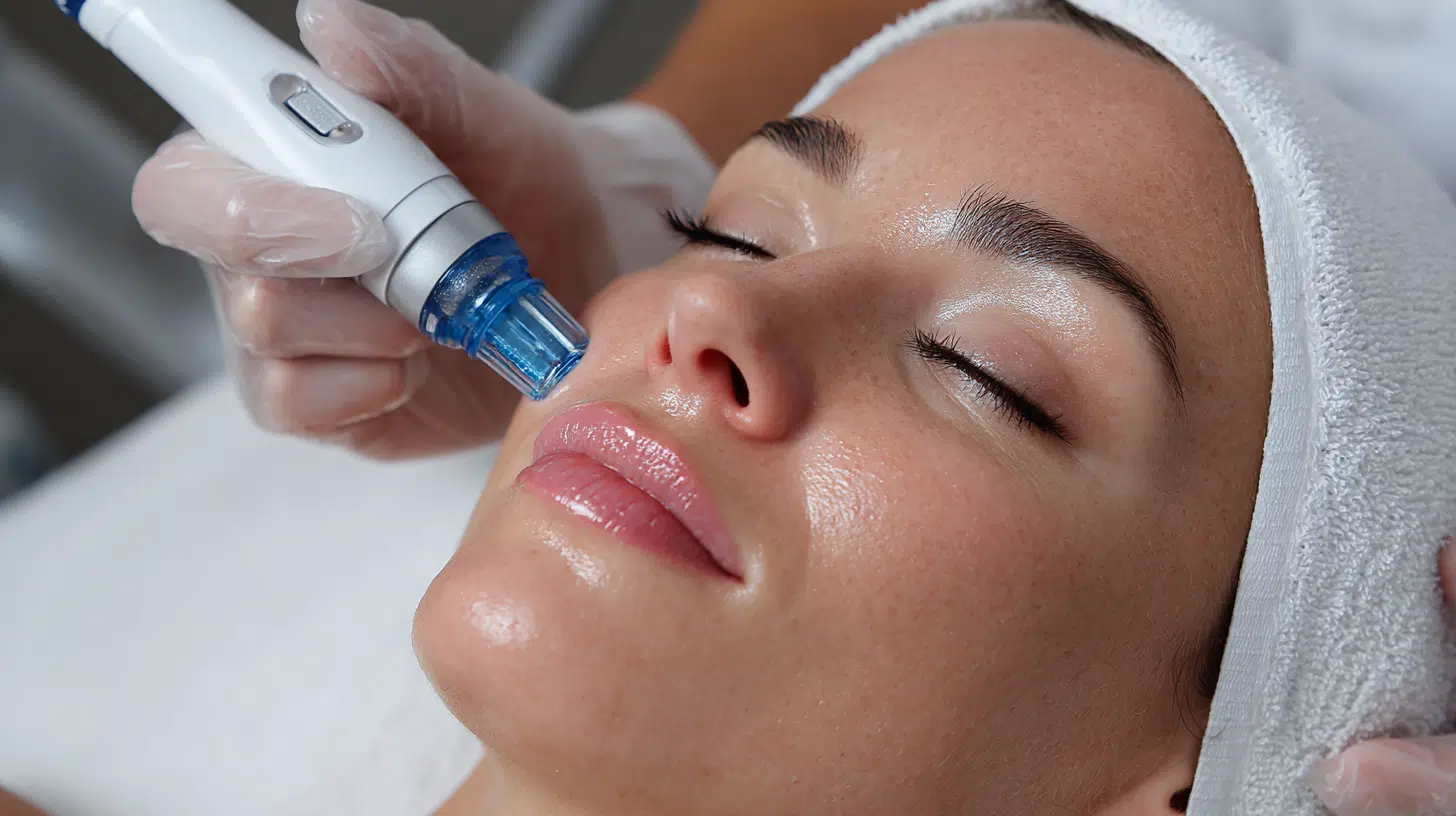
If you want pro help, these are the treatments I see used most. Each one tackles clogged pores in a different way. I’ll keep it simple so you know what to expect before you book.
1. Traditional Med Spa Facial
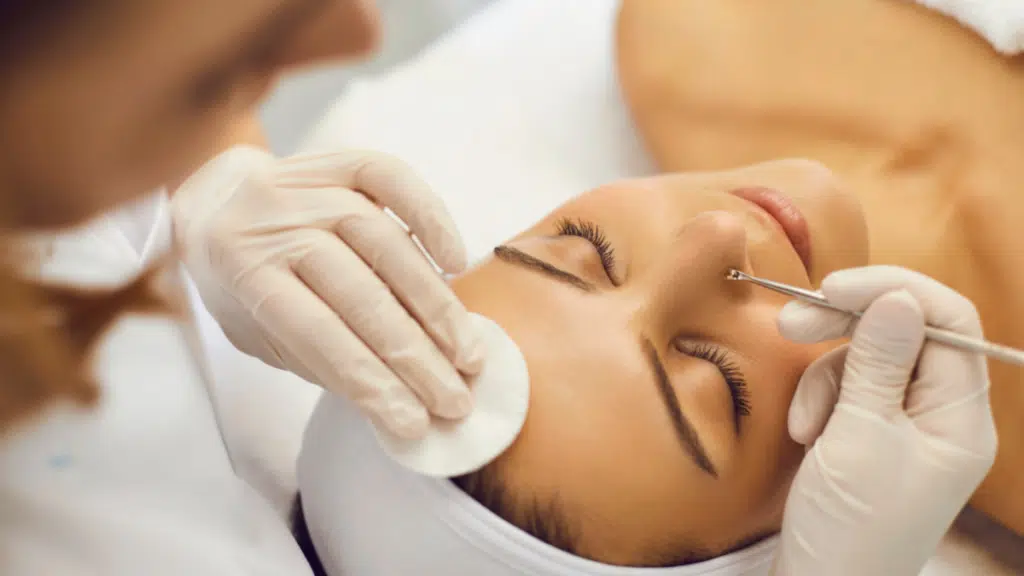
A traditional facial starts with a deep cleanse to lift oil, sweat, and sunscreen. Then the skin is steamed or softened with warm towels to loosen buildup in the pores.
Next, the esthetician gently exfoliates to remove dead cells and prep the skin for extractions. Using sterile tools, they remove blackheads with less pressure and less risk.
A soothing mask and light hydration calm redness. I like this option for a first step when blackheads are mild to moderate.
Aftercare Tips:
- Avoid heavy makeup for 24 hours
- Use a gentle, non-foaming cleanser
- Keep skin hydrated with a light moisturizer
- Always wear sunscreen when going out
2. HydraFacial
A HydraFacial uses a handpiece that cleanses, exfoliates, and extracts at the same time. The tip creates a gentle suction that lifts out debris while keeping the skin comfortable.
As the pores clear, hydrating serums flow in to replenish moisture and support the barrier.
The treatment is quick and works for many skin types, including sensitive skin. I notice my skin looks smoother right away, with less shine on my nose and chin.
Aftercare Tips:
- Skip retinol or exfoliating acids for 2 days
- Keep skin hydrated with a simple serum or cream
- Drink water to support hydration from within
- Avoid tanning beds or direct sun for at least 48 hours
3. Chemical Peels (AHA or BHA)
Chemical peels use acids like salicylic or glycolic to dissolve the top layer of dead skin. This clears the path for oil to flow and reduces the chance of clogged pores.
Strength can be tailored to your needs, from very light to deeper options. A series of peels can soften rough texture and help keep blackheads from returning.
I avoid heavy scrubs when I plan a peel and keep sunscreen on daily to protect new skin.
Aftercare Tips:
- Apply broad-spectrum sunscreen every day
- Avoid scrubs, retinoids, or harsh products for 5–7 days
- Use a bland, fragrance-free moisturizer
- Do not pick at peeling skin; let it shed naturally
4. Microdermabrasion
Microdermabrasion gently sands the surface with a fine tip to lift dull, packed cells. Removing that layer helps pores release trapped oil and makes the skin feel smoother.
It pairs well with extractions or a light peel in the same visit. Over several sessions, I see fewer congested areas on the nose and chin.
Afterward, I use a simple moisturizer and skip active acids for a day or two to avoid irritation.
Aftercare Tips:
- Keep skin moisturized with a lightweight cream
- Avoid hot showers, saunas, and steam for 24 hours
- Skip retinol or exfoliating acids for 2–3 days
- Protect skin from the sun to prevent sensitivity
5. Laser Therapy or LED Light
Laser and LED treatments target deeper layers to calm oil glands and support healing. Blue or combined light can reduce bacteria that contribute to clogged pores and breakouts.
Sessions are quick and have little downtime. These options are often part of a plan for oily or acne-prone skin, not a one-time fix.
I like them as a follow-up after extractions to help the results last longer and to keep new blockages down.
Aftercare Tips:
- Avoid direct sunlight for at least 48 hours
- Use a calming, fragrance-free moisturizer
- Skip harsh cleansers and scrubs for a few days
- Keep skin cool, avoid hot yoga or intense workouts right after
6. Dermatologist Extraction
Dermatologist extraction focuses on precision and safety. The skin is prepped, and a comedone tool is used to remove blackheads with controlled pressure.
This is the best choice for deep, painful, or stubborn spots that resist home care. A doctor can also suggest prescription retinoids or peels if needed.
I book this when I want quick, clean results and less risk of scarring or lingering redness compared to squeezing at home.
Aftercare Tips:
- Do not touch or squeeze treated areas
- Apply a light, non-comedogenic moisturizer
- Use an antibiotic cream if recommended by the doctor
- Protect skin with sunscreen daily to avoid marks
DIY and Over-the-Counter Options for Blackheads
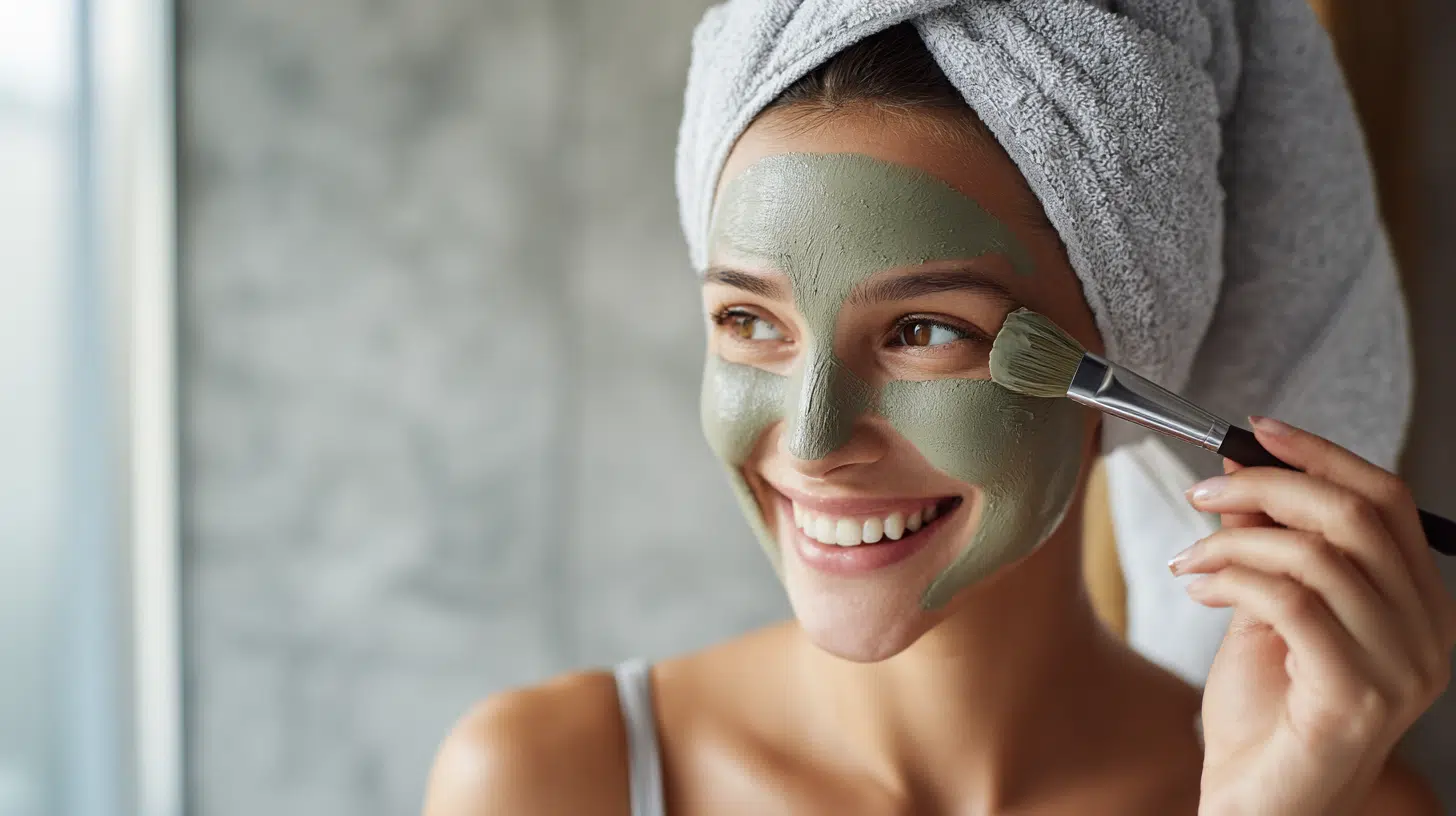
If you’re not ready for a spa visit, there are simple ways to manage blackheads at home. These options can fit into your regular routine and are often easier on the budget.
7. Gentle Cleansing
Washing your face daily is the first step in keeping blackheads away. Oil, sweat, sunscreen, and dirt all collect on the skin and can block pores if not removed.
A mild, non-foaming cleanser works best since it cleans without stripping away your natural oils.
Morning cleansing clears the night’s buildup, while evening cleansing removes makeup, pollution, and sunscreen. Keeping this habit steady helps stop new blackheads from forming while supporting your skin barrier.
Aftercare Tips:
- Pat your face dry instead of rubbing with a towel
- Follow with a light moisturizer to avoid dryness
- Stick to lukewarm water instead of hot water
8. Exfoliating Acids
Exfoliating acids like salicylic and glycolic go deeper than regular scrubs. Salicylic acid is oil-soluble, meaning it penetrates into pores to loosen clogs, making it ideal for blackheads on the nose and chin.
Glycolic acid works on the surface to remove dead skin cells and smooth the texture. Using these a few times a week can improve how other products work by keeping the skin clear and fresh.
It’s important to start slow, since overdoing it can lead to redness or flaking.
Aftercare Tips:
- Apply sunscreen every morning, since acids increase sun sensitivity
- Use hydrating serums or creams afterward to balance dryness
- Start with lower strengths and build up gradually
9. Retinoids or Retinol
Retinoids boost skin turnover, which helps prevent pores from clogging in the first place. They also fade rough patches and even out skin tone over time.
Start by applying a pea-sized amount two nights a week, then slowly increase to every other night. Always use them on clean, dry skin, and follow with a moisturizer to reduce dryness.
Results take patience, usually a few weeks before you notice fewer blackheads and smoother skin, but the long-term benefits are worth it.
Aftercare Tips:
- Pair with a gentle moisturizer to reduce irritation
- Wear sunscreen daily, since retinoids make skin more sensitive
- Apply only at night, never in the morning
10. Pore Strips and Clay Masks
Pore strips can quickly lift surface blackheads, while clay masks absorb oil and impurities from the skin. They’re not long-term fixes but can give skin a cleaner, smoother look when used sparingly.
These work best right after a warm shower, when pores are softer.
Clay masks, like bentonite or kaolin, can also calm shiny areas by soaking up excess oil. Since both can be drying, it’s best to follow with a hydrating moisturizer to keep the skin balanced.
Aftercare Tips:
- Use only once a week or less to avoid over-drying
- Follow with a calming moisturizer or hydrating toner
- Pair with sunscreen if used during the day
11. Derm-Approved Products
Supporting your skin barrier is key when treating blackheads. Ingredients like niacinamide reduce redness and regulate oil, ceramides repair the barrier, and hyaluronic acid draws in hydration.
Adding these into your daily routine makes active treatments like acids and retinoids easier to tolerate.
I use niacinamide in the morning and a ceramide cream at night. They’re not quick fixes, but steady use keeps my skin strong and comfortable.
Aftercare Tips:
- Layer barrier-strengthening products after actives like acids or retinoids
- Stick to fragrance-free formulas to avoid irritation
- Use daily for the best results
12. Home Remedies
Some people like natural approaches such as turmeric masks, honey, gram flour scrubs, or clay pastes. While they won’t replace stronger treatments, they can make skin feel refreshed and soft.
Honey can calm irritation, while turmeric may reduce redness. Clay-based DIY mixes can help absorb oil.
These are best used occasionally as a supplement, not your main plan for blackheads. Always test a small area first, since even natural ingredients can cause irritation.
Aftercare Tips:
- Rinse thoroughly and moisturize after use
- Limit to once a week to prevent dryness
- Always patch-test before trying new ingredients
Why Professional Facials Work for Blackheads?
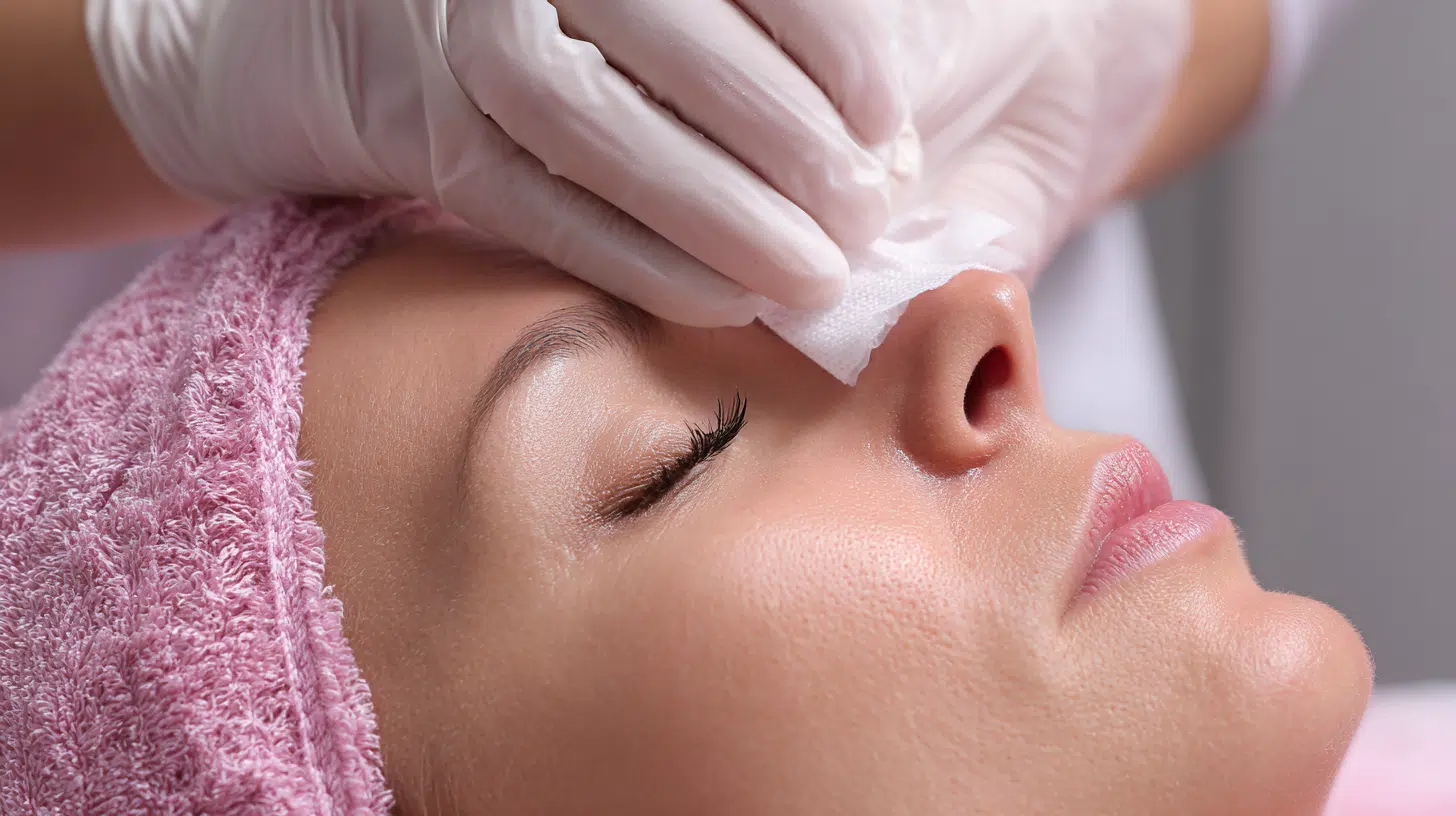
When I booked my first facial for blackheads, I noticed results almost immediately. The main difference was how deeply the skin was cleaned.
Professional facials often combine exfoliation and extraction in one session, which makes a big impact.
The skin is softened and prepped first, so removing blackheads is easier, gentler, and less painful. Another reason they work so well is the tools and techniques professionals use.
They can clear out oil buildup and unclog pores more thoroughly than at-home methods.
Because they’re trained, they know how to work on the skin without leaving marks, causing irritation, or triggering new breakouts.
This makes professional facials a safe and effective option for tackling stubborn blackheads.
When to See a Professional?
There comes a point when at-home treatments just don’t cut it. I’ve had times when I stuck to a routine for weeks and still saw no improvement.
That’s when it’s worth turning to a dermatologist or licensed esthetician for targeted help.
- If you’ve tried home products for 6–8 weeks with little or no change.
- When blackheads are deep, stubborn, or keep coming back quickly.
- If you notice redness, swelling, or possible infection around clogged pores.
- When you want treatments like chemical peels, microdermabrasion, or laser therapy.
- If you need prescription-strength products such as retinoids or topical treatments.
Easy Routine to Keep Blackheads Under Control
I’ve learned that blackhead care works best when you mix consistent home habits with the occasional professional treatment. This keeps pores clear and skin balanced without overdoing it.
| Frequency | Routine Steps |
|---|---|
| Morning | Cleanser with salicylic acid Lightweight moisturizer Sunscreen |
| Evening | Gentle cleanser Retinol or retinoid, a few times a week Exfoliating acid two to three times a week |
| Weekly | Clay mask or hydrating mask Pore strip if needed |
| Monthly | Professional facial or HydraFacial |
| Every Few Months | Chemical peel or microdermabrasion |
| As Needed | Spot treatment with niacinamide or ceramides Extra cleansing after heavy sweating or makeup use |
A balanced routine like this helps you stay consistent while giving your skin what it needs at the right time. Once it becomes a habit, blackhead prevention feels effortless.
Conclusion
If you came here looking for the best blackhead treatment or the best facial for blackheads, you now have plenty of options to consider.
You’ve learned what causes blackheads and how different treatments can target them.
Professional facials can give quick, deep results, while at-home methods help you maintain clear skin over time. Both approaches work best when matched to your skin type and used consistently.
You might start with a gentle cleanser, exfoliating acids, and retinoids, or go straight for a HydraFacial if you want faster results.
The key is choosing what fits your skin’s needs and your budget.
With this guide, you now have the information to decide your next step toward smoother, clearer skin and keep those blackheads from coming back.