Have you ever felt a small bump under your skin and wondered what it could be? I know I have, and it can be worrying when you don’t know the difference between types of cysts.
I’ve spent time learning about the most common ones, especially pilar cysts and sebaceous cysts, because I’ve had friends and family deal with them, and I wanted to understand what’s normal and what needs attention.
In this blog, I’ll walk you through the key differences between the three types of cysts, how they form, and what you might notice about them.
I’ve kept it simple, based on trusted sources and my own experience, so you won’t feel lost in medical jargon.
By the end, you’ll feel more confident identifying each type and knowing when to see a doctor. I’ll get straight to the point and give you clear, practical information you can rely on.
What Is a Cyst?
A cyst is a closed sac or pocket of tissue that can contain air, fluid, or semi-solid material. It forms separately from the surrounding tissues and can develop anywhere in the body.
Most cysts are harmless and benign, often resolving on their own or remaining stable without causing health problems.
However, some may require treatment if they become uncomfortable, inflamed, or grow too large. The most common types of cysts include sebaceous cysts, pilar cysts, and epidermoid cysts.
- Sebaceous cysts, often misnamed, arise from blocked oil glands and contain sebum.
- Pilar cysts, also called trichilemmal cysts, develop from cells linked to hair follicles and are most commonly found on the scalp.
- Epidermoid cysts form from skin cells in the outer layer and are filled with keratin, a protein found in skin and hair.
These cysts usually appear as smooth, slow-growing lumps under the skin. They are generally non-cancerous and only need removal if they cause discomfort or become infected.
What Are Pilar Cysts?
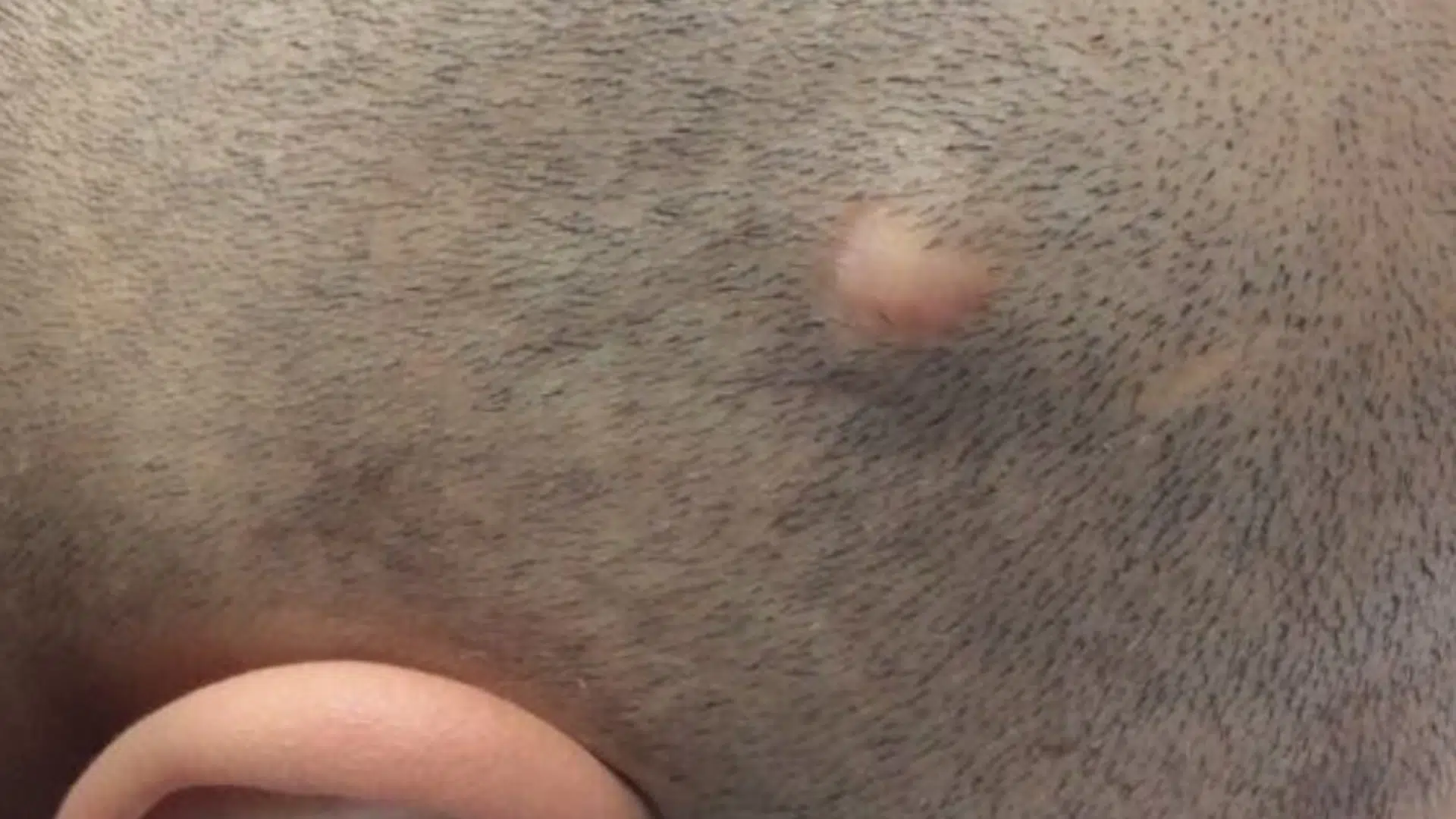
Pilar cysts, also called trichilemmal cysts, are benign lumps filled with keratin that form from the outer root sheath of hair follicles.
They often develop due to a structural variation in the hair follicle and can run in families as an inherited trait.
These cysts most commonly appear on the scalp, making up about 90% of cases, though they can occasionally show up on the face, neck, or other areas.
Pilar cysts usually present as smooth, firm, mobile lumps under the skin. They grow slowly and can range from very small to quite large, sometimes as big as a baseball, but they are generally painless.
Symptoms mainly occur if a cyst becomes infected, inflamed, ruptured, or irritated.
The main differences between pilar and sebaceous cysts are their origin (hair follicle vs. blocked oil gland), typical location (scalp vs. varied), and structure.
Pilar cysts are firmer, lack a central punctum, and contain dense keratin, while sebaceous cysts often have a softer texture and a visible punctum.
Most pilar cysts don’t need treatment unless they cause discomfort or complications.
What Are Sebaceous Cysts?
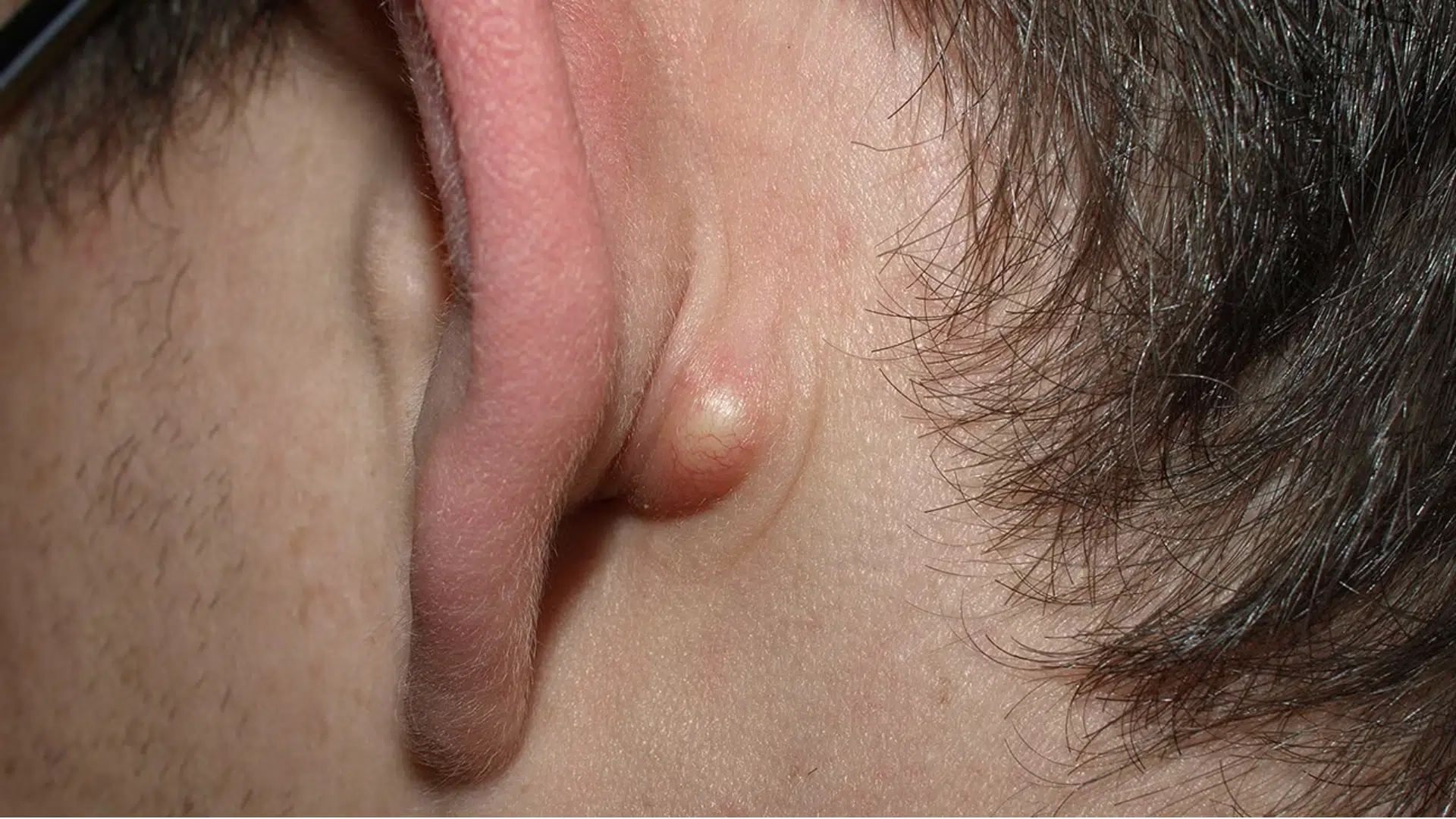
Sebaceous cysts, also called true sebaceous cysts or steatocystomas, are benign lumps that develop from blocked sebaceous (oil) glands.
When a gland’s duct becomes blocked, sebum, the oily substance the gland produces, builds up inside, forming a cyst. These cysts are less common than epidermoid cysts.
Sebaceous cysts can appear almost anywhere on the body, except the palms and soles, but they are most often found on the face, neck, and upper body.
They usually look like smooth, dome-shaped lumps, ranging from a few millimeters to several centimeters.
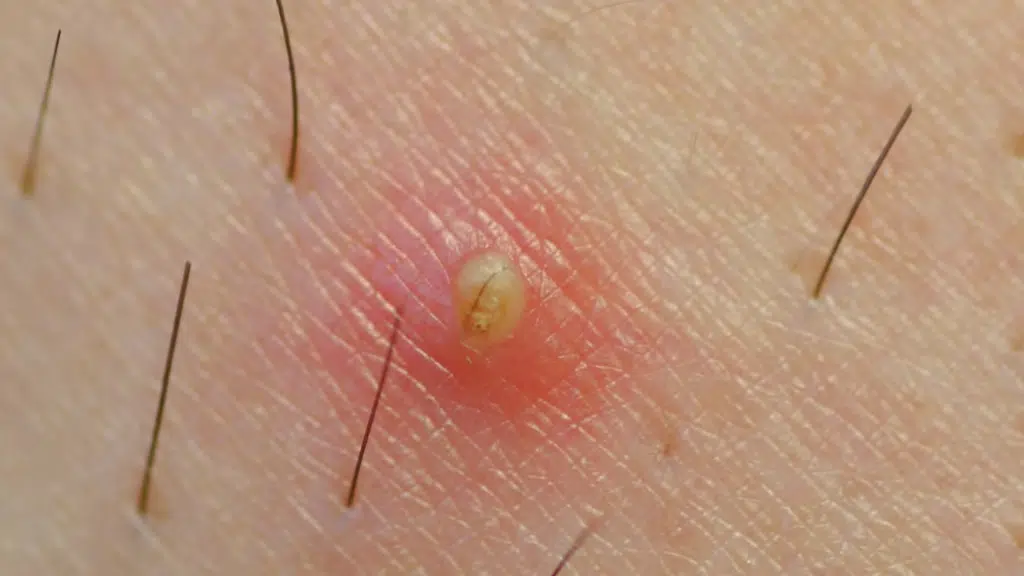
The cysts may be yellow or white and sometimes feature a small central opening called a punctum. Occasionally, a hair may grow through the cyst’s surface.
Most sebaceous cysts are painless, but they can become inflamed, infected, or rupture, causing redness, tenderness, and discomfort.
Pilar Cyst vs Sebaceous Cyst: Side-by-Side Comparison
Understanding the differences between pilar cysts and sebaceous cysts helps in identifying their origin, typical locations, and recurrence patterns. This comparison shows key features for better recognition and management of each type.
| Feature | Pilar Cyst (Trichilemmal Cyst) | Sebaceous Cyst (True Sebaceous Cyst) |
|---|---|---|
| Origin | Arises from the outer root sheath of hair follicles | Arises from blocked sebaceous (oil) glands |
| Typical Location | Mainly scalp (90% cases); sometimes face and neck | Face, neck, upper body, back; can appear almost anywhere except palms and soles |
| Texture/Appearance | Firm, smooth, round lumps under the skin; flesh-colored; usually no central punctum | Dome-shaped, smooth lumps; yellow/white; often with a visible punctum; may have hair on the surface |
| Size | Small to large; occasionally very large (even baseball size) | Usually few millimeters to several centimeters |
| Symptoms | Usually painless; may cause discomfort if inflamed or infected | Usually painless; can become inflamed, infected, or rupture, causing pain and redness |
| Recurrence | Can run in families; potential to recur after removal | Less commonly hereditary; may recur if incompletely removed or gland blockage persists |
| Common Age Group | More common in middle-aged adults; slightly higher in women | It occurs across a wide range of ages, commonly in adults |
| Other Key Points | Contains keratin; lacks a granular cell layer histologically; firmer than sebaceous cysts | Contains oily sebum; true sebaceous cysts are less common than epidermoid cysts; often misnamed |
Sebaceous Cyst vs Epidermoid Cyst: Side-by-Side Comparison
This table highlights the main differences in origin, contents, prevalence, and appearance for a clearer understanding.
| Feature | Sebaceous Cyst (True Sebaceous Cyst / Steatocystoma) | Epidermoid Cyst |
|---|---|---|
| Origin | Blocked duct of a sebaceous (oil) gland | Trapped epidermal (skin) cells from the outer layer |
| Contents | Oily, yellowish sebum | Soft, white, cheesy keratin material |
| Prevalence | Relatively uncommon | Much more common |
| Common Locations | Face, neck, upper body, back | Face, neck, back, scalp, trunk |
| Appearance | Dome-shaped, smooth lump; may be yellow/white; can have hair growth | Often has a central punctum; skin-colored to yellowish |
| Symptoms | Usually painless; may become inflamed, infected, or rupture | Usually painless; can become inflamed, infected, or rupture |
| Key Difference | Originates from the sebaceous gland; contains oily sebum | Originates from skin cells; contains keratin |
| Diagnosis | Sometimes confirmed under a microscope after removal | Sometimes confirmed under a microscope after removal |
Pilar Cyst vs Epidermoid Cyst: Side-by-Side Comparison
This table clearly distinguishes pilar cysts and epidermoid cysts based on origin, location, contents, and other key features.
| Feature | Pilar Cyst (Trichilemmal Cyst) | Epidermoid Cyst |
|---|---|---|
| Origin | Arises from cells at the base of hair follicles (outer root sheath) | Arises from epidermal cells of the skin’s outer layer (epidermis) |
| Common Location | Mostly scalp; can also appear on face, neck, arms, legs | Face, neck, chest, upper back, and scalp |
| Contents | Dense, firm keratin, often described as cottage cheese-like | Soft keratin, toothpaste-like in texture |
| Appearance | Firm, smooth, round nodules; often multiple on scalp; usually flesh-colored | Smooth, round lumps; may have a central punctum; skin-colored to yellowish |
| Symptoms | Usually painless; can become inflamed or infected; may catch on comb | Usually painless unless inflamed or infected; can rupture, causing discomfort |
| Hereditary | Often hereditary; an autosomal dominant trait | Usually not hereditary, except in rare genetic conditions |
| Growth Pattern | Slow-growing; multiple cysts are common on the scalp | Slow-growing; single or multiple cysts anywhere on the skin |
| Histologic Lining | Lining cells resemble the hair follicle root sheath | Lining cells resemble epidermis (skin surface cells) |
| Terminology Note | Often mistakenly called sebaceous cysts, not related to sebaceous glands | Also often misnamed sebaceous cysts; actually epidermal in origin |
Causes and Common Triggers for Cyst Development
Cysts can form due to a variety of factors affecting the skin and hair follicles. Common triggers include:
- Blocked hair follicles: When hair follicles become clogged, keratin accumulates beneath the skin, leading to pilar or epidermoid cyst formation.
- Blocked or dysfunctional sebaceous glands: Trapped oily sebum can cause sebaceous cysts, creating small, often painless lumps.
- Skin trauma or injury: Cuts, abrasions, or repeated friction may push epidermal cells deeper into the skin, triggering cyst development.
- Inflammation or infection: Chronic irritation, acne, or bacterial infections can encourage cyst growth and may cause inflammation or redness.
- Genetic predisposition: Pilar cysts often run in families as an autosomal dominant trait, while some epidermoid cysts are linked to genetic conditions like Gardner syndrome.
- Hormonal changes: Fluctuations in hormones can increase oil production, raising the risk of sebaceous gland blockage.
- Environmental factors: Exposure to irritants, harsh chemicals, or poor hygiene can contribute to cyst formation in susceptible individuals.
Cysts are usually harmless, but understanding their causes can help prevent complications and guide timely care.
When to See a Doctor About a Cyst
Most cysts are harmless, but certain signs mean you should get them checked promptly for safety and peace of mind.
- Infection Signs: Redness, warmth, swelling, pain, or yellow pus are clear indicators of infection that need medical attention.
- Rapid Growth: A sudden increase in size can signal complications or an underlying issue that requires evaluation.
- Persistent Pain or Tenderness: Discomfort around a cyst that doesn’t go away is a reason to consult a healthcare professional.
- Worsening Redness: New or spreading redness may indicate inflammation or infection and should not be ignored.
- Rupture or Leakage: If the cyst splits open or begins oozing fluid or blood, seek medical care immediately.
- Cysts in Sensitive Locations: Cysts near joints, fingers, or toes can easily get irritated and are more prone to complications.
- Cosmetic or Comfort Concerns: Even painless cysts that bother you or affect daily life can be safely treated by a doctor.
Seeing a healthcare provider ensures proper diagnosis, rules out serious conditions, and allows for simple in-office treatments. Most cysts are benign and manageable, so early evaluation is always the safest choice.
Conclusion
I hope this guide has cleared up all your questions about cysts and helped you understand the differences between pilar, epidermoid, and sebaceous cysts.
I know how worrying it can be to notice a lump or bump on your skin, and I wanted to give you clear information so you can feel confident about what’s happening in your body.
From causes and risk factors to prevention tips and knowing when to see a doctor, I’ve covered everything you need to protect your skin and avoid complications. I also explained how genetics, skin care, and lifestyle can influence cyst formation.
By following simple precautions and seeking timely medical advice, you can manage cysts safely.
I hope you feel reassured and equipped to take control of your skin health with confidence and clarity.