Eau de toilette may sound like a fancy fragrance term, but it simply refers to a lighter type of perfume made for everyday use.
Eau de toilette is not as strong as eau de parfum, but it is usually stronger than cologne. That is why many people choose it for daily wear, office use, casual plans, and warm weather.
The main difference comes down to fragrance oil concentration, which affects how strong the scent feels and how long it stays on the skin.
In this blog, you will learn: what does eau de toilette mean, how eau de toilette works, how long it usually lasts, and how it compares with eau de parfum and cologne.
This will help you understand which fragrance type best fits your routine, budget, and personal style.
What Does Eau de Toilette Mean?
Eau de toilette is a type of fragrance with a lighter scent strength than eau de parfum.
It has fragrance oils mixed with alcohol and water, so the smell feels fresh, clean, and easy to wear. In simple words, it gives you a noticeable scent without feeling too heavy on the skin or in the air.
Eau de toilette is usually stronger than many colognes, but it does not last as long as richer perfume types.
This makes it a good middle option for people who want a pleasant fragrance for daily use.
It works well when you want to smell good without using something too intense. That is why eau de toilette is often seen as an everyday fragrance choice.
“Toilette” in French does not mean toilet. It refers to the old ritual of getting ready: washing, dressing, and finishing with a scented water. The phrase “faire sa toilette” simply means “to get ready,” and the term stuck even as the English word “toilet” went on to mean something else entirely.
Eau de Toilette Concentration Explained
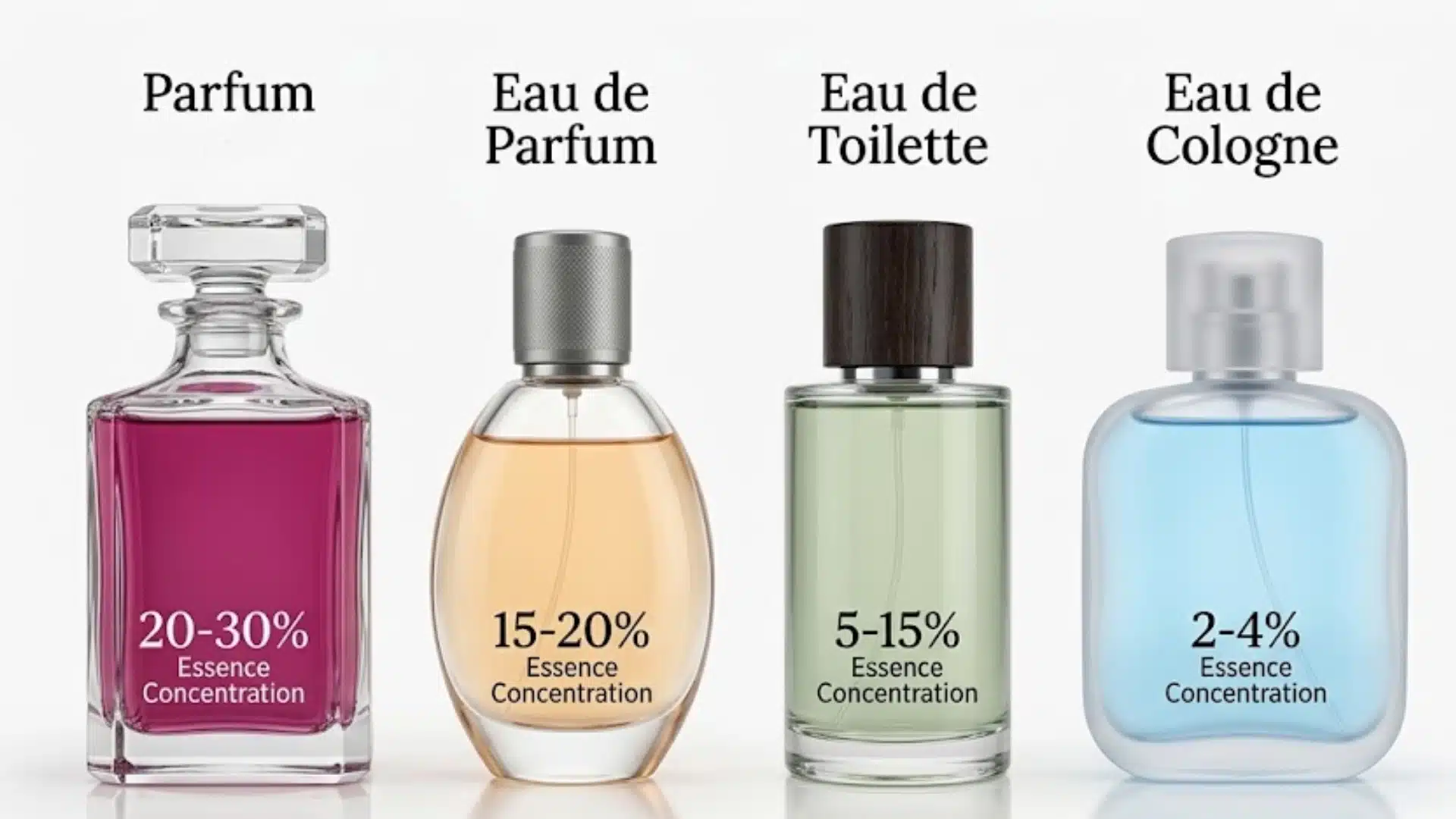
Fragrance oil concentration means how much scented oil is mixed into a fragrance. The rest is usually alcohol and water. Eau de toilette usually contains a medium level of fragrance oil. This is why it smells noticeable but not too strong.
- Fragrance oil level: Eau de toilette typically contains 5% to 15% fragrance oil, sitting between lighter colognes and stronger eau de parfum.
- Smell strength: A higher fragrance oil concentration usually makes the scent feel richer, more noticeable, and more defined after application.
- Lasting power: More fragrance oil often helps the scent stay on the skin longer before it begins to fade.
- Projection: Concentration can affect how far the fragrance travels, especially during the first few hours after spraying
This is why eau de toilette feels balanced. It also tends to cost less than an eau de parfum from the same line, since less of the raw fragrance oil goes into each bottle.
How Long Does Eau de Toilette Last?
Eau de toilette usually lasts around 3 to 5 hours on the skin, but this can change from person to person. This is one reason people ask what eau de toilette means when comparing fragrance types.
- Skin type: Oily skin may hold fragrance longer because it retains moisture, while dry skin can make the scent fade faster.
- Weather: Warm weather can make eau de toilette project more strongly at first, but heat may also shorten wear time.
- Brand and formula: Some eau de toilette sprays last longer because of higher-quality ingredients, stronger notes, or better fragrance construction.
- Application: Spraying on pulse points, clothes, or moisturized skin can help the fragrance cling better and last longer.
Since eau de toilette is lighter than eau de parfum, it may need reapplying during the day, especially after travel, sweating, or long outdoor hours.
If you’re packing one for a trip, it’s worth checking whether your bottle even counts as a carry-on liquid before you fly. Our TSA liquid rules guide breaks down what counts and what doesn’t.
How to Apply Eau de Toilette Properly?
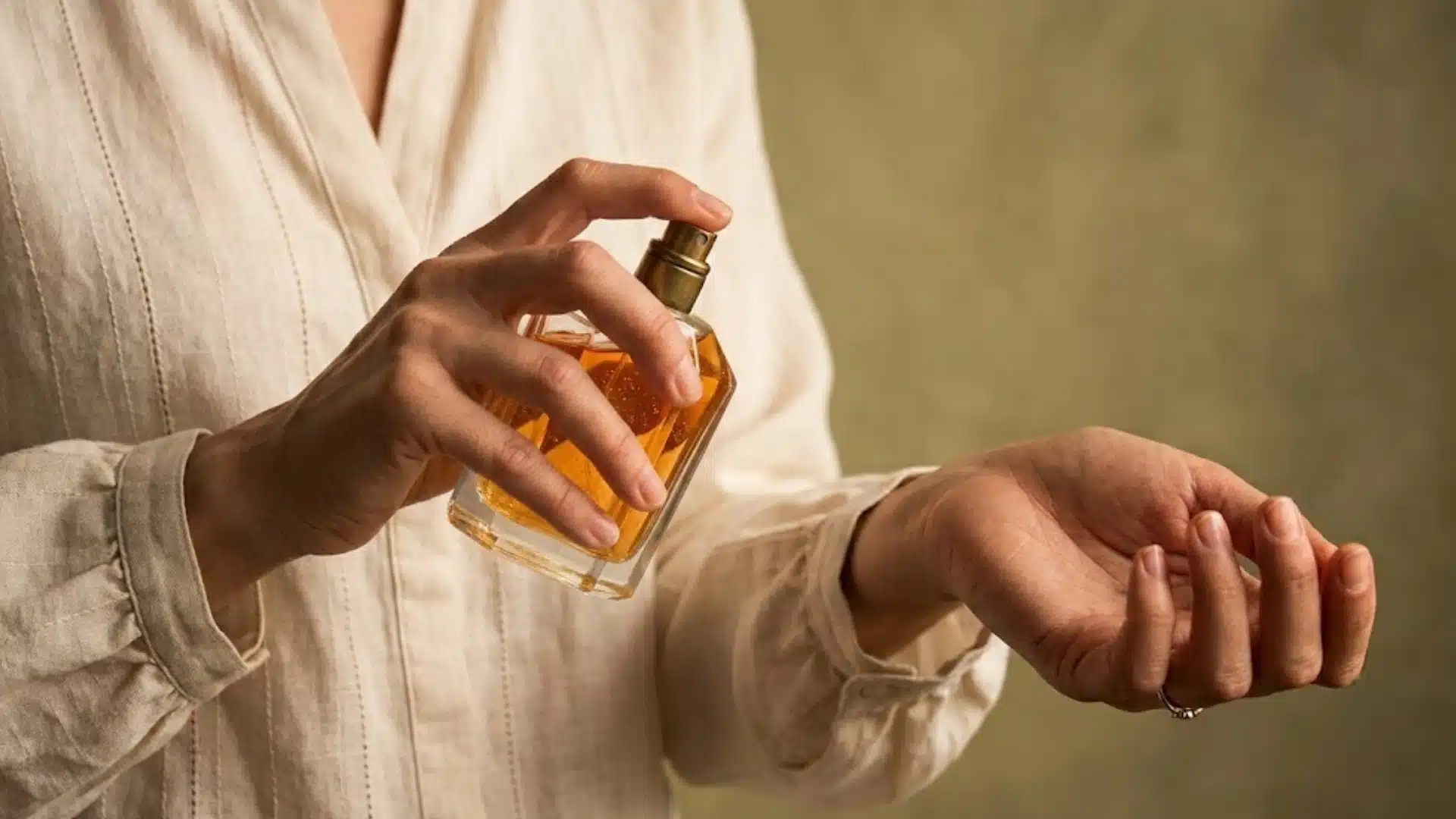
Applying eau de toilette the right way helps the scent last better, smell balanced, and feel pleasant without becoming too strong.
1. Apply to Pulse Points
Pulse points are warm areas of the body where fragrance can spread more naturally. Common spots include the wrists, neck, the backs of the ears, and the insides of the elbows.
These areas help the scent open up slowly as your body heat warms it. You do not need to spray everywhere.
A few careful sprays are enough for most daily use. This keeps the fragrance noticeable without making it too strong for people nearby.
2. Do Not Rub the Fragrance
Many people spray fragrance on their wrists and rub them together, but this can change how the scent develops.
Rubbing can break down the top notes faster, which may make the fragrance fade sooner or smell different than intended. After spraying, let the eau de toilette dry on its own.
This helps the scent settle properly on your skin. It also allows each layer of the fragrance to come through more smoothly.
3. Use Fewer Sprays for Closed Spaces
Eau de toilette is lighter than some perfume types, but it can still feel strong in small or closed spaces.
Places like offices, classrooms, elevators, cars, and meeting rooms do not need too much scent. Two or three sprays are usually enough for regular use.
If the fragrance is already bold, use even less. The goal is to smell fresh when someone is near you, not fill the whole room.
4. Reapply Lightly if Needed
Since eau de toilette usually lasts a few hours, it may need a light reapplication during the day. This is especially true after sweating, traveling, or spending time outdoors.
Do not spray too much at once, because leftover scent may still be on your skin or clothes.
One or two sprays can refresh it without making it heavy. Carrying a small travel spray can help when you need a quick touch-up.
5. Store it Away from Heat and Sunlight
Good storage helps eau de toilette retain its scent longer. Heat, sunlight, and humidity can affect the fragrance and make it change faster.
Avoid keeping it near windows, inside cars, or in the bathroom. A cool, dry drawer, shelf, or closet works better.
Keep the cap closed after use so air does not get in too much. Proper storage helps the scent stay fresh and closer to its original state.
Fragrance Types Compared by Strength and Longevity
Use this table to compare each fragrance type by concentration, strength, longevity, and the kind of use it usually suits best.
| Fragrance type | Concentration | Strength | Lasting time | Best for |
|---|---|---|---|---|
| Eau de toilette | 5% to 15% | Medium and fresh | Around 3 to 5 hours | Daily wear, office, casual plans, and warm weather |
| Eau de parfum | 15% to 20% | Stronger and deeper | Around 5 to 8 hours | Evening use, dates, events, and longer days |
| Cologne | 2% to 4% | Light and fresh | Around 2 to 3 hours | Quick refresh, after shower use, and hot weather |
| Perfume or parfum | 20% to 30% | Rich and intense | Around 8 to 12 hours or more | Special occasions, formal events, and long-lasting scent |
When Should You Wear Eau de Toilette?
Eau de toilette works best when you want a fresh, noticeable scent that feels light enough for regular daytime use.
- Daily use: Eau de toilette is easy to wear every day because it gives a pleasant scent without feeling too sharp, heavy, or overpowering.
- Office: It works well in shared spaces when applied lightly, as the scent can stay fresh without disturbing coworkers or clients.
- School or college: It offers a clean, simple fragrance that feels fresh during classes, study sessions, and regular campus activities.
- Casual outings: It suits relaxed plans like shopping, lunch, coffee meetups, short walks, or spending time with friends.
- Warm weather: Its lighter feel makes it a good choice for summer, humidity, and daytime outdoor use, where stronger scents may feel too much.
- Daytime events: It fits brunches, travel, family visits, and casual events where a softer fragrance feels more natural and comfortable.
Is Eau de Toilette Worth Buying?
Eau de toilette is worth buying if someone wants a fragrance that feels fresh, simple, and easy to wear.
It works well for people who want a scent others can notice but not one that feels too heavy or too strong.
This makes it a safe choice for beginners and for anyone who likes lighter fragrances.
One thing worth knowing before you buy: EDT generally carries a higher proportion of alcohol than eau de parfum or pure perfume.
That can make it feel slightly drying on very sensitive skin, so it helps to apply it over a light, unscented moisturizer if your skin tends to react.
However, it may not be the best choice for those seeking a fragrance that lasts all day without reapplying.
Since eau de toilette is lighter than eau de parfum or parfum, it may fade sooner and need a small refresh later.
Common Mistakes People Make With Eau de Toilette
Small fragrance mistakes can change how eau de toilette smells, lasts, and feels around other people during daily use.
- Spraying too much: Eau de toilette is lighter than some perfume types, but too many sprays can still feel sharp or distracting. A few sprays are usually enough for daily wear.
- Rubbing wrists together: Rubbing the fragrance after spraying can affect how the scent opens on the skin. Let it dry naturally so the notes settle properly.
- Expecting it to last like eau de parfum: Eau de toilette usually has a lower concentration than eau de parfum, so it may fade faster. A light reapplication may be needed later.
- Storing it in the bathroom: Heat, steam, and humidity can weaken the fragrance over time. Keep it in a cool, dry place away from sunlight.
- Buying only by concentration: Concentration matters, but scent notes matter too. A lighter fragrance with strong notes may feel bolder than expected.
Conclusion
Eau de toilette is a lighter fragrance option made for everyday use. It gives a fresh, noticeable scent without being too strong, making it useful for work, school, casual plans, daytime events, and warm weather.
It usually sits between stronger perfume types and lighter colognes, so it feels balanced for people who want something easy to wear.
If you were wondering what eau de toilette means, the main idea is simple. It has a medium fragrance oil concentration, lasts a few hours, and may need a light reapplication during the day.
The best choice depends on where you plan to wear it, how warm the weather is, and what scent style feels right on your skin.
Do you prefer lighter daily scents or stronger long-lasting fragrances? Comment below and share which fragrance type works best for you.
Frequently Asked Questions
Does Eau De Toilette Smell Different from Eau De Parfum?
Yes, it can smell slightly different, even if both come from the same fragrance line. Eau de toilette often feels brighter, fresher, and more open at first. Eau de parfum may smell deeper, warmer, or richer because the formula can be adjusted with different notes and oil levels.
Can Eau De Toilette Expire?
Yes, eau de toilette can expire or change over time. Most bottles stay good for about 3 to 5 years if stored properly. If the color changes, the smell turns sour, or the scent fades quickly, it may no longer be fresh.
Can Eau De Toilette Be Layered with Other Scents?
Yes, eau de toilette can be layered, but it should be done carefully. Use light-matching products, such as unscented lotion or a body wash from the same fragrance line. Mixing too many strong scents can make the final smell confusing or too heavy.
How Many Sprays Of Eau De Toilette are Enough?
Two to four sprays are usually enough for daily wear. Use fewer sprays in closed spaces and slightly more for outdoor or casual settings.