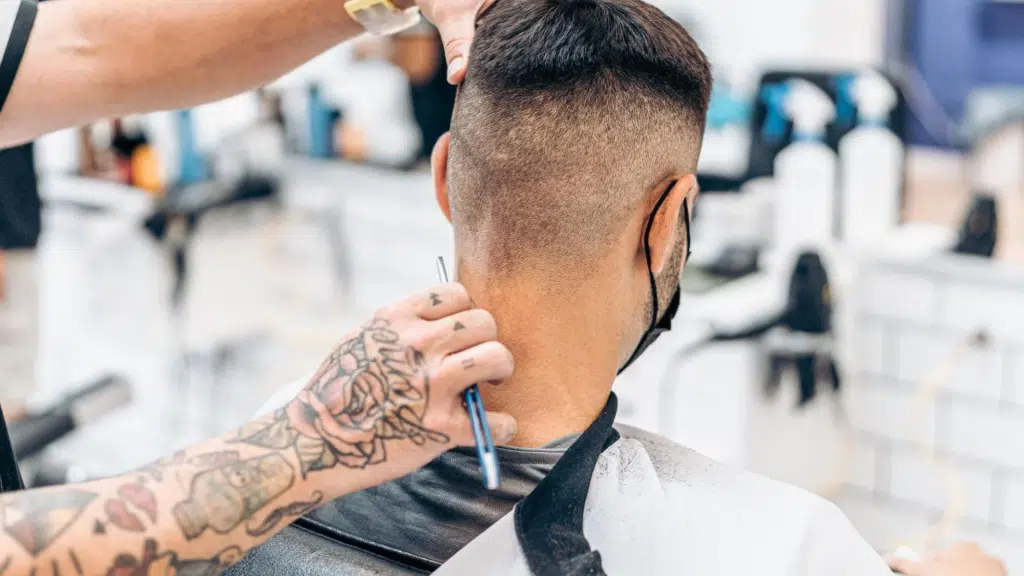
When I first sat in a barber’s chair and asked for a “fade,” I had no idea I’d get hit with follow-up questions like zero or skin? At the time, I just nodded and hoped for the best.
That’s the thing, if you don’t know the difference, you might walk out with something totally different from what you pictured.
In this article, I’ll break down exactly what a zero fade is, what a skin fade is, and how they compare.
I’ll also share how to pick the right one based on your hair type, face shape, and lifestyle.
By the end, you’ll know exactly what to ask for, so there are no surprises in the mirror.
What Is a Skin Fade?
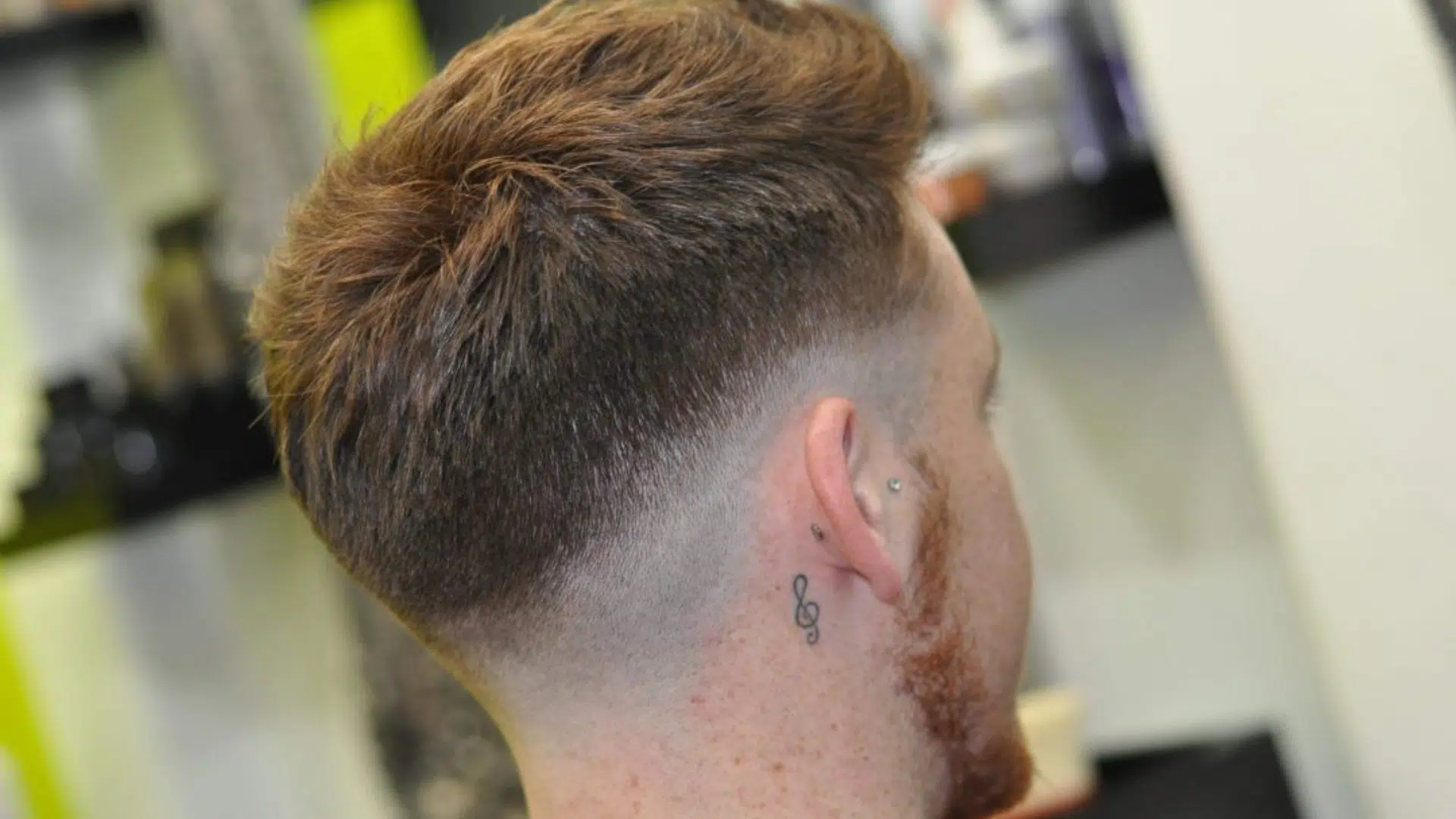
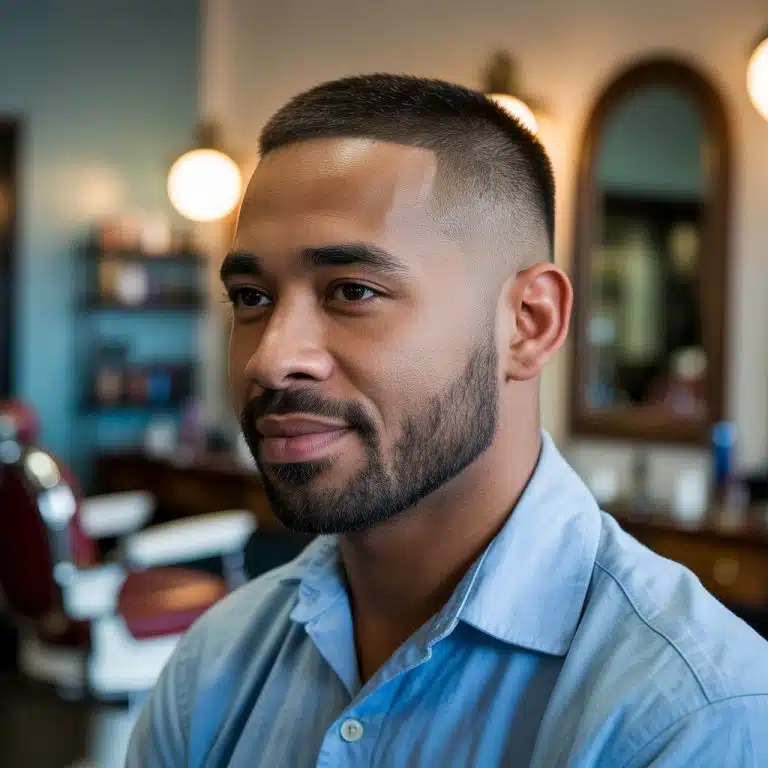
A skin fade, often called a bald fade, is a haircut where the hair tapers all the way down to bare skin at the bottom. Barbers usually start with clippers, then use a razor for that extra-smooth finish.
There’s no stubble. It’s just a clean, polished look.
What makes it Special?
- High contrast: The jump from skin to longer hair is bold and eye-catching.
- Clean lines: The fade looks sharp and modern.
Because of that crisp look, skin fades need more upkeep than softer fades. Most people find they’re back in the barber’s chair every 2–3 weeks. And since your scalp is exposed, it’s worth taking care of it.
Moisturizing to prevent dryness and using sunscreen if you’re spending time outdoors. That way, it stays looking sharp and your skin stays healthy.
What Is a Zero Fade?
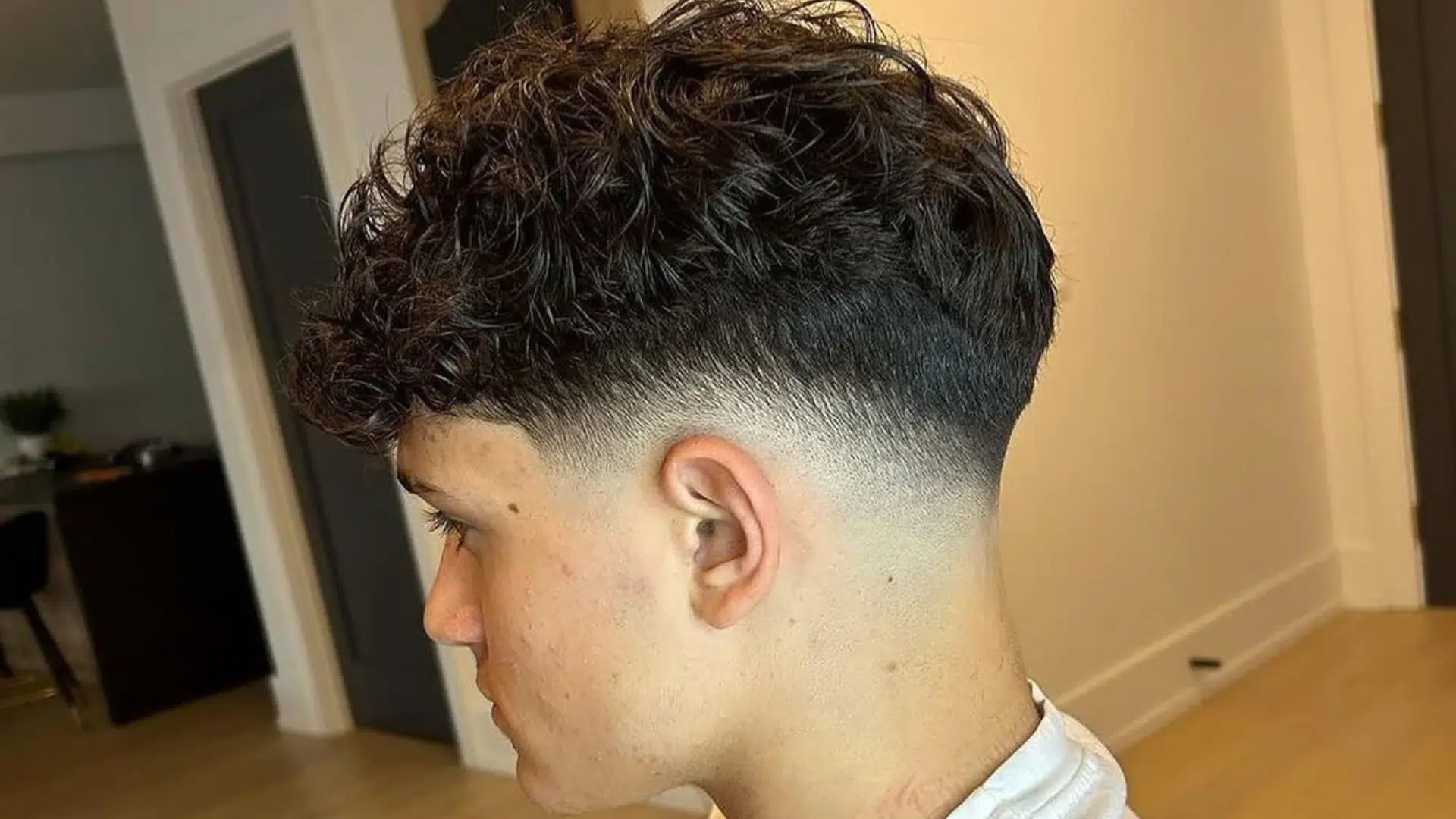
A zero fade is a cut where the barber uses a zero guard on the clippers, leaving about half a millimeter of hair at the shortest point. It’s very short, but not completely down to the skin. You’ll still see a faint shadow of hair.
Why do some people prefer it?
- Softer look – You get the clean fade shape without such a sharp jump.
- Less contrast – Blends more naturally into the rest of your hair.
Because it doesn’t go all the way to bare skin, a zero fade is lower maintenance than a skin fade. You can usually go 3–4 weeks between cuts before it starts to lose its shape.
And since there’s still a little stubble, there’s less need for extra scalp care, no daily moisturizing or sunscreen unless you just want the extra protection.
Zero Fade vs Skin Fade: Key Differences
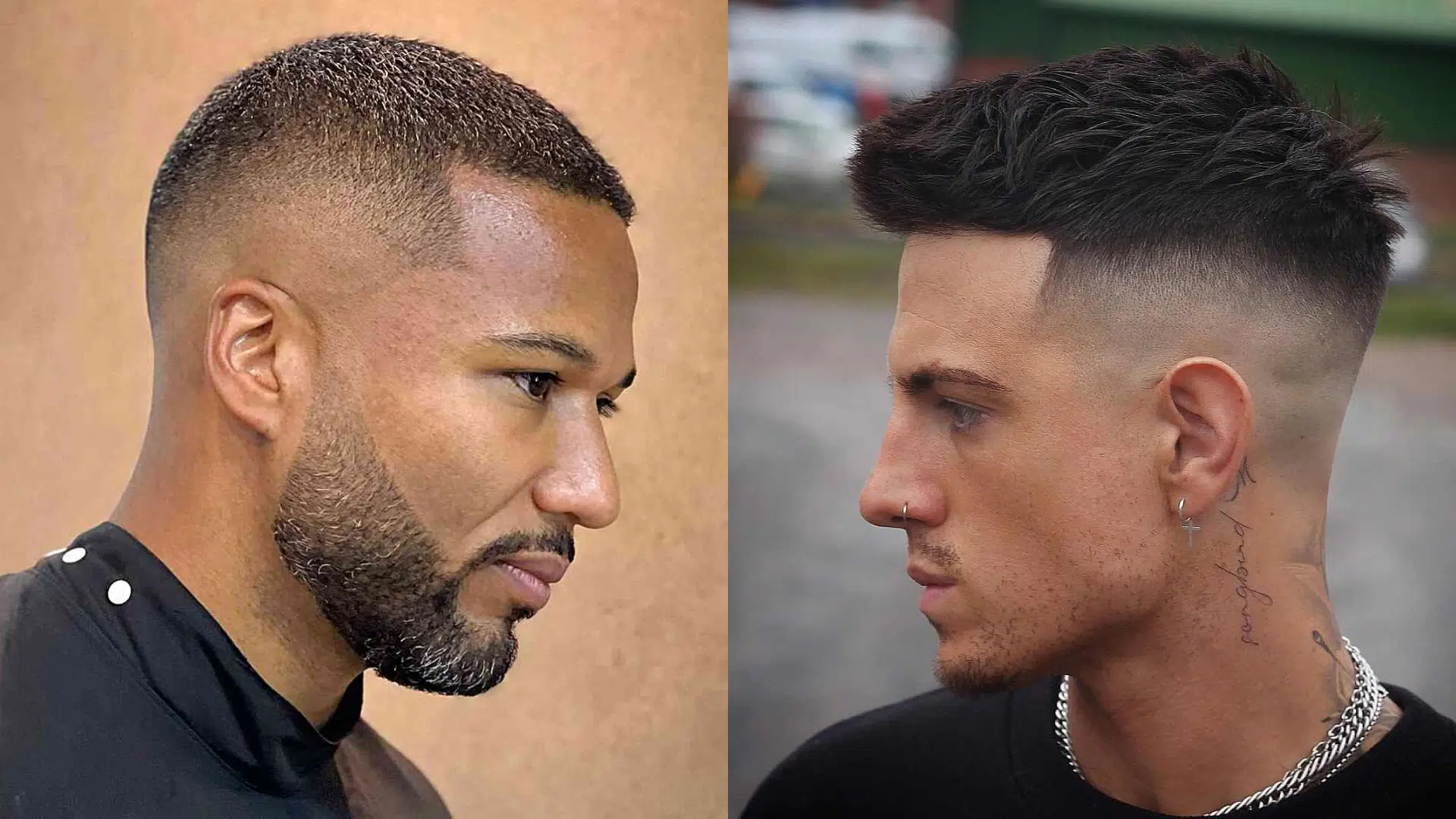
Both a zero fade and a skin fade are variations of the same fade technique, but the end result can look and feel very different. The cut can be done as a low, mid, or high fade.
A quick glance at the comparison table can save you time reading through the points in detail:
| Feature | Zero Fade | Skin Fade |
|---|---|---|
| Base length | ~0.5 mm stubble | Bare skin |
| Look | Soft, shadow-like | Sharp, high contrast |
| Maintenance | 3–4 weeks | 2–3 weeks |
| Scalp care | Minimal | Moisturizing + sunscreen |
| Vibe | Subtle, low-key | Bold, statement style |
The real difference comes down to that last bit at the bottom, where you see if it’s bare skin or just a shadow of hair.
1. Base Length
A zero fade leaves about 0.5 mm of hair at its shortest point, created with a zero guard on the clippers. You’ll see a faint shadow, but not bare skin. A skin fade, on the other hand, is taken all the way down to the scalp.
Barbers start with clippers and then use a razor for a smooth, clean finish. This difference in length is the main factor that separates the two styles at first glance.
2. Look
The zero fade gives a softer, more natural transition from short to longer hair.
It’s a shadow-like effect that blends in without drawing too much attention. The skin fade creates a sharper, bolder contrast between the bare skin and the hair above it.
It’s a clean, high-impact look that stands out more and often feels more modern or fashion-forward compared to the understated zero fade.
3. Maintenance
A zero fade holds its shape for around 3–4 weeks before it starts to grow out noticeably. The blend stays smooth longer because there’s still a little stubble at the bottom.
A skin fade, though, loses its sharp edge faster. As the hair grows back, the clean skin-to-hair transition becomes less defined, so most people go in for a touch-up every 2–3 weeks to keep it looking fresh.
4. Scalp Care
With a zero fade, there’s minimal upkeep for the scalp since a thin layer of hair still covers it. You can stick to your normal hair routine without adding much extra care.
A skin fade leaves the scalp completely exposed, so moisturizing is important to prevent dryness. If you spend time outdoors, sunscreen is also essential to protect against sunburn, since there’s nothing covering the skin anymore.
5. Vibe
The zero fade has a low-key, understated vibe that works well in professional or traditional settings. It’s stylish without being overly bold.
The skin fade, in contrast, makes a strong statement. Its sharp lines and high contrast give it a modern, attention-grabbing look that’s great if you want your haircut to stand out.
The choice depends on if you prefer a subtle or striking look.
Both fades can be done low, mid, or high, depending on how far up the head the fade starts. The difference is all in that last bit at the bottom.
Choosing Based on Hair Type, Face Shape, and Lifestyle
I’ve learned over the years that the “best” fade isn’t just about what’s trendy, it’s about what works for you.
| Factor | Zero Fade | Skin Fade |
|---|---|---|
| Hair Type | Softer, fuller look for fine or straight hair. Doesn’t show much scalp. | Holds shape well in coarse or thick hair. Keeps edges crisp. |
| Face Shape | Softens strong, angular features for a balanced look. | Higher fade can make round faces appear longer and more defined. |
| Lifestyle | Practical for everyday wear and professional settings. Lower maintenance. | Sharp, standout style is great for nights out or bold, modern day-to-day wear. |
Pick the fade that feels right for you, and it’ll always look like the perfect choice.
How to Ask Your Barber for a Zero or Skin Fade?
The first time I got a fade I really liked, it was because I finally explained it clearly. This is how you can do the same:
- Use the exact terms: “zero fade” or “skin fade.”
- Say how high you want the fade: low, mid, or high.
- Bring a photo. It’s easier than trying to describe with words.
- Talk about how often you want to maintain it.
A clear request makes all the difference. The more specific you are, the closer you’ll get to the cut you pictured.
Maintenance & Scalp Care Tips
Keeping your fade looking fresh isn’t just about getting the cut. It’s about looking after it in between visits. This is how to keep both zero fades and skin fades in top shape:
- Brush daily and trim a zero fade every 3–4 weeks.
- Moisturize your scalp with a skin fade to prevent dryness.
- Use sunscreen with a skin fade if you’ll be outdoors often.
- Trim a skin fade every 2–3 weeks to keep it sharp.
With the right care, your fade will keep its shape and style longer, so you can enjoy that fresh-cut look between appointments.
Conclusion
By now, you know the difference between a zero fade and a skin fade isn’t just about how short the hair is. It’s about the final look, how often you’ll need to maintain it, and the kind of style statement you want to make.
A skin fade delivers bold contrast and sharp edges, while a zero fade offers a softer, more blended finish. Each has its own strengths, depending on your hair type, face shape, and lifestyle.
You’ve also got the tools to clearly explain what you want to your barber and keep your cut looking fresh between visits.
So if you want a clean, eye-catching fade or a low-key, low-maintenance style, you can now choose with confidence.
The next time you sit in that chair, you’ll know exactly what to ask for and get the cut you pictured.