I’ve learned that my skin needs different care in the morning and at night. During the day, it faces sunlight, pollution, dirt, and even stress.
At night, it finally gets to rest and repair itself. Because of these changes, my skincare routine isn’t the same all the time.
The products I use and the order I follow depend on the time of day and what my skin needs most.
In this guide, I’ll share the unique purposes, simple steps, and benefits of both morning and night routines, so you can understand how they work together to keep skin healthy, strong, and glowing.
Why are Morning and Night Routines Different?
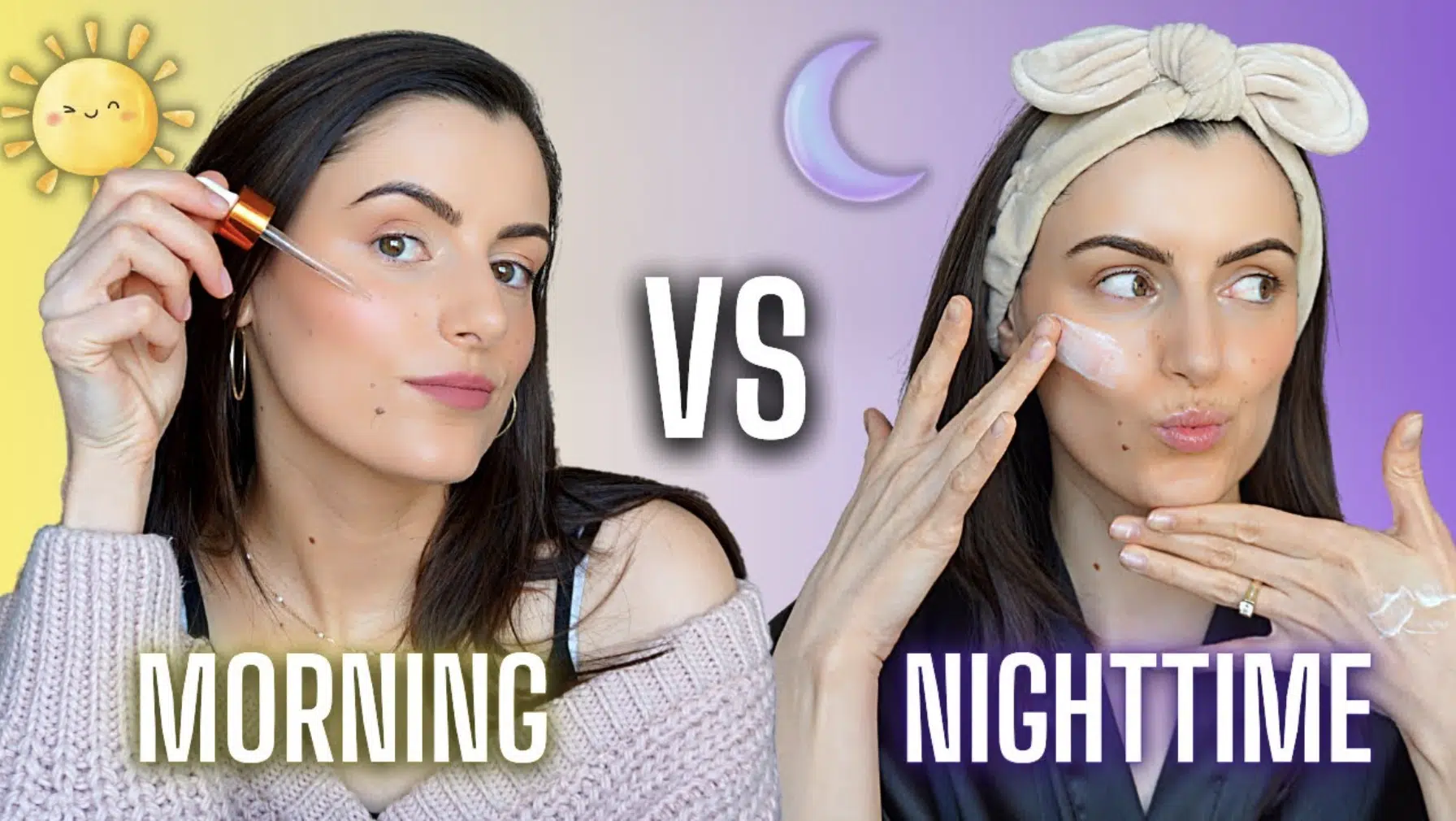
Skin has its own daily cycle. During the day, it works to protect itself from the sun, pollution, dust, and other things in the air.
Makeup, sweat, and dirt can also collect on the skin, so morning care is about cleaning gently and adding products that protect.
At night, the skin switches to repair mode. This is the time when new skin cells grow, collagen is made, and moisture is restored.
Since there is no sunlight or pollution, skincare products can work better and go deeper into the skin.
Morning routines help build a shield against daily damage, while night routines focus on fixing and feeding the skin.
Both are needed to keep skin healthy, smooth, and balanced.
Morning Skincare Routine: Protect & Prepare
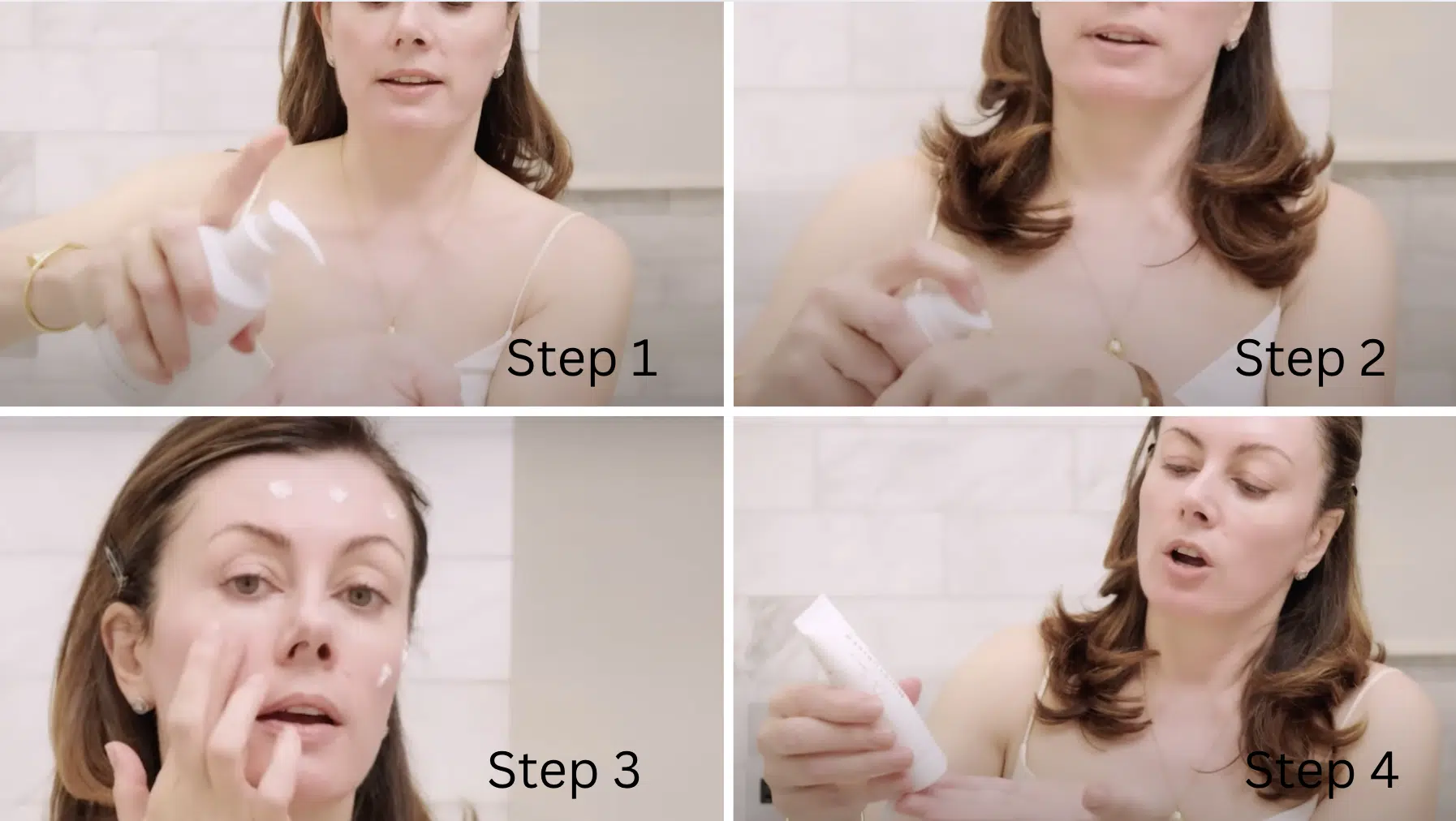
The morning routine helps protect skin from the sun’s UV rays, pollution, and other things in the air that can cause damage. It also creates a smooth, fresh base for makeup if it’s worn.
Step 1: Gentle Cleanser
A gentle cleanser is the first step in the morning routine. Overnight, skin can build up natural oils, sweat, and traces of skincare from the night before.
A mild, non-stripping cleanser removes these impurities without taking away moisture. This helps the skin feel fresh and ready for the day.
Look for a formula that suits your skin type: gel for oily skin, cream for dry skin, or foam for normal to combination skin. Washing with lukewarm water is best to avoid dryness or irritation.
Step 2: Antioxidant Serum
Vitamin C serum is a popular choice for the morning because it brightens the skin and protects it from daily damage caused by the sun and pollution.
Antioxidants like Vitamin C fight free radicals, which are unstable molecules that can cause aging and dullness.
Apply a few drops after toner, gently pressing them into the skin. For sensitive skin, pick a lower concentration. Always store Vitamin C serum away from direct light.
Step 3: Lightweight Moisturizer
A lightweight moisturizer keeps skin hydrated without feeling heavy or greasy during the day. It helps lock in moisture from earlier steps and creates a smooth surface for makeup if used.
Gel-based moisturizers work well for oily or combination skin, while light lotions are great for normal to dry skin. Ingredients like glycerin, aloe vera provide hydration without clogging pores.
Apply evenly over the face and neck, using upward motions to support the skin’s firmness. Avoid overly thick creams in the morning as they can feel heavy.
Step 4: Sunscreen (SPF 30+)
Sunscreen is the most important part of a morning skincare routine. It protects skin from harmful UV rays that cause sunburn, premature aging, and even skin cancer.
SPF 30 or higher is recommended for daily use. Choose a broad-spectrum sunscreen that shields against both UVA and UVB rays.
Apply generously to the face, neck, and any exposed areas, even on cloudy or cold days. Reapply every two hours if outdoors.
Quick Tips
These small steps can make your morning skincare routine work even better. Follow these tips to keep your skin healthy, protected, and fresh all day.
- Pick products that feel light on the skin and absorb quickly.
- Always wear sunscreen, even on cloudy or rainy days.
- Apply skincare products from thinnest to thickest in texture.
- Use gentle motions when applying to avoid pulling the skin.
- Don’t forget to cover your neck and ears with sunscreen.
- Let each product soak in for a minute before the next step.
Night Skincare Routine: Repair & Restore
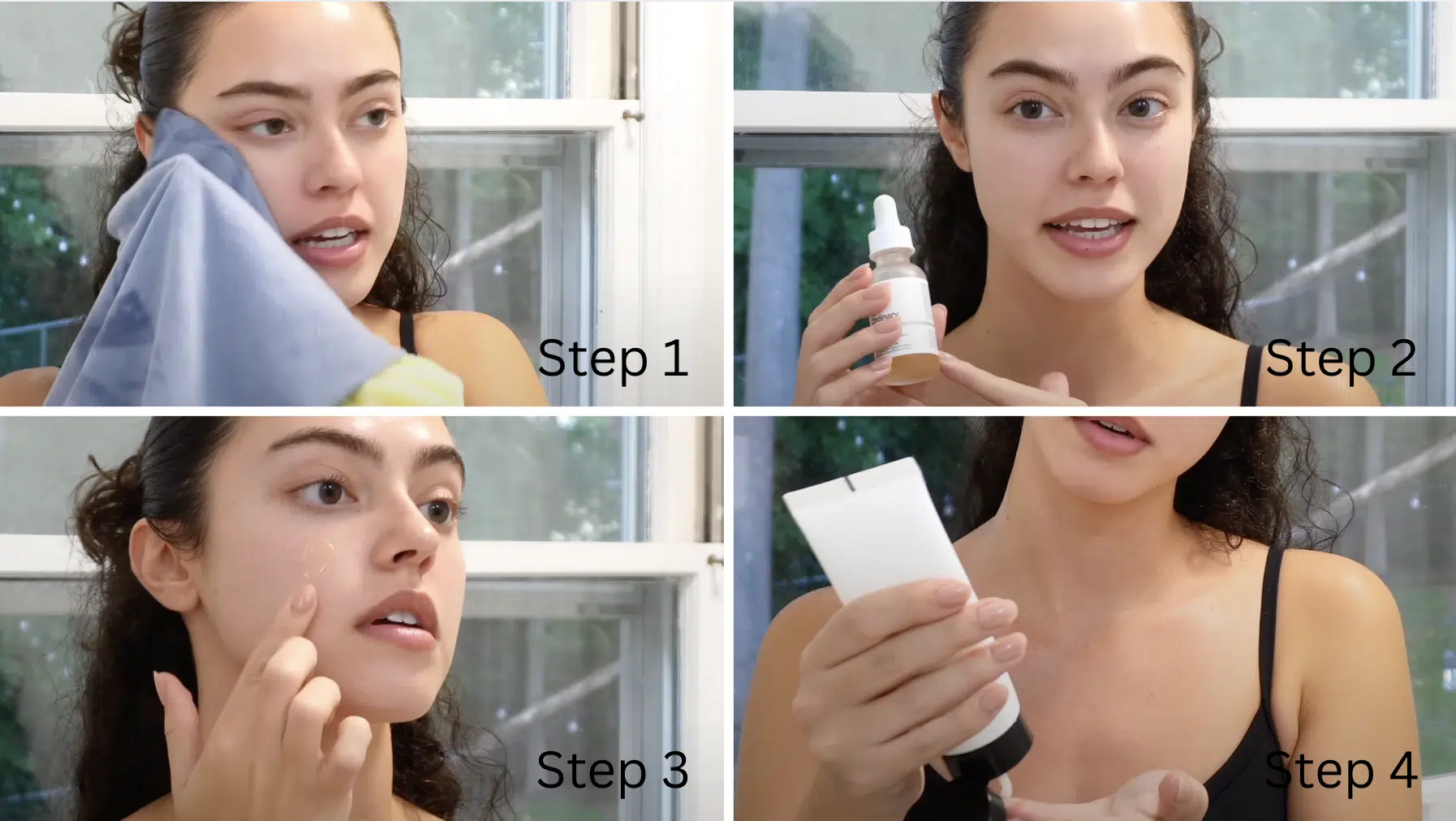
At night, the skin works hard to repair itself after the day. A night routine supports this natural healing process and helps fix concerns like fine lines, acne, dryness, or uneven skin tone.
Step 1: Gentle Cleanser
After removing makeup or sunscreen, a gentle water-based cleanser washes away any remaining dirt, oil, and impurities.
This step ensures the skin is completely clean without removing its natural protective oils. Choose a mild, hydrating formula that doesn’t leave the skin feeling dry or stretched.
Use lukewarm water and avoid scrubbing to prevent irritation, keeping the skin calm and ready for treatment products.
Step 2: Exfoliation (2–3 times a week)
Exfoliation removes dead skin cells, unclogs pores, and helps new, healthy cells appear on the surface. It can make the skin smoother and allow other products to work better.
There are two types: physical (scrubs) and chemical (AHAs or BHAs). Chemical exfoliants are often gentler and more effective for regular use.
Only exfoliate two to three times a week at night, as overdoing it can cause redness or dryness. Always follow with hydrating products afterward to soothe and protect the skin.
Step 3: Hydrating or Treatment Serum
Serums are powerful products that target specific skin needs. At night, hydrating serums with hyaluronic acid help keep skin plump and soft.
Peptides can also help repair and strengthen skin overnight. Apply a few drops after cleansing and exfoliating, gently pressing them into the skin.
If using retinol, start with a low concentration and apply every other night to avoid irritation. Always follow with a rich moisturizer to lock in the benefits.
Step 4: Rich Moisturizer or Overnight Mask
Night is the perfect time to use a thicker cream or overnight mask because the skin naturally repairs itself while you sleep.
These products lock in moisture, strengthen the skin barrier, and give active ingredients more time to work. Look for formulas with ceramides, shea butter, or plant oils to restore hydration.
Apply evenly over the face and neck as the last step in the routine. An overnight mask can be used a few times a week for an extra boost of moisture and softness.
Quick Tips
These tips make a night skincare routine more effective and gentle on the skin. Follow them to help your skin repair, stay healthy, and wake up looking fresh.
- Skip sunscreen at night and focus on products that feed and repair the skin.
- Use strong ingredients like retinol or acids on alternate nights to avoid dryness.
- Always remove makeup and sunscreen before starting your night routine.
- Apply products from the lightest texture to the heaviest for best absorption.
- Give each product a minute or two to soak in before applying the next one.
- Use a separate pillowcase for skincare nights with heavy creams or masks.
- Don’t forget to treat the neck and chest area, not just the face.
- Keep night products in a cool, dry place to protect their quality.
Morning vs Night Skincare Routine: Key Differences
Morning and night skincare routines serve different purposes. This table shows the main differences so you can see how each routine supports your skin in its own way.
| Aspect | Morning | Night |
|---|---|---|
| Primary Goal | Protect | Repair |
| Key Products | Sunscreen, antioxidants | Retinol-rich moisturizers |
| Texture | Lightweight | Nourishing, richer |
| Frequency of Actives | Minimal | Higher concentration |
| Focus | Shield against the sun and pollution | Support the skin’s natural repair |
| Best Time for Actives | Limited (gentle products only) | Stronger treatments and serums |
| Hydration Level | Light hydration to avoid heaviness | Deep hydration to restore moisture |
| Main Benefit | Prevent damage | Heal and improve skin overnight |
Common Mistakes to Avoid
Small skincare mistakes can affect how well your routine works. Avoid these habits to keep your skin healthy, balanced, and looking its best.
- Not using sunscreen in the morning: Leaves skin unprotected from harmful UV rays.
- Using strong treatment products in the morning: Retinol or strong acids can make skin more sensitive to sunlight.
- Skipping moisturizer: Even oily skin needs hydration to stay healthy.
- Washing your face with hot water: It can strip natural oils and make your skin dry.
- Using too many new products at once: This can confuse your skin and cause irritation.
- Scrubbing or exfoliating too much at night: This can damage your skin barrier and cause redness.
- Sleeping with makeup on: Blocks pores and can cause breakouts.
- Ignoring your neck and hands: These areas also need care and protection.
- Not removing sunscreen at night: Can clog pores and lead to dull skin.
Conclusion
I’ve learned that having a separate skincare routine for morning and night makes a big difference in how my skin looks and feels.
In the morning, I focus on protecting my skin from the sun, pollution, and other things that can cause damage during the day.
At night, I give my skin the chance to repair and get the moisture and nutrients it needs while I sleep.
Being consistent with both routines has helped me keep my skin healthier and more balanced over time.
If you’re just starting out, I recommend keeping it simple.
Begin with a few basic steps, and once you feel comfortable, you can add more products that target your skin’s specific needs.