I remember my first acne facial. I was nervous, unsure what the process would entail or if it would actually help my breakouts.
I’d tried scrubs, masks, and endless products at home, but nothing seemed to work for long.
When I finally booked one with a licensed esthetician, I realized it was nothing like a regular spa facial. It was targeted, detailed, and felt like a proper plan for my skin.
In this guide, I’ll walk you through what an acne facial is, the benefits, what happens during the treatment, and which types are best for acne-prone skin.
By the end, you’ll know exactly what to expect and how to decide if it’s right for you.
What is an Acne Facial?
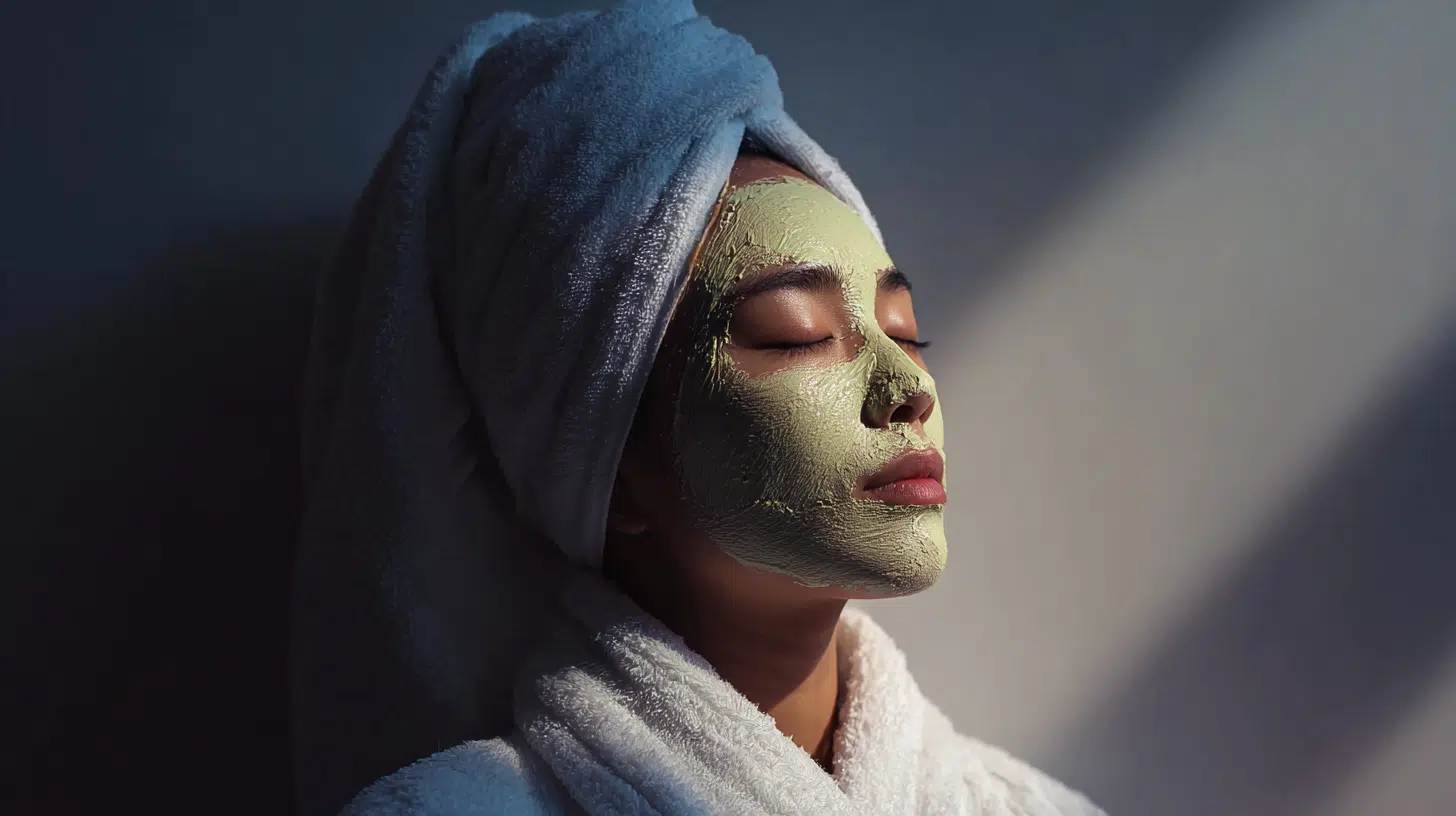
An acne facial is a professional skincare treatment designed for people with breakouts, blackheads, and acne-prone skin. It’s not the same as a basic facial you might get for relaxation.
Instead, the focus is on deep cleansing, unclogging pores, calming inflammation, and helping your skin heal.
Licensed estheticians tailor the treatment to your skin’s needs. They choose products and techniques according to your skin type, be it oily, sensitive, or combination.
For example, they may use stronger exfoliants if you have thicker skin or more calming masks if you’re dealing with redness.
The goal is to improve current breakouts and help prevent new ones.
Unlike a general facial, an acne facial often skips the long massages or heavy creams that can make acne worse. Instead, it’s about targeted steps to clean and treat without irritating.
Why It’s Effective: Benefits of an Acne Facial
An acne facial works because it’s more than just a surface cleanse. It reaches deep into the pores and removes buildup that over-the-counter products can’t fully clear.
These are some of the benefits that I noticed and that professionals agree on:
- Removes blackheads and whiteheads: Done safely with professional tools to avoid damaging the skin or causing scars.
- Reduces oil buildup: Helps control excess oil while still keeping the skin properly hydrated.
- Calms redness and swelling: Soothes active pimples and reduces inflammation for a less irritated appearance.
- Improves skin texture: Smooths rough areas and evens out the skin surface over time.
- Boosts at-home product results: Clear pores allow serums and treatments to work deeper and more effectively.
I also found that my breakouts healed faster when I followed the aftercare plan my esthetician gave me. The combination of professional treatments and a good home routine gave me better results than products alone.
What to Expect During an Acne Facial
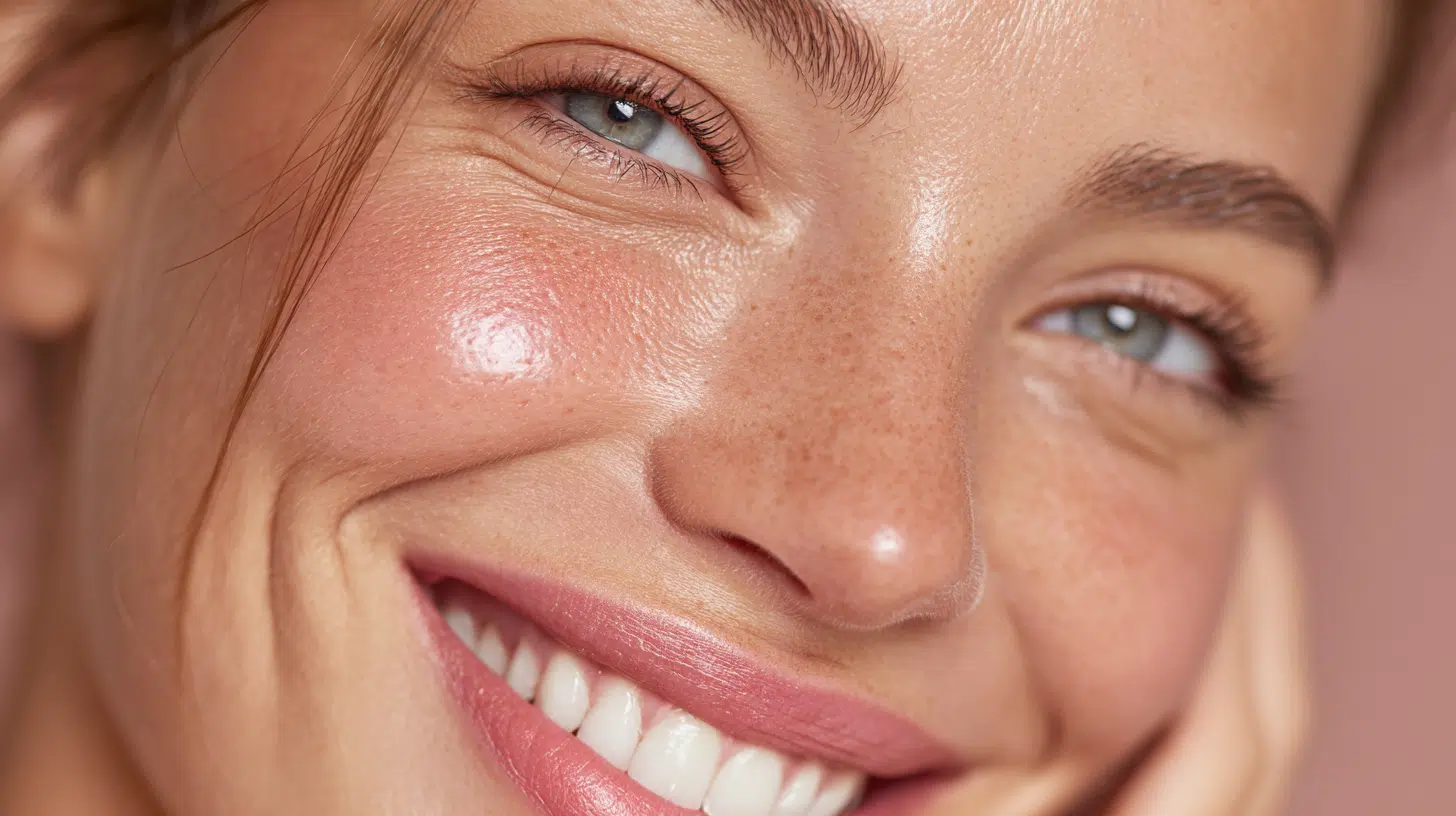
If you’ve never had an acne facial before, knowing the process can help you feel more at ease. Each step is done with your skin’s health in mind, and the order usually stays the same, though it may be adjusted to your needs.
This is how it typically goes from start to finish.
1. Consultation and Skin History
Your facial will begin with a conversation about your skin. The esthetician will ask questions about your current products, medications, and any allergies. This helps them select treatments that won’t cause irritation.
They may also look closely at your skin to see what type of acne you have.
This step ensures the facial is tailored to your skin type and condition, giving you the safest and most effective results possible.
2. Preparation
Once the consultation is done, you’ll be given a gown or wrap to change into. The treatment area is set up so you can lie back comfortably.
The esthetician will explain the steps so you know what’s coming next.
This preparation stage is also when your skin is visually assessed under good lighting, allowing the professional to decide how to proceed. It’s meant to make you comfortable before the active treatment begins.
3. Deep Cleansing
The first active step is a thorough cleanse to remove makeup, dirt, and excess oil. Often, the esthetician will cleanse twice to make sure your skin is completely clean.
For acne-prone skin, they may use a cleanser with salicylic acid or another ingredient that helps break down oil and unclog pores.
This step sets the foundation for the rest of the facial, ensuring that every product applied afterward works more effectively.
4. Steam (Optional)
Steam is sometimes used to soften the skin and open up the pores. This makes it easier and less painful to remove blackheads and other impurities during extractions.
The steam is usually warm and gentle, lasting just a few minutes. If you have sensitive skin or conditions like rosacea, your esthetician might skip this step.
Steam isn’t essential, but it can make the rest of the facial smoother and more comfortable.
5. Exfoliation
Exfoliation removes dead skin cells that can clog pores and dull your complexion. This may be done with a mild chemical solution, like a low-strength salicylic acid peel, or with a gentle scrub.
The choice depends on your skin’s needs and tolerance. If you’re using strong acne medications, the esthetician will choose a softer option to avoid irritation.
Proper exfoliation helps fresh skin cells surface, making your skin feel smoother and look healthier.
6. Extractions
Extractions are one of the most important parts of an acne facial. The esthetician uses sterile tools and precise pressure to remove blackheads, whiteheads, and clogged pores.
They avoid squeezing inflamed pimples to prevent scarring or spreading bacteria. While this step can be slightly uncomfortable, it’s done carefully to minimize irritation.
Safe extractions can instantly make skin feel cleaner and reduce the size of visible bumps, paving the way for faster healing.
7. Mask
After extractions, a mask is applied to address your skin’s current needs. For oily or acne-prone skin, a clay mask may be used to draw out excess oil and impurities.
Sulfur masks can target acne-causing bacteria, while calming masks soothe redness and irritation. The mask is left on for several minutes to allow the active ingredients to work.
This step helps rebalance the skin after the more intense cleansing and extraction stages.
8. Toner or Astringent
Once the mask is removed, the esthetician applies either a toner or an astringent based on your skin type. Toners help hydrate and restore the skin’s pH balance, while astringents reduce oil and tighten pores.
For dry or sensitive skin, a gentle toner is used, while oily skin may benefit from a stronger astringent. This step preps your skin for the final moisturizer, ensuring it absorbs well without leaving a greasy feel.
9. Moisturizer and Sunscreen
The facial finishes with a lightweight, non-comedogenic moisturizer to hydrate the skin without clogging pores. Since exfoliation and extractions can make your skin more sensitive to sunlight, a sunscreen is also applied.
This shields your skin from UV damage and helps prevent dark spots from forming.
The products chosen are usually oil-free and gentle, leaving your skin feeling soft, protected, and ready for the day.
By the end of the session, your skin will feel deeply cleansed, calmer, and prepped to heal. Understanding each step takes away the mystery and makes the process feel approachable, even if it’s your first time.
Best Types of Facials for Acne
Not all acne facials are the same. The right one for you depends on your skin type, the kind of acne you have, and your overall goals.
A professional can recommend the best option, but it helps to know what’s out there before you book.
1. Classic/Decongesting Facial
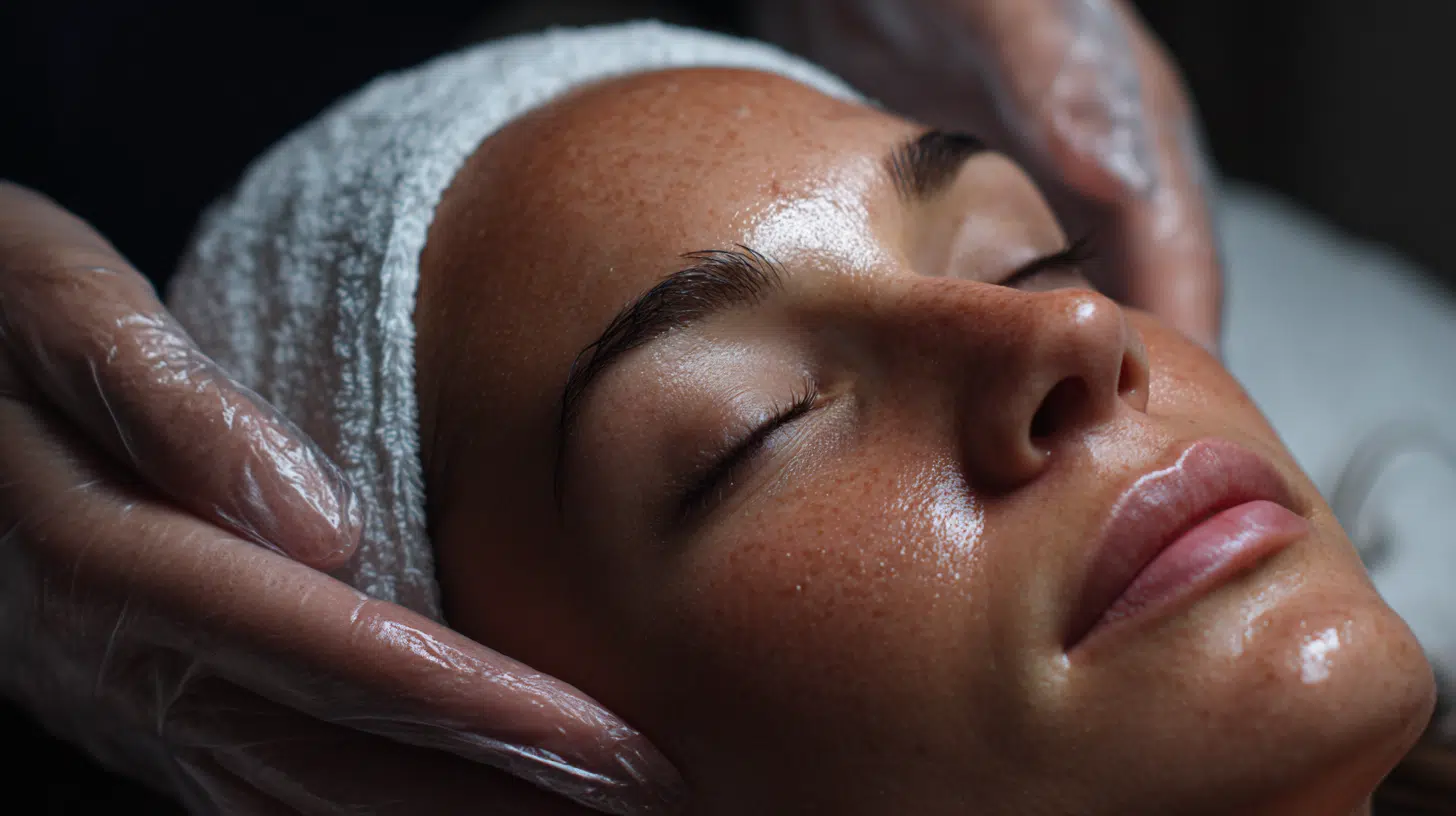
This facial focuses on cleansing, steam, and extractions to clear mild breakouts and blackheads. It’s one of the most common acne treatments for people dealing with clogged pores.
The process begins with a deep cleanse, followed by gentle steam to soften the skin. Extractions are then performed to remove blackheads and whiteheads safely.
It’s a straightforward option that keeps pores clear and can be part of a regular maintenance routine for acne-prone skin.
2. Microdermabrasion
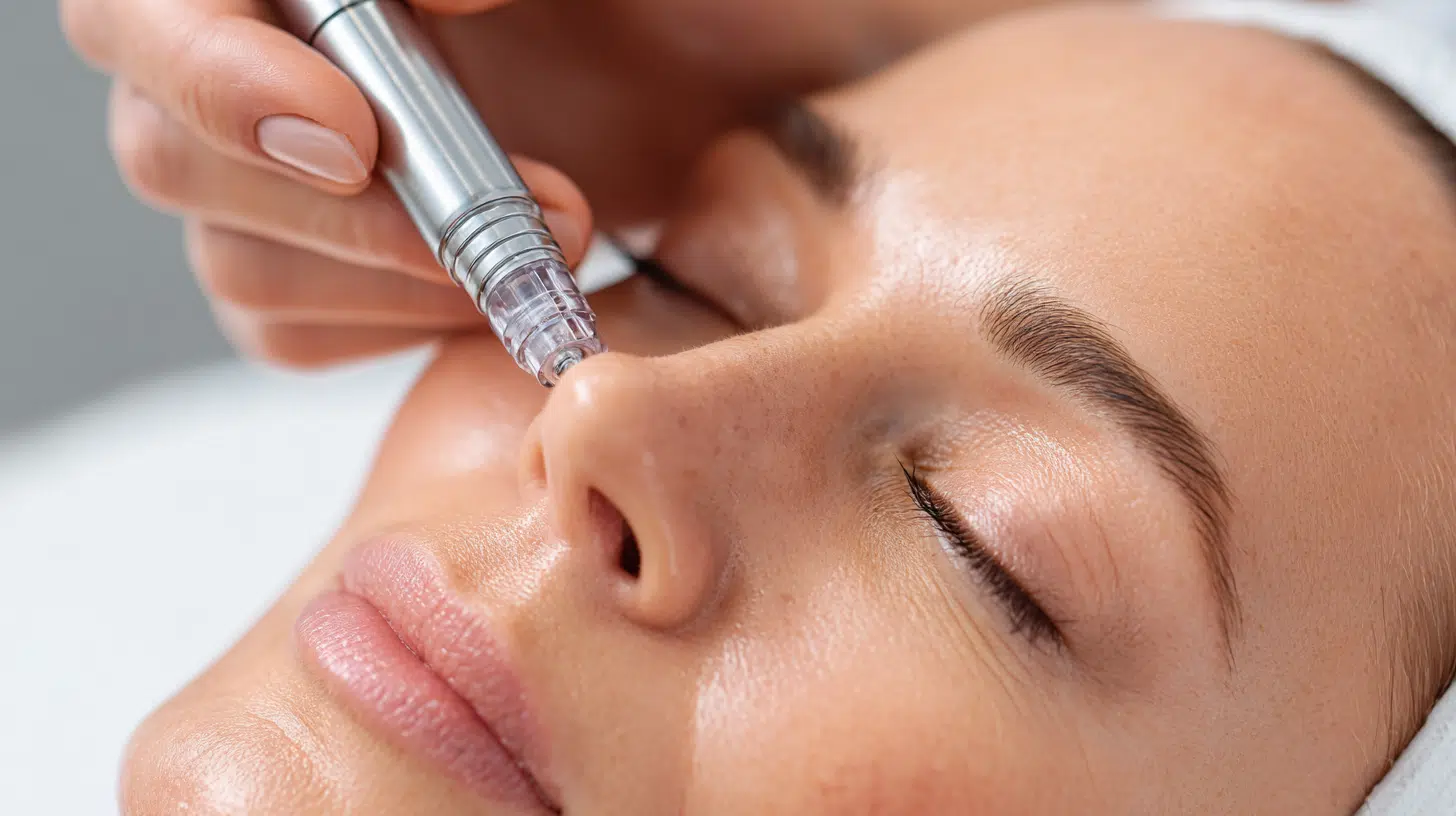
Microdermabrasion uses a special handheld tool to gently resurface the skin. It removes the outermost layer of dead cells, revealing fresher, smoother skin underneath.
This treatment can help improve minor acne scars, dullness, and uneven texture. Promoting cell turnover can make the skin look healthier and allow products to absorb better.
It’s a good option for those who want visible texture improvement without strong chemical peels.
3. LED Light Therapy
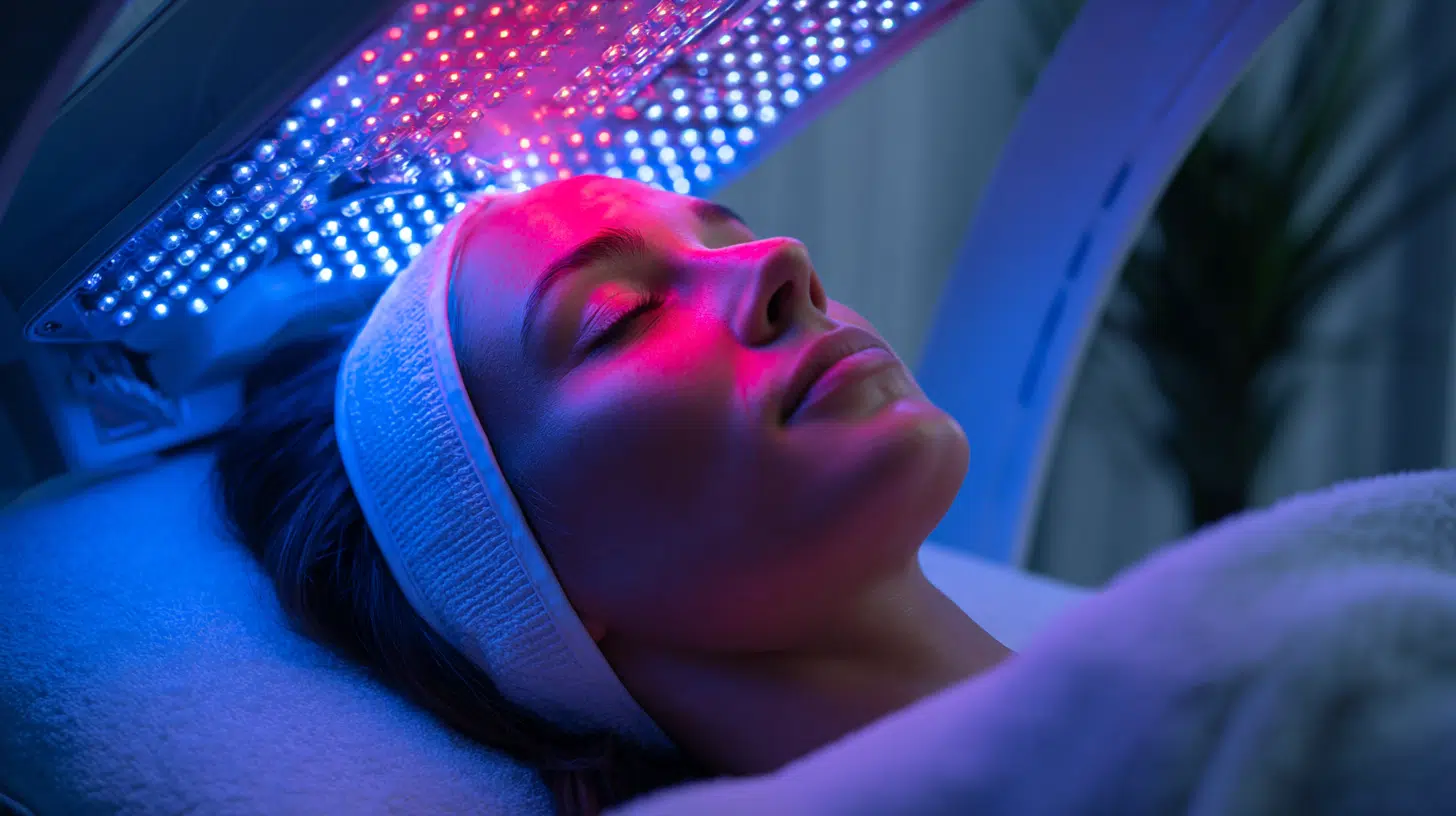
LED light therapy uses different wavelengths of light to target acne and related concerns. Blue light helps kill acne-causing bacteria, while red light reduces inflammation.
Other light colors can help with pigmentation or overall skin tone. The treatment is painless and often added to other facial services for extra benefits.
It’s especially useful for calming active breakouts and speeding up the healing process without irritating sensitive skin.
4. Brightening Facial
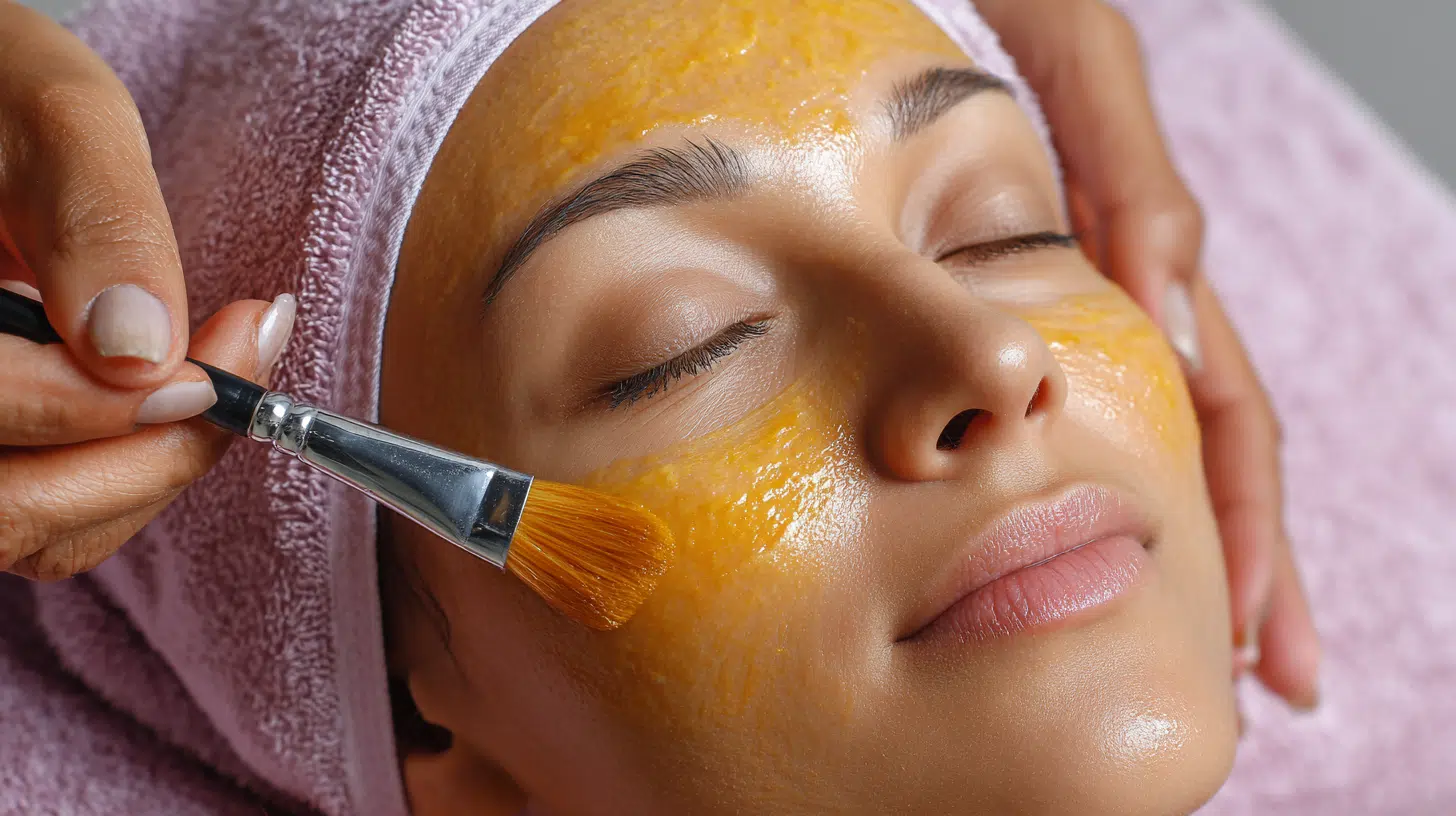
A brightening facial uses peels, antioxidants, and targeted serums to even out skin tone and fade post-acne marks. Vitamin C is a common ingredient because of its skin-brightening effect.
This type of facial not only helps with discoloration but also refreshes dull-looking skin. Over time, it can make the skin appear more radiant and balanced.
It’s ideal for people whose main concern is pigmentation rather than active breakouts.
5. Enzyme Facial
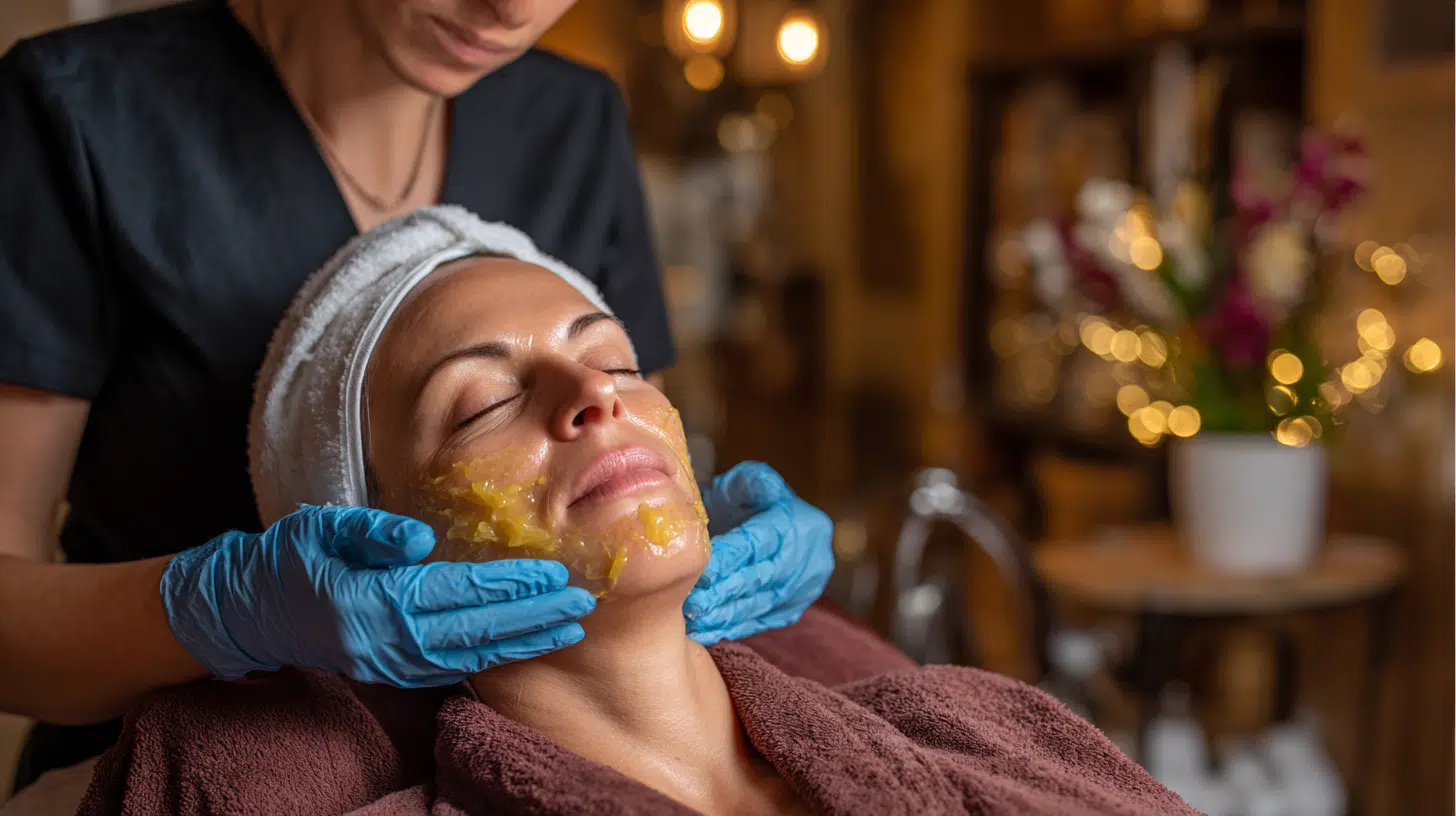
An enzyme facial uses natural fruit enzymes like papaya or pineapple to gently exfoliate the skin. These enzymes break down dead skin cells without harsh scrubbing.
Because it’s so gentle, it works well for sensitive or easily irritated acne-prone skin.
It can improve skin texture, clear away surface buildup, and leave the skin feeling soft and smooth.
It’s also a good option for maintaining clear skin between deeper treatments.
Knowing these options makes it easier to choose a treatment that fits your needs. Your esthetician can help you decide based on your skin’s condition and how aggressive or gentle you want the approach to be.
Choosing the Right Professional and Frequency
Choosing the right professional and knowing how often to get acne facials can make a big difference in your results.
- Find a Specialist: Choose someone who focuses on acne treatments and has experience with skin like yours.
- Ask Questions: Inquire about training, products used, and realistic results.
- Initial Frequency: Consider every 2–4 weeks at first for best improvement.
- Maintenance: Once skin improves, schedule sessions occasionally to maintain results
Who Should Avoid or Delay an Acne Facial
An acne facial can be helpful, but it’s not suitable for everyone. Certain skin conditions and treatments can make the procedure risky or less effective.
- People with severe cystic acne should see a dermatologist before trying any facial treatment
- Anyone using strong prescription acne medications that increase skin sensitivity
- Those who have had a recent chemical peel or laser treatment
- People with an active sunburn or significant skin irritation
- Anyone with open wounds or active skin infections on the face
If any of these apply to you, it’s best to wait or get medical advice before booking. This ensures your skin is treated safely and avoids making the condition worse.
Conclusion
When I first thought about getting an acne facial, I wasn’t sure if it would make a real difference.
Now that I’ve been through it and learned how it works, I can say it’s more than just a spa treatment. It’s a targeted approach that clears, calms, and supports your skin’s healing.
You’ve now seen what happens during an acne facial, the benefits it offers, and the different types that might suit your skin.
You also know when it’s best to wait or seek other options first.
With this information, you can confidently decide if it’s right for you. If you do decide to try one, you’ll go in knowing exactly what to expect and how to get the best results.