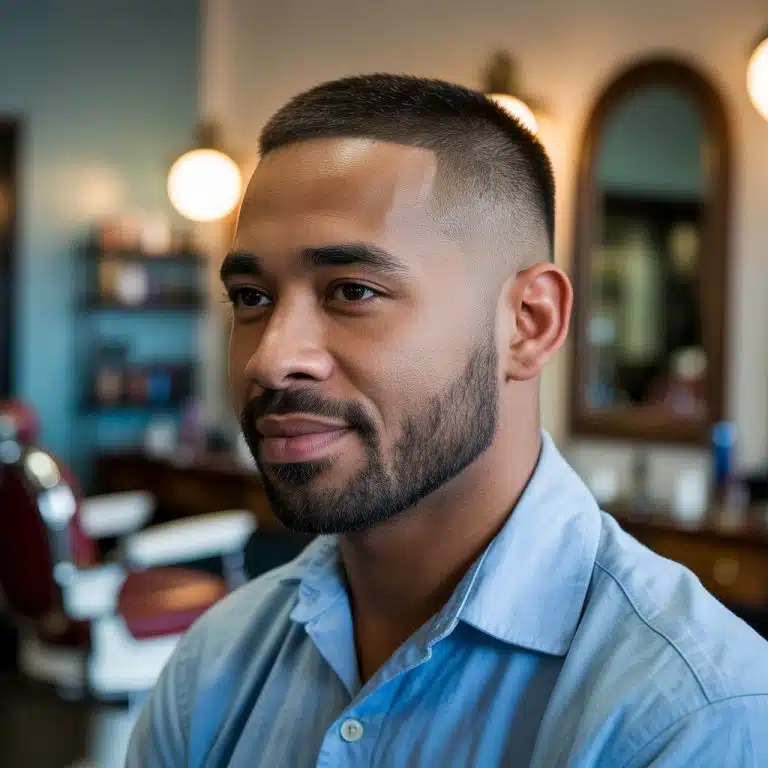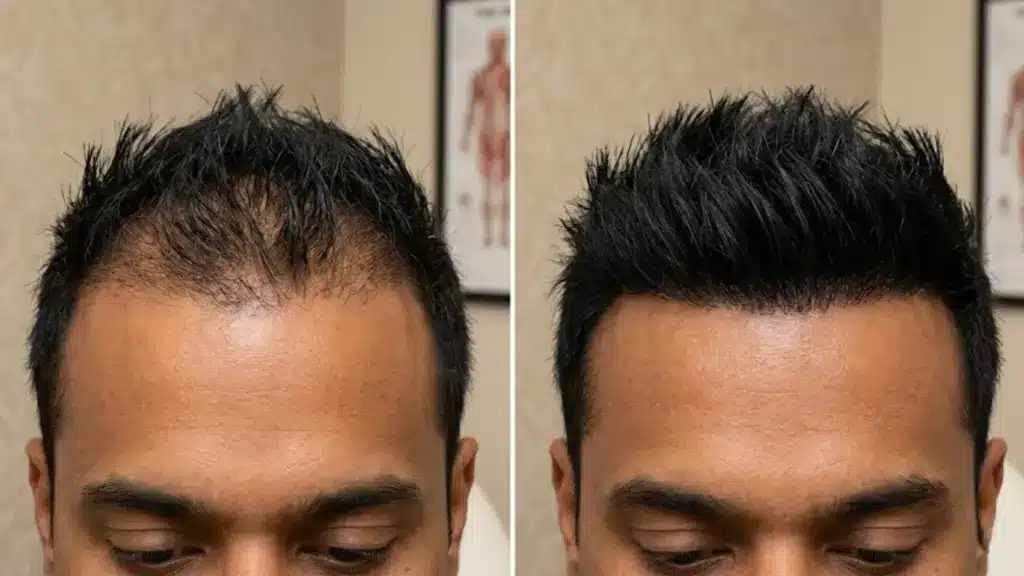
Standing in front of the mirror, pulling your hair forward to cover a large forehead, is more common than many people admit.
For some, it starts as a small insecurity during photos or while trying certain hairstyles. Over time, that feeling can slowly affect confidence and self-image.
That is why I see more people are now searching for hairline surgery and learning about hairline-lowering surgery as a way to create a more balanced appearance.
Hairline lowering is designed to bring the hairline forward and reduce forehead size in a natural-looking way. The idea is not about chasing perfection.
It is about feeling comfortable with your reflection again.
Whether the concern comes from genetics, facial proportions, or personal style goals, understanding hairline lowering can feel like the first real step toward a change that finally feels right.
What is Hairline Lowering Surgery?
Hairline-lowering surgery is a cosmetic procedure that moves the hairline forward to reduce the size of the forehead. It is also called forehead reduction surgery or hairline advancement surgery.
During the procedure, a surgeon removes a small section of forehead skin and carefully advances the scalp closer to the eyebrows.
This creates a lower, more balanced hairline while maintaining a natural appearance.
Many people choose hairline lowering for a naturally high forehead, concerns about facial proportions, or personal appearance goals.
The procedure differs from a hair transplant because it lowers the hairline immediately rather than adding individual hair follicles over time.
Hairline-lowering surgery is usually performed under anesthesia and often takes a few hours.
Results can be noticeable right after surgery, with final healing improving over the following months.
Who is a Good Candidate for Hairline Lowering Surgery
Not everyone is a good fit, and experienced surgeons are usually direct about that.
You’re likely a good candidate if you have a naturally high hairline (not caused by active hair loss or thinning), a healthy, dense scalp, adequate scalp flexibility, and realistic expectations for what the procedure can do.
If you have a history of significant hair loss, very limited scalp laxity, or active scalp conditions, a hair transplant or a combined approach may be more appropriate.
Your surgeon will assess scalp laxity during your consultation, as this directly determines how far forward the hairline can move.
Patients with lower laxity sometimes need a preparatory tissue expander placed under the scalp for several weeks before the final surgery, a process called expansion-assisted hairline advancement.
How Hairline Lowering Surgery Works
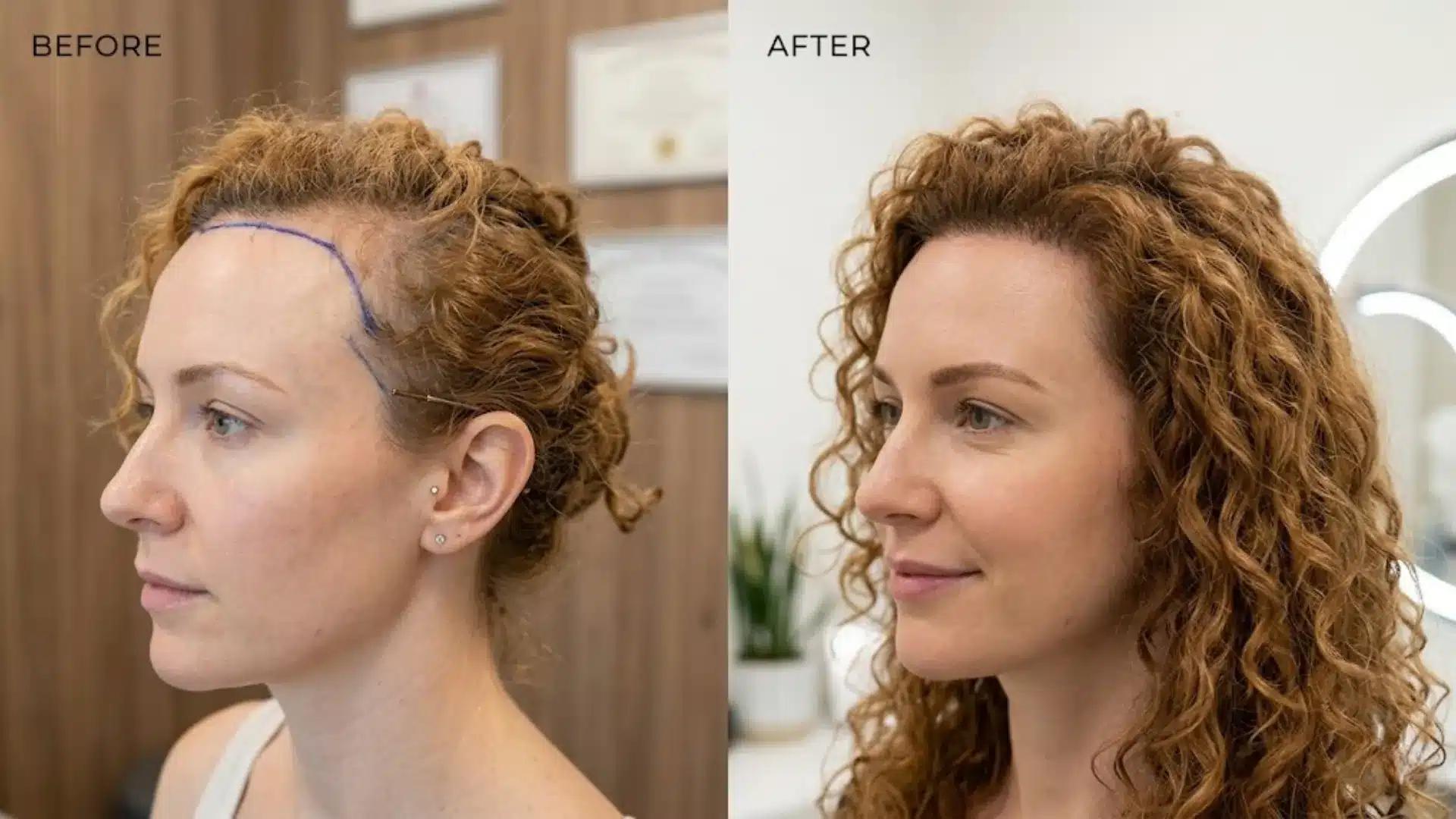
Hairline-lowering surgery follows a planned process to create a lower, more balanced hairline while preserving natural facial proportions.
1. Initial Consultation and Hairline Planning
The process begins with a detailed consultation where the surgeon examines the forehead, scalp flexibility, hair density, and overall facial structure.
Patients discuss their cosmetic goals and the extent to which they want the hairline lowered. The surgeon carefully measures the forehead to create a balanced and natural hairline that fits the face.
Facial symmetry is an important part of planning because even small adjustments can change appearance.
Many clinics also use before-and-after imaging or digital previews to help patients understand the expected outcome before the surgery takes place.
2. Anesthesia and Surgical Preparation
Hairline-lowering surgery is usually performed as an outpatient procedure, which means patients can return home the same day.
Depending on the treatment plan and patient preference, the surgeon may use local anesthesia with sedation or general anesthesia.
Before the procedure begins, the surgical area is carefully cleaned and prepared to reduce the risk of infection.
Most hairline-lowering surgeries take around two to four hours to complete, although the exact time depends on how much the hairline is being lowered and the complexity of the procedure.
3. Hairline Incision and Scalp Advancement
During the procedure, the surgeon creates an incision along the natural hairline to help keep the scar less visible after healing.
A small amount of forehead skin is removed to shorten the forehead area. The scalp is then carefully loosened and advanced forward to the planned hairline position.
Once the scalp is moved into place, the surgeon uses precise suturing techniques to close the incision while protecting nearby hair follicles.
These methods help create a more natural hairline and reduce noticeable scarring over time.
4. Closing the Incision and Recovery Room
After the scalp is secured in its new position, the surgeon closes the incision with stitches or surgical clips.
The treated area is cleaned, and bandages are applied to protect the incision during the early healing stage.
Patients are then moved to a recovery room where medical staff monitors them before discharge. Since hairline-lowering surgery is usually performed on an outpatient basis, most people go home the same day with detailed aftercare instructions.
Immediate post-op care often includes managing swelling, sleeping with the head elevated, and avoiding strenuous activity for several days.
Hairline Lowering Surgery Recovery Timeline
Recovery after hairline-lowering surgery usually happens in stages over several weeks. Most side effects improve gradually with proper aftercare and rest.
| Recovery Stage | What to Expect |
|---|---|
| First 24 to 72 Hours | Mild swelling, tightness, bruising, and discomfort are common. Pain medication and rest help manage symptoms. Keeping the head elevated can reduce swelling. |
| First Week | Bandages may be removed during a follow-up visit. Patients should avoid heavy activity and follow washing instructions carefully. Most swelling begins to improve during this stage. |
| Weeks 2 to 4 | Stitches or staples are usually removed. Many people return to work and perform light daily activities. Bruising and tenderness continue fading. |
| Weeks 4 to 8 | The incision area begins healing more naturally. Temporary numbness or sensitivity may persist, but most discomfort improves significantly. |
| Several Months | Scars continue fading, and hair growth around the incision improves the final appearance. Full results become more visible as healing progresses. |
Hairline-Lowering Surgery Cost
Hairline-lowering surgery costs in the United States usually range from $7,000 to $15,000, depending on the surgeon’s experience, clinic location, and the complexity of the procedure.
Larger cities and well-known cosmetic surgery centers often charge higher fees.
The total price may include the surgeon’s fee, anesthesia, facility costs, medications, and follow-up appointments.
Some patients may also combine hairline lowering with hair transplants or brow procedures, which can increase the final cost.
Since the surgery is considered cosmetic, health insurance typically does not cover it. Many clinics offer financing or payment plans to make the procedure more manageable.
During a consultation, the surgeon evaluates the forehead and scalp flexibility, as well as the patient’s cosmetic goals, before providing a personalized cost estimate based on the patient’s treatment plan and expected results.
Benefits of Hairline-Lowering Surgery
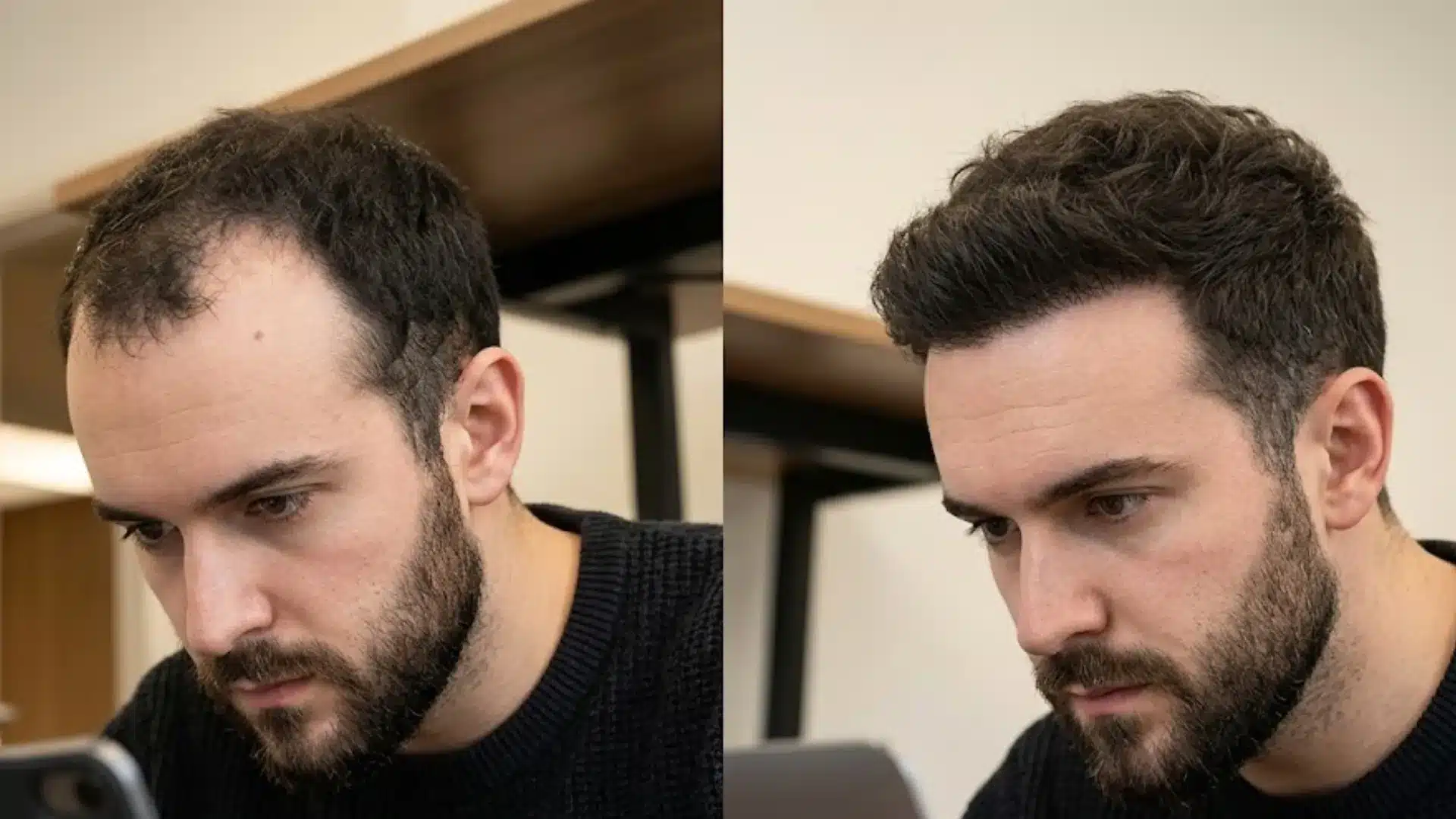
Hairline-lowering surgery offers both cosmetic and personal benefits for people who feel their forehead appears too large or their hairline sits too high.
- Reduced Forehead Size: The procedure lowers the hairline, making the forehead appear shorter and more proportionate to the face.
- Improved Facial Balance: A lower hairline can create better symmetry between the forehead, eyes, nose, and chin.
- Immediate Visible Results: Unlike hair transplants that take months to grow, hairline lowering provides noticeable changes right after surgery.
- Natural Looking Hairline: Surgeons place the incision carefully along the natural hairline to maintain a realistic appearance.
- Long-lasting outcome: Results are generally permanent when performed on patients with stable hairlines and healthy scalp tissue.
- Boost in Confidence: Many patients feel more comfortable with hairstyles, photos, and overall appearance after recovery.
- Can Be Combined With Other Procedures: Some people combine hairline lowering with hair transplants or brow procedures for more refined cosmetic results.
- Customized Treatment Approach: The surgery is planned based on facial shape, forehead size, and individual cosmetic goals for personalized results.
Risks and Side Effects of Hairline Surgery
Hairline surgery is generally considered safe when performed by an experienced surgeon, but, like any cosmetic procedure, it carries potential risks and side effects.
- Swelling and Bruising: Mild swelling and bruising around the forehead and eyes are common during the first few days after surgery.
- Temporary Numbness: Some patients experience numbness or tingling around the incision site as nerves heal.
- Pain or Tightness: Mild discomfort and scalp tightness can occur during the early recovery period.
- Visible Scarring: Although surgeons place incisions carefully along the hairline, some scarring may still remain visible.
- Infection Risk: As with any surgical procedure, there is a small risk of infection if the area is not properly cared for.
- Hair Thinning Near the Incision: Temporary hair shedding or thinning around the surgical site may happen during healing.
- Uneven Hairline Results: In rare cases, the final hairline position may appear uneven or less symmetrical than expected.
Hairline Lowering Surgery vs Hair Transplant
Hairline-lowering surgery and hair transplants both improve the appearance of the hairline, but they work in very different ways.
Understanding hair transplant recovery can make it easier to compare healing time, results, and overall expectations with hairline-lowering surgery.
| Feature | Hairline Lowering Surgery | Hair Transplant |
|---|---|---|
| Main Purpose | Lowers the entire hairline | Fills thinning or receding areas |
| Procedure Type | Surgical scalp advancement | Follicle transplantation |
| Results Timeline | Immediate visible lowering | Hair growth takes several months |
| Best For | Naturally high forehead | Receding hairline or hair loss |
| Scarring | Small incision scar along hairline | Tiny dot scars in donor and transplant areas |
| Recovery Time | Around 1 to 2 weeks | Several days to 2 weeks |
| Hair Density Improvement | Minimal | Improves hair density |
| Permanency | Long-lasting results | Permanent transplanted hair growth |
How to Choose the Right Hairline-Lowering Surgeon
Choosing the right hairline-lowering surgeon is one of the most important factors in achieving safe, natural-looking results.
Start by looking for a board-certified plastic surgeon or facial cosmetic surgeon with experience in forehead reduction and hairline procedures.
Review the before-and-after photos to ensure the results look balanced and realistic.
Trusted medical organizations such as the American Society of Plastic Surgeons and the American Board of Cosmetic Surgery can help verify surgeon credentials and certifications.
Reading patient reviews can also help you understand the surgeon’s reputation, communication style, and recovery support.
During the consultation, ask how many hairline-lowering surgeries the surgeon has performed and discuss possible risks, scarring, and expected results.
Large cities like Los Angeles, Miami, New York, and Chicago often have surgeons with extensive experience in hairline-lowering surgery.
A good surgeon should carefully evaluate scalp flexibility, hair density, and facial proportions before recommending surgery.
It is also important to choose a clinic that provides clear pricing, proper follow-up care, and realistic expectations, rather than promising perfect or guaranteed results.
Conclusion
Hairline-lowering surgery can be a helpful option for people who want to reduce forehead size and create a more balanced hairline.
From understanding how the procedure works to learning about recovery, costs, benefits, and possible risks, knowing what to expect can make the decision process easier and less stressful.
Choosing an experienced surgeon and having realistic expectations are both important for achieving natural-looking results.
Whether someone is considering hairline surgery for cosmetic reasons or to improve confidence, taking time to research providers and ask the right questions can lead to a better overall experience.
Every patient’s goals and results differ, so professional guidance is always important before moving forward with treatment.
Have questions about hairline-lowering surgery or want to share your recovery experience? Drop a comment below.
Frequently Asked Questions
Can Hairline-Lowering Surgery Change Eyebrow Position?
Hairline-lowering surgery primarily reduces forehead size by advancing the hairline. However, some patients may notice a slight change in eyebrow appearance because of tighter forehead skin after the procedure.
Will I Need to Shave My Hair Before Hairline Surgery?
In most cases, surgeons do not require complete head shaving. They usually trim only a small section near the incision area to keep the procedure discreet and easier to heal.
How Soon Can I Wear Hats After Hairline-Lowering Surgery?
Most surgeons recommend waiting at least one to two weeks before wearing tight hats or caps to avoid pressure on the healing incision.
Can Hairline Lowering Be Combined with Other Procedures?
Yes, and it’s fairly common. It’s often paired with a brow lift to improve upper-face balance, or with a hair transplant to refine density along the new hairline or to conceal the incision scar over time. Combining procedures adds recovery time and costs, so review the full scope with your surgeon before deciding.