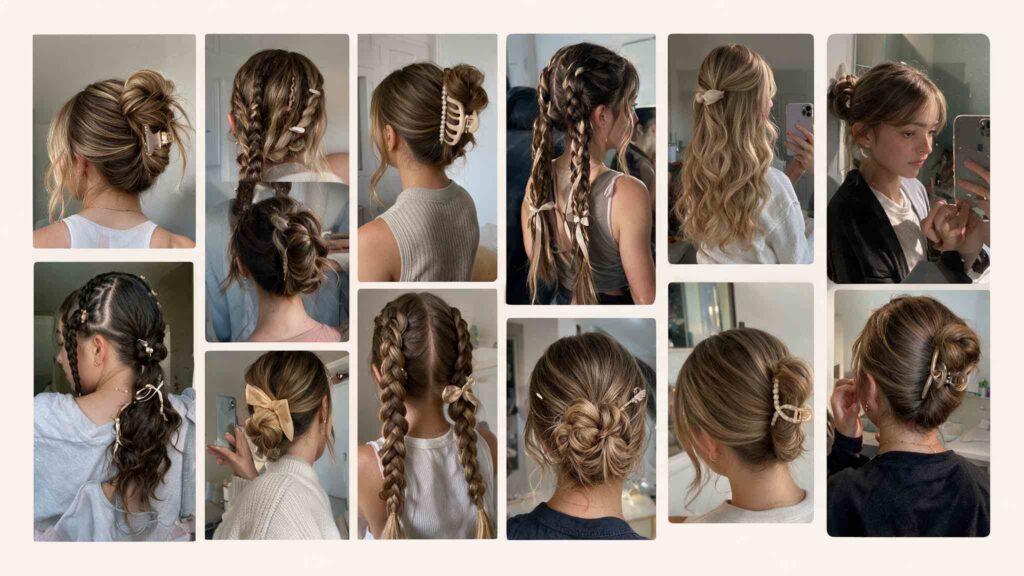
Braids have a way of changing more than just hair; they change how someone feels the moment they look in the mirror.
A simple twist, a woven pattern, or a carefully placed section can turn an ordinary day into something that feels more put together and confident.
Many people search for fresh ways to style their hair, but often end up stuck with the same routine looks that feel repetitive and uninspired.
That is where hairstyles with braids bring something special. They offer endless variety, from soft, romantic designs to bold, structured patterns that stand out without trying too hard.
There is something deeply satisfying about finding a braid that perfectly matches the mood, outfit, or occasion. It feels personal, almost like a small form of self-expression.
Why Choose Braids for Your Hairstyle?
Braids are a practical and stylish choice that works well for almost every hair type and length.
They keep hair neatly in place, reduce daily styling effort, and help protect strands from damage caused by heat and friction.
Many people also prefer braids because they last longer than most other hairstyles, making them ideal for busy routines or travel.
At the same time, they offer a wide range of looks, from simple and casual to detailed and elegant styles, so there is always something new to try.
Braids can also help manage frizz and keep hair more organized in humid or active conditions.
Beyond convenience, they allow personal expression through different patterns and textures.
This balance of function and style is the main reason braids remain a trusted and popular hairstyle choice for everyday wear and special occasions alike.
Hairstyles with Braids to Save for Later
These braided hairstyles are worth saving for every mood, from protective box braids to soft crown braids. If you want a quick primer on how each braid pattern is built before picking one, the breakdown of the different braid types is a good place to start.
1. Box Braids
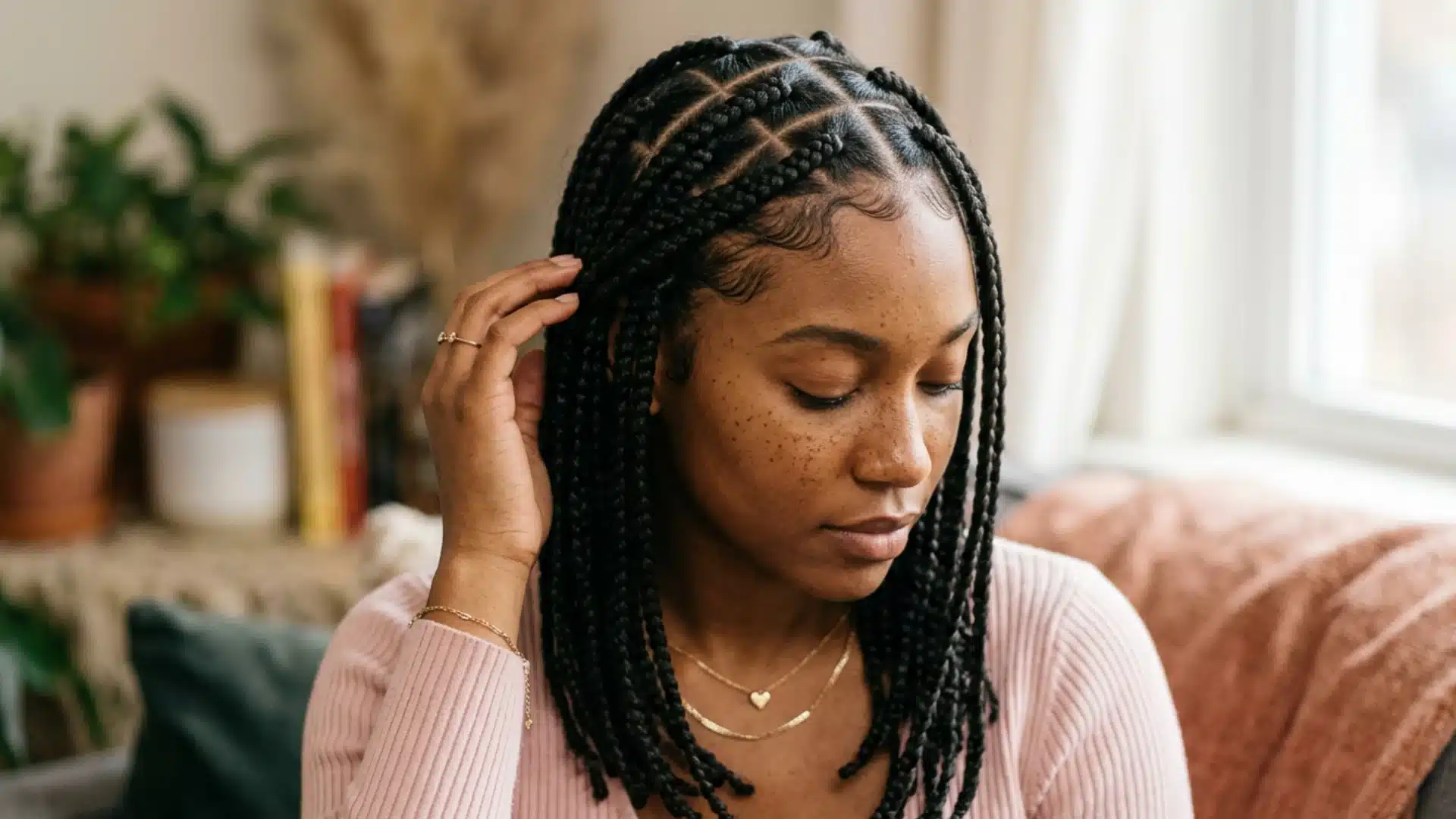
Box braids are made with small square-parted sections, and each section is braided with extension hair from root to tip.
This style is one of the most flexible protective looks because it works at almost any length.
Short box braids can frame the face like a bob, while longer ones can be worn loose, tied back, wrapped into a bun, or styled into a high ponytail.
The neat parting gives the style a clean finish, and the full braids help keep natural hair tucked away. They can last for weeks with light care, as long as the roots are not installed too tightly.
2. Knotless Braids
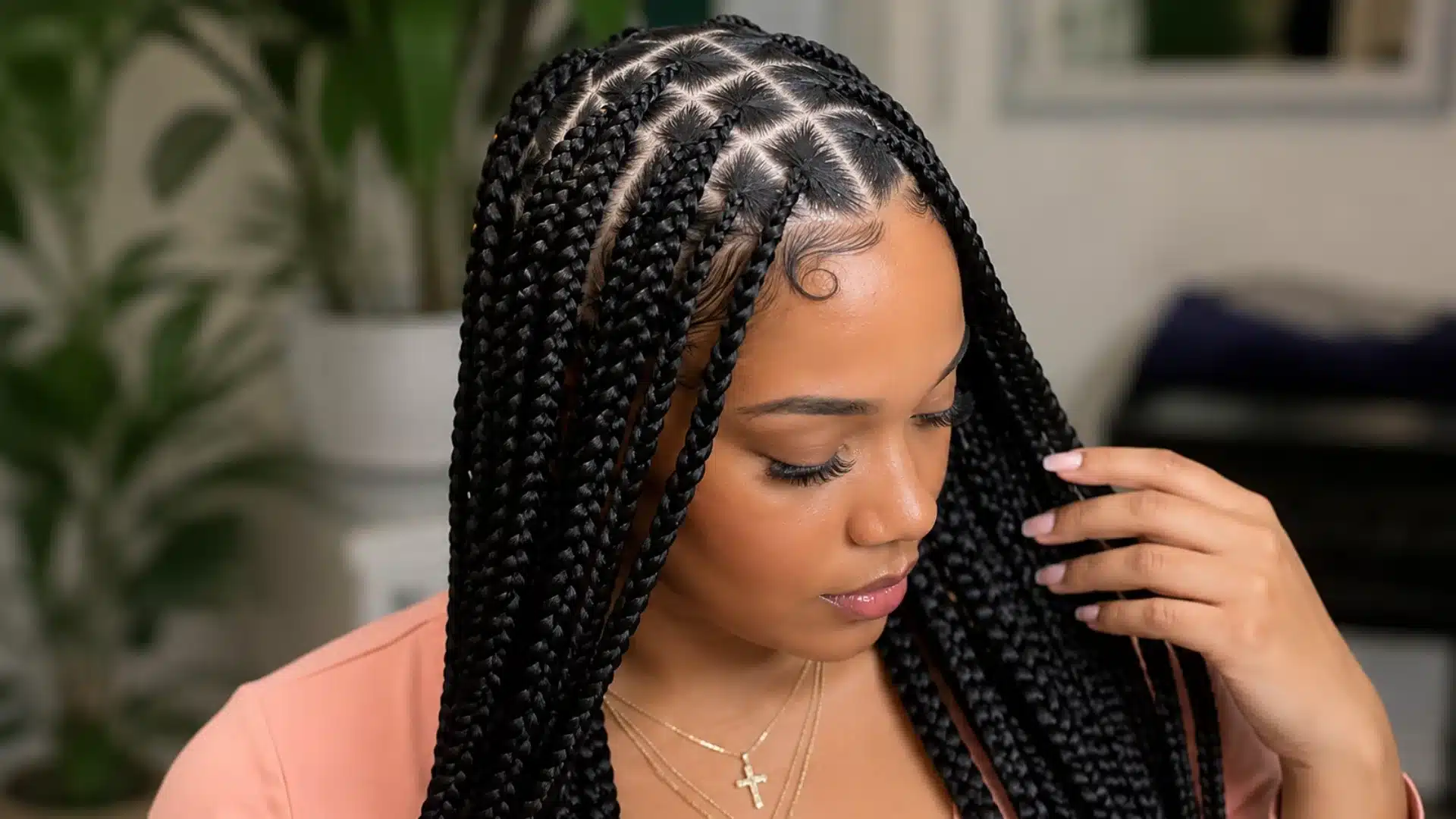
Knotless braids look similar to box braids, but the start is different.
Instead of adding a knot of extension hair at the root, the stylist feeds in small pieces of hair as the braid moves down. This creates a flatter root and a lighter feel on the scalp.
Knotless braids take longer to install, but many people find the comfort and greater freedom of movement worth it. Follicle damage from tight braids is tied to the extent of pulling and the duration of that tension, which is why a flatter root install matters.
They suit anyone who wants the look of box braids with less tension around the hairline. If thin edges are a concern, the same logic applies when choosing cuts suited for fine hair.
3. Goddess Braids
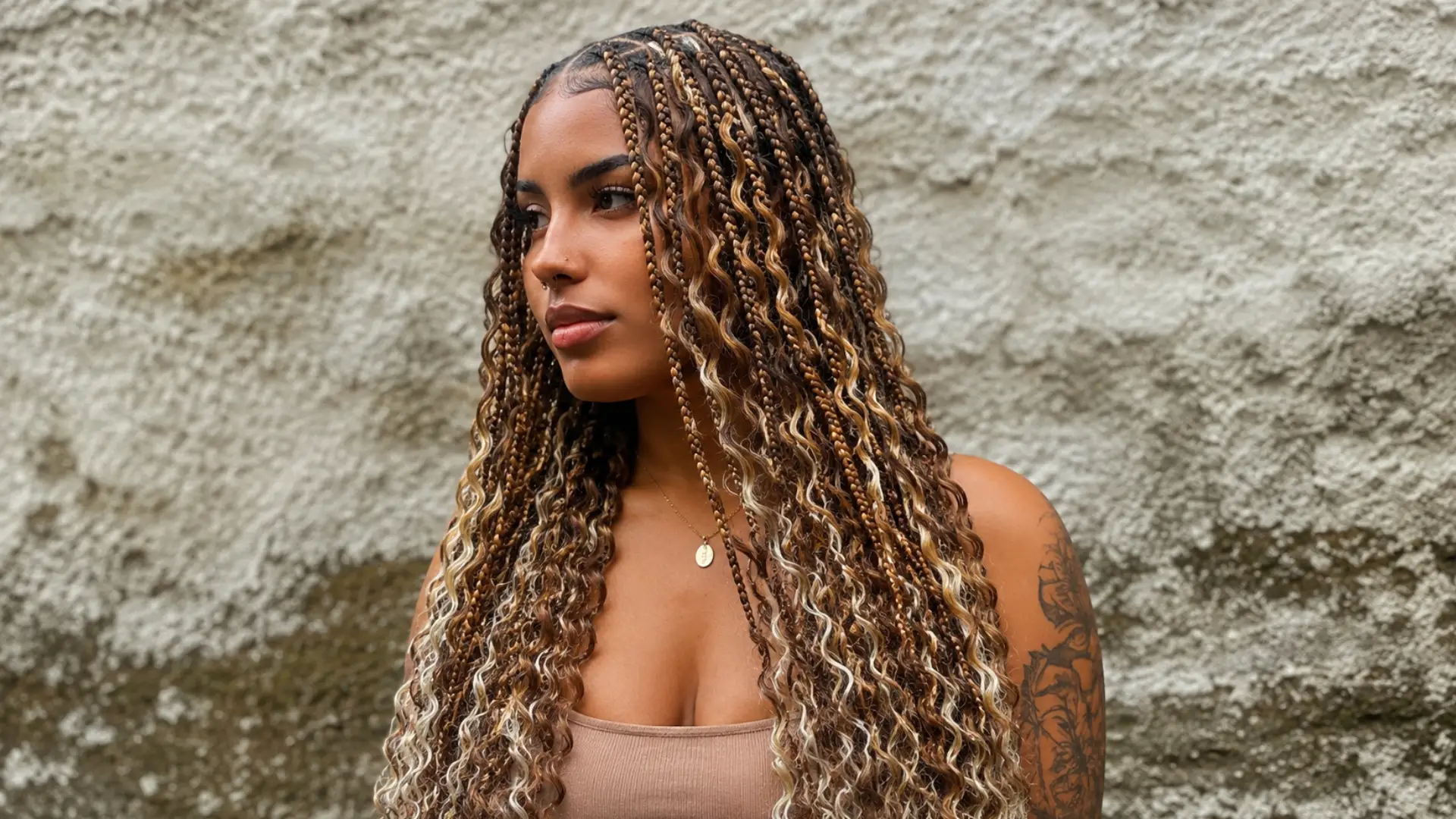
Goddess braids have a chunky cornrow base with loose, wavy, or curly hair added through the ends. The result feels softer and fuller than regular cornrows.
This style works well when a protective look still needs movement and shape.
The curly pieces give it a more dressed-up finish, so it can suit vacations, events, or busy weeks when daily styling needs to stay low.
Goddess braids can be done as large cornrows, knotless braids with curly ends, or a mix of braids and loose waves. The main thing is keeping the curls fresh without pulling or over-brushing them.
4. Cornrows
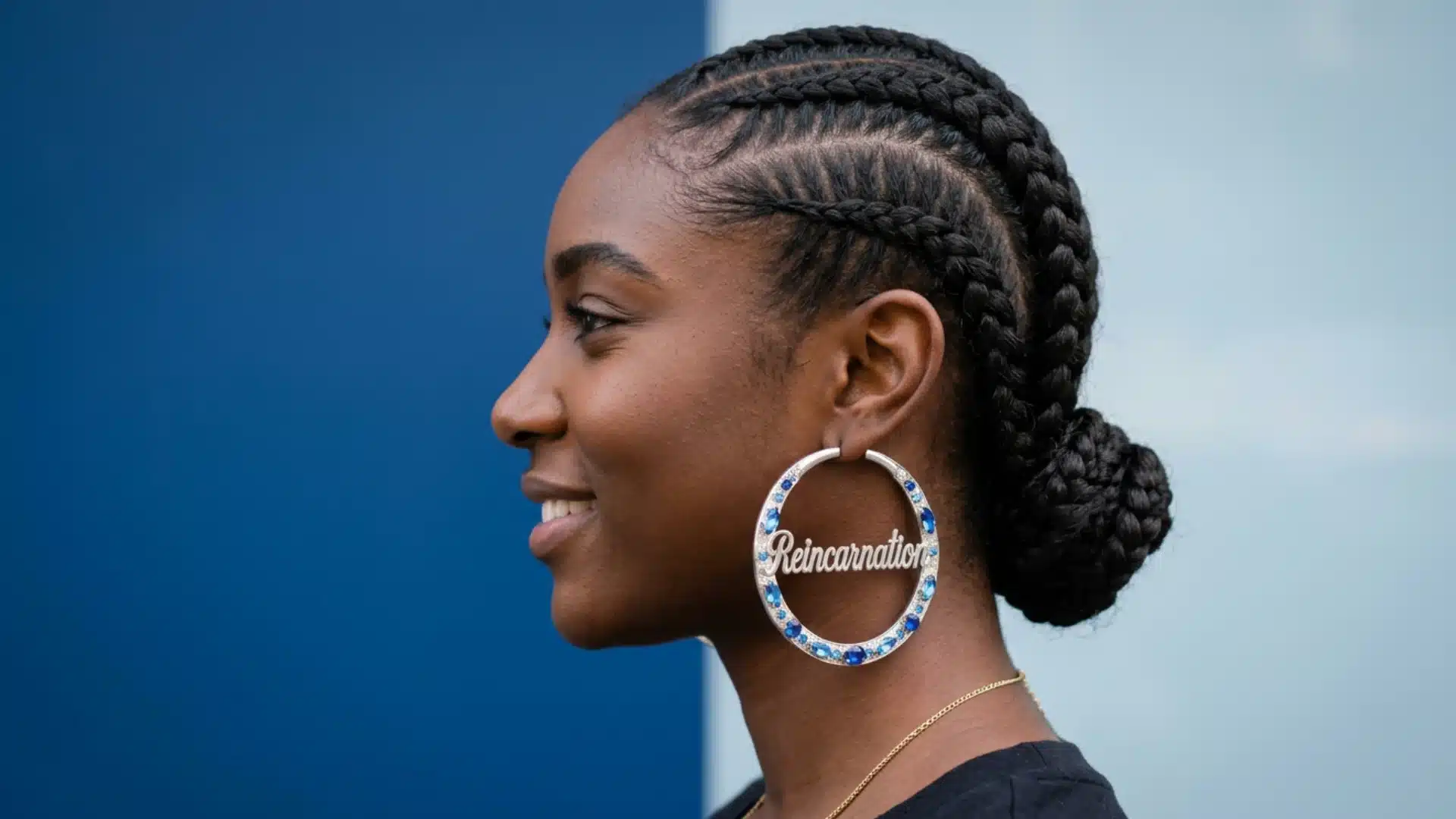
Cornrows are flat, scalp-hugging braids that run in neat rows. They can go straight back, curve into patterns, or form detailed designs across the head.
The style has deep roots in African hair traditions and remains one of the most practical protective braid styles.
Cornrows keep hair close to the scalp, which makes them easy to manage and simple to cover at night. They also work well under wigs or as a base for other styles.
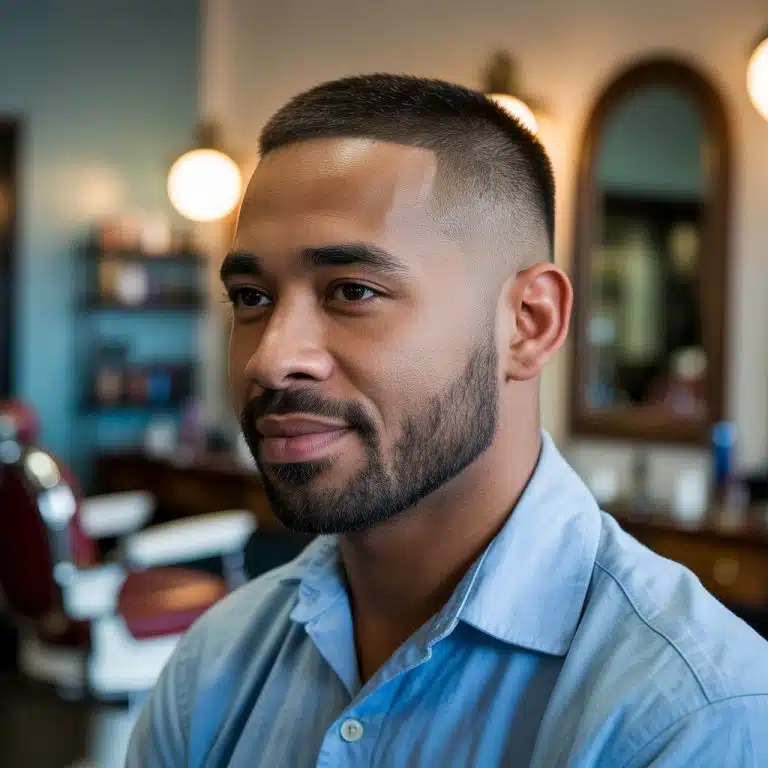
On shorter natural hair, cornrows can look sharp with a fade or tapered sides. The key is clean parting and a braid that feels secure, not painful.
5. Fulani Braids
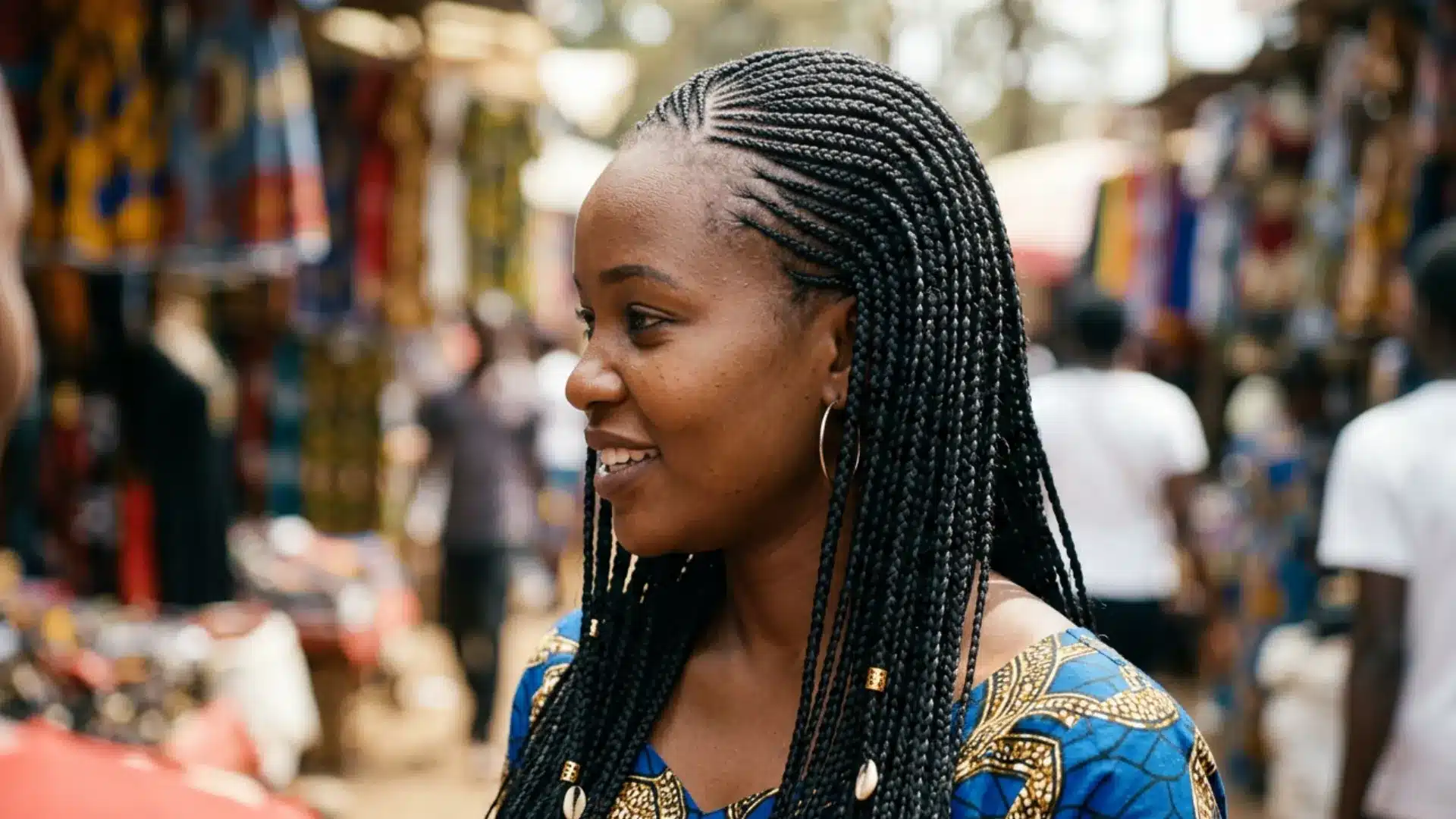
Fulani braids combine cornrows with loose hanging braids and often feature a center braid running down the middle of the head. Beads, cuffs, and other accessories are commonly added to complete the look.
This style originates from the Fulani people of West Africa and remains popular for its blend of structure and movement.
Fulani braids work well on medium and long hair lengths and can be customized with different braid sizes. The decorative details make them stand out while still offering many of the benefits of a protective style.
6. French Braid
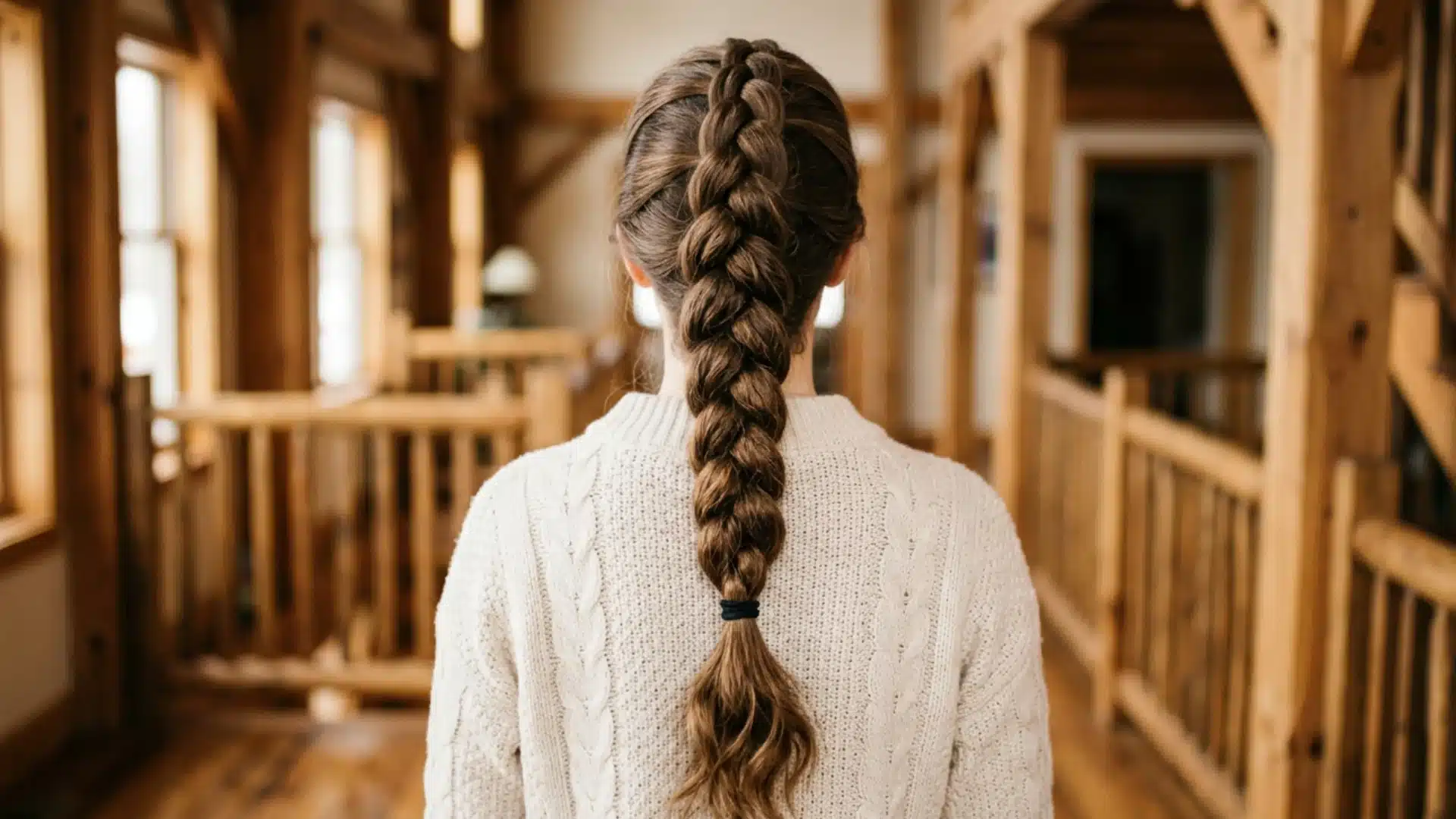
A French braid uses three strands of hair and gathers more hair as it moves down the head. The braid sits close to the scalp and creates a smooth, classic look.
French braids work well for school, work, workouts, and casual outings because they keep hair secure without needing many products.
They can be worn as a single braid down the back or as two matching braids. This style works on many hair lengths and textures and remains one of the most recognized braid styles around the world.
7. Dutch Braid
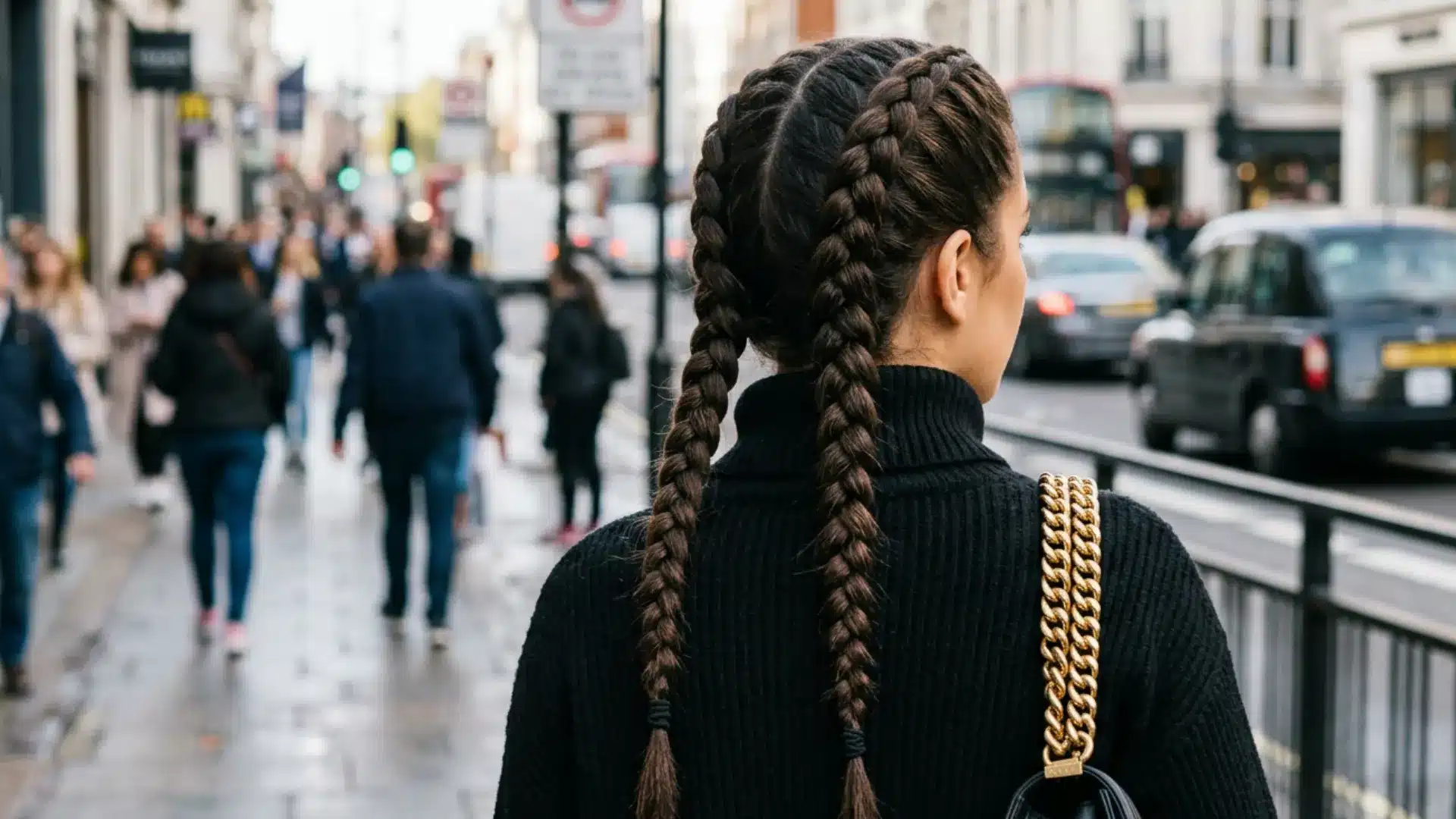
Dutch braids are often called reverse French braids because the strands cross underneath instead of over the top.
This technique creates a raised braid that stands out from the scalp. Dutch braids add more texture and dimension than a traditional French braid.
They can be worn as a single braid, double braids, or combined with buns and ponytails. The style holds well throughout the day and works for both casual and athletic looks.
Many people choose Dutch braids when they want a braid that appears fuller and more noticeable.
8. Fishtail Braid
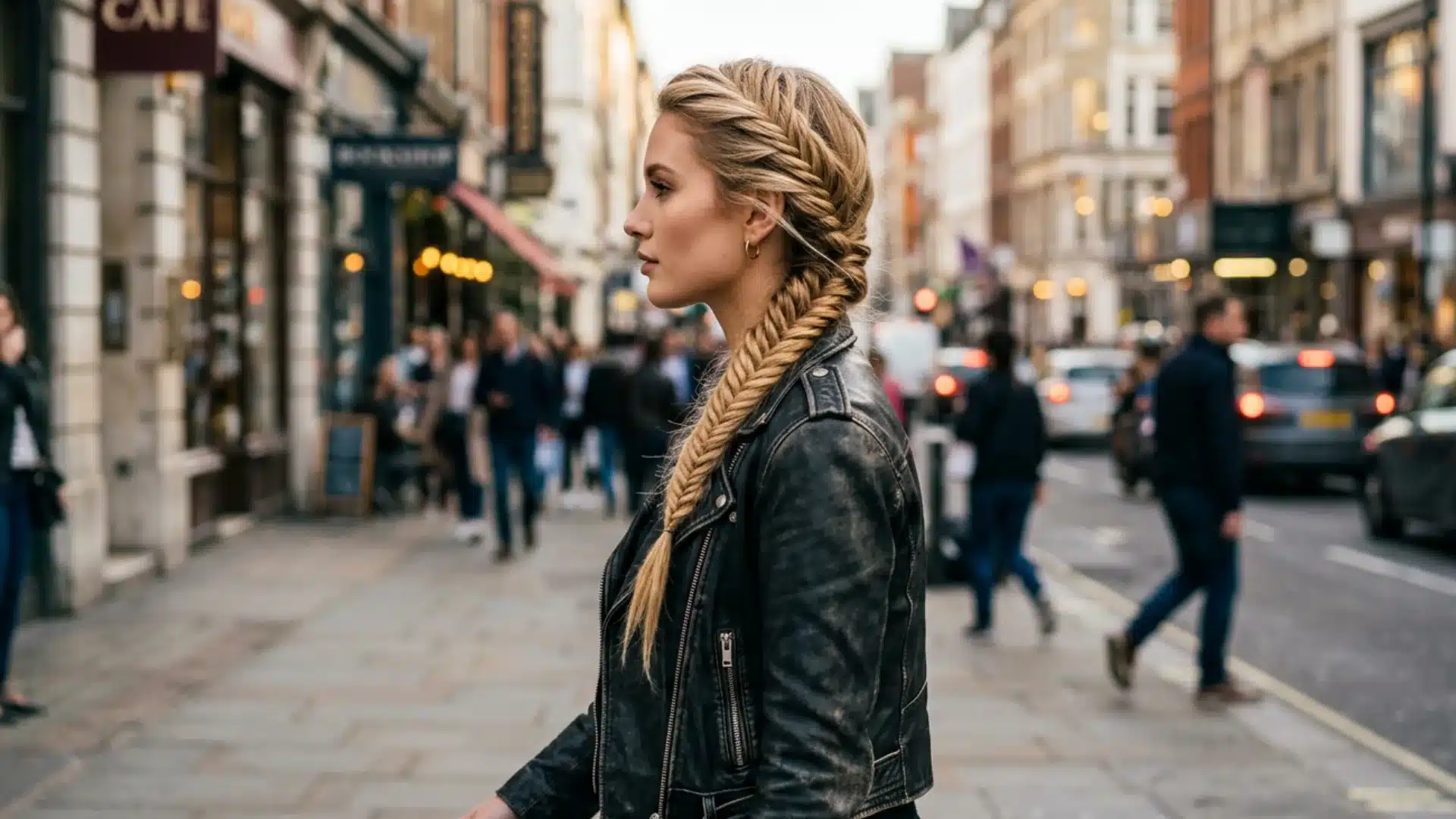
A fishtail braid uses two sections of hair instead of three. Small pieces are taken from each side and crossed over repeatedly to create a woven pattern.
The finished braid has a detailed texture that looks more complex than it actually is. Fishtail braids work especially well on medium and long hair because the pattern becomes more visible with extra length.
They can be worn neatly for formal events or gently pulled apart for a softer, relaxed appearance. This style adds interest without needing accessories or complicated techniques.
9. Crown braid
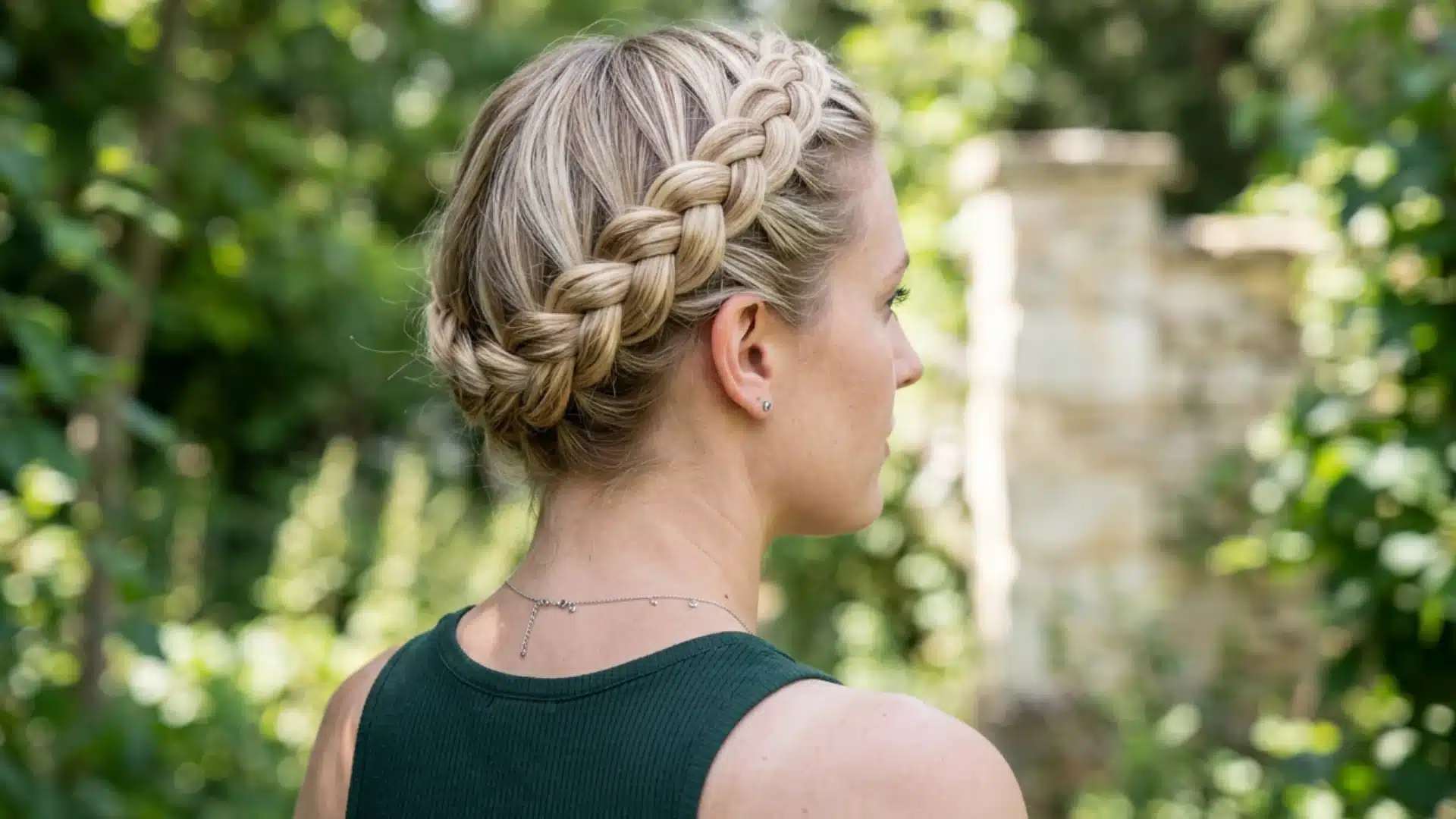
A crown braid wraps around the head to form a circular shape resembling a crown. It is usually made using a French or Dutch braid technique. This style keeps hair completely off the face and creates an elegant finish.
Crown braids are popular for weddings, outdoor events, and warm weather because they stay secure while looking polished.
Flowers, pins, or small accessories can be added for extra detail. The style works best on medium to long hair and creates a balanced look from every angle.
10. Halo Braid
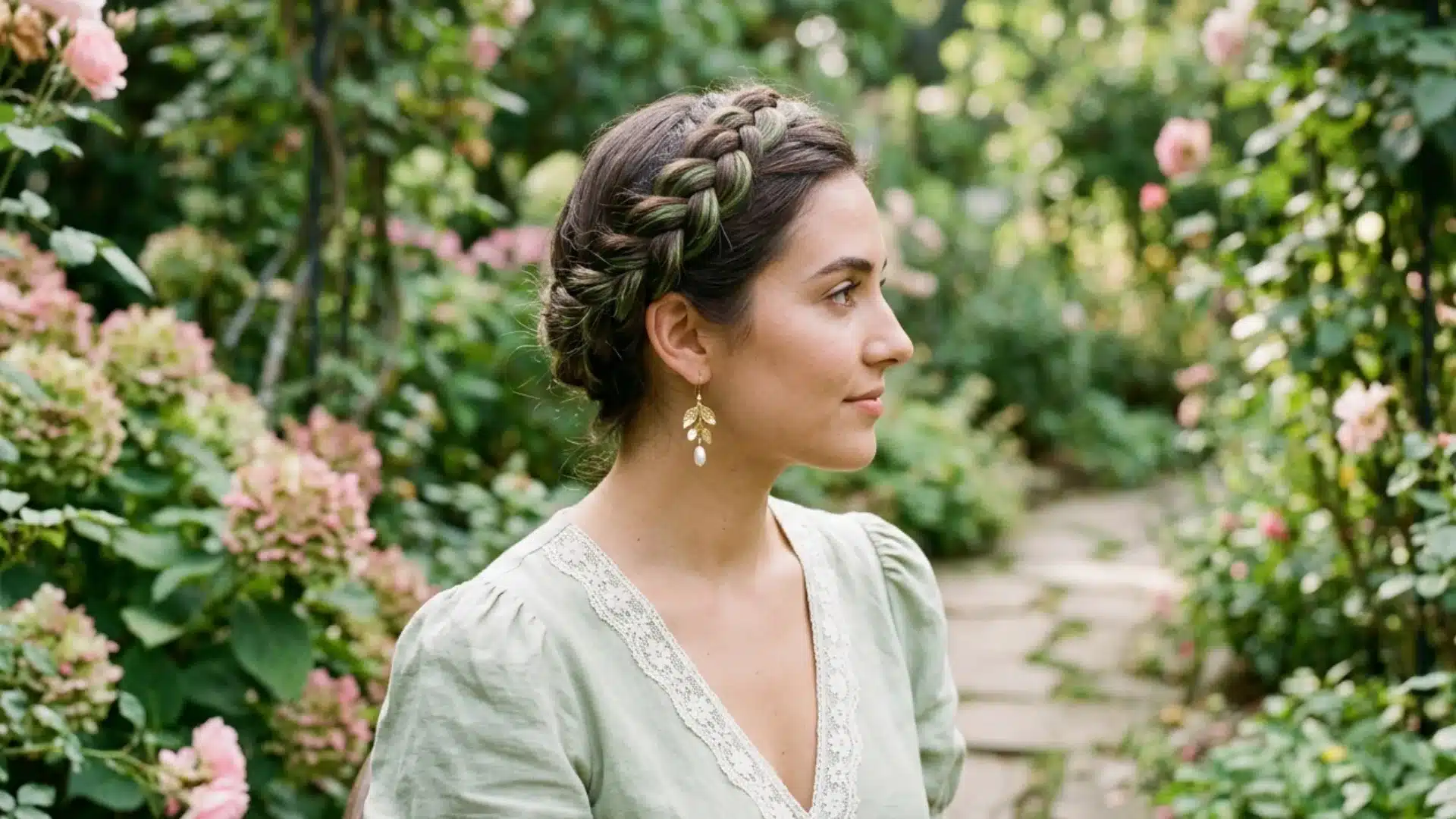
A halo braid is similar to a crown braid but often appears fuller because extensions may be added. The braid circles the head, creating a soft halo effect.
This style is often chosen for formal occasions because it looks graceful and timeless.
Halo braids can be sleek and neat or slightly loose for a more romantic appearance.
Since the braid wraps around the entire head, it keeps hair controlled throughout the day. It pairs well with dresses, evening wear, and special event styling.
11. Braided Ponytail
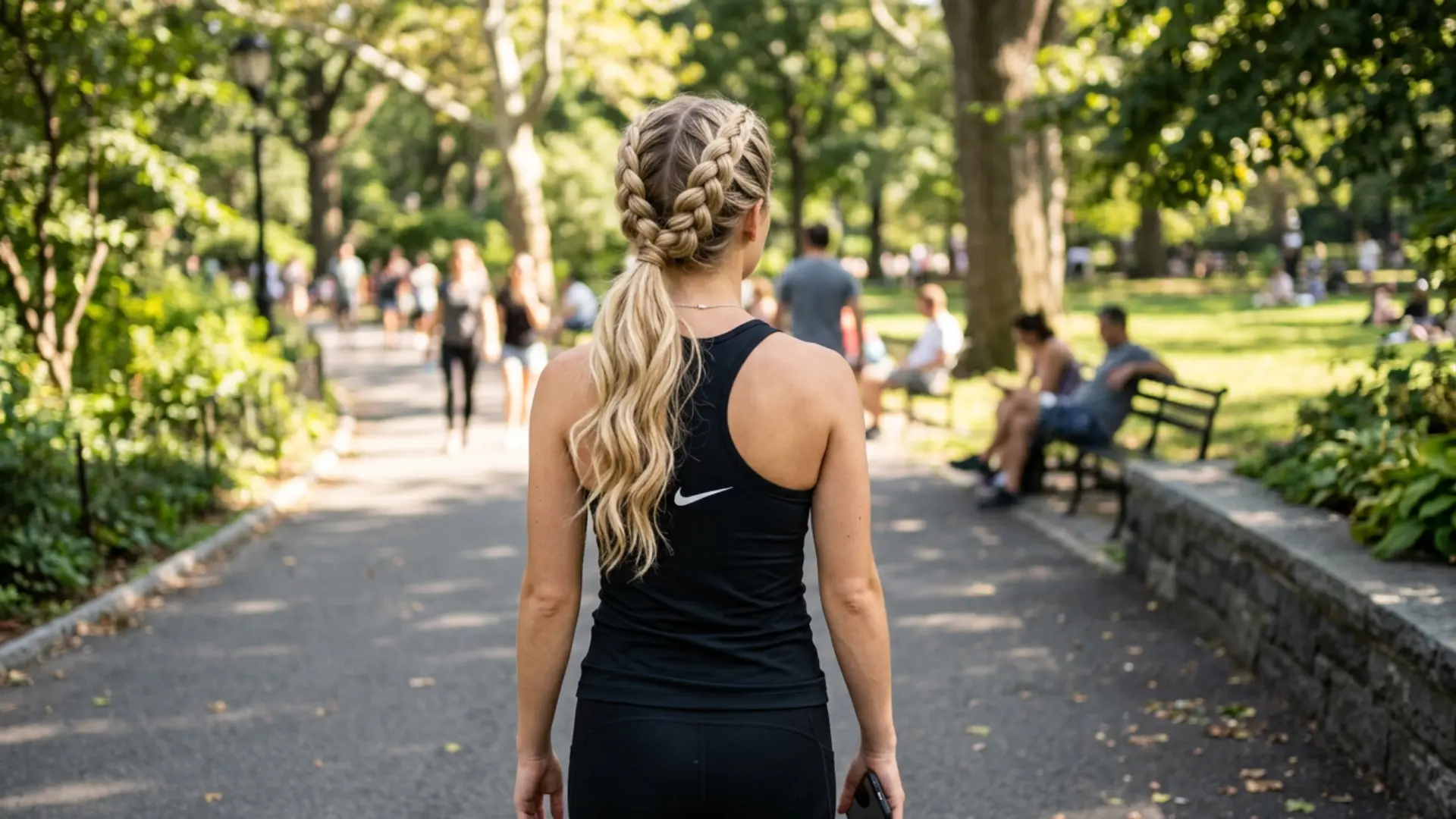
A braided ponytail combines the simplicity of a ponytail with the texture of braids. Some versions use cornrows leading into a ponytail, while others braid the ponytail itself.
This style works well for active days because it keeps hair secure and out of the way. Braided ponytails can be worn high, low, or to one side depending on the desired look.
They suit many hair textures and can easily transition from casual settings to more polished occasions.
12. Braided Bun
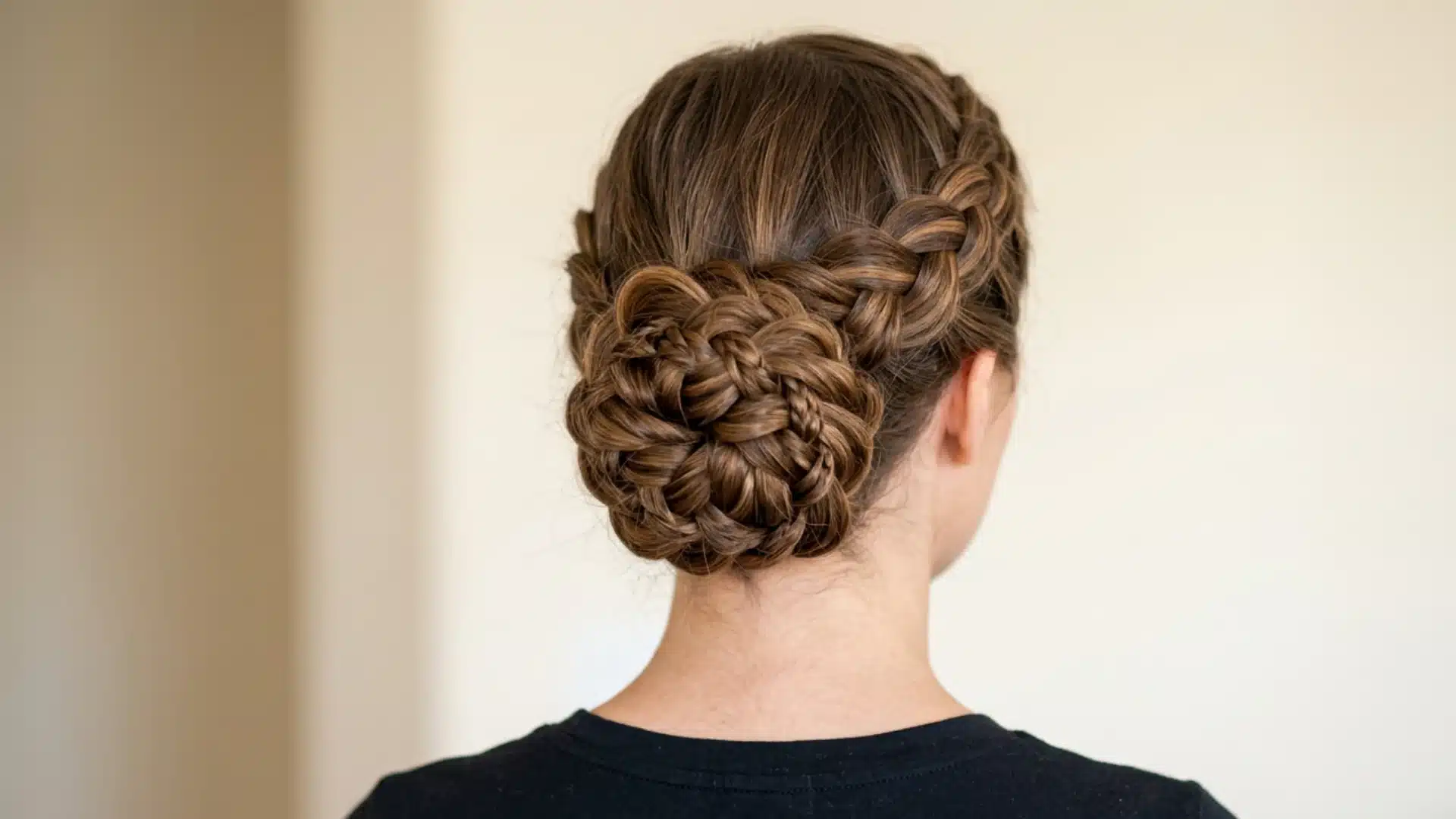
A braided bun gathers hair into a bun created from braided sections. The braid adds texture and detail while the bun keeps everything neat and secure.
This style is popular for work, formal events, and everyday wear because it looks polished without requiring much maintenance.
Braided buns can sit high on the head, low at the nape, or slightly off-center. They work well with natural hair, extensions, and protective braid styles. The result is a clean look that stays in place throughout the day.
13. Half-Up Braids
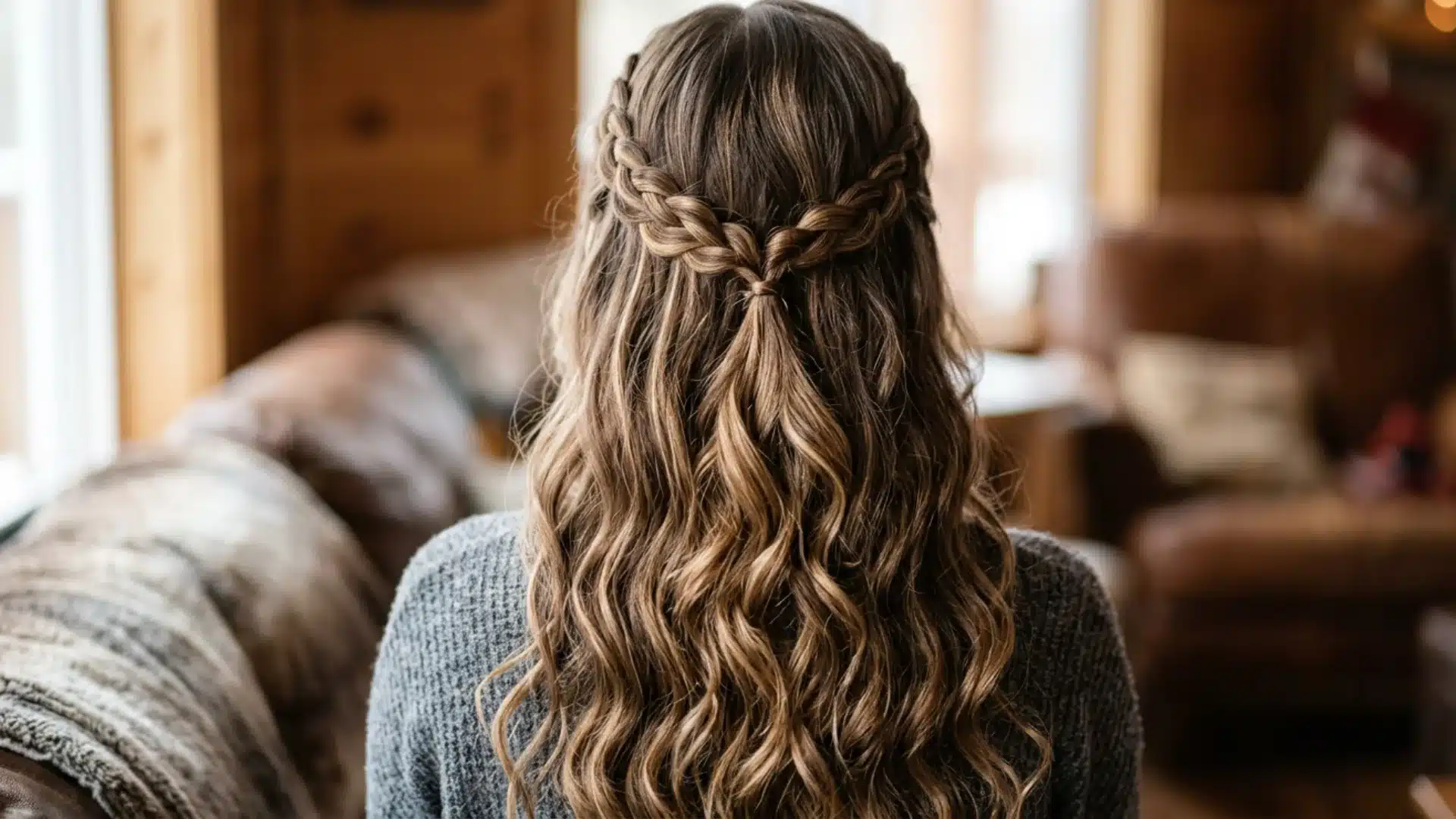
Half-up braids combine braided sections on the top half of the hair with loose hair underneath. This style offers the best of both worlds by keeping hair away from the face while still showing off length and texture.
Half-up braids can be simple or detailed depending on the braid pattern used. They work well with straight, wavy, curly, and textured hair.
The style is popular for casual outings, festivals, and special occasions because it feels relaxed while still looking styled.
14. Side Braid
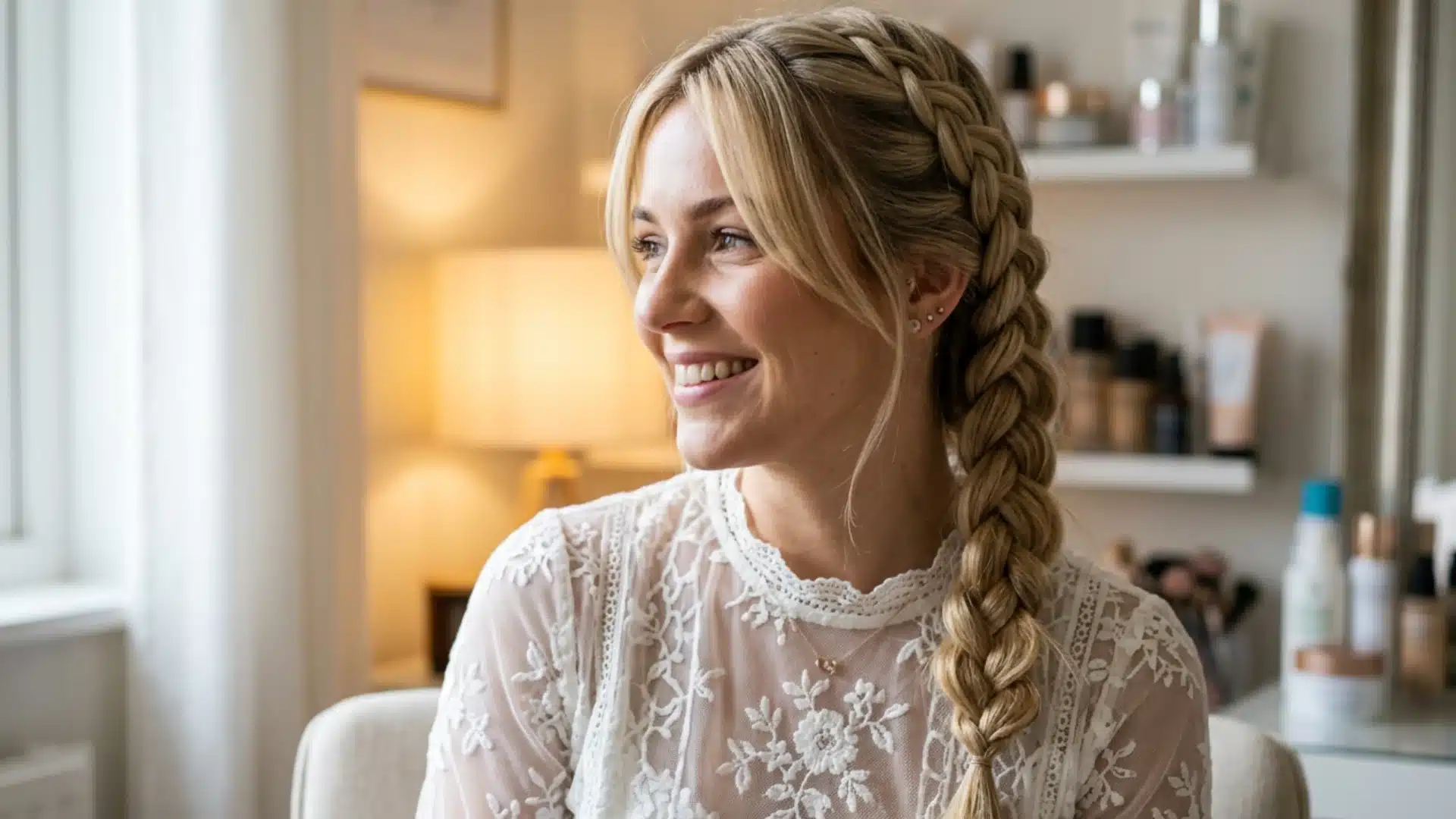
A side braid gathers hair over one shoulder and braids it to one side of the head. It can be created using a simple three-strand braid, a French braid, or a fishtail braid.
Side braids have a soft, effortless look that works well for everyday wear.
They are easy to create and can be adjusted to look neat or slightly messy. This style frames the face nicely and works on many hair lengths.
It also helps keep the hair secure through the day while adding a relaxed, stylish finish that feels simple, pretty, and easy to wear.
15. Braided Bangs
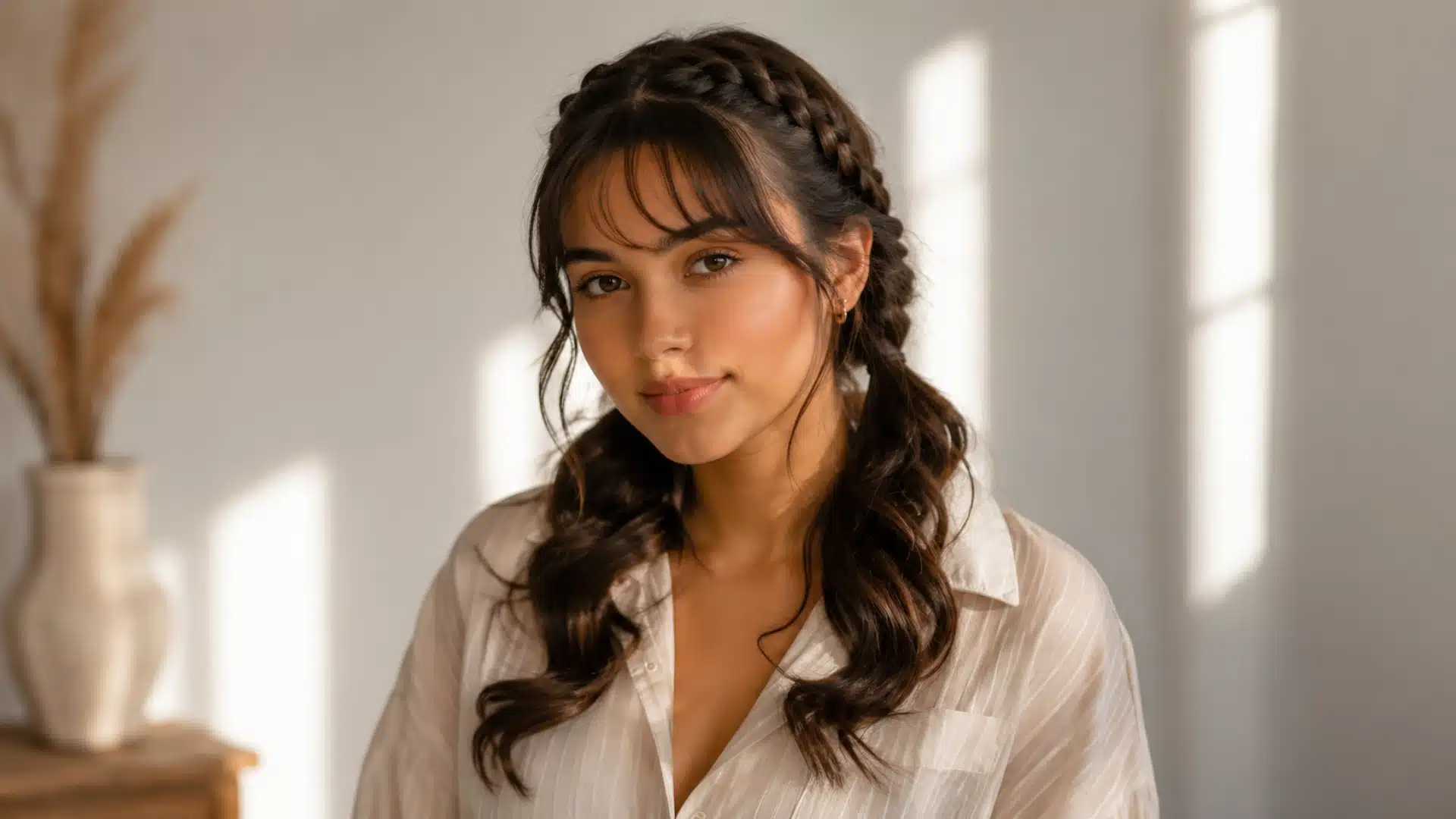
Braided bangs use small braids along the front hairline instead of leaving fringe loose. This style helps keep shorter front pieces controlled while adding detail around the face.
Braided bangs can be pinned back, blended into larger braids, or woven into a hairstyle. They work especially well during warm weather or active days when hair tends to fall forward.
The look is simple but can make a noticeable difference in the overall style.
16. Feed-in Braids
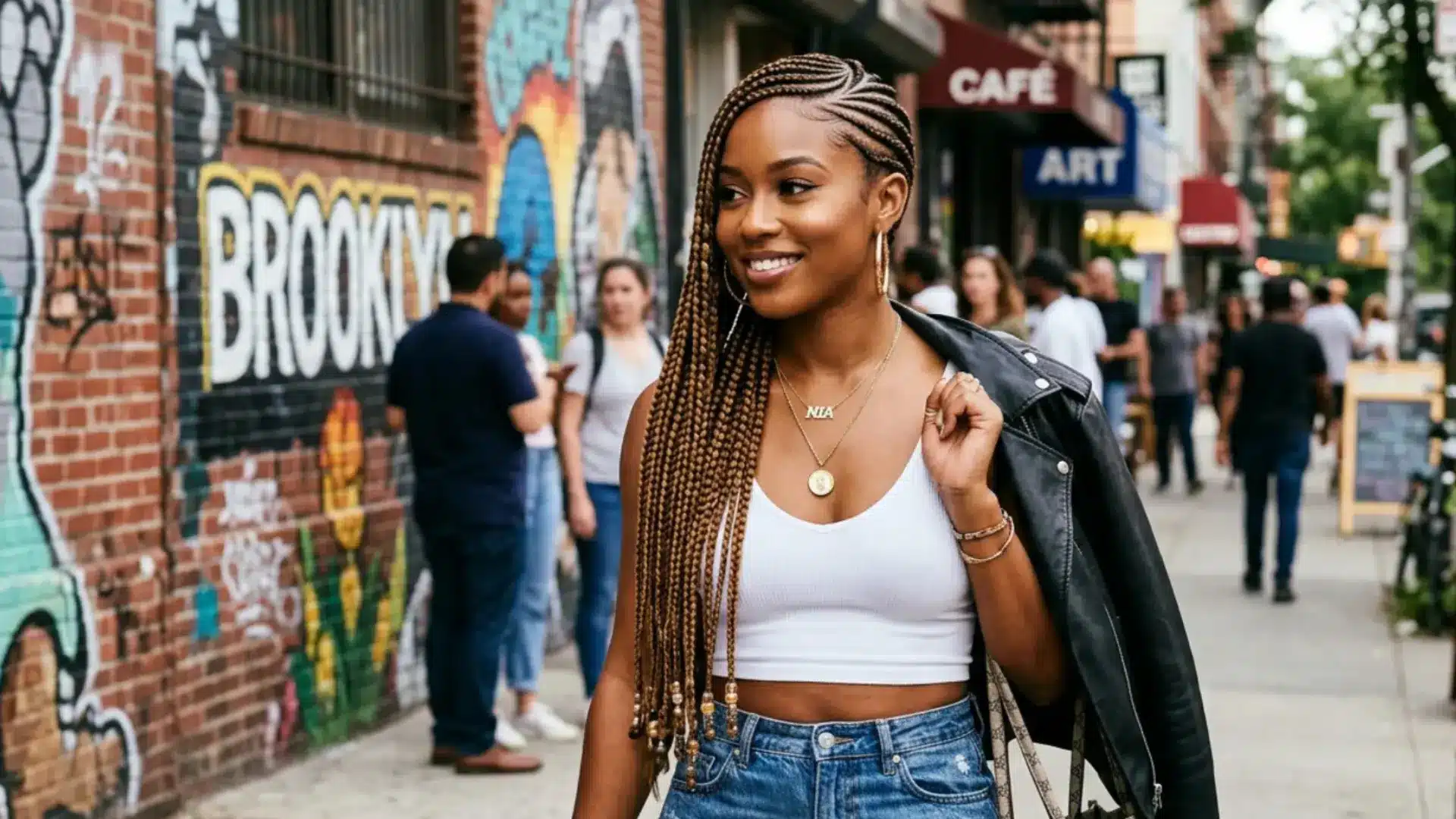
Feed-in braids use a technique in which extension hair is added gradually rather than all at once. This gives the braid a natural start because the root looks flatter and less bulky.
The method is often used for cornrows, straight-back braids, ponytail braids, and patterned braided styles.
Feed-in braids are useful when a sleek look is needed without a heavy base. They can also help reduce tension when installed carefully. The clean finish makes them easy to style for everyday wear, workouts, or formal looks.
17. Stitch Braids
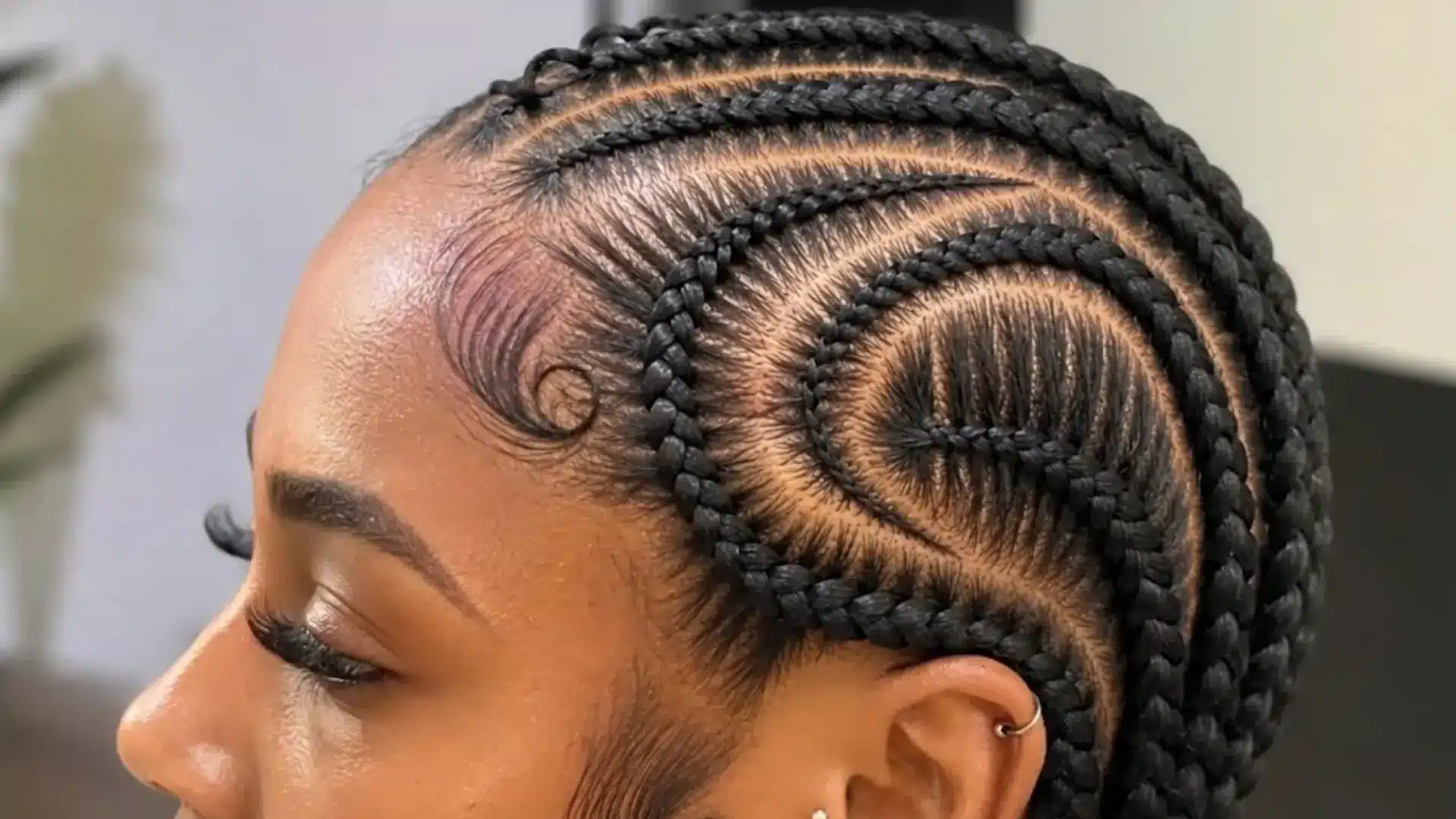
Stitch braids are a cornrow style with sharp, separated sections that create a ladder-like pattern. Each row has small picked-out lines that make the braid look more defined and structured.
This style is great when a simple cornrow look needs more, giving the hair extra shape, texture, and personality without making it feel overdone.
Stitch braids can be worn straight back, in a high ponytail, or in curved patterns. They give a polished look without adding too much bulk.
Since the parts are a big part of the style, the scalp needs to stay clean and lightly moisturized.
18. Micro Braids
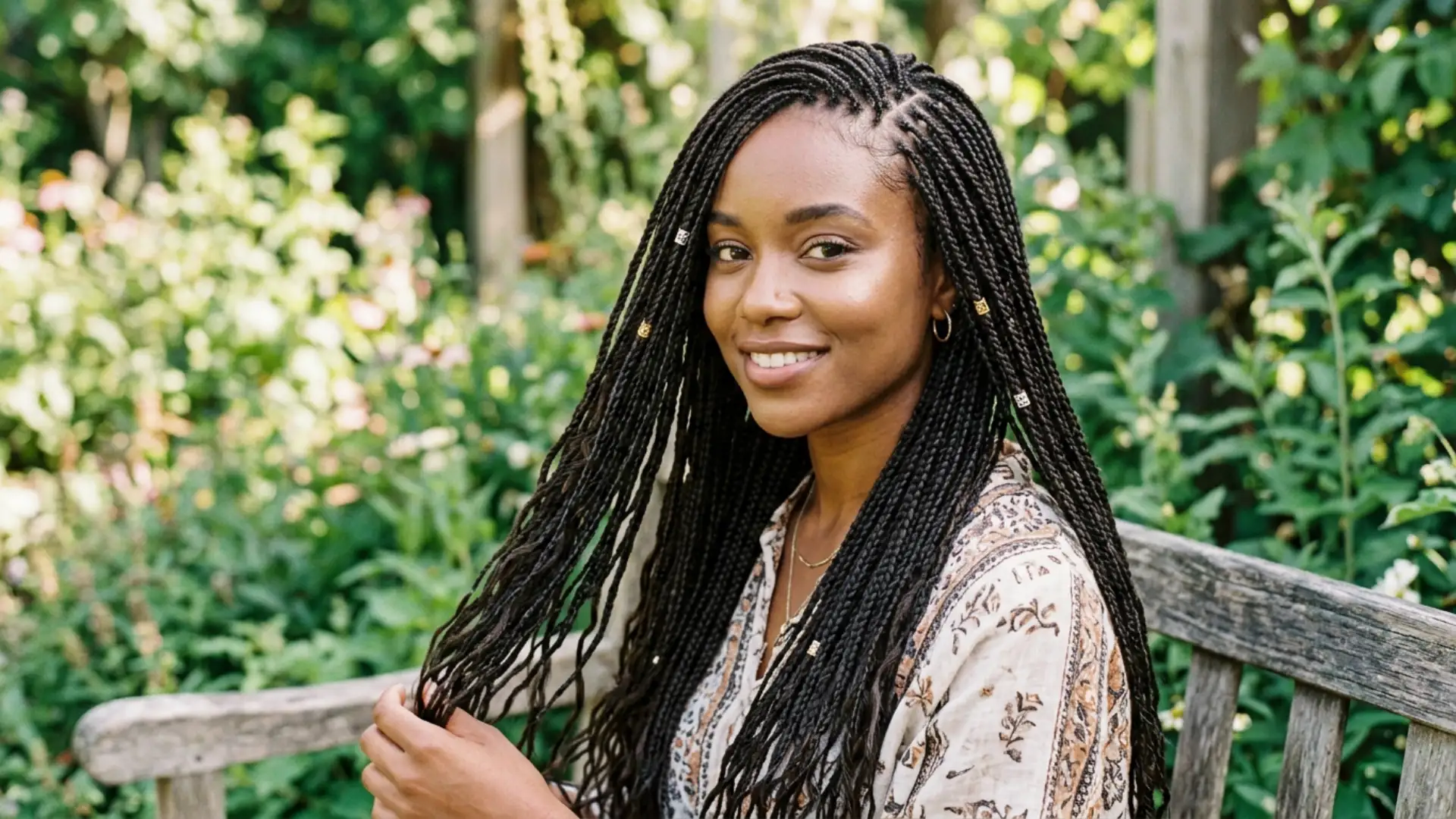
Micro braids are very small braids that can cover the entire head. Their tiny size creates a natural appearance and allows for many styling options.
They can be worn loose, tied back, curled, or gathered into updos.
Because there are so many braids, installation can take several hours. The finished result often lasts longer than larger braid styles when maintained properly.
Micro braids offer flexibility but require patience during both installation and removal.
19. Lemonade Braids
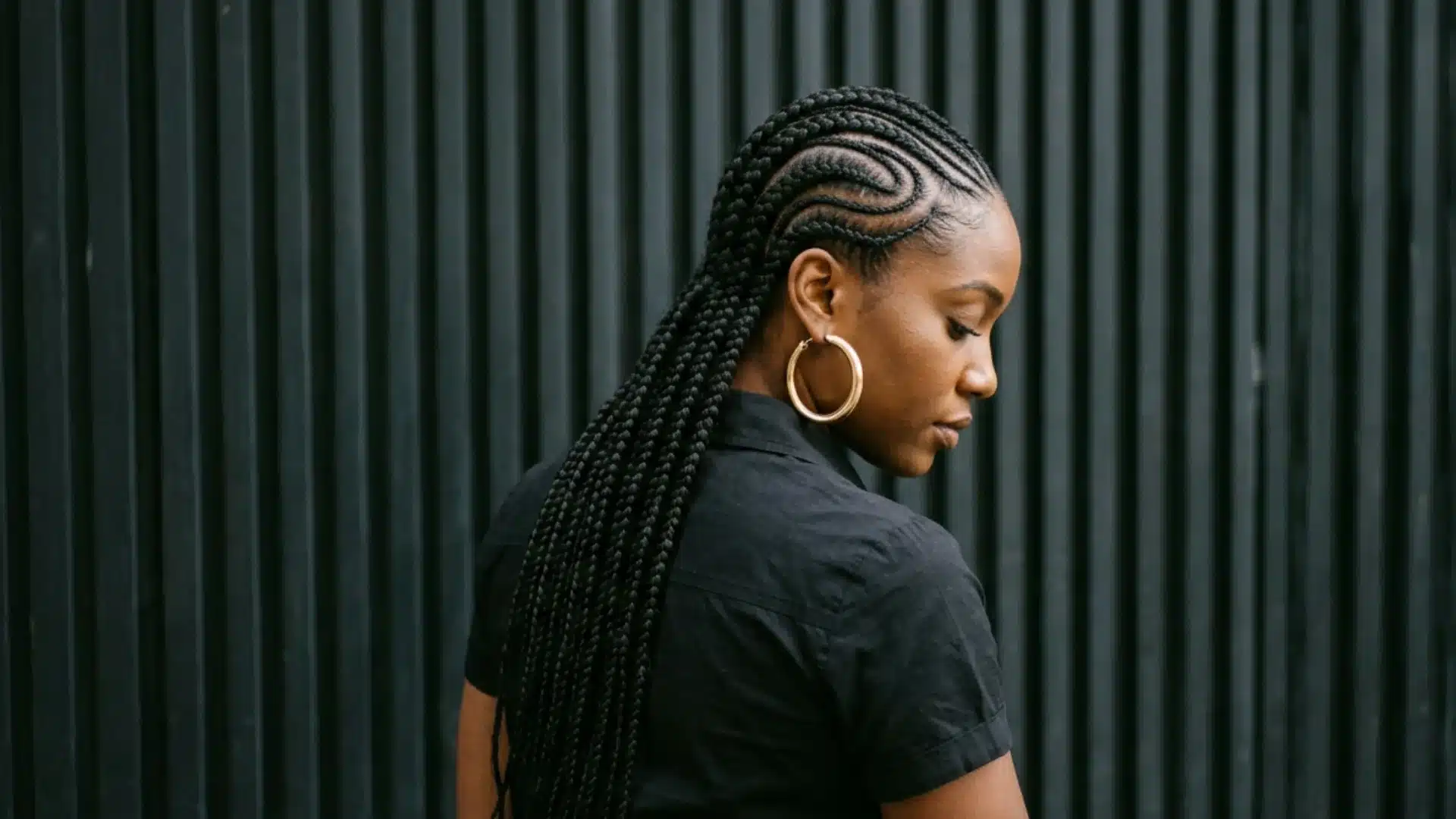
Lemonade braids are side-swept cornrows that flow in one direction across the head. The style became widely recognized after Beyoncé wore it at the release of her album “Lemonade.”
These braids create a bold, modern appearance while still serving as a protective style. Lemonade braids can be thick, thin, long, or short depending on personal preference.
The side pattern adds movement and makes the style stand out from traditional straight-back cornrows.
20. Braided Bob
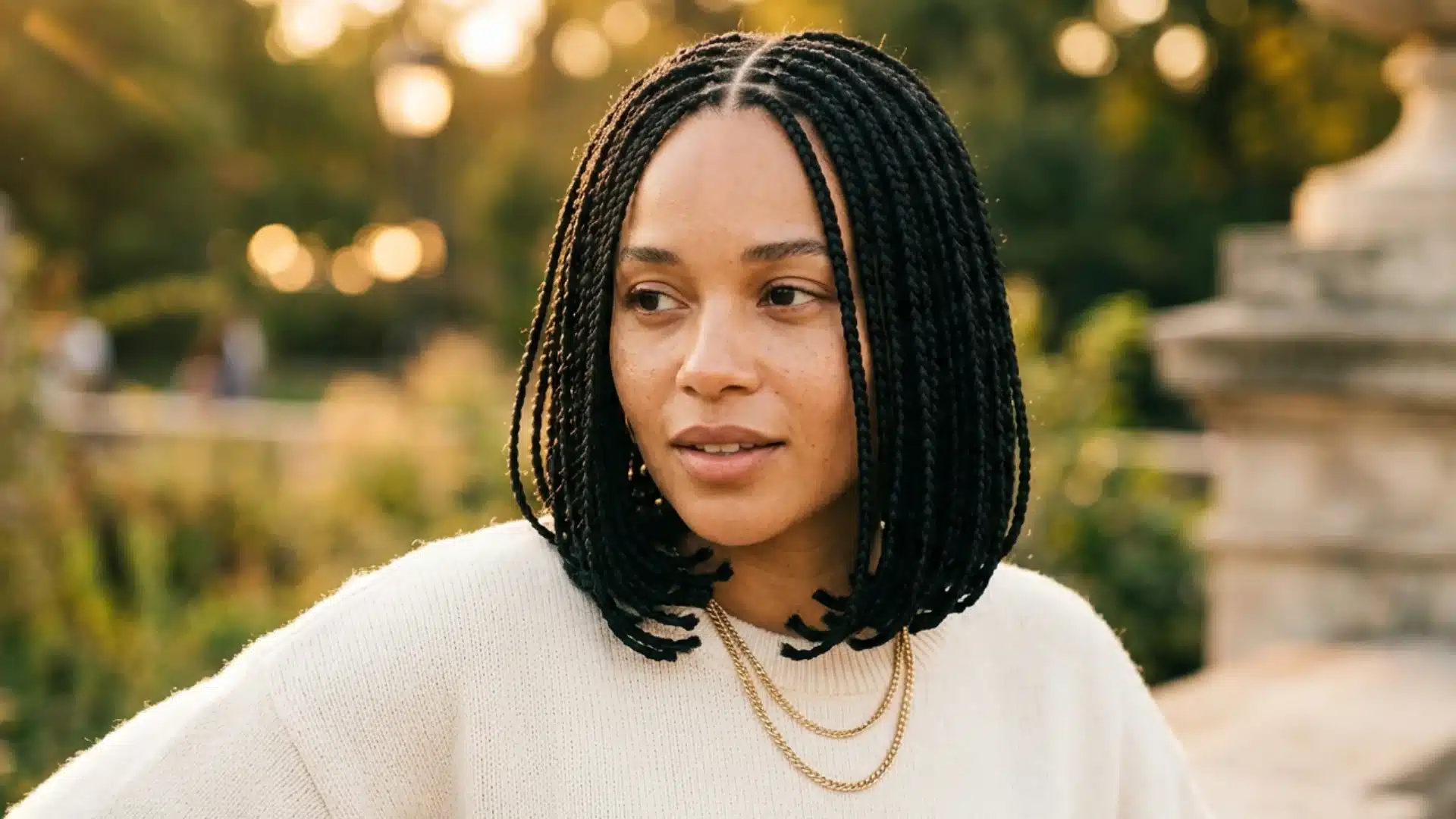
A braided bob combines the look of a classic bob haircut with braided styling. Box braids or knotless braids are usually cut or styled to chin or shoulder length.
This shorter length feels lighter than long braids and can be easier to manage, making daily styling, washing, and movement feel more comfortable.
A braided bob frames the face well and works for both casual and professional settings. The style offers the benefits of protective braids without the extra weight of longer lengths.
21. Waterfall Braid
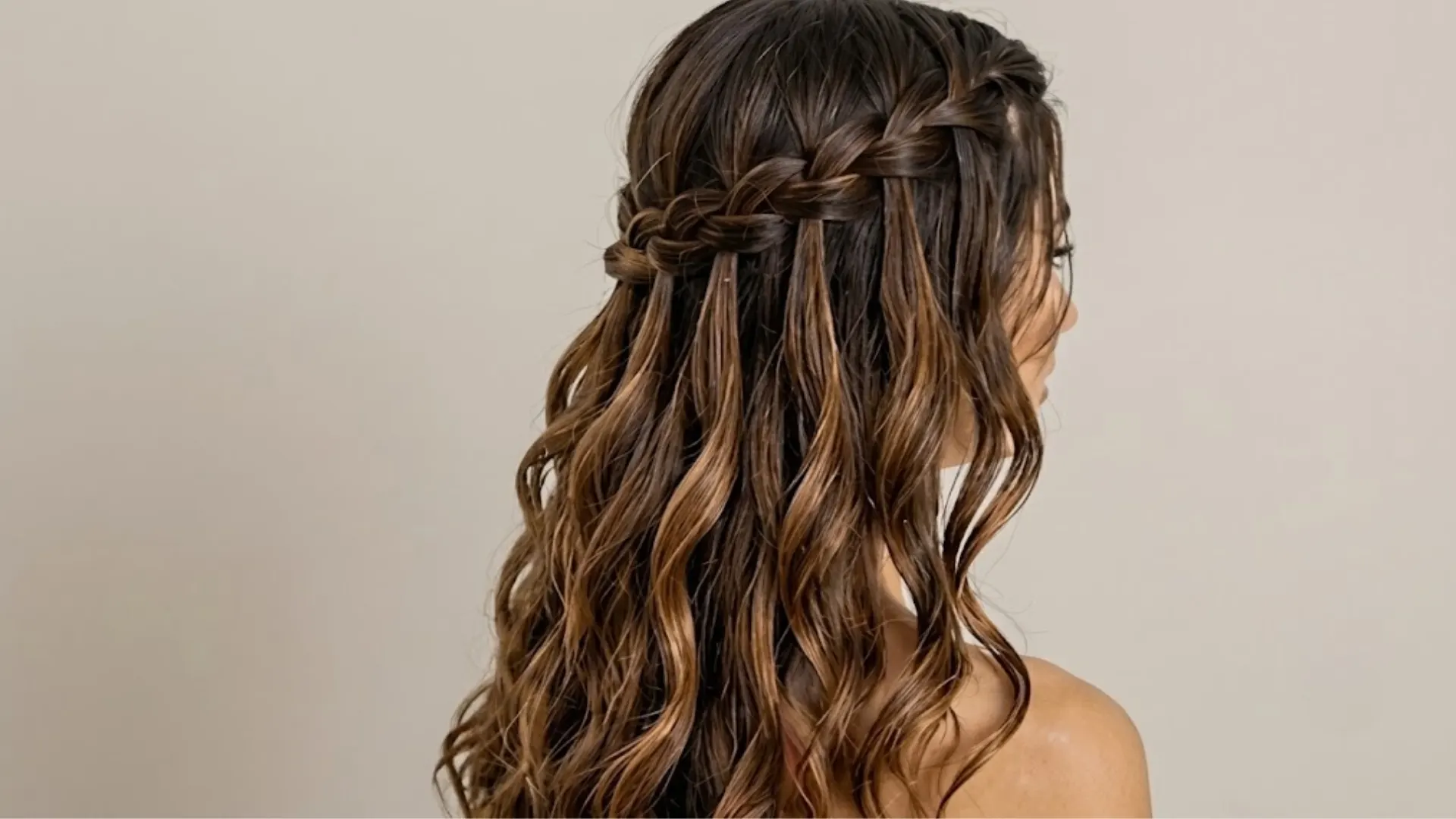
A waterfall braid is a variation of the French braid in which some strands are dropped rather than added to the braid.
This creates a cascading effect that allows sections of hair to flow through the braid, giving the style soft movement and a graceful everyday finish.
The style looks delicate and works especially well on long hair. Waterfall braids are often chosen for weddings, parties, and photo shoots because they add visual interest without completely covering the hair. Loose waves can make the effect even more noticeable.
22. Bubble Braid with Mini Braids
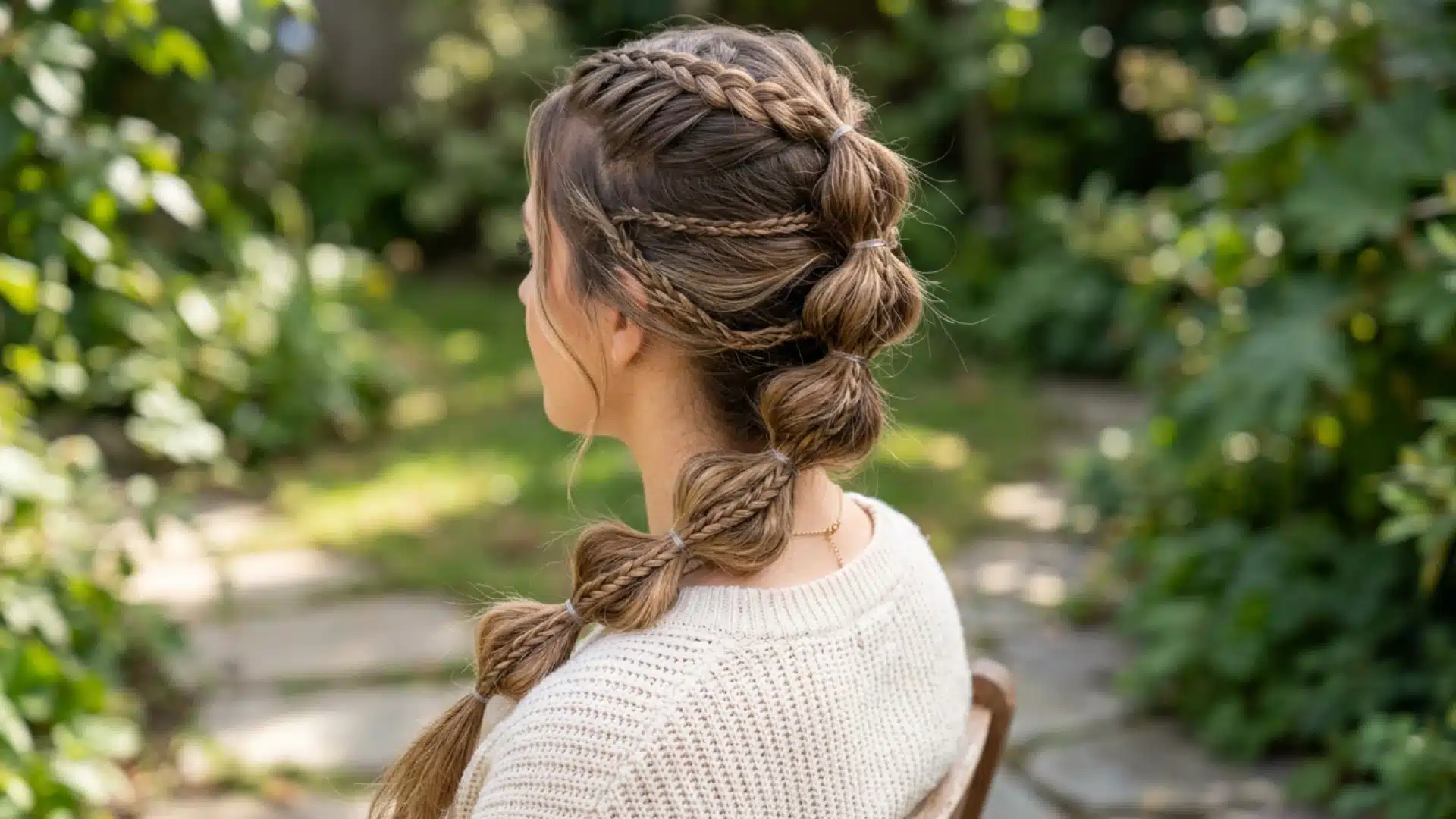
A bubble braid with mini braids combines two popular styling techniques. Small braids are woven into a ponytail, and elastic bands create rounded bubble sections along the length.
The result is playful and modern while remaining easy to customize.
This style works well on medium and long hair and can be dressed up or down depending on the occasion. The mini braids add texture, while the bubble sections create volume and shape.
23. Braids with Curls
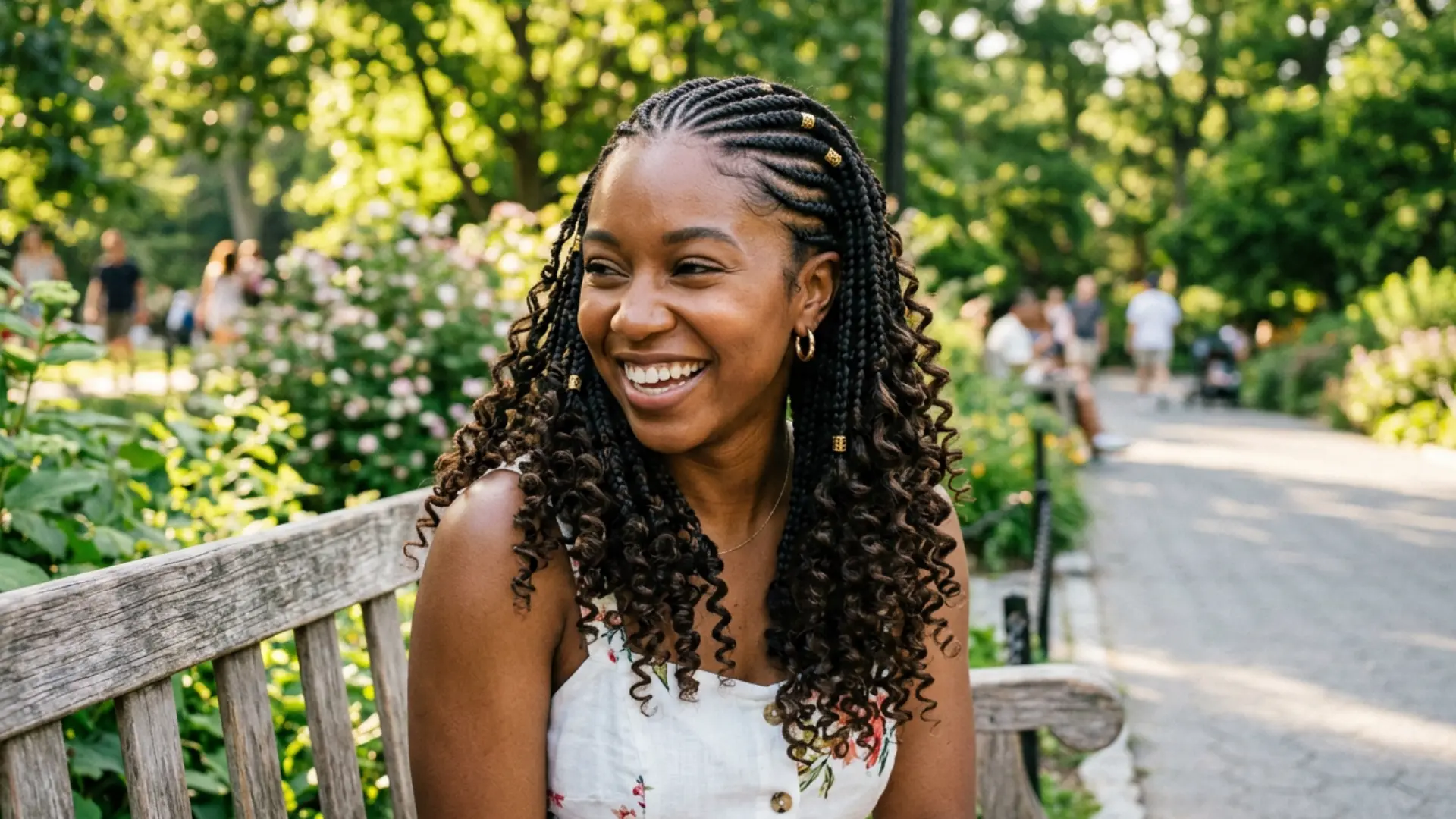
Braids with curls combine braided sections with loose, curly ends or curly extensions. The contrast between the structured braids and soft curls creates a balanced look.
This style can be used with knotless braids, goddess braids, ponytails, and many other braid designs. A braided bob frames the face well and works for both casual and professional settings.
If you want more options at this length, shoulder-length hairstyles work well alongside or after a braided bob install.
Braided Hairstyles for Special Occasions
Occasion styles need to hold for several hours and photograph well. Most of these work best when the hair has some texture to grip, so if your hair is very smooth, a light spray or mousse before styling will help everything stay in place.
| Style | Look | Best for | Tip |
|---|---|---|---|
| Halo braid | Full braid around the head | Oval, heart, and round faces | Pin ends under the braid |
| Crown braid | Braid wrapped near the top | Outdoor events | Keep it firm |
| Waterfall braid | Loose strands falling through the braid | Long wavy hair | Let sections fall cleanly |
| Braids with curls | Braids with curled ends | Soft protective styles | Use curl hair or flexi rods |
| Sleek braided bun | Slick roots with a braided bun | Formal outfits | Use gel and an edge brush |
How to Choose the Right Braid Style for Your Hair?
The right braid style depends on hair texture, length, scalp comfort, styling time, and the amount of upkeep the look requires.
- Hair type: Coily and curly textures hold braids well, especially cornrow-based styles. Straight and wavy hair suits French, Dutch, and fishtail braids, but may need more product.
- Hair length: Shoulder-length hair offers more styling options. Short hair works better with cornrows, mini braids, braided bangs, or a braided bob with extensions.
- Scalp comfort: Sensitive scalps and thin edges need alighter tension. Knotless braids and feed-in styles are gentler than tight installs.
- Styling time: Simple DIY braids can take 5 to 15 minutes with practice. Full box braids may take four to eight hours in a salon.
- Maintenance level: Protective styles require scalp moisture and a satin bonnet at night. DIY braids are quicker to redo but may fall apart faster.
Essential Tips for Maintaining Braids
Good braid care keeps the scalp clean, limits frizz, and helps the style last longer without making the hair feel dry.
- Keep the scalp clean: Dilute shampoo with water in a spray bottle, apply it between the rows, and rinse gently. Avoid hard scrubbing because it can cause frizz and loosen the braids.
- Moisturize lightly: Use a light, water-based spray or a few drops of jojoba or argan oil on the scalp. Heavy products can sit on the braids and create buildup.
- Sleep with satin: Wear a satin scarf or bonnet at night. Cotton pillowcases can dry the hair and roughen the edges, which makes braids look older faster.
- Avoid tight braids: Mild tightness on day one can happen, but lasting pain, bumps, or soreness means the tension is too high.
- Refresh frizz carefully: Use a small amount of edge control and a soft brush around the hairline. For frizz along the braids, smooth lightly with an anti-frizz spray or serum.
With the right care, braided hairstyles can stay neat, comfortable, and fresh for longer. A clean scalp, light moisture, satin protection, and low tension make the biggest difference.
Conclusion
Braids are one of the most flexible hairstyle options available.
Once you understand the difference between a protective install and a casual everyday braid, choosing the right style becomes straightforward rather than overwhelming.
The best braid for you is not the trendiest one, but the one that suits your hair’s current condition, your styling routine, and the time you have to maintain it. Start there, and the rest follows naturally.
Drop a comment below with your go-to braid, or share the style you’re planning to try next. I’m always curious what works for people with different textures and lengths.
Frequently Asked Questions
Can I Get Braids if My Hair is Fine or Thin?
Yes, but choose low-tension styles like knotless braids or feed-in braids. Avoid tiny braids, and rest thinning edges between installs.
How Do I Stop Braids from Frizzing in Humidity?
Use a light anti-frizz serum before going outside, sleep in a satin bonnet, and apply edge control only around the hairline.
Do Braids Work on Short Hair?
Yes, if the hair is around two to three inches long. Cornrows, braided bangs, mini braids, and braided bobs work best.