Shoulder-length hair often feels like it sits in that awkward middle, not short enough to be bold, not long enough to feel dramatic.
But the truth is, hairstyles for shoulder-length hair are some of the most versatile you can work with if you style them right.
I have shaped this length across dozens of different hair types and head shapes, and the complaint before the cut is almost always the same: “I feel stuck at this length.”
That changes fast once the right structure is in place. This length gives you room to switch between sleek, wavy, layered, or even tied looks without much effort.
The real upgrade comes with a medium hair layer cut, which makes styling way easier on a daily basis.
Once you understand how to use layers to your advantage, this length stops feeling limiting and starts working for you.
Why Shoulder Length Hair is the Sweet Spot?
Shoulder-length hair offers a balance between versatility and easy maintenance. It provides enough length for different styles without the extra weight and upkeep that often come with longer hair.
This length works well with straight, wavy, and curly textures. It can look polished with a sleek finish or more relaxed with natural movement and layers.
In practice, the best results usually come from layers designed around a person’s natural texture rather than adding layers without a clear plan. Proper placement can change how the cut falls, moves, and frames the face.
Another reason this length remains popular is its adaptability across face shapes. Oval faces can wear almost any variation, while round or square faces often benefit from longer front sections or side parts that create a more balanced shape.
A medium hair layer cut works especially well at shoulder length because it adds movement without removing too much fullness. It also makes styling more manageable for everyday wear.
Classic Hairstyles for Shoulder Length Hair
If you are looking for styles that actually work daily, these classic options for shoulder-length hair give you reliable looks without overcomplicating your routine.
1. Blunt Lob
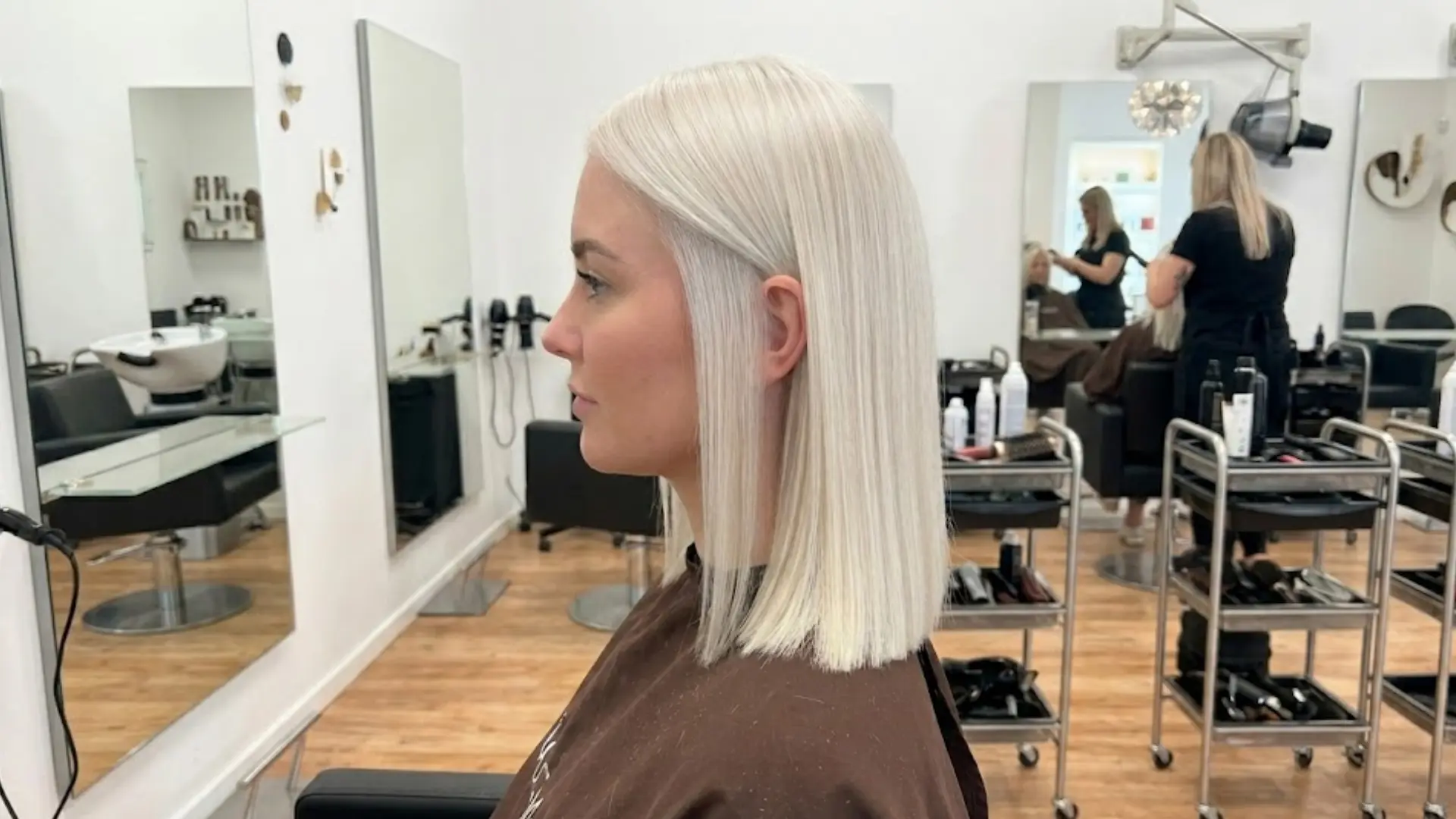
The blunt lob is all about straight, even ends that create a sharp and polished finish. It works best if you prefer a clean, structured look that requires little styling.
This cut holds its shape well and looks great with straight hair. It also gives the illusion of thicker ends, making it a solid choice for anyone dealing with fine or flat hair.
- Best for: Fine to medium, naturally straight hair.
- Face shapes: Oval and square, the clean horizontal edge adds structure that suits both without overwhelming either.
- At the salon: Ask for a one-length cut, ends trimmed straight across, no graduation, and blunt-dried flat.
2. Textured Lob
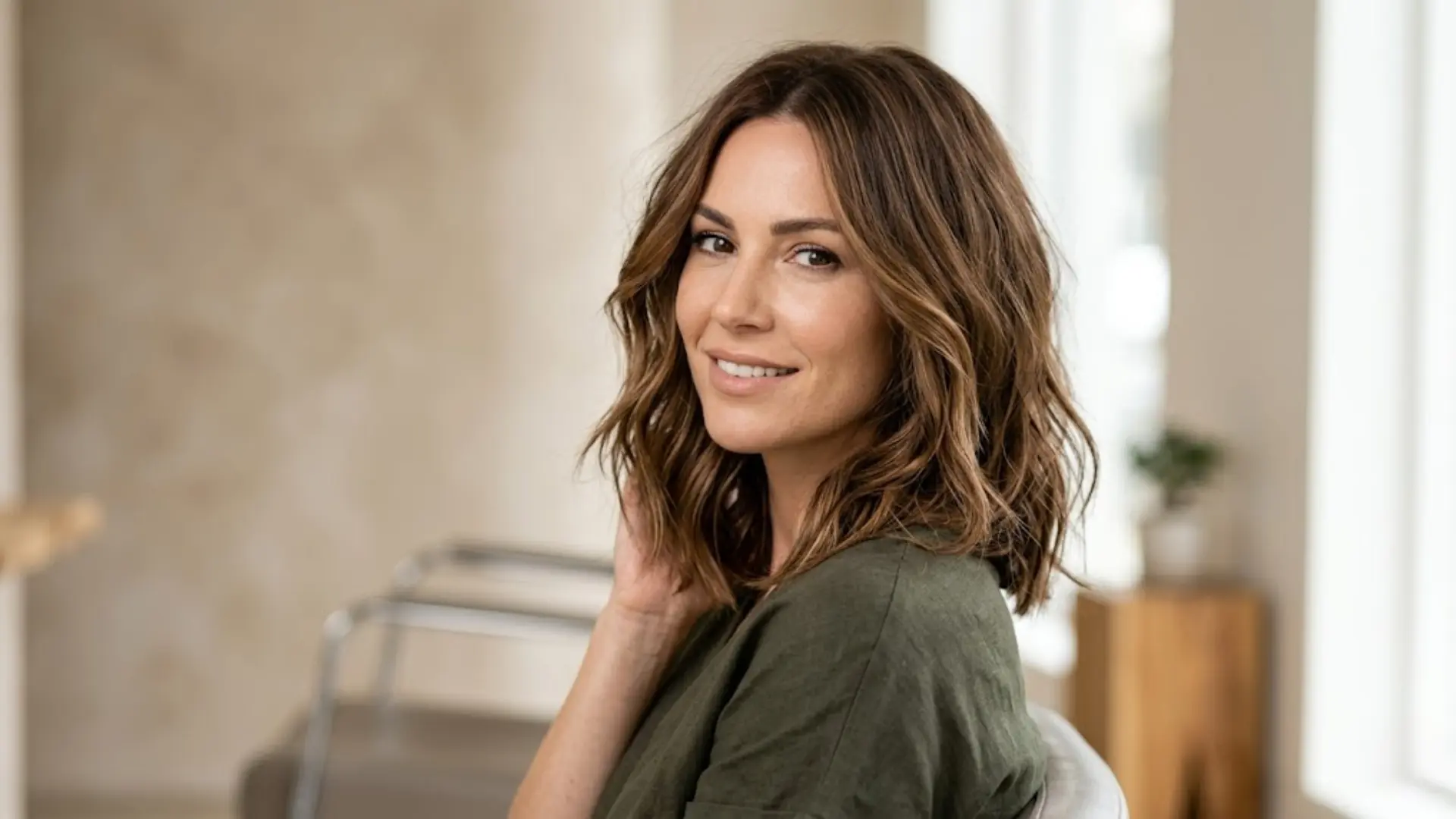
The textured lob brings a slightly messy finish that feels effortless and modern. Instead of sharp edges, the ends are softened to create natural movement throughout the hair.
This style works well if you prefer a relaxed look that doesn’t feel overly styled. It pairs easily with waves and does not require perfect styling, which makes it ideal for everyday wear.
- Best for: Wavy and medium-density hair.
- Face shapes: Round and heart, the softened, diffused ends avoid adding hard edges that can read as extra width.
3. A-Line Lob
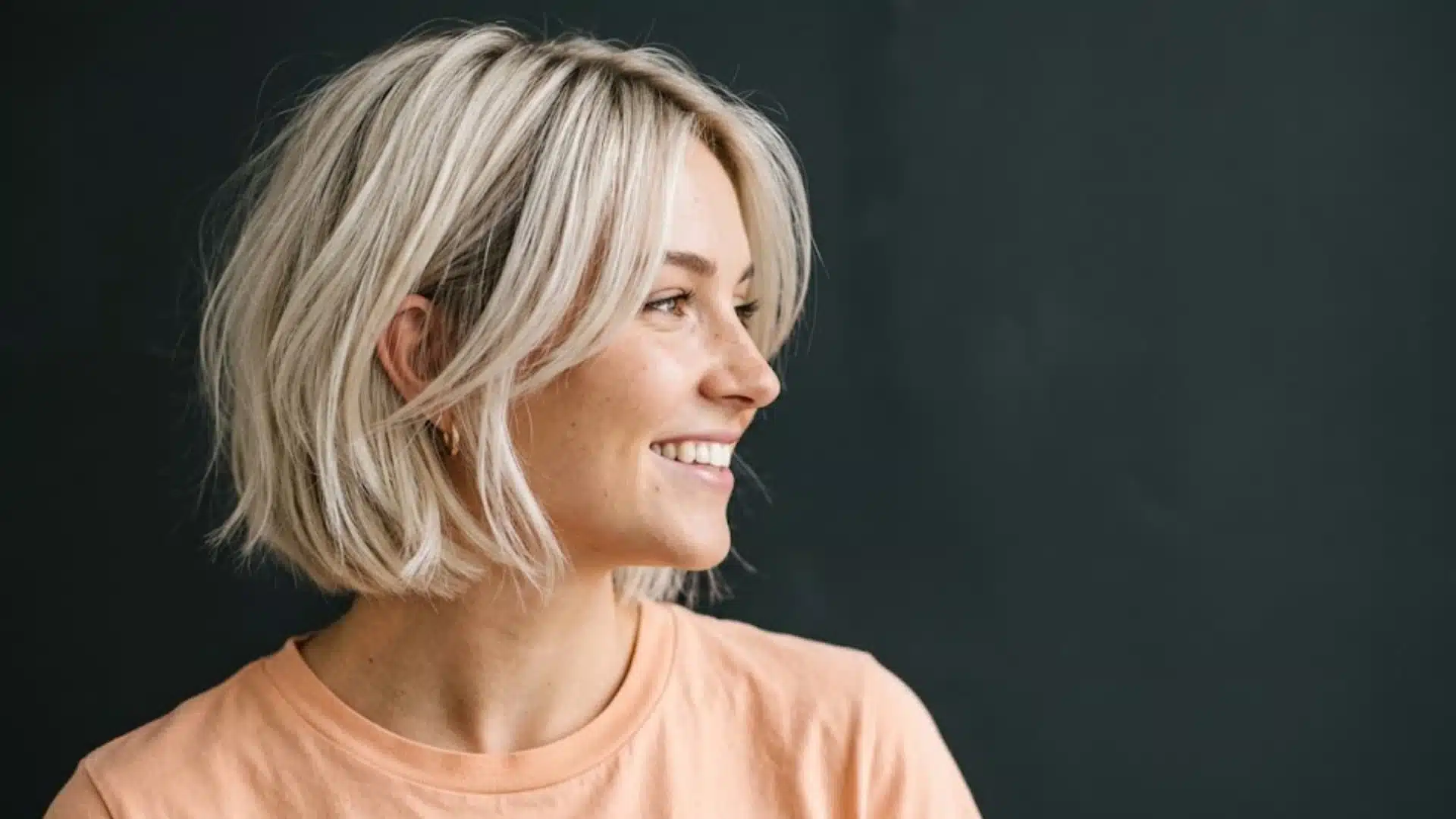
The A-line lob is shorter at the back and gradually longer in the front, creating a noticeable shape. This cut adds a sharp and modern feel without going too extreme.
It helps frame the face while maintaining the overall length. The angled structure also adds movement, making it a good option if your hair tends to look flat or lacks definition.
- Best for: Straight to slightly wavy hair.
- Face shapes: Heart and oval, the longer front sections draw the eye downward and balance a wider forehead without adding bulk at the sides.
- At the salon: Ask for an angled cut, longer at the front and shorter at the nape, with no layers added.
4. Shoulder Length Shag Cut
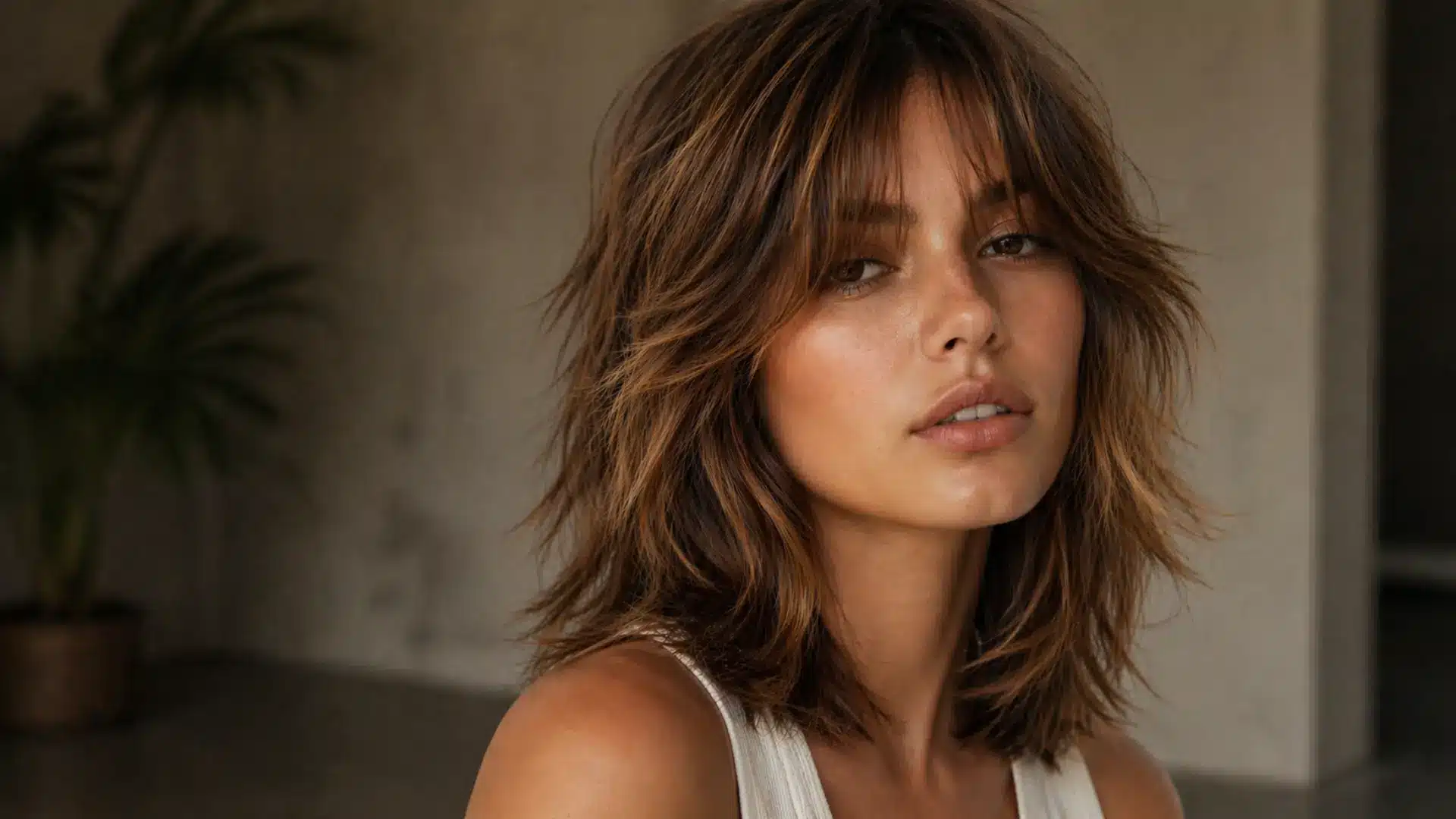
The shoulder-length shag cut uses multiple layers to create a relaxed and slightly messy look. It is perfect if you want something that feels effortless but still has personality.
The layers add texture and volume, especially for wavy or slightly curly hair. This style works best when you let your natural texture show, rather than trying to keep everything perfectly styled.
If you want to push the shag in a more dramatic direction, goth hairstyles offer striking layered cuts that translate well to this length.
- Best for: Wavy and lightly curly hair; also works on straight hair with the right product.
- Face shapes: Oval and round. Layered volume at the crown adds height to round faces while keeping oval proportions balanced.
- At the salon: Ask for a shag with choppy layers, shorter at the crown and longer through the length. Specify if you want a disconnected fringe included.
5. Layered Lob with Middle Part
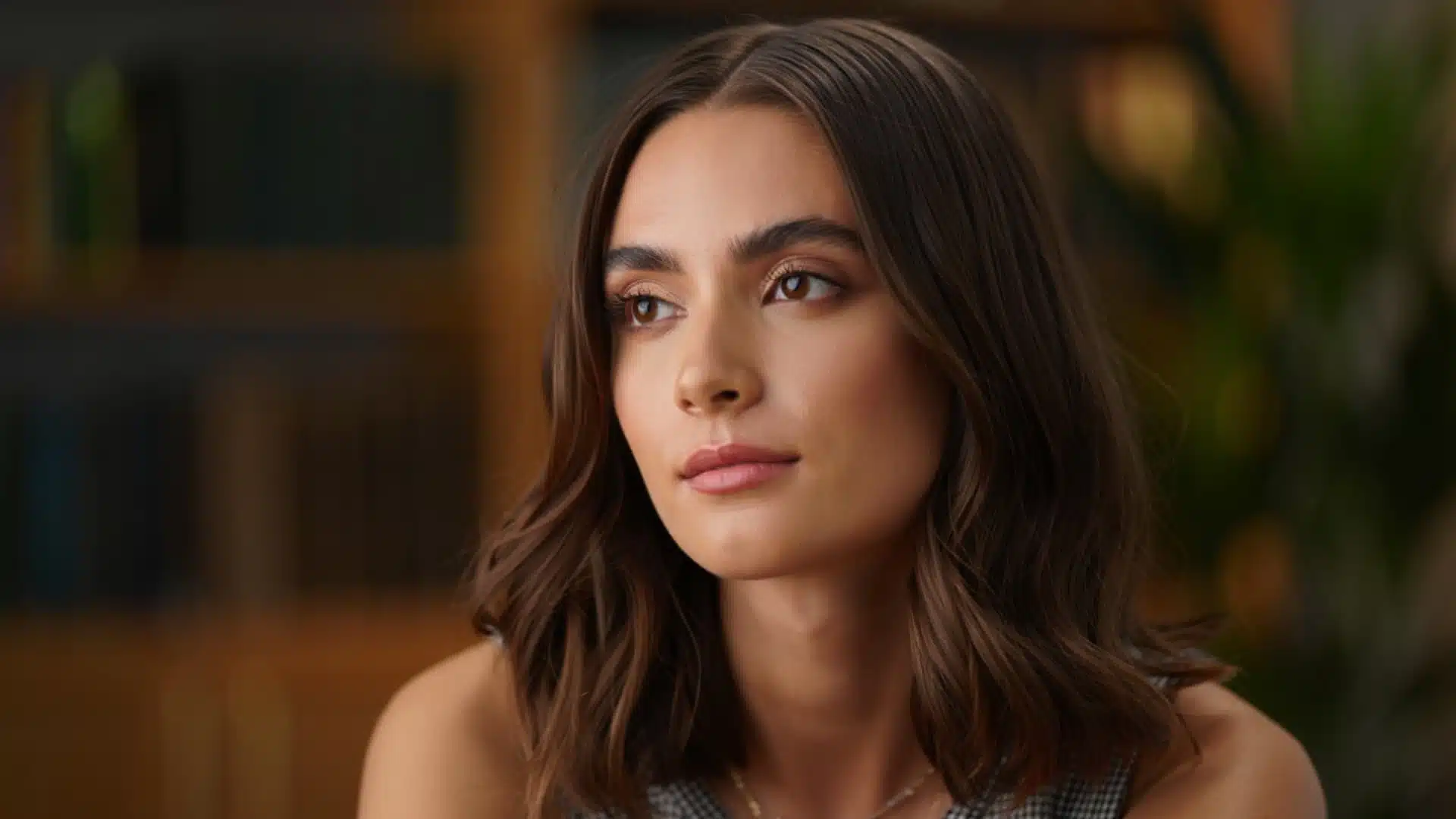
This style focuses on balance, with a middle part that evenly divides the hair on both sides. The layers are placed to frame the face without looking too heavy.
It gives a clean and symmetrical appearance that suits most face shapes. This cut works well if you like a neat look but still want some movement, making it a good mix of structure and softness.
- Best for: Straight and wavy hair.
- Face shapes: Oval and oblong, the symmetrical middle part works well for balanced proportions and avoids adding extra width.
- At the salon: Ask your stylist to keep layers starting below the chin so the even frame around the face is maintained.
6. Side-Parted Lob
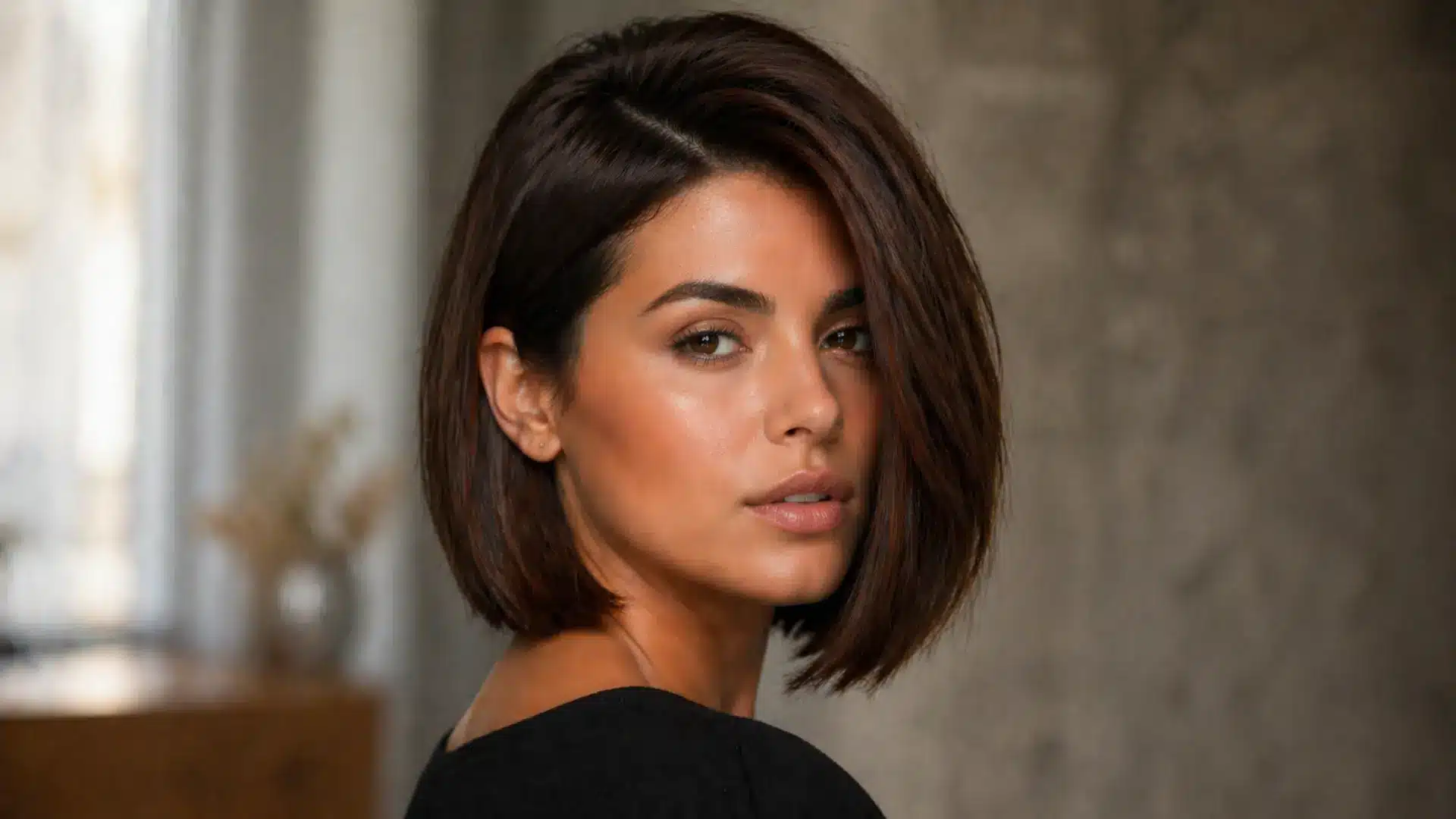
The side-parted lob adds instant volume by shifting most of the hair to one side. A deep side part directs airflow and creates lift at the roots on whichever side carries the bulk, especially effective if your hair goes flat by midday.
The asymmetry is built into the parting, not the cut, so you can switch the part to reset the look entirely.
Use a small amount of root-lifting mousse at the part before blow-drying and direct a concentrator nozzle downward to lock in the volume.
- Best for: All hair types.
- Face shapes: Round and square; the diagonal line created by the part visually elongates the face and disrupts symmetry, softening strong angles.
7. Collarbone Length Cut with Soft Layers
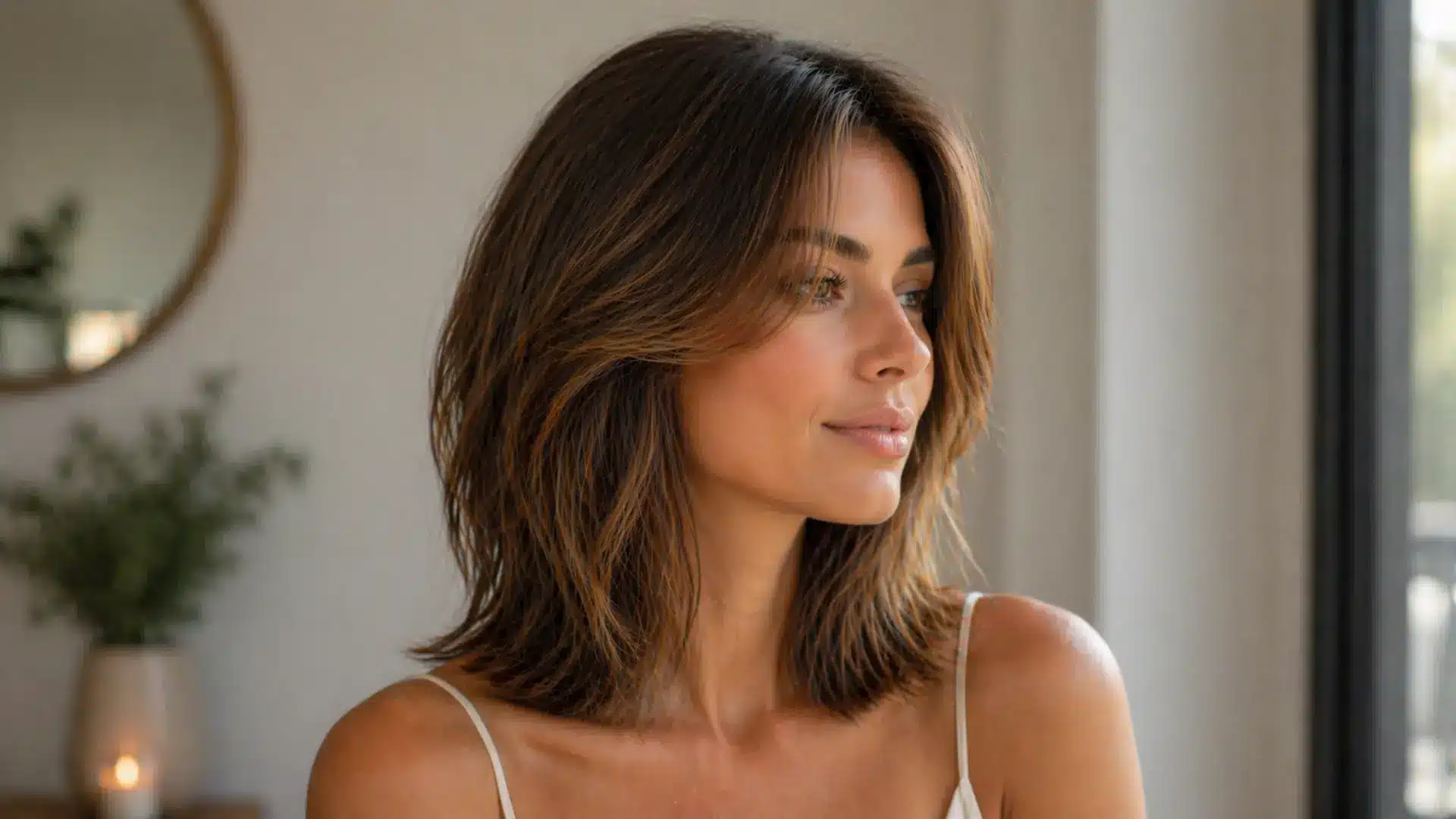
This cut sits right at the collarbone, offering a natural, flattering length that suits most face shapes. The soft layers add subtle movement without making the hair look too choppy or thin.
It is a great option if you want a gentle upgrade from a basic cut. Styling stays simple, and the layers help the hair fall neatly with minimal effort throughout the day.
- Best for: Fine to medium hair.
- Face shapes: All face shapes. This is one of the most universally wearable options in the shoulder-length category.
8. Straight Sleek Lob
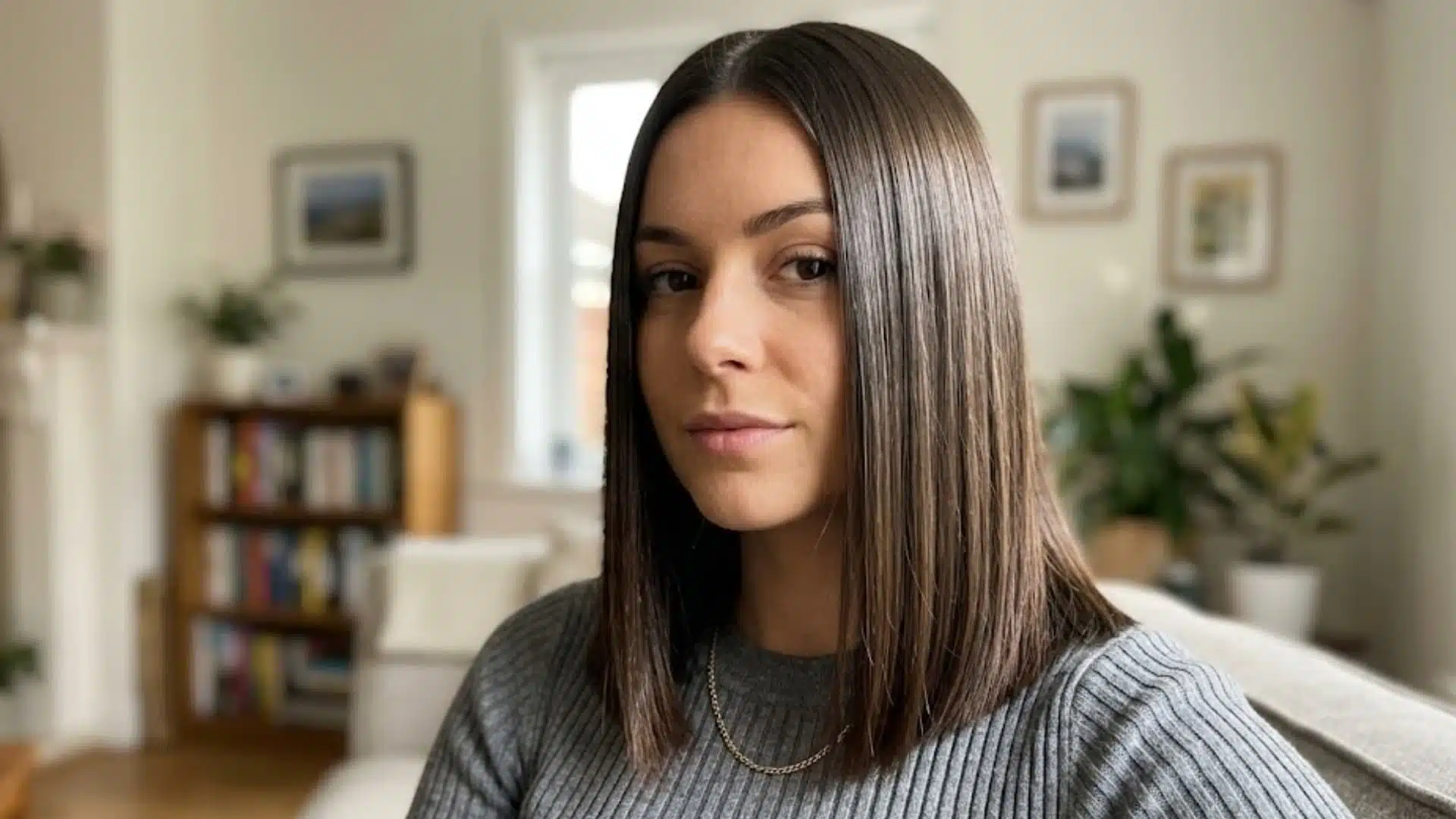
The straight, sleek lob focuses on a smooth, flat-ironed finish that looks sharp and polished. Where the blunt lob is defined by its cut shape, the sleek lob is defined entirely by its finish.
The emphasis here is on shine, smoothness, and a controlled surface from roots to ends. This makes it the stronger choice for polished or formal settings where the blunt lob’s raw edge might read as too casual.
Always apply a heat protectant before flat-ironing, work in thin sections, and finish with a light serum on the surface to seal the cuticle and prevent frizz from returning throughout the day.
- Best for: Naturally straight hair or hair that responds well to heat tools.
- Face shapes: Oval and square.
9. Wavy Lob
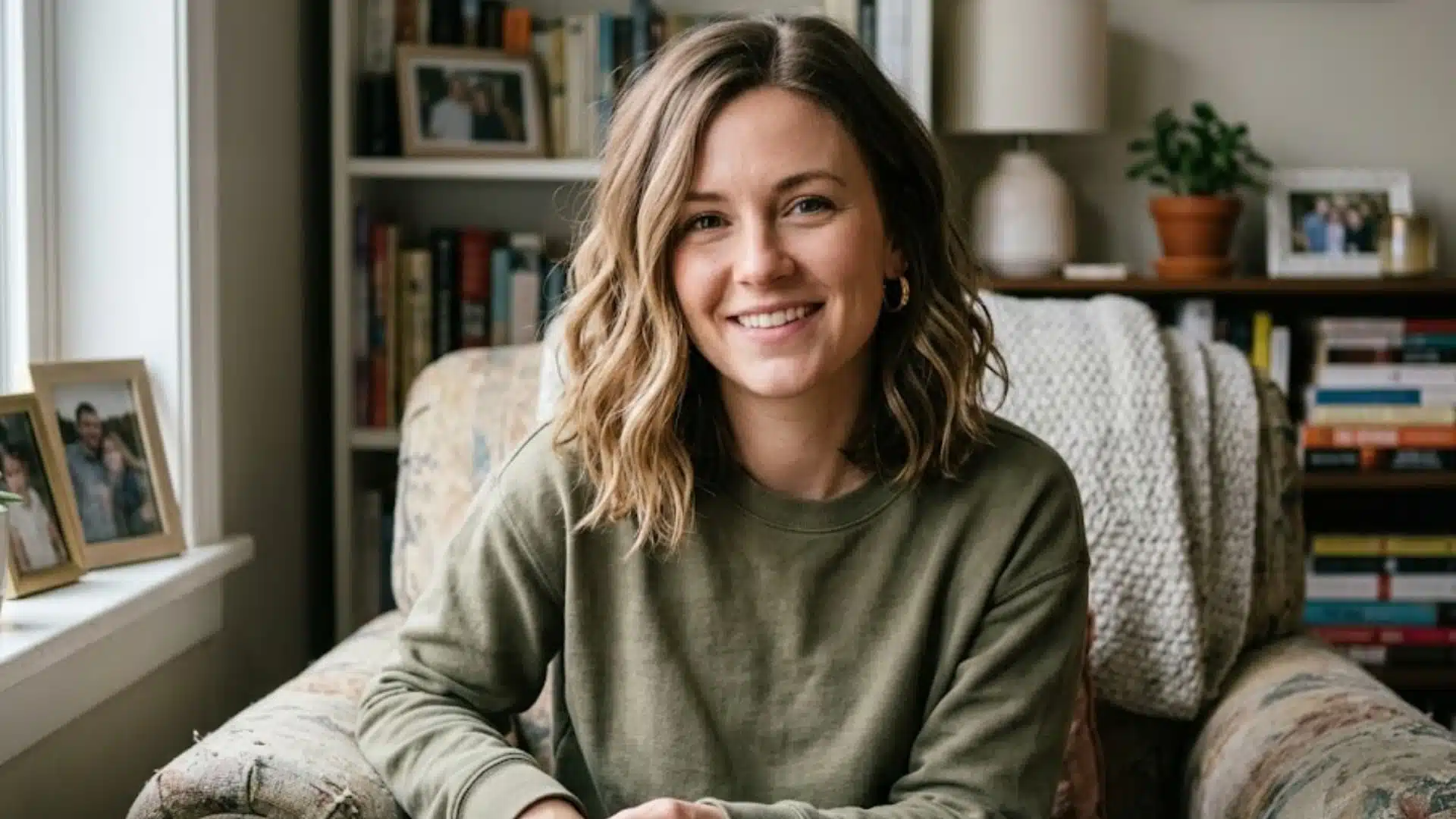
The wavy lob adds loose waves to create texture and a more relaxed feel. It is one of the easiest styles to maintain because it does not require perfect styling.
The waves give movement and prevent the hair from looking flat. This look works well for daily wear and suits most hair types, especially if you want something simple but not too plain.
- Best for: Naturally wavy and medium-density hair.
- Face shapes: All face shapes
10. Shoulder Length Cut with Curtain Bangs
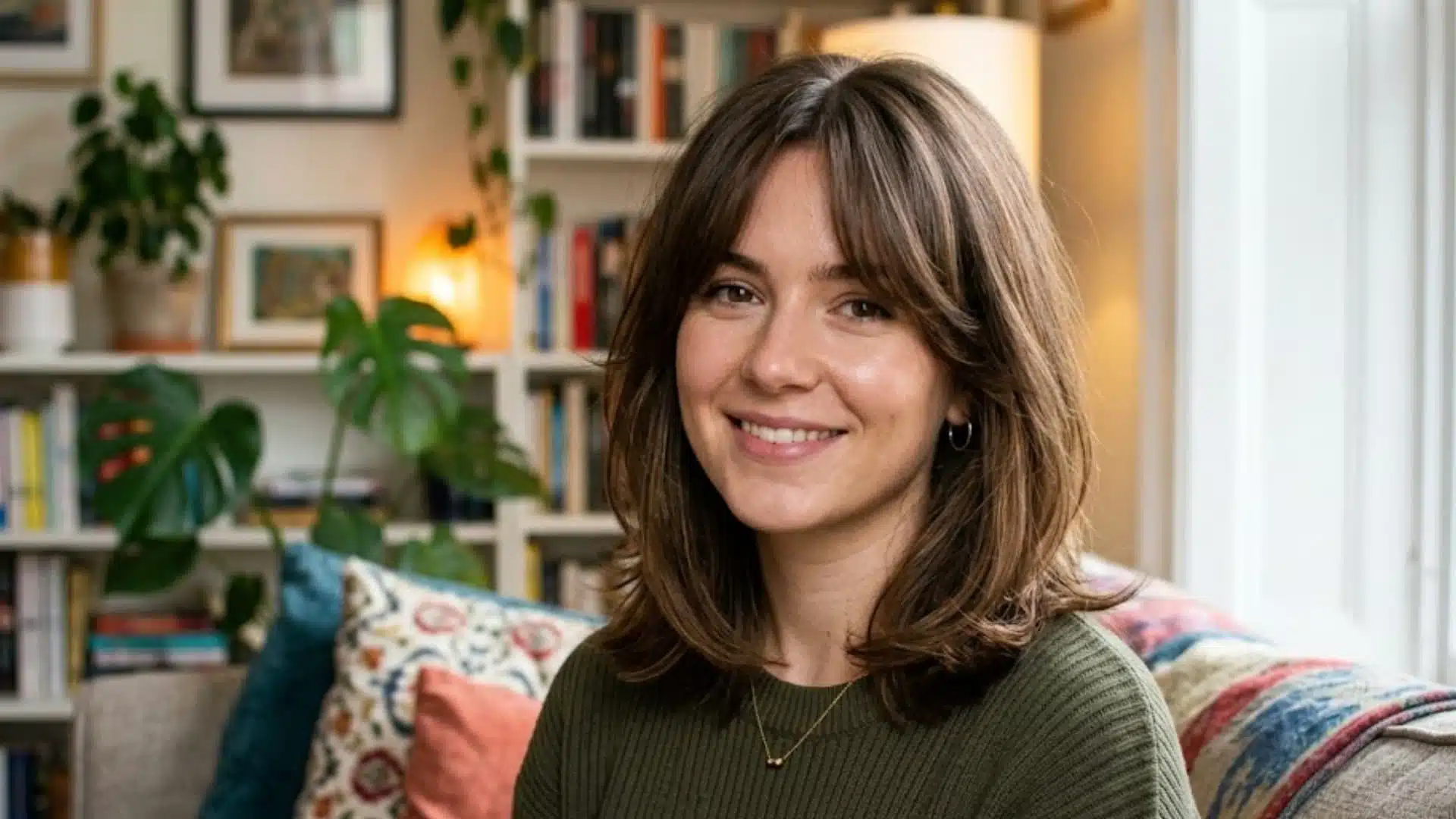
This style features soft bangs parted in the middle that blend naturally into the rest of the hair. Curtain bangs frame the face without feeling too heavy or dramatic.
They work well with layers and add a bit of shape to the overall look. This cut is a good choice if you want to change your style slightly without committing to full bangs.
- Best for: Straight and slightly wavy hair.
- Face shapes: Heart, oval, and oblong. Curtain bangs soften a wide forehead and add visual width to longer faces.
- At the salon: Ask for bangs parted at the center, trimmed to the cheekbone or just below, with a slight feathered angle to blend cleanly into the sides.
11. Shoulder Length Cut with Wispy Bangs
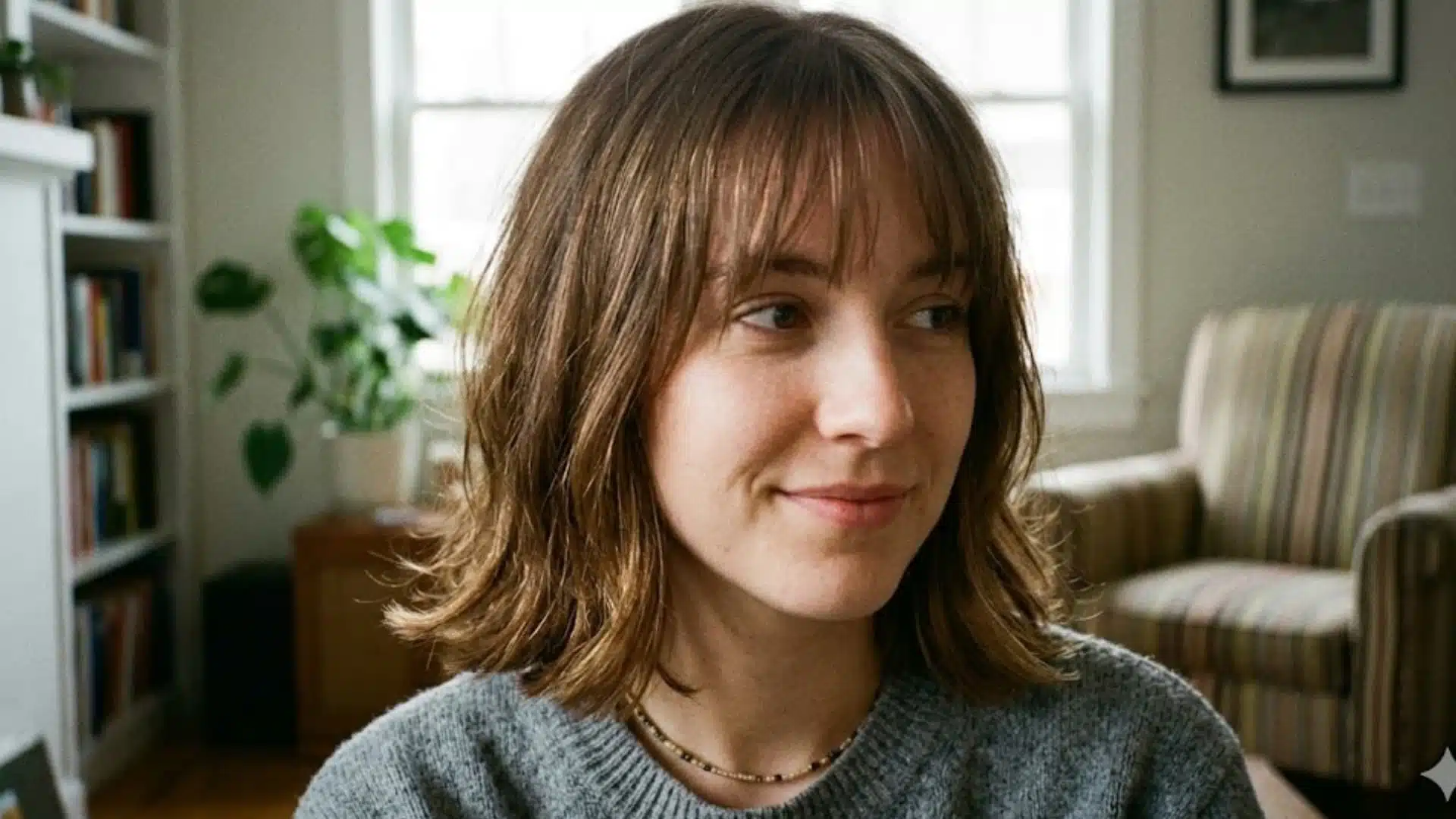
Wispy bangs bring a light and airy feel to shoulder-length hair. The fringe is soft and slightly uneven, which helps avoid a heavy or blunt look.
This style softens facial features and works well if you want something subtle. It pairs nicely with both straight and slightly textured hair, making it a flexible option for everyday styling.
- Best for: Fine and medium hair.
- Face shapes: Round and heart, the light fringe adds interest at the forehead without the visual heaviness of blunt bangs.
- At the salon: Ask for point-cut ends on the fringe; specifically, the notching technique is what creates the wispy, uneven texture rather than a flat line.
12. One-Length Shoulder Cut
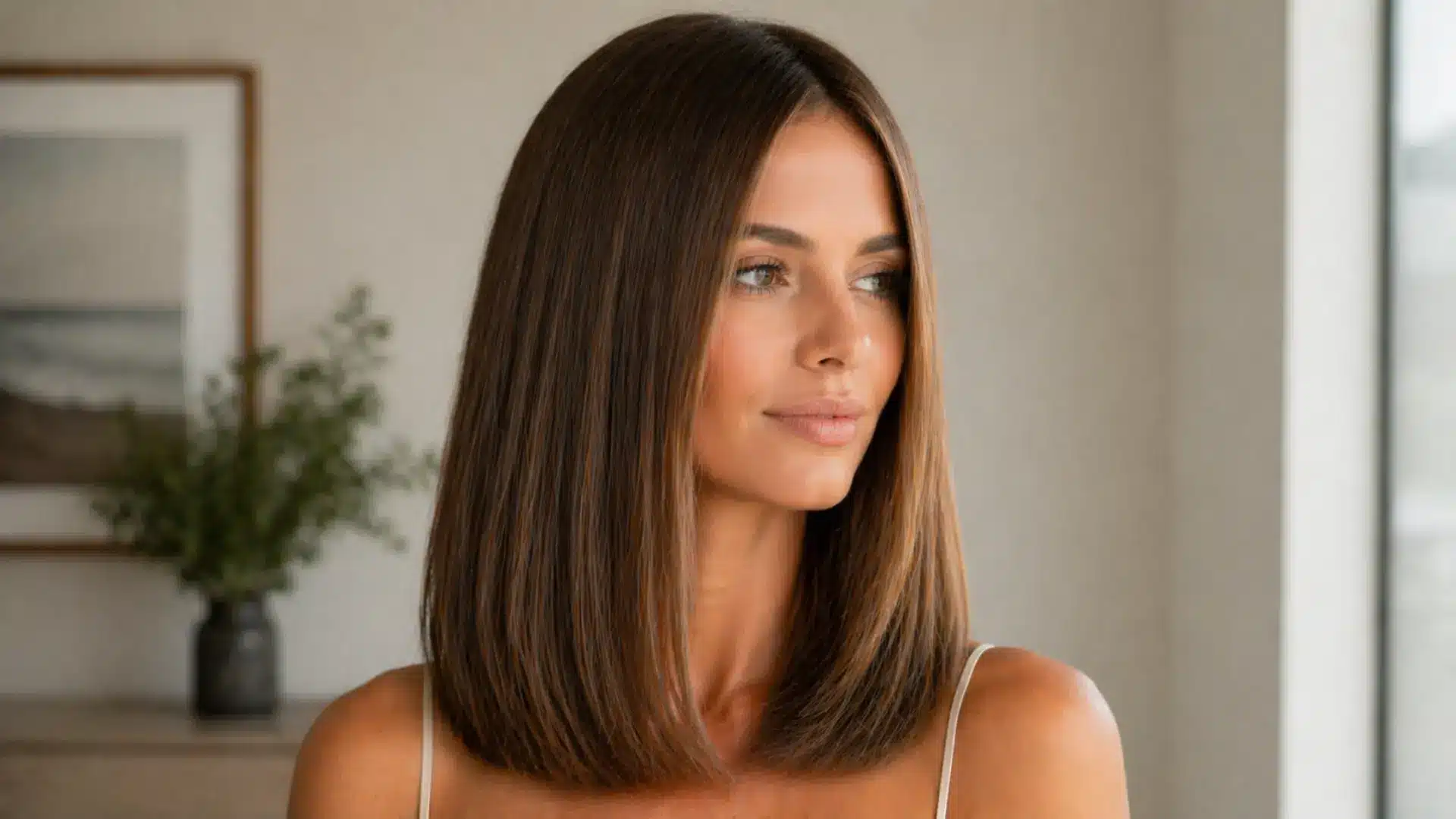
The one-length shoulder cut keeps all the hair at the same length with no layers added. This creates a thick and full appearance, especially at the ends.
It works well for people who prefer a simple and clean look. The style is easy to maintain, but it may need a bit of styling to add movement if your hair tends to look flat or heavy.
- Best for: Medium to thick hair.
- Face shapes: Oval and oblong, the uniform weight reads as balanced on these proportions.
13. Flipped-Out Ends Lob
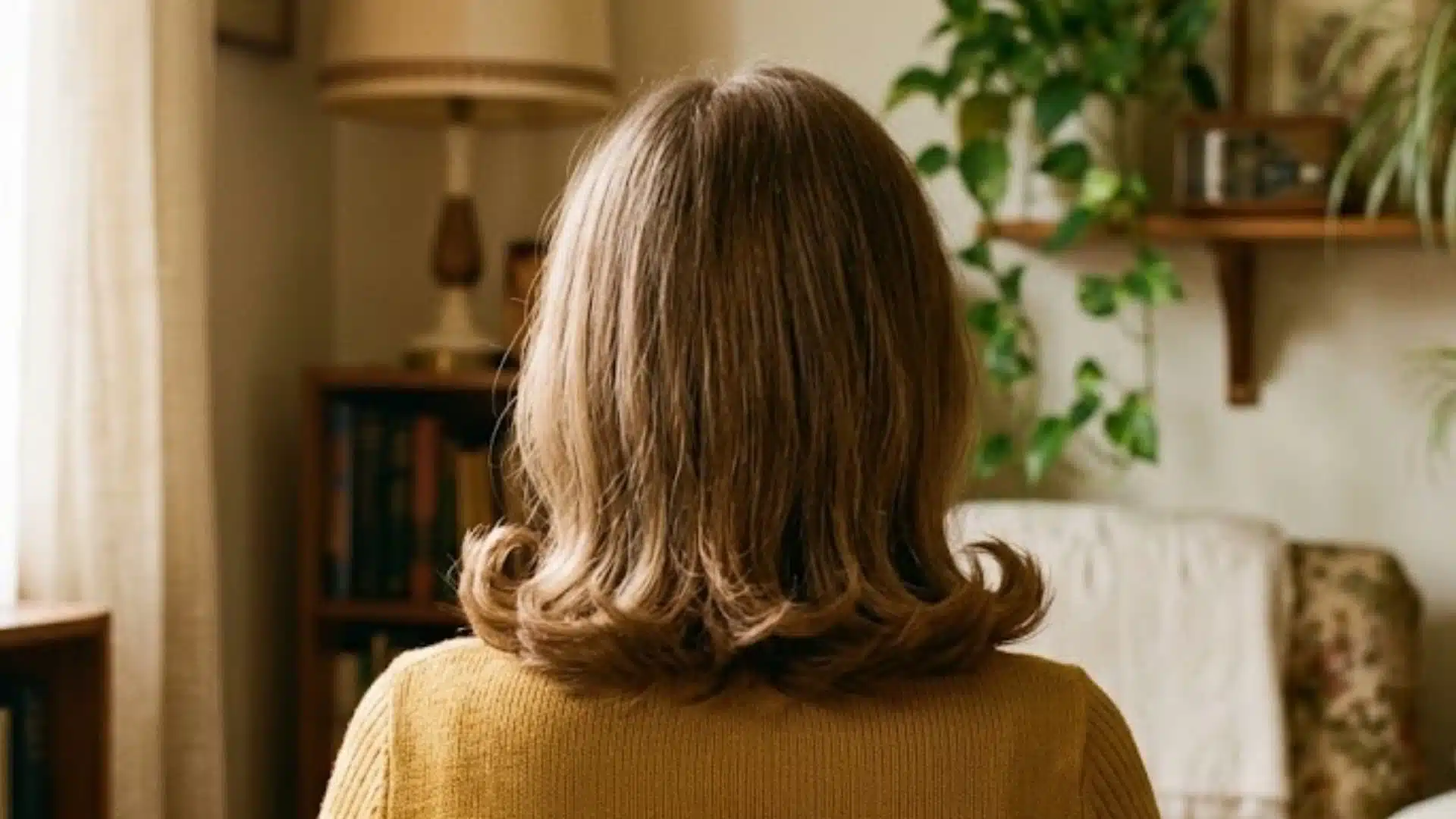
The flipped-out ends of the lob bring a slight outward bend at the tips, giving a subtle retro feel without looking outdated.
It adds movement to an otherwise simple cut and works well for straight or lightly textured hair. This style can be achieved quickly with a round brush or straightener.
It is a good choice if you want something different without changing your haircut too much.
- Best for: Straight and medium-density hair.
- Face shapes: Heart and square. The outward curl adds visual width at the jaw, balancing a narrow chin or softening a strong jawline.
14. Flipped-In Ends Lob
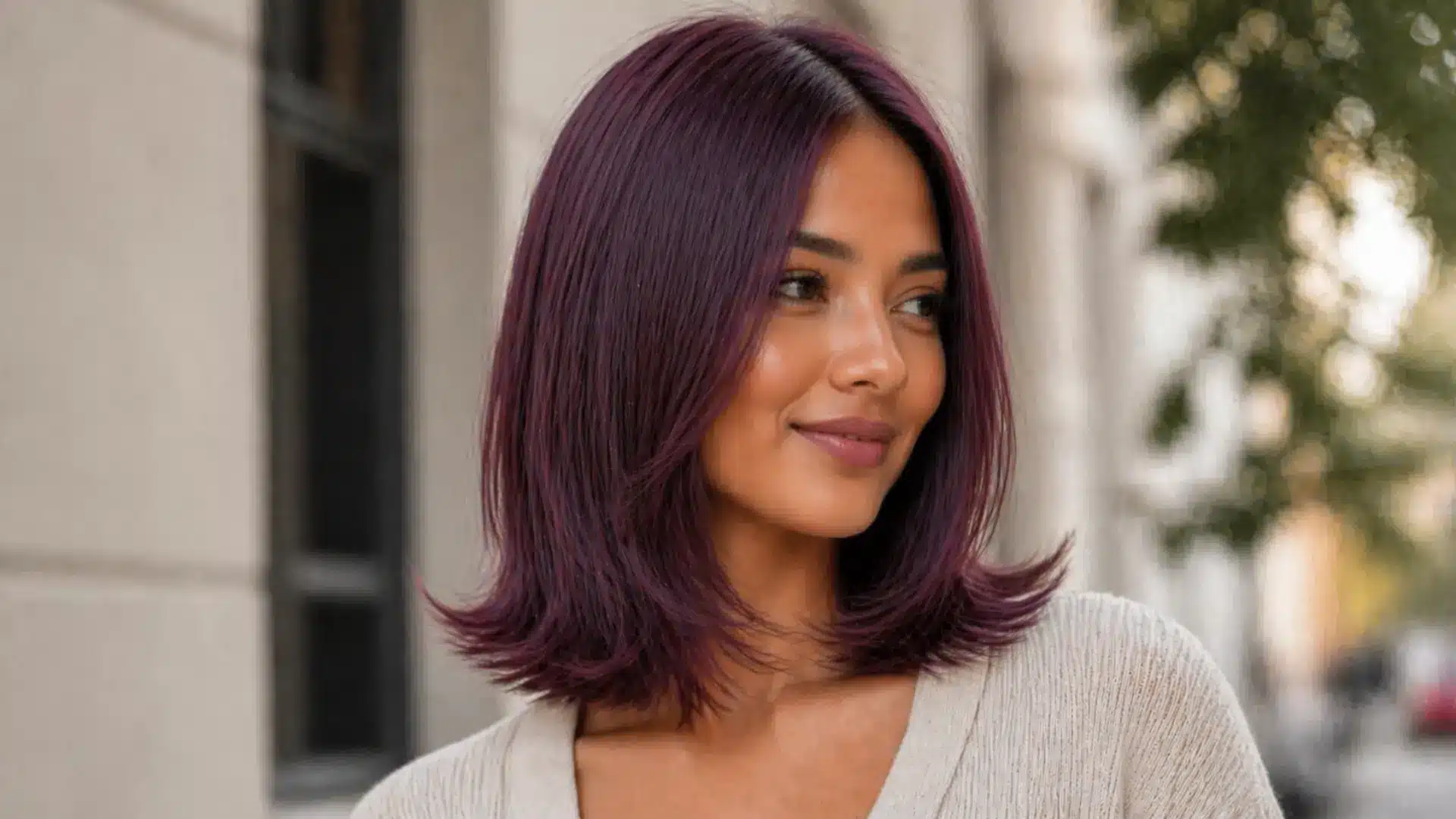
This style focuses on curling the ends inward to achieve a neat, controlled finish. It gives the hair a smooth and polished look that works well in formal or office settings.
The inward flip helps frame the face and keeps the hair looking tidy throughout the day. It is simple to style and works especially well with blunt or lightly layered cuts.
- Best for: Straight and fine hair.
- Face shapes: Oval and oblong, the inward curve draws the silhouette inward and maintains a contained, neat shape.
15. Angled Shoulder Length Cut
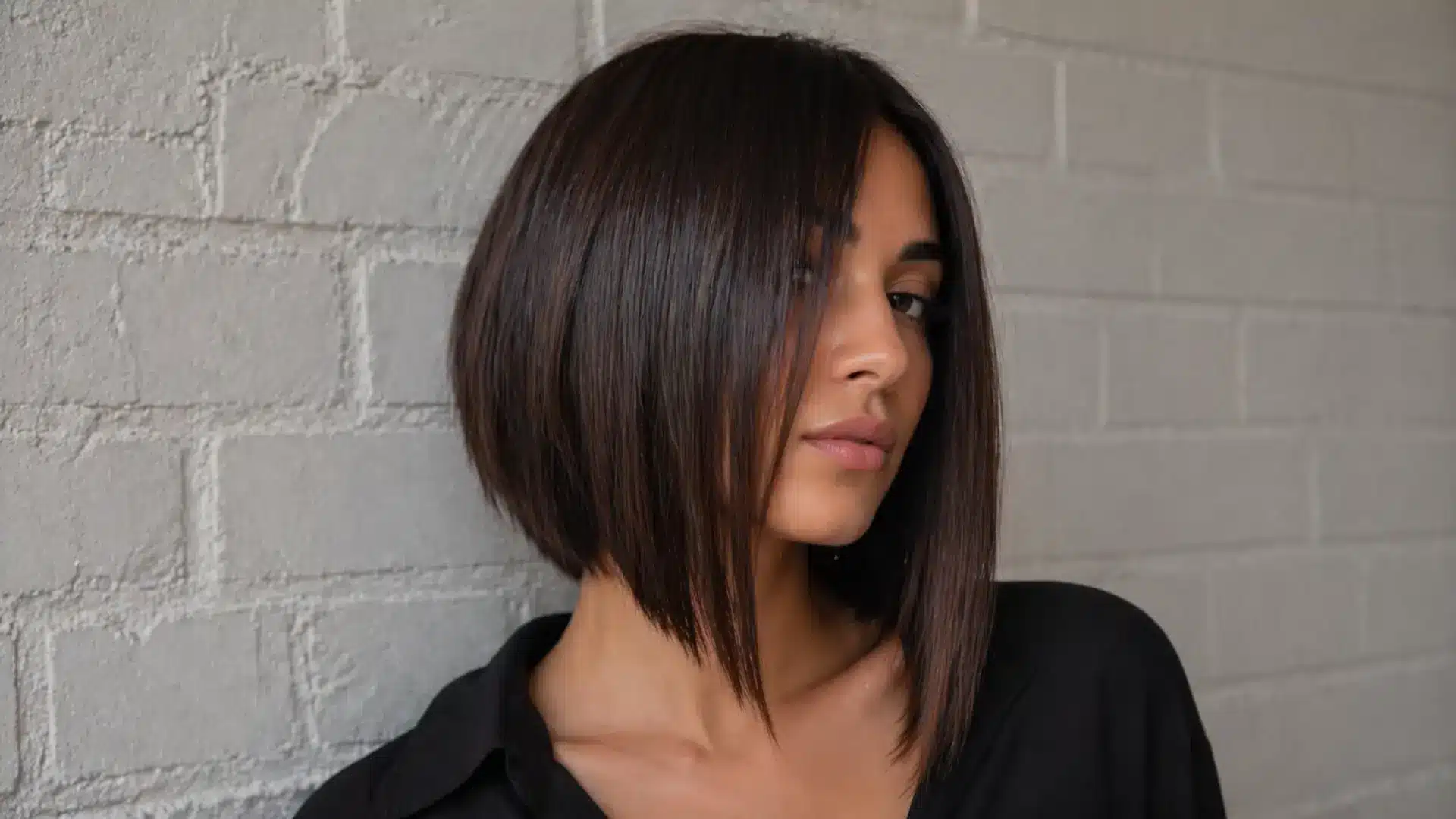
The angled shoulder-length cut features a subtle front angle that is less dramatic than an A-line. It gives a slight shape without making the cut look too sharp or structured.
This makes it a good option for those who want a modern touch while keeping things simple. The gentle angle also helps add movement, making the hair look less flat and more natural.
- Best for: Straight to wavy hair.
- Face shapes: Round and heart, the front angle adds length without the starkness of a full A-line.
16. Shoulder Length Cut with Deep Side Sweep
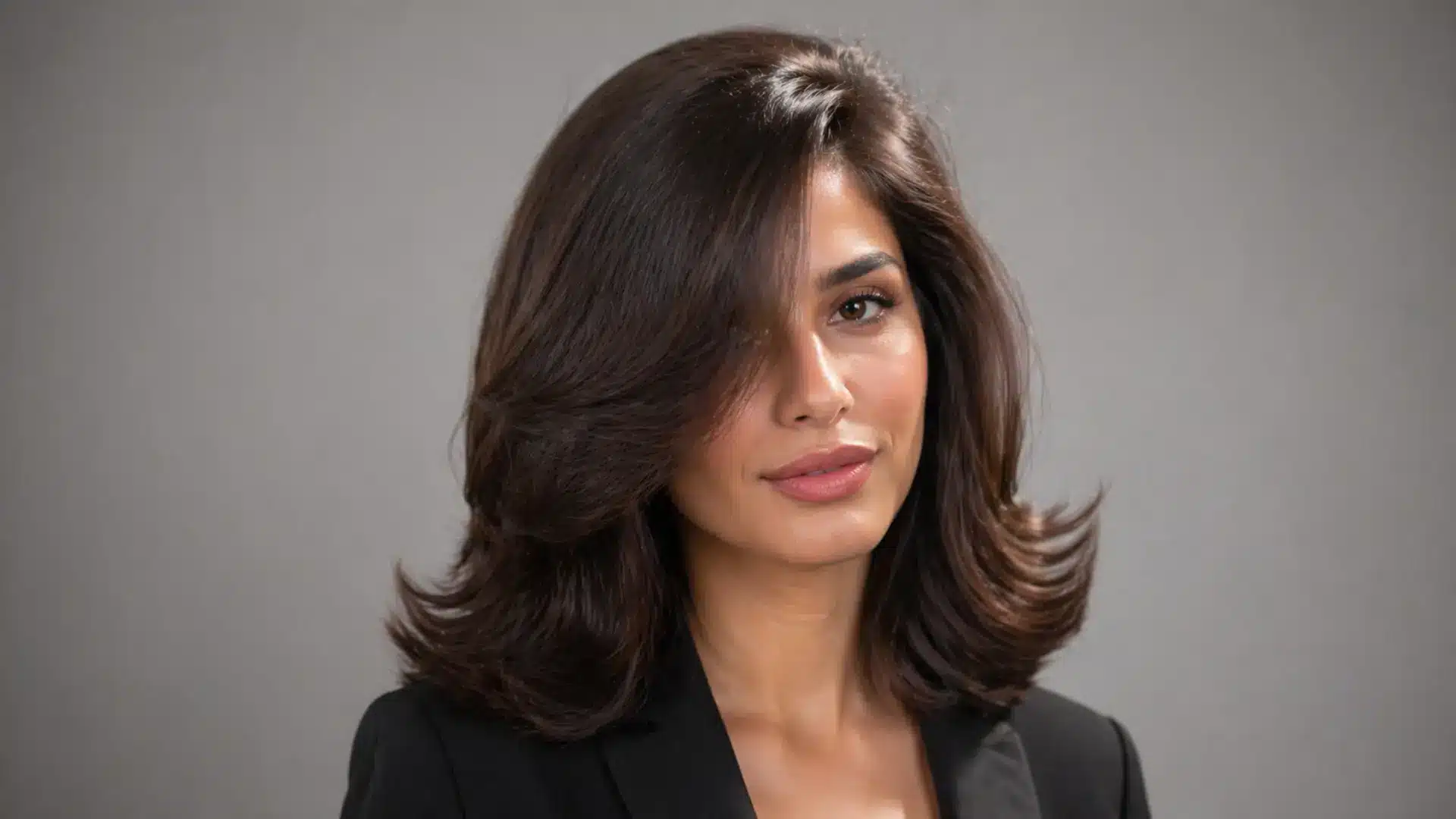
This style pushes most of the hair to one side using a deep part, creating instant volume and a bold look. It works best when the cut has some length at the front.
Use a strong-hold root spray at the part, blow-dry, directing all volume to the sweep side, and finish with a light-hold hairspray to keep the weight in place.
- Best for: All hair types with enough front length to sweep.
- Face shapes: Round and square, the diagonal line breaks up facial symmetry and creates the visual impression of length.
17. Minimal Layer Medium Hair Cut
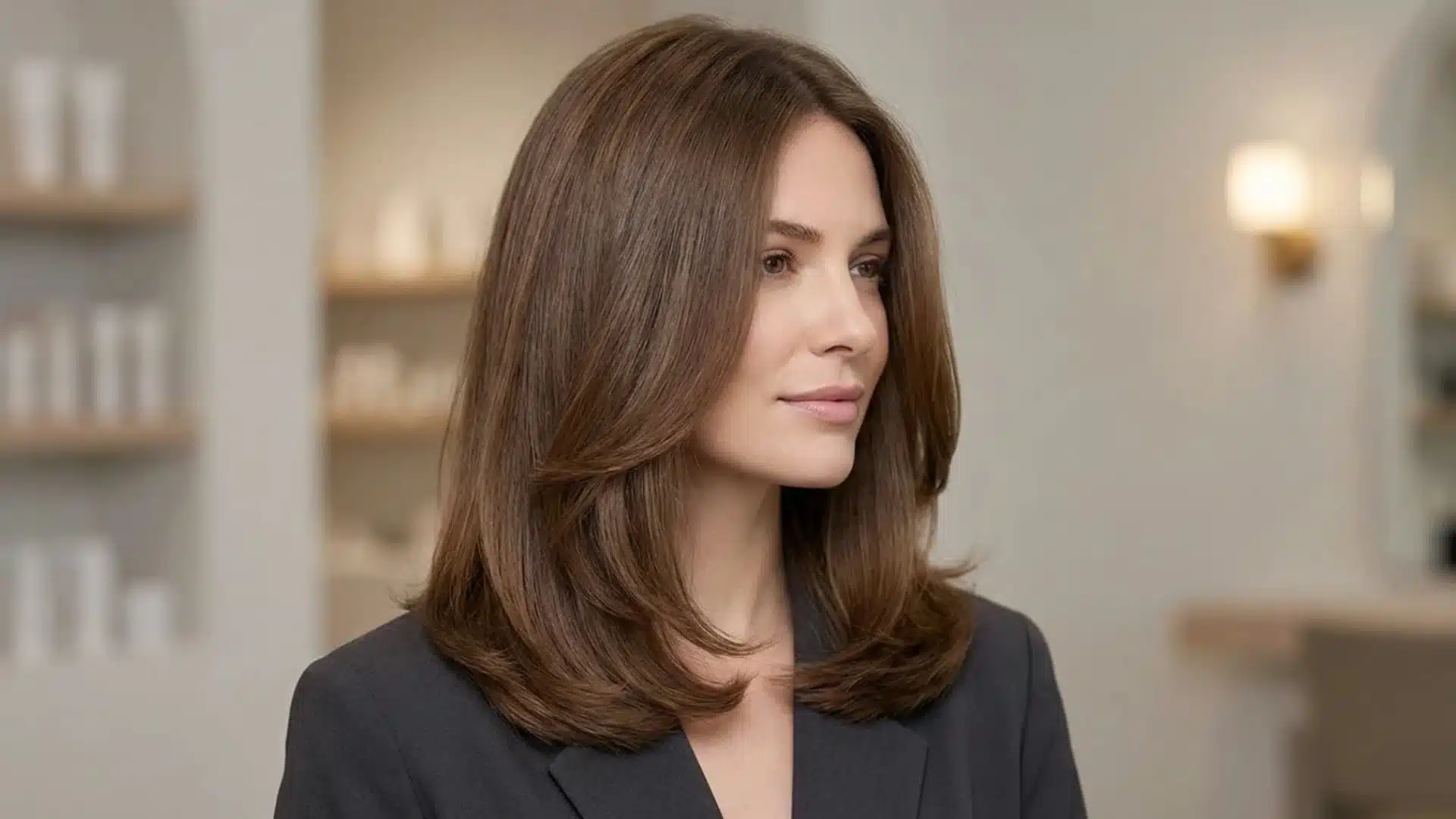
The minimal layer medium haircut uses very light layering to keep most of the thickness intact. It is ideal if you want some movement without losing volume.
This style works well for people who prefer a fuller look but still want easier styling. The layers are subtle enough to avoid a choppy finish, making the hair look smooth and naturally shaped.
- Best for: Medium to thick hair.
- Face shapes: All face shapes, the minimal layering keeps the shape neutral enough to suit most proportions.
18. Shoulder Length Cut with Blunt Bangs
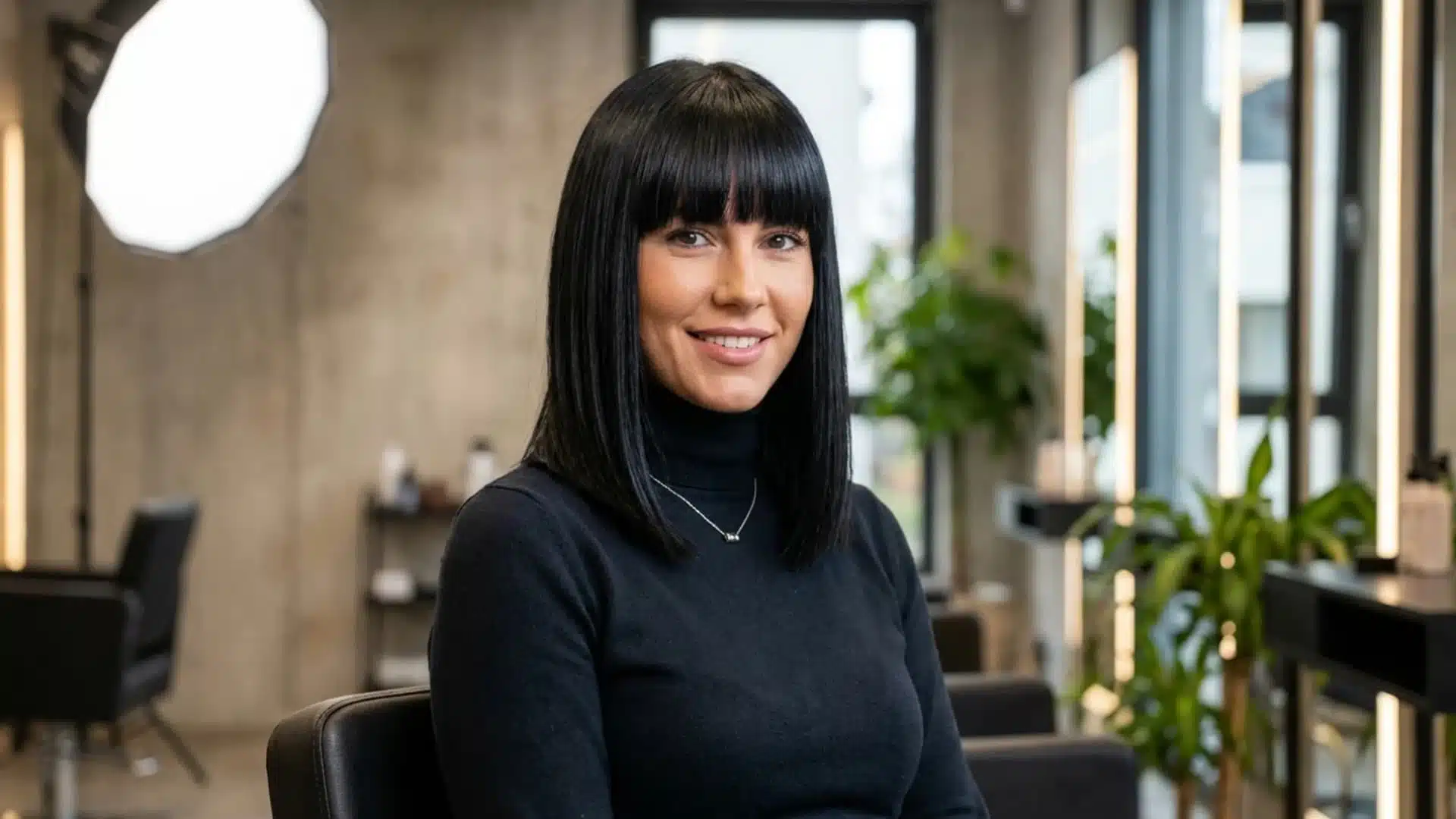
This style pairs shoulder-length hair with straight-across blunt bangs for a bold and defined look. The fringe creates a strong frame around the face and adds a striking element to the overall cut.
It works best with straight or slightly textured hair to maintain the sharp finish. This option is great if you want something that stands out without changing the length.
- Best for: Straight hair with medium to thick density.
- Face shapes: Oblong and long, the strong horizontal line of blunt bangs shortens the visual length of the face effectively.
19. Soft U-Shaped Cut
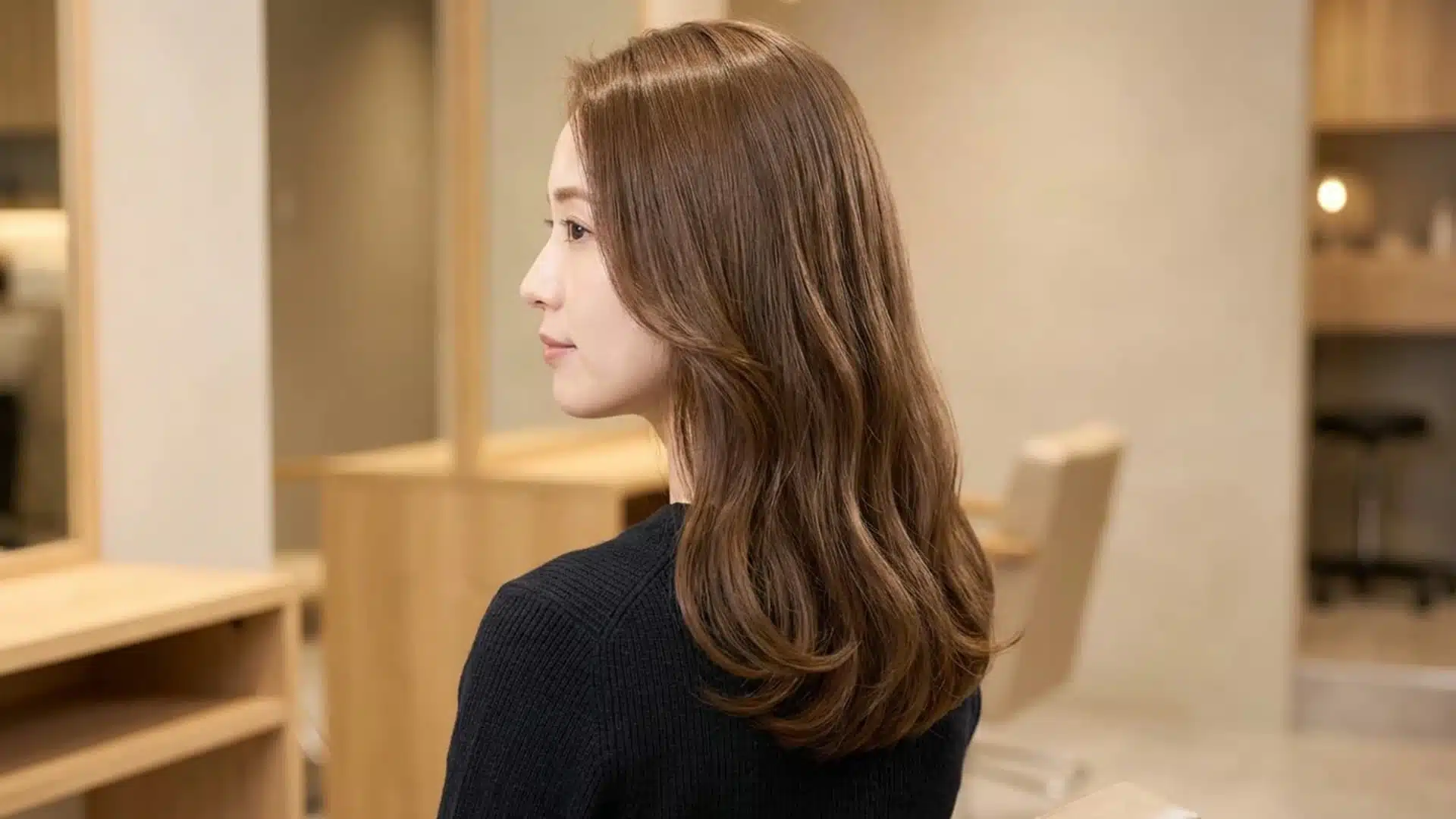
The soft U-shaped cut creates a gentle curve at the ends, giving the hair a more natural fall. It avoids harsh lines, making the overall shape look smoother and more blended.
This style works well for maintaining length while still adding a bit of structure. It is easy to maintain and suits most hair types, especially if you prefer a simple and balanced look.
- Best for: All hair types.
- Face shapes: All face shapes, the gentle curve avoids the extreme angles that can look unbalanced on certain proportions.
20. V-Cut for Medium Hair
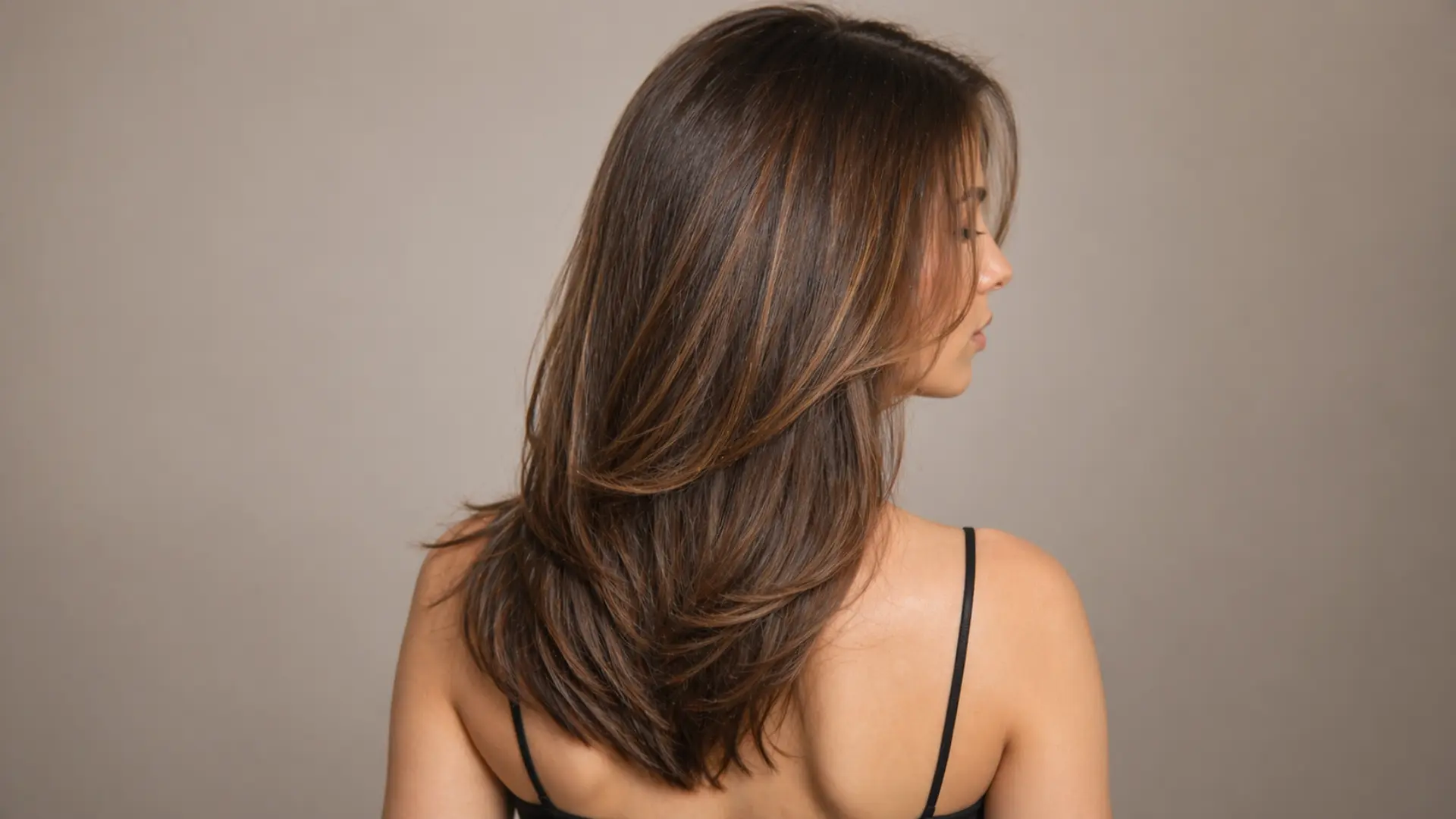
The V-cut for medium hair creates a pointed shape at the back, which adds visible dimension to shoulder-length styles. It gives the illusion of longer hair while keeping the front manageable.
This cut works well if you want movement without heavy layering. The shape stands out more when styled straight or slightly wavy, making the overall look more defined and structured.
- Best for: Straight and wavy hair with medium to thick density.
- Face shapes: Oval and oblong, the pointed back adds visual length that suits these proportions well.
21. Shoulder Length Cut with Long Layers
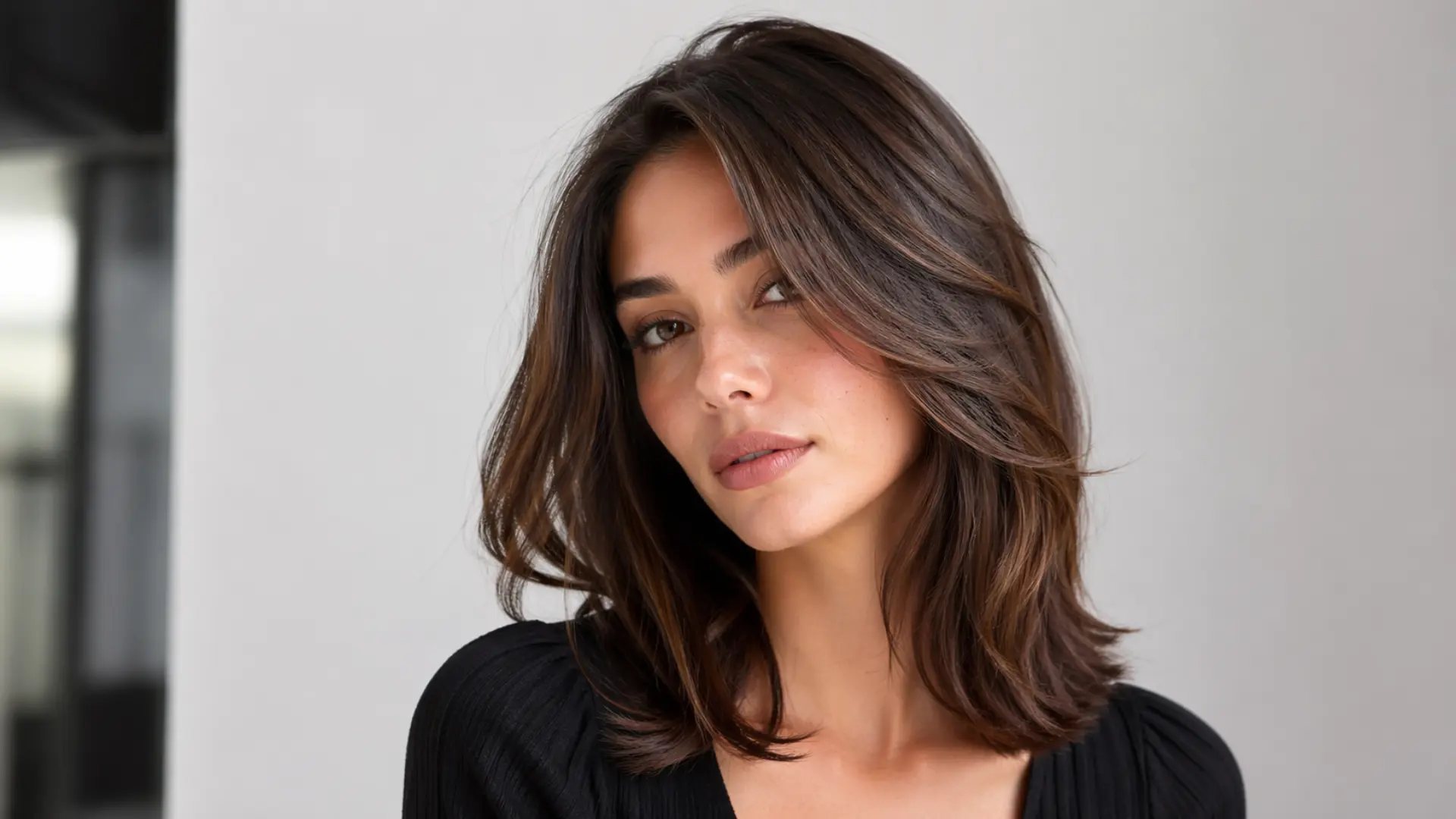
This style keeps the layers lower, helping maintain the overall length while still adding movement. It is ideal if you do not want to lose volume near the top.
The long layers blend smoothly, making the hair look natural and easy to manage. It works well for straight and wavy hair, offering a balanced look without making the cut feel too light.
- Best for: Straight and wavy hair.
- Face shapes: All face shapes, long layers are the most universally flattering layering option because they add movement without reshaping the perimeter or removing overall weight.
22. Chin-Length Front Layers with Medium Length Back
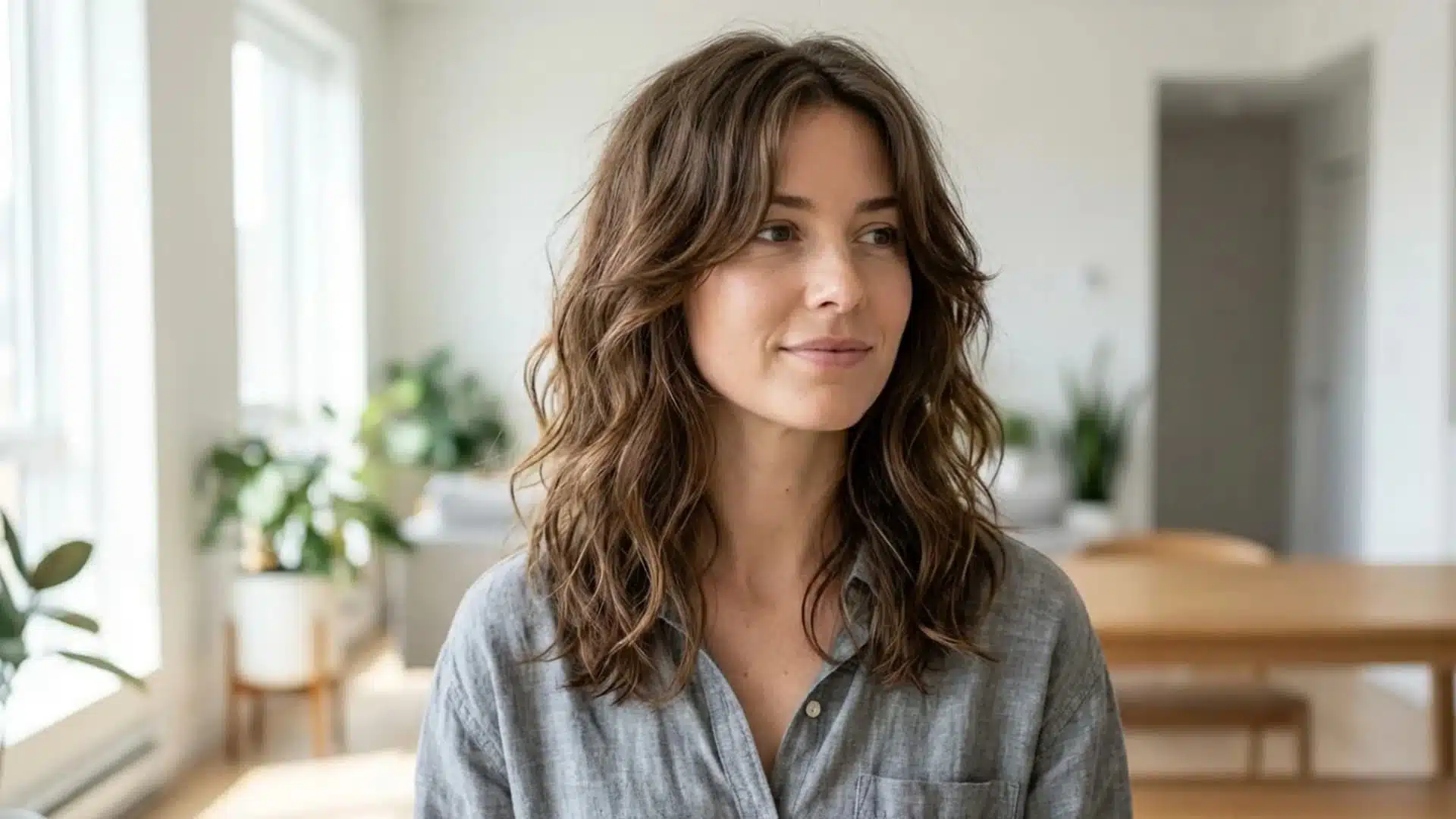
This cut focuses on shorter layers around the face while keeping the back medium-length. It helps highlight facial features and adds a structured shape to the hairstyle.
The contrast between the front and back creates interest without looking too dramatic. It is a good option if you want a noticeable change that still feels wearable for daily styling.
- Best for: Straight and slightly wavy hair.
- Face shapes: Round and square, the shorter face-framing pieces draw attention inward and make the face appear narrower from the front.
- At the salon: Ask for face-framing layers starting at the chin, keeping the back length intact with no graduation at the nape.
23. Air-Dried Natural Texture Cut
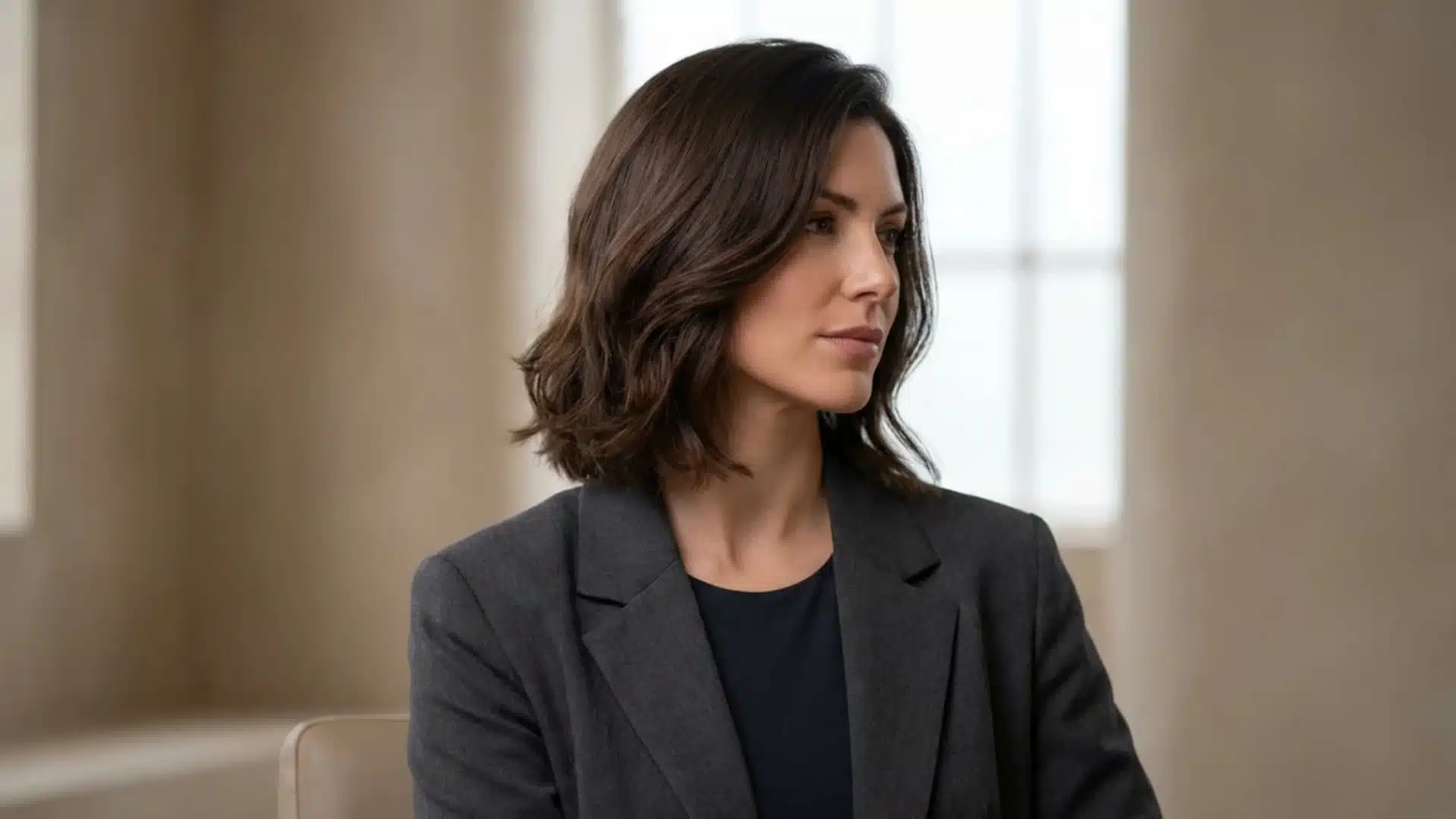
The air-dried natural texture cut is designed for low-effort styling without heat tools. It works with your natural hair pattern, whether straight, wavy, or slightly curly.
The cut is shaped so the hair falls into place on its own. This makes it easy to maintain and perfect for those who prefer a simple routine with minimal styling time.
- Best for: Wavy, curly, and naturally textured hair.
- Face shapes: All face shapes, since the cut is shaped around your natural pattern, the structure adapts to your texture rather than fighting it.
24. Shoulder Length Cut with Subtle Undercut
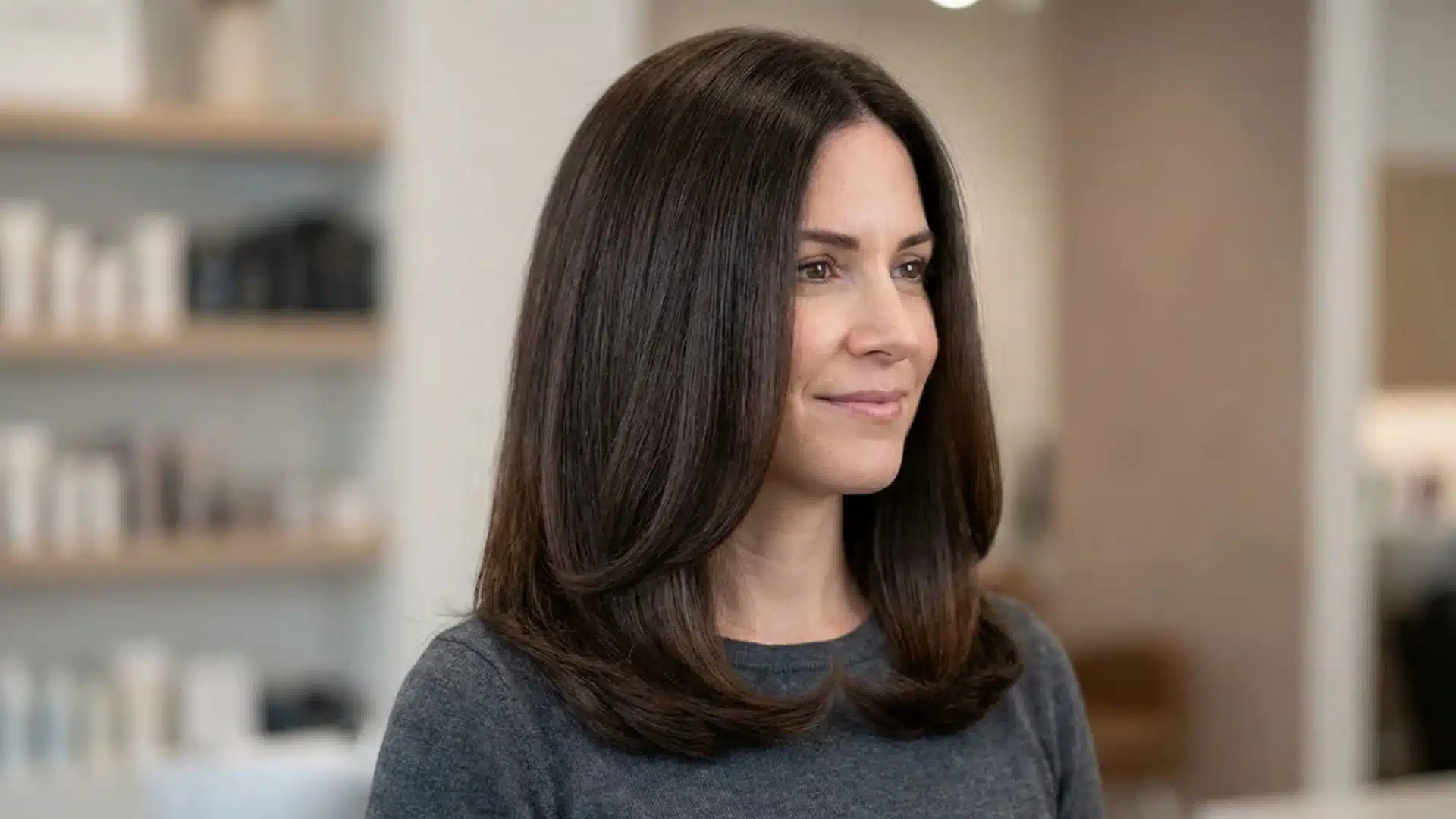
This style features a hidden undercut beneath the top layers, which helps reduce excess bulk without altering the visible shape. It is especially useful for thick, heavy hair.
The outer layer remains smooth, while the undercut makes the hair lighter and easier to manage. It is a practical choice if you want comfort without compromising on style.
- Best for: Thick hair that sits heavy or resists styling.
- Face shapes: All face shapes, since the undercut is entirely hidden beneath the top layers, it has no effect on the visible silhouette.
- At the salon: Ask specifically for an internal undercut on the lower underlayers only, with the top section left completely intact.
25. Rounded Lob Shape
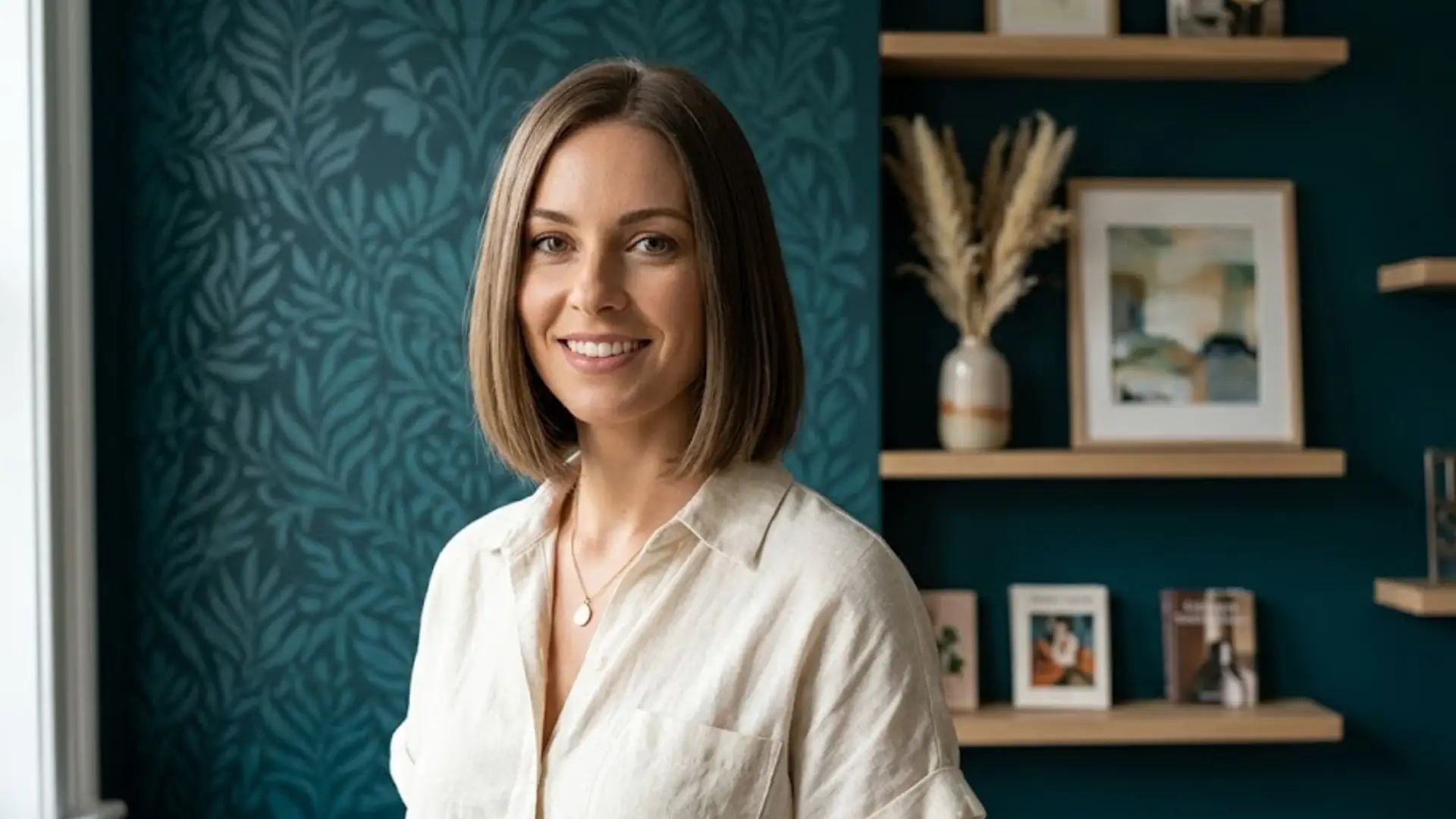
The rounded lob shape features soft, curved edges that create a fuller appearance. Instead of sharp lines, the cut follows a gentle curve, which helps the hair look more balanced and voluminous.
It works well for fine or flat hair, giving it a natural lift. This style is easy to maintain and offers a clean look without needing heavy styling.
- Best for: Fine and medium-density hair.
- Face shapes: Oval and oblong, the rounded perimeter adds visual width at the ends, which helps balance out longer proportions.
26. Shoulder Length Cut with Razor Finish
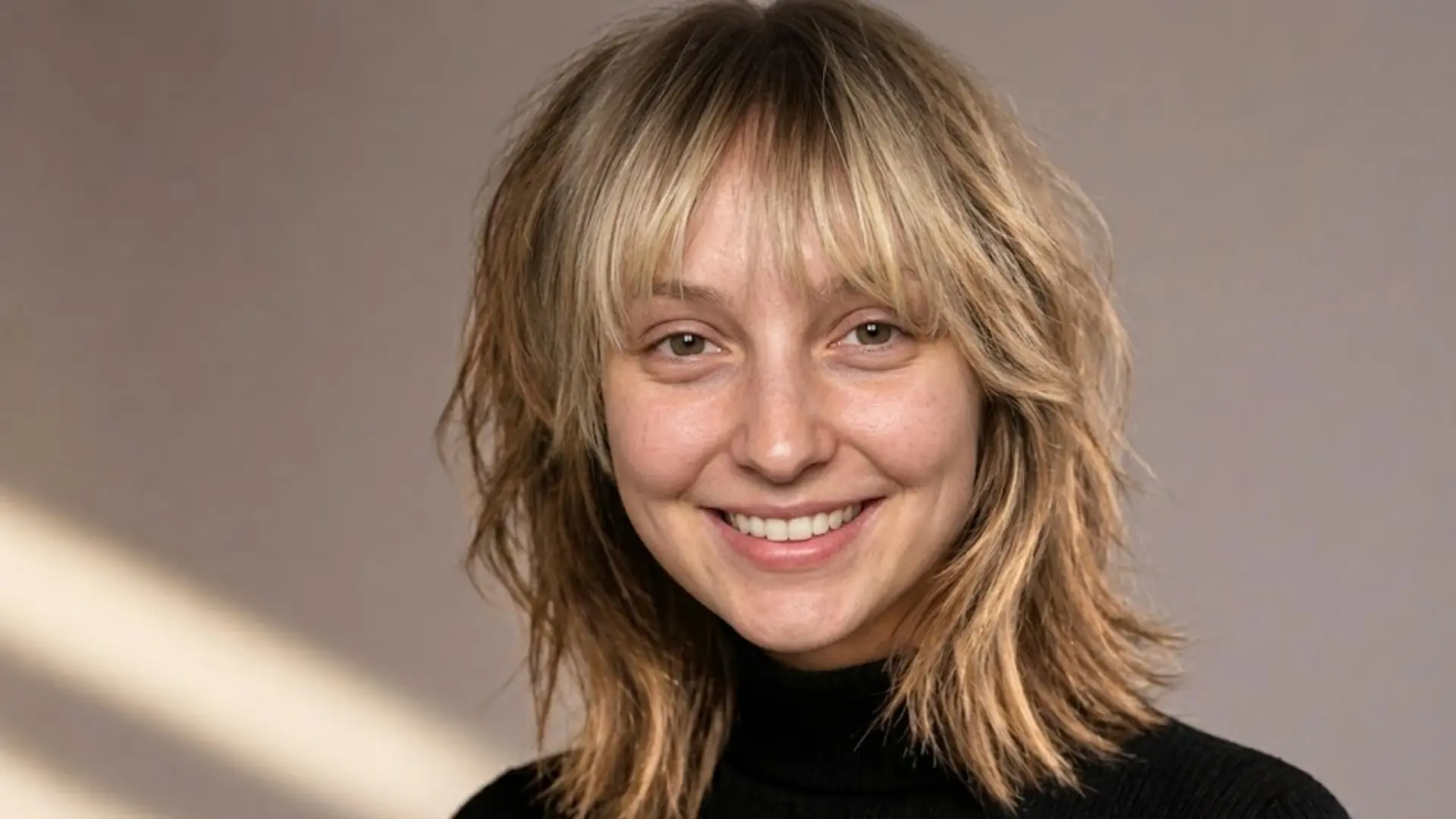
This cut uses a razor technique to slightly thin out the ends, creating a softer and lighter feel. It removes bulk without making the hair look uneven.
The finish looks more natural than blunt cuts, especially on thick hair. This style works well if you want movement and texture without adding noticeable layers throughout the entire length.
- Best for: Thick hair specifically.
- Face shapes: All face shapes, the razor only adjusts density at the ends and does not change the overall silhouette.
27. Classic Blowout Lob
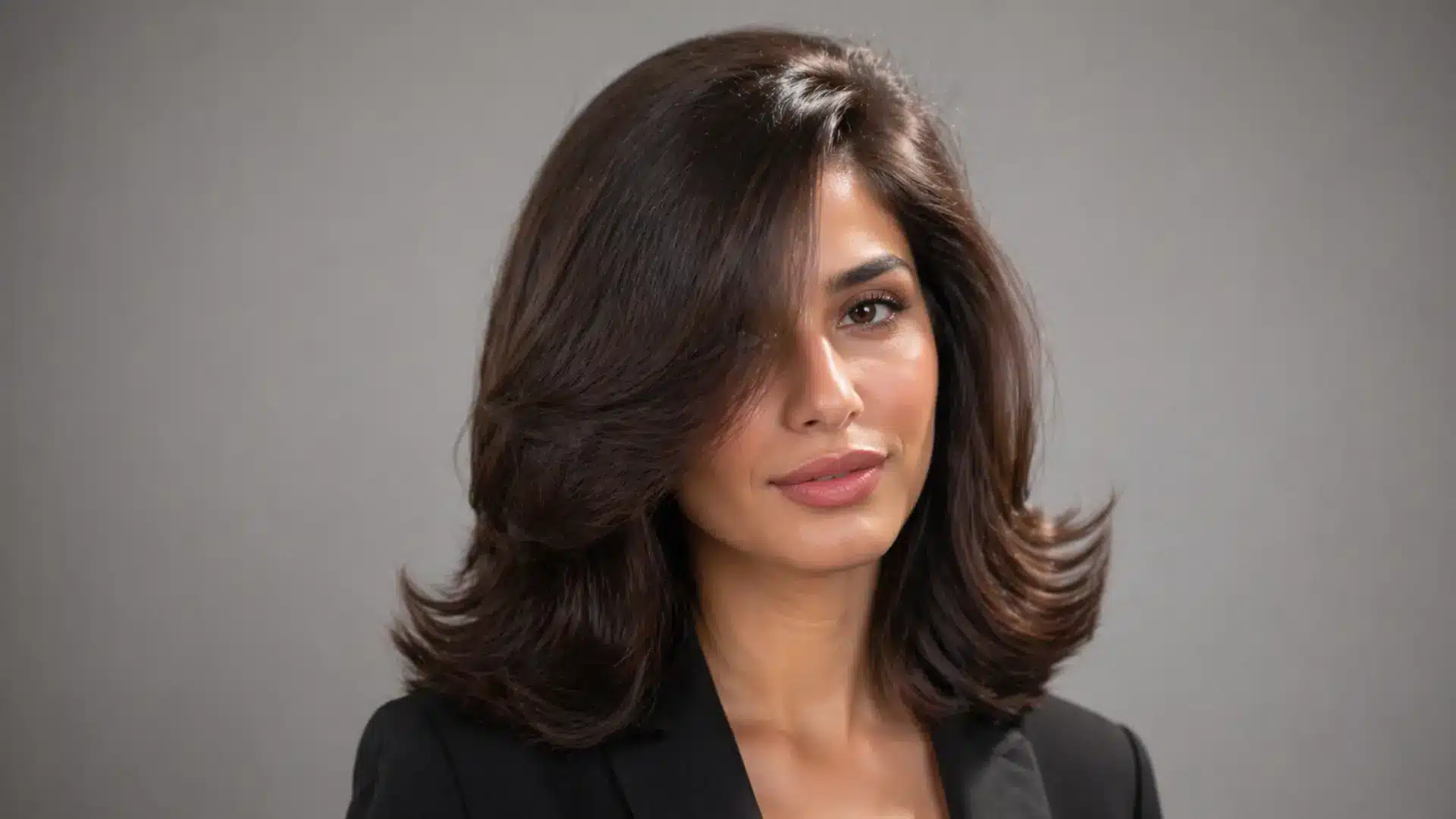
The classic blowout lob focuses on volume at the roots, with a smooth, bouncy finish. It gives the hair a polished look that feels styled without being too stiff.
This style works well for both casual and formal settings. With the right blow-dry technique, the hair holds its shape well and looks full, making it a reliable go-to option.
If you want to go deeper into the sectioning and tool method behind this style, blowout techniques can help you in that.
- Best for: Fine and medium hair.
- Face shapes: All face shapes.
- At the salon: Ask for a layered lob with added internal layers near the crown to give the blowout something to hold.
Common Haircut Mistakes That Can Ruin Your Look
Small mistakes can ruin the overall look, even with the right haircut and styling approach, if not handled properly.
- Over-layering: too many layers can make hair look thin and lose its natural shape, especially in a medium hair layer cut.
- Ignoring face shape: not matching the cut to your face can make even good styles look unbalanced or awkward. A blunt cut that looks strong on an oval face can feel heavy and wide on a round one.
- Wrong styling products: heavy products can flatten volume, while light ones may not control frizz properly.
- Skipping regular trims: uneven growth can ruin the structure and make shoulder-length hairstyles look messy.
- Overusing heat tools: too much heat damages texture and makes layers lose their natural movement. If you are styling daily, apply a heat protectant spray before every tool and keep flat-iron passes to one per section.
Wrapping Up
Shoulder-length hair gives you more options than it gets credit for.
With the right approach, hairstyles for shoulder-length hair can look clean, textured, or full of movement, depending on how you style and cut it.
A medium hair layer cut makes a noticeable difference by adding shape and making daily styling easier.
You do not need drastic changes to see results, just the right combination of cut, layer placement, and a clear conversation with your stylist before the first snip.
Browse through the styles above, note which face shape and hair type matches your own, and take that shortlist to your next appointment.
If you have a favorite style or tip, share your comments and experience.
Frequently Asked Questions
How Often Should Shoulder-Length Hair Be Trimmed?
To keep shoulder-length hair looking fresh, a trim every 6 to 8 weeks works best. This helps maintain the structure of the cut, especially if layers or precise shapes are involved. Waiting too long can lead to uneven ends and make styling more difficult over time.
What Hair Color Techniques Work Best with Shoulder-Length Hairstyles?
Shoulder-length hair pairs well with techniques like balayage, highlights, and soft ombré. These add depth and dimension without requiring extreme length. Subtle color variation also enhances movement, especially when combined with layers or textured cuts.
Can Shoulder-Length Hair Be Tied Up Easily for Workouts or Daily Use?
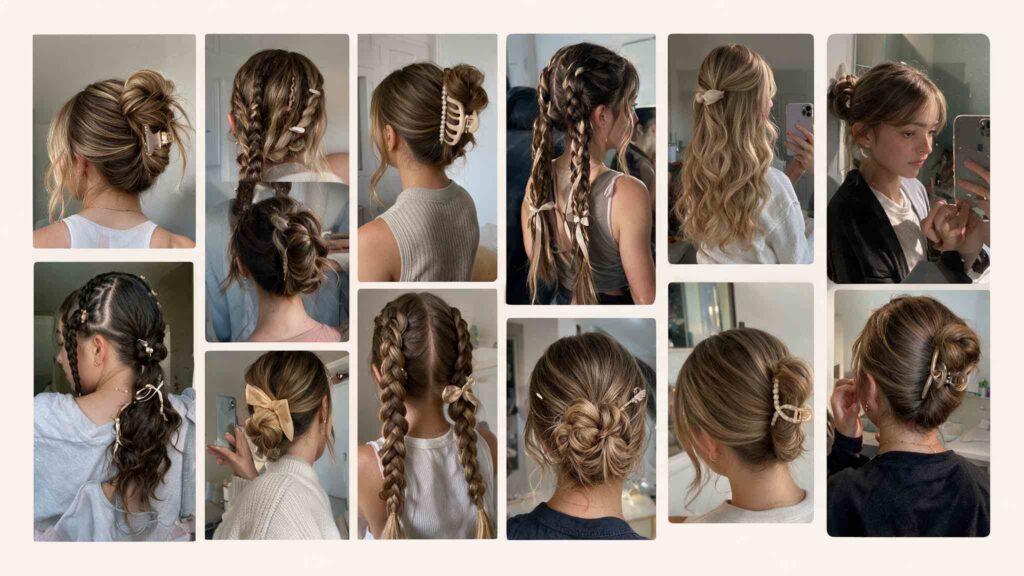
Yes, shoulder-length hair can be tied up, but it depends on the exact length and layering. Low ponytails, half-up styles, and loose buns usually work well. Shorter layers may fall out, so using small clips or pins can help keep everything in place.