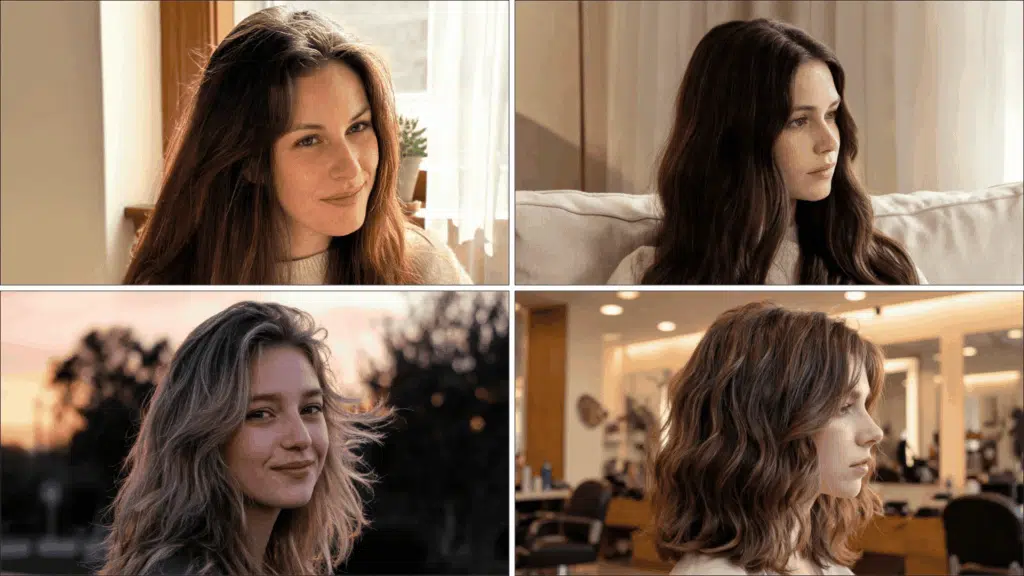
Layers sound easy until you are sitting in the salon chair, trying to explain the exact look you want.
One person may want soft movement at the ends. Another may want face-framing pieces, crown volume, or a cut that feels lighter overall.
That is why “just add layers” can lead to very different results, and it is important to understand “what are layers in hair.” Layers can soften the hair, add shape, remove weight, or completely change how the hair moves.
Once you know the main types of layers, the haircut becomes much easier to explain. With this guide, I am going to break down each layer type so you can choose the one that actually fits your hair.
What Hair Layers Actually Do?
Hair layers change the way the hair falls, moves, and feels. The right layering technique can completely change the shape and weight of a haircut.
- Add movement and shape: Cut layers at varying lengths to create more flow, texture, and volume.
- Reduce heaviness : Layers can remove extra weight from thick or heavy hair without taking away too much length.
- Change how the haircut sits: Soft layers create a natural blended look, while stronger layers create more visible separation and texture.
- Control weight through elevation : The angle at which the hair is lifted before cutting affects how much weight stays in the hair.
- Low vs high elevation : Low elevation keeps more weight and creates softer layers. Higher elevation removes more weight and creates more lift and shape.
Types of Layers for Girls
The best layers depend on your hair length, texture, face shape, and daily styling routine.
1. Long Layers
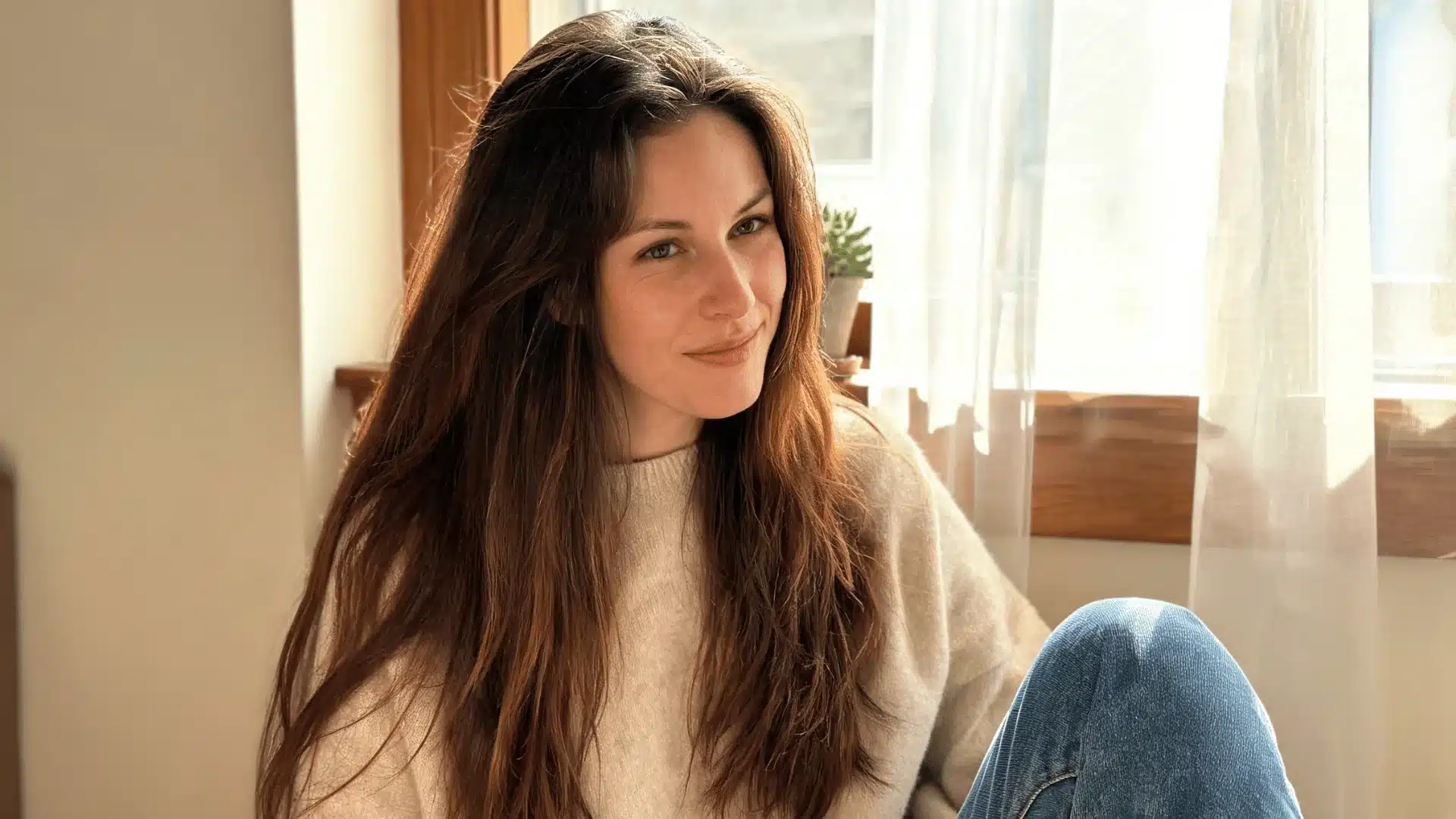
Long layers have a gradual difference between the shortest and longest pieces. They add movement without taking too much weight from the ends.
This is the safest starting point for someone getting layers for the first time. Long layers work on straight, wavy, thick, and fine hair, as long as the ends are not thinned out too much.
2. Short Layers
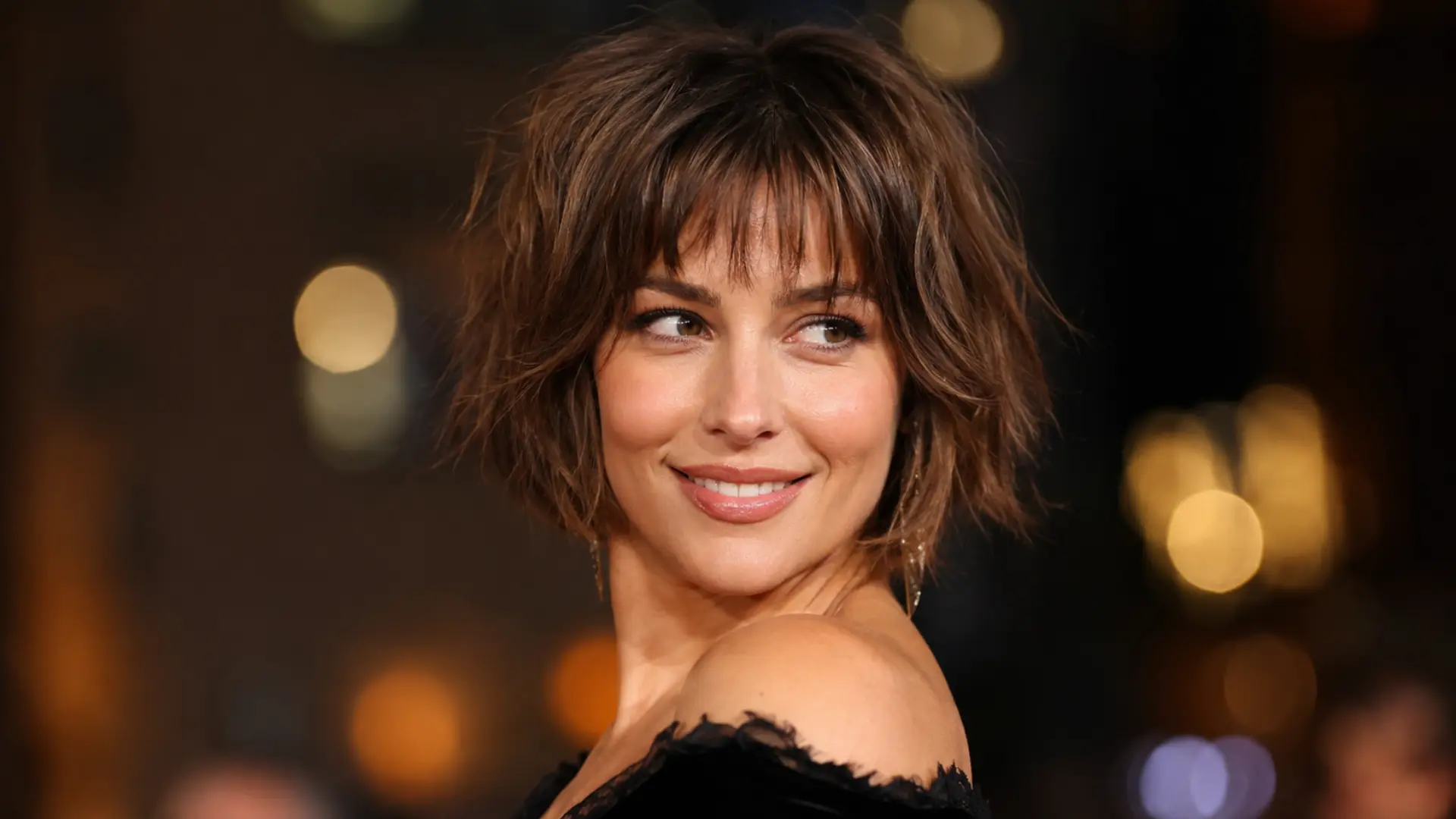
Short layers sit closer to the crown and create lift near the roots. They are more visible than long layers and can change the whole shape of the haircut.
They work well for flat hair that needs height or thick hair that feels too heavy. On fine hair, they need a careful hand because too many short layers can make the ends look thin.
3. Face-Framing Layers
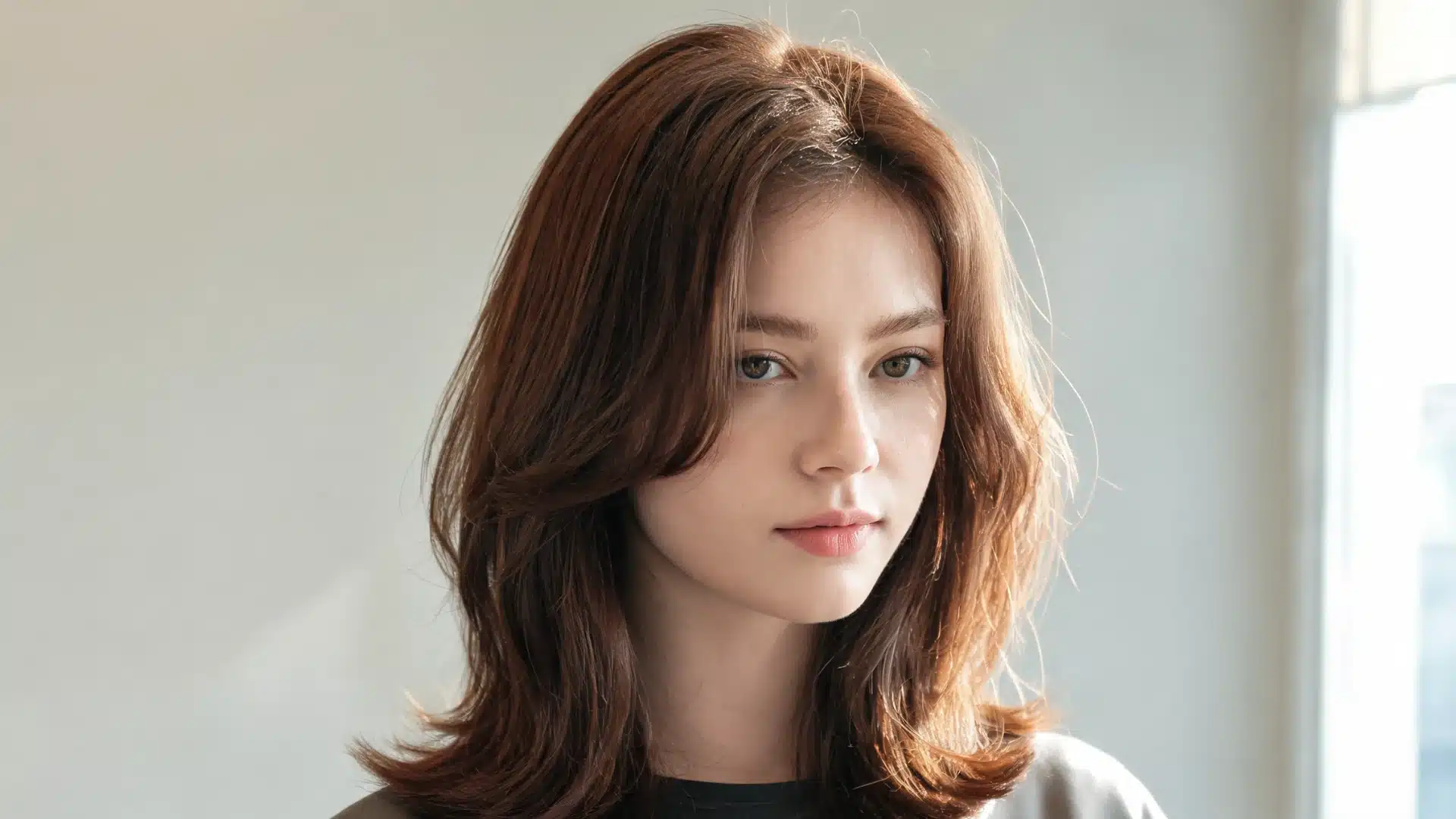
Face-framing layers are cut around the front of the hair. They can be soft, like a few cheekbone pieces, or stronger, almost like curtain bangs.
The placement matters more than the name. A soft frame can open the face, while a heavy frame can make the haircut feel much bolder.
4. Choppy Layers
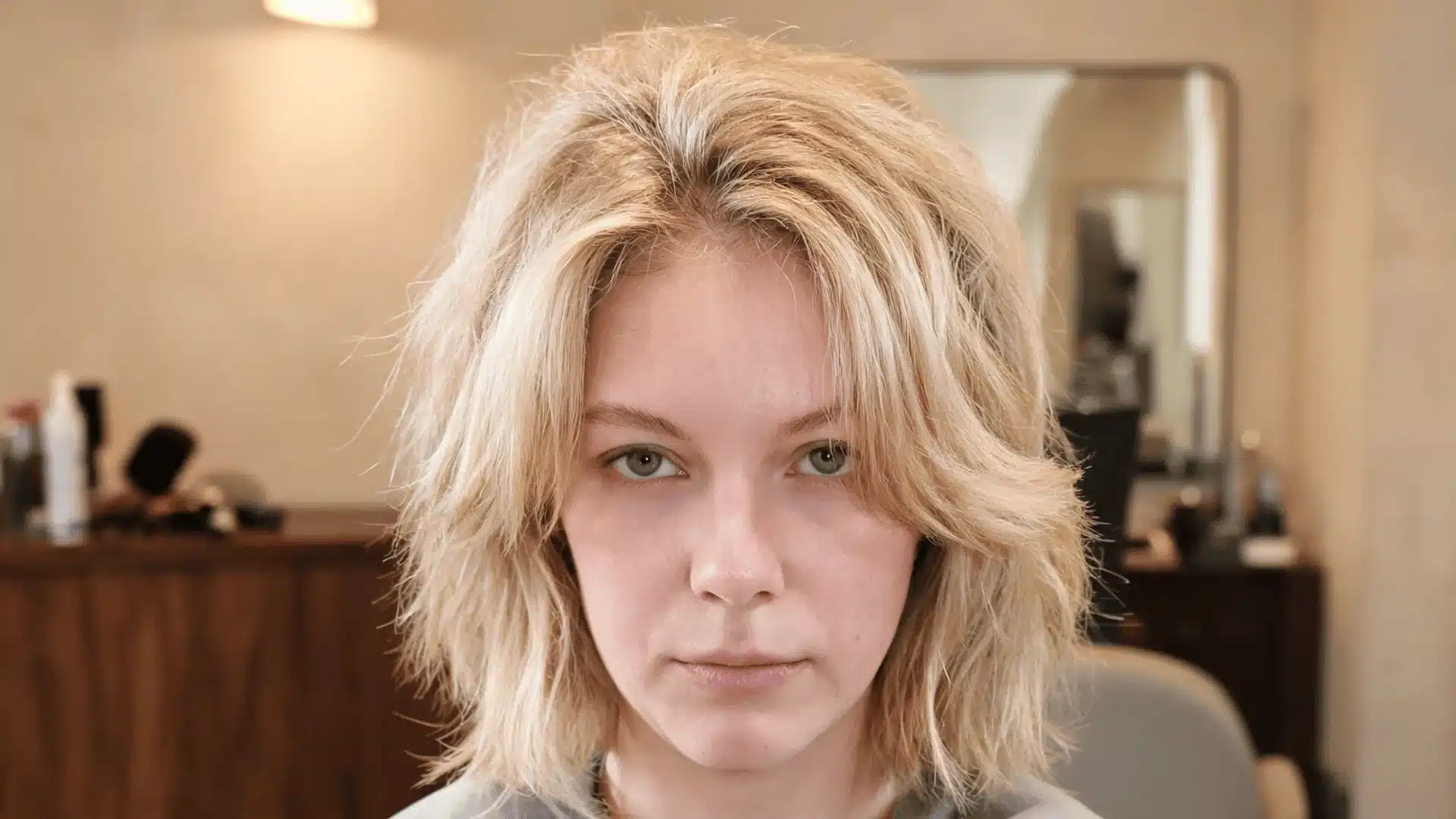
Choppy layers are more separated and less blended. They are common in wolf cuts, shags, and messy medium cuts. Choppy layers add edge and texture, but they also grow out more obviously.
If you want to take this energy further, goth hairstyles often use choppy layers as part of a bolder, more intentional overall look.
5. Textured Layers
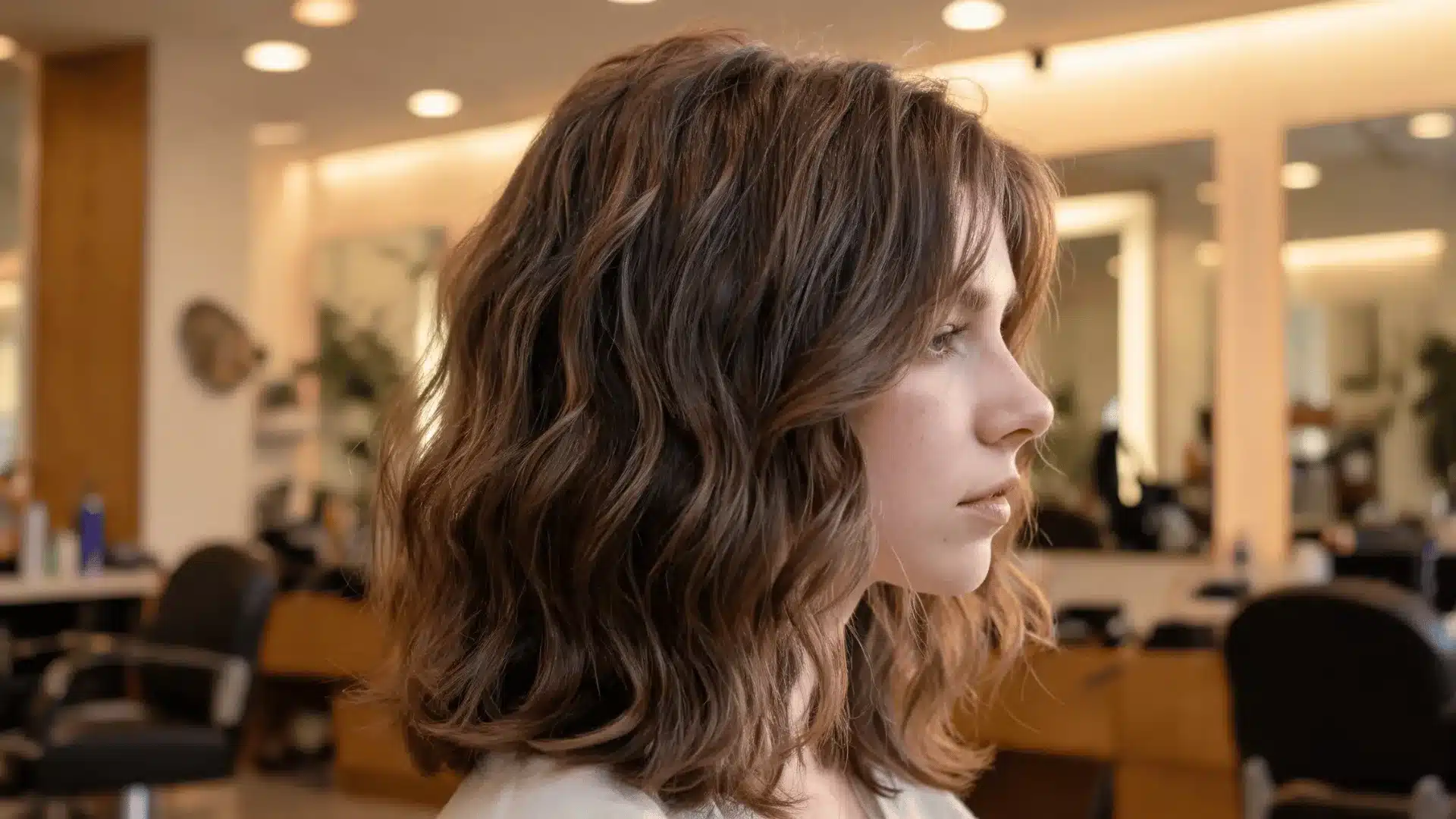
Textured layers are shaped with point cutting, slicing, or razor work to soften the ends. They are less about dramatic length changes and more about the finish.
This type works well when the hair already has natural movement. It can make waves look lighter and make thick hair sit less heavy.
6. Wispy Layers
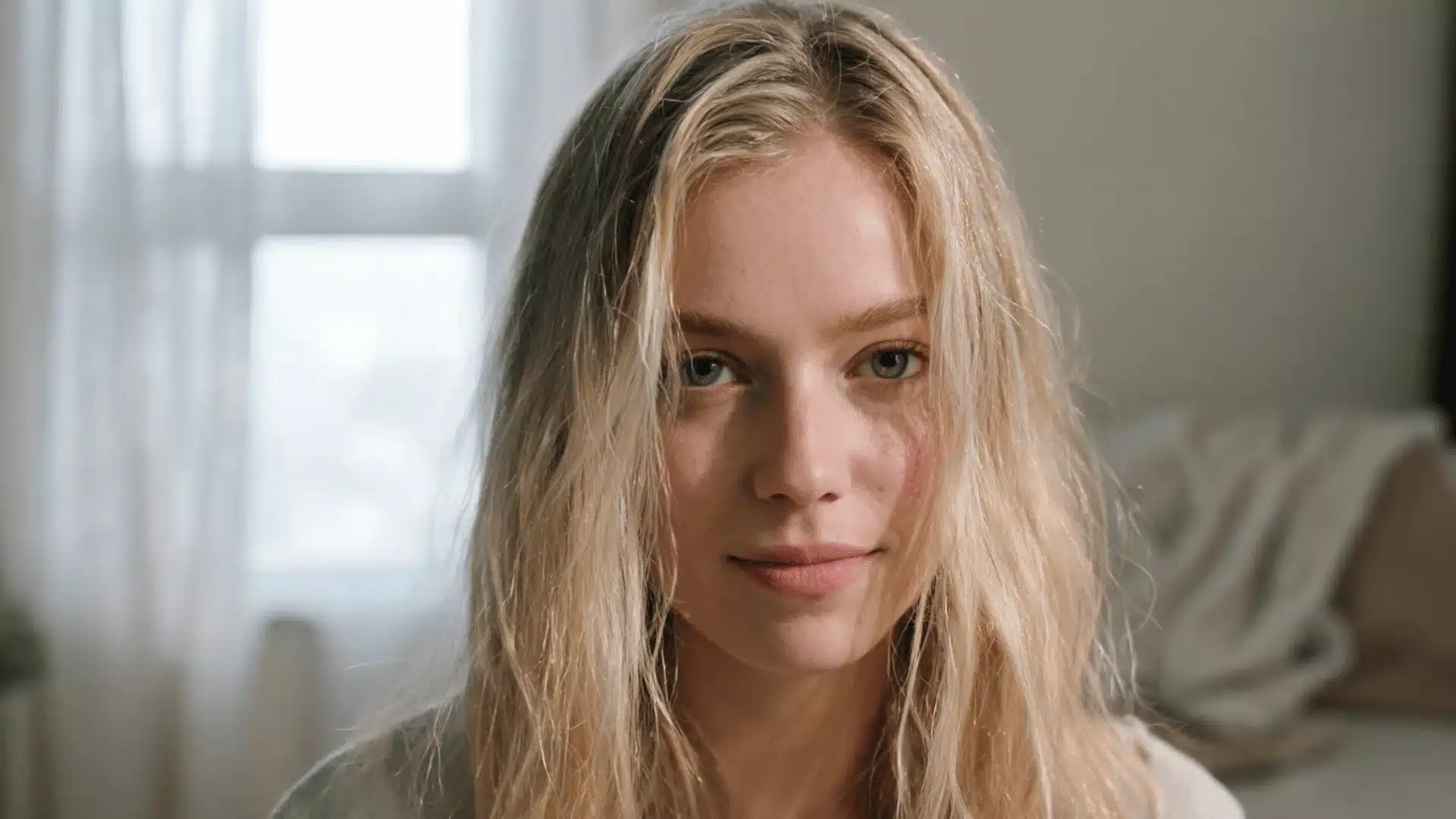
Wispy layers are light, airy, and soft at the ends. They create movement without a strong shape change.
They are a good option for fine or thin hair because they do not remove as much bulk as heavy layers. If the stylist overdoes it, the ends can start to look sparse.
7. Flippy Layers
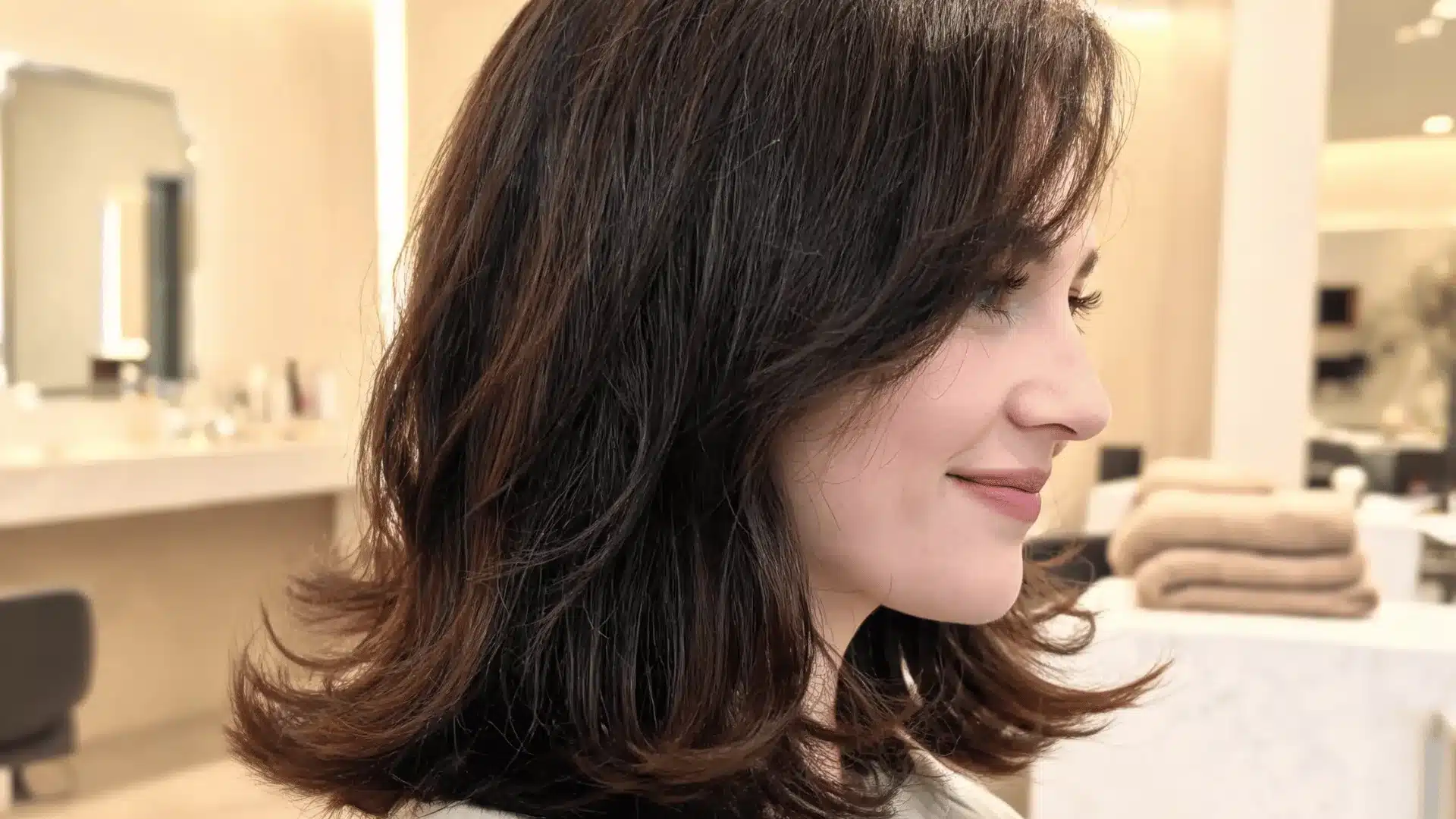
Flippy layers fan away from the face, usually with a lifted or turned-out finish. They often look best after a dry-cut detail pass, as the shape can be checked while the hair falls naturally.
This type has a soft 70s feel. It can work on bobs, lobs, and longer hair, but it needs some styling. A round brush, blow dryer, or hot brush usually brings the flip out.
8. Feathered Layers
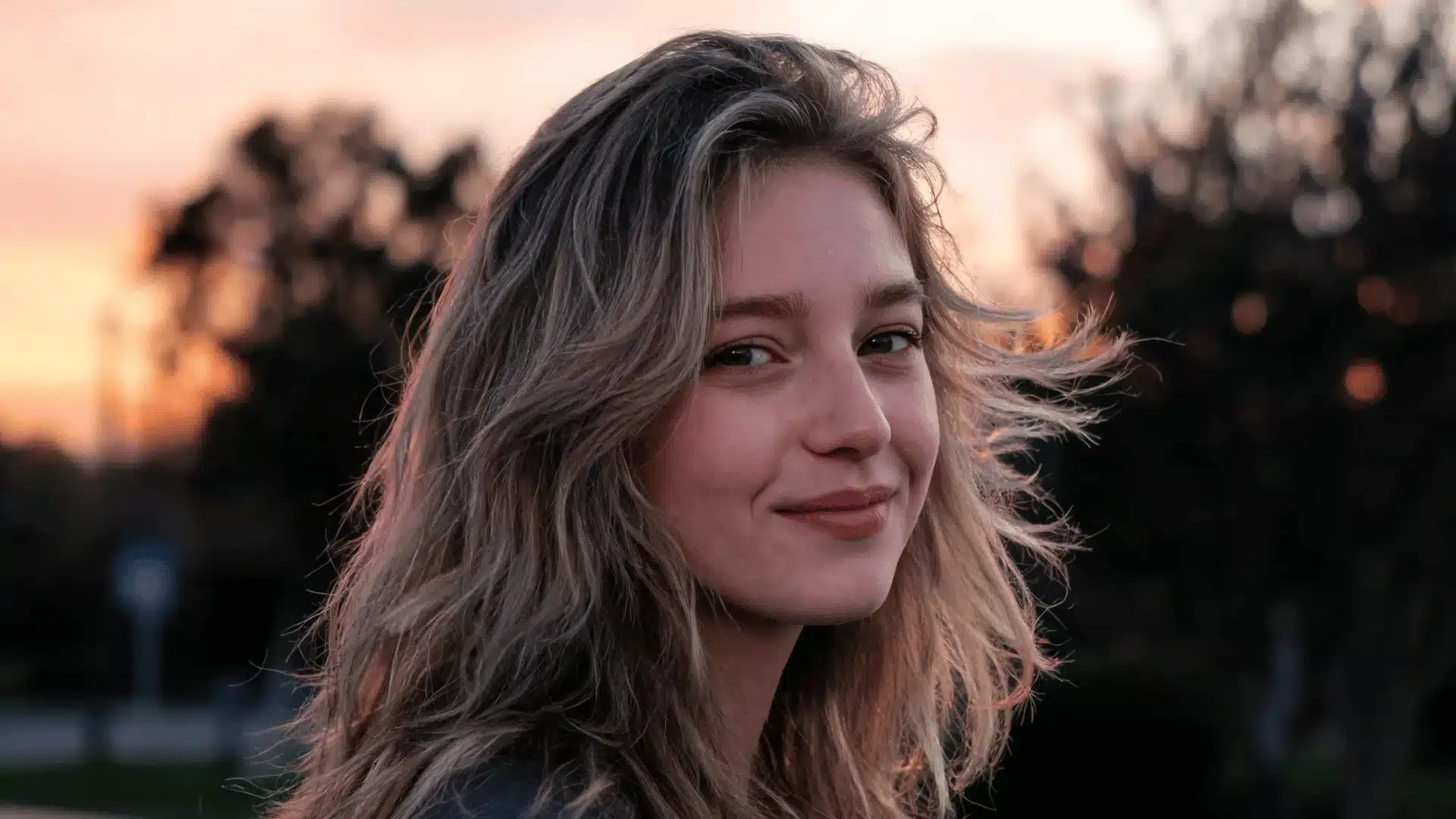
Feathered layers are lighter through the ends and sweep away from the face. They are softer than choppy layers and more open than blunt layering.
They work well for people who want movement without a rough finish. Feathering can also soften strong jawlines or heavy front pieces.
9. Waterfall Layers
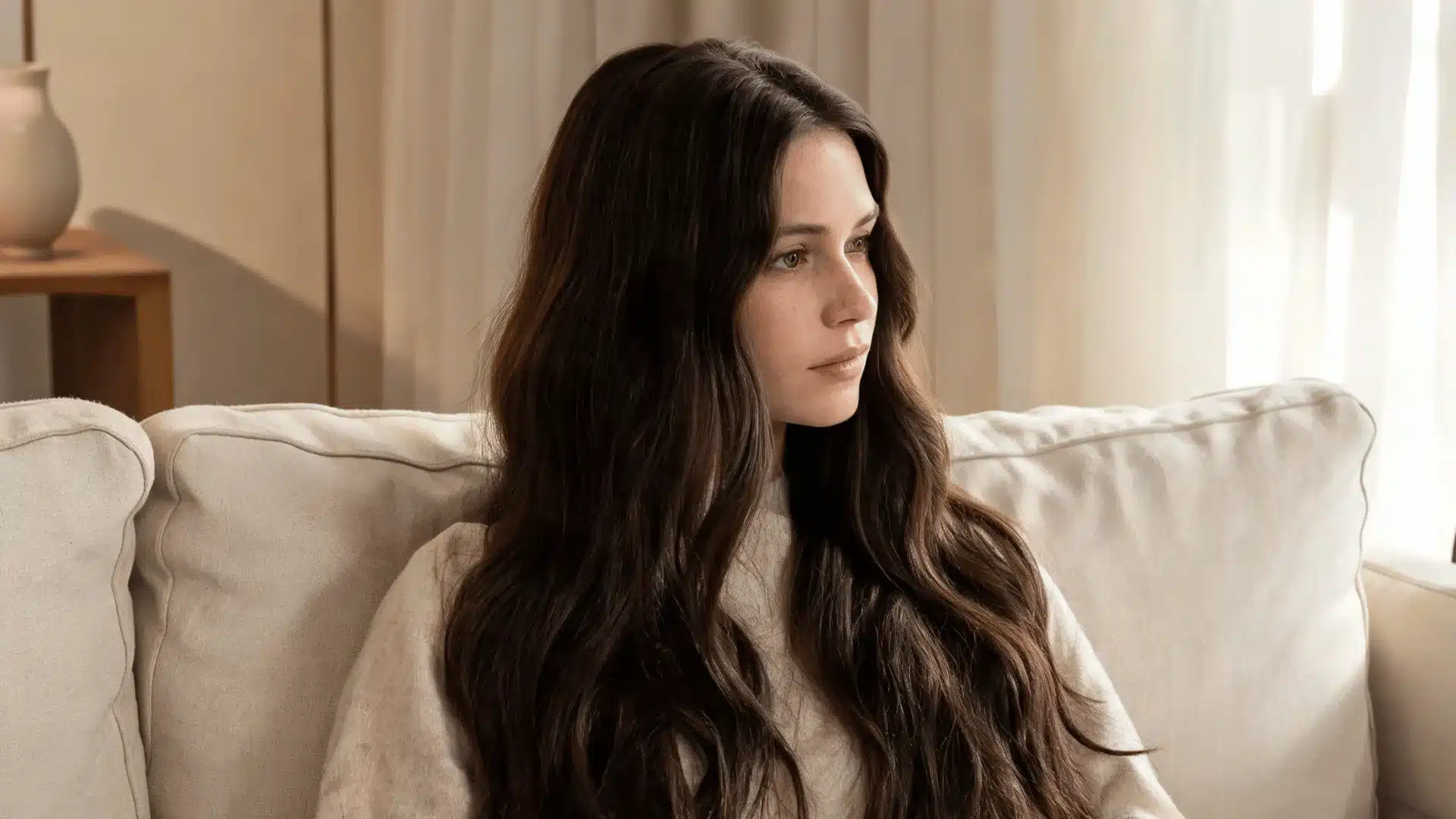
Waterfall layers cascade from the crown downward in long sections. They suit long hair because there is enough length for the layers to fall in a smooth pattern.
This cut adds fluidity without making the hair look short. It is a strong choice when long hair feels flat, but you still want to keep the overall length.
10. Internal or Blended Layers
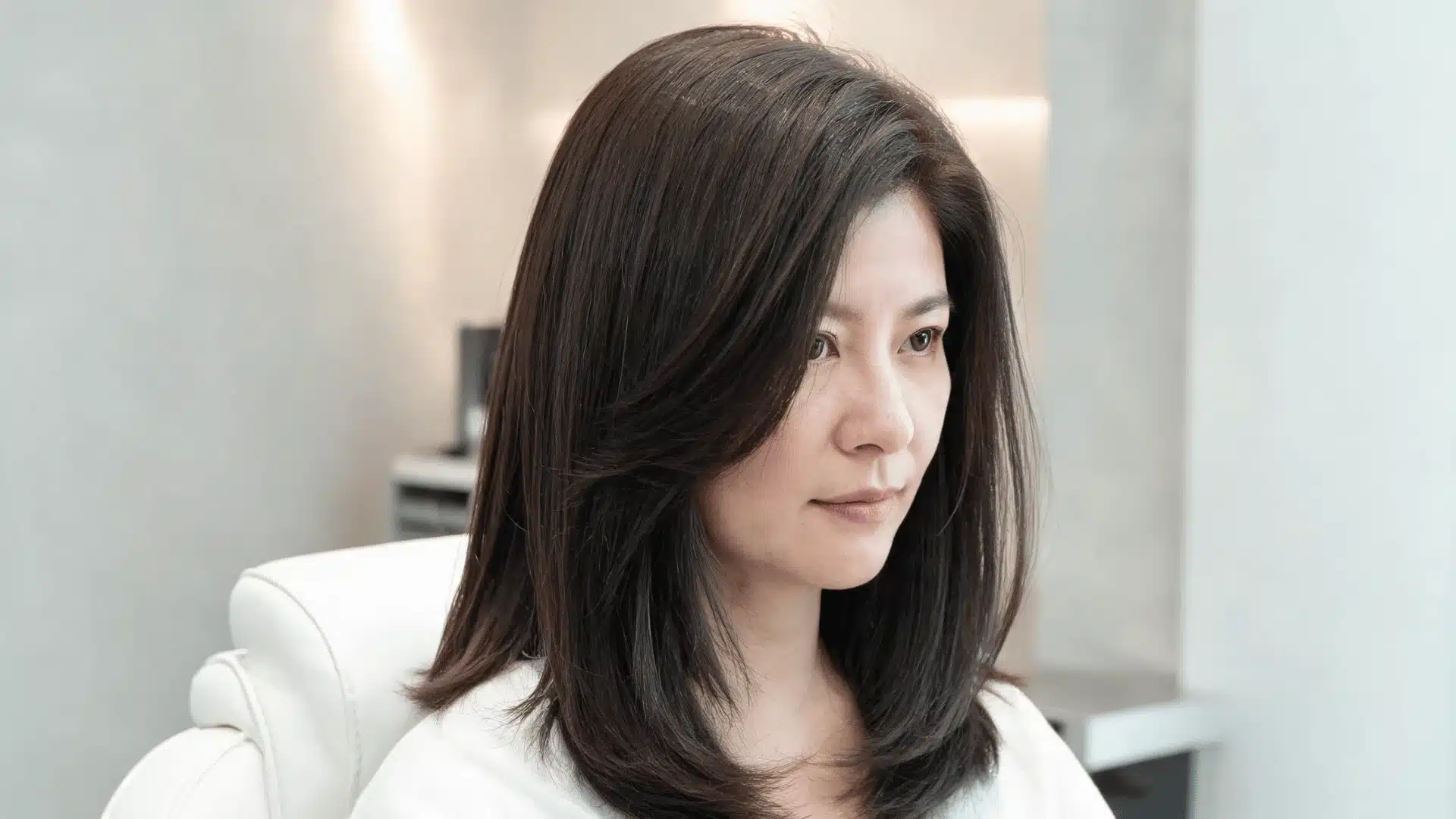
Internal layers sit underneath the top layer of hair. They remove weight without changing the outer shape too much.
These work well for thick hair that needs less bulk or fine hair that needs soft movement. Done right, the hair moves better without obvious layers.
11. Graduated or Stacked Layers
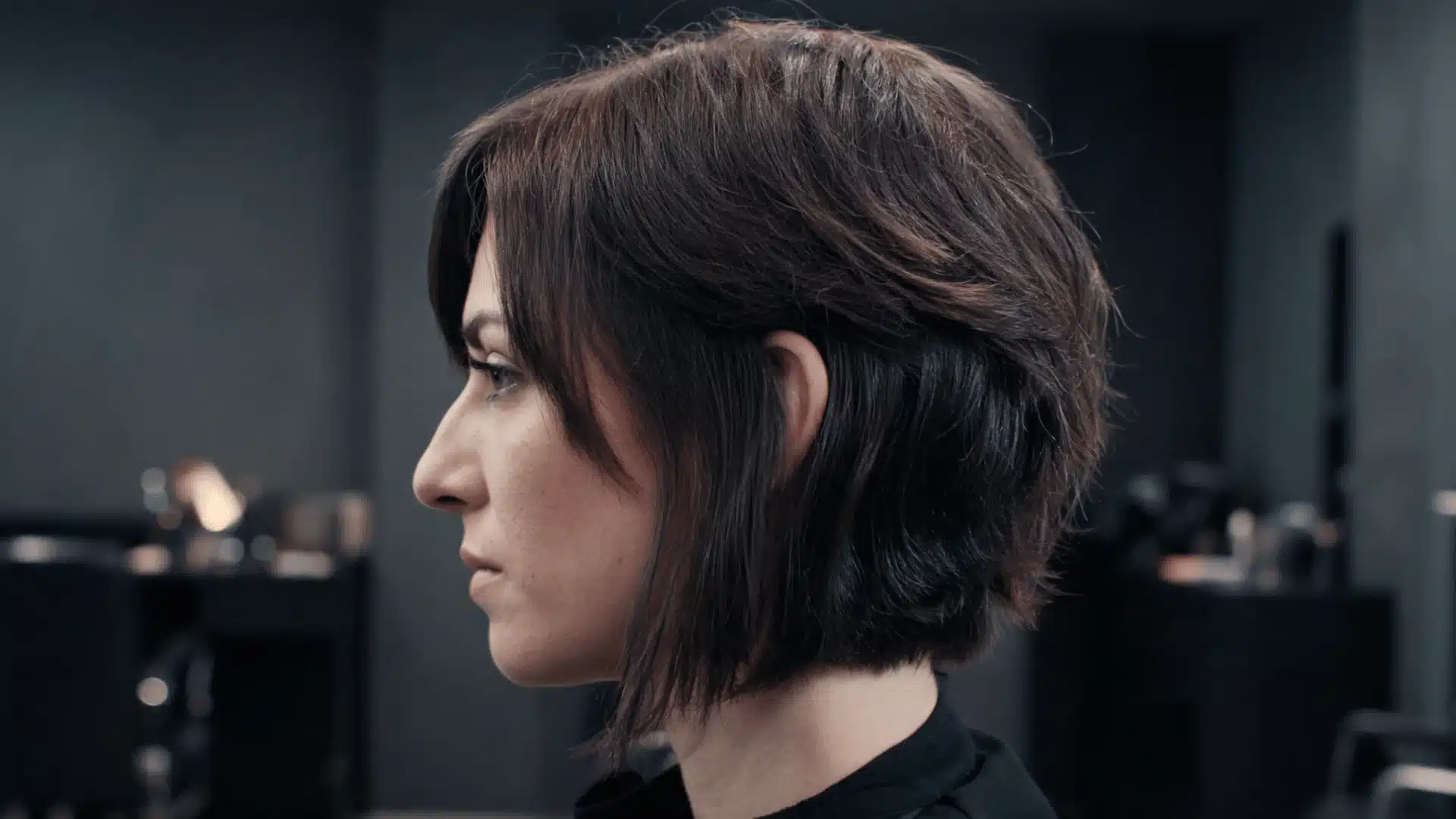
Graduated layers are cut shorter at the back and longer toward the front. They build volume at the nape and are common in bobs and lobs.
This is a more structured layer type. It gives shape quickly, especially on shorter hair, but it also needs regular trims to keep the angle clean.
Layers by Hair Length: What Changes and Why
Short hair shows every layer quickly. A small cut near the crown or nape can change the whole shape, so pixies, bixies, bobs, and short shags need careful placement.
Medium hair has enough length for shape without feeling heavy. Face-framing layers, textured pieces, feathered ends, and flippy layers all work well.
Long hair needs more planning. Random layers can make the ends look flat or stringy, so long layers and waterfall layers are safer choices when you want movement without losing length.
Matching Layer Types to Your Hair Texture
Your hair texture decides how layers sit, move, and grow out. The right layer type should work with your natural hair instead of making it harder to style.
| Hair texture | Layer types that work best | Why it works |
|---|---|---|
| Fine or thin hair | Wispy layers, internal layers, soft, long layers | These add movement without making the ends look too thin. |
| Thick hair | Choppy layers, textured layers, short layers, internal layers | These remove weight and help the haircut sit closer to the head. |
| Wavy hair | Textured layers, feathered layers | These follow the natural wave pattern instead of fighting it. |
| Curly hair | Longer layers, waterfall layers | These keep their shape without creating too much width or a triangle effect. |
| Straight hair | Long layers, flippy layers, face-framing layers | These land cleanly, but the uneven cut lines are easier to notice. |
How Layers and Face Shape Work Together
The right layers can balance your face shape and change how the haircut frames your features.
- Round faces : Longer face-framing layers usually work best because they pull the eye downward. Short layers around the cheeks can make the face look fuller.
- Oval faces: Most layer types work well. The final choice usually depends more on hair texture and styling routine.
- Square or angular faces: Feathered layers or soft face-framing pieces can help soften the jawline.
- Long or oblong faces: Shorter layers can add width and balance. Very long waterfall layers may make the face look longer if the front pieces start too low.
- Heart-shaped faces: Curtain-style face-framing layers often work well because they balance a wider forehead with a narrower jaw.
How Layers Change The Way Hair Color Looks
Layers can make hair color look more dimensional by separating the hair into softer sections. Balayage also looks smoother because lighter pieces have space to show.
Choppy and textured layers can make highlights look more lively. Each piece catches light differently, so the color feels less flat.
Blunt ends can make strong highlights look banded or heavy. Layers cannot fix poor color placement, but the right cut can help the color look softer and more natural.
If you are also dealing with thinning hair that affects how your color sits, it may be worth reading about hair restoration options for women before deciding on your next cut or color treatment.
Common Layering Mistakes to Avoid
A few small layering mistakes can completely change how the haircut looks and grows out.
- Too many layers on fine hair: Can make the ends look thin and weak.
- Choppy layers without thinking about grow-out: May start looking uneven after a few weeks.
- Face-framing layers that do not suit your face shape: Can make the cut feel too short or too wide around the face.
- Ignoring natural hair texture: Straight, wavy, and curly hair all need different layering techniques.
- Choosing high-maintenance layers: Some layered cuts only look good with regular blow-drying or heat styling.
Conclusion
Layers work best when they have a clear purpose. They can lighten long hair, add lift to flat hair, or frame the face without removing much length.
Choppy, textured, wispy, waterfall, internal, and stacked layers all create a different kind of finish. That is why the best layered haircut is not the one that looks good on someone else.
It is the one that fits your hair length, natural texture, face shape, color, and styling routine. Once you know what each layer does, asking for the right cut feels much easier.
Drop your favorite layering style in the comments, or tell me your hair length and texture.
Frequently Asked Questions
How Often Do Layered Cuts Need a Trim to Stay Fresh?
Most layered cuts look best with a trim every 6 to 10 weeks. Short stacked layers may need trimming sooner, while long layers can usually go longer if the ends stay healthy.
Do Layers Work Well with Hair Extensions or Protective Styles?
They can, but the extensions or added hair need to match the cut. Heavy layering can expose extensions if they are not blended properly. Tight protective styles can also pull on the hairline, so tension matters.
Is It Possible to Remove Layers and Grow Back to a Single Length?
Yes, but it takes time. The shorter pieces need to catch up with the longest pieces, so regular small trims help.