Finding extra strands of hair on the pillow, in the shower drain, or tangled in a hairbrush can feel unsettling.
The mind quickly jumps to worst-case scenarios, especially when the change seems sudden.
Many people start searching for answers, but often get confused about hair shedding vs hair loss because both can look very similar at first.
One day, it feels normal, and the next day, every loose strand becomes impossible to ignore. That uncertainty can be frustrating and even emotional.
Hair is deeply connected to confidence, identity, and self-image, so noticing unusual changes naturally raises concern.
The good news is that not every case of increased hair fall means permanent hair loss.
Understanding the Hair Growth Cycle
Hair goes through a natural growth cycle that includes three main stages.
- Anagen phase: Active growth, lasting several years.
- Catagen phase: A short transition where growth slows and the follicle shrinks.
- Telogen phase: The resting stage, after which the hair sheds to make room for new growth.
According to the American Academy of Dermatology, losing 50 to 100 hairs daily is completely normal.
If you’ve also noticed changes in your scalp’s density or texture, it helps to understand what dormant hair follicles actually look like before drawing conclusions.
Healthy hair growth depends on this cycle working properly, and temporary changes in the cycle can sometimes increase shedding without causing permanent hair loss.
Hair Shedding vs Hair Loss: The Main Difference
Many people use the terms hair shedding and hair loss interchangeably, but they are not the same thing. Understanding the difference can help identify whether the issue is temporary or something that may need medical attention.
| Factor | Hair Shedding | Hair Loss |
|---|---|---|
| Meaning | Temporary falling out of hair strands | Reduced hair growth or permanent thinning |
| Hair Regrowth | Hair usually grows back naturally | Regrowth may be slow or limited |
| Hair Fall Pattern | Even shedding across the scalp | Thinning in specific areas or bald patches |
| Duration | Often lasts a few weeks or months | Can continue for years without treatment |
| Hair Density | Overall thickness usually stays similar | Hair becomes visibly thinner over time |
| Scalp Visibility | Scalp usually not noticeable | The scalp may become more visible |
| Medical Concern | Often temporary and manageable | May require medical diagnosis and treatment |
Signs That Indicate Hair Shedding or Hair Loss
Understanding these signs can make it easier to know when simple lifestyle changes may help and when professional advice may be needed.
Signs of Hair Shedding
- Increased hair fall while washing or brushing hair
- Hair shedding evenly across the scalp
- Temporary hair fall after stress, illness, or hormonal changes
- Hair regrowth appears within a few months
- No major bald spots or receding hairline
Signs of Hair Loss
- Visible thinning in certain areas of the scalp
- Receding hairline or widening hair part
- Hair is becoming finer and weaker
- Reduced hair growth after hair falls out
- Scalp becoming more visible
- Itching, redness, or irritation on the scalp in some cases
Common Causes of Hair Shedding
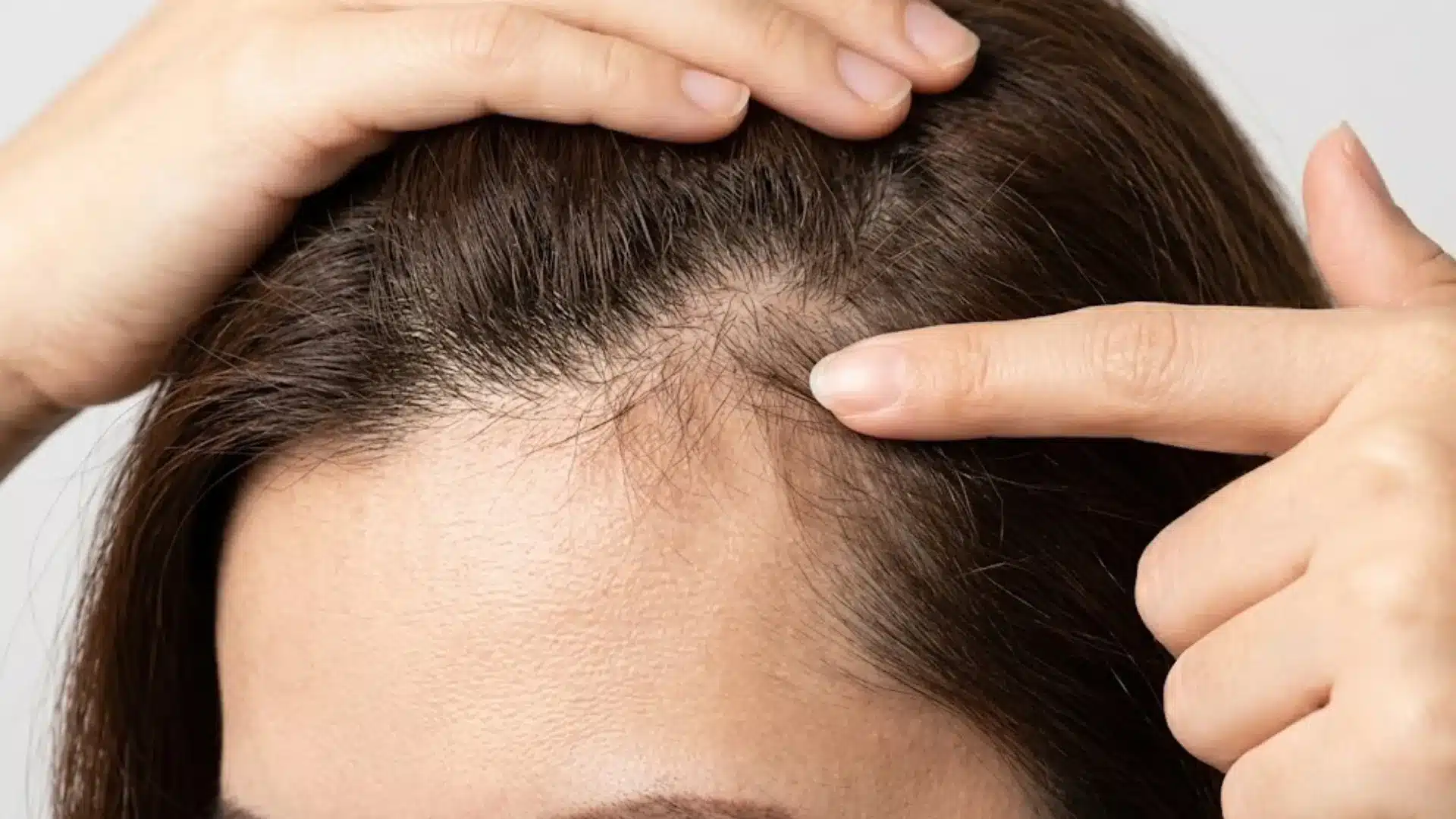
Daily stress, changes in health, poor nutrition, or hormonal shifts can interrupt the normal hair growth cycle and push more hairs into the shedding phase.
1. Physical and Emotional Stress
Stress is one of the most common causes of temporary hair shedding.
Physical stress from surgery, illness, high fever, or sudden weight loss can shock the body and affect the hair growth cycle.
Emotional stress can also trigger increased shedding in some people. This condition is often called telogen effluvium.
2. Hormonal Changes
Hormonal shifts can strongly affect hair growth and shedding patterns. Many women notice increased shedding during pregnancy, after childbirth, or during menopause.
Changes in birth control methods may also lead to temporary hair loss. Hormones help regulate the hair growth cycle, so sudden fluctuations can push more hairs into the resting phase.
This type of shedding is usually temporary, although recovery time may vary depending on the cause and overall health of the person.
3. Nutritional Deficiencies
Hair needs proper nutrients to grow and stay healthy. Low levels of iron, vitamin D, protein, or other important nutrients can weaken the hair and increase shedding.
Crash dieting and poor eating habits may also affect hair health over time. When the body does not receive enough nutrients, it may slow down non-essential functions like hair growth.
Eating balanced meals and correcting nutritional deficiencies often helps reduce shedding and supports stronger, healthier hair growth.
4. Medications and Medical Treatments
Some medications and medical treatments can cause temporary hair shedding as a side effect.
Common examples include antidepressants, blood pressure medications, chemotherapy drugs, and certain hormone treatments.
These medications may interrupt the normal hair cycle and lead to increased shedding. In many situations, hair growth improves after the medication is stopped or adjusted under medical supervision.
Anyone experiencing sudden hair shedding after starting a new treatment should speak with a healthcare professional for guidance.
Common Causes of Hair Loss
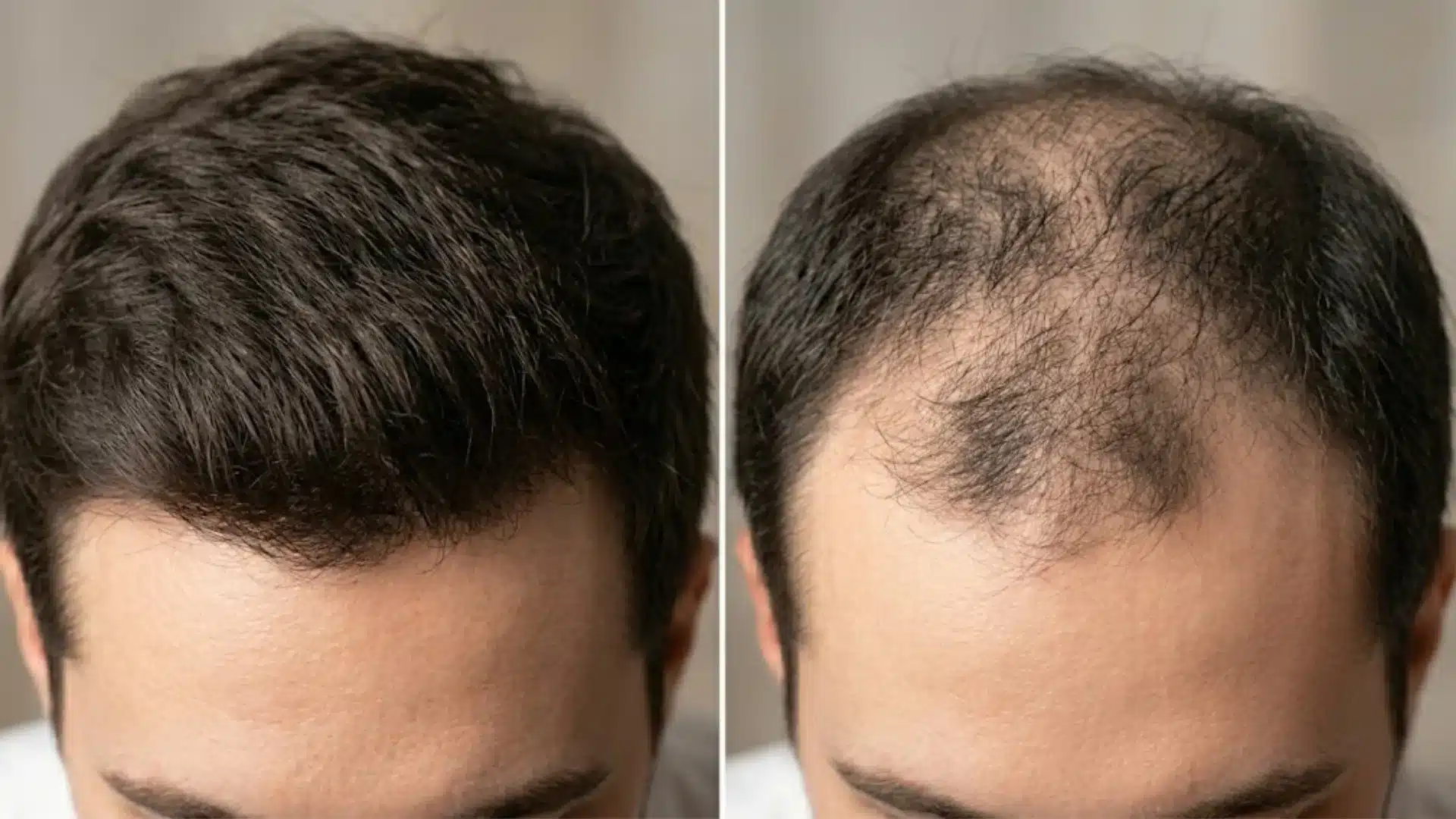
Hair loss can happen for many reasons, and it is often different from temporary hair shedding. In many cases, hair loss develops slowly and becomes more noticeable over time. S
1. Genetic Hair Loss
Genetic hair loss is one of the most common causes of thinning hair in both men and women. It is often called male pattern baldness or female pattern hair loss.
This condition usually develops gradually with age and may run in families. Men often notice a receding hairline or thinning at the crown, while women may see widening along the hair part.
Since this type of hair loss is hereditary, it may continue progressing without proper treatment or management.
2. Alopecia Areata
Alopecia areata is an autoimmune condition that causes the immune system to attack healthy hair follicles.
This can lead to sudden hair loss in small, round patches on the scalp or other parts of the body. In some cases, hair may grow back and fall out again later.
The condition affects people of all ages and can vary from mild to severe. Early medical treatment may help manage symptoms and support hair regrowth for some individuals.
3. Traction Alopecia
Traction alopecia happens when hair is constantly pulled tight over long periods. Tight ponytails, braids, buns, extensions, and certain hairstyles can place stress on the hair follicles.
Over time, this repeated tension may damage the follicles and lead to thinning or permanent hair loss around the hairline or scalp edges.
For those concerned about hairline changes over time, understanding the root cause is the important first step before exploring any corrective option.
4. Medical Conditions and Scalp Disorders
Several medical conditions can contribute to hair loss by affecting the scalp, hormones, or immune system.
Thyroid disorders, lupus, polycystic ovary syndrome, and scalp infections are common examples.
These conditions may weaken hair follicles or interrupt normal hair growth. Some people also experience itching, redness, or scalp irritation along with hair loss.
Treating the underlying medical issue is often an important step toward improving hair growth and reducing further thinning over time.
Note: This section is for informational purposes only. If you’re experiencing significant or persistent hair changes, consult a licensed dermatologist or healthcare provider before self-diagnosing or starting any treatment.
When Should You See a Doctor
Most temporary shedding resolves on its own within two to six months once the trigger is addressed. But there are situations where waiting is not the right call.
Consider booking an appointment if you notice:
- Shedding that has lasted more than three to four months with no clear cause
- Visible thinning, bald patches, or a noticeably wider hair part
- Scalp itching, burning, redness, or tenderness alongside hair fall
- Shedding that began after a new medication or medical treatment
- Sudden, patchy hair loss that appeared quickly
- Hair loss that runs in your family and appears to be progressing
Note: The following is general guidance only, not a substitute for medical advice. A dermatologist or trichologist can provide a proper diagnosis.
How Do Doctors Diagnose Hair Shedding and Hair Loss?
Doctors diagnose hair shedding and hair loss by examining the scalp, reviewing medical history, and identifying possible triggers affecting hair growth.
The process usually begins with questions about recent stress, illnesses, diet changes, medications, hormonal issues, and family history of hair loss.
A doctor may closely examine the scalp to check for thinning areas, inflammation, or bald patches.
In some cases, a hair-pull test is performed to see how easily hair comes out.
Blood tests may also be recommended to detect iron deficiency, thyroid problems, hormonal imbalances, or nutritional deficiencies that could affect hair health.
If the cause remains unclear, a scalp biopsy may be done to study the hair follicles more closely.
Early diagnosis helps determine whether the condition is temporary shedding or a form of long-term hair loss needing treatment.
Note: This section describes general diagnostic approaches. Always consult a qualified healthcare provider for personal medical evaluation.
Lifestyle Habits That Support Healthy Hair
Healthy hair depends on more than products alone. If you’re already dealing with increased fall, these habits can also help you reduce excessive shedding before it becomes a bigger concern.
- Eat a Balanced Diet: Include protein, iron, healthy fats, vitamins, and minerals to support strong hair growth.
- Stay Hydrated: Drinking enough water helps maintain scalp moisture and overall hair health.
- Manage Stress Levels: High stress can interrupt the hair growth cycle and increase shedding. Relaxation techniques and quality sleep may help.
- Avoid Excessive Heat Styling: Frequent use of flat irons, curling tools, and blow dryers can weaken hair strands and cause damage.
- Use Gentle Hair Products: Mild shampoos and conditioners help reduce scalp irritation and hair breakage.
- Limit Tight Hairstyles: Tight ponytails, braids, and buns can place stress on hair follicles and lead to traction alopecia.
- Protect Hair From Sun Damage: Excessive sun exposure may dry out the scalp and weaken hair over time.
- Get Enough Sleep: Proper sleep supports hormone balance and healthy cell repair, including hair growth.
- Avoid Crash Diets: Sudden weight loss and poor nutrition can trigger temporary hair shedding.
- Maintain Scalp Health: Keeping the scalp clean and free from buildup supports healthier hair follicles and growth.
Conclusion
Understanding the difference between hair shedding vs hair loss takes a lot of the anxiety out of noticing extra strands.
Shedding is often temporary, driven by stress, hormones, or nutrition, and corrects itself once the trigger is resolved. Hair loss tends to progress without intervention and usually needs professional evaluation.
If you’re unsure which one you’re dealing with, start by tracking patterns: how long it’s been happening, whether regrowth is coming in, and whether any scalp changes have appeared. That information will be useful to any doctor you see.
Have you noticed unusual shedding or hair thinning? Share your experience in the comments below.
Frequently Asked Questions
What Supplements are Good for Thinning Hair?
Iron, biotin, vitamin D, zinc, and protein supplements may support thinning hair if deficiencies are present. A doctor should confirm deficiencies before starting any supplement routine.
What Blood Test is Done for Hair Loss?
Doctors may recommend blood tests for iron levels, thyroid function, vitamin D deficiency, hormone imbalance, and nutritional deficiencies to identify possible causes of hair loss or excessive shedding.
How Long Does Hair Shedding Last?
Temporary hair shedding often lasts between two and six months, depending on the cause. Hair growth usually improves gradually once stress, illness, or nutritional issues are addressed properly.