Hair does not always grow in the same smooth direction across the scalp. Some sections may twist, lift, or sit against the rest of the hair, even after brushing or styling.
This is usually caused by a cowlick, a natural growth pattern in which the hair grows in its own direction.
A visible cow licks hair pattern can make one area look raised, split, or harder to control, especially near the crown or front hairline.
It does not mean anything is wrong with the hair. It simply means the strands are growing from follicles that point at a different angle.
In this blog, you will learn what cowlicks are, why they happen, where they appear most often, and how they can affect the way hair sits, parts, and moves.
What is a Cowlick?
A cowlick is a section of hair that grows in a different direction from the surrounding strands.
Instead of lying flat, the hair may stick up, form a swirl, or separate into different directions. This happens because of the way the hair follicles are positioned beneath the scalp.
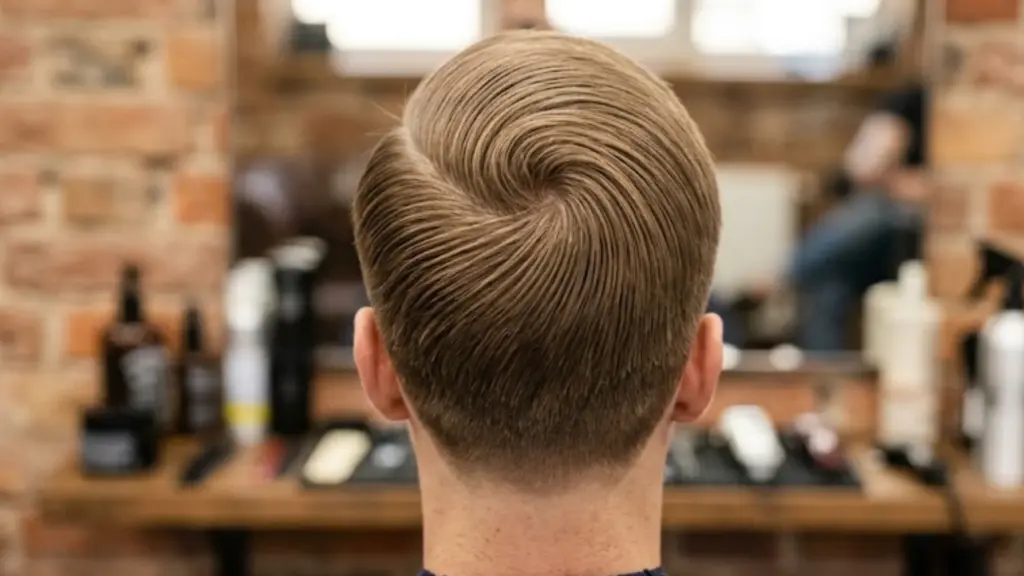
The result is a natural growth pattern that can be difficult to style. On the scalp, a cowlick often appears as a circular swirl or a patch where the hair seems to move against the rest of the hairstyle.
In some cases, it creates extra volume, while in others, it causes a noticeable split in the hair. Some people have one cowlick, while others may have several in different areas.
Where Cowlicks Appear on the Scalp
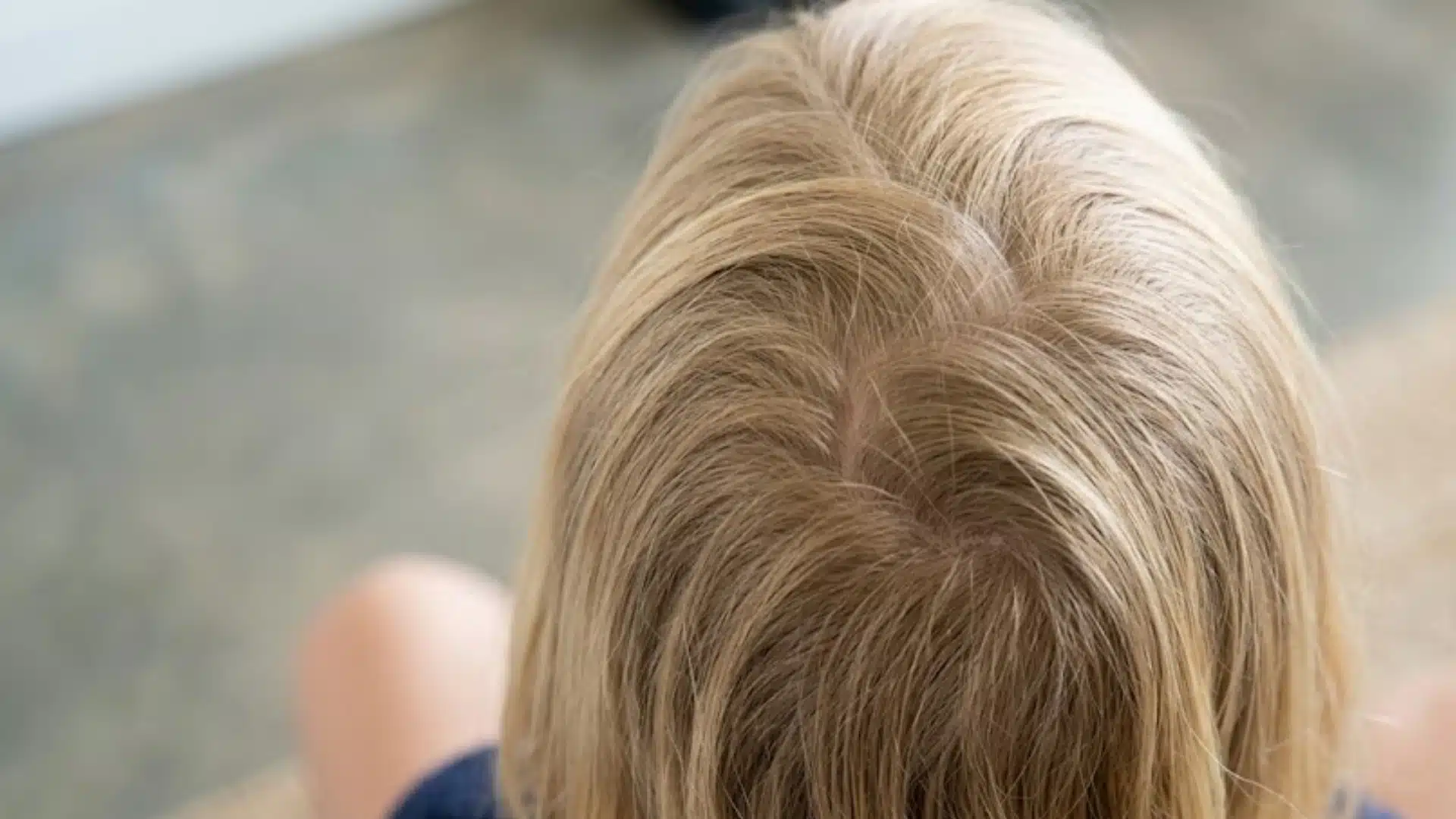
Cowlicks can form anywhere, but they tend to cluster in a few predictable spots.
- Crown: The most common location. Hair spirals outward from a central point, and the tuft at the center resists lying flat. More visible in short cuts, longer hair can weigh it down.
- Front hairline: Usually sits slightly off-center, causing hair to part in an unintended direction or pushing bangs to one side. Harder to hide because it sits where the eye naturally lands first.
- Nape: At the back of the neck, cowlicks here can cause hair to flip outward or upward, especially with bob-length cuts that end right at the cowlick level.
Cowlick Hair by Texture:
Hair texture changes how visible a cowlick is, even when the follicle angle is the same.
- Fine or straight hair: Cowlicks tend to look more pronounced. Fine hair has less weight to pull strands down, so the lift or swirl is more visible.
- Thick or coarse hair: The extra weight helps hold the cowlick flatter. It’s still there, but easier to manage.
- Wavy or curly hair: Cowlicks often blend in with the natural texture. The existing curl pattern camouflages the directional change more effectively.
How Do Cowlicks Form: The Follicle Science
Hair growth patterns form before birth, when follicles develop across the scalp. Genetic signals, scalp tension, and head shape can cause some follicle clusters to sit at angles different from the surrounding hair.
That angled cluster becomes a cowlick. Genetics plays the biggest role. Cowlicks often run in families, and research has linked the direction of scalp hair whorls to several genetic regions.
Animal studies also suggest that genes involved in follicle direction may affect how whorls and tufts form.
Because the follicle angle is built into the scalp, styling cannot change the root direction. The hair will grow back the same way.
Good scalp health and follicle care can support overall hair quality, but it won’t change the angle of a follicle that was set before you were born.
Rarely, scars, surgery, or treatment-related hair changes can shift the growth direction, but those patterns differ from a natural cowlick.
How Do Cowlicks Affect Hair Patterns?
Cowlicks can change how hair sits, parts, and moves, especially around the crown, hairline, and shorter areas of the head.
- Hair that sticks up: A cowlick can push strands upward, making one section stand out even after brushing, drying, or styling.
- Hair that splits in one spot: Some cowlicks create a natural break where the hair separates instead of blending with nearby strands.
- Uneven parting: The hair may not follow a clean part line because the cowlick pulls strands in a different direction.
- Crown area swirls: Cowlicks near the crown often create a circular pattern that makes the hair look like it is spinning outward.
- Front hairline lift: A cowlick near the front can lift the hairline, making bangs or shorter front pieces harder to control.
Are Cowlicks Permanent?
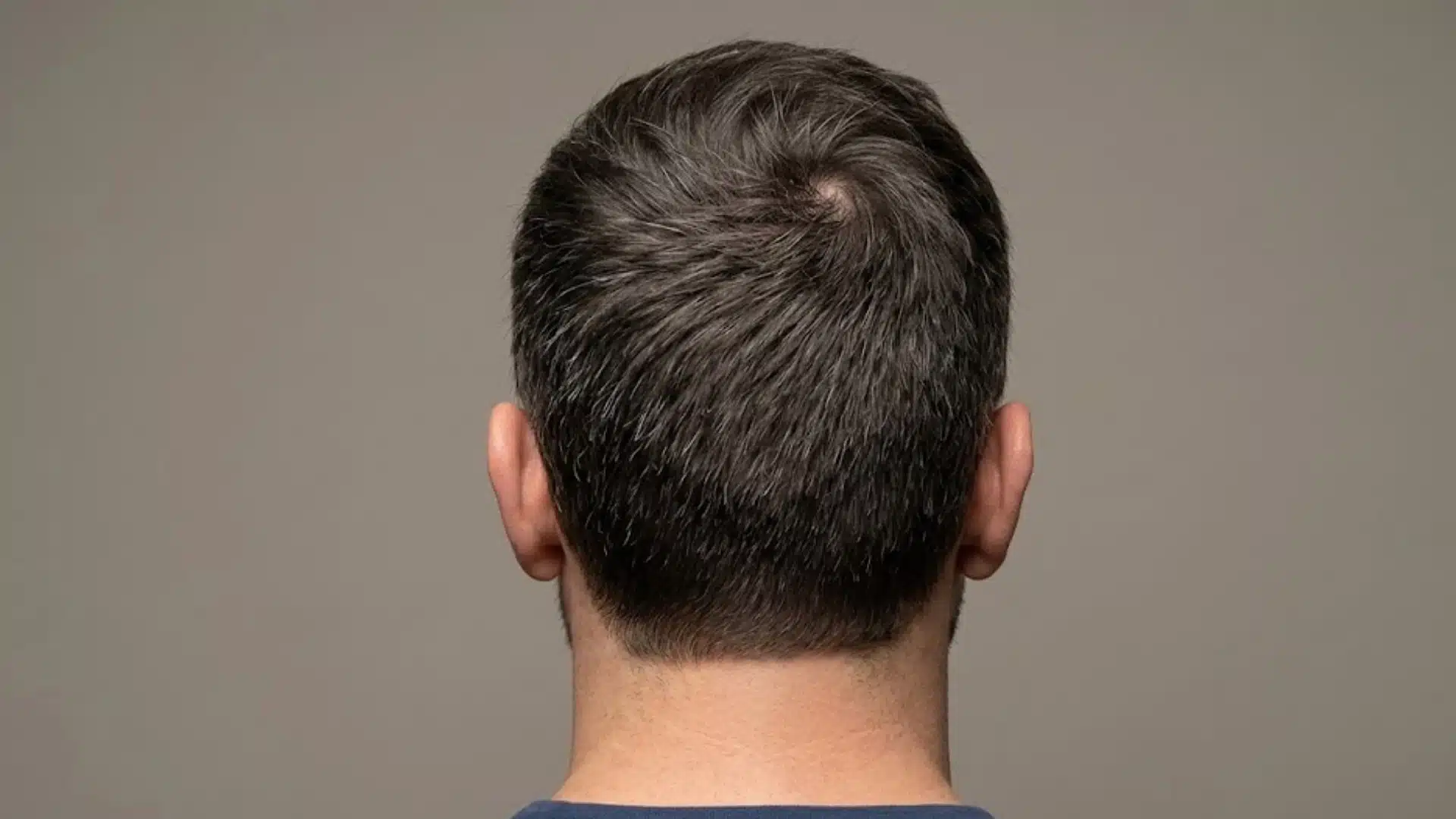
Most cowlicks are permanent because they come from the way hair grows out of the scalp.
The direction of the hair follicle is set under the skin, so the same spot usually continues to grow in the same direction over time.
This is why many people notice a cowlick in the same area for years. Styling can still help control it.
Blow-drying the hair in the right direction, using a light product, or choosing a haircut that works with the growth pattern can make it less obvious.
Longer hair may also help because the extra weight can pull the strands down. A cowlick can look different with age, hair thinning, or changes in haircut.
Shorter cuts often show it more, while longer or layered styles can soften the pattern and make it blend better.
How to Blow-Dry a Cowlick the Right Way?
Technique matters more than product. Redirect a cowlick while the hair is wet, then blow-dry it into place. Once it dries in its natural pattern, it becomes much harder to control.
- Start when hair is 80–90% wet: Don’t let it air-dry at all first. Damp hair is pliable; dry hair has already set.
- Attach a concentrator nozzle to your dryer: The nozzle focuses airflow so you can direct it precisely. Without one, you’re just blowing heat around without control.
- Apply a light hold product to damp roots: A small amount of styling cream or root mousse at the cowlick gives the redirect something to hold onto once dry.
- Blow-dry against the cowlick’s growth direction: If it grows upward, direct the air downward. If it grows to the left, blow-dry toward the right. Use a round brush or paddle brush to apply tension while directing the airflow.
- Use a back-and-forth motion: Alternate directions (left-right, forward-back) to “confuse” the growth pattern and train the hair to lie flat and neutral rather than reinforcing one direction.
- Finish with cool air: Use your dryer’s cool-shot button to lock the hair cuticle and set the style in place before the hair cools naturally
Can You Permanently Fix a Cowlick?
No cut or product permanently changes the angle of a follicle. The growth direction is set before birth and stays that way.
Chemical relaxers can temporarily alter the texture of the hair shaft, which can make a cowlick less pronounced for the life of the treatment, but they do not affect the follicle itself.
Once new growth comes in, the pattern returns. Keratin treatments work similarly; they smooth the cuticle and reduce volume, which can calm a cowlick, but the effect is not permanent.
The most reliable long-term management is choosing the right cut and learning one or two directional blow-dry habits. That combination handles the majority of cowlicks without chemical intervention.
If you’re overdue for a cut, working out a trim schedule that works with your growth pattern makes cowlick management significantly easier between styling sessions.
Conclusion
Cowlicks are natural hair growth patterns that cause certain sections of hair to move in a different direction.
They can appear near the crown, hairline, or other parts of the scalp and often affect the way hair sits, parts, or responds to styling.
While they are usually permanent, they can often be managed with the right haircut, styling method, and hair length.
Understanding what causes them makes it easier to work with the pattern rather than fight it every day.
Whether the issue is a swirl at the crown or a lifted front section, a cow licks hair pattern is completely normal and experienced by people of all ages.
Have a cowlick that is difficult to manage or a styling trick that works well? Share your experience in the comments below.
Frequently Asked Questions
Can a Cowlick Cause Hair Loss?
No, a cowlick does not cause hair loss. It only changes the way hair grows or sits in one area. If the spot looks thin, it may be because the hair is separating and showing more scalp.
Can You Have a Cowlick in Your Beard?
Yes, cowlicks can appear in beard hair too. Beard hair also grows from follicles, so some areas may twist, swirl, or point in a different direction.
Does Washing Your Hair Make Cowlicks Worse?
Washing does not make cowlicks worse, but wet hair can show the pattern more clearly. Once the hair dries, the cowlick may lift or split again.