A tiny piece of torn skin near the nail can ruin the whole mood. One minute, your hands feel fine.
The next, that small hangnail catches on fabric, stings when you wash your hands, and keeps begging for attention.
Working in a salon, I saw hangnails on almost every client who came in for a soak-off, usually the ones who had been over-washing or skipping their cuticle oil for weeks.
It seems minor, but anyone who has had one knows how irritating it can be. That is why many people start wondering what causes hangnails and why they keep coming back.
The answer is often tied to daily habits, dry skin, and the way hands handle weather, water, and products.
If your nails often feel dry, tight, or painful around the edges, this blog will help you see what your hands may be trying to tell you.
What is a Hangnail?
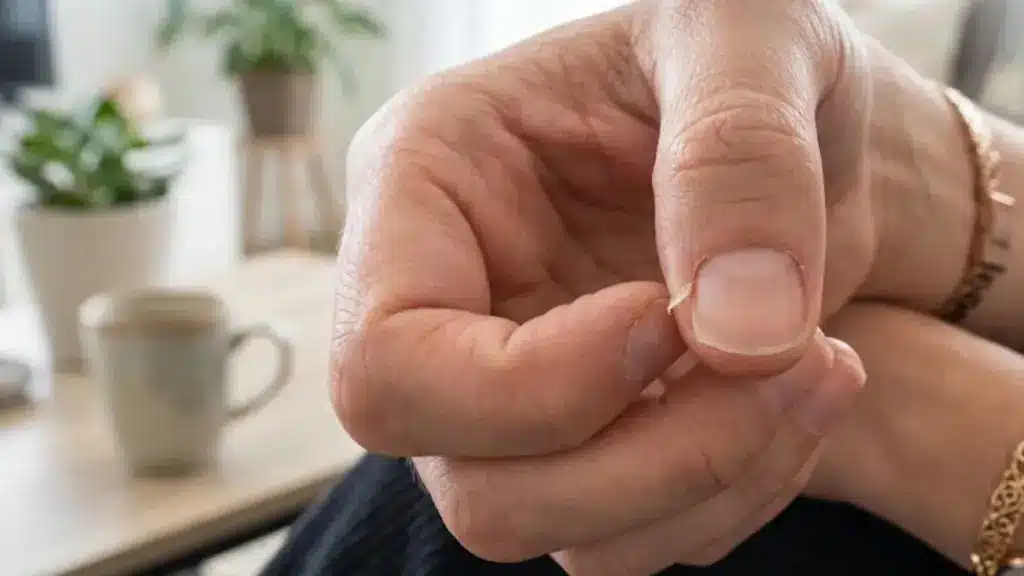
A hangnail is a small piece of torn skin that appears beside or near the bottom of a fingernail.
Even though the name includes “nail,” it is not actually part of the nail. It comes from the skin around the nail, usually when that skin becomes dry, rough, or damaged.
A hangnail may look tiny, but it can feel painful because the skin around the nail is sensitive. It may catch on clothes, hair, towels, or other surfaces, which can make the tear worse.
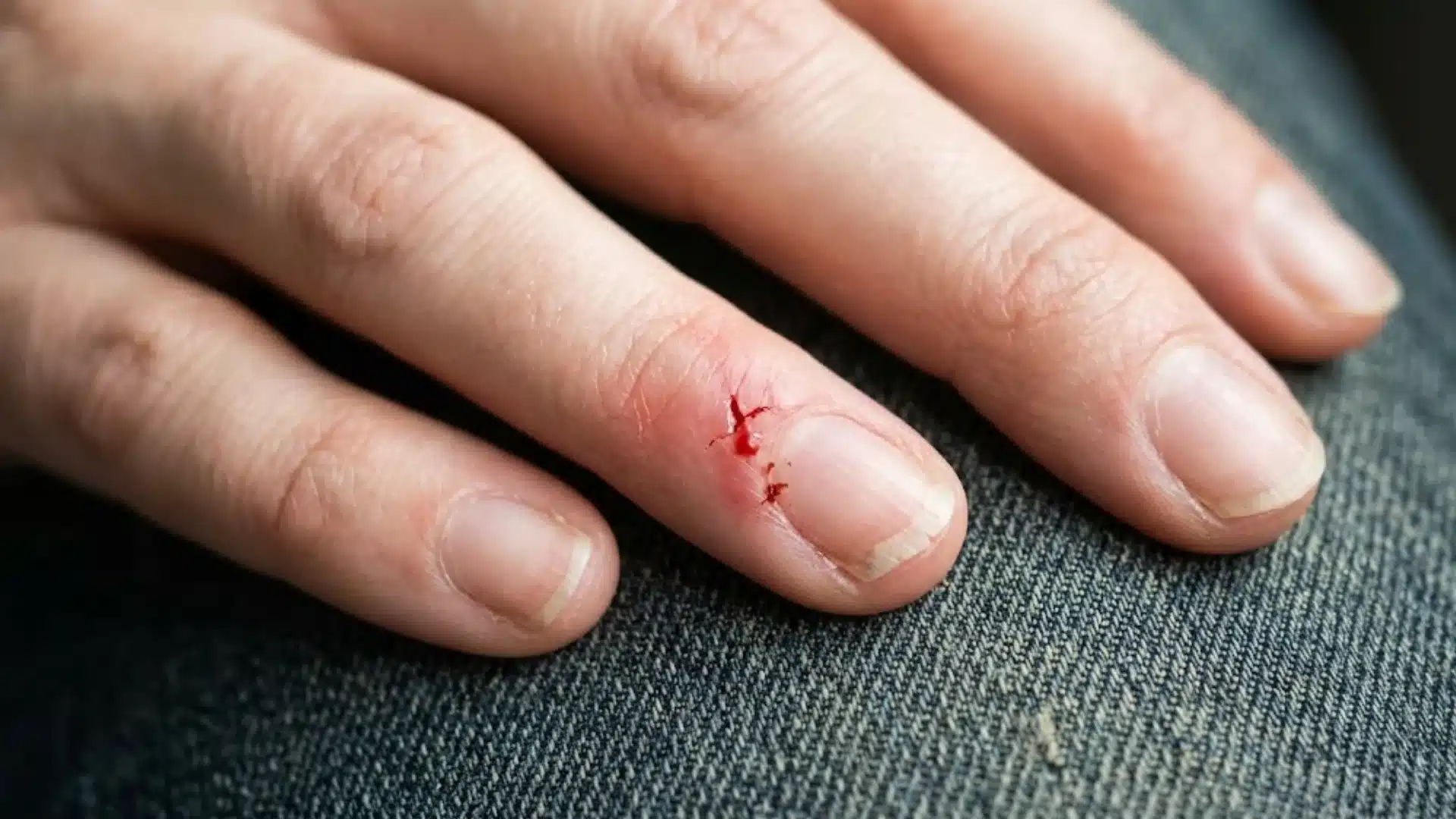
Ripping or biting a hangnail can tear healthy skin, cause bleeding, and open the nail unit to bacteria, which can lead to paronychia, a painful infection around the nail.
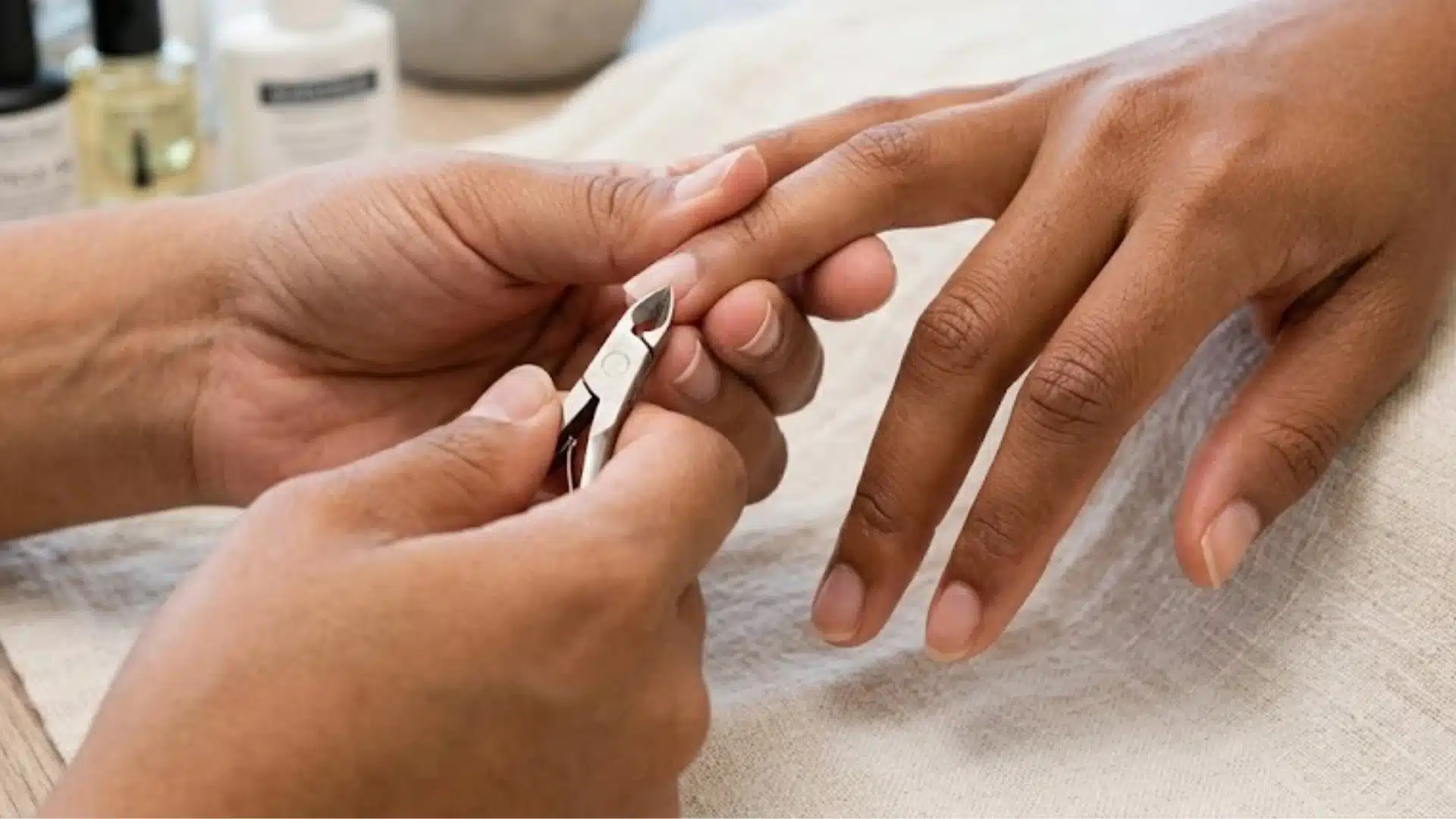
The best way to handle a hangnail is to soften the skin with warm water, trim the loose skin carefully with clean nail clippers, and apply moisturizer.
With proper care, most hangnails heal quickly and do not cause serious problems.
What Causes Hangnails?
Hangnails usually happen when the skin around the nails becomes dry, weak, or damaged. This skin is thin and sensitive, so small habits can easily make it peel or tear.
1. Dry Skin Around the Nails
Dry skin is one of the main causes of hangnails. When the skin around the nails loses moisture, it becomes rough, tight, and easier to crack.
This often happens when hands are not moisturized enough, especially after washing. Dry cuticles can also peel away from the nail edge and create small torn pieces of skin.
People with naturally dry skin may notice hangnails more often.
2. Frequent Hand Washing
Washing hands often is important for hygiene, but it can also dry out the skin around the nails. Soap and water remove dirt, but they also remove natural oils that keep the skin soft.
When this happens many times a day, the nail area can become dry and irritated.
Hand sanitizer can make the problem worse because alcohol dries the skin quickly. This is common for healthcare workers, parents, teachers, and food workers.
3. Nail Biting and Picking
Nail biting and picking at the skin around the nails can easily cause hangnails. These habits put pressure on the cuticles and tear the delicate skin near the nail.
A small rough edge may feel tempting to pull, but pulling can make the tear deeper and more painful. It may also lead to bleeding or infection.
Nail biting can also bring germs from the mouth to the fingers. Keeping nails trimmed and using cuticle oil may make the area smoother and less tempting to bite or pick.
4. Harsh Soaps and Cleaning Products
Harsh soaps, detergents, and cleaning products can irritate the skin around the nails. Many of these products remove moisture and weaken the skin barrier.
Over time, the skin may become dry, cracked, and more likely to peel. Dish soap, bathroom cleaners, laundry products, and workplace chemicals can all play a role.
People who clean often may notice hangnails more frequently.
5. Cold Weather and Dry Air
Cold weather can make hangnails more common because the air holds less moisture. Indoor heating can also dry out the skin, especially during winter.
When the skin around the nails becomes dry, it loses softness and may start to split. This can create small pieces of torn skin near the nail edge.
People who already have dry hands may notice the problem more during colder months.
6. Rough Manicures and Cuticle Damage
Rough manicures can damage the skin around the nails and lead to hangnails.
Cutting the cuticles too closely, pushing them back too hard, or using sharp tools carelessly can create tiny tears. The cuticle protects the nail area, so damaging it can make the skin weaker.
Acetone-based nail polish remover may also dry out the skin if used too often. Gentle nail care is better.
If you regularly use acetone at home, it is worth exploring gentler nail removal methods that are kinder to the cuticle.
7. Swimming and Chlorine Exposure
Swimming often can also contribute to hangnails, especially in chlorinated pools. Chlorine can dry out the skin and make the nail area feel tight or rough.
When the skin loses moisture, it becomes easier for small cracks and tears to form. This does not mean swimming is bad, but hands may need extra care afterward.
Rinsing hands with clean water after swimming can help remove chlorine.
8. Age
As the body ages, nails become drier and more brittle, and blood flow to the nail area slows.
This makes the cuticle more prone to cracking and tearing.
Older adults who skip hand cream or spend time in heated indoor spaces will notice hangnails more frequently than younger people with the same habits.
Who is More Likely to Get Hangnails?
Some people deal with hangnails more often than others, not because of anything they are doing wrong, but because of their work, health, or environment. The groups most commonly affected include:
- Healthcare workers and food handlers who wash their hands many times a day
- Cleaners and tradespeople who work with harsh chemicals or get their hands wet regularly
- People with diabetes or a weakened immune system, whose skin heals more slowly and is more prone to infection if a hangnail tears
- Thumb suckers (usually young children), where prolonged moisture and friction damage the cuticle
- People with naturally dry or sensitive skin who may not moisturize frequently enough
- Older adults, where reduced blood flow to the extremities means the skin around the nails dries out faster
If you have diabetes, poor circulation, or a compromised immune system, it is worth being extra careful around hangnails.
A small skin break that would heal in a day for most people can take much longer and carry a higher infection risk for these groups.
Can Vitamin Deficiency Cause Hangnails?
Yes, vitamin deficiency can sometimes affect nail and skin health, but it is not the most common cause of hangnails.
Most hangnails happen because the skin around the nails becomes dry, cracked, or damaged.
Frequent hand washing, cold weather, harsh soaps, nail biting, and rough cuticle care are usually more likely reasons.
Still, poor nutrition may make the skin weaker or slower to heal.
Low levels of certain nutrients, such as vitamin C, biotin, iron, zinc, or protein, may affect the condition of nails and surrounding skin.
However, hangnails alone do not prove a deficiency. If hangnails come with brittle nails, peeling skin, tiredness, hair loss, or slow wound healing, it may be worth speaking with a doctor.
In the meantime, focusing on foods that support healthy skin can help fill nutritional gaps without overcomplicating your routine.
Note: This section is for informational purposes only. If you think a nutritional deficiency may be affecting your nail or skin health, speak with a doctor or registered dietitian before making changes to your diet or supplementation.
How to Treat a Hangnail
If you already have a hangnail, the main goal is to remove the loose skin cleanly without making the tear worse. Treating it gently can help the finger feel better and heal faster.
- Soak the finger in warm water for two to three minutes to soften the skin.
- Sanitize a pair of cuticle nippers or small scissors with rubbing alcohol.
- Cut the hangnail at its base, as close to the skin as you can without cutting into live tissue.
- Apply a small amount of antibiotic ointment, Vaseline, or Aquaphor to the area.
Before trimming, soften the skin and make sure the tool is clean. This keeps the process safer and helps avoid extra irritation around the nail.
After trimming the hangnail, keep the area moisturized and protected while it heals. Avoid picking at the skin, even if it feels rough.
Note: This is general self-care guidance for minor hangnails. If you notice signs of infection such as swelling, pus, spreading redness, or worsening pain, see a doctor rather than treating at home.
When to See a Doctor
You should see a doctor if a hangnail becomes very painful, swollen, red, or warm to the touch.
These can be signs of an infection around the nail. You should also get medical help if you notice pus, bleeding that does not stop, red streaks, or pain that keeps getting worse.
A hangnail that does not heal after a few days may also need attention.
People with diabetes, poor blood flow, or a weak immune system should be more careful because small skin infections can become serious faster.
Do not try to cut deep into the skin or drain pus at home. This can make the infection worse. A doctor can clean the area, check for infection, and suggest the right treatment.
Small hangnails are usually harmless, but worsening symptoms should not be ignored.
Note: If you are unsure whether a hangnail is infected, it is always safer to get it checked. Do not attempt to drain pus at home.
Tips to Prevent Hangnails
Preventing hangnails starts with keeping the skin around the nails soft, clean, and protected. Small daily habits can make a big difference, especially if hands often feel dry or rough. The goal is to stop the skin from cracking before a hangnail has a chance to form.
- Moisturize Daily: Apply hand cream after washing your hands and before bed. Focus on the skin around the nails because this area dries out quickly.
- Use Cuticle Oil: Cuticle oil helps keep the skin around the nails soft and flexible. This can lower the chance of peeling and tearing.
- Avoid Biting Nails: Nail biting can damage the skin near the nails and create small tears. Keeping nails trimmed can make biting less tempting.
- Do Not Pull Loose Skin: Pulling a hangnail can make the tear deeper and more painful. Trim loose skin carefully with clean nail clippers instead.
- Wear Gloves While Cleaning: Cleaning products and dish soap can dry out the skin. Gloves protect your hands from harsh products and too much water.
- Choose Gentle Soap: Strong soaps can remove natural oils from your skin. A mild hand soap is better for daily use.
- Limit Hand Sanitizer When Possible: Alcohol based sanitizer can dry the skin around your nails. Use moisturizer afterward to restore softness.
- Protect Hands in Cold Weather: Cold air can make the skin dry and tight. Wear gloves outside and apply hand cream often during winter.
- Be Gentle With Cuticles: Avoid cutting cuticles too closely or pushing them back too hard. Damaged cuticles can lead to more hangnails.
- Stay Hydrated: Drinking enough water supports healthy skin. It will not fix hangnails alone, but it can help your skin stay in better condition.
Conclusion
Hangnails may be small, but they can quickly become painful when the skin around the nail starts to tear. The good news is that most hangnails are easy to manage with simple care.
Keeping the nail area moisturized, trimming loose skin safely, avoiding pulling, and protecting hands during daily tasks can help keep fingers comfortable.
A little attention after washing hands or before bed can make a real difference over time.
If a hangnail becomes swollen, red, warm, or filled with pus, it is better to get medical help instead of waiting too long. Healthy nail care does not need to be complicated.
Have you dealt with painful hangnails before? Share your experience in the comments below and let others know what helped you most.
Frequently Asked Questions
Should I Put a Bandage on a Hangnail?
A bandage can help if the hangnail is painful, bleeding, or catching on things. It protects the skin while it starts to heal.
How Long Does a Hangnail Take to Heal?
Most small hangnails heal within a few days with proper care. Healing may take longer if the skin is pulled, infected, or repeatedly irritated.
Are Hangnails Dangerous?
Hangnails are usually not dangerous, but they can become a problem if germs enter the torn skin. Watch for redness, swelling, pus, warmth, or worsening pain.