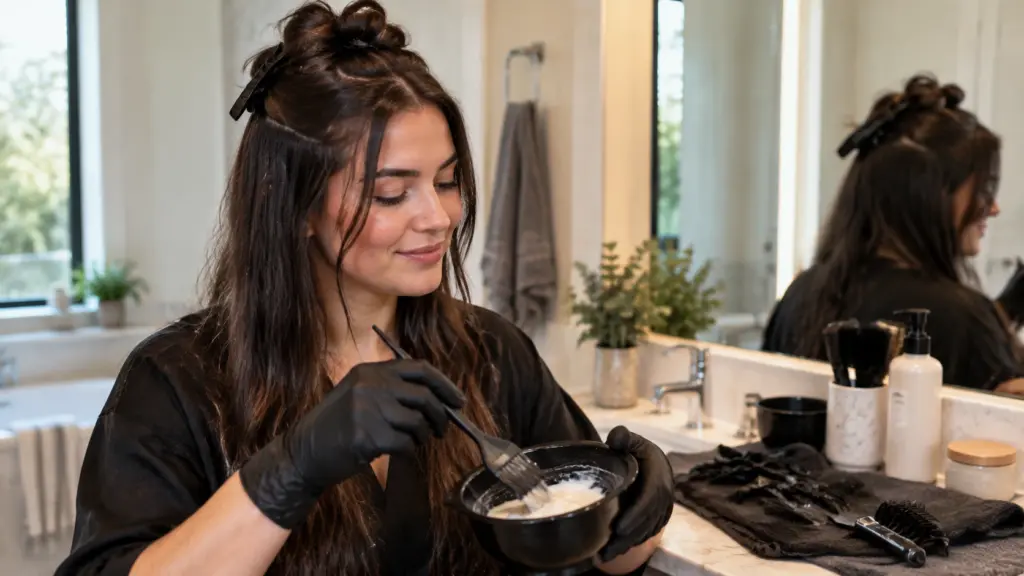
Cool winter hair colors can look perfect in the box, but still feel off once applied. If that keeps happening, the issue is often not the shade. It is the undertone.
That is where most people go wrong. A color may look great on someone else, but feel completely off on you. The difference usually comes down to how well it matches your natural undertones.
Cool winter is one of the clearest seasonal color types.
When the right shades match it, the change is easy to notice, skin looks brighter, and features look sharper.
This blog breaks down the shades that suit this type. It also covers who it suits best and how much upkeep it needs.
What is a Cool Winter Color Type?
Cool Winter is a seasonal color type with cool undertones, high contrast features, and looks best in icy, bold, and clear shades.
Seasonal color analysis splits people into four groups: Spring, Summer, Autumn, and Winter. It is based on undertone, depth, and how bright or soft features look.
Winter types have cool undertones and a clear contrast between skin, hair, and eyes.
Within this group, there are four subtypes, and Cool Winter is the one where coolness stands out the most. It is not about extreme contrast like True Winter.
Instead, it looks balanced but clearly cool, with no warmth. Hair is usually dark, from ash brown to soft black, and looks cool, not warm.
Eyesappear clear and defined, often in shades like icy blue, gray, or deep brown.
There is also a visible contrast between hair and skin. The palette follows the same rule. It is cool and blue-based, with no warm, earthy tones.
Think icy lights, clean darks, and cool jewel tones. The same idea applies to hair, where shades work best when they match this cool base.
How to Tell If You Have a Cool Winter Palette
Identifying whether cool winter hair colors suit you comes down to observing how your natural features respond to color. This palette is defined by cool undertones, strong contrast, and clarity in appearance.
- The Vein Test: Check your wrist in natural light. Blue or purple veins suggest cool undertones. Green veins suggest warmth. If veins look mostly blue or purple, that supports a cool winter.
- The Silver vs Gold Test: Hold silver near your face, then gold. Silver makes skin look clear. Gold can make it look dull. If silver suits better, undertones are cool.
- The White vs Cream Test: Try bright white, then cream. White looks clean and sharp. Cream can make skin look slightly yellow. If white suits better, that is a cool sign.
- Skin Clues: Skin often shows pink or rosy tones. It does not turn golden in the sun. It may stay pale or turn slightly pink. This points to cool undertones.
- Warm Color Reaction: Warm shades like copper or golden brown often look off. They can make features look muddy. If this happens often, it supports a cool winter type.
Best Cool Winter Hair Colors
These winter hair colors are grouped by tone for easy selection. Each one matches the cool base seen in cool winter features.
1. Blue-Black

Deep black with a visible blue undertone that shows clearly under light. It looks glossy, rich, and sharp rather than flat or dull.
This shade enhances natural contrast and gives a clean, polished finish. This is one of my first recommendations for high-contrast cool winter clients; the depth does the heavy lifting, and there’s very little maintenance to manage if the base color is already dark.
It works best on fair to medium-cool skin, where the depth stands out without overpowering the features.
Maintenance is relatively low, but a gloss every few weeks helps keep the blue tone fresh and prevents the color from fading into a flat black.
2. Soft Black
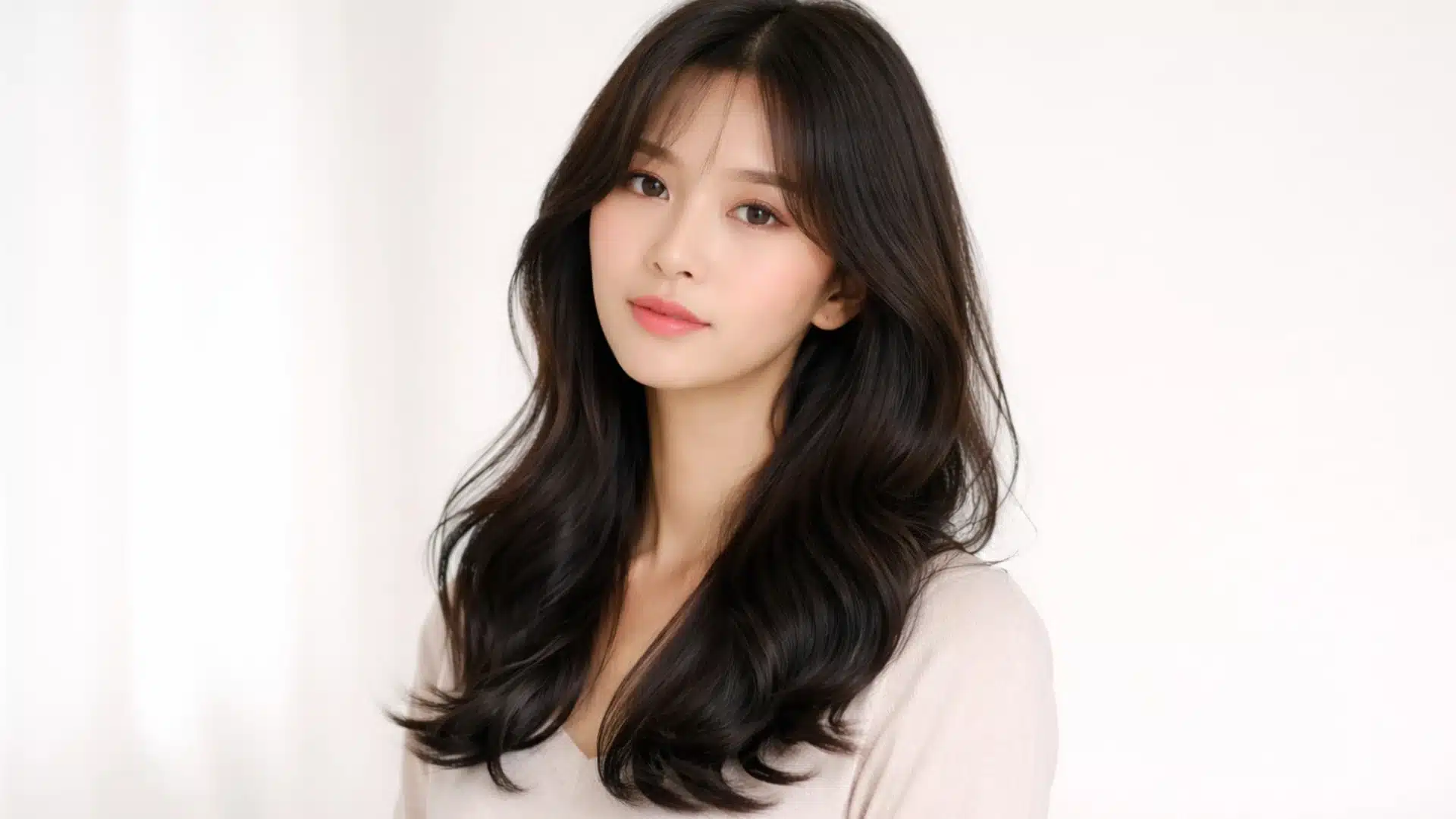
A slightly lighter, softer black with subtle espresso tones. It gives depth without the intensity of blue-black, making it easier to wear daily.
This shade suits fair to medium cool skin and works well if natural hair is already dark. It keeps a cool look without feeling too bold.
Regular toning is needed to prevent it from shifting warm, especially as the color fades with washing and exposure.
3. Cool Espresso Brown
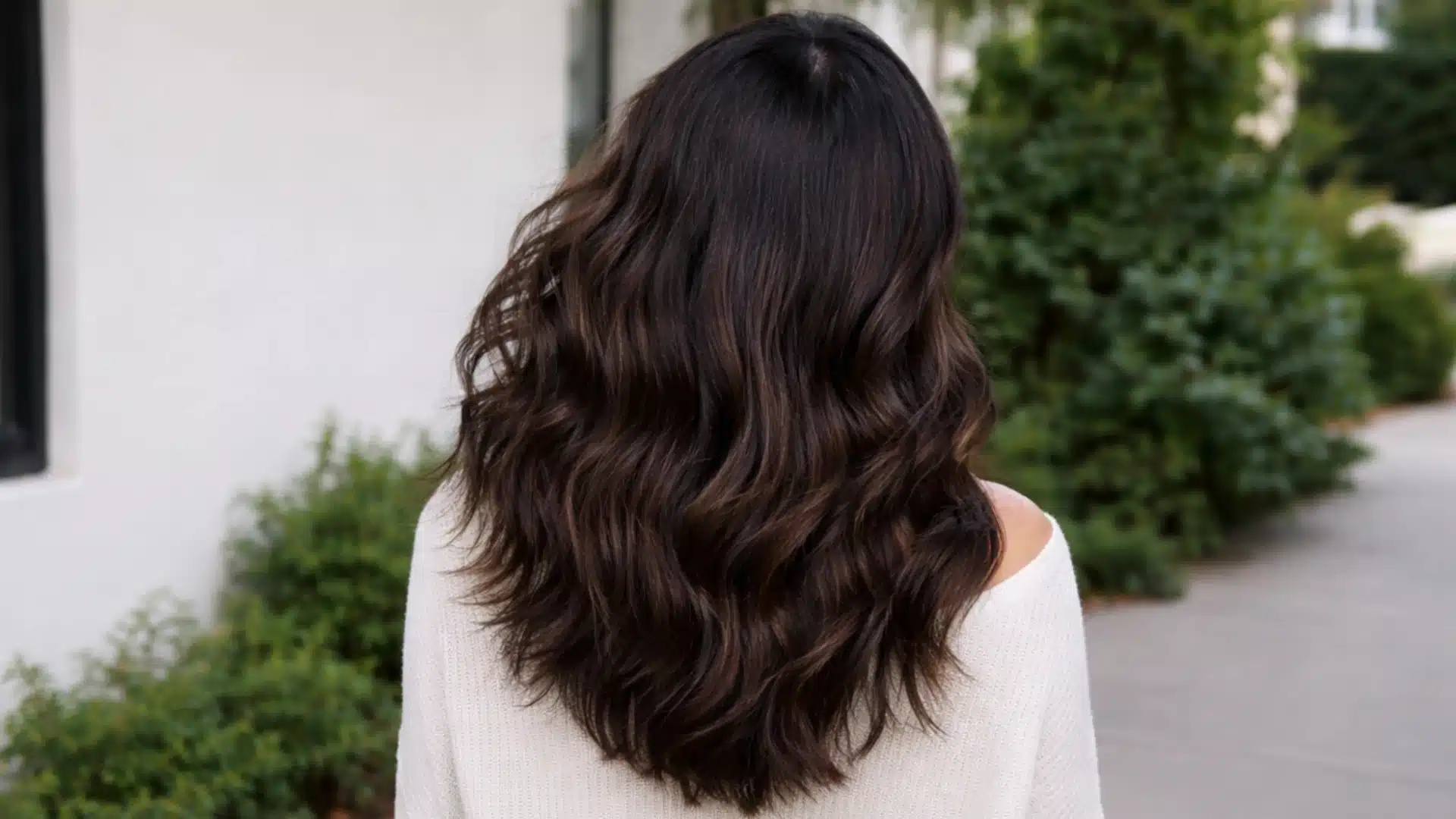
A slightly lighter, softer black with subtle espresso tones. It gives depth without the intensity of blue-black, making it easier to wear daily.
This shade of cool winter hair colors suits fair to medium cool skin and works well if natural hair is already dark. It keeps a cool look without feeling too bold.
Regular toning is needed to prevent it from shifting warm, especially as the color fades with washing and exposure.
4. Ash Dark Brown
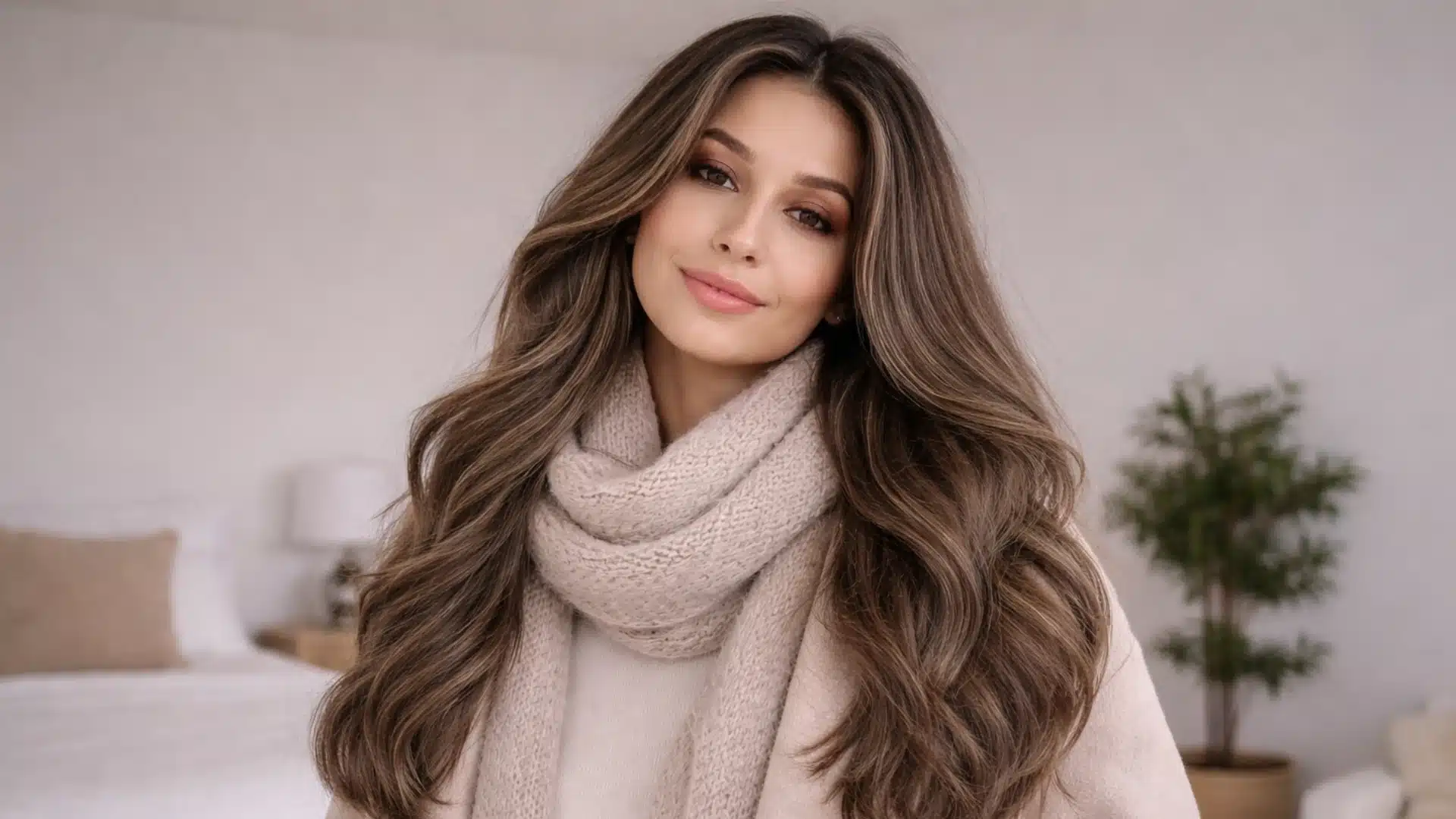
A smoky brown shade with a strong, cool base that helps reduce brassiness over time. It looks natural but still defined, making it a safe starting point for first-time color changes.
Best suited for fair to medium cool skin, where it adds contrast without looking heavy.
This shade holds its tone better than warmer browns, but regular use of purple shampoo is needed to keep unwanted warm tones from showing through.
5. Icy Platinum Blonde
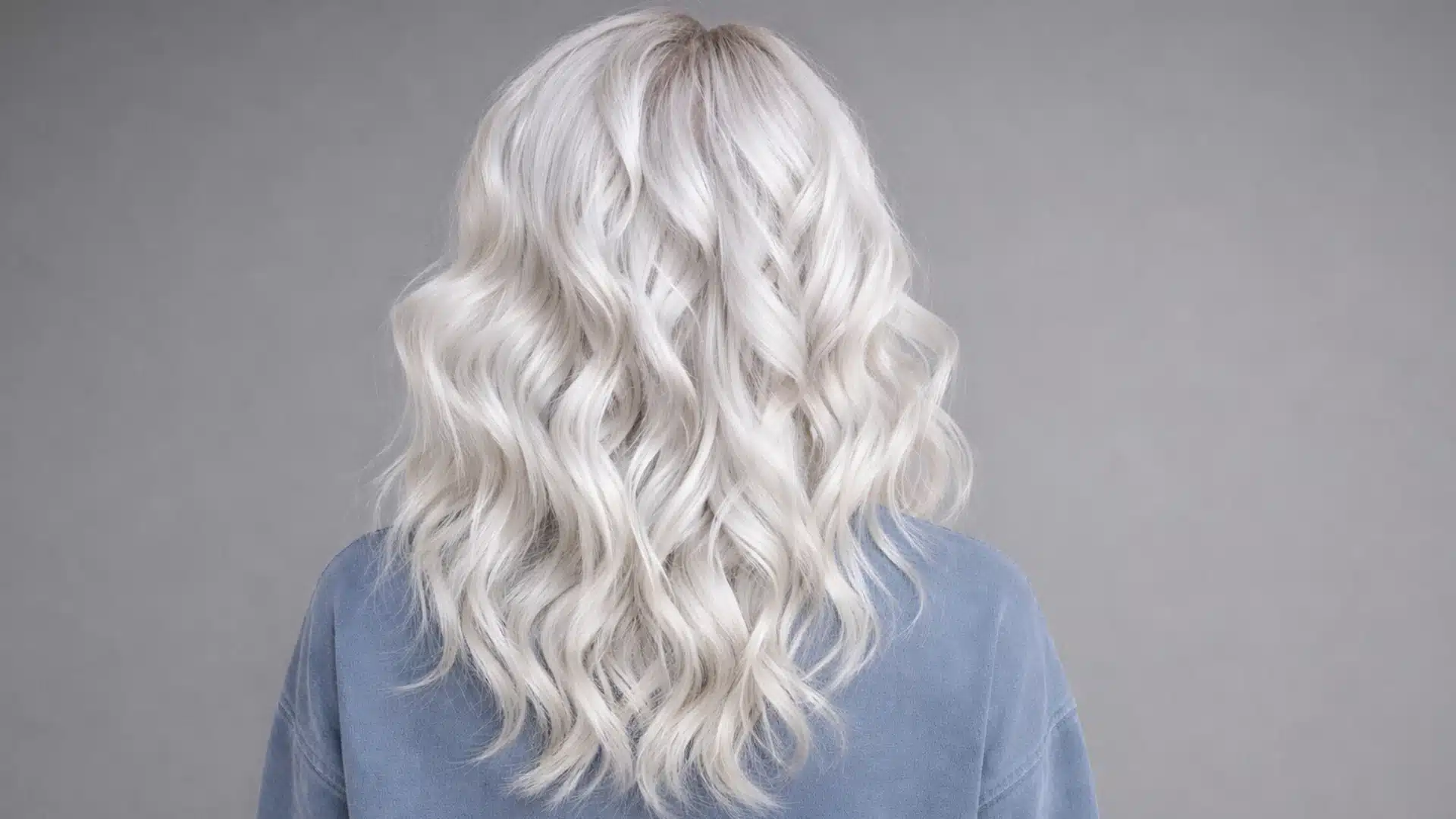
A very light blonde with a clear silver tone and no warmth. It creates a strong contrast and highlights cool undertones in the skin and eyes.
This shade works best on fair, cool skin, where the lightness looks intentional and balanced. It also pairs well with bold, edgy cuts if that direction appeals to you; goth hairstyles are worth exploring alongside this shade.
It is a high-maintenance option that requires regular toning and salon visits. Without proper care, it can quickly turn yellow, so upkeep is key to keeping the color clean.
6. Silver Blonde

A metallic blonde shade with cool undertones and a reflective shine. It feels slightly softer than platinum but is still bright and eye-catching.
These cool winter hair colors work well on fair skin or those transitioning to natural gray, as they blend easily.
The color fades faster than darker shades, so regular toning is needed to maintain the silver effect. It gives a modern look but needs consistent upkeep to stay fresh.
7. Ash Blonde
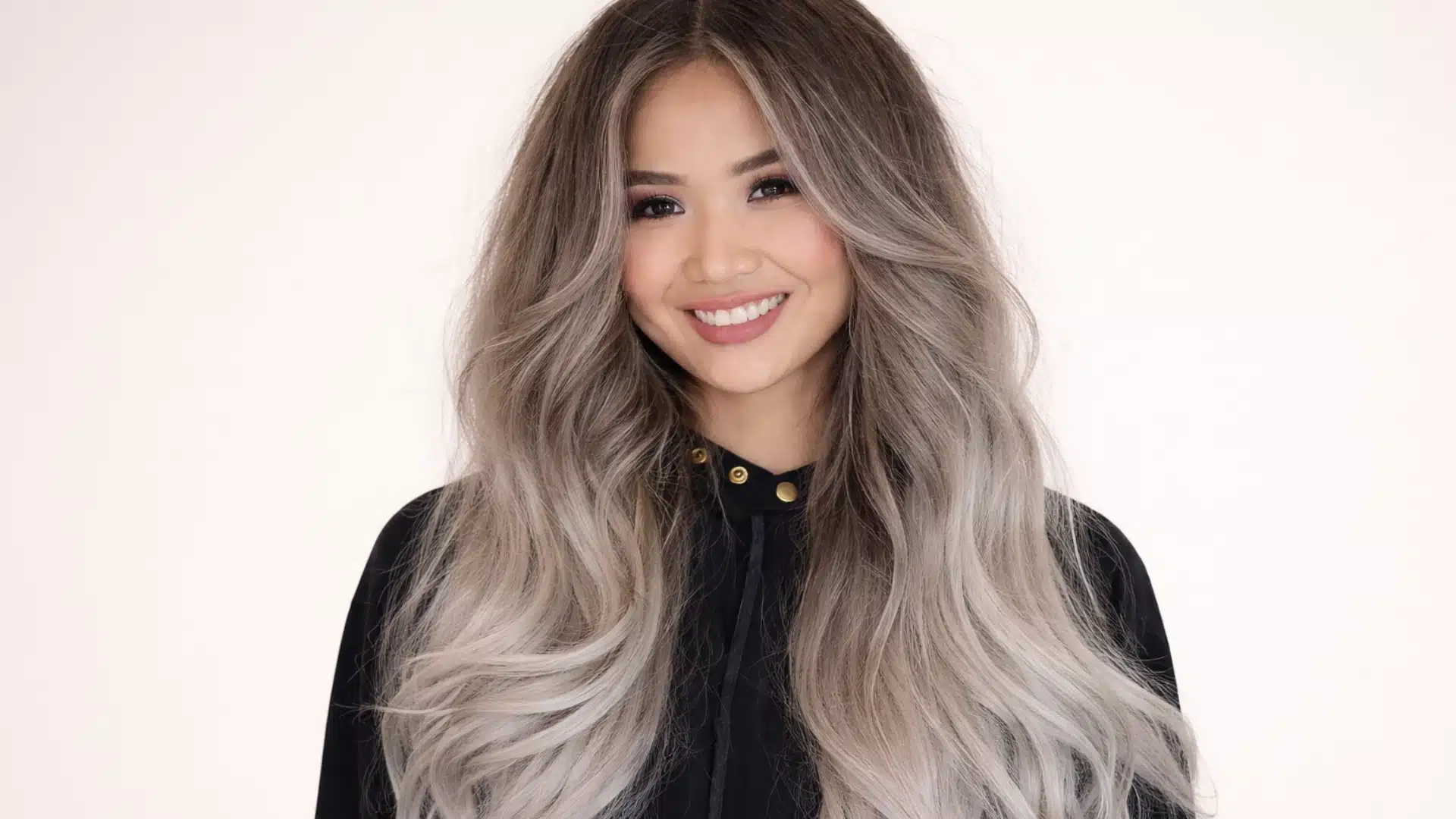
A cool blonde with no yellow or golden tones, giving it a soft and clean finish. It looks subtle and modern, making it easier to wear than brighter blondes.
Best for fair to light-medium cool skin, where it maintains balance without too much contrast.
This shade needs regular care, as heat styling and frequent washing can cause it to shift toward warmth over time if not maintained properly
8. Cool Beige Blonde
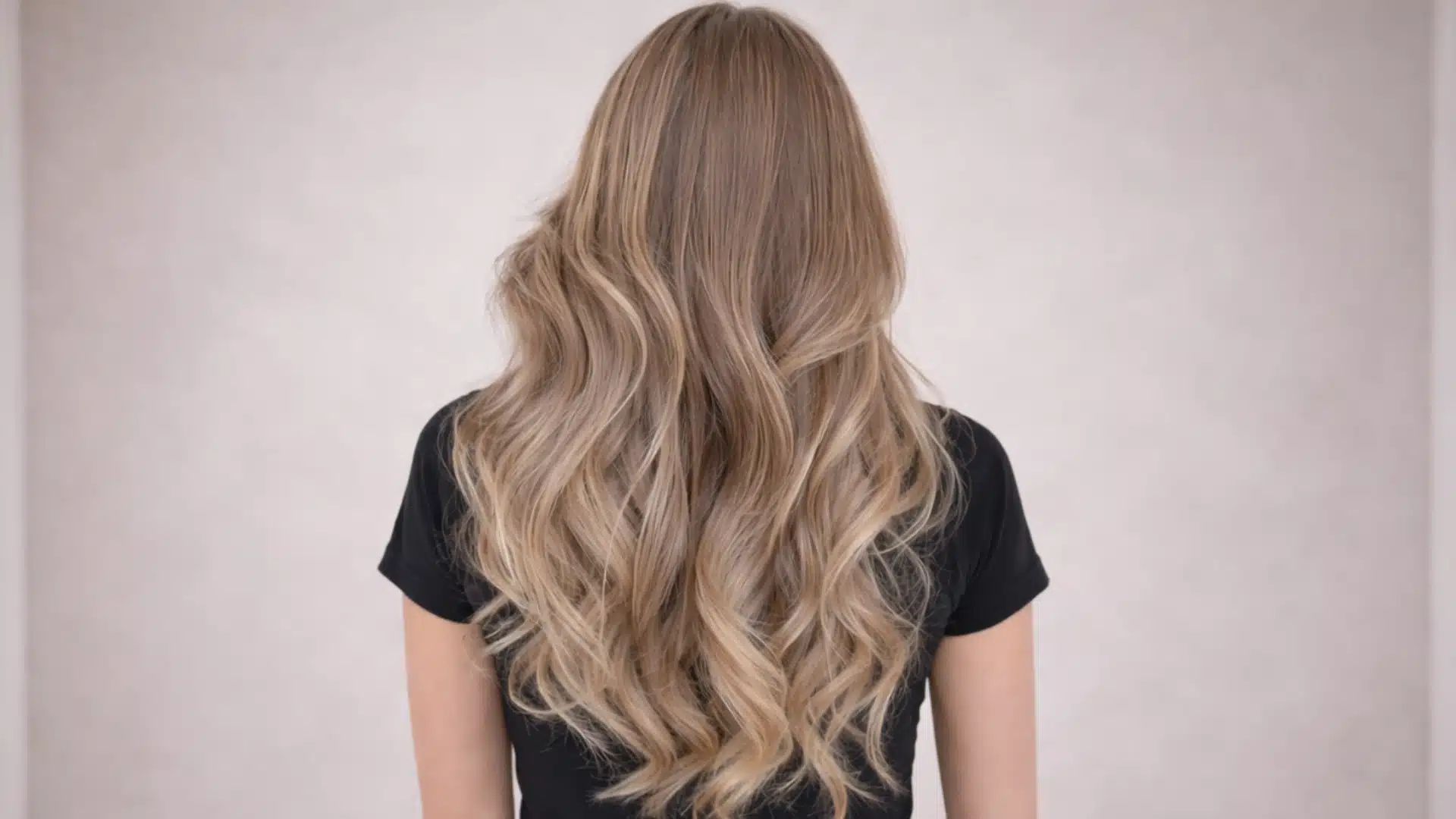
A soft blonde with a balanced cool base that feels natural and less sharp than platinum.
It blends cool tones with a slightly muted finish, giving a more wearable look. Best for fair to light-medium skin with softer features.
These cool winter hair colors work well for those who want lighter hair without extreme contrast. Regular gloss treatments help maintain the tone and prevent it from drifting into warm or dull shades.
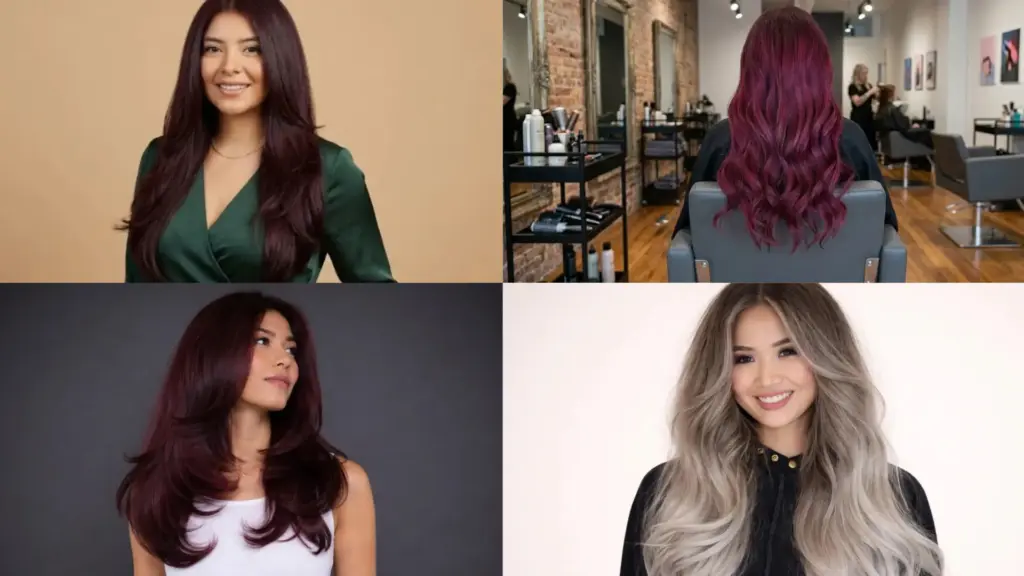
9. Burgundy
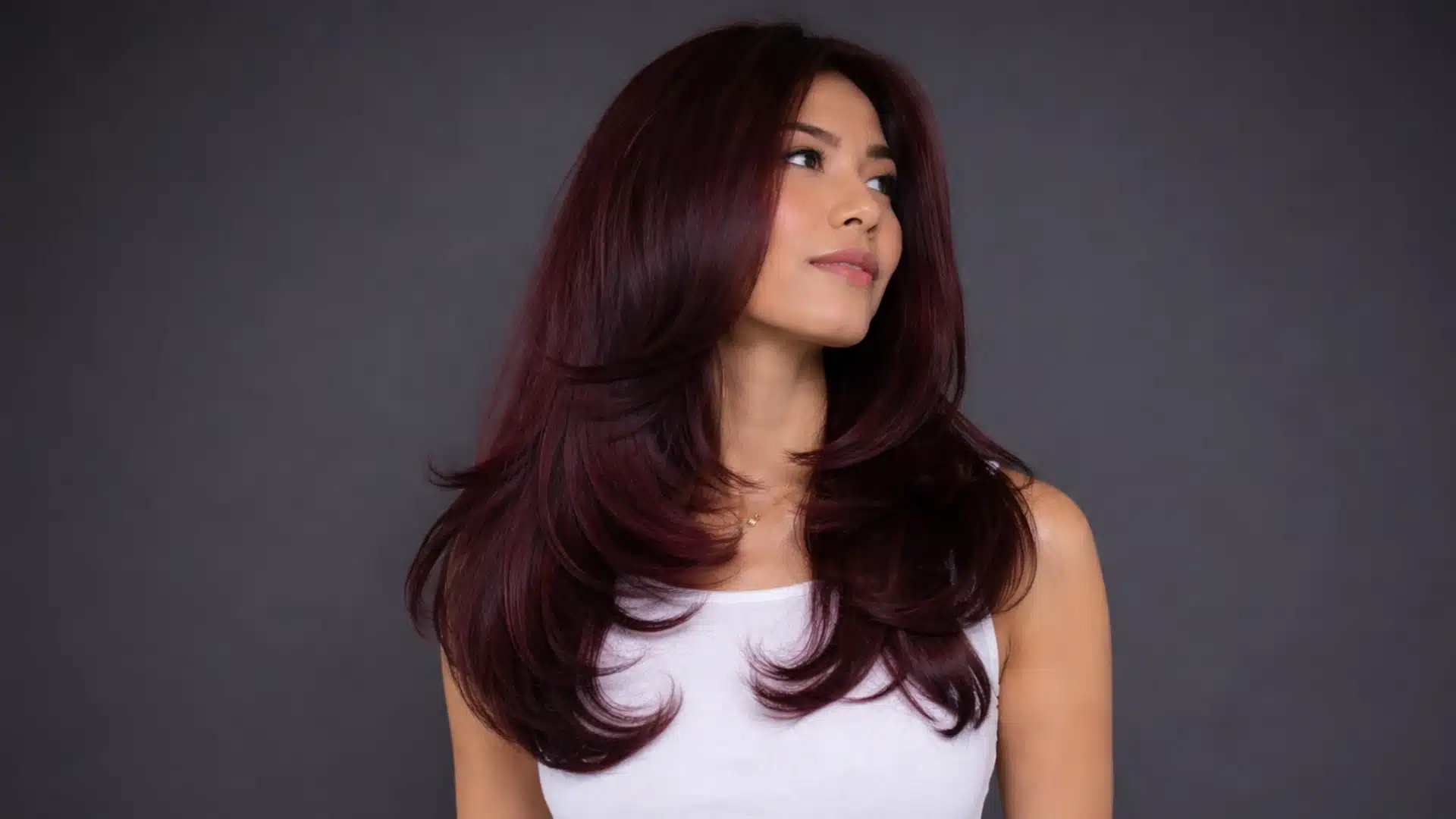
A deep red shade with blue undertones that keep it within the cool spectrum. It looks rich, glossy, and balanced on cool skin.
This shade works across all skin depths and adds a strong yet controlled color shift.
It is important to choose a version with a true cool base, as many burgundy shades can lean warm. Proper maintenance helps keep the color from fading into a less defined red.
10. Plum Hair Color
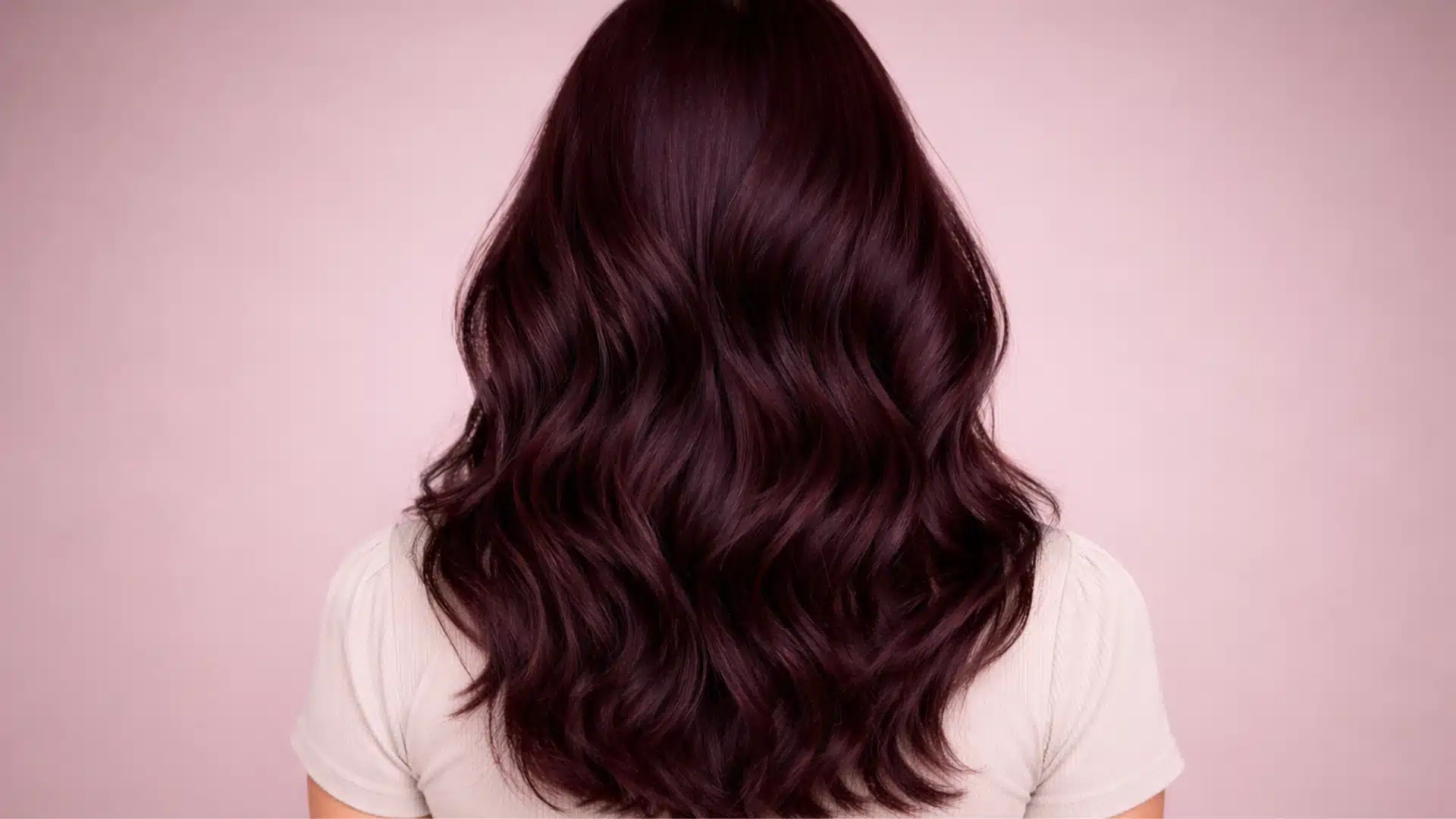
A blend of red and purple tones that creates a bold yet cool-toned look. It adds depth and dimension without introducing warmth.
Best suited for fair to medium skin, where the contrast is clear but not overpowering.
These cool winter hair colors stand out more than traditional colors but still fit within the cool winter palette. It fades faster than browns or blacks, so regular color refresh is needed to keep it vibrant.
11. Violet Black
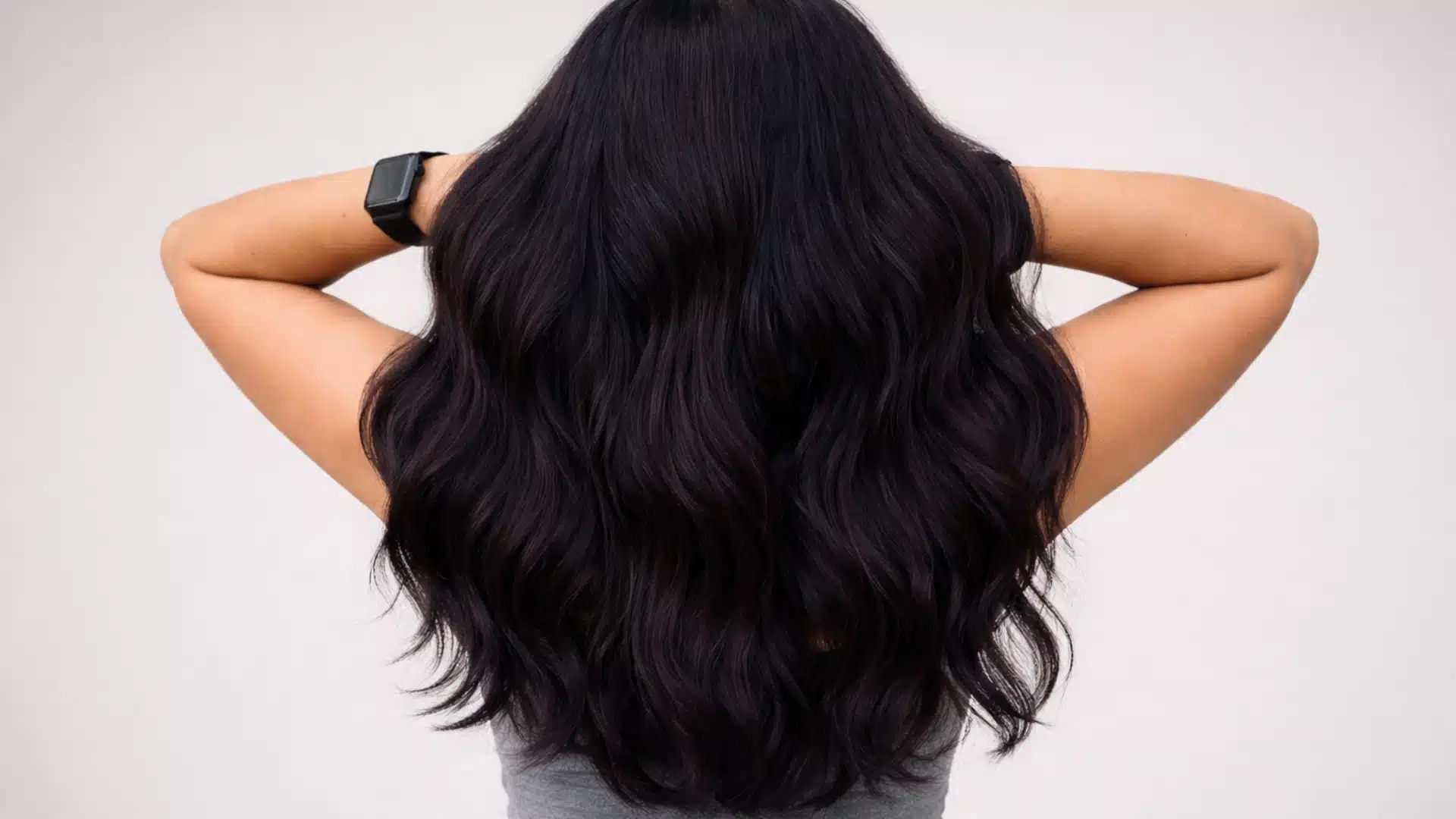
A black base with a subtle violet undertone that becomes visible under direct light. It looks deep and dark in low light, but reveals a cool purple shift when exposed to brightness.
Best for fair skin with high contrast features. This shade gives a unique look without being too loud.
Regular use of violet-based shampoo helps maintain the tone and prevents it from fading into a plain black.
12. Cool Mahogany
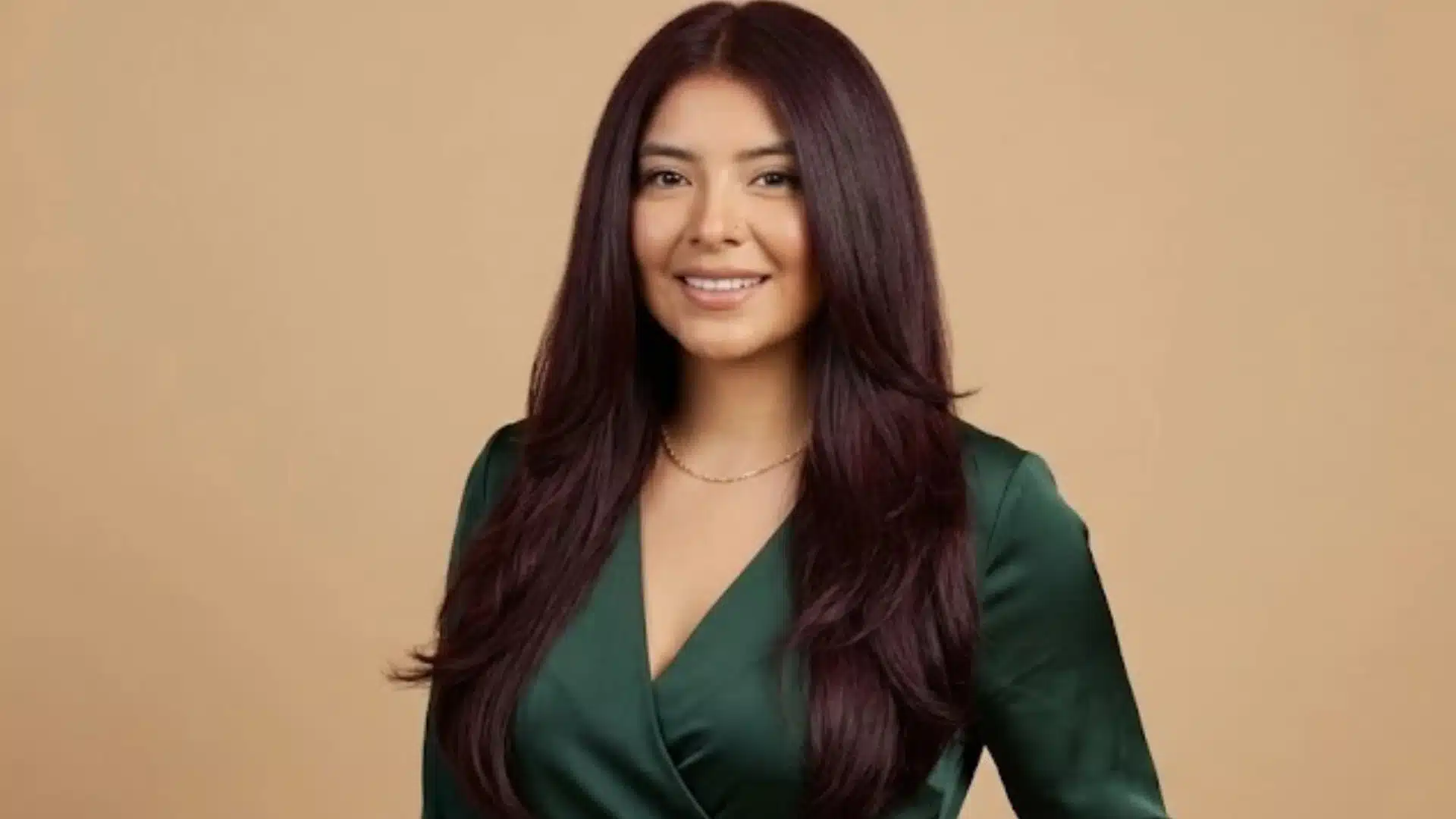
A dark brown shade with a cool red base that adds richness without becoming too bold. It sits between brown and red, giving a subtle color shift that still feels natural.
Best for medium to deep cool skin, where the depth balances well. This shade needs proper toning to maintain its cool base.
Red tones can easily turn warm if not maintained carefully over time.
13. Deep Wine Red
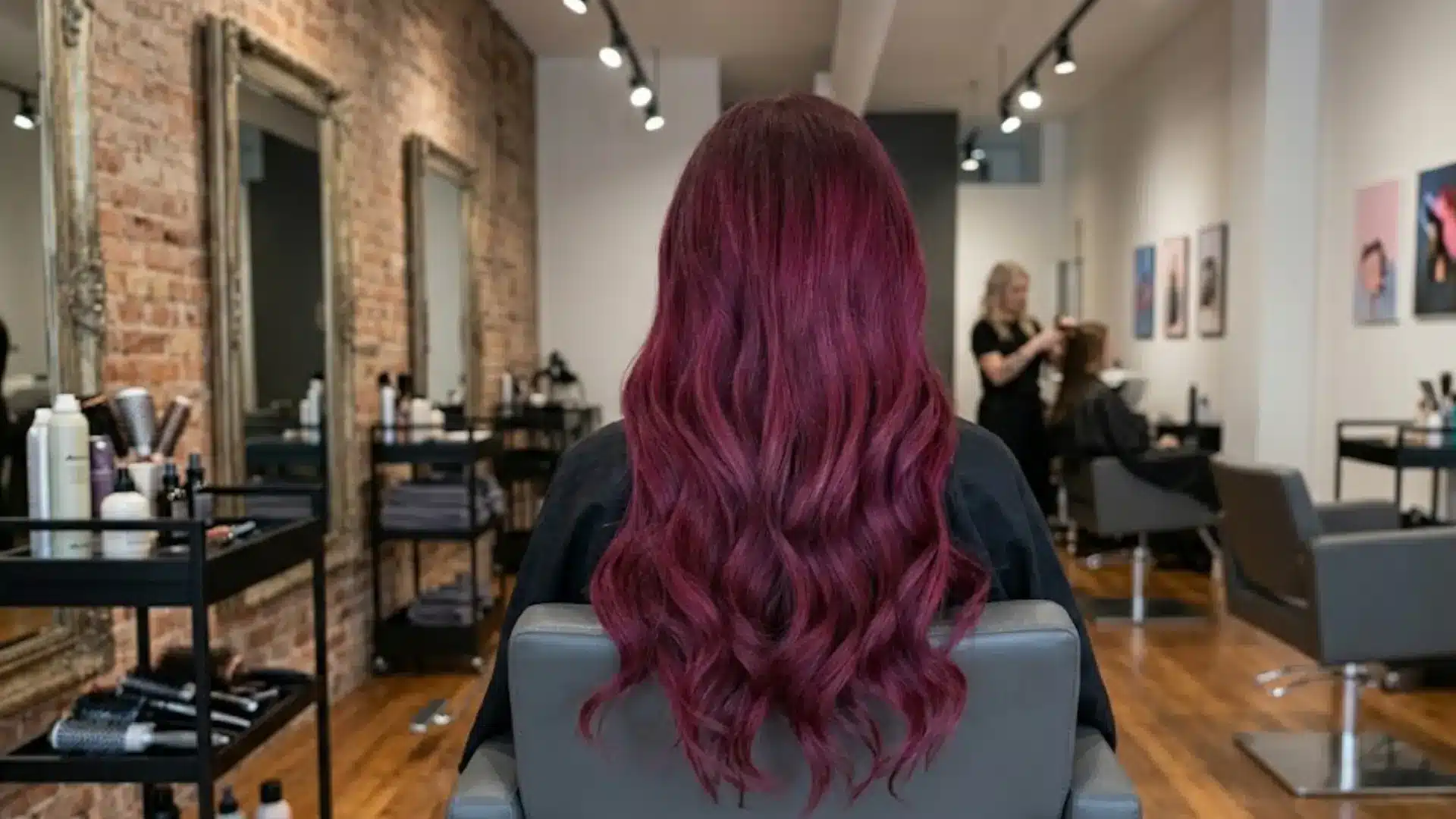
A dark red with cool berry tones that gives a rich and polished finish. It has enough depth to suit cool winter features without looking too bright.
Best for medium to deep skin, where it creates a strong contrast. This shade is bold but still wearable.
It fades faster than darker shades, so less frequent washing and proper color care help keep the tone from looking dull.
14. Charcoal Gray
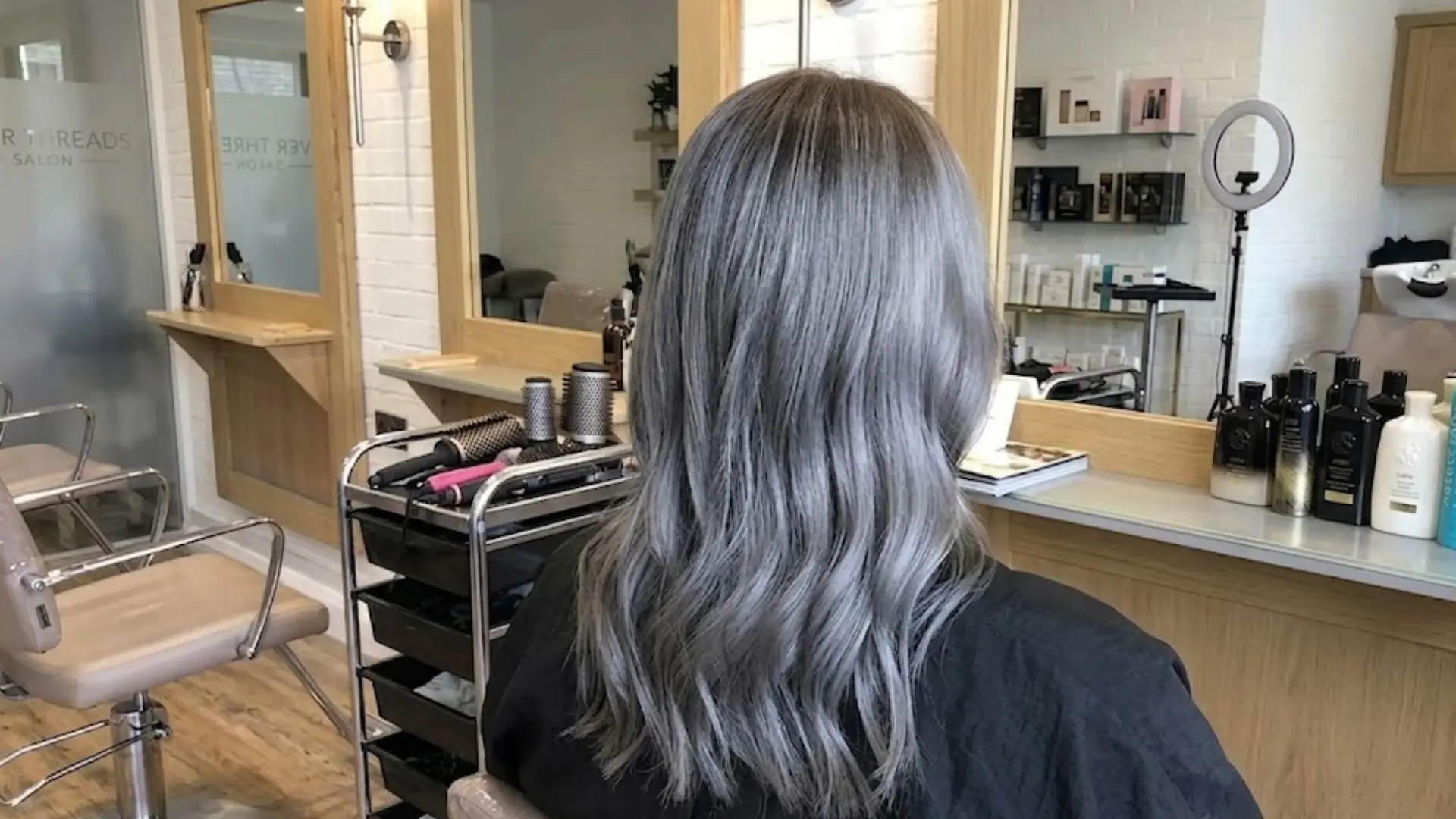
A deep gray shade with blue undertones that keeps it cool and clean. It offers a softer alternative to black while still maintaining depth.
Best for fair to medium skin, where it adds contrast without being too strong. This shade works well for those moving toward natural gray.
Silver shampoo and regular conditioning are needed to keep the color from looking flat or slightly yellow over time.
15. Slate Gray
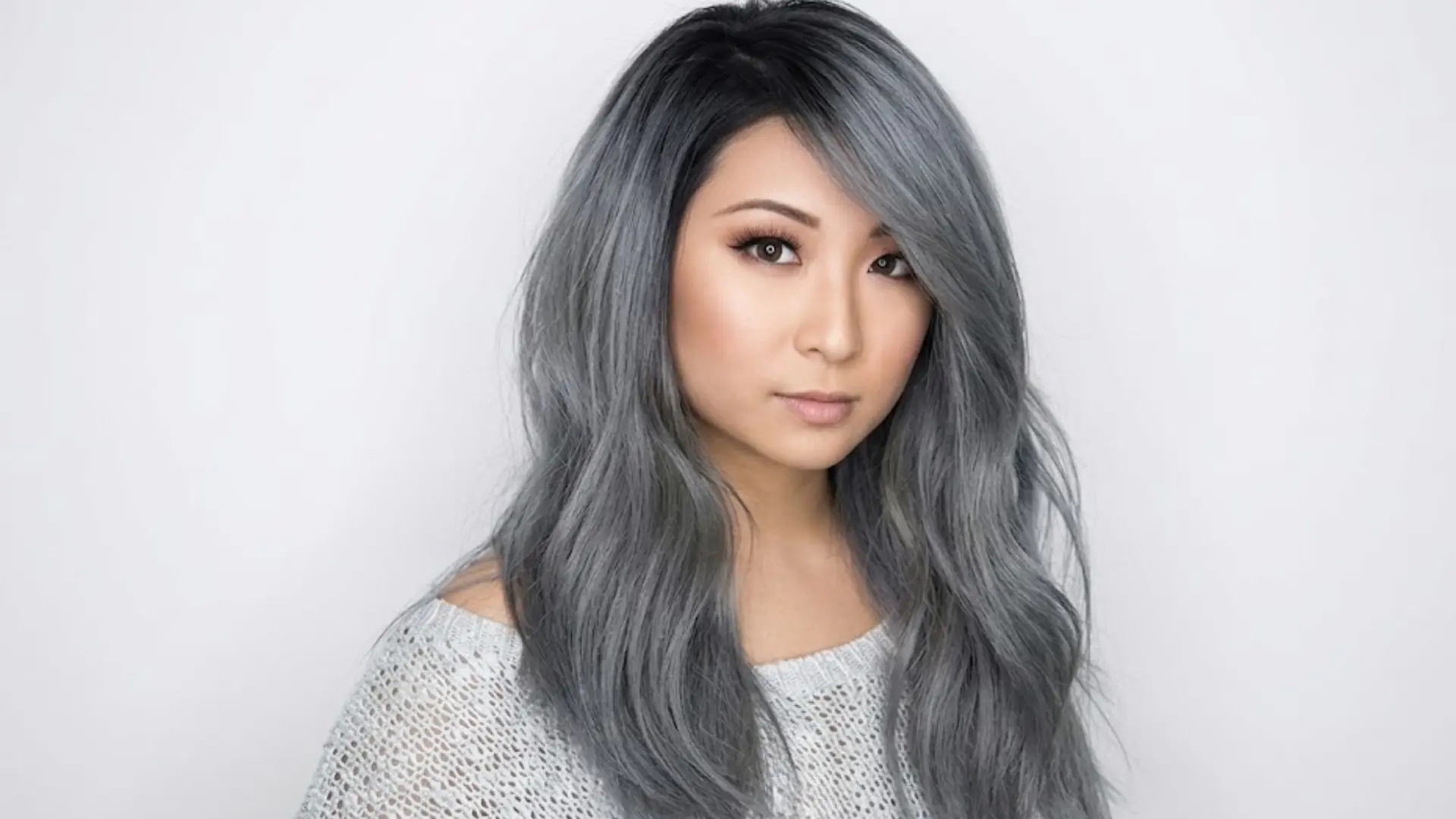
A medium gray with a cool base that gives a softer and more subtle look. It is lighter than charcoal and works well for those who want a change without going too bold.
Best for fair to medium skin, where it maintains balance. This shade needs regular upkeep, as gray tones can fade quickly.
Conditioning and toning help keep the color looking fresh and smooth.
Hair Colors Cool Winter Should Avoid
Choosing the wrong cool winter hair colors can easily throw off the natural balance of Cool Winter features. Avoiding these shades helps maintain clarity, contrast, and that clean, polished look that suits Cool Winter best.
- Warm blonde shades: Golden blonde and similar tones contain yellow undertones that clash with cool skin, often making the complexion look dull instead of bright and balanced.
- Caramel and golden browns: These shades reduce natural contrast and create a muddy appearance, which takes away from the sharp, clear look that suits Cool Winter features.
- Copper and orange reds: Strong warm tones like copper or orange-based reds overpower cool undertones and disrupt the natural harmony of the overall appearance.
- Chestnut and auburn tones: These introduce red-orange warmth that softens facial features too much, reducing the crisp definition that Cool Winter coloring naturally has.
- Honey and amber shades: Yellow and orange undertones in these colors flatten the look, making the skin appear less vibrant and more washed out over time.
How to Choose the Right Shade?
Choosing the right shade depends on how your natural features interact with different tones. Skin undertone, contrast level, and maintenance preferences all play a role in finding what works best.
| What to Check | What Works Best |
|---|---|
| Fair Cool Skin | Blue black, soft black, icy platinum, silver blonde, ash blonde |
| Medium Cool Skin | Cool espresso, ash, dark brown, charcoal gray, burgundy, wine red |
| Deep Cool Skin | Blue black, cool espresso, charcoal gray, burgundy |
| High Contrast | Blue black, violet black, icy platinum, wine red |
| Moderate Contrast | Ash dark brown, espresso, slate gray, cool beige blonde |
| Want Low Upkeep | Blue black, soft black, espresso, ash, dark brown |
| Easy vs Effort | Darker shades are easier. Lighter shades need more care |
Essential Dye Tips to Maintain Cool Winter Hair Tones
Getting the right shade is only half the process. Maintaining that cool, balanced tone over time requires a few practical steps that protect both color and hair health.
- Strand testing before coloring: Testing a small section first helps reveal how the shade reacts with natural hair, preventing unexpected results and uneven tones.
- Using toners for maintenance: Purple toners help neutralize warmth in lighter shades, while blue toners maintain cool tones in darker hair colors over time.
- Choosing the right coloring method: Darker shades are easier to manage at home, but lighter transformations are best handled professionally to avoid damage and uneven results.
- Maintaining color longevity: Washing less frequently, using cool water, and applying heat protectant helps preserve tone and prevent fading or unwanted warmth.
- Gloss treatments for shine: Regular gloss treatments refresh the color, enhance shine, and keep the overall look polished and consistent between dye sessions.
Conclusion
Cool winter hair colors work best when they match the cool undertones that define this color type.
Choosing the right shade is not just about what looks trendy, but what aligns with natural features.
From deep blacks and cool browns to icy blondes and rich wine tones, each option works because it stays within a cool base.
The key is to considerskin depth, contrast, natural hair, and how much upkeep feels manageable.
Small steps like strand tests and using the right toner help maintain results over time. The goal is a shade that feels natural and enhances what is already there.
Which of these shades are you thinking of trying next? Share your pick or experience in the comments below.
Frequently Asked Questions
Can Cool Winter Types Try Balayage or Highlights?
Yes, but only with cool-toned, ash-based highlights. Warm balayage techniques introduce golden tones that clash with cool winter undertones and reduce natural contrast.
Does Seasonal Color Type Change with Age?
Your core undertone stays the same, but depth can soften slightly with age. Cool winter features may shift toward a lighter, softer version of the same cool palette.
Should Cool Winters Avoid Box Dye Completely?
Not completely. Darker shades like soft black or ash brown work reasonably well from a box. Lighter shades and color corrections need professional application to avoid warmth and uneven results.