
Dainty bracelets that never come off. Anklets that stay on through beach days, workouts, and late-night outings. Jewelry that quietly becomes part of everyday life.
This idea has taken the fashion world by storm, and it is exactly what permanent jewelry is all about. Instead of pieces that get lost in a drawer, these delicate chains never leave your body.
Bella, Hailey, and half of TikTok are wearing them 24/7, whether it’s just for the effortless vibe or something deeper like friendships, milestones, and personal style.
It’s the laziest luxury we didn’t know we needed. As a stylist who has watched accessory trends cycle in and out of wardrobes for years, I can tell that this trend stands out because it makes getting ready easier in a way most jewelry doesn’t.
In this blog, you will learn what permanent jewelry is, how the process works, and why everyone seems obsessed with it right now.
What is Permanent Jewelry?
Permanent jewelry, sometimes called “forever jewelry”, is a style of accessory designed to stay on the body for everyday wear without a traditional clasp.
Instead of opening and closing like regular bracelets or necklaces, the chain is carefully fitted to the wrist, ankle, or neck and then sealed with a small weld.
This simple process creates a smooth, clasp-free design that looks delicate and effortless. Most pieces use lightweight chains made of gold or sterling silver.
These materials make them comfortable enough to wear all day. Jewelers use a specialized micro-welding tool that safely connects the chain in seconds.
Even though the name suggests forever, permanent jewelry is not impossible to remove. If necessary, the piece can be cut off with scissors and sometimes even re-welded later by a jeweler.
The term covers several styles, including permanent bracelets, anklets, necklaces, and rings, all sharing the same clasp-free, welded construction that makes them wearable around the clock.
Why is Permanent Jewelry Trending Right Now?
Permanent jewelry did not become popular by accident. The trend grew from a mix of social media buzz, meaningful fashion, and celebrity influence.
- The concept gained mainstream momentum in the early 2010s when Brooklyn-based jewelry studio Catbird introduced its “Forever Bracelet,” coining the term and the experience around it.
- Studios like Love Weld and Link x Lou helped expand the movement across the United States, turning it from a niche boutique service into a widely available trend with dedicated appointment slots and pop-up events.
- Platforms like Instagram and TikTok helped push the idea of welded bracelets and anklets into the spotlight, with videos of the quick welding process gaining millions of views.
- Celebrities also fueled this hype. Stars like Bella Hadid, Hailey Bieber, and Zoë Kravitz have been spotted wearing delicate chain jewelry that stays on all day, reinforcing the minimalist-luxury look.
Many people choose permanent jewelry to celebrate friendships, romantic relationships, family bonds, or personal milestones.
At the same time, its lightweight, clasp-free design aligns with the modern preference for effortless everyday accessories.
Permanent Jewelry vs. Traditional Jewelry
The most practical way to understand what permanent jewelry is is to place it side by side with what most people already own.
| Permanent Jewelry | Traditional Jewelry | |
| Closure | Clasp: toggle, lobster, or spring ring | No clasp, welded closed |
| How it’s worn | Put on and removed daily | Stays on continuously |
| Risk of loss | High; Can unclasp, fall off, or be misplaced | Close to zero; fitted, no clasp to fail |
| Fit | Standard or adjustable sizes | Custom-measured on the body |
| Removal | Take off anytime | Take off anytime |
| Best for | Occasional or styled wear | Low-maintenance, everyday wear |
How Permanent Jewelry is Applied
Getting permanent jewelry is surprisingly quick and simple. Most appointments take 10 to 15 minutes, and the process is designed to be safe, comfortable, and personalized.
Step 1: Choose Your Chain Style
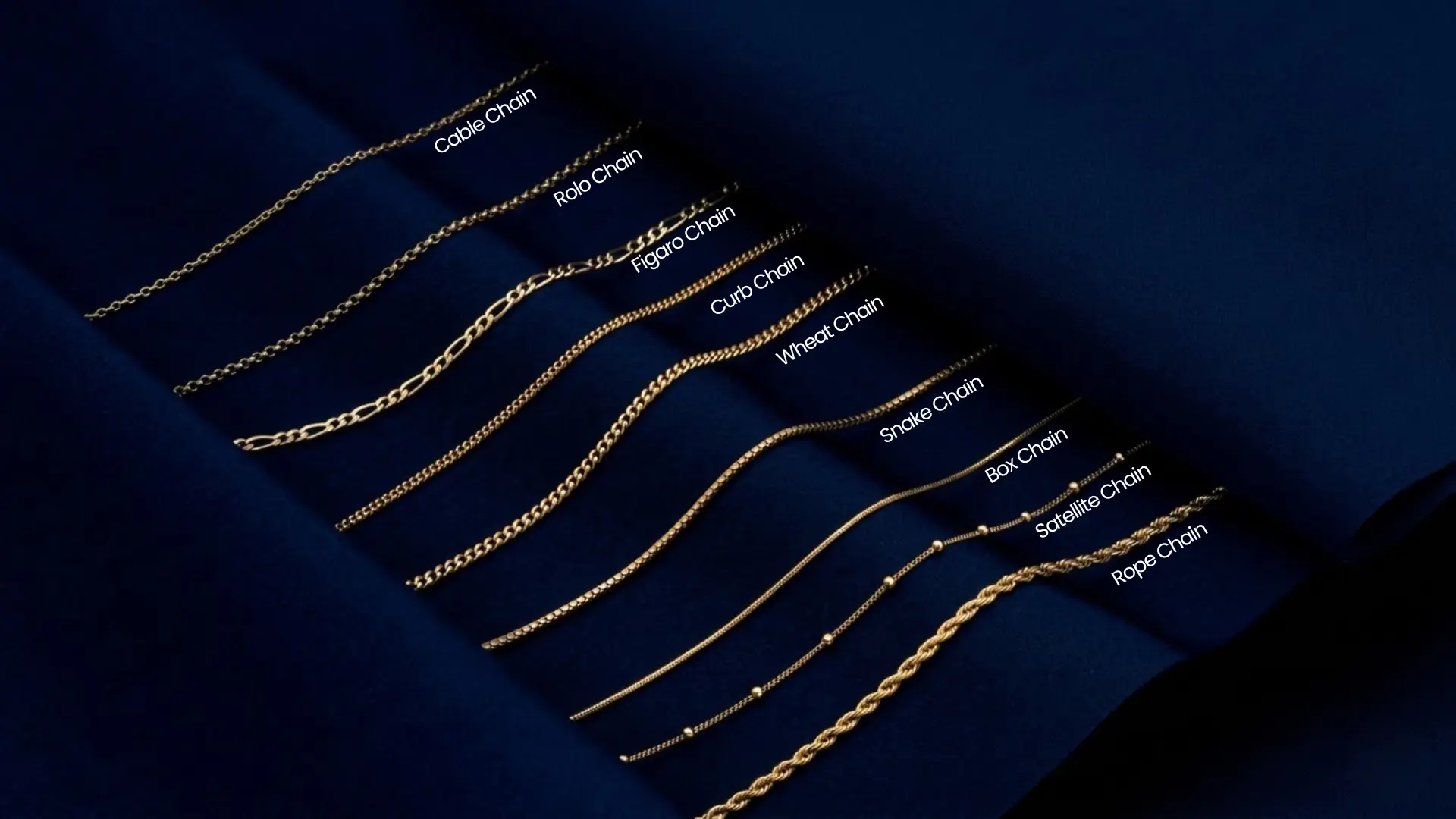
The first step is selecting the chain that matches personal style and daily wear preferences. Most studios offer a variety of delicate chains designed specifically for permanent jewelry.
Popular materials include gold-filled, sterling silver, and solid gold, which are durable enough for long-term wear. Some studios also offer small charms that can be added for a more personal touch.
Choosing the right metal is important since high-quality materials resist tarnish and hold up better to daily activities.
Step 2: Custom Fitting the Jewelry
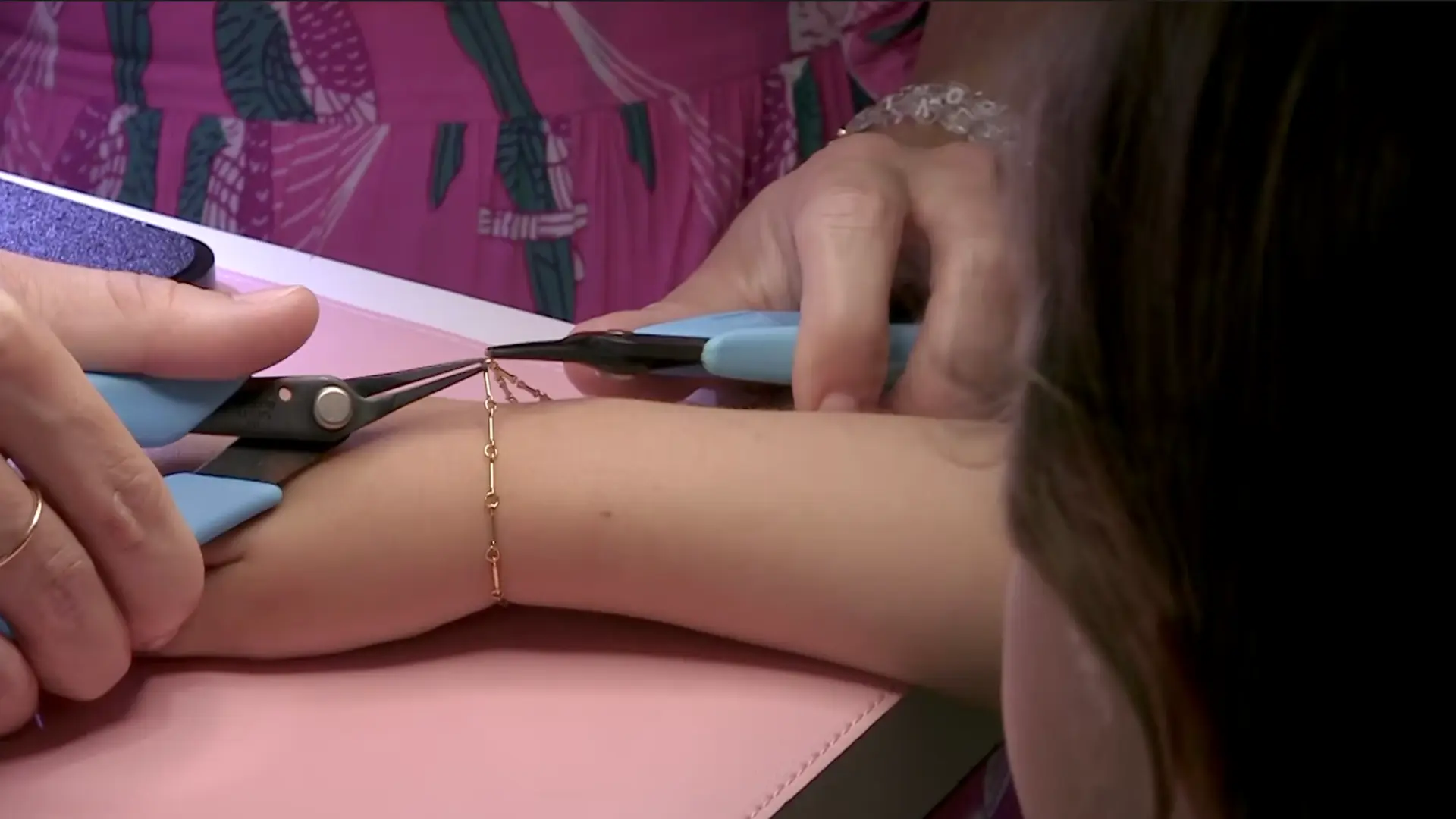
Next, the jeweler measures the wrist, ankle, or neck to create a precise fit as the first step of the permanent bracelet welding process, as demonstrated in this video by AG Jewelry Supply Co.
This step matters more than it might seem because if a chain is measured even slightly off, it will twist, pull, or sit uncomfortably over months of continuous wear.
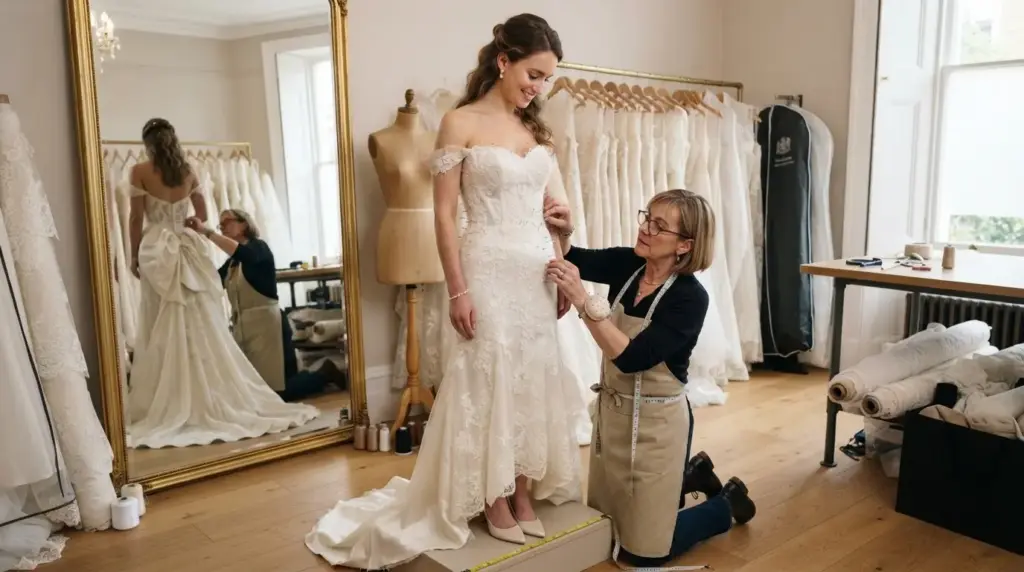
For this reason, fitting should always be done in person by a trained jeweler. The chain is wrapped around the area where the jewelry will sit, ensuring it feels secure but still moves naturally with the body.
The goal is a comfortable fit that allows the jewelry to be worn continuously without feeling tight. Because permanent jewelry does not have a clasp, this custom-fitting step is important.
A properly measured chain ensures the piece feels like a natural part of everyday wear rather than something that gets in the way.
Step 3: Quick Micro Welding Process
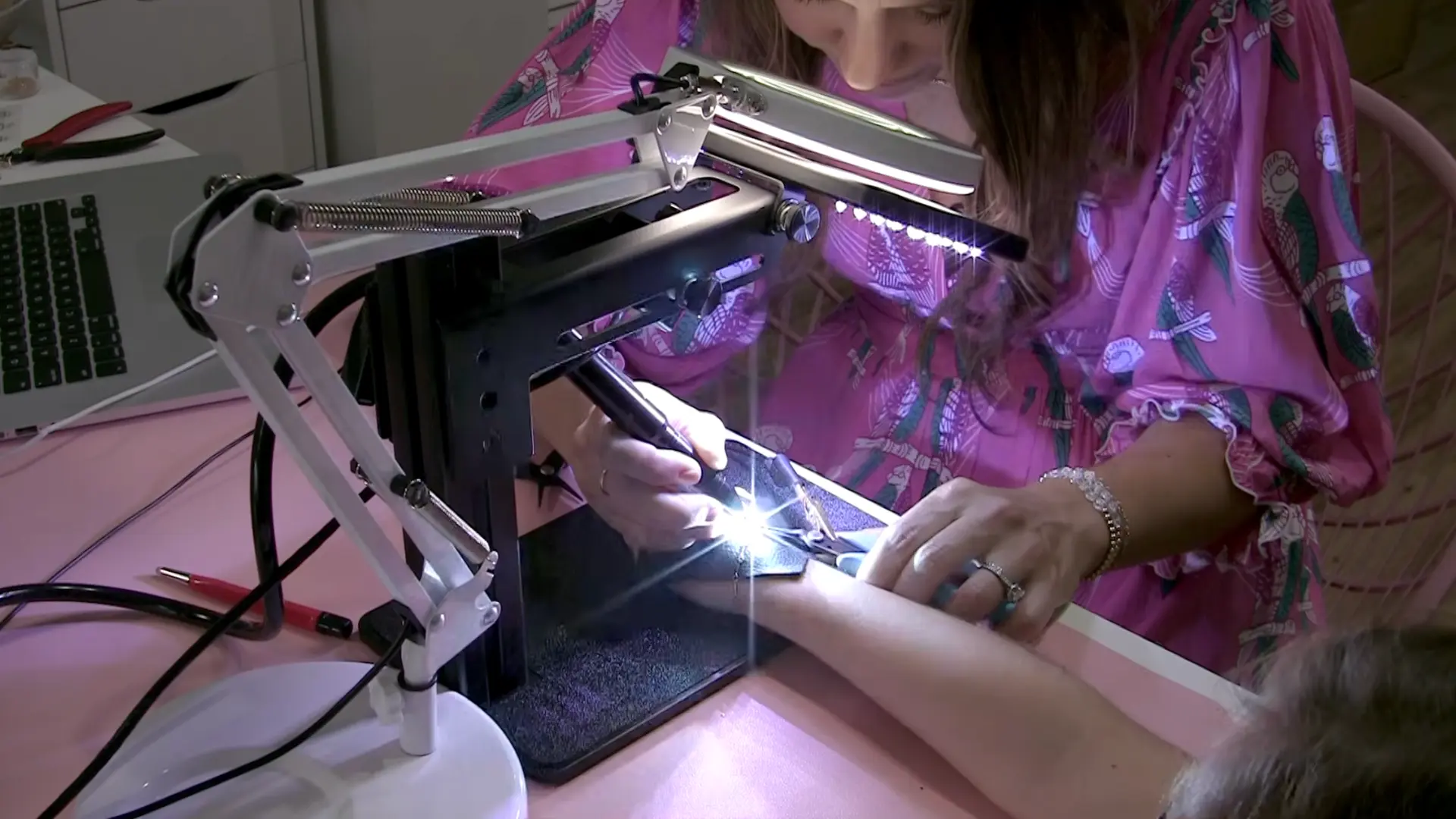
After the fit is confirmed, the jeweler performs the small welding step that seals the chain together. A micro welding tool creates a tiny spark that connects the two ends of the chain.
The spark is extremely quick and occurs directly on the metal, not on the skin. Many jewelers place a small piece of protective material under the chain to add an extra layer of safety.
The entire step is very precise and controlled, allowing the chain to be sealed neatly while maintaining its delicate look and smooth finish.
Step 4: Final Fit and Safety Check
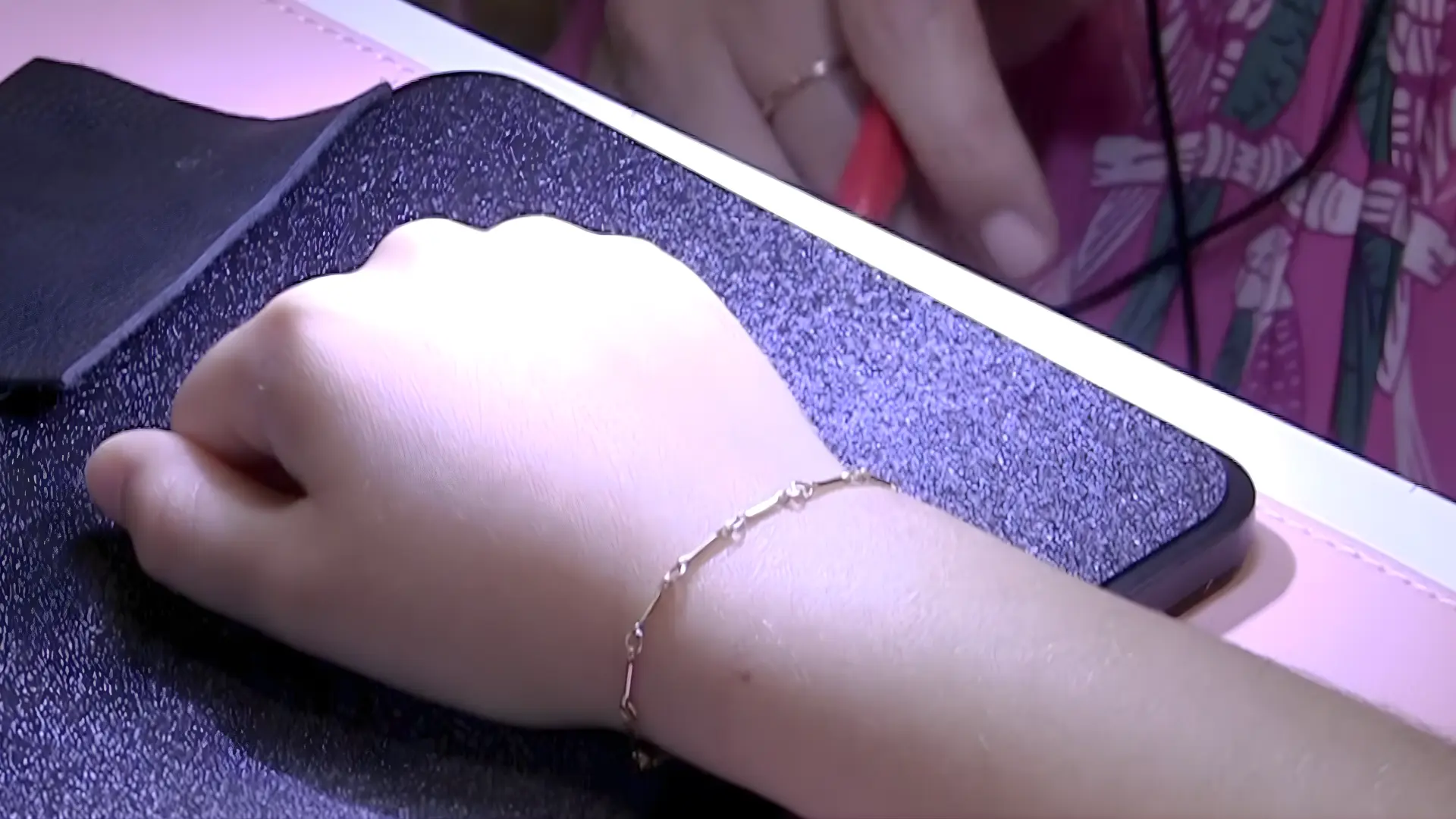
Once the chain is welded, the jeweler checks the connection point and makes sure the jewelry moves smoothly.
The wearer will be asked to move their wrist or ankle to confirm that the fit feels natural and comfortable. After the quick inspection, the piece is ready to wear right away.
The result is a lightweight accessory that stays in place through daily activities such as showering, exercising, and sleeping.
Commonly Used Materials for Permanent Jewelry
Metal choice affects durability, comfort, skin safety, and how well permanent jewelry holds up to daily wear like showers, workouts, and outdoor activities.
| Material | Durability | Water Resistance | Maintenance | Best For |
|---|---|---|---|---|
| Solid Gold (14k) | Very strong for daily permanent wear | Excellent | Minimal cleaning required | Long-term, permanent jewelry pieces |
| Gold Filled | Durable, thick gold-bonded layer | Good | Gentle cleaning | Affordable, long-lasting gold look |
| Sterling Silver | Moderate durability for daily wear | Can be tarnished with chlorine exposure | Requires polishing | Budget-friendly permanent jewelry |
| Rose Gold | Strong, depending on gold purity | Good | Low maintenance | Stylish, feminine jewelry pieces |
| Stainless Steel | Very strong and scratch-resistant | Excellent resistance | Very low maintenance | Durable, low-cost jewelry pieces |
Note: Some metals used in permanent jewelry can cause reactions in people with sensitive skin. White gold, in particular, often contains nickel as part of its alloy, which is a common skin irritant.
The American Academy of Dermatology identifies nickel as one of the most prevalent triggers of allergic contact dermatitis.
If you have a history of metal allergies, solid 14k yellow gold or sterling silver are the safest choices. Also, if you run or exercise frequently, solid 14k yellow gold tends to hold up better against perspiration than silver does.
It is the kind of detail that is worth knowing when you are selecting a metal that will sit against your skin around the clock.
Always let the jeweler know about any known metal sensitivities before the appointment so they can guide you to a compatible chain.
How Long Does Permanent Jewelry Last?
How long permanent jewelry lasts depends primarily on the metal chosen and how actively it is worn.
Solid 14k gold pieces can last for years, even decades, with minimal upkeep. Gold-filled permanent bracelets typically hold up well for one to several years before showing wear at the plating layer.
Sterling silver can last a long time but may tarnish more quickly when exposed to chlorine, saltwater, or perfumes without regular polishing.
The location of the piece also matters. Permanent anklets generally experience more friction and impact than wrist pieces, which can shorten their lifespan slightly.
Very delicate chains, while beautiful, are more prone to snapping during active use. If longevity is a priority, ask the jeweler about medium-weight chain options that balance the delicate look with enough strength for daily wear.
Even the most durable permanent jewelry can break unexpectedly. Most reputable studios offer re-welding services for a small fee, so a broken chain does not mean the piece is gone forever.
How Much Does Permanent Jewelry Cost?
Permanent jewelry pricing varies depending on the metal, chain length, and whether charms or gemstones are added.
As a general guide, permanent bracelets start around $30 to $65 for gold-filled or sterling silver options and range from $80 to $200 or more for solid 14k gold pieces.
Permanent anklets and necklaces can cost slightly more due to their longer chain length.
Most studios charge a base price that covers the chain and the welding appointment. Add-on charms, initials, or birthstone accents are typically priced separately.
Some studios require a deposit to secure a booking that is then applied to the final cost.
For first-time buyers, gold-filled permanent bracelets offer the best balance of affordability and durability, delivering the look and feel of gold at a much lower price point than solid gold while still lasting through daily wear.
Benefits of Permanent Jewelry
Once you understand what permanent jewelry is, its appeal becomes much easier to see because it offers more than just style.
- No Clasps: Traditional bracelets often require help to fasten. Permanent jewelry removes that hassle since the chain is welded closed.
- Always Ready to Wear: There is no need to remember to put it on each morning. The piece stays in place and becomes part of everyday style.
- Lightweight and Comfortable: Most chains are thin and delicate, making them easy to wear while sleeping, exercising, or showering.
- Symbolic Meaning for Relationships: Many people get matching pieces with friends, partners, or family as a lasting reminder of a special bond.
- Custom-Fitted: Each piece is measured directly on the body to ensure a perfect fit.
- Low Maintenance Daily Accessory: High-quality metals like gold or sterling silver require minimal care while maintaining a polished look.
- A More Intentional Choice: Investing in one durable piece that lasts years, rather than cycling through inexpensive fashion jewelry, fits squarely within a sustainable style mindset, which advocates buying less, but better.
Types of Permanent Jewelry You Can Get
Permanent jewelry can be customized in several styles depending on where it is worn and how it fits everyday fashion preferences.
1. Permanent Bracelets
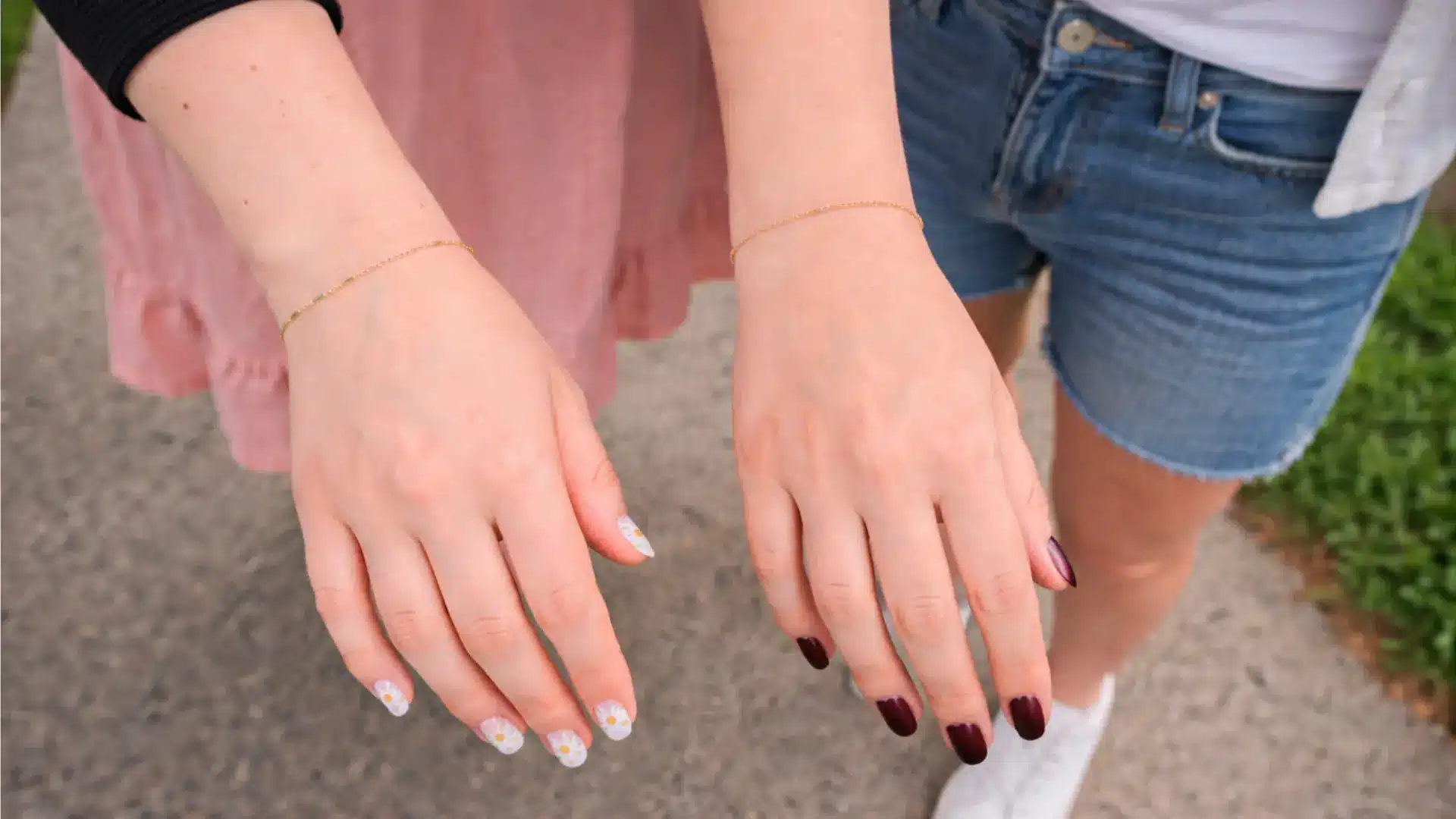
These are by far the most popular choice (and for good reason!). A permanent bracelet sits neatly on the wrist and feels light enough for everyday wear.
Most designs use delicate chains, giving the bracelet a simple yet polished look. Many people also add small charms for a more personal touch.
Another big advantage is that these bracelets are easy to stack. You can add more over time to create a layered wrist look that feels stylish but still minimal.
For most people, a permanent bracelet is the first step into the permanent jewelry trend.
2. Permanent Anklets
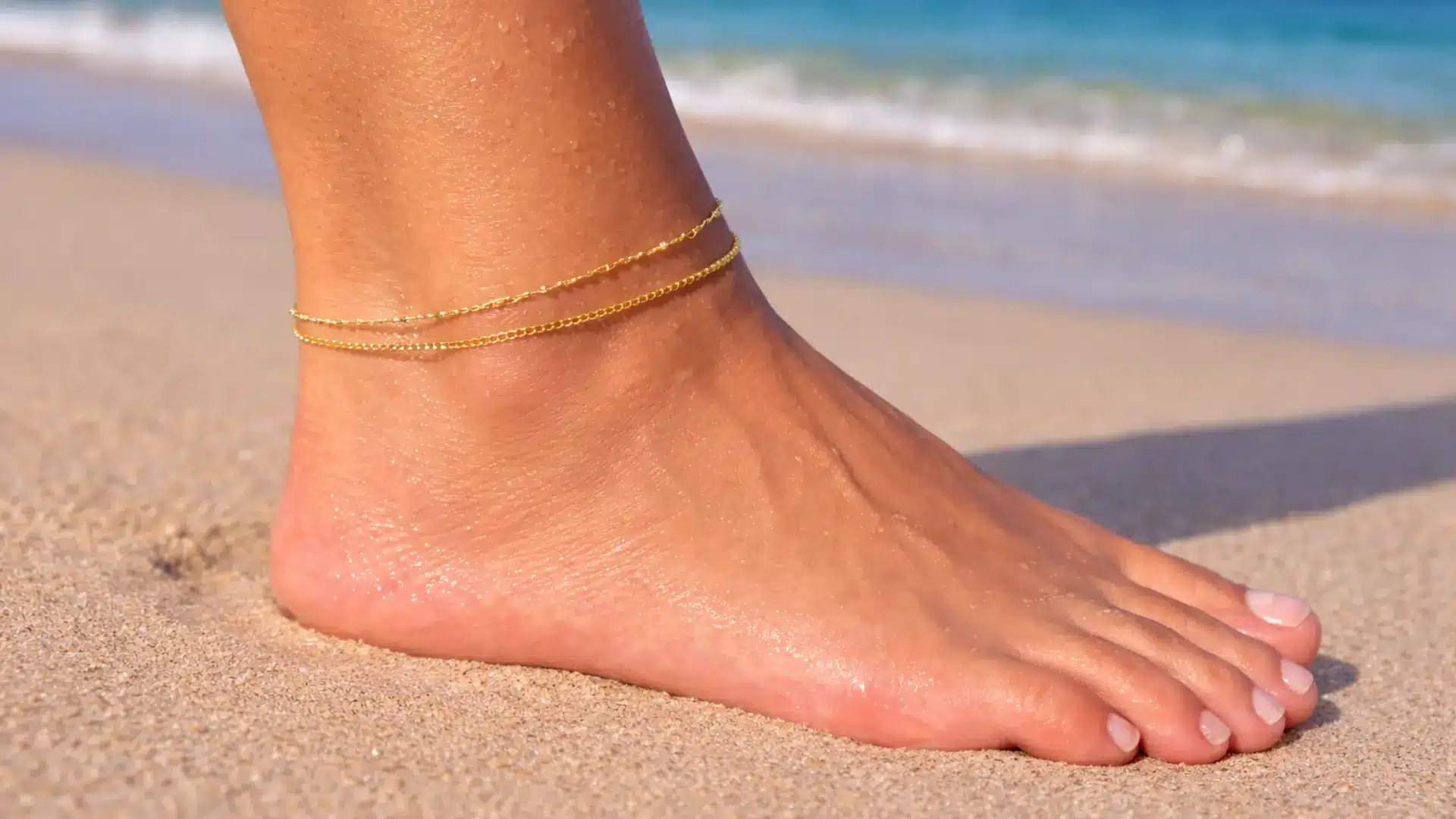
Permanent anklets are a fun and stylish option, especially for summer lovers and beach days. It gives you that cute, carefree sparkle every time you slip on sandals or hit the pool.
Since it’s custom-measured, it stays exactly where it is fitted without sliding down or getting lost in the sand.
From a styling standpoint, anklets are among the more versatile options in warmer climates, adding a touch without competing with the rest of the outfit.
In cities with year-round warmth, welded anklets have become a constant rather than a seasonal accessory, pairing equally well with linen trousers, sundresses, and beach wear.
It is a simple way to keep that relaxed, vacation-inspired vibe all year long.
3. Permanent Necklaces
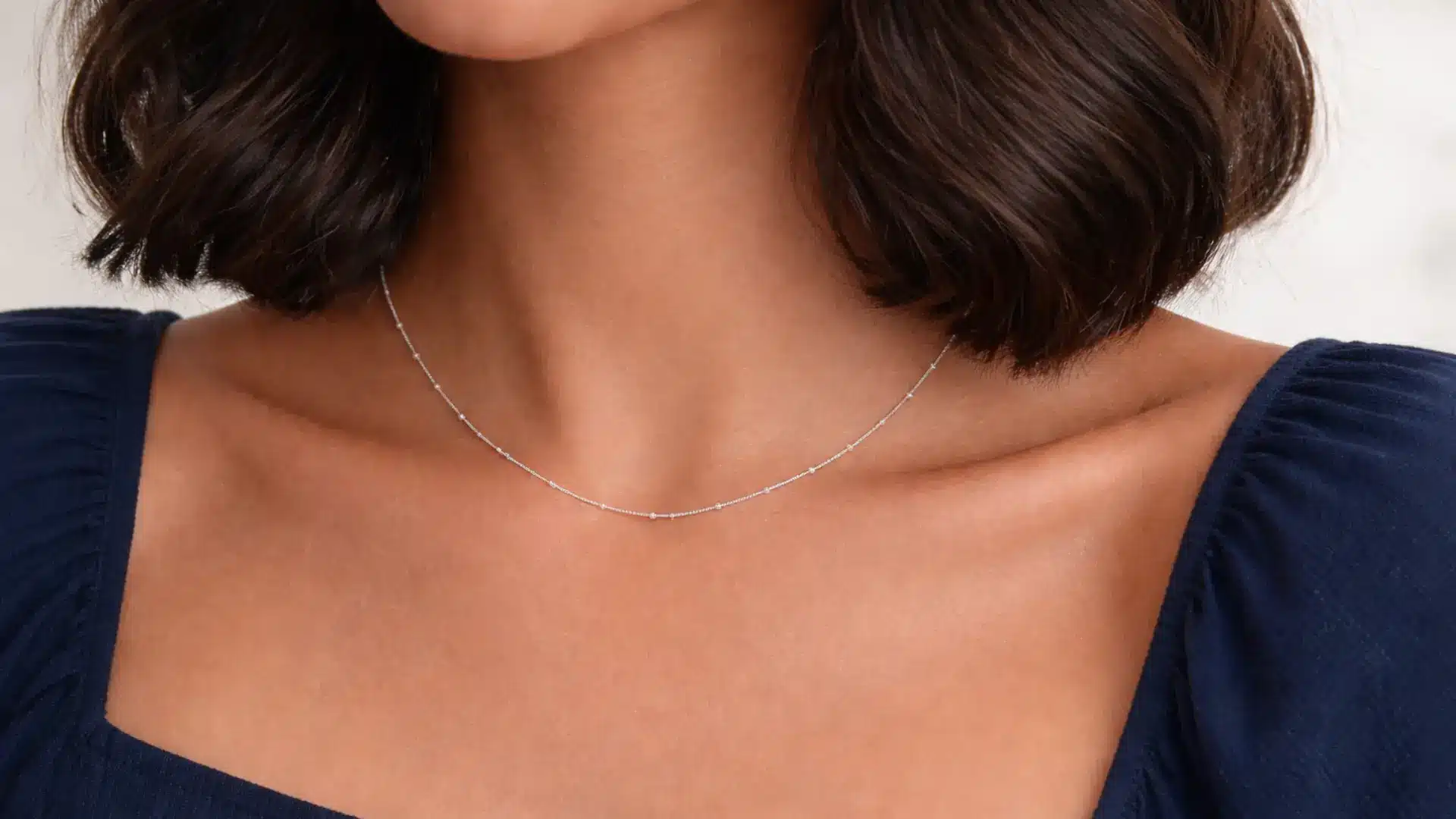
Permanent necklaces are a delicate and elegant form of permanent jewelry that sits close to the collarbone or slightly longer, depending on personal style.
Many people choose a simple chain or add a small pendant that feels meaningful to wear every day. Since the design is minimal, it works well with both casual outfits and dressier looks.
The best part is you get to decide the length you prefer. Some people like a snug collarbone fit, while others prefer a longer, relaxed drop for a softer look. And, obviously, you can layer these any way you wish!
How to Care for Your Permanent Jewelry
One of the quiet advantages of permanent jewelry is that it asks very little of you. But low maintenance is not the same as no maintenance, and a few consistent habits keep the piece looking its best for years.
- Rinse After Swimming: Chlorine from pools and salt from ocean water can dull metals over time, particularly sterling silver and gold-filled chains. A quick rinse under clean water after swimming and a gentle pat dry is enough to make a real difference.
- Apply Fragrance and Skincare First: Perfume, body lotion, and SPF can accumulate around the weld point and along the chain over time. Let products absorb fully before the piece comes into direct contact with them.
- Clean Gently once a Week: A soft cloth dampened with mild soapy water removes buildup without scratching the metal. Avoid abrasive cleaners or aggressive silver polishes.
- Check the Weld Point Periodically: Press gently around the welded link every few weeks. If it feels loose or starts to shift, visit the studio for a re-weld before the chain separates.
- Pat Dry After Showering: Leaving a chain wet against the skin, especially for silver, can accelerate tarnishing. A quick pat dry after showering extends the life of the piece.
How to Find Permanent Jewelry Near You?
Permanent jewelry is now available in most major cities and many smaller towns through independent jewelers, boutique studios, and pop-up events.
Searching for “permanent jewelry near me” or “permanent jewelry” followed by your city, such as permanent jewelry Denver, permanent jewelry Austin, or permanent jewelry New York, is the fastest way to find local studios with available appointments.
When evaluating a local studio, look for jewelers who clearly display their metal options and pricing, have before-and-after photos of their work, and use proper micro-welding equipment rather than improvised tools.
Reading Google or Yelp reviews for mentions of a clean workspace, professional fitting, and responsive aftercare support can help separate quality studios from rushed ones.
Many studios also host group welding events for birthdays, bachelorette parties, or friend groups, which can be a fun shared experience and sometimes come with a group discount. Booking ahead is always recommended, especially on weekends.
Who Should Buy Permanent Jewelry?
Permanent jewelry works across a wider range of people and occasions than its minimalist aesthetic might suggest. Here is who tends to love it most.
- The Effortless Minimalist: If you already gravitate toward clean, unfussy accessories, a delicate welded chain fits that instinct exactly. It adds polish without adding noise to a carefully edited wardrobe.
- The Active Person: Runners, swimmers, and gym regulars who typically skip jewelry because it gets in the way find that a permanent bracelet or anklet simply disappears into their routine without ever interfering.
- The Symbolic Buyer: Best friends, partners, mothers and daughters, or a group marking a shared milestone: the ritual of being welded at the same appointment is what gives the piece its meaning. The jewelry becomes the physical souvenir of the moment itself.
- People Who Always Lose Jewelry: There is a very recognizable type of person who buys a bracelet, loves it for a week, and then finds it tangled at the bottom of a bag three months later. Permanent jewelry solves that cycle entirely.
- The Slow Fashion Advocate: Choosing one quality, long-lasting piece over a rotating supply of trend-driven accessories is a form of more intentional consumption. Solid gold or gold-filled permanent jewelry is, in that sense, an investment rather than an impulse.
Tips Before Getting Permanent Jewelry
Before booking an appointment, a few simple checks can help ensure the experience goes smoothly and the jewelry lasts longer.
- Choose a high-quality metal: Pick durable materials like solid gold, gold-filled, or sterling silver. These metals handle daily wear better and resist tarnish.
- Consider Everyday Activities: Consider your work, workouts, and hobbies. The chain should not interfere with tasks or equipment.
- Check the Chain Strength: Very thin chains look delicate but may break easily. Ask the jeweler about durability for long-term wear.
- Dress for Access: Wear short sleeves or a top with easy-to-roll-up cuffs if you are getting a bracelet; loose-fitting pants or a skirt for an anklet, and avoid high necklines if you are getting a necklace welded.
- Make Sure the Fit Feels Comfortable: The chain should move naturally on the wrist or ankle without feeling tight.
- Ask About Removal Options: Permanent jewelry can be cut off if necessary. Confirm how removal works before getting welded.
- Book a Trained Jeweler: A professional jeweler ensures safe welding and proper fitting.
- Disclose Any Medical Conditions: If you have a pacemaker, are pregnant, or anticipate medical imaging like an MRI in the near future, discuss this with the jeweler before committing. Permanent jewelry will need to be removed before most MRI procedures and certain surgeries. Knowing how to remove the piece safely before any procedure is important.
Conclusion
Permanent jewelry is one of those trends that actually makes sense once you try it. It’s simple, low-maintenance, and carries just enough meaning to make it feel special.
Understanding what permanent jewelry is helps explain why this trend has become such a popular everyday accessory.
The welded piece stays with the wearer through daily routines and special moments alike.
For some, it represents friendship or love. For others, it simply adds a subtle sparkle that works with every outfit. The best part is how effortless it feels once it is on.
If the idea of a low-maintenance accessory with personal meaning sounds appealing, permanent jewelry might be worth trying.
Have you already gotten your first piece? Drop your experience in the comments, I’d love to hear how you’re wearing yours!
Frequently Asked Questions
Is Permanent Jewelry Safe?
Yes, permanent jewelry is safe for daily wear. Micro welding never touches the skin. Jewelers use protective barriers and safe metals, and the chain can be easily removed if needed.
Does Permanent Jewelry Set off Airport Metal Detectors?
No. The delicate chains are far too small and lightweight to trigger standard airport or building security metal detectors during screening.
Can Permanent Jewelry Break During Daily Activities?
Permanent jewelry is designed for everyday wear. However, strong pulling or snagging can break delicate chains. Most jewelers can easily repair or re-weld the piece.
Do You Need to Remove Permanent Jewelry for an MRI or Surgery?
Yes. Permanent jewelry must be removed before MRI scans, most surgeries, and certain medical procedures. The chain can be cut off at the welded link using small scissors or nail clippers. Many studios offer re-welding services afterward so the piece can be reattached once the procedure is complete.
Can You Swim or Shower with Permanent Jewelry?
Solid 14k gold and stainless steel handle water exposure well and can be worn in the shower without issue. Sterling silver and gold-filled pieces are more vulnerable to tarnishing from prolonged chlorine exposure in pools and hot tubs. Rinsing the piece with clean water after swimming and drying it gently helps extend its appearance over time.
Is Permanent Jewelry a Good Gift Idea?
Yes, permanent jewelry makes a meaningful and memorable gift, especially when given as a shared experience. Booking a welding appointment together with a friend, partner, or family member and getting matching pieces turns the gift into both an accessory and a memory. Many studios accommodate group bookings for birthdays, anniversaries, and bachelorette parties.