Your favorite jacket has outlived three trends, two moves, and one very messy breakup.
Meanwhile, the average fast-fashion piece gets worn seven times before it’s dumped.
That gap is exactly where style sustainability lives. It’s not just another buzzword, but the quiet rebellion of dressing like your clothes actually matter.
It is about making sharper, more intentional choices that respect your wallet, the planet, and the people stitching your seams.
As a stylist and fashion historian, I’ve spent years thrifting market aisles, rebuilding wardrobes, and studying how different eras approached getting dressed.
You’ll learn why sustainability isn’t a sacrifice, how it saves you money, and the exact steps that turned my clients’ overflowing wardrobes into calm, confident ones.
What is Style Sustainability?
Style sustainability means making fashion choices that balance personal expression with a genuine awareness of environmental and human impact.
It goes well beyond what most people mean when they say “eco fashion” or “green clothing.” Those terms tend to focus narrowly on materials, but sustainability goes beyond just that.
It includes environmental responsibility, the ethics of how and by whom clothes are made, and the straightforward idea that a well-chosen piece should outlast any trend.
The concept is not actually new. Fashion historians will tell you that wearing things out, repairing them, and passing them down was simply how people dressed for most of history.
What changed was industrial-scale clothing production in the 20th century, which made buying cheap and discarding quickly feel completely normal.
Having spent years studying how different eras approached getting dressed, I can tell you that the most compelling wardrobes almost always belonged to the most intentional dressers.
Style sustainability is a return to that way of thinking. It is not a micro-trend that will soon be lost from our feeds. It is closer to a long-overdue course correction.
Why Style Sustainability Matters: The Cost of Fast Fashion
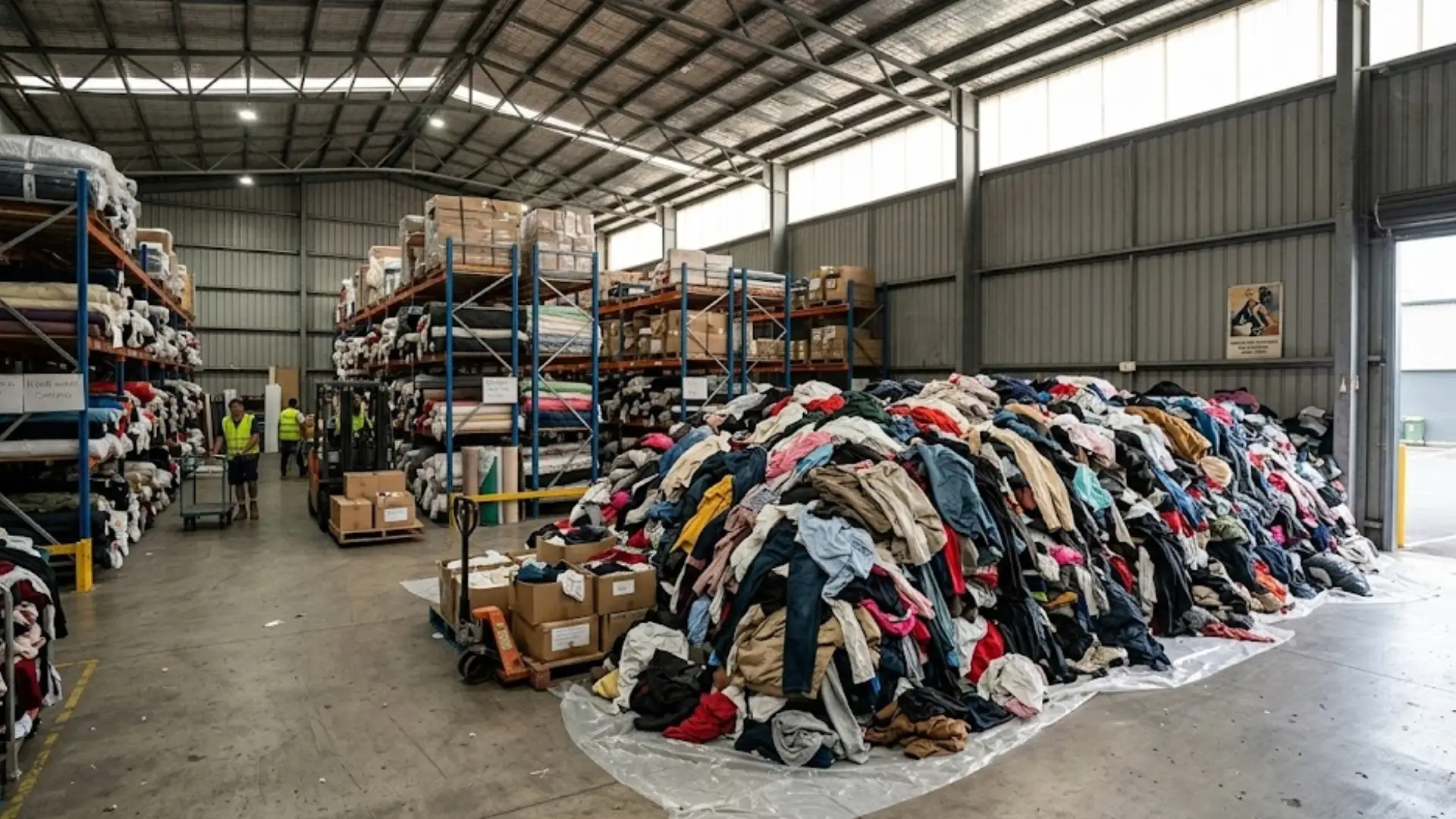
The fashion industry is the second-largest consumer of water on the planet. It is responsible for more global carbon emissions than international aviation and maritime shipping combined.
The United Nations Environment Programme estimates that approximately 85% of all textiles produced each year end up in landfills or are incinerated.
A single polyester shirt takes over 200 years to decompose. The thing that scares me the most is that these are not projections, but actually where we are right now.
I walked through a textile waste facility, and there were mountains of barely worn clothing with tags still attached. That image does not leave you. It fundamentally changed how I advise every client I work with.
The International Labor Organization estimates that millions of garment workers worldwide operate under conditions that fall far short of basic safety and fair-wage standards.
The cheap price tag at the checkout does not reflect the real cost because someone, somewhere, absorbed it.
There is also a cost that rarely gets mentioned: synthetic fabrics shed microplastics with every wash cycle.
Fast fashion also quietly drains your own wallet. A $22 trending top worn twice costs you $11 per wear. A $150 well-made jacket worn 80 times costs under $2. Style sustainability wins financially just as much as it does environmentally.
But there is a real gap between intention and action. Research from Zalando shows that while over 77% of people expect brands to make sustainable choices easier, many still struggle to identify eco-friendly products or know where to buy them.
Style sustainability is not just about awareness. It is about accessibility and clarity, and that is exactly what this guide is built to give you.
How to Spot Greenwashing in Fashion Brands
Greenwashing has become one of the biggest challenges in sustainable fashion. Many brands use eco-friendly language without offering real proof behind their claims.
- Greenwashing in Fashion: One of the biggest obstacles to genuine style sustainability is brands appearing more eco-friendly than they actually are.
- Misleading Marketing Terms: Words like “conscious collection,” “eco-friendly,” and “green” are often used without verified evidence.
- False Sustainable Claims: Some “sustainable” collections use the same conventional materials with only different branding or packaging.
- Checking Brand Commitments: A good starting point is asking whether brands are making real sustainability efforts or simply marketing them.
- Trusted Certifications: Labels like GOTS, OEKO-TEX, Fair Trade, and B-Corp are independently verified and carry real credibility.
- Meaningful Product Information: Brands that mention verified certifications on product pages usually provide stronger sustainability signals.
- Supply Chain Transparency: Factory lists, sourcing maps, and audit reports are indicators of a brand’s trustworthiness.
- Lack of Transparency: If a brand cannot explain where its fabrics come from, that silence may indicate weak sustainability practices.
Core Principles of a Sustainable Style Practice
Style sustainability is not a single rule. It is a set of guiding principles that work together across the choices you make daily, from what you buy to how long you keep it.
1. Quality Over Quantity: The Slow Fashion Mindset
The simplest shift I ask every client to make is this: before buying anything, ask whether it was made well and whether it will last.
That single question is the entire foundation of slow fashion. It moves the conversation away from price tags and toward the actual value a piece brings to your life.
A garment made from quality fabric, cut well, and finished properly, will outlast ten cheaper versions of the same thing. I have seen this play out hundreds of times on the floor of my studio.
The slow fashion mindset pairs naturally with building a genuinely classic personal style, where the goal is a cohesive wardrobe of pieces that hold up across years, not seasons.
2. Circular Fashion: Designing Out the Waste
Circular fashion is the idea that clothing should never truly reach the end of its life.
Instead of the familiar cycle of buying, wearing briefly, and discarding, circular fashion keeps garments in motion through resale, repair, rental, and eventual recycling back into raw material.
WRAP estimates that keeping clothes in use just 9 months longer reduces the carbon, water, and waste footprint of that garment by around 20%.
Circularity is not a niche concept either. It is quickly becoming the framework that serious brands are building their entire production models around.
3. Ethical Sourcing: The Human Side of Your Wardrobe
Style sustainability is never only about the planet. It is equally about the people behind every seam. Ethical sourcing means that the workers who cut, stitch, and finish your clothing were paid fairly and worked in safe conditions.
It means that the cotton or linen in your shirt was harvested without displacing communities or contaminating local water supplies.
In my years of working with brands and researching supply chains for clients, I have found that the most transparent labels are almost always the most trustworthy ones.
A quick way to verify: look for the Fair Trade or B-Corp seal rather than taking marketing language at face value.
How to Build Your Sustainable Style Wardrobe
Style sustainability can look like an overwhelming overhaul when you first encounter it, but in practice, it begins with the smallest, most personal decision you can make.
1. Audit Your Closet
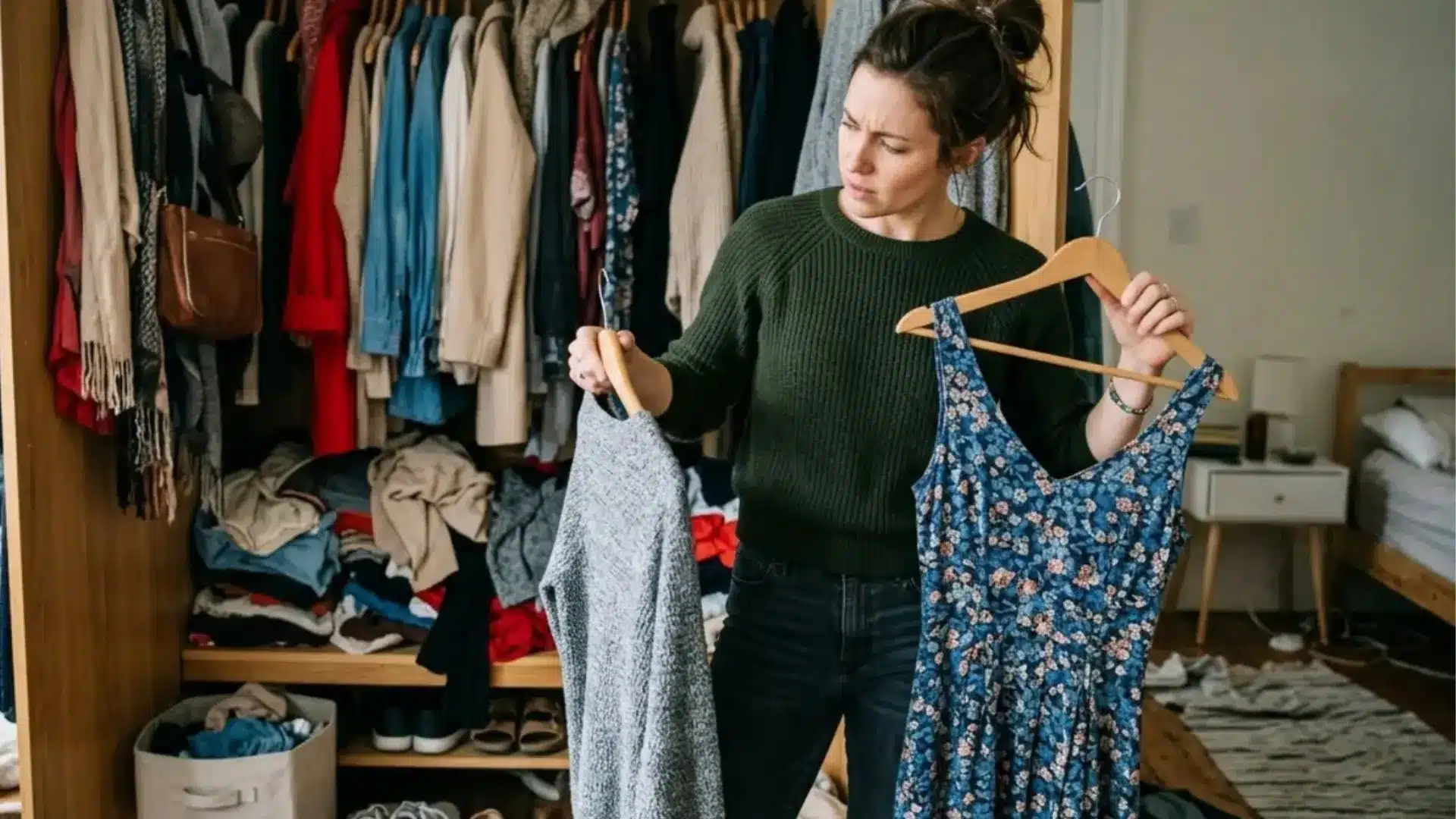
Pull every piece of clothing from your wardrobe out and keep it laid out flat where you can see it. I do this with every client before we talk about buying a single new thing, sustainable or otherwise.
Dressing according to body type makes this audit sharper. When you understand what silhouettes genuinely work for you, it gets much easier to see which pieces were always wrong for your proportions and which ones are worth keeping or repairing.
Now ask yourself these 5 field-test questions for each piece:
- Does this work for the climate I actually live in?
- Is the fabric quality worth keeping or repairing?
- How many ways can I realistically style this?
- Does wearing it feel good, or does it feel like a compromise?
- Could this be repaired or tailored if something went wrong with it?
Anything that cannot answer at least 3 of those questions honestly is a candidate for rehoming.
Sell through platforms like ThredUp or Depop, donate to a local clothing exchange, or drop off at a textile recycling point.
2. Shop Smarter: Quality, Secondhand, and Small Batch
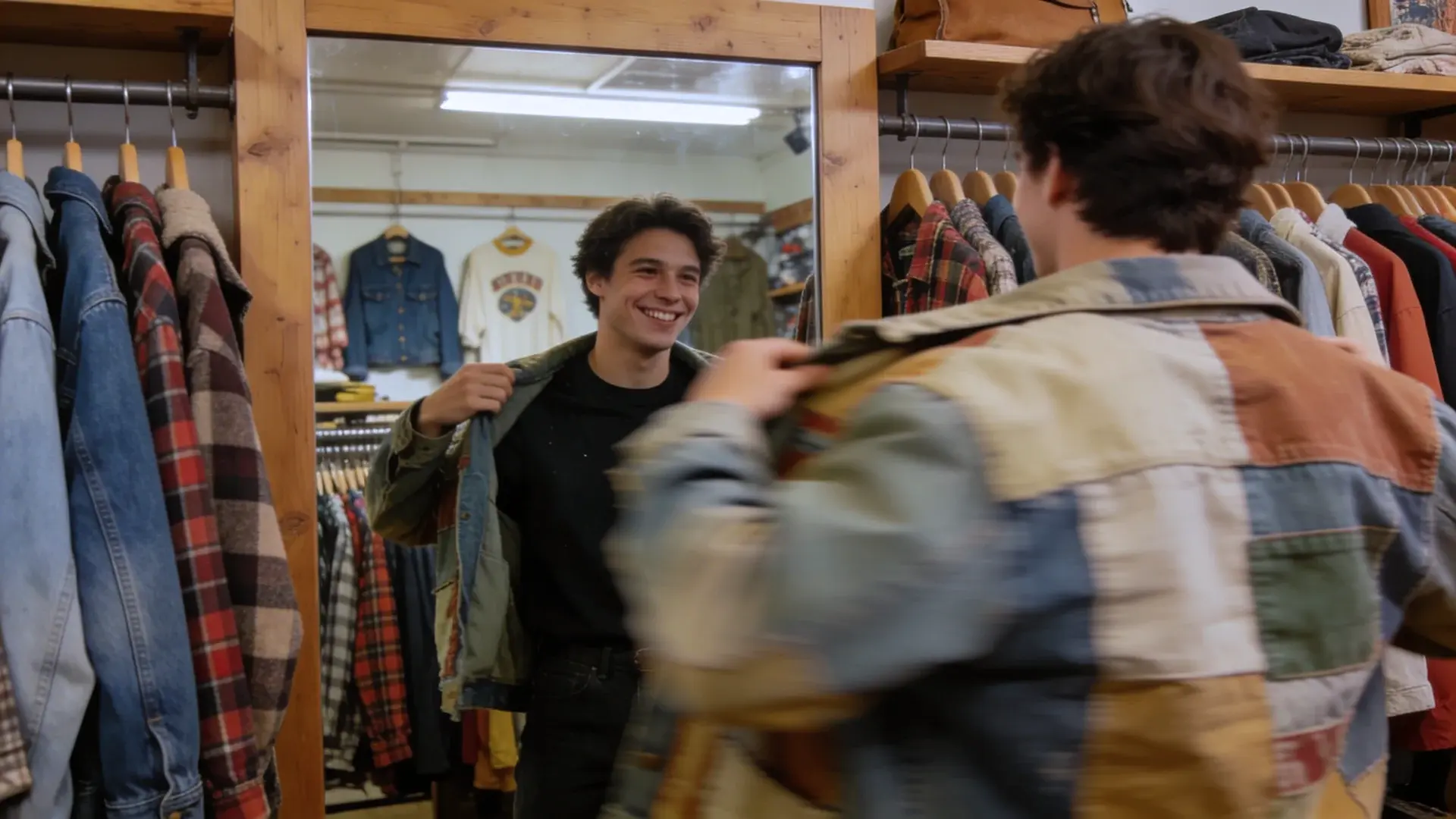
Once your closet is edited, the next habit to build is a smarter approach to what comes in. The rule I give every client is simple: secondhand first, always.
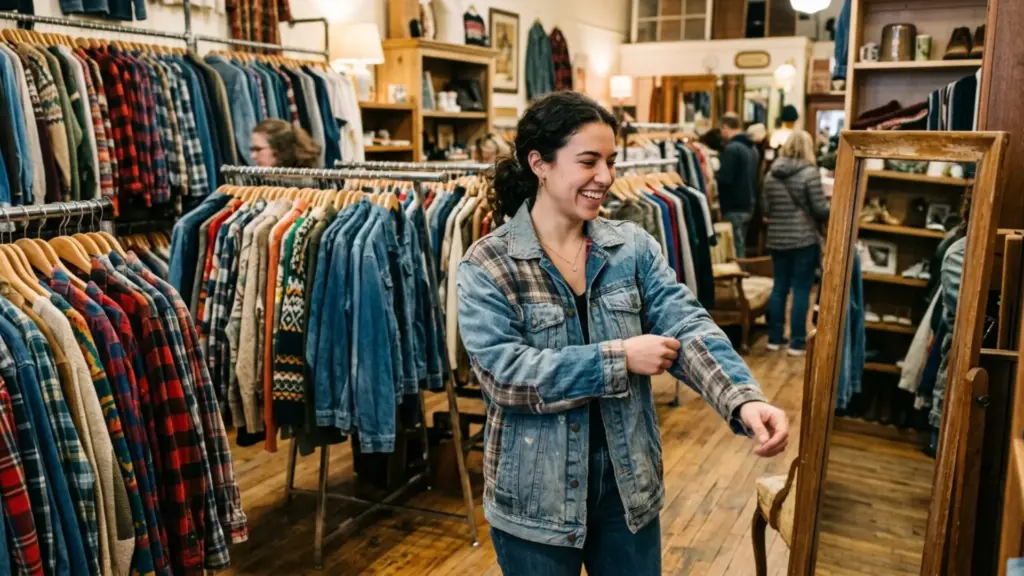
Before you buy anything new, spend ten minutes checking Poshmark, ThredUp, or your local thrift store. You will be genuinely surprised by how often you find exactly what you were looking for at a fraction of the price, with far less environmental impact.
When you do buy new, apply the 30-wear rule before anything goes into your cart. Ask yourself honestly whether you will wear this piece at least 30 times.
If the answer is uncertain, it is probably not the right purchase.
Prioritize brands that produce in small batches, publish supply chain transparency reports, and use natural or recycled materials.
For building the actual foundation of your wardrobe, think in terms of a capsule approach. A small collection of well-chosen, versatile pieces that work across multiple outfits and occasions will serve you far better than a full rack of single-use trend items.
3. Care Routines that Double Garment Life
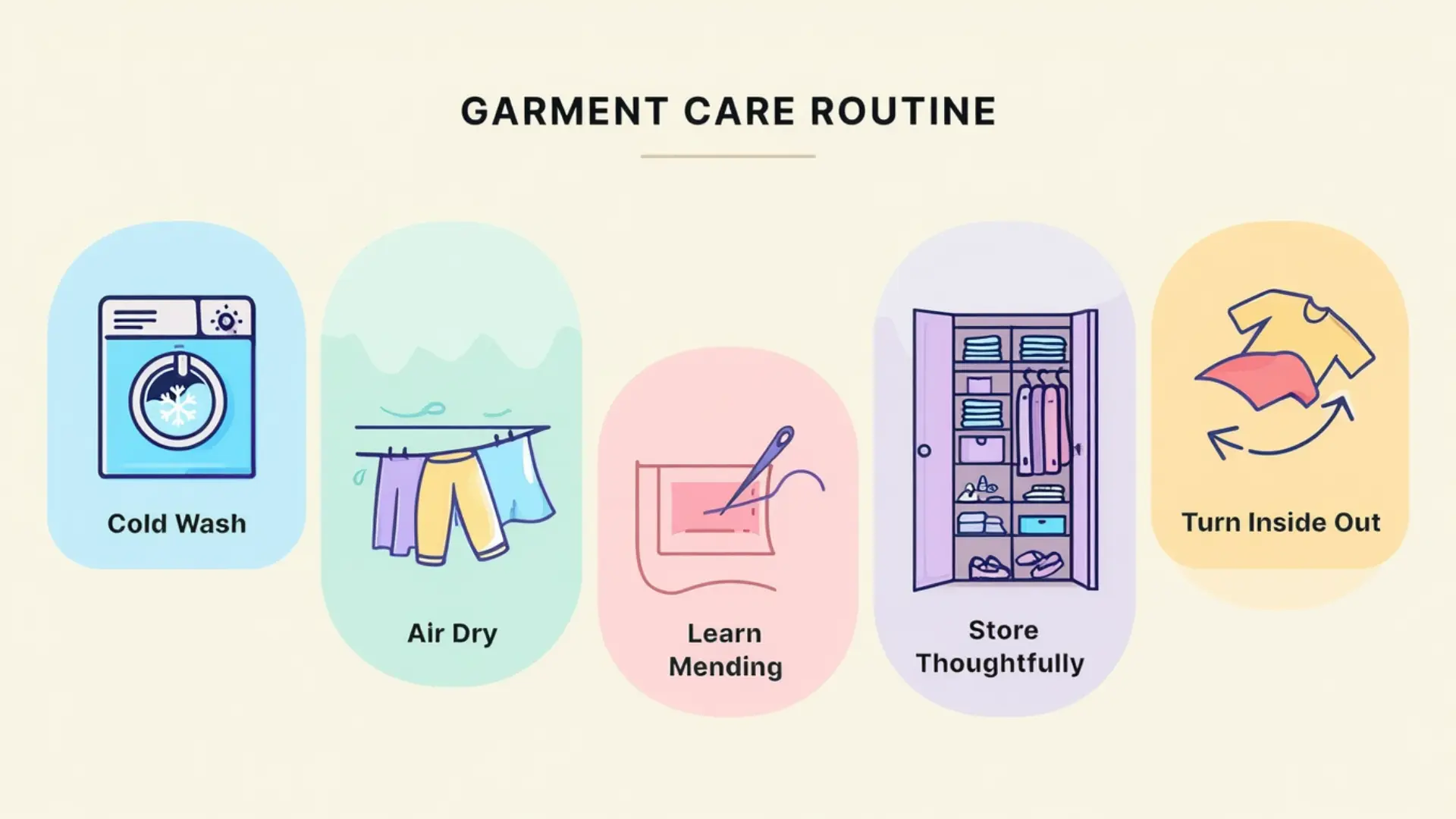
Clothing care is the part of style sustainability that almost never gets talked about, and it is one of the highest-impact changes you can make without spending a single dollar.
My own rule is cold water, always. Cold water washing reduces fiber breakdown, prevents color fading, and significantly cuts the energy cost of each laundry cycle.
Air dry whenever possible. Tumble dryers are one of the leading causes of fabric degradation over time. Natural fibers especially benefit from being laid flat or hung to dry.
Learn one basic mending skill this month. Visible mending has become genuinely stylish in its own right. A patched elbow or a decorative darn is a mark of intentionality now, not poverty.
Heavy knits should be folded, not hung; leather and structured pieces need to breathe. Seasonal rotation with proper storage prevents the kind of slow damage that makes pieces unwearable before their time.
In my experience, the clients who build this kind of care routine into their lives end up spending noticeably less on clothing year over year, while looking consistently more put together than those who are constantly chasing the next purchase.
4. Fabrics that are Actually Worth Your Investment
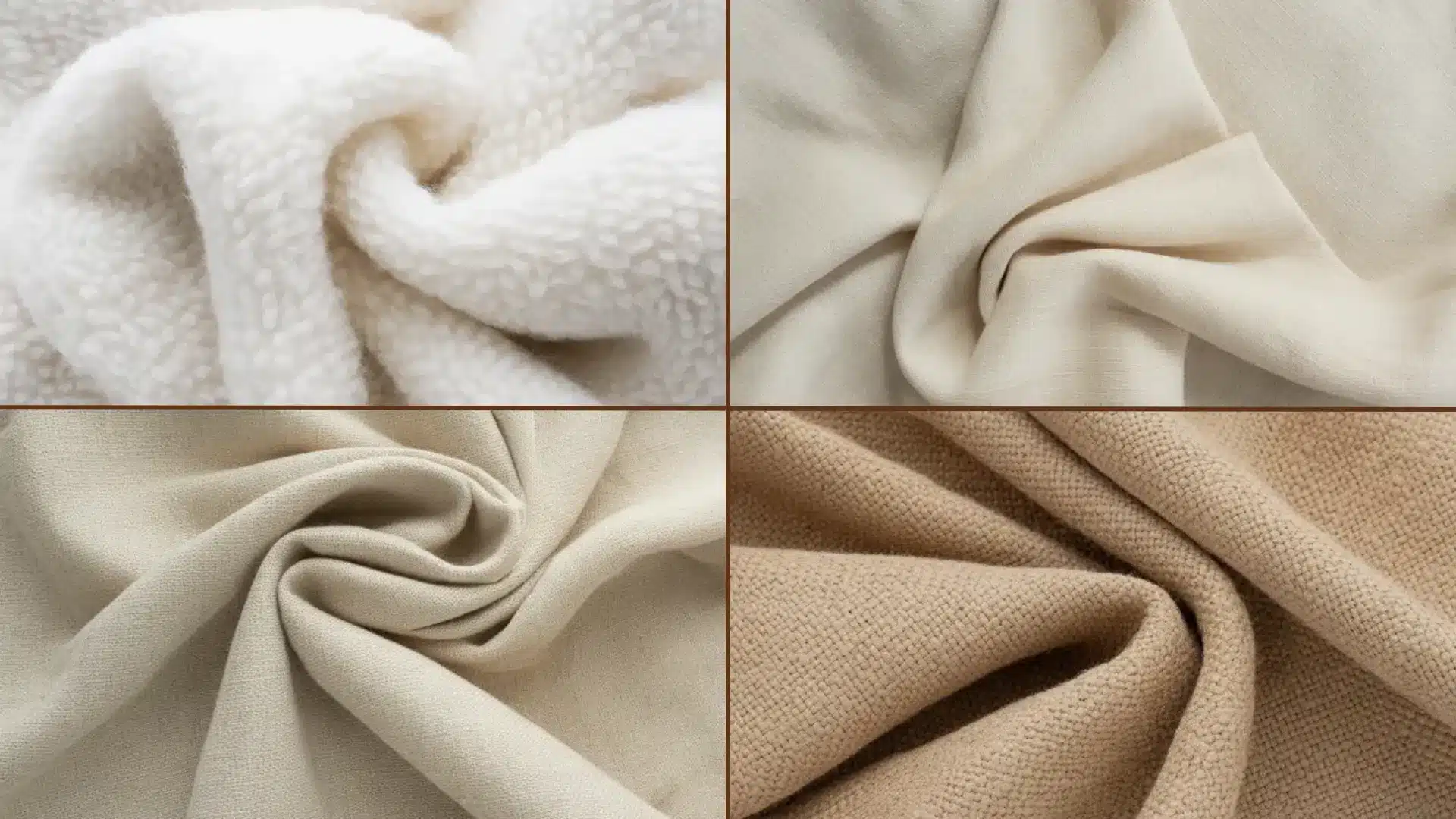
Fabric choice determines how long a piece lasts, how it wears across seasons, how it biodegrades at the end of its life, and how its production affected the people and ecosystems involved in making it.
Organic cotton is grown without synthetic pesticides or fertilizers, which significantly reduces its water contamination footprint compared to conventional cotton. It feels familiar and easy to wear, and it biodegrades naturally.
Linen is one of the most low-impact fibers available. It requires very little water to grow, uses almost the entire flax plant with minimal waste, and gets softer and better with every wash. It is also one of the most effortlessly stylish materials I work with.
Tencel or Lyocell is produced from sustainably sourced wood pulp in a closed-loop manufacturing process, meaning the water and solvents used are recycled back into the system.
Hemp is arguably the most regenerative crop in textile production. It requires no pesticides, improves soil health, and produces a fiber that is strong, breathable, and just so beautiful.
Note: Conventional cotton accounts for a disproportionate share of global pesticide use. Unverified viscose or rayon can carry significant environmental costs depending on how and where they are produced.
Sustainable Style: Myths vs Facts
I hear the same myths about style sustainability all the time from clients in my studio, from comment sections, and even from friends who want to do better but feel stuck.
| Myth | Fact |
|---|---|
| Sustainable fashion is ugly and boring | Sustainable pieces look stylish, flattering, and get compliments |
| It is only for people with money | Thrifting and ethical budget brands make sustainable fashion accessible at every price point |
| One person’s choices do not matter | Individual choices influence demand and push brands toward better practices |
| You must replace your whole wardrobe | Start small and build gradually with better choices |
| Sustainable fashion is always expensive | Cost per wear makes durable clothing more affordable long-term |
| It means giving up personal style | Fewer pieces often strengthen and refine personal style |
| Only luxury brands can be sustainable | Many affordable brands offer ethical and sustainable options |
Traditional Fashion Habits that Actually Supported Sustainable Style
Before fast fashion encouraged people to replace clothes quickly, garments were treated with much more care. People repaired them, reused them, and passed them down through generations.
My grandmother kept a small mending basket beside her chair and fixed loose buttons or worn fabric every Sunday. That simple habit helped her clothes last for years.
Similar practices existed across cultures. Japanese boro garments were repaired with sashiko stitching, while many families reused fabric scraps to create stronger, more personal clothing.
Most garments were also made from natural fibers like cotton, wool, and linen, which lasted longer and biodegraded naturally.
Today, brands like Patagonia and Eileen Fisher are trying to bring back these values through repair and resale programs. What earlier generations practiced naturally has now become a deliberate sustainability strategy.
Tips to Maintain a Sustainable Style Wardrobe
Simple daily habits feel tiny, yet they quietly build a wardrobe that works longer for you and the planet. Pick any two this week and watch how your style feels lighter and more intentional.
- Rotate your shoes every day: Giving each pair a full rest day between wears reduces sole compression and moisture damage, so they stay comfortable far longer.
- Insert cedar shoe trees nightly: Placing cedar forms inside your shoes overnight maintains their shape, absorbs sweat, and repels moths for years of better-looking wear.
- Spot clean bags and belts fast: A quick wipe with mild soap solution on small stains prevents permanent marks and keeps your favorite leather pieces looking new.
- Style scarves in multiple ways: One lightweight scarf doubles as a belt, shawl, or head wrap, instantly updating outfits and maximizing what you already own every day.
- Condition leather bags weekly: Rubbing natural beeswax conditioner into handbags and belts keeps the material supple, prevents cracking, and extends usability dramatically.
- Air out clothes after wearing: Hanging worn items in fresh air for an hour naturally refreshes fabrics and eliminates odors without needing a full wash cycle.
- Fix loose jewelry clasps promptly: Using basic pliers to tighten chains or earring backs keeps your statement pieces in daily rotation instead of being forgotten in a drawer.
- Group pieces into outfit formulas: Arranging matching tops and bottoms together in your closet speeds up morning routines and stops unnecessary new purchases for occasions.
- Add natural sachets to drawers: Small bundles of dried lavender or cedar chips deter moths organically while adding a fresh scent to your entire accessory collection.
Conclusion
The most stylish people I have ever dressed don’t own the most clothes, they own the right ones. They’ve stopped treating their wardrobe like a landfill and started treating it like a legacy.
That shift doesn’t happen overnight, but it always starts with one question: “Will I still want to wear this in five years?” That clarity is worth more than any seasonal haul.
The fashion industry will not course-correct on its own. It responds to what you buy, how often you buy it, and whether you demand better.
Every mended seam, every thrifted find, every question you ask a brand about its supply chain applies real pressure.
Style sustainability is the result of small, consistent decisions, and the planet, the people making your clothes, and your own wardrobe all feel the difference over time. The best part is that you’ll finally stop opening your closet with dread.
What is the first piece in your closet you would save if you could only keep ten? Drop it in the comments. I genuinely want to know.
Frequently Asked Questions
Are Clothing Rental Services Actually Worth the Cost?
Useful for occasional outfits and special events, since they reduce one-time purchases. For everyday wear, owning durable pieces usually offers better value and lower long-term impact.
Should I Avoid All Synthetic Fabrics Completely Going Forward?
Not entirely. Recycled polyester and nylon divert plastic from landfills and perform well for activewear and outerwear. Some synthetic fabrics are durable and long-lasting. The key is mindful use, proper care, and choosing items that will be worn frequently over time.
Can Sustainable Fashion Work for Plus-Size Body Types?
Absolutely. Brands like Universal Standard and Girlfriend Collective offer inclusive sizing with ethical production, proving that style sustainability is not limited by body type.