You have probably seen viscose listed on clothing tags and wondered what it actually means.
It feels soft like silk, looks elegant, and appears in everything from summer dresses to everyday shirts. But what is viscose fabric really?
Many shoppers also get confused about whether viscose is natural or synthetic because the answer is not as simple as it seems.
One label may say rayon, another may say bamboo viscose, while some brands describe it as eco-friendly. That uncertainty often makes buying fabric-based clothing harder than it should be.
Whether choosing clothes for warm weather, sensitive skin, or long-term use, knowing how viscose is made and how it behaves helps avoid disappointment and makes fabric choices feel much more confident and practical.
What is Viscose Fabric?
Viscose fabric is a soft and lightweight material made from natural wood pulp that goes through a chemical process to turn it into usable fibers.
It is often called rayon in the United States and is known for its smooth texture and silk-like feel.
Viscose became popular in the late 19th century when manufacturers searched for a cheaper alternative to natural silk, which was expensive and difficult to produce.
French scientist Hilaire de Chardonnet helped develop the first artificial silk, and later, the viscose process was improved in the United Kingdom during the early 1900s.
Over time, viscose gained popularity in clothing, home textiles, and fashion because it feels comfortable, drapes well, and costs less than luxury fabrics.
Even though it starts from plant-based cellulose, the manufacturing process makes it a semi-synthetic fabric rather than a completely natural one.
Is Viscose a Natural Fiber?
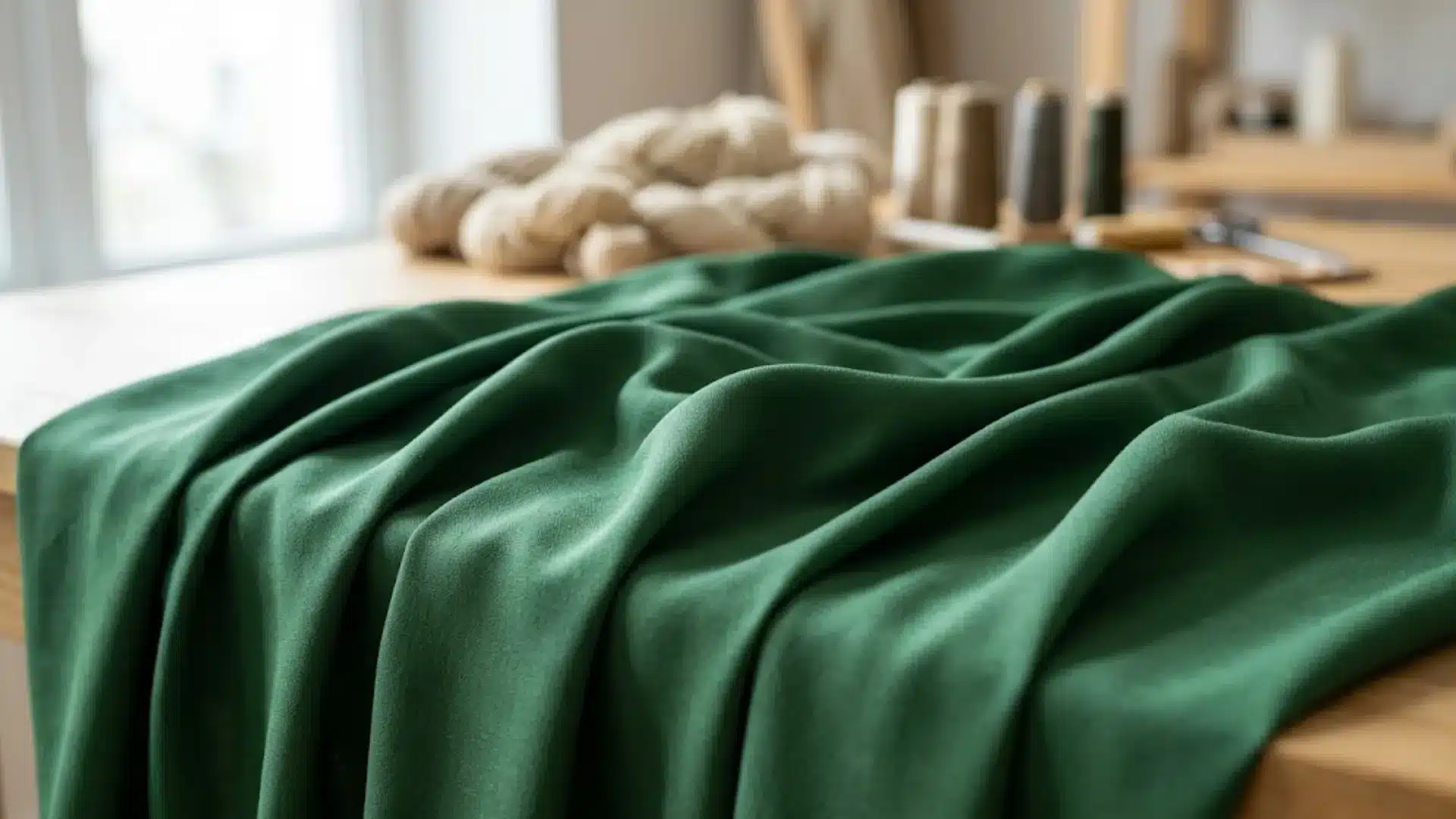
Viscose is not considered a completely natural fiber, even though it comes from natural plant materials like wood pulp or bamboo.
The raw material used to make viscose contains cellulose taken from trees such as eucalyptus, pine, or beech.
However, the cellulose must go through a heavy chemical process before it becomes fabric.
That process involves sodium hydroxide and carbon disulfide, industrial chemicals not found anywhere near a cotton field.
Because of this, viscose is usually called a semi-synthetic or regenerated fiber instead of a fully natural one.
Natural fabrics like cotton, wool, and linen can be used with very little chemical change, but viscose is manufactured in factories using chemical treatments to create soft textile fibers.
This is why many people get confused about whether viscose is natural or synthetic. The answer falls somewhere in between. It has a natural origin but a man-made production process.
How is Viscose Fabric Made?
Even though the raw material comes from plants and trees, several chemical treatments are used to create the final fabric. This process gives viscose its smooth texture, lightweight feel, and silk-like appearance.
Having worked closely with fabric suppliers, I can say the process is more industrial than the “plant-based” marketing on hang tags suggests.
- Wood Pulp Collection: Manufacturers begin by extracting cellulose from trees such as eucalyptus, pine, bamboo, or beech.
- Cellulose Treatment: The purified wood pulp is treated with chemicals to break it down into a usable solution.
- Creation of Viscose Solution: The processed cellulose forms a thick liquid called viscose, which becomes the base material for the fibers.
- Fiber Spinning Process: The viscose solution is pushed through tiny holes called spinnerets to create long fibers.
- Chemical Bath Hardening: These fibers are placed into a chemical bath where they harden and take shape.
- Washing and Cleaning: The fibers are washed thoroughly to remove leftover chemicals from the production process.
- Drying and Finishing: After cleaning, the fibers are dried, softened, and prepared for weaving or knitting.
- Fabric Production: The finished fibers are turned into fabric used for clothing, home textiles, and fashion materials.
Texture and Comfort of Viscose Fabric
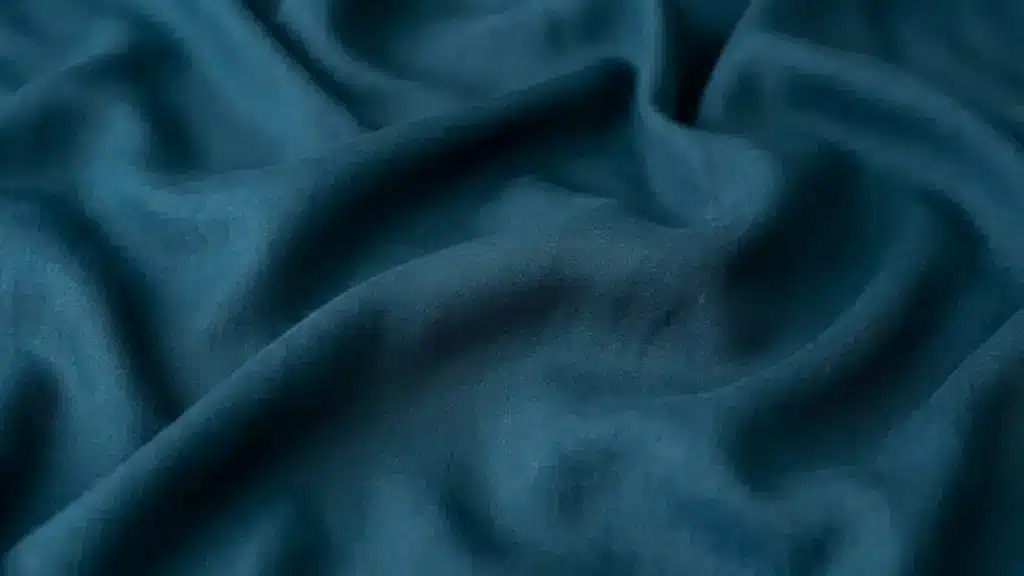
Viscose fabric is known for its soft and smooth texture, which is why many people compare it to silk.
It feels gentle against the skin and has a lightweight structure that makes it comfortable for everyday clothing. The fabric also allows air to pass through easily, making it breathable and suitable for warm weather.
Because of its soft drape and cool feel, viscose is commonly used in summer dresses, shirts, scarves, and loungewear.
Even though it feels luxurious, viscose needs careful handling to maintain its quality. The fabric can shrink if washed in hot water or dried with high heat.
It is also weaker when wet, which means rough washing or twisting may damage the fibers.
Another common issue is wrinkling, especially in pure viscose garments.
Gentle washing, mild detergents, and air drying usually help the fabric stay soft and comfortable for a longer time while keeping its shape and appearance in good condition.
Viscose is often compared to silk and satin in feel. If you are curious about how those two stack up for delicate use, this blog on satin vs silk for hair and skin covers the differences in detail.
Types of Viscose Fabric
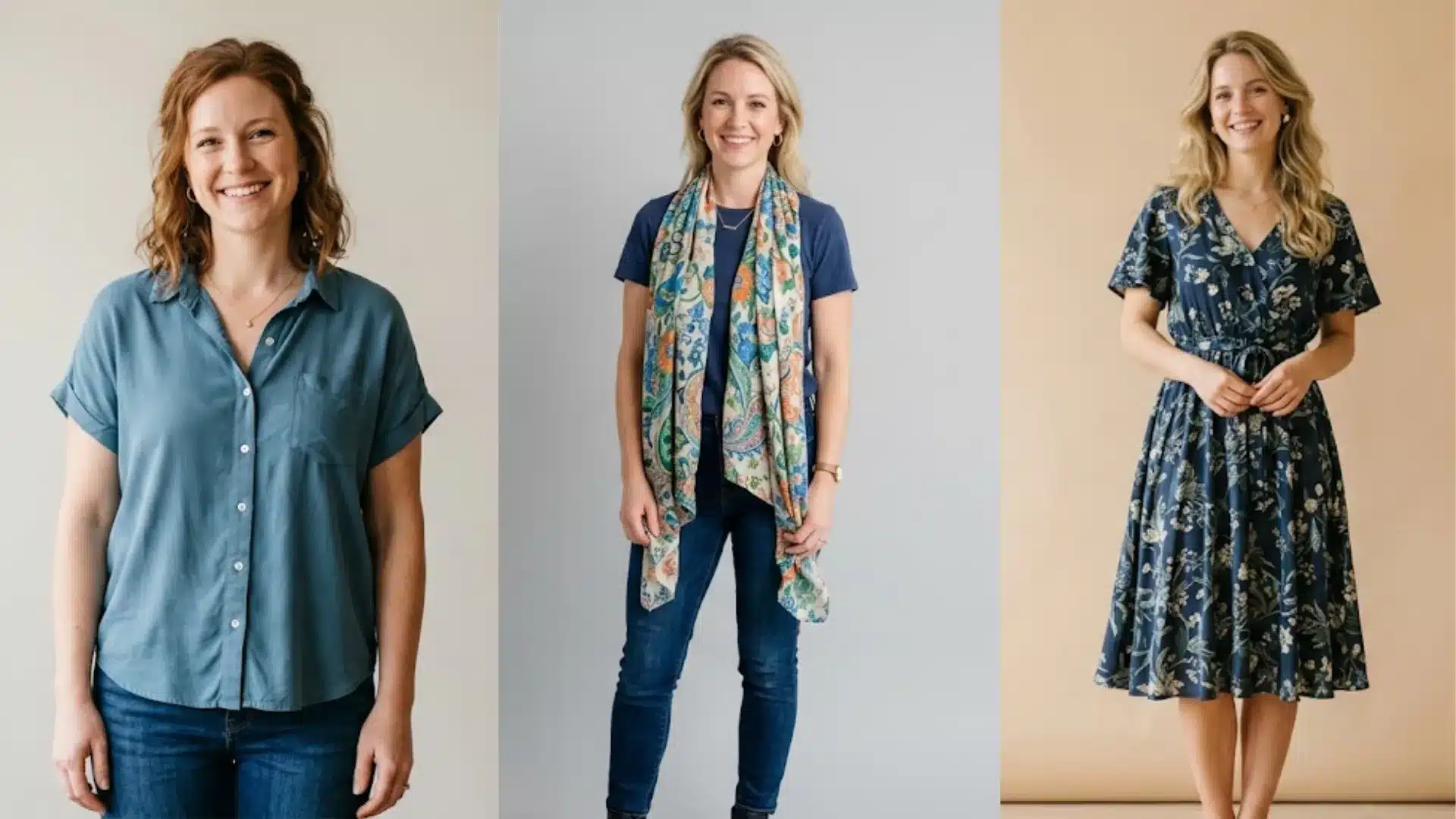
Not all viscose is the same. Several variants exist, each produced through a modified process that changes how the fabric feels, wears, and affects the environment.
- Standard viscose (rayon): The most common type, made primarily from wood pulp. Soft and affordable, but it uses the most chemical-intensive process.
- Bamboo viscose: Made from bamboo pulp instead of wood. Often marketed as eco-friendly, though the production process is largely the same as standard viscose unless specifically noted otherwise.
- Modal: A second-generation viscose made from beech tree pulp. It is softer, more durable, and uses fewer chemicals in production than standard viscose.
- Lyocell (TENCEL): The most sustainable of the group. Lyocell uses a closed-loop system where solvents are recycled, significantly reducing chemical waste. It is stronger than viscose, especially when wet.
- Cupro: Made from cotton linters waste, giving it a silk-like finish, often used in jacket linings and high-end garments.
Advantages & Disadvantages of Viscose Fabric
Understanding both the benefits and limitations can help buyers decide whether viscose is the right fabric for their needs.
| Advantages | Disadvantages |
|---|---|
| Soft and smooth texture that feels comfortable on the skin | Can shrink if washed incorrectly |
| Lightweight and breathable for warm weather | Weakens when wet and may tear easily |
| Often compared to silk because of its luxurious feel | Wrinkles quickly compared to cotton or polyester |
| Drapes well, making clothing look elegant | Requires gentle washing and extra care |
| Absorbs dye easily, producing rich colors | May lose shape after repeated washing |
| More affordable than silk and some premium fabrics | Chemical processing raises environmental concerns |
| Comfortable for dresses, shirts, and summer clothing | Pure viscose is less durable than many other fabrics |
| Made from plant-based cellulose sources | The production process is not fully eco-friendly in some factories |
Common Uses of Viscose Fabric
Viscose fabric is used in many types of clothing and household products because of its soft texture, lightweight feel, and smooth drape. Its ability to absorb color well and feel comfortable against the skin makes it a common choice in both fashion and interior textiles.
- Dresses: Popular for flowy dresses because the fabric drapes smoothly and feels light on the body.
- Blouses and Shirts: Used in casual and formal tops due to its soft texture and breathable comfort.
- Scarves: Common in scarves because viscose feels silky and comfortable around the neck.
- Loungewear: Preferred for pajamas and lounge clothing because it feels soft and cool against the skin.
- Ethnic Wear: Frequently used in traditional outfits for its elegant appearance and lightweight feel.
- Skirts: Help create a flowing and relaxed fit that moves easily.
- Jackets and Linings: Used as an inner lining material because of its smooth surface and comfort.
- Curtains: Chosen for home décor because they hang well and give a rich look.
- Bedsheets and Bedding: Sometimes blended with other fabrics to improve softness and comfort.
- Upholstery Blends: Mixed with stronger fibers for furniture covers and decorative textiles.
Viscose vs Other Fabrics
Viscose, cotton, and polyester are widely used fabrics, but each one has different qualities in terms of comfort, durability, breathability, and maintenance.
| Feature | Viscose | Cotton | Polyester |
|---|---|---|---|
| Fabric Type | Semi synthetic | Natural | Synthetic |
| Main Source | Wood pulp | Cotton plant | Petroleum based |
| Texture | Soft and silky | Soft and natural | Smooth but less breathable |
| Breathability | Good | Excellent | Moderate |
| Comfort in Heat | Comfortable | Very comfortable | Can feel warm |
| Durability | Moderate | Good | High |
| Wrinkle Resistance | Wrinkles easily | Wrinkles moderately | Resists wrinkles |
| Moisture Absorption | High | High | Low |
| Care Level | Gentle care needed | Easy to maintain | Very easy to maintain |
| Common Uses | Dresses, scarves, linings | T-shirts, bedding, daily wear | Sportswear, jackets, blends |
How to Care for Viscose Fabric
Viscose feels soft and looks polished, but it needs more care than most fabrics you’re used to. The main rules are simple: cold water, gentle handling, and no high heat.
- Wash with cold water. Cold or lukewarm water prevents shrinking and protects the fibers. Hot water is the fastest way to ruin a viscose garment.
- Hand wash or use a delicate cycle. Viscose weakens when wet. Rough machine cycles can cause tears or distortion.
- Skip the dryer. High heat from a dryer can shrink viscose significantly. Air drying flat or on a hanger is the safer option.
- Iron on low heat, if needed. High heat from an iron will damage the fibers. Use a cool setting and iron while the fabric is slightly damp for best results.
- Use mild detergent. Harsh detergents can fade color and break down fibers over time.
- Store carefully. Keep viscose clothing folded or hung in a cool, dry place. Avoid compression, which causes creasing that’s hard to remove.
Conclusion
Understanding what viscose fabric is becomes much easier once you know how it is made and where it stands between natural and synthetic materials.
Fabric choices often come down to comfort, practicality, and personal preference, and viscose manages to stand out for people who want a soft and stylish material without paying luxury fabric prices.
Whether choosing viscose for comfort, style, or affordability, checking fabric labels and care instructions always helps make a better buying decision.
Paying attention to washing methods and fabric blends can also make a big difference in how long it lasts.
Have you ever worn viscose clothing or used viscose fabric at home? Share your experience, thoughts, or fabric care tips in the comments below.
Frequently Asked Questions
Is Viscose Fabric Good for Sensitive Skin?
Viscose feels soft and smooth against the skin, which makes it comfortable for many people with sensitive skin. However, fabric blends and chemical finishes may still cause irritation in some cases.
Does Viscose Fade After Washing?
Viscose can fade over time if washed with harsh detergents or exposed to direct sunlight regularly. Gentle washing and proper drying help maintain the fabric’s original color longer.
Why is Viscose Popular in Fashion Clothing?
Fashion brands use viscose because it drapes beautifully, absorbs colors well, and gives clothing a soft and elegant appearance without the higher cost of luxury fabrics.